Last updated: Apr 19, 2026
Cleveland's position on Lake Erie contributes to lake-effect snow patterns that can leave roofs carrying uneven snow loads and prolonged ice along eaves. That combination creates a daily risk: heavy patches of ice that back up water into shingles and flashing, followed by rapid freeze-thaw cycling that weakens roofing joints. When a winter storm rolls in, the clock starts ticking on edge-detail damage. By the time spring winds arrive, the buildup you didn't notice under a blanket of snow can surface as urgent leaks and shingle failure.
Ice dams are not a nuisance here; they are a practical danger. When cold air meets a warm attic or sun-warmed roof, meltwater refreezes at the eaves, creating a dam that forces water to back up under shingles. In Cleveland, repeated freeze-thaw cycles magnify this effect, compromising underlayment, flashing, and soffit ventilation. The result is hidden rot and staining that only becomes obvious after a thaw or a heavy spring rain. If you notice icicles that hang longer than a day, pooled water on the roof, or damp spots along interior ceilings near exterior walls, those are signs to act immediately.
To reduce risk, maintain a consistent and sufficient attic temperature, and close any attic air leaks that feed heat into the roof deck. Add or upgrade insulation in the attic to target an R-value appropriate for severe Ohio winters. A tight, well-ventilated attic lessens the likelihood of warm roofing that feeds ice dam development. Ensure soffit vents are clear and that ridge or turtle vents are unobstructed so cold air flows across the roof deck rather than pooling heat at the eaves. If ice dams form, do not chisel them off aggressively; the falling ice can damage shingles and gutters. Instead, use a roof rake from the ground to remove loose snow, and call a roofing professional to assess flashing, underlayment, and potential water intrusion.
Lake-effect snow can accumulate unevenly on a roof, creating load imbalances that stress rafters, shingles, and drip edges. The most exposed area is the eave line, where ice and melting water sit longest. Damage can start as loose shingles or lifted flashing, then worsen after a spring wind event or hail. A storm-driven leak often travels along the roof plane, behind wall cavities, and into ceilings before it's detected from the attic or interior rooms. Don't wait for a visible sag to act-an uneven snow blanket and a damp attic require immediate professional evaluation.
Proactive steps include a detailed inspection after heavy snows: look for loose or split shingles, damaged flashing along chimneys and skylights, and any staining or mold growth on interior ceilings adjacent to exterior walls. If an inspection reveals compromised underlayment or flashing, plan repairs before temperatures rise and the next thaw cycles begin.
Spring wind and hail events are a major local trigger for emergency calls after winter damage has already weakened shingles and flashing. A high wind can lift cracked shingles, exposing roof decks to further water intrusion. Hail can punch through softer roofing materials and dent metal components, accelerating edge deterioration and gutter damage. After a severe storm, schedule a professional roof inspection promptly, even if leaks aren't yet visible. Early detection can prevent more extensive interior damage and prepare you for the insurance review process, which often hinges on timely documentation and professional assessments.
As a homeowner, you should keep a rapid response plan: document with photos, note date and time of storms, and arrange a same-week roof evaluation if any damage is suspected. In Cleveland, where lake-influenced weather presses on aging housing stock, a quick, targeted assessment helps isolate ventilation faults, damaged flashing, and compromised edge protection before a more extensive failure occurs.
In this market, asphalt shingles dominate replacements due to their compatibility with a large stock of older single-family homes and because they typically keep upfront costs below tile and metal options. For a standard Cleveland-style roof, asphalt shingles run roughly from 350 to 650 USD per square, making them a practical choice when balance between price, performance, and ease of installation matters. If you're weighing metal options, expect a broader range-from about 700 to 1,100 USD per square-reflecting stronger maintenance of curb appeal and longer life, particularly on steeper slopes. Tile options come with higher upfront costs: clay at roughly 1,000 to 1,900 USD per square and concrete around 900 to 1,800 USD per square. For lighter, contemporary aesthetics, synthetic or composite shingles sit between asphalt and real tile, generally 700 to 1,200 USD per square. Each material has a different behavior under ice dam risk and freeze-thaw cycles, so local performance should factor into the choice alongside price.
Older Cleveland homes often feature steep gables, multiple dormers, and chimney intersections. Those architectural elements complicate tear-off, flashing, and cleanup, which drives labor intensity and, in turn, the price. Steep pitches demand additional safety measures and equipment, and more complex valley configurations require careful integration with existing ventilation and attic insulation. When planning, expect a higher bill if the roof line includes large overhangs or intricate cutouts that increase waste and disposal costs. In practical terms, the more edges, intersections, and penetrations you have, the more time crews spend on detail work rather than a straightforward, one-piece install. This is the kind of nuance that often makes your final square-foot cost creep above simpler, rectangular replacements.
Winter and spring storms tend to spike demand, and that pressure can tighten scheduling during the main replacement season from late spring through early fall. In Cleveland, you'll notice longer lead times or let-off in crews after heavy snow or a late-season freeze, when roof damage is freshest and homeowner demand surges. If your project aligns with the peak window, be prepared for possible price bumps tied to labor availability and material distribution. The same storm-driven demand can also create backlog for steep, high-profile roofs, which require prioritization and cautious sequencing. To minimize both price volatility and downtime, you'll benefit from scheduling a reliable start date early, and coordinating with a contractor who has a proven plan for weather-related delays and job-site management.
When choosing a material, balance cost with long-term performance in a lake-influenced climate that magnifies ice dam risk and freeze-thaw stress. Asphalt offers affordability for older homes with simpler geometry, while concrete or clay tiles demand careful budgeting for labor-intensive installations on complex rooflines. If you expect a quick return on investment and fewer maintenance calls, metal can be appealing but will push upfront costs higher. Synthetic shingles provide a middle ground with decent resilience and a moderate price point, but ensure the selected option carries proven performance in winter conditions. In all cases, factor in the extra time and care needed for steep pitches, dormers, and chimney penetrations to avoid surprises when the first thaw hits.
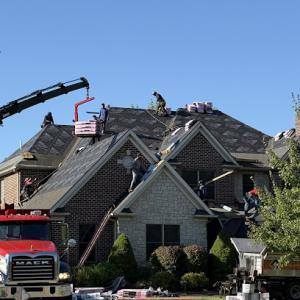
ARC Roofing & Home Improvements
13210 Belden Ave, Cleveland, Ohio
4.9 from 118 reviews
ARC Roofing & Home Improvements – Cleveland’s Trusted Roofing Experts Since 1985 ARC Roofing & Home Improvements is a family-owned roofing contractor proudly serving Cleveland, Lakewood, Parma, Strongsville, and surrounding Northeast Ohio neighborhoods for over 40 years. We specialize in residential and commercial roofing, including roof replacements, shingle roofing, leak repairs, flat roof solutions, gutter installation, and storm damage restoration. We are A+ rated by the BBB for 15 years, known for our commitment to quality craftsmanship and reliable customer service. Whether you need an emergency roof repair, a full roof replacement, or a free inspection, our team delivers fast, professional, high-quality results
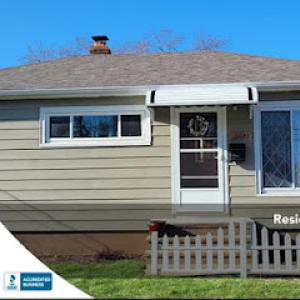
Ohio Roofing Siding & Slate
(216) 862-4553 www.ohioroofingsidingandslatellc.com
2114 Broadview Rd, Cleveland, Ohio
4.9 from 419 reviews
Your first choice in Roofing and Siding Installation and Servicing the NE Ohio. Family Owned and Operated. Over 25 Years experience with any of your roofing needs.
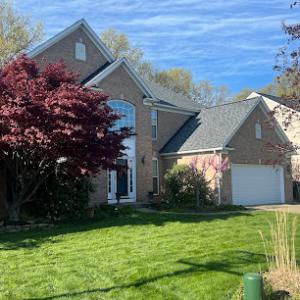
Pring Roofing
(216) 941-6298 pringroofing.com
4472 W 160th St, Cleveland, Ohio
4.9 from 94 reviews
Pring Roofing, a trusted BBB accredited business, has been proudly serving Cleveland and surrounding areas since 1936. Specializing in residential, commercial, and industrial roofing, we offer a comprehensive range of services, including shingle roof replacement and installation of systems such as EPDM, TPO, metal, built-up, and modified bitumen. Our experienced team of professionals is dedicated to delivering quality workmanship and tailored solutions to meet the unique needs of each project. With over eight decades of experience, Pring Roofing is your go-to roofing partner for all your needs. We understand the importance of a reliable roof for your home or business and strive to exceed expectations with every project.
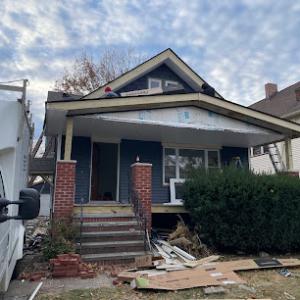
Barahona Roofing
(216) 324-2258 barahonaroofing.com
5410 Train Ave, Cleveland, Ohio
5.0 from 34 reviews
At Barahona Roofing, we are proud to be a Cleveland-based family business with 5 years in operation and over 15 years of industry experience. As a GAF-certified roofer, we specialize in roofing, carpentry, and siding, offering services for new construction, renovations, and home performance upgrades. Our team is dedicated to delivering top-quality work and maintaining clear communication throughout every project.
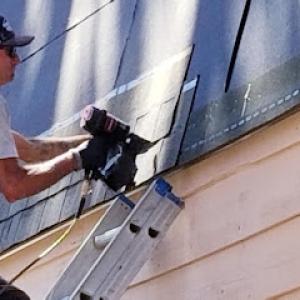
Cleveland Roofing Pros
(216) 293-8705 allclevelandroofingpros.com
16950 Lorain Ave, Cleveland, Ohio
5.0 from 29 reviews
At Cleveland Roofing Pros, we provide reliable roof repair services for homeowners and businesses across Cleveland, OH. A damaged roof can quickly lead to leaks, structural issues, and costly repairs if not addressed promptly, which is why our skilled roofing team is ready to act fast with trusted solutions. We specialize in repairing leaks, replacing damaged shingles, fixing storm-related roof damage, and restoring overall roof integrity. Using durable materials and proven repair techniques, we make sure your roof remains strong and long-lasting, protecting your home or business year-round. Our technicians also conduct thorough inspections to identify hidden issues and prevent future problems.
Roof Maxx of Parma, OH
Cleveland, Ohio
4.8 from 56 reviews
Roof Maxx of Parma is your go-to solution for affordable and eco-friendly roof rejuvenation in Northeast Ohio. Our plant-based formula restores the flexibility of aging shingles, extending your roof’s life by up to 15 years with three simple treatments. Avoid the expense and hassle of traditional roof replacement, and enjoy peace of mind with our five-year transferable warranty. We provide free roof inspections and tune-ups with every application. Contact our team today!
Iman Roofing
(216) 678-9445 www.imanroofing.com
7032 Hough Ave, Cleveland, Ohio
4.7 from 78 reviews
Iman Roofing is one of the Top Roofing Companies in N.E Ohio. We do residential and commercial roofs. We have claims specialist to assist the homeowner/business owner with storm damage claims. We have top knowledge of the insurance industry to assist homeowners in getting full roof replacements when needed. Iman Roofing strives on customer satisfaction and love exceeding the homeowners expectations
Roofing,
(216) 798-9030 www.clevelandroofingcorp.com
2498 Superior Ave Suite 200, Cleveland, Ohio
5.0 from 20 reviews
Cleveland Roofing serves your commercial and residential roofing needs in the Cleveland, Ohio area. Our contractors specialize in free roofing estimates on commercial and residential roof replacement, emergency roof repair and leaking roofs.
1st Choice Roofing Company
(216) 227-7755 1stchoiceroofing.com
10311 Berea Rd, Cleveland, Ohio
4.6 from 147 reviews
We are a Cleveland owned and operated residential and commercial roofing company serving Northeast Ohio and surrounding areas for almost 30 years. From commercial roofing to historical specialty roofing to service and maintenance we can do it all. In addition to flat roofs, we repair and service copper roofs, slate roofs and other metal roofs. We're experienced with installation of EPDM roof systems, TPO roof systems and PVS roof systems as well.
Erie Home
6111 Carey Dr, Cleveland, Ohio
4.5 from 173 reviews
Since 1976, Erie Home has manufactured, supplied, and installed the best-performing roofing on the market. By providing ironclad warranties and convenient financing, we ensure that every homeowner we work with receives top quality service and value for their homes and properties. Erie Home professionals are the roofing company of choice in the greater Cleveland, OH area. Whether you need roof inspections or roof damage repair services, Erie Home has been the go-to roofing contractor for nearly 50 years because of our attention to detail and dedication to making sure our customers are satisfied with their results. Contact us today for a quote and see why we're the trusted roofing company Cleveland counts on.
Allan Roofing
(216) 598-2182 www.allanroofingoh.com
4800 W 139th St, Cleveland, Ohio
4.8 from 25 reviews
Our top priority at Allan Roofing is to provide exceptional customer care with every project. As an experienced roofing contractor in Cleveland, OH, we want to ensure that you are completely taken care of as we fulfill your roofing and exterior contracting needs. With our specialties in roofing installation and repairs, skylights, and gutters, we offer peace of mind knowing your home is properly protected from the elements. Working with Allan Roofing means seamless communication from start to finish and meticulous craftsmanship. Contact us today to receive an estimate for your roofing or exterior project. We look forward to working with you!
Matteo Gutter Systems
(216) 486-7006 www.matteoguttersystems.com
9110 George Ave, Cleveland, Ohio
4.4 from 128 reviews
Matteo Gutter Systems has been in business for over 35 years and is Owner-Operated. Deal with the Owner directly; whether you are troubleshooting a smaller issue or have a large commercial project. Our highly trained professionals can meet your needs ranging from all types of gutter systems and roofing projects, to specialized architectural roofing/sheet metal historical renovation and architecturally demanding projects. M.G.S. Inc. is known for our quality and experience in roll-forming gutters from our custom proprietary seamless flange back, half round, K style or box gutters. We also specialize in a variety of roofing applications.
A full re-roof in this city typically requires a building permit rather than being treated as a no-paperwork job. Before any sheathing or shingles come off, you should plan to file for a permit through the City of Cleveland Building & Housing Department. The permit process isn't optional here; it's what keeps storm-damage responses, ventilation, and ice-dam mitigations up to code after a harsh winter. Your contractor should be prepared to coordinate the permit pull, but you are the permit holder and the point of contact for the city in case questions arise. Do not assume the permit will be automatically handled; confirm up front that the contractor will pull it in your name and that all required documentation is submitted.
When you begin, verify that the contractor is the party pulling the permit and that the permit is linked to your property. The city's staff will review project plans for venting, attic insulation adjustments, and general construction details tied to Cleveland's freeze-thaw environment. Expect the contractor to supply a scope of work, roof venting plan, and any energy-efficiency upgrades that could affect permit approval. If your home has older sheathing or unusual structural elements, the review may be more thorough, so clearance can take extra time. Keep a copy of the permit and any approved plan on site during the project for quick reference during inspections.
Cleveland inspections occur twice: during the project and after completion. The interim check ensures installation quality, proper attic ventilation, and that components meet code requirements as the work progresses. The post-completion inspection verifies that the roof installation aligns with the permit plans, that ventilation pathways remain unobstructed, and that flashing, underlayment, and shingles are properly installed to resist freeze-thaw stress. Prepare for a follow-up if the inspector notes gaps or deviations from the approved plan. Have contractor notes ready showing airflow calculations, vent placements, and any weatherproofing details to streamline the review. If adjustments are needed, address them promptly to avoid delays or re-inspections. Keeping the permit card, inspection notices, and contractor communications organized will help you finish the project with a clean compliance record.
Ohio is an active weather-claim state, and Cleveland homeowners often need photo documentation, contractor estimates, and product details after wind, hail, or winter-related roof damage. The moment you notice damage, start a careful record: photos from multiple angles, close-ups of cracked or missing shingles, and timestamped images of icicles, ice dam remnants, or wind-driven debris. Keep a simple log of dates when storms occurred and when the damage was first observed. When a claim is filed, this evidence helps show how rapidly conditions can worsen during Lake Erie's freeze-thaw cycles, especially on older roofs that already carry the fatigue of past winters. The goal is to create a coherent trail that makes the progression clear to an adjuster who may be weighing replacement versus repair, shingle warranty implications, and product details you've considered.
Because adjusters may review shingle warranties, impact ratings, and replacement timing, Cleveland homeowners benefit from documenting both sudden storm damage and any freeze-thaw related progression. If you suspect hail or high wind damaged your roof, note whether granules are missing and whether the underlayment shows signs of exposure. Track the age of the roof and any prior repairs, since older stock in a storm-prone climate often signals accelerated wear. When discussing options with your contractor, request a written summary that ties observed damage to specific roof layers and to the expected performance of the chosen materials in cold cycles and wind-driven events. A clear, professional appendix helps the insurer parse what was damaged by a single event versus what shows gradual deterioration.
Claims activity tends to rise after spring storms, when hail and wind can compound damage that began during Cleveland's winter snow and ice season. If a claim is opened in the spring, be prepared for a potentially longer adjustment process as inspectors reconcile what happened in winter with what is visible after thaw. Storms that follow a harsh winter can reveal hidden failures in attic ventilation or insulation that stress the roof system, increasing the chance that a claim spans multiple components. Keep contact details updated and respond promptly to requests for documentation, because delays can complicate coordination between aging shingles, ice dam risk, and the need for proper ventilation during re-roofing.
Avoid waiting for a second major event to document existing issues that were already present after a tough winter. If an adjuster questions the replacement timing, you can point to the evidence of freeze-thaw progression alongside storm-related damage to justify the staged or full replacement plan. Engage a local roofer who understands not only shingle warranties but also how snow, ice, and wind patterns interact with typical Cleveland housing stock. By staying organized and proactive, you limit the risk of denial based on incomplete documentation or misinterpreted repair needs.
Connect with contractors who help homeowners navigate the claims process from damage assessment to final approval.
ARC Roofing & Home Improvements
13210 Belden Ave, Cleveland, Ohio
4.9 from 118 reviews
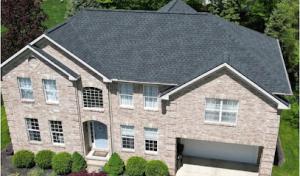
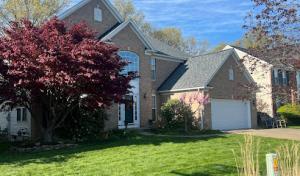
Asphalt shingles are the most common choice in this market, offering a familiar install and broad repair options. In Cleveland, the heat of summer and the repeated freeze-thaw cycles of winter test a roof system more than in milder climates. If attic ventilation is inadequate, heat and humidity can accelerate shingle aging, drying out sealants, and loosening granules after a harsh storm. A well-vented attic helps keep the roof deck cooler, slows ice dam formation, and preserves shingle integrity through the seasons. Look for an installer who emphasizes ventilation strategy, including soffit intake and ridge or dead-vent exhaust, to keep moisture and heat from building up.
Metal has a strong niche because it sheds snow more reliably and performs well when the surface is wet. In this climate, metal can reduce ice dam risk when paired with proper insulation and air sealing. Detailing around penetrations-where valleys, chimneys, and vents meet the roof-requires careful flashing and a continuous wind-driven drip edge. Snow management matters, too: steeper slopes and snow guards can help prevent large accumulations from creating dangerous ridges or impact damage. A metal roof can be an excellent long-term option if the installation emphasizes a continuous, weather-tight connection at edges and around vents.
Clay and concrete tile exist in the market but are less common on typical homes, and their higher weight and cost push structure and budget considerations to the forefront during replacement. In this climate, tile roofs must be evaluated for wind uplift resistance and snow load capacity, and the underlying structure must be capable of supporting the weight. When tiles are used, choose a system with proper underlayment and an integrated ice-dam solution at eaves. Tile surfaces can handle freeze-thaw cycling, but the installation quality sets the longevity, especially where there are transitions to dormers, skylights, and chimneys.
Wood shingles bring a traditional look, but their performance hinges on ventilation and moisture control. In Cleveland's seasonal swings, untreated wood can degrade faster without a robust ventilation strategy and appropriate attic sealing. Synthetic or composite shingles offer a lower maintenance profile and can mimic natural textures while resisting moisture penetration; however, ensure the product line chosen has tested performance against freeze-thaw cycles and does not rely solely on superficial weather resistance.
Explore specialists in steel, aluminum, and standing seam metal roofs built to last 50 years or more.
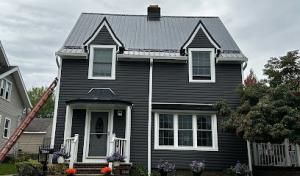
Forest City Exteriors
(440) 558-7257 forestcityexteriors.com
4614 Broadale Rd, Cleveland, Ohio
5.0 from 26 reviews
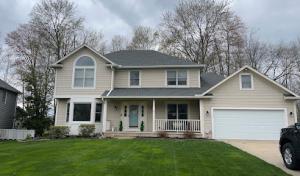
1st Choice Roofing Company
(216) 227-7755 1stchoiceroofing.com
10311 Berea Rd, Cleveland, Ohio
4.6 from 147 reviews
Older housing stock often carries legacy ventilation setups that don't perform well under modern shingle systems or heavy winter moisture loads. In a climate with humid summers and cold winters, balanced intake and exhaust ventilation is essential to limit condensation, heat buildup, and premature shingle aging. When snow piles up and meltwater refreezes, attic moisture becomes a pressure point that a weak vent system can't handle. Expect to address ventilation as part of any re-roof discussion rather than treating it as a cosmetic add-on.
Start with a straightforward attic walk-through during daylight. Look for obvious signs of trouble: blocked soffit vents, gable-end louvers that have become insulation traps, or soffits that are pressed shut by insulation. If the attic feels damp, or you see frost patterns on the underside of roof sheathing in late winter, that points to ventilation shortfalls. In older homes, rafters may still carry old vapor barriers or single-purpose fans that don't coordinate with a modern shingle deck. Note any seams where warm air can escape into the attic in cold weather.
When you plan a re-roof, insist on a coordinated intake and exhaust strategy. Typical steps include restoring or installing unobstructed soffit or continuous intake vents, pairing them with strategically placed exhaust vents, and ensuring attic air moves in a simple, unobstructed path from intake to exhaust. In this climate, avoid placing exhaust over heated zones or near moisture sources that can blow condensation onto the decking. In newer or rebuilt sections, consider a balanced approach that can tolerate the weight of heavy snowfall and does not rely on a single vent in a high-traffic attic corridor.
Treat ventilation as a core part of the replacement conversation. Ask the roofer to map airflow paths, verify attic insulation levels, and confirm how the new system will handle peak winter moisture and summer humidity. If there is any doubt about legacy setups, request a plan that includes vent placement, damming considerations for ice-prone eaves, and a clear method for maintaining airflow even after shingle layers are installed.
Chimneys on many homes rise through aging roof systems, and the flashing where they meet the deck is a recurring failure point. In this climate, ice and snow push against those joints, and seasonal freeze-thaw cycles stress the metal and lead to slow leaks that show up as attic stains or indoor dampness after a heavy wind event. If a chimney sits close to a steep section, expect that area to be a focal point for repairs rather than a simple one-off fix. The worst cases aren't dramatic storms but gradual seepage that rots sheathing and invites mold, especially with improper venting behind the chimney chase. Inspect and address flashing continuity, counter-flashing, and any brick-and-mortar gaps early, before interior damage accelerates.
Skylights and low-slope porch or addition roofs are common leak points during snowmelt and wind-driven rain. Widespread melting can overwhelm sealants around flashing details, and high wind pressure can lift edges if the installation didn't account for drainage. A leaking skylight often signals failing sealant profiles or sagging curb margins, which can carry water laterally into ceilings rather than dripping directly onto the interior. Low-slope systems require robust flashing pans and properly terminated membranes at wall junctures. If a snow event repeatedly finds a weak spot, expect the problem to migrate to adjacent roof intersections rather than staying isolated.
Older homes with mixed rooflines frequently demand a single replacement that addresses both steep-slope shingles and low-slope membrane or flashing details. These projects benefit from coordinating material choices and drainage strategies so water flow is balanced across transitions. In Cleveland's snow-med climate, neglecting one area while fixing another almost always leads to renewed leaks in the future. Comprehensive flashing continuity and proper venting at every interface are essential to extend the life of the entire roof system.
Find contractors experienced in skylight installation, flashing, and leak repairs to bring natural light into your home.
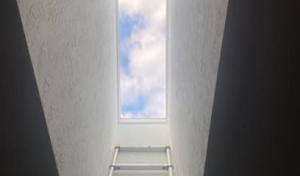
Allan Roofing
(216) 598-2182 www.allanroofingoh.com
4800 W 139th St, Cleveland, Ohio
4.8 from 25 reviews
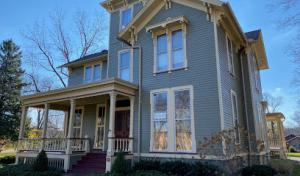
Matteo Gutter Systems
(216) 486-7006 www.matteoguttersystems.com
9110 George Ave, Cleveland, Ohio
4.4 from 128 reviews