
Last updated: Apr 19, 2026
In Westlake, homeowners face a recurring mix of winter ice-related damage and spring hail or wind losses, making storm response central to roofing decisions rather than relying on age alone. A roof that looks questionable after a thaw can still be structurally sound, while a hail-dented surface from last week can mask-prone leaks. The key is to treat each event as a fresh claim trigger, not a checkbox to be ticked years down the line. When storms hit, assess quickly but carefully: look for dented shingles, broken ledgers, lifted edges, blown granules, and ceiling stains inside. Record every sign of impact with a clear timeline tied to the weather event. If you suspect hidden moisture, prioritize a professional inspection before any temporary patching fades into the season's priorities.
In this Ohio insurance environment, carriers commonly scrutinize whether damage is from a recent storm versus pre-existing wear, so you need dated photos, weather-event timing, and inspection notes before temporary repairs are removed. Start with a dated sequence: photos taken the day of the event, within 24 hours, and again after a storm front passes or after a strong wind day. Capture both the roof and interior signs of water intrusion. Gather meteorological records for the exact dates of hail size, wind speeds, and freeze-thaw cycles. Obtain written inspection notes from a licensed roofer or a reputable inspector that pinpoint new damage versus aging wear, with measurements of affected areas. Keep a concise log of all communications with your insurance adjuster, including dates, names, and claim numbers. If temporary repairs are made to prevent further damage, document what was done, when, by whom, and for how long, because claims reviewers will want to see how long the roof was exposed.
Because the best installation window in Westlake is typically late spring through early fall, major storm events can create seasonal scheduling bottlenecks after hail and wind outbreaks. If a claim is approved, coordinate promptly with your contractor to secure preferred dates before peak demand hits. Do not let a pending weather delay stretch the timeline into a harsher season when ice or snow could force additional damage or complicate staging. Be proactive: request a detailed work calendar from your contractor that aligns with the window you've identified as most favorable, and set conservative milestones for material delivery, roof teardown, and decking checks. If weather turns, discuss contingency plans for temporary protection and for rescheduling without compromising the claim's integrity. Staying ahead reduces the risk of weather-induced setbacks turning into extended repair timelines.
Immediately after a storm, perform a careful visual sweep and document before moving vehicles or debris that could obscure signs. Schedule a licensed roof assessment within days, not weeks, to preserve a clear image of the damage's origin. Keep a tight file of all storm dates, inspection findings, and communications. When you see a pattern-ice in winter, hail in spring, wind surges-plan your claim notes around those events so your documentation remains cleanly aligned with weather-driven damage rather than wear. In tight windows, prioritize the most critical sections of the roof and any interior signs of leaking to prevent progressive damage. This approach protects your claim integrity and accelerates the repair timeline.
West Bay Construction
871 Canterbury Rd G, Westlake, Ohio
5.0 from 73 reviews
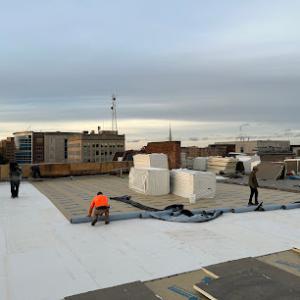
West Bay Construction is a premier roofing and siding contractor serving Westlake and the wider Northeast Ohio region. We specialize in comprehensive exterior solutions for residential, multifamily, and commercial properties. Our expert services include roof replacement, flat and low-slope commercial roofing systems, fiber cement siding, and vinyl siding installation. Our projects are designed to endure challenging local weather conditions, ensuring long-term durability and performance for every building.
Great Roofing & Restoration
(440) 499-6313 greatroofing.com
797 Sharon Dr, Westlake, Ohio
4.9 from 122 reviews
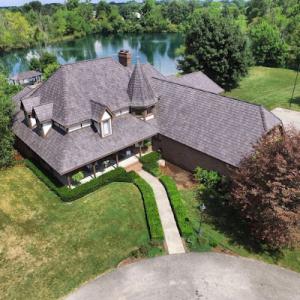
We specialize in residential, commercial, and multi-family roofing services. Our team of experienced contractors are dedicated to providing high quality workmanship and customer service to all our customers. We understand the importance of a secure roof for your home or business, and take pride in working with you to develop a plan that works for your home or business & within your budget. From repairs to full roof replacement, Great Roofing and Restoration has you covered. Contact us today for more information!

Franciscus Roofing
(440) 353-3141 1866staydry.com
959 Bassett Rd, Westlake, Ohio
4.8 from 544 reviews
Franciscus, founded in 1991, is Northern Ohio’s premier roofing contractor, offering affordable, top-rated roofing solutions. Specializing in roofing services, including new roof installation, roof repair, roof replacement, and emergency roofing services, we ensure your property is protected. Our expertise extends to roof inspections, and roof maintenance, providing comprehensive care for your roofing needs. As local roofers, we proudly serve communities across Northern Ohio's top markets including: Lorain, Lakewood, Westlake, Strongsville, Parma, North Olmsted, Cleveland Heights, Avon, Aurora, Solon, Grafton, Berea, Beachwood, Middleburg Heights, Garfield Heights, Mayfield Heights, Euclid, Brooklyn, North Royalton, Medina and More!
Avon Complete Roofing Solutions
(216) 208-9744 avonroofingandconstruction.com
Westlake, Ohio
5.0 from 15 reviews
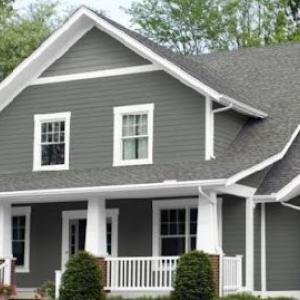
We know that you deserve quality when it comes to improving your residential or commercial space. We have without a doubt roofing, siding, door and window contractors south of Lake Erie. If your residential or commercial space needs a face lift and a boost of curb appeal call us and get the job done right.
Brad Smith Roofing
(440) 740-3995 bradsmithroofing.com
24550 Sperry Dr Unit 2, Westlake, Ohio
3.9 from 67 reviews
Established in 1979, Brad Smith Roofing has served thousands of residential and commercial customers across Northern Ohio. All jobs are important to us, whether missing a shingle or slate, or a full roof replacement. We are proud to offer a wide spectrum of roofing solutions, as well as window and door replacement, interior repair and finish work, siding, masonry, and restoration of the historic features of older homes. Commercially, we are highly experienced installers of all systems: built-up, modified, EPDM, rolled, TPO and metal.
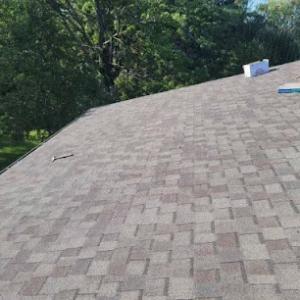
Falcon Roofing & Siding
(440) 656-9977 www.falconohio.com
Serving
5.0 from 59 reviews
Specialists in residential and commercial exterior construction services, we are dedicated to providing customer service that is second to none. Whether you have a new construction project or it's time for repairs, we offer the roofing, siding, and gutter services you need.

Royalty Roofing
(440) 732-4477 www.royaltyroofs.com
Serving
4.9 from 573 reviews
Royalty Roofing is a full-service residential and commercial exterior contractor serving Northeast Ohio. We are locally owned and operated and focus on quality installation of the best products in the industry. We have a dedicated staff that is experienced in working with Insurance Agents on claims as well as helping Real Estate Agents meet closing dates. As a GAF President’s Club Master Elite Contractor, Royalty Roofing is proud to offer the best warranty in the roofing industry, the GAF Golden Pledge Warranty. We also offer a wide range of products including Davinci Roofscapes, James Hardie Siding, Royal Vinyl Siding, Mule-Hide Flat Roofing Systems, Velux Skylight Certified Contractor Plus and Seamless Gutters w/Xtreme Guards.
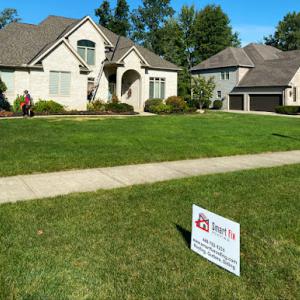
Smart Fix Roofing
(440) 782-1231 www.smartfixroofing.com
Serving
4.9 from 51 reviews
Smart Fix Roofing is a locally owned roofing contractor serving Cleveland, Westlake, Bay Village, and surrounding Northeast Ohio communities. We provide residential and commercial roof replacement, roof repairs, siding, gutter, and skylight services for homeowners and businesses. Our team performs professional roof inspections and addresses wind or hail damage when present, including assistance with insurance-related documentation when needed. Every project is completed using high-quality materials and verified through quality control. Smart Fix Roofing is BBB A+ rated and known for honest recommendations, clear communication, and dependable workmanship.
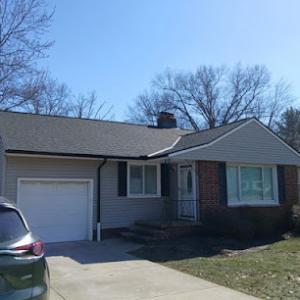
GRT Roofing
Serving
4.9 from 39 reviews
GRT Roofing, located in western Cleveland suburbs, excels in roofing repair and replacement, gutter replacement, gutter screen installation, cleaning and repairs. Our uniqueness lies in not just advising on essential repairs but also in honestly informing you about unnecessary services. We respect that your home is a significant part of your life and investment, and we commit to offering only what's needed. Our foundation is built on quality, customer satisfaction, and community dedication. With over 100 years of combined expertise, we guarantee top-notch workmanship from start to finish. Considering a roof or gutter job? Let GRT Roofing in North Olmsted, OH offer expert inspection and advice. Choose us for quality and integrity.
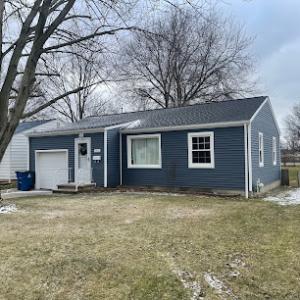
Wright Home Renovations
(440) 465-5834 www.wrighthomerenovations.com
Serving
4.8 from 40 reviews
We pride our business on delivering high quality workmanship, using the best roofing and siding products, and providing our customers the highest level of customer service. Wright Home Renovations specializes in both Residential & Commercial Roofing replacement & Siding replacement services. We provide Roofing & Siding Inspections, Rebuilds & Installation. We specialize in Wind and Hail Damage and will walk you through your Roof & Siding Insurance Claims step by step. Our roofing experts are professional, experienced and will take care of your roofing needs on time and will exceed your expectations. Give us a call today to schedule your free onsite no obligation estimate!

Peak & Valley Roofing
(216) 777-9876 www.peakandvalleyroofing.com
Serving
5.0 from 169 reviews
Peak & Valley Roofing is roofing the way it should be—done by people who show up, shake your hand, and stand behind their work. No pressure. No gimmicks. Just dependable professionals who know the trade and take care of their customers. Cleveland homeowners choose us for our reliability, transparency, and a commitment to service that goes far beyond the last shingle.
Elite Exteriors CLE
(440) 305-0081 www.exteriorscle.com
Serving
5.0 from 37 reviews
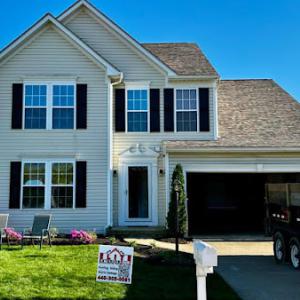
Cleveland's local roofing, siding and window experts. Restoring the Land one Roof at a Time. We specialize in restoration, roofing, siding, windows, gutters, storm damage, and insurance claims.
Cold winters and repeated freeze-thaw cycles push Westlake roofs to the edge in ways that genuinely matter for daily life. Ice damming isn't just a seasonal nuisance; it can force water behind shingles, under flashing, and into soffits. When moisture moves up and down with daily temperature swings, shingle edges experience micro-cracks and edge damage that weaken the roof's protective layer year after year. The consequence is more frequent leaks after thaws, and less predictable rain events that follow a heavy snow cycle. If you notice a ridge of ice along the eaves or interior staining near ceiling junctions after a thaw, treat it as a warning that edge protection and flashing may have already started to fail.
Westlake's combination of cold temps and wind makes flashing movement a practical concern. Metal step flashing along chimneys and transitions can loosen as sheets contract and expand. In these conditions, small gaps become big leaks, especially where the attic is not well sealed or has uneven insulation. The roof deck may look intact, but the underlayment can degrade where flashing shifts during heating cycles. Have a qualified roofer re-check critical flashings after heavy winter storms, and confirm that all penetrations-vents, plumbing stacks, and skylights-are properly sealed against moisture migration.
Snow loads and refreezing along eaves are a real factor in this climate. Attic heat loss drives melt patterns that refreeze on the roof surface and at the eave line, creating ice dams that back up water toward valleys and joints. In homes with older insulation or gaps around attic access points, this cycle accelerates wear on the roof deck and can push moisture into living spaces. Practical steps include improving attic insulation and sealing air leaks at the ceiling plane, ensuring baffles are in place to keep venting unobstructed, and maintaining an even attic temperature during the winter months. Small investments here reduce the frequency of patch repairs caused by repeated freeze-thaw damage.
The city's temperate summers still contribute to UV wear, but the bigger lifespan issue is the annual transition between freezing winters and wet spring weather. That transitional window is when minor flaws become major problems if left unaddressed. A cautious homeowner keeps a routine pre- and post-winter inspection cycle, focusing on edge seals, flashing joints, and mid-span sections that often accumulate snow, ice, and moisture. Pay attention to any new soft spots along eaves or valleys after a thaw, and avoid delaying repairs when the first warm spell reveals new staining or dampness.
When choosing a roof type for resilience in these conditions, consider how each material handles freeze-thaw stress and UV exposure. Asphalt shingles can perform well with proper installation and maintenance, but edges and flashings require diligent attention. Metal roofs resist many freeze-thaw issues but rely on sound flashing and secure fasteners. Tile options and synthetic products offer varied benefits, yet their effectiveness hinges on solid underlayment and precise detailing at hips, ridges, and penetrations. In any case, a local installer with Westlake experience will prioritize edge protection, flashing integrity, and robust attic insulation to blunt the year-to-year damage cycle.
When you can't wait, these contractors offer fast response times to stop leaks and prevent further damage.
West Bay Construction
871 Canterbury Rd G, Westlake, Ohio
5.0 from 73 reviews
Franciscus Roofing
(440) 353-3141 1866staydry.com
959 Bassett Rd, Westlake, Ohio
4.8 from 544 reviews
In this area, asphalt shingles and metal roofing dominate the residential scene, with asphalt fitting the broad suburban stock and metal appealing on homes that lean toward a modern or craftsman look. Tile, wood shake, and synthetic products show up on higher-end or style-specific homes, adding texture and heft. If you're weighing options, start by considering how your home's curb appeal, roof pitch, and internal attic space align with the strengths of each material. Asphalt gives you reliable weather resistance with a straightforward replacement path, while metal delivers durability and a distinct profile that can handle Westlake's wind-driven storms. Heavier clay and concrete tiles are less common but can be a bold, long-lived choice on the right structure.
Westlake sees a pronounced freeze-thaw cycle in winter and storm events in spring, so impact resistance, flashing quality, and underlayment choices matter. Asphalt shingles with a high impact rating and a solid underlayment help you ride out hail and wind gusts without immediate failure. Metal roofing shines in wind and snow shedding, and it pairs well with ventilation strategies when the attic space is cooler and drier. If your home features a steeper pitch, consider how the chosen roof will shed water and resist ice dams, especially around joints, chimneys, and skylights. For tile or shake products, confirm that the deck can bear the weight and that the fastening system is rated for freeze-thaw cycles to prevent cracking or loosening. Synthetic shingles tend to balance weight, cost, and performance, offering a practical middle ground for varied Westlake designs.
Tile systems-whether clay or concrete-require careful attention to structural support and decking condition. Before replacement, verify that the rafters and decking are sound enough to carry the extra load, and ensure there is a robust underlayment plus proper flashing at roof-to-wall intersections. This is a common focus area when newer or larger homes with heavier roofing are updated, as decking inspection often reveals age-related wear or prior repairs. For asphalt and metal, the emphasis shifts to transitioning correctly between materials, ensuring metal edges seal tight against underlayment and flashing, and confirming that the existing structure can accommodate any weight distribution changes during retrofit.
Think about your home's style and how the roof materials speak to that character. Asphalt remains the workhorse for most Westlake homes because it easily blends with a wide range of architectural features and neighborhoods. If the house has a more contemporary line or you're aiming for a premium look, metal can offer a clean silhouette with strong weather resilience. On distinctive or upscale properties, clay, concrete, or wood options can provide a unique texture, but they bring heavier demands on structure and maintenance. In every case, the goal is a roof that performs well through freeze-thaw cycles and storm events while maintaining the home's overall balance and durability.
In Westlake, you'll see the standard material options priced within the provided ranges. Asphalt shingles run roughly from 350 to 700 USD per square, metal from 700 to 1100, clay tile and concrete tile from 900 to 1700, wood shingles or shakes from 550 to 900, and synthetic or composite shingles from 450 to 900. These numbers reflect the suburb's mix of steep-slope layouts and a few low-slope commercial sections. The steep common suburban rooflines in the area tend to push labor and tear-off complexity higher than what would be seen on simpler low-pitch homes, so the higher end of each range is a realistic ceiling for many Westlake projects.
Storm-driven demand spikes in this market can tighten scheduling after hail or high-wind events. When a big storm hits, waiting lists fill quickly and crews may prioritize damaged or larger jobs, which can drive both pricing and lead times upward. If a project is weathered and requires a quick turnaround, expect the possibility of premium scheduling or temporary material delays, especially during peak storm seasons. You'll find that a typical project can swing from a planned start date into a busier window, depending on how the neighborhood fared and how many homes are competing for crews.
Seasonal weather and storm activity aren't the only upward pressure. Westlake projects often reveal decking repairs or replacements needed once inspection starts. If decking is found to be compromised, that can push the total cost toward the higher end of the material range. Likewise, a steeper roof or more complex pitch adds labor hours, further nudging the price up. If you're reviewing bids, ask for a breakdown that separates tear-off, disposal, underlayment, and any decking work so you can see where the premium is coming from and what's genuinely necessary for your home.
Get a clear picture of your project costs upfront - no commitment required.
In Westlake, a building permit is typically required for a full roof replacement, with the City of Westlake Building Department handling the application process. The permit ensures that the project complies with local codes, reflects proper ventilation, and accounts for the structural demands of the roof in your specific neighborhood. The application tends to be straightforward when your contractor submits the required documents, but the timing can vary with the season and the scope of work. Understanding the steps ahead of time helps prevent delays that can stall a project during a critical weather window.
Permit coordination is not something to leave to chance. Different contractors may assume another party is pulling the permit or scheduling inspections, and that assumption can lead to miscommunication and missed sign-offs. Before work begins, confirm who is pulling the permit and who is responsible for coordinating city inspections and final approval. In practice, this means a clear written agreement with your contractor that outlines permit submission, inspection dates, and the point of contact for city coordination. When the permit is issued, you will receive a copy of the official documentation; keep this accessible both for your records and for any potential insurance inquiries after a storm or any subsequent claim.
Westlake inspections commonly include structural or decking checks during the job and a final approval inspection after installation is complete. The structural check focuses on ensuring the deck and underlying framing can safely support the new roof assembly, especially in areas that see freeze-thaw cycles or heavy spring hail. A typical inspection occurs during the project in coordination with the city inspector, who may request access to the attic or roof framing to verify proper nailing patterns, ventilation, and moisture barriers. The final inspection confirms that the installation meets code requirements and that components such as underlayment, flashing, and fasteners are correctly installed. Expect the inspector to review vent placement, roof penetration details, and eave edges for proper drainage and weatherproofing.
Because inspection scheduling is part of the local process, Westlake homeowners should confirm who is pulling the permit and coordinating city sign-offs before work starts. A proactive approach reduces the risk of delays and helps ensure the project stays on track through the inevitable weather disruptions of spring and fall. For best results, maintain open lines of communication with both the contractor and the building department, and keep copies of all inspection reports and permit amendments. If questions arise about a particular inspection item, address them early with the inspector to avoid rework once the crew is well into the installation.
Ohio is an active weather-claim market, and adjusters will scrutinize storm dates, prior repairs, and whether roof wear predates the claimed event. In this city, the mix of steep-slope asphalt roofs, metal, clay or concrete tile, wood shakes, and synthetic systems means inspectors may flag different issues for different materials. A roof that has preexisting damage or aging weaknesses can shift how a claim is handled, so precise records are essential to avoid surprises and gaps in coverage.
Coverage decisions in this area may hinge on roof age and material; that difference matters because the local material mix ranges from standard asphalt to metal, tile, wood shake, and synthetic systems. When hail, wind, or a winter leak strikes, expect adjusters to correlate the event with the roof's documented condition. If a prior leak or patch exists, be prepared with dates and notes showing when it was addressed. Clear timestamps help, especially if a late-season freeze follows a storm, potentially revealing new damage that could be linked to the claim rather than a longer-term vulnerability.
Photo documentation from the ground and attic, contractor inspection notes, and records of temporary tarping are especially useful after hail, wind, or winter events. Ground photos should show overall roof appearance, soffits, flashing, and gutters, while attic shots can reveal insulation staining, frost buildup, or signs of moisture. Have contractor notes that describe shovel-edges, nail patterns, and shingle or panel conditions, plus any temporary measures you applied to protect interiors. Keep a simple timeline of storm dates, notable wind speeds, hail sizes, and how quickly temporary measures were installed and maintained. For Westlake, assembling a consolidated packet with dated photos, notes from professionals, and tarping records can streamline conversations with adjusters and help align a claim with the actual damage observed across different roof types.
Connect with contractors who help homeowners navigate the claims process from damage assessment to final approval.
West Bay Construction
871 Canterbury Rd G, Westlake, Ohio
5.0 from 73 reviews
Great Roofing & Restoration
(440) 499-6313 greatroofing.com
797 Sharon Dr, Westlake, Ohio
4.9 from 122 reviews
Franciscus Roofing
(440) 353-3141 1866staydry.com
959 Bassett Rd, Westlake, Ohio
4.8 from 544 reviews
While Westlake is primarily a steep-slope residential market, attached garages, porch roofs, and some additions can introduce low-slope sections that fail differently from the main roof. These transition areas behave differently under the lake-influenced weather swings, so recognizing where they sit on the house is the first step to avoiding surprises after a storm.
These transition areas are more vulnerable in Westlake's wet spring and freeze-thaw conditions because drainage, membrane seams, and wall flashing details become critical. Poorly sloped drainage can trap water, and small gaps in flashing can let moisture migrate into the attic or into wall cavities. Plan on extra attention to the edge detail where the low-slope section meets the vertical wall, and inspect seams after heavy rain or hail events when the membrane has seen more stress.
Mixed-roof homes in Westlake often need contractors who can handle both the main shingle roof and smaller low-slope sections in one scope. This means coordinating insulation, flashing, and membrane transitions so they work as a system. Expect to address the transition at eaves and rake lines, as well as at any dormers or overhangs that create a step-down from the main roof plane.
Start with a targeted inspection after the worst weather windows-spring hail, wind events, and after freeze-thaw cycles. Look for granule loss, edge seams, and any matching or mismatching of flashing around low-slope portions. If you see staining, damp spots, or dampness in the attic near a transition, focus there first. When planning repairs or replacements, insist on a single scope that covers both the main roof and the low-slope sections to ensure drainage paths stay aligned and flashing details remain continuous.
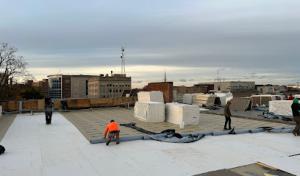
Find specialists in TPO, EPDM, and built-up flat roofing systems for residential and commercial properties.
West Bay Construction
871 Canterbury Rd G, Westlake, Ohio
5.0 from 73 reviews