
Last updated: Apr 19, 2026
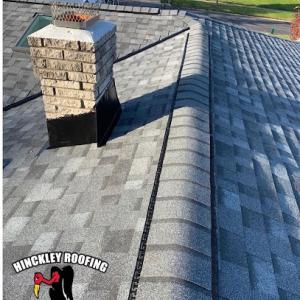
Hinckley Roofing
(330) 273-2979 hinckleyroofing.com
3587 Ridge Rd, Medina, Ohio
4.8 from 312 reviews
At Hinckley Roofing we are committed to providing top quality service. When it comes to the exterior of your house we have skilled and qualified men on staff for every type of job you may need done. Hinckley Roofing is not just a roofing company; we do offer a wide variety of services to help with your exterior needs for your house.
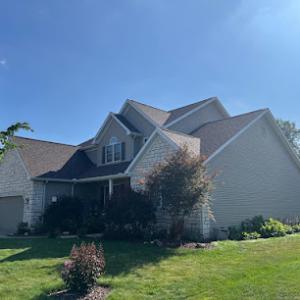
4K Roofing & Restoration
(216) 469-0863 www.4kroofing.com
758 Medina Rd, Medina, Ohio
4.8 from 133 reviews
4K Roofing provides complete Commercial and Residential roofing services, including emergency storm repairs and financing for clients in Northern Ohio
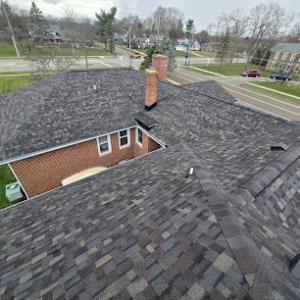
Station Roofing & Construction
(216) 301-0531 www.stationroofing.com
3829 Station Rd, Medina, Ohio
5.0 from 34 reviews
Residential and Commercial Roofing in Cleveland and Medina Ohio serving all of Northeast Ohio
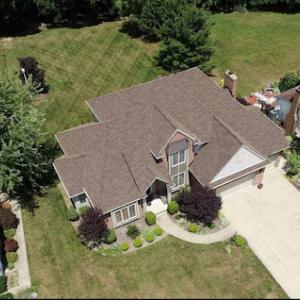
Gridiron Guys Construction
(330) 573-7967 thegridironguys.com
3950 Pearl Rd Suite A, Medina, Ohio
4.7 from 414 reviews
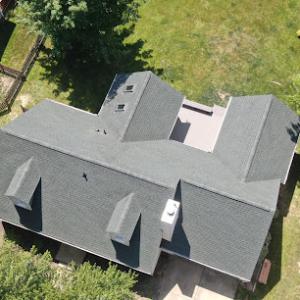
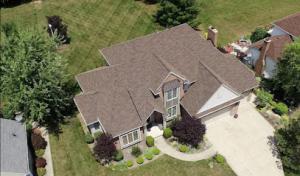
We are family owned and operated with a strong background not only in construction, but also in business management. Our management team is college educated having received Bachelor Degrees in Construction Engineering, Construction Management, Mathematics, Education and Business Management. Our outstanding service includes:
Fixler Roofing
(330) 247-2211 www.fixlerroofing.com
3644 Abbeyville Rd, Medina, Ohio
4.8 from 45 reviews
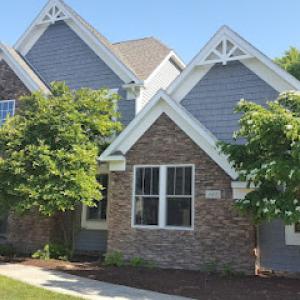
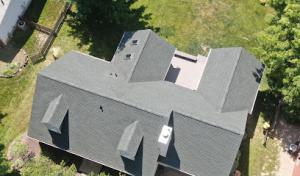
Award Winning and GAF Master Elite Contractors serving commercial and residential customers in and around Medina and all of Northeast Ohio. Specializing in working with insurance companies to replace roofs and siding damaged by storms.
Perfect Home Restoration
(330) 636-6735 www.perfecthomerestoration.com
620 E Smith Rd E-6A, Medina, Ohio
4.8 from 24 reviews
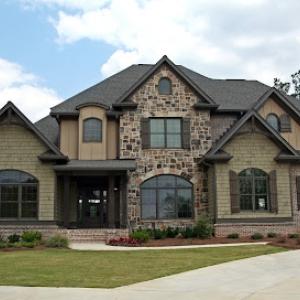
Since 2012, Perfect Home Restoration, the esteemed women-owned business situated in Medina, has dedicated itself to restoring and elevating the allure of your residence. Their exceptional roof replacement, siding installation, and insurance restoration services exemplify their commitment to excellence, meticulously crafted by skilled Amish artisans using premium materials. At Perfect Home Restoration, customer satisfaction remains paramount, and they strive to make every undertaking a testament to their unwavering commitment. Allow them to transform your vision into reality, be it an upgraded roof, a transformed siding, or the restoration of your cherished property after a storm.
Hansen Roofing & Siding
(330) 952-1520 www.hansenroofingandsiding.com
6050 Stone Rd suite d, Medina, Ohio
4.9 from 12 reviews
We know there is endless competition when it comes to northeast Ohio roofing contractors. While some advertise bargain pricing and a quick turnaround, we pride ourselves on the highest quality roofing, trustworthy contractors and fair pricing. As a family business a division on Hansen Restoration & Remodeling, our number one priority is building a beautiful, high-quality roof to keep the ones you love safe and dry. We know roofing. We care about the people under them.
Full Spectrum Roofing & Remodeling
(330) 591-2274 www.fullspectrumroof.com
1129 Bristol Ln, Medina, Ohio
5.0 from 2 reviews
We are your local trusted GAF Master Elite roofing company! We offer the best warranties in the roofing industry that are backed by the manufacturer! Don’t stress, Call the best!
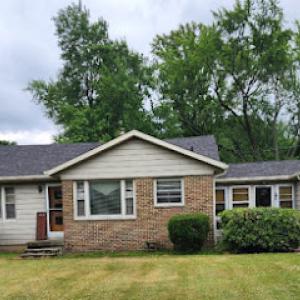
Trust Restoration Services
(330) 704-7214 trusttheroof.com
Serving
5.0 from 16 reviews
Founded by Jake, Trust Restoration has been serving the Cleveland community since 2018. Our mission is to provide durable, aesthetically pleasing, and affordable roofing solutions.
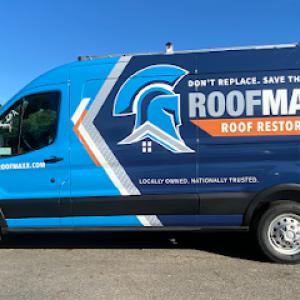
Roof Maxx of Cleveland
Serving
5.0 from 108 reviews
Give your roof new life with Roof Maxx of Cleveland! As the only 5-Star Roof Maxx® dealer in Ohio, we’re proud to help homeowners and businesses across Cleveland, Akron, and Canton protect their roofs and save thousands on replacement. Our eco-friendly, plant-based Roof Maxx® treatment restores flexibility to aging shingles, helping your roof withstand Ohio’s tough weather while extending its lifespan for years. Whether you’re seeing signs of wear or just want to protect your investment, we’re here to help with honest advice and a free roof assessment. Discover why so many Northeast Ohio property owners trust Roof Maxx of Cleveland for affordable, sustainable roofing solutions that really work.
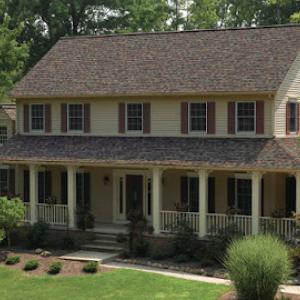
Storm Kings
Serving
4.7 from 37 reviews
Storm Kings is a trusted contractor serving Northeast Ohio, specializing in roofing, siding, gutters, and exterior restoration. Whether you're dealing with storm damage, filing an insurance claim, or planning a home improvement project, we deliver quality craftsmanship and honest service. As an Owens Corning Preferred Contractor with an A+ BBB rating, we make the process smooth from inspection to completion.
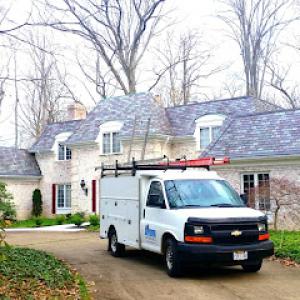
Slate Copper & Tile Roofing
(440) 520-2420 www.slatecopperandtileroofing.com
Serving
5.0 from 5 reviews
Slate Copper & Tile Roofing is the preferred contractor in Northeast Ohio for specialty roofing services including slate, copper, and tile roof repair, restoration, and new roof installation. With over a decade of proven reliability, Slate Copper & Tile Roofing has a long list of satisfied clients both residential and commercial. We take pride in our solid relationships with the most trusted distributors to ensure the highest quality materials for your roof. As a certified, licensed and bonded installer, Slate Copper & Tile Roofing delivers quality workmanship and unmatched attention to detail in every roofing project. Reliable Service * Honest and Upfront Pricing * High Quality Workmanship "We are the roofer your neighbor would recommend!"
In this region, the winters regularly create ice-dam conditions that can force meltwater back under roof coverings and into decking and eaves. When snow sits on a roof and temperature swings soften and refreeze the surface, meltwater can back up behind the dam of ice you don't see from the ground. The result is water that travels under shingles or under flashing, seeking any weak seam or opening. Over time, that seepage can saturate the attic and start creeping along the underside of the roof deck, showing up as staining on ceiling drywall or peeling paint in the upper rooms. The practical danger is not only staining; sustained moisture invites mold growth and can compromise the structural fibers of decking if the water flow continues through a season.
The City of Medina inspection process commonly includes a final check that ventilation was properly installed, making attic airflow a local replacement issue rather than just a maintenance topic. If the attic ventilation is shy or poorly arranged, warm, moist air can accumulate in winter and create pockets where ice dams form more readily. Proper airflow depends on a balanced combination of intake at the soffits and exhaust at the ridge or high vents, with no obstructions from insulation. A poorly vented attic can also lower the roof's temperature near the eaves, encouraging frost buildup and icing along the roof edge. Homeowners should view attic ventilation not as a seasonal afterthought but as a critical component of long-term roof health, especially when a full replacement is underway or pending. A quiet rule of thumb is that ventilation should allow a constant exchange of air without creating drafts that pull moisture into corners or reach the ceiling.
Autumn leaf buildup in Medina can worsen drainage and reduce attic ventilation performance before snow season if valleys, gutters, and intake paths are not cleared. Leaves clog gutters and downspouts, creating standing water that can back up onto the roof edge and feed the formation of ice dams once frigid air returns. Debris in valleys can trap moisture and hinder shingle drainage, while blocked intake paths starve the attic of fresh air, making the space more susceptible to condensation and moisture condensation-related issues. The timing matters: tackle gutter and valley clearing after leaf fall but well before temperatures drop consistently below freezing. If possible, pair this with a quick attic vent check-look for any crushed soffit baffles or displaced insulation that could inhibit air movement toward the peak.
Begin with a simple attic airflow check: confirm soffit vents are unobstructed and there is a clear path to ridge or high vents. If there is insulation against the underside of the roof, ensure there is a gap near the eaves to allow intake air to reach the ventilation channel. Inspect for moisture marks along the attic decking after several thaw-and-freeze cycles; signs of dampness warrant a closer look at under-roof sealing and flashing. Schedule a professional assessment if you observe recurring ice dams or ceiling-water intrusion after melt events. In the attic, consider installing or verifying the effectiveness of baffles to maintain airflow from the soffits to the ridge, and ensure insulation is evenly distributed to minimize warm spots that melt snow from the interior side of the roof. Finally, set a reminder to re-check gutters and debris during late fall so that you're not surprised by a heavy snow season and the ice dam risk that comes with it.
Asphalt shingles are the practical default for most Medina homes. The local market is re-roof heavy, and asphalt fits the typical roof deck layout and spacing found on many single-family houses here. They install quickly, handle the Northeast Ohio freeze-thaw cycle, and stay within the common replacement window homeowners encounter after spring storms. For a homeowner navigating spring hail and wind claims, asphalt shingles are often the easiest to repair or replace without overhauling underlayment or ventilation details. When selecting asphalt, focus on a good 30-year or better asphalt shingle with a solid wind rating and a compatibility package for attic ventilation. A well-ventilated attic helps prevent ice dam risk during late-wall and eave temperature swings typical of Medina springs.
Metal is a meaningful, secondary choice in this market. It is frequently considered by homeowners aiming to improve snow shedding and long-term durability through Northeast Ohio winters. If metal is on the table, assess the roof's slope, the attic configuration, and the ability to manage snow buildup on steeper pitches. Metal reflects sun and reduces heat gain in summer, which can be a benefit during hot spells, but installation costs and fastening details must align with the local climate's freeze-thaw cycles. Because metal is heavier than asphalt, ensure the existing deck, supports, and flashing system are compatible with the chosen panel style. In many Medina homes, metal serves as a targeted upgrade rather than a full replacement material at the same time as other repairs.
Clay tile and concrete tile are present in Medina, but far less common than asphalt. These options bring a distinct look and excellent durability in the right situations, but they introduce weight and structural considerations that typically shift the project toward a more involved replacement. The decision to pursue tile hinges on whether the structure can support heavier systems and whether installer availability can meet local timing and coordination needs after a storm event. Wood shakes offer a rustic aesthetic and strong wind resistance when properly installed, yet they demand regular maintenance and can be more susceptible to moisture-related issues in a damp spring. Synthetic or composite shingles provide design flexibility and improved impact resistance, but their performance is highly dependent on the specific product line and the installer's experience with Medina-style framing and ventilation requirements. In all of these heavier or specialty options, the availability of local crews who can execute a proper tear-off, decking inspection, ventilation check, and final installation is a deciding factor, especially if a storm has created moisture concerns or damaged decking.
When comparing materials, think about how Medina's typical weather pattern affects performance across seasons. The frequent freeze-thaw cycles can exploit small deck gaps or ventilation shortcomings, so any replacement should include a careful inspection of decking and attic air flow. Storm season sharpens the focus on leak paths and flashing details, so choose products and local installers with a track record of thorough tear-offs and meticulous flashing work. In the end, the best material aligns with the home's existing structure, the installer's local experience, and the homeowner's priorities for longevity, appearance, and maintenance.
When you're planning a re-roof, the upfront sticker shock is real, and Medina's market mirrors national trends with local twists. Asphalt shingles remain the most common starting point, typically ranging from $350 to $700 per square, including labor and disposal for a full replacement. Metal roofs carry a higher per-square band, often $700 to $1,200, reflecting longer lifespans and installation demands. If you're eyeing clay or concrete tiles, expect $800 to $1,700 per square for clay and $800 to $1,500 per square for concrete, driven by weight, deck needs, and specialized underlayment. Wood shingles or shakes usually land around $650 to $1,000 per square, while synthetic or composite shingles sit in a broad $600 to $1,000 per square range. In practical terms, plan for a broader spread if your home has unique roof geometry or requires extended decking or flashing work.
Spring and summer storms drive noticeable spikes in activity and pricing locally. After a strong storm event, scheduling can tighten quickly as crews pivot from insurance work to quick-response replacements. That surge is most apparent in days with hail or high winds, when homeowners suddenly enter the market and contractors shift from estimates to signed projects. If your timing is flexible, aiming for a window outside peak storm weeks can help keep pricing closer to the lower end of the local range. If you must move during peak season, expect tighter calendars and potential premium days for arrival, debris disposal, and expedited material delivery.
A practical reality in this area is that decking conditions discovered during tear-off can alter final project costs materially. Full replacements often reveal damaged or rotted decking that must be repaired or replaced before new materials go down. This not only adds material cost but can extend the schedule and require additional crew days. Since Medina crews lean heavily toward tear-off work, the likelihood of decking issues being found-especially on older homes-means you should build in a contingency for deck repairs and possible plywood or sheathing replacement. If you're budgeting, set aside a reasonable cushion for these contingencies, and discuss potential decking scenarios with your contractor before sign-off.
Get a clear picture of your project costs upfront - no commitment required.
Full roof replacements in Medina typically require a permit issued by the City of Medina Building Department. Before any shingles come off, you should confirm that the project is properly registered and that the permit scope matches the work being performed. The permit not only covers materials and labor expectations but also ensures that the plan aligns with current code requirements for structural safety and ventilation. Because the city's inspections focus on tear-off, decking, ventilation, and final installation, starting with a clear permit helps prevent delays caused by missing or mismatched documentation. If a contractor suggests work that seems outside a straightforward replacement-such as altering attic access, adding dormers, or changing roof pitch-prepare for a plan review step as part of the process.
Inspections in this area are commonly scheduled in a two-stage pattern. The first inspection occurs after the tear-off and decking exposure. At this point, inspectors verify that the roof deck is sound, that any water-damaged decking has been addressed, and that roof structure and ventilation components are ready for the new roofing system. Expect the inspector to check eave intake and ridge or soffit venting, as well as the overall continuity of ventilation paths. A thorough inspection at this stage helps catch potential issues that could impact long-term performance, such as inadequate venting or improper decking installation.
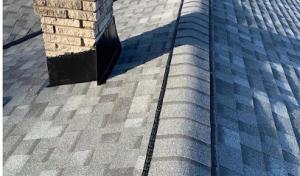
The second, final inspection happens once the installation is complete. This visit confirms that the new roof and underlayment are properly installed, flashing around chimneys and penetrations is correctly sealed, and mechanical ventilation components meet code requirements. Final approval relies on the roof system being square, wind-resistant, and vented according to the plan. If asphalt shingles are used, look for proper nailing patterns and securing of drip edges; for metal or tile, inspectors will verify membrane details and fastener compatibility with local climate conditions.
A short plan review is more likely in Medina when the project includes structural changes or modifications to attic ventilation rather than a straightforward like-for-like replacement. If rafters or roof framing are being altered, or if attic vents are being redesigned to increase intake or exhaust capacity, the Building Department may request details such as framing calculations, ventilation diagrams, and product data for vents and underlayment. Having clear, labeled plans and product specs ready can streamline this step. In all cases, coordinate scheduling with both your contractor and the Building Department early in the project to prevent delays caused by missing items or miscommunication.
Ohio carriers serving Medina commonly request detailed roof estimates and weather-event documentation when hail or wind damage is reported. If a storm hits, anticipate that the insurer will want a clear picture of the roof's condition, with enough information to assess a covered loss and the scope of work. Have your preferred roofer prepare a thorough estimate that itemizes damage, material choices, and the anticipated sequence of repairs.
Adjuster visits are a routine part of Medina-area storm claims, so homeowners benefit from dated photos showing both prior condition and post-storm damage before temporary repairs begin. Take wide shots of the entire roof and close-ups of shingles, gutters, and fasteners. Store both pre-event and post-event images in a single organized folder, with dates visible. If possible, include nearby homes with similar exposures to corroborate severity and wind lanes.
Expect an adjuster to inspect decking, ventilation, and the overall installation, often with checks for tear-off integrity and underlayment condition. Be prepared to grant access to attic spaces for ventilation and insulation evaluations. Having a clear, line-by-line copy of the roof estimate and a backup copy of the weather report for the storm in question can speed the review and reduce back-and-forth.
Post-installation warranty records and final contractor documentation are especially useful in Medina's claim environment because insurers often want proof of completed scope after a covered loss. Keep the warranty booklet, product data sheets, and the contractor's final lien-free release handy. These documents help confirm that the replacement matched the agreed-upon scope and materials.
Create a single claim folder (digital and physical) with labeled sections: estimates, weather reports, photos by date, communication logs, and warranty/contractor documents. Back up digital copies to a cloud folder accessible to both you and the insurer. Maintain a running log of dates when photos were taken, repairs authorized, and correspondence with the carrier. This structure minimizes delays when a claim moves from inspection to settlement.
In Medina, leak calls rise during snowmelt and heavy summer rain, when flashing details and transitions are tested more aggressively than in dry periods. That means a single failed seal or a marginal flashing detail can become a stubborn drip long after the storm passes. Pay close attention to any interior signs of moisture after thaws or quick downpours, especially near chimneys, ridges, and wall-to-roof intersections. If a leak traces to a flashing joint, the issue is rarely a one-and-done fix; it often requires resealing with compatible materials and enhanced sealing at known splash zones. A careful inspection after the first warm fronts can save you from cascading damage in a freeze-thaw cycle.
Skylight penetrations need close attention in Medina because freeze-thaw movement and storm exposure can turn aging seals into recurring leak points. Over time, sealants crack, crews undersize flashing around the skylight, or the curb itself settles enough to introduce small gaps. Regular checks should focus on the skylight flange, flashing step-downs, and the transition to surrounding roofing material. If you notice condensation between panes, persistent interior staining, or a damp patch near the skylight after rain, treat it as a warning sign rather than a nuisance. Replacing deteriorated gaskets, refreshing bedded sealants, or upgrading to a more weather-tight curb can prevent ongoing seepage.
Although the market is dominated by steep-slope re-roofs, some homes and additions still have low-slope sections that need different detailing and drainage planning than the main roof. These areas are more prone to edge pooling and slow drainage, which can feed into interior lines and attic spaces if neglected. Expect distinct flashing layouts, careful transitions from low-slope to steeper sections, and targeted drainage planning to keep overflow away from vents, penetrations, and eave lines. A thoughtful approach to these zones reduces the risk of hidden rot and repeated leakage through freeze-thaw cycles.
Find contractors experienced in skylight installation, flashing, and leak repairs to bring natural light into your home.
Hinckley Roofing
(330) 273-2979 hinckleyroofing.com
3587 Ridge Rd, Medina, Ohio
4.8 from 312 reviews
Gridiron Guys Construction
(330) 573-7967 thegridironguys.com
3950 Pearl Rd Suite A, Medina, Ohio
4.7 from 414 reviews
Fixler Roofing
(330) 247-2211 www.fixlerroofing.com
3644 Abbeyville Rd, Medina, Ohio
4.8 from 45 reviews