Last updated: Apr 19, 2026
Akron's humid continental climate brings snowy winters followed by warm, storm-prone summers, so many roofs here see both snow-load stress and convective storm damage in the same year. Those shifting conditions mean shingles get pushed and pulled by ice, sun, and high-velocity gusts in quick succession. The result is micro-cracks at the edges, accelerated granule loss, and vulnerable flashing joints that can leak once spring rain arrives. This isn't theoretical: you'll notice granules accumulating in gutters after a mid-winter thaw, or a sudden mystery damp spot after a spring thunderstorm. The material you chose will age differently under these cycles, so knowing how your roof handles freeze-thaw and gusty weather helps you time repairs and plan for replacement before a larger failure occurs.
Frequent freeze-thaw cycling in Northeast Ohio is a major local aging factor because trapped moisture can expand repeatedly at shingle edges, flashing joints, and masonry-to-roof transitions. When water seeps into small gaps and then freezes, it pries joints apart and widens seams. Over multiple seasons, you'll get hairline cracks that invite water infiltration-often first noticed as a stubborn attic condensation problem or a damp ceiling corner that worsens after a cold snap. In practical terms, this means your roof needs regular checks for lifted shingles, rusted or loose metal flashings, and cracked mortar in chimneys or brick skirts. If you skip early repairs, the damage compounds, leading to more invasive and expensive fixes down the line.
Spring hail and strong winds are a recurring local concern, which aligns with the unusually high share of Akron-area contractors advertising storm damage and emergency response services. This pattern isn't random: hail can leave pockmarks or dents that you might miss at ground level, while high winds can peel back edges and loosen tar and sealant. A proactive approach means you inspect after every significant weather event, not just after a storm warning. Look for loose, curled, or missing shingles, dented metal flashings, and signs of wind-driven debris wedging under the roofline. If you do notice damage, don't wait for a leak to appear-take photos, note the date and the kind of damage, and contact a qualified roofer with storm-damage experience to evaluate whether a temporary tarping or a full replacement is necessary.
On the exterior, track granule loss by checking gutters and downspouts after storms; a heavy influx of grit can signal shingle wear that accelerates under freeze-thaw cycles. At the attic access point, look for signs of moisture, such as dark stains, mold, or a musty odor, especially after a thaw. You should also pay attention to flashing joints around chimneys, skylights, and vent stacks; these are common failure points where water migrates into roof-to-wall transitions. In addition to obvious damage, plan for a professional assessment if you notice curling edges, damp insulation, or an unusual attic temperature swing. Timely intervention often means a targeted repair rather than a full roof replacement, preserving the long-term integrity of your envelope.
Because Akron-area roofs endure both snow-load stress and convective storm damage, timing is critical for replacements driven by insurance or accelerated wear. Insurance-driven decisions hinge on documented damage from hail, high wind, or moisture intrusion that can be traced to a single event or a series of events within a policy year. If a roofer's assessment concludes pervasive wear beyond cosmetic issues, consider a replacement sooner rather than later to prevent secondary damage to underlying decking, attic insulation, or interior finishes. The practical takeaway: set emergency-response options with a trusted local contractor, keep a recent photo log of shingles and flashing, and plan for a board-certified evaluation after major storms to determine whether patch repairs or a total roof replacement best protects your home in the months ahead.
Storms that roll through Summit County leave a telltale pattern on roofs: hail pocks, wind-driven edges lifted, and freeze-thaw cycling that widens small gaps into real trouble. When damage is suspected, begin with clear photos taken from ground level and up close, focusing on shingles edges, flashing, vents, and gutters. A simple, dated photo log helps later when a claim is filed. Ohio insurers commonly cover roof replacement when homeowners can document wind, hail, or storm damage with photos, contractor estimates, and a clear scope of work. The goal is to show the insurer what is damaged, what a contractor needs to do, and why the replacement is needed now rather than later. In Akron's climate, documenting weather-related wear alongside dated storm images provides a sharper case than age alone.
In high-loss years, some Ohio carriers have tightened hail-related coverage terms, making deductible structure and depreciation language especially important before signing a replacement contract. A contractor with experience in storm claims will help translate the photos into a scope of work that matches the insurer's expectations. Expect a scope that includes deck repair if the sheathing shows moisture damage, flashing around dormers or chimneys, and any required underlayment replacement. The scope should specify the material type, color, and exact area to be replaced. A clear scope keeps both sides aligned during the deductible negotiation and depreciation review, which can be a minefield if not documented.
The strong local prevalence of contractors offering insurance-claim assistance reflects how often storm documentation sparks a replacement project more than age alone. Akron homeowners routinely work with specialists who know how adjusters view hail patterns and wind damage, and who can gather the right batch of contractor estimates for comparison. When selecting help, verify that the proposer understands your insurer's preferred documentation package and the local climate realities-especially those related to lake-effect snow and freeze-thaw cycles that complicate both damage assessment and repair timelines. This local know-how helps you avoid over-promising on roof life or underestimating underlayment needs.
Start by contacting the insurer with your photo log and preliminary notes about observed damage. Expect a field adjuster to visit or to review digital records, then to issue a scope that aligns with your contractor's estimates. If you receive a denial or a low settlement, request a written explanation that ties specific damage to hail or wind events and reference your documented photos. In many Akron cases, the daytime temperature and recent freeze-thaw activity will factor into the claim review, so keep a diary of storm dates and any subsequent leaks. Stay engaged through the adjuster's review, and maintain the same contractor-to-insurer communication channel to prevent misalignment.
Depreciation language can affect how much the insurer covers beyond the replacement scope. A thoughtful contractor-claims liaison will help you interpret depreciation lines and any deductible adjustments tied to wind or hail. By aligning the scope, the photos, and the adjuster's notes, you minimize the chance of a lagged payout or a dispute about what constitutes necessary replacement versus repair. In this climate, timely, well-documented filings paired with a practical, line-by-line scope of work tend to yield smoother settlements and steadier post-storm restorations.
Connect with contractors who help homeowners navigate the claims process from damage assessment to final approval.

Darrell Yoder Roofing
(234) 571-1101 www.darrellyoderroofing.com
3465 S Arlington Rd Suite E #195, Akron, Ohio
5.0 from 215 reviews

Darrell Yoder Roofing
(234) 571-1101 www.darrellyoderroofing.com
3465 S Arlington Rd Suite E #195, Akron, Ohio
5.0 from 215 reviews
We are a family owned, residential roofing company specializing in all your home's exterior needs. We offer free inspections and estimates. We use high-quality materials and specialize in excellent customer service!
Nailed Down Roofing
(330) 754-3534 www.naileddownroofing.com
Akron, Ohio
5.0 from 144 reviews
Nailed Down Roofing is Akron’s go-to specialist for residential roof replacement and storm damage repair. Locally owned and operated, we provide expert asphalt shingle installation, leak detection, and emergency tarping across Summit County. From wind and hail restoration to seamless gutter installation and attic venting, we ensure your home is protected against Ohio’s toughest weather. We offer honest inspections and fair pricing for every homeowner. Call Nailed Down Roofing today for your free, no-pressure estimate!
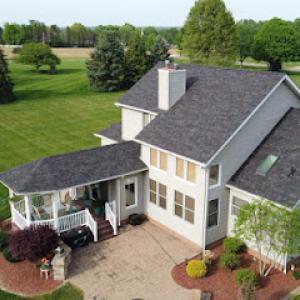
BLC Roofing
(234) 404-3739 blcroofingoh.com
894 W Wilbeth Rd, Akron, Ohio
4.9 from 229 reviews
BLC Roofing is a trusted roofing contractor based in Akron, OH. We specialize in providing top-quality roofing services, including roof installations, roof repairs, and full roof replacements for residential and commercial properties. We also offer siding installation, skylight installation, and ice dam removal Our team of skilled professionals is dedicated to delivering exceptional workmanship and superior customer service. With years of experience in the industry, we guarantee reliable and long-lasting solutions for all your roofing needs. Contact us today for a free estimate and let us protect your property with a strong and durable roof.
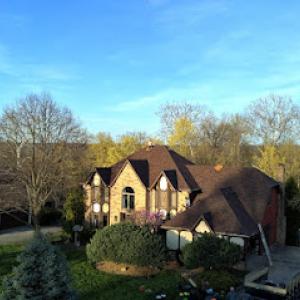
Buckeye Guys Roofing
(234) 281-1269 buckeyeguysroofing.net
209 S Main St Suite 712, Akron, Ohio
4.9 from 123 reviews
We are a group of local individuals serving Northeast Ohio's residential and commercial property owners Roofing, Siding and other needs. Buckeye Guys prides ourselves on integrity, customer care and workmanship!
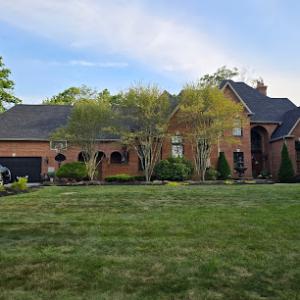
Homegrown Roofing & Construction
(330) 777-2900 homegrownroofingandconstruction.com
207 E South St, Akron, Ohio
4.9 from 146 reviews
Comprehensive Roofing Replacement Services, including Steel Roofing and Standing Seam Metal. We collaborate with insurance companies to streamline your claims process. Our commitment to quality ensures we work diligently to earn your business. Contact us today for a free inspection.
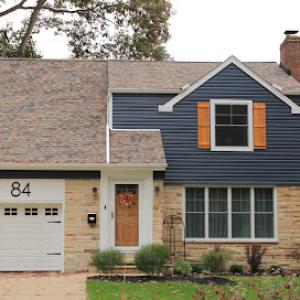
Exteriors Plus
(330) 800-8018 www.exteriorsplus.com
2910 S Main St, Akron, Ohio
4.9 from 755 reviews
Exteriors Plus is a family-owned, award-winning exterior remodeling company proudly serving Northeast Ohio for over 14 years. We specialize in roofing, siding, gutters, windows, and doors for residential and commercial properties, delivering durable solutions built to last. Our experienced team is committed to expert craftsmanship, honest communication, and customer-first service on every project. We offer free, no-obligation estimates and flexible zero-percent financing options to make protecting your home easier and more affordable. From minor repairs to full exterior replacements, Exteriors Plus is dedicated to quality work, reliable results, and treating every property like it’s our own.
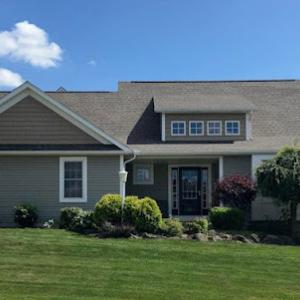
TK Roofing & Gutters
(330) 858-2616 www.tkroofingandgutters.com
3256 S Main St, Akron, Ohio
4.8 from 142 reviews
TK Roofing & Gutters ranks as Akron's top-rated roofing contractor, specializing in roof replacement, asphalt shingles, storm damage repair, and full-service roofing solutions. Since 2003, our family-owned company has served homeowners and businesses throughout Akron, Summit County, Cuyahoga Falls, and Fairlawn. Our licensed, bonded, and insured roofers use premium CertainTeed materials and offer one of the longest warranties in the roofing industry. Whether you need roof repairs or complete roof replacement, our local roofing experts deliver same-day service throughout Northeast Ohio. Call (330) 858-2616 today to schedule your free roof inspection and discover why TK Roofing & Gutters is the first choice for Akron homeowners.
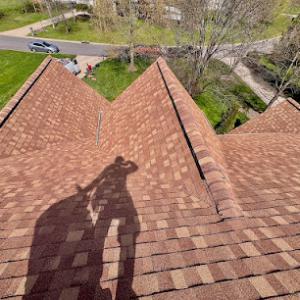
Craig Roofing & Gutters
(330) 808-0477 jcraigroofing.com
2512 Wright Rd, Akron, Ohio
4.8 from 82 reviews
Craig Roofing & Gutters is a local roofing and gutter company serving Akron, Canton, Cleveland, Medina and the surrounding Northeast Ohio area. In a market with numerous roofing companies to choose from, we like to set ourselves apart from other roofing contractors by offering exceptional, family-oriented roofing services that are affordable and stress-free. It's what makes us Akron's Favorite Roofer! Roof repairs, roof replacements, gutter repairs, storm damage, insurance claims and roof financing options - we provide it all. Give us a call and schedule a free roof inspection with our roof and gutter professionals.

Roofsmith Restoration
(330) 822-4245 www.roof-smith.com
122 Western Ave Suite B, Akron, Ohio
4.7 from 419 reviews
Looking for roof repairs or replacement, gutter repairs or replacement, or window installation? You can rely on Roofsmith Restoration—one of Northeast Ohio’s most trusted roofing companies. Roofsmith Restoration is an Owens Corning Platinum Preferred Roofing Contractor serving all of Northeast Ohio, installing high-quality roofing materials and gutters. Our Haag-certified inspectors understand wind, rain and hail damage and work aggressively with your insurance company to get your claim approved. Your free inspection and estimate is just a call away!

Legacy Roofing Services Bath Township
(440) 476-8244 www.legacyroofing.com
2350 N Cleveland Massillon Rd, Akron, Ohio
4.9 from 47 reviews
Legacy Roofing Bath Township is an award-winning roofing company specializing in repairing and replacing residential and commercial roofs. We also offer vinyl sliding and seamless gutter installation and give homeowners complete project transparency so they can choose the right roofing materials and appearance that fits their budget.Our emergency service technicians assess damage and begin making repairs so your business can be up and running promptly. We offer extended warranties and work with leading roof material manufacturers to provide the highest quality materials. Our specialties include wind damage assessment and infrared technology to help home and business owners save money. Contact us for a free estimate.
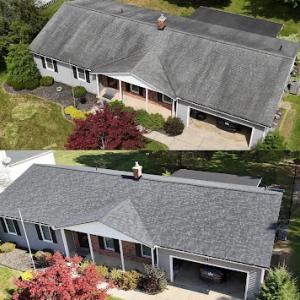
Pitch Perfect
(440) 420-8687 www.gopitchperfect.com
2700 Cory Ave, Akron, Ohio
4.7 from 95 reviews
Pitch Perfect Roofing tackles a variety of home exterior projects in NE Ohio and surrounding areas. They specialize in roof repair and replacement, but their services extend to decks, siding, heating systems, chimneys, insulation, and gutters.
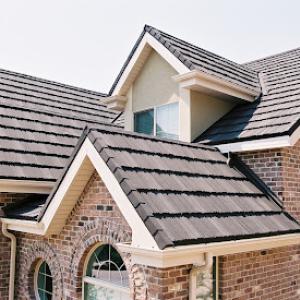
Erie Home
2215 E Waterloo Rd Suite 105, Akron, Ohio
4.5 from 395 reviews
Since 1976, Erie Home has manufactured, supplied, and installed the best-performing roofing on the market. By providing ironclad warranties and convenient financing, we ensure that every homeowner we work with receives top quality service and value for their homes and properties. Erie Home professionals are the roofing company of choice in the greater Akron, OH area. Whether you need roof inspections or roof damage repair services, Erie Home has been the go-to roofing contractor for nearly 50 years because of our attention to detail and dedication to making sure our customers are satisfied with their results. Contact us today for a quote and see why we're the trusted roofing company Akron counts on.
In Akron, replacement timing is usually pushed toward drier late spring through early fall because winter snow, spring storms, and freeze-thaw conditions complicate tear-offs and sealing. The goal is to find a window with minimal moisture exposure and stable temperatures so the new roof can be installed without repeated interruptions. If a leak is active, prioritize temporary measures to limit interior damage, but plan the full replacement for the dry season that follows the next storm cycle.
Begin by mapping your roof's exposure and the neighborhood's typical weather patterns. Steeper slopes in older neighborhoods shed snow more predictably, while flatter or low-slope sections may trap moisture longer. The contractor should flag any portions of the roof that are prone to ice damming, which tends to worsen after a spring thaw. Scheduling should align with the quietest stretch after the spring storm surge and before the first hard frost sets in, ensuring a clean, dry deck for tear-off and re-seal.
Summer heat in Northeast Ohio accelerates asphalt aging while also creating a busy season for contractors after spring storm events, which can tighten scheduling. If asphalt shingles are your chosen path, expect the installation crew to run into longer days and tighter timelines during the peak heat of July and August. Plan for potential delays caused by heat-related worker fatigue, neighborhood noise limits, or tight material deliveries. A practical approach is to align the project with a mid-season calm period, avoiding the hottest weeks when possible and coordinating with the crew to target cooler mornings for tear-off, saturating heat-sensitive adhesives only under favorable conditions.
Autumn temperature swings in Akron can trigger expansion and contraction in roofing materials, so late-season installs need careful weather-window planning. Between cool nights and sunny days, sealants and underlayments respond to rapid temperature shifts, which can challenge battens, underlayment adhesion, and flashing details. A careful contractor will stage work to avoid installing during strong wind events and will monitor overnight temperature forecasts to prevent material stiffening or improper curing. If autumn timing is unavoidable, insist on a thorough moisture check at deck fabrication and a dry run of sealing sequences to minimize the risk of gaps or early-winter water intrusion.
To keep the project moving smoothly, establish a clear, conditional start date and a backup plan. Confirm that the crew can complete tear-off and deck prep before heavy precipitation or sustained cold. Ask for daily milestones: weather-permitted tear-off, underlayment installation, flashing adjustments, and final inspections. Maintain regular communication with the contractor about forecast changes and potential delays, and prepare for a staged pace that respects Akron's seasonal transitions while preserving the integrity of the new roof through the first harsh winter.
Get a clear picture of your project costs upfront - no commitment required.
Darrell Yoder Roofing
(234) 571-1101 www.darrellyoderroofing.com
3465 S Arlington Rd Suite E #195, Akron, Ohio
5.0 from 215 reviews
The typical residential palette here spans asphalt shingles, metal, clay tile, concrete tile, wood shingles or shakes, and slate. Asphalt remains the most budget-accessible choice, helping homeowners balance upfront cost with decent durability against our freeze-thaw cycles. Slate sits at the premium end, delivering exceptional longevity and curb appeal, but with a noticeably higher price tag. The other options-metal for longevity and wind resistance, clay and concrete tile for a distinct look and solid performance, and wood shakes for traditional character-each carry their own installation quirks and maintenance considerations that matter the moment storm season hits.
Asphalt shingles are the go-to for most neighborhoods, typically landing in the range of 350 to 550 USD per square. This keeps the annualized cost of maintenance and replacement more predictable, which can be an appealing factor for homeowners facing the push-and-pull of insurance-driven replacement timelines.
Metal roofing sits higher on the budget spectrum, generally from 650 to 1100 USD per square. In storm-prone stretches and where roof lines are steeper or require additional flashing, the price can climb further due to the need for precise installation and weatherproof detailing.
Clay tile costs usually fall between 900 and 1500 USD per square. Its weight and specialized installation demands can spike labor time, especially on older homes with limited deck access or challenging roof geometry.
Concrete tile runs from about 800 to 1400 USD per square. It shares clay tile's visual appeal and durability, but often delivers more straightforward installation on mid-slope or moderate-slope roofs, which can influence the final price in favor of the homeowner.
Wood shingles or shakes typically range from 500 to 850 USD per square. They deliver a classic look but require careful maintenance in regions with freeze-thaw activity to prevent moisture-related issues and decay.
Slate, the premium option, commonly sits between 1100 and 1900 USD per square. Weight considerations, specialized installation techniques, and the need for skilled slaters can push project timelines and total cost, especially on aging structures with existing penetrations needing restoration.
Costs in Akron can rise on older homes with steep rooflines, chimney flashing work, and tear-off complexity common in established neighborhoods with aging roof decks and multiple roof penetrations. These factors often require more labor time, additional safety measures, and meticulous flashing details to protect against snow-driven moisture and wind-driven leaks.
Storm-driven surges in local demand can affect labor availability and scheduling, especially because the market has a heavy concentration of re-roofing contractors competing for post-storm work. In peak post-storm windows, expect higher unit labor rates and potential delays for material supply and crew assignments, even for standard asphalt replacements. Planning ahead with insurance adjusters and choosing a trusted local contractor can help stabilize both timing and quality, particularly on steep or complex rooftops.
Asphalt shingles remain the common-sense choice for many homes, especially in the large stock of traditional, steep-slope neighborhoods you see around town. They strike a practical balance between installation speed, maintenance, and performance in a climate shaped by lake-effect snow and freeze-thaw cycles. In areas with repetitive weather swings, asphalt shingles offer reliable wind resistance and a straightforward repair path after a hailstorm or minor storm damage. When replacements are needed, they blend well with existing facades and preserve curb appeal without forcing a drastic change in the home's overall look. For a homeowner facing a schedule of storm-driven damage repairs, this material can minimize downtime and keep your household expenses predictable.
Metal roofing has a meaningful specialist presence locally and is often considered by homeowners who want enhanced snow shedding and durability through freeze-thaw cycles. The smoother surface of metal helps snow slide off more readily, reducing the risk of ice dams in grafted or older attic spaces with limited ventilation. Metal can also be a favorable upgrade for roofs that have experienced repeated storms or are in hillside areas where wind-driven debris is a concern. If resisting heavy impacts and withstanding shifting temperatures matters to you, a metal roof can be a long-term choice that reduces maintenance interruptions and gives you more predictable performance over many winters.
Slate, clay tile, and concrete tile appear in the local material mix because older housing stock around Northeast Ohio often features these heavier, longer-lived systems. These materials bring a distinct architectural character and excellent longevity, which can be appealing for homes with heritage details. They tolerate freeze-thaw cycles well when properly installed and vented, though they demand a solid structure and careful integration with existing roof lines to avoid added stress on the deck. In neighborhoods with historic or visually prominent homes, choosing a heavier slate or tile system can maintain authenticity while delivering extended service life. However, the installation requires precise craftsmanship to prevent premature cracking or moisture intrusion in this climate.
Explore specialists in steel, aluminum, and standing seam metal roofs built to last 50 years or more.
Buckeye Guys Roofing
(234) 281-1269 buckeyeguysroofing.net
209 S Main St Suite 712, Akron, Ohio
4.9 from 123 reviews
Many established neighborhoods feature steep-slope roofs that meet brick or stone chimneys, and the reality is that chimney flashing and step flashing are where leaks tend to start. In homes built decades ago, those intersections often require more than a simple overlay-style repair. If flashing around the chimney is compromised, water can follow mortar joints down into attic corners, creating hidden damage that's costly to fix later. When soffit lines and chimney walls share wall intersections, moisture intrusion can ride along framing, leading to warped decking or hidden mold.
Older roofs in this area frequently hinge on deck integrity and valley condition. Freeze-thaw cycles push against porous decking, and, without thorough repairs, water can seep into boards and underlayment. Valleys are true rain conduits; if the flashing at those intersections is aged or poorly sealed, you may see damp spots on ceilings below, especially after a heavy thaw or an extra-snow year. Hidden rot can creep under shingles long before surface signs appear, so an inspection that treats decking as part of the repair plan is wise.
Northeast Ohio exposures mean sealants age faster under repeated freezes, thaws, and moisture from lake-effect storms. When masonry absorbs moisture, the expansion and contraction stress concentrates at the roof-wall and chimney interfaces. That makes the sealants and metal flashing around these zones particularly vulnerable. If the flashing shows gaps, you'll notice sudden dampness after storms rather than gradual wear, and that pattern points to the need for more than a patch.
Chimney and flashing work demands precise profiles and proper flashing continuity to resist wind-driven rain. A contractor with a strong chimney service presence understands masonry-to-roof intersections and knows how to restore navies of sealant, step flashing, and decking with a durable, weather-ready setup. Skipping this or choosing a quick overlay can leave you with recurring leaks that worsen each season. When in doubt, prioritize a careful, professional assessment that treats the chimney-roof junction as a high-value repair rather than a cosmetic fix.
Find contractors experienced in skylight installation, flashing, and leak repairs to bring natural light into your home.
Craig Roofing & Gutters
(330) 808-0477 jcraigroofing.com
2512 Wright Rd, Akron, Ohio
4.8 from 82 reviews
A building permit is typically required for a full roof replacement. The permit applications are handled through the City of Akron Building Department, which also performs the required inspections. This department coordinates the permit review with any necessary utility or code compliance checks, so submitting early helps avoid delays from missing documents or misunderstood requirements.
You start by gathering the basic information about your roof replacement project, including contractor details, project scope, and a rough roof plan. Submit the application to the Building Department, either online or in person, and attach the contractor's license and proof of insurance when possible. Expect a brief review period where inspectors may request clarifications or minor plan adjustments. Once approved, you will receive a permit card and any required notices that must be posted at the job site. Keep a copy accessible on site for the crew during installation.
Akron homeowners should expect inspection checkpoints at rough-in and final stages, with appointment timing depending on department workload. The rough-in inspection typically occurs after roof framing and underlayment are in place but before shingles are installed, to confirm correct roof geometry, ventilation, and waterproofing measures. The final inspection occurs once the roof covering is complete and any penetrations, flashings, and ventilation details have been installed to code. Inspections are scheduled by appointment, and timing can vary with the department's workload, especially after weather-impacted periods or demand-driven windows. Have the inspector's contact number and your permit number handy to expedite the process.
Coordinate with your contractor to ensure all work aligns with permit conditions before calling for an inspection. If an inspection fails, request guidance on corrective steps and reschedule promptly to minimize downtime. Weather events common to this area can influence scheduling; plan for potential rescheduling windows and keep access clear for inspectors to reach the attic and roof lines.
While steep-slope roofing dominates Akron's residential market, the local contractor signal set still shows a meaningful flat-roof specialty presence for porches, additions, garages, and mixed-use buildings. That mix means you will often encounter flat or low-slope sections lining up with other roofing upgrades, rather than finding flat-roof work as a stand-alone project. When planning, expect leads to cluster around larger re-roofing timelines and addition work, with careful attention to transitions between old and new membranes.
Low-slope sections in Akron are exposed to the same frequent precipitation and freeze-thaw cycling that affect main roofs, making drainage and seam condition especially important. Freeze-thaw cycles can push water into marginal seams, flashing corners, and edging details, so routine checks should focus on sump drainage, scuppers, and stack penetrations. In winter, verify that gravel stops or ballast, if present, aren't allowing pooling near penetrations. In spring, look for standing water after heavy rains and late-season thaws, then address any pooling with minimal slope adjustments or resealing where feasible.
Flat-roof work in Akron often appears alongside broader re-roofing projects rather than as a separate specialty market, reflecting the city's mixed residential and light commercial building stock. Treat flat sections as integrated components of the whole roof system. Detailing around parapets, transitions to steeper sections, and connections to gutters or downspouts should be coordinated with the main roofing plan. When planning replacements, discuss potential membrane transitions, insulation continuity, and ventilation at the wall lines to prevent hidden moisture buildup behind parapets and along perimeter edges.
In practice, maintenance for flat-roof areas benefits from a proactive stance: regular debris removal from surface drains, prompt edge caulk checks, and endpoint resealing after seasonal temperature swings. Given Akron's climate, you'll want to track any minor blisters, splitting seams, or edge weathering early, so those issues don't cascade into more noticeable leaks during the next heavy rain or rapid freeze-thaw cycle.
Find specialists in TPO, EPDM, and built-up flat roofing systems for residential and commercial properties.
TK Roofing & Gutters
(330) 858-2616 www.tkroofingandgutters.com
3256 S Main St, Akron, Ohio
4.8 from 142 reviews
Classic Roofing
(330) 703-1979 www.classicroofingteam.com
5310 Manchester Rd, Akron, Ohio
4.8 from 39 reviews