Last updated: Apr 19, 2026
Spring hail and rain storms in this area drive a surge of claim activity, so your first move after a storm is a careful, daylight inspection of the roof and attic. Look for obvious signs of damage: missing or dented shingles, cracked flashing around chimneys or vents, granule loss into gutters, and any daylight filtering through attic rafters. If you find loose shingles or visible gaps, treat it as urgent-water can follow a wind-drawn path into the attic or crawlspace quickly. In the days after a storm, that risk compounds with the usual spring thaw and rising moisture, so don't delay a professional assessment if you suspect damage.
Winter freeze-thaw cycles in southwest Ohio can turn minor shingle or flashing damage into active leaks and ice dam problems by the next cold snap. A small fault that seems innocuous today can become a localized leak when temperatures flip and meltwater refreezes along the eaves or under shingles. Pay particular attention to attic moisture and staining on ceilings, as well as ice patches along the roof edge once warmer days give way to freezing nights. If you spot staining or dampness, treat it as a warning sign and pursue a thorough leak diagnosis rather than a quick patch. Early intervention reduces the chance of interior water intrusion and secondary damage to insulation and trim.
The local contractor market shows unusually strong demand for emergency repair, storm damage work, and insurance-claim help, indicating that fast post-storm response is a defining roofing issue in the area. When a storm hits, you should securing temporary measures to minimize further water entry. Keep tarps, duct tape, and heavy plastic on hand if you can safely deploy them, but avoid risky climbs on a slick or damaged roof. If there is active leaking into living spaces, call a professional immediately-delay can turn a repair into a full roof replacement later on. Ask for a quick triage to determine if shingles can be stabilized and the most critical penetrations sealed while a full estimate is being arranged.
Storms that leave visible damage often trigger insurance claims. Start documenting contents and structural impact as soon as you can: dated photos from multiple angles, close-ups of damaged flashing or granule loss, and a timeline of when leaks became noticeable. When engaging a contractor, ensure they understand how insurance timelines can drive the pace of repair work and can help walk you through the documentation needed for a smooth claim. A local, experience-driven contractor can translate policy language into actionable steps, set expectations for inspection delays, and coordinate with adjusters to ensure thresholds are met for repair or replacement.
In neighborhoods with older homes and asphalt shingle roofs, hail and wind events often reveal latent vulnerabilities. Plan for a targeted, code-appropriate repair approach that addresses flashing, underlayment, and ventilation in addition to the visible roofing. After a storm, prioritize a thorough diagnostic that assesses roof deck condition and attic ventilation, since both influence leak propensity and energy efficiency. A prompt, comprehensive assessment minimizes lingering moisture risks and positions you to act decisively when insurance decisions arrive.
Solution Roofing
(513) 935-1974 solutionroof.com
3041 Symmes Rd # B, Hamilton, Ohio
5.0 from 105 reviews
Solution Roofing, located at 3041 Symmes Rd # B, Hamilton, OH 45015, is your trusted local roofing company offering top-tier roofing solutions tailored to your needs. As licensed roofing professionals, we specialize in a wide range of services including roof repair, emergency roof repair, and roof replacement services, ensuring your home remains safe and secure. Our team of shingle roofing experts is dedicated to delivering the best roofing services, from roof installation to comprehensive roof inspections. For homeowners seeking residential roofing services and the comfort of skilled craftsmanship, Solution Roofing is the expert choice for all your roofing needs. Choose us for reliable roof repair near you.

American Veterans Roofing
(513) 532-1295 americanveteransroofing.com
125 Fairborn Dr, Hamilton, Ohio
4.9 from 65 reviews
Professional roof installation revolves around several tasks beginning from removing old roofs, appropriate preparation of the work area, installation of new roofs, performing leak checks, quality starter shingles installation, and more. While it mig
RoofAid USA
2390 Bell Rd, Hamilton, Ohio
5.0 from 27 reviews
Residents of Cincinnati, Ohio, trust RoofAid USA for expert roof replacement and repair services. With over 35 years of experience and a deep understanding of the local climate, we deliver exceptional craftsmanship and long-lasting materials. We know how stressful a damaged roof can be, which is why we ensures no job is too big or small, no matter the time of day. We’re proud to support the Cincinnati community by providing secure, dependable roofing solutions.
Haubner Construction
(513) 304-1998 www.haubner-construction.com
1561 Hine Rd, Hamilton, Ohio
5.0 from 20 reviews
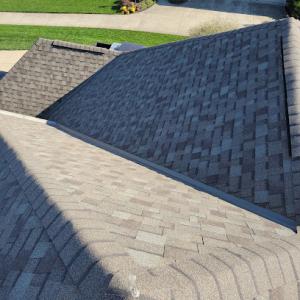
Haubner Construction has been Hamilton, Ohio's trusted roofing contractor since 1976. They specialize in Commercial and Residentual Roofing Solutions. This includes roof repairs roof installations and roof coatings. They have ensured quality craftsmanship for nearly five decades. Their services extend beyond roofing to include chimneys, gutters, and some framing.

Weller Roofing
(513) 896-1600 wellerroofing.com
2 Kirk Ave, Hamilton, Ohio
4.5 from 41 reviews
Weller Roofing, located in Hamilton, Ohio, has been serving Greater Cincinnati and Dayton’s roofing needs for almost 40 years right here in the same location. We aim to provide the best quality residential and commercial roofing services possible. We’re dedicated to extending top-notch quality services, craftsmanship, and products. It would be our honor to serve you with any of your roofing needs. Weller Roofing is one of the most established roofing companies in Southern Ohio. We have installed 1,000's of both residential and commercial roofs for our customers. We maintain an A+ rating with the BBB and have since our conception. We are also highly rated for Cincinnati Roofing Services on Google. call us today!
Charles Gallagher Roofing
3893 Jacksonburg Rd, Hamilton, Ohio
5.0 from 9 reviews
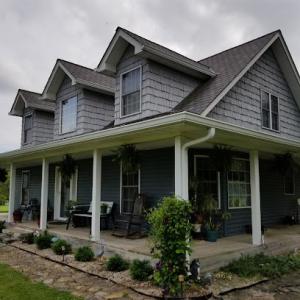
Charles Gallagher Roofing has been in business since 1990. Our motto is quality work, reliability and satisfied customers! Call for a free estimate.
AJE Roofing — Butler County OH
3985 Tylersville Rd, Hamilton, Ohio
5.0 from 9 reviews
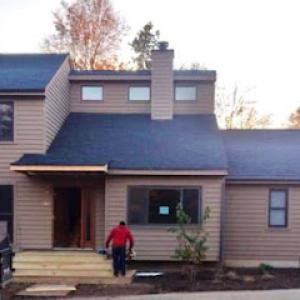
AJE Roofing specializes in re-roofs, full tear-offs, chimney repairs & a number of other Roofing needs. No other company can offer fantastic deals, great customer service, quality workmanship, and products like we can. Our customers don’t need to pay an absurd amount of money for a new Roof. Let us show you the Easy way to getting your Roof replaced today!
Artcris Roofing
5006 Mercedes Dr, Hamilton, Ohio
5.0 from 5 reviews
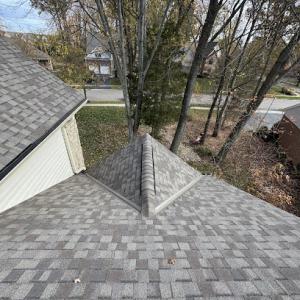
ArtCris Roofing, we are here to help the community with roof repairs and installations.
Mike Allen & Sons Enterprises
(513) 237-0232 www.allen-homeimprovement.com
1811 Hancock Ave, Hamilton, Ohio
3.7 from 14 reviews
Allen and Sons provides home and commercial roofing services, siding services, window services, as well as remodeling and general constructions services for residential and commercial properties in and around Cincinnati and Dayton, Ohio.
Van Martin Roofing
(513) 285-1774 vanmartinroofing.com
Serving
5.0 from 35 reviews
Van Martin Roofing is proud to provide top-quality roofing and exterior services to homeowners and businesses in Fairfield, Ohio. Our team specializes in roof repair and roof replacement, ensuring your property is protected in any season. We also offer expert skylight installation, bringing natural light and energy efficiency to your home, and reliable gutter installation to prevent water damage. For a durable and stylish roofing solution, our metal roofs are built to last and designed to impress. At Van Martin Roofing, we’re committed to excellence in craftsmanship and customer satisfaction. From small repairs to complete roof replacements, trust us to deliver dependable results in Fairfield!
R.A. Roofing
Serving
4.6 from 21 reviews
Complete Roof replacement & Roof repairs. Including skylights,chimney counter flashing ,tuck pointing,crowns,reflashing, chimney crickets, leaf guard ,and more.
Clouse Roofing & Siding
(513) 403-8440 www.clouseroofingco.com
Serving
4.9 from 68 reviews
Krclouse@cinci.rr.com
In this city, asphalt shingles are the dominant practical choice. The combination of hot summers and cold, snowy winters accelerates granule loss, brittleness, and aging compared with milder climates. When you're choosing a shingle, look for higher granule retention and a sturdy asphalt compound that handles freeze-thaw cycles; a saturated attic and well-sealed flashing will extend life. Local storms mean you'll want a shingle with good impact resistance and strong wind uplift ratings. Regular inspections after hail events help catch curled edges and loose tabs before leaks start. From a neighborly perspective, a solid underlayment detail and careful edge sealing around hips, valleys, and dormers pays dividends as wear patterns show up first on the older homes common in these neighborhoods.
Metal is a meaningful upgrade path in this market because it handles freeze-thaw movement and sheds precipitation well. It resists denting better than many think when installed with appropriate underlayment and fasteners. Detailing around flashing and ventilation still matters in this climate: ensure continuous attic ventilation and properly sealed edges where metal meets shingles, chimneys, or vents. In storm zones, metal can ride out wind-driven debris if edges are well fastened and sealant lines are clean. For vintage or brick-faced houses with narrow eaves, a standing-seam approach or interlocking panels can yield a cleaner look while maintaining long-term performance. If you're weighing color and texture, lighter shades reduce heat gain in hot peak summers and help keep the attic cooler on muggy days.
Tile, wood shake, and synthetic roofs exist in the market but are more specialized here, where material choice has to account for regular precipitation, seasonal temperature swings, and the structural realities of older homes. Clay and concrete tiles offer long lifespans but add weight; verify structure can carry it and that underlayment accommodates freeze-thaw cycles. Wood shakes provide a traditional look but require moisture management to prevent cupping or splitting; synthetic options can reduce some upkeep while still needing proper ventilation and flashing details. For many older structures, premium underlayment and careful integration with gutters, chimneys, and dormers make the difference between a long service life and frequent repairs. In Hamilton's climate, some owners opt for lighter-weight tile substitutes that mimic the aesthetic while staying within load limits.
When evaluating options after a storm, prioritize systems that balance weather resistance with ease of maintenance. In regions with heavy precipitation and wide swings in temperature, a plan that emphasizes robust underlayment, solid flashing, and good ventilation tends to outperform flashy aesthetics alone. The right choice aligns with the home's existing framing, attic condition, and typical patterns of wear from previous winters. If a roof is near the end of its life and the home has multiple penetrations (vents, skylights, chimneys), a coordinated detailing approach-regardless of material-helps prevent recurring leaks and expands the chance of a smooth insurance-backed replacement when needed.
In Hamilton cost planning should start with local per-square ranges: asphalt shingles 350 to 650, metal 800 to 1500, clay tile 1100 to 1900, concrete tile 700 to 1200, wood shingles or shakes 900 to 1400, and synthetic or composite shingles 600 to 1100. These figures reflect the typical home stock in Butler County and the way Ohio River valley weather swings influence material choice, labor intensity, and a final inspection readiness. Establish your budget around these ranges before you discuss upgrades, since the outliers often come from tear-off depth, ventilation needs, and flashing replacement.
Storm-driven demand spikes in Hamilton can affect scheduling and pricing after hail or high-wind events, especially when many homeowners are pursuing repairs and full re-roofs at once. If a significant hail event happens, expect crews to be in high demand for a few weeks, which can push lead times and may nudge material costs upward as suppliers balance demand with lead times. Plan for a possible short-term premium if your project starts during peak storm season, and consider how staggered projects in your street might affect access to crews and dumpsters.
Costs in Hamilton can also move based on tear-off complexity, ventilation corrections, flashing replacement, drainage details, and whether the project must be brought fully into compliance for final city inspection. If old decking or compacted ventilation paths need replacement, the square footage price can rise, sometimes substantially, even when the material choice stays the same. A complete tear-off with upgraded underlayment, improved ridge ventilation, or enhanced gutter and downspout drainage can add a noticeable amount to the bottom line. These factors are often easiest to verify with a site-specific estimate after a careful inspection of the roof structure.
To keep expectations clear, align your bids with a defined scope: confirm whether bids include tear-off, disposal, underlayment upgrades, new flashing around chimneys and vents, and any required venting or drainage fixes. In this market, you may encounter price variations based on the depth of the roof, attic space conditioning, and existing ventilation balance. Ask for a line-item breakdown so you can compare apples to apples if several contractors quote similar materials. This approach helps you navigate the area's typical storm rebound effects without overlooking essential system upgrades.
Get a clear picture of your project costs upfront - no commitment required.
Sherriff Goslin Roofing Cincinnati
(513) 874-7663 www.sherriffgoslin.com
Serving
4.7 from 126 reviews
A full re-roof in Hamilton usually requires a building permit handled through the City of Hamilton Building Department. The process is designed to ensure that any roof replacement meets current code standards for structural support, fire safety, ventilation, and drainage, which is especially important for older homes in established neighborhoods with varied roof lines and attic layouts. Before any shingle or tile work begins, verify that the project will be permitted and that the paperwork lists the correct scope of work, materials, and any necessary anchorage or ventilation upgrades. A permit is not merely a checkbox; it creates an official record that inspections will reference as the work progresses.
In practice, the permit is typically filed by the roofing contractor rather than the homeowner, so you should confirm that permit responsibility is clearly stated before work starts. Ask for a written note or contract clause that names the contractor as the permit holder and that assigns responsibility for scheduling inspections to the contractor. This clarity helps avoid delays if the inspector requests changes or if a question about underlayment, flashing, or ventilation arises at mid-point. If the contractor hesitates, consider a different firm with a track record of successful permits and timely inspections. Retain copies of all permit numbers, inspection stickers, and any correspondence with the Building Department, as those documents will be needed if storm damage claims are reviewed by an insurer.
After completion, the final inspection checks code compliance for underlayment, ventilation, flashing, and drainage details. It is common for inspectors to verify proper attic ventilation balance, ice and water shield placement in eaves and valleys, proper flashing around chimneys and vent pipes, and functional drainage to direct water away from the interior. If the home has a complex roofline, dormers, or multipleroof surfaces, expect closer scrutiny of flashing integration and transition points. In certain neighborhoods, a separate HOA approval may be required in addition to the city permit, so confirm HOA rules early in the process and provide any necessary documentation or packaging that the HOA might request for review.
Keep a detailed project timeline and a scope-of-work sheet on hand so the contractor can answer inspector questions without delay. Schedule the final inspection promptly after the roof is completed and all interior penetrations are sealed. If any mismatch with code is noted during the inspection, address corrective work quickly and document the fixes for re-inspection. By coordinating permit responsibilities, HOA approvals, and a thorough final inspection checklist, the re-roof project can proceed with fewer surprises and help protect the home against weather-related damage in the months ahead.
Ohio insurers generally still offer broad storm-related roof coverage, but homeowners in this area may see closer scrutiny after local hail or wind events when claim volume rises. The pattern in Butler County is familiar: a spike in claims can trigger careful reviews of what was damaged, what was repaired, and when. That means you may be asked to show that deterioration was tied to the recent storm, not preexisting wear, and to prove that the roof is still serviceable after interim fixes. In Hamilton, understanding this scrutiny helps prevent surprises when you file and during any post-storm evaluations.
For Hamilton claims, adjusters commonly review date-stamped photos, roof condition documentation, and contractor estimates, so early documentation after a storm is especially important. Start with high-resolution photos taken as soon as it's safe: wide shots of the entire roof, close-ups of hail pings, loose granules, lifted shingles, flashing, and any interior signs of leakage. Keep a dated written record of observed issues, including rain entries, attic insulation staining, or ceiling stains in the upper rooms. When you bring in a contractor, obtain a clear, itemized estimate that correlates to the storm damage photos and the observed conditions. This trio-photos, condition notes, and a detailed estimate-serves as your backbone in discussions with adjusters.
Because rates or underwriting requirements can tighten after major weather events in Ohio, Hamilton homeowners often need to balance immediate repair needs with longer-term insurability and maintenance records. If the storm damaged multiple roofs in the neighborhood, insurers may ask for proof that repairs were completed to prevent further damage and to maintain consistent maintenance. Keep all communications organized: save email threads, voicemail notes, and any correspondence about the claim, and preserve all receipts for temporary protections or temporary repairs you install to mitigate further water intrusion.
The timing of repairs matters. Delaying beyond a reasonable window can complicate claims, as insurers may question whether preexisting issues were exacerbated by the storm or by deferred maintenance. On the flip side, rushing a fix can lead to workmanship gaps that later complicate coverage or trigger additional questions about the adequacy of the repair. In all, steady documentation, transparent communication, and timely, documented repairs help you navigate the storm-response process with less friction.
A well-documented repair history supports insurability over time and reduces the risk of coverage gaps after the next big weather event. Create a simple ongoing log: dates of inspections, photographs after each adverse event, and copies of contractor follow-up notes. In a neighborhood where storms are a recurring concern, that ledger becomes a reliable reference point for both you and any future claims.
Connect with contractors who help homeowners navigate the claims process from damage assessment to final approval.

American Veterans Roofing
(513) 532-1295 americanveteransroofing.com
125 Fairborn Dr, Hamilton, Ohio
4.9 from 65 reviews
Haubner Construction
(513) 304-1998 www.haubner-construction.com
1561 Hine Rd, Hamilton, Ohio
5.0 from 20 reviews
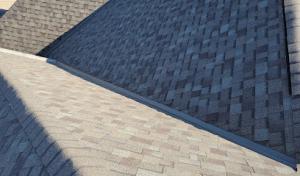
Hamilton's established housing stock means many re-roof projects involve correcting older flashing, ventilation, and drainage details rather than simply replacing surface shingles. Start with a careful, do-it-once assessment: check all the valley areas, rake edges, and under-eave vents for corrosion, loose fasteners, and missing sealant. In practice, that means you should plan for re-flashing at any metal connections and around eaves where previous installations paused and the metal wore thin. Dry valleys in older homes tend to trap moisture, so a close look at interior attic soffits and ridge vents is essential. When you're weighing repairs, prioritize durable flashing materials that resist freeze-thaw cycles and ensure proper slope for drainage to reduce standing water in spring thaws.
Chimney intersections are a recurring concern in the contractor market, reflecting how masonry penetrations on older homes can become chronic leak points if flashing is outdated. Inspect the step and counter-flashing where masonry meets the roof line, and verify that sealant remains intact around chimney caps and flashing turns. If mortar cracks widen, water can migrate behind shingles during thaw cycles. A practical approach is to remove compromised shingles in the flash zone, replace any rotted decking, and re-flash with counter-flashing that extends a bit onto the brick or stone. Keep an eye on crown molding at the chimney chase; a small crack today can become a leak path after a heavy rain.
Because re-roofing is far more prevalent than new construction in Hamilton, homeowners are often hiring for replacement and repair of aging roof systems rather than first-time installation. Expect contractors to emphasize diagnosing the overall roof assembly-decking, underlayment, and ventilation-in addition to surface shingles. A thorough job reviews attic insulation and soffit ventilation to prevent future heat and moisture buildup. In weather swings, a well-tied retrofit that coordinates flashing, vents, and drainage yields the most durable, long-lasting result.
Find contractors experienced in skylight installation, flashing, and leak repairs to bring natural light into your home.
American Veterans Roofing
(513) 532-1295 americanveteransroofing.com
125 Fairborn Dr, Hamilton, Ohio
4.9 from 65 reviews