
Last updated: Apr 19, 2026
Spring hail, heavy rain, and fall wind events converge in this river valley climate, creating a pattern of trouble that isn't easy to spot from ground level. After a storm, focus on flashing where the roof meets walls, around chimneys, vents, and skylights, and inspect any shingle edges that show lifted granules or curling. In a humid continental climate, freeze-thaw cycles can widen even small defects over time, so don't wait for a visible leak to act. If you notice any damp spots inside the attic, stained ceiling panels, or a sudden drop in attic insulation performance, treat it as a warning flag that moisture has found a way in.
Insurers in the Cincinnati area commonly scrutinize hail and wind claims closely, especially on older roofs. The window for a solid claim is narrow, so photograph promptly and with clear, date-stamped evidence. Start outside: capture all elevations of the roof with wide shots, then zoom in on suspected impact sites, lifted shingles, loose flashing, and any hail-tinged or dented metal components. Inside the attic, photograph signs of moisture, stains, and any daylight showing through the decking. Keep a dated log of when weather events occurred and when you first noticed changes. If possible, arrange a professional assessment soon after a storm and request a written inspection report that notes observed damage and recommended repairs. In disputes, organized visuals and expert notes can help establish a credible timeline and scope of loss.
Repeated freeze-thaw cycling in this area wears on roofs incrementally. Small gaps around flashing, masonry-adjacent joints, and around vent headers can grow with each cycle, especially when humidity keeps surfaces damp between freezes. Asphalt shingles are particularly vulnerable to edge lifting and micro-cracking in these conditions, while clay tile and slate fractures can propagate even from minor impacts during the wet months. The result is a creeping, cumulative risk that undermines water-shedding pathways and concentrates moisture near the eave and ridge lines. If aging materials show soft spots, hairline cracks, or spalling on masonry-adjacent corners, treat these as warning indicators to pursue a targeted roof health assessment rather than waiting for a leak to appear.
Start with a quick exterior sweep during daylight: look for loose granules in gutters, lifted edges, torn shingles, and any corroded metal flashings. Seal off suspected problem areas temporarily with waterproof tarps or heavy-duty roofing tape only if you know how to do it safely; otherwise, call a professional for a temporary cover to prevent further water intrusion. Prioritize areas above living spaces or storage rooms, and verify that attic ventilation remains unobstructed, since proper moisture management reduces the pace of deterioration during thaw cycles. If roof decks show signs of moisture intrusion, avoid walking on the surface to prevent further damage, and schedule a professional inspection promptly. A swift, documented response not only preserves the roof's integrity but also strengthens any insurance claim when legitimate storm-related damage is presented.
In the hilly terrain of the area, many older homes feature steep-slope roofs that dominate neighborhood skylines. Asphalt shingles remain the most common choice for these residences, largely because they balance performance with traditional curb appeal. Yet the local fabric also includes slate, clay tile, and copper details-often seen on inherited architecture or homes with historically sophisticated detailing. Those materials can blend with or contrast the surrounding masonry and wood trim, giving each hillside block its own character. When a historic roof meets modern needs, the decision tree grows a little more intricate, especially if the upgrade must honor original styling while improving durability.
Asphalt shingles remain a practical option for many steep-slope sections, especially on decades-old houses where a full historic restoration isn't required. In these settings, you can expect straightforward installation, a broad range of profiles, and easier repair campaigns after windstorms or hail events. On Cincinnati's humid river-valley days, the key is choosing a shingle with good moisture resistance and a robust wind rating, then pairing it with proper underlayment and a well-sealed ridge line to reduce wind-driven leaks that can creep into attic spaces during freeze-thaw cycles. If the home carries additional decorative trim or a slightly more complex roofline, ensure the shingle selection complements the existing look without compromising ease of maintenance.
Historic or newer homes that incorporate slate, clay tile, or copper components introduce a different set of considerations. Slate is durable and has a distinctive, traditional profile, but local weather can stress older installations: freeze-thaw cycles, humidity-driven deterioration, and storm impacts can lead to cracked or missing pieces. Clay tile offers distinctive color and a long service life, yet its weight often requires structural assessment and sometimes reinforcement. Copper accents, valued for their patina and longevity, add architectural flair but demand careful detailing at penetrations and valleys to prevent leaks. In repair-versus-replacement decisions, the existing material often drives the plan: a small slate patch may be feasible, but extensive delamination or widespread tile failure can tip the balance toward a partial or full re-roof with historically informed materials. When slate, tile, or copper elements are present, engage a specialty roofer with experience in historic detailing to preserve the character while embracing modern waterproofing and wind resistance.
Not all hillside roofs stay steep. Low-slope sections appear on porches, additions, and some multifamily or commercial properties, where EPDM rubber becomes a practical counterpart to steep-slope systems. EPDM offers reliable waterproofing for flat or near-flat textures and can be integrated with the surrounding roof planes to minimize seam exposure at transitions. Local considerations emphasize careful flashings where different materials meet, as moisture management at these junctions is critical in a humid climate with repeated freeze-thaw cycles. When EPDM is chosen, ensure proper edge detailing, UV protection at exposed edges, and a robust interface with any existing steep-slope coverings to prevent water tracking into eaves or soffits during heavy rainfall.
The mix of historic materials and humid conditions in the valley means that storm damage response and moisture management deserve particular attention. Slate, clay tile, and copper require regular inspection around chimneys, valleys, and flashings to detect hairline cracks, corrosion, or shifting fasteners after hail or high winds. Asphalt systems benefit from timely repairs that preserve the integrity of underlayment and decking beneath steep slopes, especially after freeze-thaw cycles. For any roof with mixed materials, adopt a coordinated maintenance plan that prioritizes compatibility, proper sealing at transitions, and staged repairs that respect the structure's historic fabric while delivering durable, weather-ready performance.
Understanding cost in this market means recognizing a blend of standard asphalt work with higher-skill replacements on slate, clay tile, and copper roofs found on older homes. In Cincinnati, that mix shows up in both the materials chosen and the labor hours required. Asphalt shingles remain the backbone for most replacements, but when your home carries historic fabric or distinctive features, the premium materials and specialized crews come into play. The typical cost ranges reflect that balance, with asphalt generally more affordable and copper or slate at the higher end.
Steeper rooflines and complex geometry are common on older houses here. Those features increase labor time, staging needs, and tear-off difficulty, even before weather enters the equation. In practice, this means a square (one roofing surface of 100 square feet) can take longer to complete than a modern ranch with a simple scope. The main spring-through-fall replacement season tends to see tighter scheduling after hail or high-wind events, which can push pricing higher as crews stretch to handle demand and secure material deliveries. If a storm hits during peak season, plan for potential short-term price bumps and longer-than-usual timelines.
The cost picture in Cincinnati is driven by the mix of materials used. Asphalt shingles sit at the lower end, while metal, clay tile, slate, and especially copper tilt higher, reflecting both material expense and labor intensity. Typical per-square costs (costs per 100 square feet) illustrate the spread: asphalt generally ranges to the mid-range, metal to the higher mid-range, clay tile and slate to the premium tier, with copper roofing representing the top-end option. EPDM rubber is less common on steep urban roofs but may appear on flat sections or additions, priced per square foot rather than per square.
Begin with a clear assessment of roof geometry and material goals. Note whether the project involves replacing an older slate or clay tile roof, as these scenarios often require removal of fragile materials by hand, specialty fasteners, and careful waste handling to protect surrounding masonry and landscaping. For steeper pitches, set aside extra for staging and safety equipment, since ladders, scaffolding, and temporary containment add to labor time. Storm-driven demand means you should request a written, itemized estimate with material and labor line items, plus a projected timeline that accounts for potential scheduling delays after major hail or wind events. In Cincinnati, a realistic plan includes contingencies for weather-related downtime and the possibility of phased work on carryover repairs or to coordinate with underlying roof decking or insulation concerns.
If choosing asphalt, verify the granule loss warranty, underlayment compatibility, and shingle profile suitable for steep slopes. For slate or clay tile, confirm the crew's experience with removal and reinstallation to minimize breakage and ensure proper underlayment and flashing details for valley intersections and dormers. Copper requires precise seam work and corrosion-resistant detailing to maximize lifespan. Each material choice affects not only upfront price but long-term maintenance cadence, storm resilience, and the likelihood of weather-related insurance documentation needs after a major event.
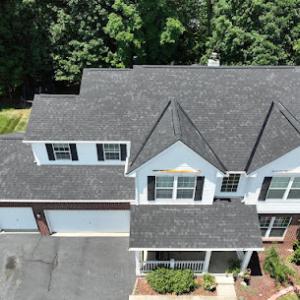
Division 1 Roofing & Exteriors
(513) 628-3563 d1roofing.simplybook.me
8845 Governors Hill Dr Suite 240, Cincinnati, Ohio
5.0 from 220 reviews
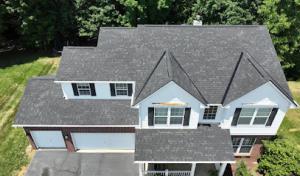
Division 1 Roofing stands out as an industry leader, offering exceptional roofing, siding, window, and gutter replacement services. Our Division 1 dedication extends beyond our expertise, prioritizing human connections and professional integrity. We are committed to providing the highest quality materials and workmanship while making a lasting, positive impact on the neighborhoods we serve.
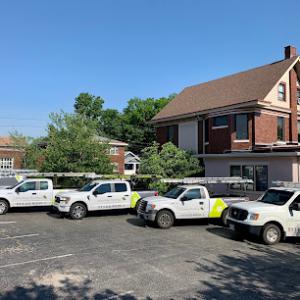
Advantage Roofing
5706 Carthage Ave, Cincinnati, Ohio
5.0 from 297 reviews
"A Bad Roof Can Wreck Your Home—We Make Roof Replacement Simple & Stress-Free!" Replacing your roof can feel overwhelming, and choosing the wrong contractor leads to costly mistakes. At Advantage Roofing, we’ve helped thousands of homeowners in Cincinnati & Northern KY protect their homes with a proven, stress-free process. We provide expert roof replacement, roof inspections, and storm damage repairs with clear communication and lifetime protection—so you get a strong, beautiful roof that lasts. 📍 Serving Cincinnati, OH & Northern KY | ⭐ 4.9 Google Rating 📞 Call today or go to our website and schedule a free, honest roof assessment!

Riegler Contracting
(859) 287-5694 www.rieglercontracting.com
Cincinnati, Ohio
5.0 from 219 reviews
Riegler Contracting is an Owens Corning Platinum Preferred Roofing Contractor serving Northern KY and Cincinnati, OH. With 15+ years of experience and 400+ five-star reviews, we’ve built our reputation on honesty, meticulous craftsmanship, and clear communication. We provide free inspections and estimates and focus on answering your questions, recommending only what you truly need, and never using pushy sales tactics. We offer roof repair, roof replacement, emergency roofing, roof installation, flat roofing, commercial roofing, roof maintenance plans industry leading roof warranties, and more. For flat roof systems, we are also a Duro-Last Certified Roofing Contractor, trusted for durable, high-performance flat roofing.
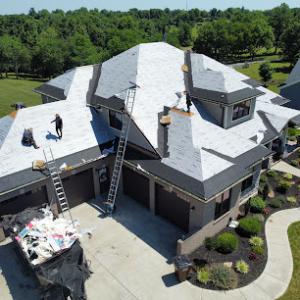
Assist Roofing & Restoration
(513) 882-6788 assistrestoration.com
10979 Reed Hartman Hwy Unit 208, Cincinnati, Ohio
5.0 from 197 reviews
TAKE ADVANTAGE OF OUR RELIABLE SERVICES Assist Restoration is the best roofing company Cincinnati OH has available. Our skilled roofing contractors are experts in residential roofing, commercial roofing, roof replacement, roof repair, gutter installation, siding repair, storm restoration, and so much more. We have been the roofing contractor in Cincinnati OH that performs the most reliable work, we're proud to be serving the communities that call Cincinnati their home, as we're dedicated to honesty, transparency, and satisfaction. When you're looking for roofing services, you want to find something that suits your needs. We understand that you need services for the right property, roof type and budget. Call Us Today for a free inspection!
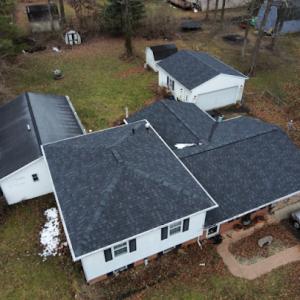
JK Roofing & Construction
(513) 378-5700 jkroofingnconstruction.com
8044 Montgomery Rd Suite 703, Cincinnati, Ohio
4.9 from 629 reviews
Welcome to JK Roofing and Construction, your premier Cincinnati roofing company with over 40 years of expertise. As a locally owned and operated business, we excel in roof repair, roof replacement, gutters, and comprehensive roofing services for both residential commercial properties. Our team is dedicated to delivering top-notch service, ensuring your roofing needs are met with the highest standards. From Deer Park roofing projects to gutter repairs, our services cover all aspects of your home improvement needs. Trust us for reliable, efficient, and quality roofing and construction solutions in the Tri-State area. Choose us for all your roofing and repair needs, where excellence and customer satisfaction are our top priorities.

Roofing & Gutters Viktor Posnov
(513) 304-9453 cincyroofing.us
9501 Winton Rd, Cincinnati, Ohio
5.0 from 115 reviews
I am doing roofing since 2009. If you have issues with you roof or gutters, chimney, skylights, or other flashings, I can help you with that! Love doing roofing and always make sure my customers are happy! Roof Repairs / replacement Skylights Chimney Flashings Gutters Gutter guards Downspouts Silicon coats
All American Roofing & Restoration
5554 Cheviot Rd, Cincinnati, Ohio
4.9 from 175 reviews
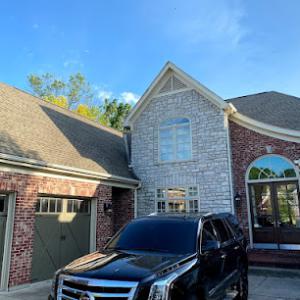
We are a local, veteran-owned roofing and restoration company that puts our customer's needs and their property first. We specialize in roofing repairs, roof replacements, and have experience using different kinds of roofing materials including, but not limited to shingle, metal, and tile.
Carthage Roofing
(513) 253-7954 www.carthageroofing.com
302 Township Ave, Cincinnati, Ohio
4.9 from 133 reviews
We are a family owned Roofing contractor we have been in business since 2008

SWORD Roofing - Cincinnati Roofing & Siding Company
4325 Mt Carmel Tobasco Rd Unit 1, Cincinnati, Ohio
4.9 from 344 reviews
Looking for top-quality roofing services in Cincinnati? Look no further than SWORD Roofing, a family-owned and operated company with years of experience. We specialize in roof repairs, tune-ups, and replacements, as well as gutter installation, repair and skylight repair and installation, and siding installation and repair. Contact us today for a free inspection or estimate and experience the difference with SWORD Roofing- Cincinnati Roofing & Siding Company! Call today for your free inspection/estimate or use our free roof quoting tool online
Apply Rite Roofing
(513) 241-7483 www.applyrite.com
4419 Linden Ave, Cincinnati, Ohio
4.9 from 178 reviews
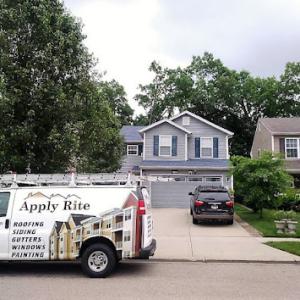
Whether you have a business, a new home, or a renovation project, we can provide both the product and service you need. We employ only expert tradesmen in the installation of our roofing, siding, gutters, windows, drywall, millwork, insulation, and painting applications. Apply Rite is dedicated to providing customers with services that incorporate the highest degree of craftsmanship, integrity, quality, and value. No other company can provide better results at a better price. Whether it is a large commercial job, a small residential repair, or anything in between, we are unsurpassed in the industry. We specialize in Commercial and Residential Roofing Services, Siding Contractor, Gutter, and Painting Contractor work.

Deer Park Roofing
(513) 224-5479 www.deerparkroofing.com
7201 Blue Ash Rd, Cincinnati, Ohio
4.8 from 686 reviews
Deer Park Roofing is an award winning Cincinnati, OH roofing company providing: - Residential roofing services - Commercial roofing services - Roof repair - Roof replacements - Flat roofs - Box gutters and more! With industry-leading training, expert attention to detail, and responsive service, you can trust Deer Park Roofing to help you Protect What's Important. Our showroom is open Monday through Friday from 8 AM to 5 PM. Our phone lines are available 7 days a week during the same hours. We look forward to hearing from you and working with you on your upcoming roofing project.

Molloy Roofing Company
(513) 791-7400 www.molloyroofing.com
11099 Deerfield Rd, Cincinnati, Ohio
4.8 from 264 reviews
Since 1900, the Molloy family has proudly served the Cincinnati area with expert repair services and top-quality replacements for roofing and gutter systems. Our dedication to excellence is reflected in numerous industry accolades, including Angi Super Service Awards for Roofing and Gutters dating back to 2004, Firestone’s "Partner in Quality" Award, and recognition on Carlisle’s prestigious "Perfection Council." Chances are, you’ve seen our signature red trucks around your neighborhood—we’re always here when you need us. Thank you for trusting our team to protect your home!
A full roof replacement in Cincinnati typically requires a building permit through the City Building Department. The process centers on ensuring the work aligns with local codes for steep-slope historic housing and the unique river-valley climate. Expect clear guidance on the project scope, proposed materials, and any required structural or ventilation details. The permit acts like a formal acknowledgment that the mechanics, moisture control, and storm-resilience features will be addressed under local standards rather than left to the contractor's discretion alone.
Most Cincinnati roofing jobs receive inspections at deck strip or underlayment stage and again at final completion before closeout. These touchpoints are a routine part of the process, not a rush-through check. The deck strip or underlayment inspection verifies proper water barriers, flashing, and ventilation setup before shingles or metal go on. The final inspection confirms the finished roof is aligned with the permit, meets wind and moisture requirements, and that any updates to attic insulation or ventilation are in place. Expect several days between steps for the inspector to review, document findings, and request minor corrections if needed.
Prepare for a short review period by coordinating closely with the contractor to align on deck strip timing, underlayment details, and any roof penetrations that need precise flashing. Have a folder ready with property diagrams, recent storm-damage photos, and a clear access plan for the inspector. Scheduling around weather windows is key, since Cincinnati's humidity plus freeze-thaw cycles can stress moisture barriers during construction. Communicate promptly with the contractor if a weather interruption shifts inspection dates, and keep the permit card and contact information accessible on site so the inspector can verify progress without delay.
After the final inspection, ensure documentation is filed for closeout and that any required code updates, attic ventilation changes, or wind-resistance adjustments are noted. Retain permit records and inspection reports for future reference, especially for any insurance-related documentation or future work on the same house.
Hail and wind are the most common roof claim drivers in the Cincinnati market, making post-storm inspections a routine part of ownership here. The valley's humid summers and rapid freeze-thaw cycles mean that not every bruise or shingle loss shows up immediately. After a storm, a careful walk around the roof and eaves is essential, especially on steep-slope, historic homes where old materials can hide damage until water finds its way inside.
Documentation and timing matter a lot. Exterior damage needs to be photographed from multiple angles, including gutters, flashings, and any metal accents that tend to peel free in a gale. Interior leaks often lag behind the first storm, but they are what buyers notice quickly in living spaces, attic rafter bays, and ceilings. Note the date of the storm event and keep track of when you first notice water intrusion. Before making temporary repairs, capture clear photos and gather any professional notes you might have obtained about moisture or shingle edge issues. Insurers will look for a clear sequence: storm event, exterior damage, interior symptoms, and the response timeline.
Older roofs in Cincinnati may face stricter insurer review, and coverage terms can change after area hail activity. Historic housing stock can complicate claim outcomes when original materials are no longer available or when matching shingles becomes a point of contention. If the roof has endured multiple freeze-thaw cycles, inspectors will scrutinize the integrity of flashing, valleys, and joints. Expect questions about patch work, previous repairs, and the overall ability of the roof to shed moisture under heavy rains.
After a storm, you should prioritize safety and documentation over quick fixes. Photograph exterior damage as soon as you can, then inspect for interior signs of water intrusion in the attic and ceiling lines. If temporary tarping or coverwork is necessary, use licensed professionals and keep all receipts and notes for the claim file. Align your actions with the timing of the storm event so the adjuster can connect the dots between exterior impact and interior symptoms. In homes with clay tile, slate, or metal roofing, be mindful that fast-moving hail can compromise fasteners or fastener heads, even if surface material looks intact. A cautious, well-documented approach helps protect you when the claim moves through the adjustment process.
Connect with contractors who help homeowners navigate the claims process from damage assessment to final approval.
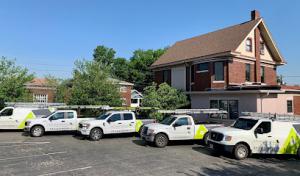
Division 1 Roofing & Exteriors
(513) 628-3563 d1roofing.simplybook.me
8845 Governors Hill Dr Suite 240, Cincinnati, Ohio
5.0 from 220 reviews
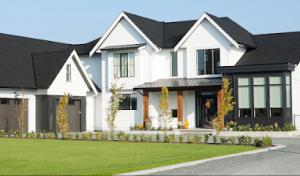
Advantage Roofing
5706 Carthage Ave, Cincinnati, Ohio
5.0 from 297 reviews
In Cincinnati, most full replacements are scheduled from spring through early fall to avoid winter weather complications. A dry, moderate-season stretch helps sealants cure properly and gives crews a predictable pace for tear-off and installation on steep slopes common with historic housing stock. Plan ahead for calendar quarters when longer days and milder temps reduce the chance of weather-related delays.
Summer heat and humidity can stress crews and materials during installation, while winter conditions make tear-off and sealing less predictable. If a summer project is chosen, schedule early morning start times and ensure shaded work zones when possible. Expect temporary adjustments to outdoor work areas, and verify that roof penetrations and attic ventilation receive focused attention to prevent heat-driven moisture buildup.
Winter conditions make tear-off and sealing less predictable. If winter work is unavoidable, insist on weather-conscious sequencing: prioritize interior sealing, use temps-rated materials, and document any freeze-thaw exposure risks. Temperature swings in this river-valley climate can create hidden moisture pockets; coordinating with a contractor who emphasizes moisture management reduces the chance of slow leaks after the job.
Fall storms can create a late-season rush for repairs before colder weather increases the risk of leak spread and ice-dam formation. Build a concrete plan with a contingency window for weather delays, and keep a prioritized list of vulnerable areas (valleys, flashing transitions, and chimney intersections). Early fall inspections help catch wear from summer humidity before the first freeze, limiting emergency calls when storms roll through.
Cincinnati's older housing stock makes chimney-to-roof intersections a frequent leak point homeowners should watch closely. When the brickwork and mortar meet the shingle or metal roof, the transition portals are prime spots for water intrusion, especially after a heavy rain or a rapid warm-up followed by a hard freeze. A small crack in mortar or a misfitted flashing seam can become a lasting source of moisture wicking into attic spaces, dormers, or the ceiling below.
Freeze-thaw cycles in the region can worsen failures where roofing meets masonry, especially around step flashing and counterflashing. Water that seeps behind the flashing can freeze and expand, prying shingles and metal away from the brick or stone. This cycle often shows up as damp spots along the wall, rusted or loose flashing, and missing granules on nearby shingles. If you notice a chalky white efflorescence on brickwork or damp patches near the chimney chase, treat it as a warning sign that the flashing needs a careful check, not a quick patch.
Because chimney-related work is a visible part of the local contractor market, homeowners should expect many roof inspections here to include masonry-adjacent details. Look for proper sealant around chimney counters, gaps where metal flashing meets brick, and the integrity of mortar joints near the roofline. Ask for a focused review of the kickout flashing where the roof plane terminates at the chimney-and ensure the roofer tests for leaks with a gentle but thorough water run along the flashing and mortar seam.
Maintain a mindful routine: once a year inspect the chimney crown for cracking, check the chase cap for corrosion or movement, and verify that any repairs completed in the past few years have remained sealed against moisture. In this climate, proactive attention to these junctions saves thousands in unseen damage and preserves the interior comfort you rely on when winter winds howl.