
Last updated: Apr 19, 2026
Circleville sits in Pickaway County in the Scioto Valley agricultural plain, where open terrain leaves many homes more exposed to wind than heavily wooded hill communities. That exposure matters for a roof's long-term performance because wind-driven rain can drive water up under shingles and into edge details during storms. The lack of tree cover also means roofs dry out more quickly after storms, which can help but also intensifies temperature swings that stress materials. When planning repairs or replacements, prioritize components that resist wind uplift, maintain good sealant performance around penetrations, and hold up under rapid drying cycles.
The city experiences four distinct seasons with cold winters and warm, humid summers, so roofs here cycle between snow load, freeze-thaw stress, spring rain, and summer heat. Freeze-thaw cycles push and pull at shingles and flashings; water that infiltrates small gaps can freeze in place and widen openings. Snow accumulation on pitched roofs can create hidden melt channels that re-freeze at eaves, risking ice dam buildup. Summers bring heat and humidity that accelerate aging of attic insulation and ventilation systems if airflow is insufficient. A roof with well-sealed joints, breathable underlayment, and a balanced ventilation strategy is better equipped to handle these transitions without new leaks or warranty issues.
Because Inland central Ohio lacks coastal salt or high-malt snow loads, the main roof threats here are repeated precipitation, wind events, and temperature swings. That means the emphasis shifts from extreme weight-bearing concerns to moisture management, edge protection, and air movement within the attic. A typical Circleville home benefits from continuous ridge ventilation paired with evenly spaced soffit intake to encourage steady airflow. This helps keep underside temperatures closer to outdoor temps in winter, reducing ice-dam risk, and lowers attic condensation in humid seasons, which protects sheathing and interior drywall.
Ice dams often form when warm attic air raises roof sheathing temperatures near eaves, causing snow to melt and refreeze at the lower edge. In Circleville, where winter days can swing quickly from sunny to frigid, it's crucial to minimize heat loss from the living space into the attic. Seal insulation gaps around chimneys, attic hatches, and light fixtures, and ensure soffit vents are not blocked by insulation. Consider infrared inspections after cold snaps and thaws to identify sneaky heat leaks that could contribute to dam formation. Edge detailing-ice and water shield installed beyond the first 24 inches of the roof line-provides a second line of defense against meltwater making its way under shingles at the eaves.
Attic ventilation plays a starring role in Circleville's climate reality. A balanced system that pairs continuous soffit intake with ridge or passive exhaust vents reduces the potential for condensation and helps maintain consistent roof temperatures. When installing or upgrading, aim for 50 to 70 percent of intake area near the soffits and the remainder at the ridge, depending on roof pitch and attic depth. If the attic is poorly insulated or air leaks are present, ventilation alone won't solve the problem; sealing leaks and upgrading insulation must accompany any venting improvements. In colder months, effective ventilation helps keep the attic cold enough to prevent ice from forming along the sheathing while still allowing moisture to escape.
Shingle choices should consider wind exposure and temperature fluctuations. In open terrain, materials with strong sealant bonds and wind-rated underlayments perform better over time. Metal roofs offer excellent wind resistance and long service life under repeated freeze-thaw cycles, while asphalt shingles with upgraded granule adhesion and snow clips can be a practical option for many homes. For those considering tiles or wood, ensure installation includes proper underlayments, fasteners rated for freeze-thaw durability, and attention to flashing around chimneys, dormers, and vents. Each choice benefits from attention to attic ventilation and edge protection to align with Circleville's seasonal realities.
Melt-and-refreeze conditions are a winter staple in this area, and they can back water up at the eaves when attic heat leaks warm the roof deck unevenly. In homes with attached garages, bonus rooms, or older insulation details common in central Ohio subdivisions, warm roof sections become localized hot spots that trigger ice damming-creating a wall of packed ice at the lower edge of the roof and forcing meltwater under shingles. Those shifts aren't cosmetic; they can seep into soffits, gutters, and fascia, promoting leaks, wood rot, and accelerated shingle wear. When the attic isn't properly ventilated or is unevenly ventilated, the risk multiplies, because cold roof areas fail to shed moisture as efficiently. Circleville's final inspection emphasis on proper installation and ventilation reflects this reality: ventilation problems directly shorten shingle life and worsen winter moisture issues.
As winter storms roll through, be vigilant for soft or spongy attic insulation near fixtures, unexpected frost on the underside of the roof deck, or rain leaks that appear after a thaw. A telltale sign from the attic is excessive condensation on vents or rafters during a cold spell, indicating heat is escaping into the roof structure. On the exterior, look for dark, damp streaks along the eaves or signs that ice has formed a dam at the lower edge of the roof. If you notice frequent icicles hanging from the eave line, that can signal a steady transfer of heat from the attic to the roof deck, which increases dam risk even on modest snowfall.
The core defense is robust attic ventilation paired with insulation that minimizes heat transfer from living spaces to the roof. In Circleville homes, that often means ensuring soffit and ridge vents are clear, properly installed, and balanced so cool air flows across the roof deck rather than pooling near the eaves. Insulation upgrades to achieve a uniform thermal boundary are essential, especially in areas above attached garages and bonus rooms where heat tends to escape more readily. Your goal is a cold roof deck in winter-one that suppresses warm pockets that melt snow at the highest rate. If the final inspection flags ventilation gaps or improper installation, address them with a qualified roofer who can seal leaks at the top plate, tighten attic baffles, and re-balance airflow.
If a dam forms, remove the immediate water backup safely by carefully clearing a path for meltwater to exit through gutters (without chiseling into the ice or harming shingles). Do not use high-pressure heaters or open flames. Instead, apply calcium chloride ice melt under the dam edge in small, gradual doses, and create a channel for water to escape. Schedule a follow-up inspection promptly to evaluate insulation levels, vent effectiveness, and potential shingle damage. A proactive homeowner approach-especially in a winter climate with Circleville's exposed winds and snow-can prevent minor damage from becoming costly, long-term problems.
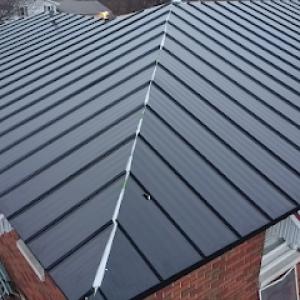
All Seasons Roofing & Home Restorations
(614) 578-0193 www.allseasonsroofingandhomerestorations.com
8907 OH-188, Circleville, Ohio
5.0 from 211 reviews
Ohios #1 roofing and siding company! Fully owner operated to make every project a breeze from start to finish! From seamless metal roofing systems to vinyl siding, gutters, and asphalt shingles, weve got you covered! Specializing in insurance restorations, our goal is to offer the best service and craftsmanship possible! Cost free estimates and inspections along with financing options make working with us a breeze! And as a licensed insurance adjuster, we are experts in getting any storm related damage covered by your insurance company and bringing your home back to pre loss conditions! Call today and speak directly with the owner at 6145780193! In the mean time, take a moment to review hundreds of our reviews and see why we are the best!!
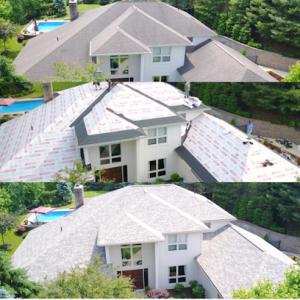
Ohio's Finest Roofing
(614) 419-6885 www.myohioroofing.com
29897 Wolfe Rd, Circleville, Ohio
5.0 from 33 reviews
We’re a family owned and operated home improvement business based out of Circleville, OH. We have over 20 years of interior and exterior improvement experience for both residential and commercial properties. But recently changed our delivery model to focus on roof damage repair and replacements. Our service covers the entire state of Ohio, and some neighboring states. With a deep passion in preserving and maintaining property, we treat every project as if it’s our own home we are working on. It's not easy trusting anyone to work on your property so we make sure all of your questions are answered, and make the process of a roof repair a GREAT experience for you.

Brown's Roofing
(614) 837-3280 www.brownsroofingcolumbus.com
Serving
5.0 from 39 reviews
Brown's Roofing is a licensed, bonded and insured general contractor that works with both residential and commercial clients throughout Central Ohio.
RCS Roofing-Columbus
(216) 773-0412 www.rcsroofingohio.com
Serving
5.0 from 167 reviews
At RCS Columbus, we take pride in being the top roofing contractor in Central Ohio, OH, and serving the surrounding areas. Our team is dedicated to providing exceptional service and quality workmanship. We have years of experience working through the insurance process and understand the importance of accountability, response time, and communication. Our professionals are highly trained and equipped to handle all your roofing needs, from repair to re-roofing to storm damage. We also offer services in gutters and siding. Contact us today to schedule your appointment and experience the RCS Columbus difference!

DMD Renovation
(614) 782-2010 dmdrenovation.com
Serving
4.9 from 113 reviews
From Roofing and Siding to Gutters and Interior projects , we’re providing Quality that you Deserve and Dependability that you can count on.

Huff's Construction
(740) 474-4023 www.huffsconstruction.com
Serving
4.8 from 4 reviews
For over 30 years, Huff's Construction has been building dreams and transforming houses into homes. As seasoned roofing contractors and general contractors, they bring expertise and passion to every project. Huff's Construction enhances curb appeal with quality siding, durable windows, and seamless gutter systems. Their commitment to detail and personalized service ensures your vision becomes a reality, crafting spaces where memories are made. Choose Huff's Construction for lasting beauty and peace of mind.
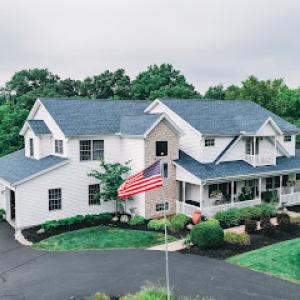
Precision 1
(614) 618-3444 www.precision1homeimprovement.com
Serving
4.9 from 29 reviews
Precision 1 Home Improvement specializes in roofing, siding, gutters, windows, and more. We are based in Canal Winchester, Ohio and service Columbus, Cincinnati, Dayton and all surrounding areas.
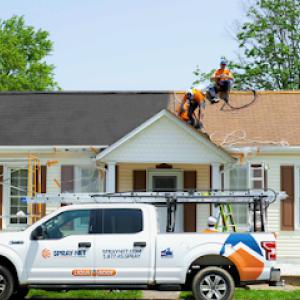
Spray-Net Southern Columbus
(740) 468-4684 liquaroof.spray-net.com
Serving
4.7 from 12 reviews
At Spray-Net Southern Columbus, we specialize in restoring and extending the life of asphalt shingle roofs using our innovative and patented Liqua-Roof technology. Instead of a costly and disruptive roof replacement, our advanced coating system improves the durability and appearance of your existing roof, all while maintaining the breathability of your shingles. Our process helps lock in granules, enhances impact resistance, and offers a sleek, refreshed look in a variety of modern colors. If your roof is nearing the end of its life but isn’t ready for a full tear-off, we offer a smart, cost-effective solution that adds years to its performance. Proudly serving homeowners across Southern Columbus — reach out today for a consultation!
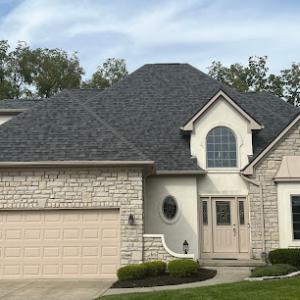
Hope Roofing & Restoration
(614) 333-8007 hope-roofing.com
Serving
5.0 from 83 reviews
Welcome to Hope Roofing & Restoration, your premier destination for exceptional roof replacements in Columbus, Ohio. With an A+ rating from the Better Business Bureau (BBB), we are dedicated to delivering superior service and customer satisfaction. Our expert team specializes in roof replacements and is here to guide you through the insurance claims process, ensuring a hassle-free experience. From start to finish, we handle every aspect of your roof replacement project, utilizing high-quality materials and industry-leading techniques. Rest easy knowing that our skilled professionals will provide you with a durable, long-lasting roof that adds value to your home. We service Franklin County and other surrounding counties.
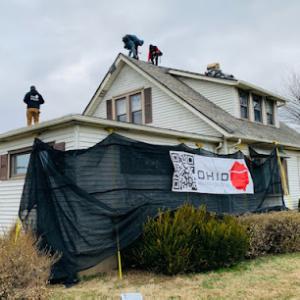
Ohio Roofing Solutions
(614) 656-3459 ohioroofingsolutions.com
Serving
4.7 from 157 reviews
Ohio Roofing Solutions is a roofing contractor in Lancaster and Columbus serving Groveport, Grove City, Commercial Point, Obetz and nearby areas. Our roofing company offers commercial roofing, roof repair, roof rejuvenation, metal roofing and more. We also specialize in siding, gutter, and solar services. Customers love us because of our comprehensive roof warranties and our affordable roof financing options. We also have industry affiliations and certifications such as VSI Installer, Union Metal - Metal Pro Contractor, Directorii Certified. If you want to experience how your most trusted Columbus roofing company embraces our motto “Covering Ohio with Excellence", call us now for a free estimate!
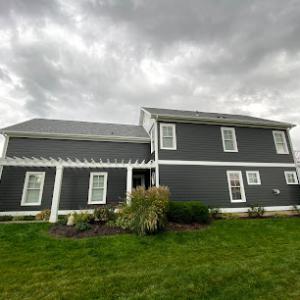
S&F Roofing
(740) 415-4103 sfroofingoh.com
Serving
4.9 from 89 reviews
Our team at S&F Roofing has proven experience in roofing, siding, gutters and exterior remodeling for residential and commercial properties. We take pride in the fact that our work is done precisely, and more affordable than other contractors in the Lancaster and central Ohio area. We know our customers deserve nothing but the best; let us show you how skilled and efficient we are for your home’s needs!
Sublime Roofing
(614) 918-0018 sublimeroofing.com
Serving
5.0 from 29 reviews
Sublime Roofing is a locally owned roofing, siding, and gutter company serving Central Ohio. We provide expert roof replacements, storm damage repairs, siding upgrades, and gutter installations with a focus on professionalism, reliability, and customer care. Our team is committed to clear communication, skilled craftsmanship, and spotless clean-up so every project feels seamless from start to finish. Whether protecting your home with a new roof, boosting curb appeal with fresh siding, or keeping water away with gutters and guards, we deliver results you can trust. Now that’s Sublime! ✨
In this part of Pickaway County, storm activity is a common homeowner headache. Hail and straight-line wind events routinely test shingles, underlayment, and vents, and carriers often expect photo documentation, contractor estimates, and product details to support a claim. When a storm passes, you should be prepared to document what happened as soon as it's safe to do so: close-ups of damaged shingles, flashing, and gutters, plus a wide shot to show the roof's exposure beyond neighboring structures. Having a simple, dated record helps keep the process moving and reduces back-and-forth requests from the insurer.
Circleville sits on a flat, open terrain where wind can grab exposed edges and drive rain up under the edge of shingles. Homes without dense tree cover or tall neighboring buildings feel the brunt of that exposure. If your roof is pitched, attention should go first to sealing around the ridge, hips, and eave zones. Look for curled or missing tabs, lifted seam laps, and blown-off granules along the gutter line. Corrugated vent boots and roof penetrations are points where wind-driven rain can penetrate, so include clear photos of these details in your claim package.
In this market, replacement decisions are often driven by functional damage rather than age. A roof can look fine from ground level but fail to seal after a hail impact or heavy wind load. Functional damage means leaks, compromised underlayment, reduced shingle lift resistance, or failed seals around vents and flashings. If a storm left your shingles cracked, punctured, or raised such that water can intrude at the seams, that's functional damage worth evaluating for replacement rather than waiting for aging signs. When assessing, compare pre-storm and post-storm conditions, focusing on areas with high impact risk: southern exposures, ridge lines, and valleys.
Choose a local contractor familiar with our open exposure and the way ice and thaw cycles stress roof seams. Ask for a detailed scope that documents shingle type, underlayment, flashing materials, attic ventilation improvements, and a venting plan. Keep the contractor's proposal aligned with what the insurer requires: a clear breakdown of damaged areas, replacement materials, and installation methods that restore original performance. If you have multiple storms in a season, your claim package should reflect any incremental damage beyond the initial event so adjusters can accurately assess cumulative impact.
Before and after photos are essential, but include a simple diagram or annotated photos showing water entry points, skylight and vent conditions, and any sagging or deck movement. Keep dated notes on when you first noticed leaks, when you contacted the insurer, and how the weather influenced inspection dates. With open surroundings and wind-driven rain common here, a precise, photo-backed narrative helps speed claim resolution and supports a sound replacement decision when functional damage is present.
In this flat, open landscape south of Columbus, asphalt shingles dominate because they fit the pitched-roof housing stock and are cost-effective for routine replacement after Ohio wind and hail events. You'll find a wide range of styles and wind- and impact-rated options that perform well with the seasonal freeze-thaw cycles. When you choose asphalt, pay attention to the sealant tabs and ensure the roof deck is evenly vented to reduce the risk of early edge lifting during spring storms. Regular inspection after heavy rains or hail helps catch loose granules and minor leaks before they become bigger problems.
Metal roofs are especially relevant for snow shedding and long-term durability in this part of Ohio. They resist ice damming better than many other materials when paired with proper attic ventilation and a well-sealed gutter system. However, installation quality matters a lot because exposed fasteners and flashing can become leak points under repeated seasonal expansion and contraction. If you pursue metal, ask for a detailed assessment of fastener choices, ridge and eave flashing, and an integrated ventilation plan to prevent condensation and ice buildup along the eave-edge. A well-sealed underlayment and careful panel seam alignment are worth the extra effort in this climate.
Clay and concrete tile are available but are less typical for the mainstream housing stock in Circleville. If considering tile, you must account for structural load and the need for specialized labor. These roofs demand solid deck support and may require upgraded fasteners and rafter spacing. In a market that's not as saturated with tile work, local contractors might have fewer ready-made solutions for quick repairs, which can complicate maintenance and timely fixes after winter storms. Plan for a longer lead time on installation and repairs, and confirm the contractor's experience with tile in cold, freeze-thaw environments.
The most reliable path is to align roof choice with your attic ventilation strategy and ice-dam prevention plan. Regardless of material, ensure your insulation is adequate and that soffit, ridge, and balance vents are correctly sized and unobstructed. Consider a preventive maintenance schedule that targets wind-driven rain runoff paths and eave areas where ice dams tend to form after heavy snowfalls. In this climate, the roof should work with the house's seasonal cycles, not fight them. Circling back to sealing and ventilation after each major storm keeps the roof performing at its best year-round.
In Circleville, the local material ranges you should expect are Asphalt Shingles 450-750 USD per square, Metal Roofing 700-1200, Clay Tile 1400-2500, Concrete Tile 1000-1800, Wood Shingles/Shakes 700-1200, Synthetic/Composite Shingles 600-1200. These figures reflect typical supplier pricing in Pickaway County and the southern Columbus metro area, not regional outliers. When you compare bids, make sure each contractor quotes the same number of squares and includes underlayment, flashing, and the trim edge work. The spread between lower and upper ends often tracks the roof's pitch and any added features like skylights or chimneys.
Costs in this market can rise after regional wind or hail events when central Ohio contractor schedules tighten and material demand spikes across nearby markets including the Columbus area. That jitter can push out timelines and edge up labor rates, especially for steeper or more intricate roof layouts. If a contractor stocks premium underlayment or specialized ice-dam barriers, the price gap versus standard setups can widen noticeably. The practical takeaway is to secure a solid bid early in the season and verify what the bid covers so there are few surprises if a weather event shifts supply and crews.
Pricing also shifts with the steepness and complexity of the pitched roofs common on local homes. A simple two-story with a straightforward ridge is usually cheaper than a multi-hip, cross-gabled design that traps more wind-driven rain. Wet spring and fall periods can limit crew access, slowing work and extending contingency dates. If a roof is very steep or has difficult-to-reach eaves, expect labor-time to rise and, correspondingly, the square-foot price to reflect the extra effort. Plan on a realistic schedule that accounts for weather windows and partial tarps or staging if spring storms arrive.
A building permit is typically required for a full re-roof, and the City Building Department handles the application. In this town, skipping the permit can trigger delays, fines, or mandated uncovering of work already done, which means extra time and expense you don't want. The application sits with the city's clerk and is routed to the Building Department for review, so be prepared for a short wait and a clear path to approval.
Permit submissions generally require contractor license information, a scope of work, and estimated project cost before work proceeds. Have the licensed roofing professional's credentials ready, along with a concise description of materials and methods. The scope should spell out attic ventilation plans, ice-dam prevention measures, and any ventilation upgrades tied to the project. In this climate, missteps around ventilation or sealing can show up as winter ice dams or sudden air leaks, so completeness matters to avoid backtracking later.
Inspections are scheduled by the permit holder, and there is usually a final inspection to verify proper installation and ventilation after completion. Plan for the inspection to confirm that flashing, ridge ventilation, soffit intake, and proper underlayment are in place. If the final review flags ventilation gaps or improper sealing, repairs may be required after you've already closed in the roof. Adhering to the permit conditions from day one helps ensure a smooth process and a safer, longer-lasting roof.
Dry, moderate-temperature periods are the best installation window for a typical home with a pitched roof, because spring and fall rain can interrupt tear-off and underlayment work. In practice, crews line up a string of clear days for shingles, flashing, and ridge vent installation, keeping interior spaces calm and minimizing weather-driven delays.
Hot summer stretches can affect asphalt shingle handling and adhesive performance, so timing must be managed during central Ohio heat. Hot afternoons can soften adhesive tabs and soften underlayment, creating delays. Scheduling early-morning starts and finishing before peak heat reduces curling and misalignment risk.
Heavy snow events in winter can delay access, staging, and debris removal even when emergency repairs are needed. Frozen decking and poor visibility slow tear-off, and frozen gutters block waste removal. If a storm rolls in, expect temporary tarping to protect interior while weather passes.
Plan around mid-spring and early fall windows that provide dry weather and stable temperatures, with a contingency buffer for an occasional rainstorm. If a project runs long, crews should pause on hot afternoons to protect sealant and ensure proper attachment once temperatures moderate.
During the project, proper attic ventilation matters for shingle performance and ice-dam prevention. Ensure roof deck access is unblocked, and note that ventilation strategies may need temporary adjustment to maintain airflow without compromising insulation or creating pressure differences that invite condensation.
In regions with frequent wind-driven rain, consider coordinating staggered removal and installation to keep the home protected while minimizing exposure to precipitation. When heavy snow hangs around, access may be limited to daylight hours, so plan for shorter workdays and safe debris removal.
That means ice-dam prevention work-including ice and water shield placement in eaves and valleys-should occur during the dry stretch of a clear window, with heat tracing ready if forecast calls for sharp freezes.
Older homes in and around Circleville may have roof systems updated in stages, creating mismatches between newer shingles and older ventilation, decking, or flashing details. The flat, open Pickaway County landscape means wind-driven rain and winter freeze-thaw cycles press hard on every seam. When a re-roof is done in phases, temporary fixes or partial upgrades can leave hidden trouble spots that only reveal themselves as the seasons change. The result is a roof that looks finished from the ground but isn't performing as a cohesive system.
Because the inspection process focuses on final installation quality, homeowners should pay attention to whether a re-roof is only cosmetic or actually corrects underlying ventilation and moisture issues. In Circleville's climate, attic ventilation matters year-round: inadequate flow traps moisture, boosts ice-dam risk, and speeds shingle deterioration during freeze-thaw swings. If the attic venting wasn't upgraded to match new decking or underlayment, you may be left with damp rafters and higher heat buildup, even if the shingles themselves appear sound.
Material upgrades such as moving from asphalt to metal or synthetic products can change flashing, ventilation, and weight considerations in ways that matter more on older structures. In practice, metal or composite upgrades demand careful flashing at valleys, chimneys, and hip-and-ridge transitions. Older flashing may not align with a new roof profile, creating potential leaks that only show up after a heavy snowfall or rapid warm-creeze cycles. A thoughtful assessment should confirm that flashing details were carried through with the new materials, not replaced haphazardly.
Look beyond the surface to understand how the roof and attic work as a system. Are soffit baffles complete and unblocked? Do ridge vents align with the new decking, and is there adequate intake and exhaust airflow? In this region, the risk of ice damming rises when ventilation and moisture handling lag behind a shingle upgrade. If the house needed multiple updates over time, demand a plan that stitches those changes into one cohesive, weather-ready package rather than a patchwork remodel.
In Circleville, Ohio, insurers commonly support roof replacement claims when homeowners provide clear storm-date documentation, photos, contractor findings, and product information. Adjusters in this market may ask for claim history and may scrutinize whether damage is from a covered wind or hail event versus age-related wear. Because local practices vary by carrier and adjuster, homeowners should document elevations, slopes, soft-metal impacts, interior leaks, and any temporary repairs immediately after a storm.
After a storm, gather every detail you can while the memory is fresh. Start with a dated, dated-by-you timeline that pinpoints when the event occurred and how long after it you first noticed leaks or missing shingles. Photograph the roof from multiple angles, including eaves and valleys, and capture attic signs of moisture or condensation. Have a trusted contractor inspect the attic ventilation, sealant joints, and any ice-dam progression they observe, then record their findings in plain terms you can share with the adjuster. Save product information for the shingles or metal, including brand, type, and batch or color matching. Keep a log of any temporary repairs you perform-tarps, fasteners, or board patches-and note when you did them.
Detail elevations and roof slope, especially where wind-driven rain or hail could have hit hardest. Note any soft-metal impacts like gutter corners, flashing, or vents, and document interior leaks with dates and room locations. Include interior photos of ceiling stains or warped insulation. When you speak to the adjuster, reference the contractor's observations about sealing, ventilation adequacy, and any ice-dam indicators noted during a daytime inspection. If a claim history exists, compile a concise summary so the carrier can assess pattern or amplification. Immediate, organized documentation helps the process align with the expectations of Ohio insurers.