
Last updated: Apr 19, 2026
Coldwater sits in Branch County in south-central Michigan, where repeated winter freeze-thaw cycles are a primary driver of shingle edge wear, flashing movement, and leak development. The home roof is routinely pushed by patterns of moisture coming off cold nights and sunny days, followed by rapid chilling after sunset. That cycle weakens edge fasteners, loosens flashing seals, and creates micro-cracks along shingle edges that grab water and push it inward. In practical terms, this means a roof in this area endures more edge wear and more opportunities for leaks than a mild-climate counterpart. When a snow cover lingers and then melts, the next overnight freeze hardens any exposed water at eaves and valleys, converting surface moisture into ice that can pry shingles apart or lift flashing. The end result is a progressive, hard-to-detect failure that shows up as damp ceilings, attic moisture, and stained ceilings after a thaw.
Winter snow cover followed by daytime melting and nighttime refreezing makes eave ice buildup a practical reroofing concern for Coldwater homes. The combination of heavy snow loads, wind-driven snow drift into roof edges, and a cold, damp attic environment means ice dams form more readily along the eaves and in valleys where heat escapes. Ice dams trap melting water behind a dam of frozen ice, forcing it to find or create new leaks around roofing penetrations and the flashing along walls, chimneys, and skylights. Freeze-thaw cycles exert a repeated stress on underlayment, drip edge, and fastening patterns. Over multiple winters, the cumulative effect shows up as curling shingles, lift along the eaves, and pulled or torn flashing-each a potential portal for water intrusion. The local climate makes it common to see staggered damage that begins at the edges and migrates inward toward the warmer attic space.
Homeowners notice a telltale sequence when the conditions align: a thin sheen of water on the ceiling after a thaw, followed by a stubborn damp patch that grows during successive warm spells. You may observe shingle edge wear more rapidly than expected, with small granule loss at the gutters and along the eaves. Valleys and flashing joints that once held tight begin to show ripples or movement when touched. In a worst-case scenario, interior stains appear in multiple rooms, or a musty odor signals hidden moisture behind the walls. In Coldwater, with its persistent freeze-thaw cycles, those symptoms should never be ignored; they indicate that the roof deck could be drying inadequately, flashing is compromised, or the attic ventilation is insufficient to handle snow-melt volume.
Addressing ice dam risk starts with improving edge protection and ventilation. Ensure drip edge is secure and flashing around penetrations is continuous, with sealant at joints where ice formation tends to pry components loose. Increase attic ventilation so warm air from living spaces does not accumulate under the roof deck, which accelerates ice dam formation. Consider insulation upgrades to reduce heat transfer to the roof deck, minimizing the warm-to-cold cycling at the eaves. When heavy snow accumulates, one practical action is careful removal from the roof peak down to a safe distance, avoiding damage to shingles and flashing; never attempt it alone without proper equipment. For homes with repeated problems, upgrading to a roof system that better resists ice dam stress-such as a more durable edge or a higher-performance underlayment-can provide meaningful resilience against the region's winter pattern. A professional evaluation is advised after any winter season that produced noticeable leaks or shingle movement.
Shingle edge wear and flashing movement in this climate reward materials with robust edge protection and reliable sealing behavior. Asphalt shingles with upgraded underlayment provide a balance of cost and performance for maintenance-focused homeowners. Metal roofs offer resilience against ice-related movement, but the flashing details and edge detailing must be executed to withstand repeated freeze-thaw cycles. For long-lasting performance in this setting, avoid lighter, lower-density options that crack or warp under cold snaps. Proper installation, meticulous flashing integration, and careful attention to attic ventilation are the keys to extending roof life through Coldwater's harsh winters.
Residents experience a Michigan insurance environment where periodic hail and wind events regularly trigger roofing claims and insurer scrutiny. In Branch County, the combination of lake-influenced snow, freeze-thaw cycles, and exposed eaves means damage can hide under shingles or in flashing and soffits. Insurance adjusters from neighboring counties bring a wary eye to photos that don't tell the full story, so understanding how the claim will be evaluated is essential. The moment a storm passes, you'll want to prepare for a process that weighs whether damage was wind- or hail-related, and whether it aligns with policy language. Misalignment between observed damage and policy triggers can slow or complicate progress.
Insurers commonly want photo documentation, contractor estimates, and permit records before finalizing roof payouts in this market. Concrete shots of sagging ridge lines, lifted shingles, evenly spaced granule loss, and interior signs of water intrusion you've noticed after a thaw can help tell the full story. Do not rely on a single image; a sequence that shows hail impact points, edges, and any surrounding roof anatomy is more persuasive. Obtain a written estimate from a qualified local contractor that clearly calls out necessary repairs and the scope. If an insurer requests a second opinion, having a second set of eyes from a trusted local roofer can prevent back-and-forth delays. Keep copies of all communications, and organize receipts for temporary protective measures and any emergency repairs.
Replacement timing in this market can be affected by deductibles and appraisal disputes even when storm damage is real and coverage is available. Deductibles that seem small can still create a meaningful gap between recognizing damage and deciding to proceed with a full replacement. Appraisal disputes-where the insurer and the homeowner disagree on the amount or scope-is a common flashpoint after a major wind or hail event. In these moments, patience and documentation matter. Track the progression of each claim phase: initial assessment, documentation submission, adjuster inspection, and the final determination. If a decision feels delayed or unclear, seek guidance from a local roofing professional who understands how insurers in this county historically interpret wind- and hail-related wear. In practice, timely documentation paired with precise contractor estimates can avert unnecessary delays and minimize the risk of a partial repair scenario that doesn't address underlying vulnerabilities exposed by freeze-thaw cycles.
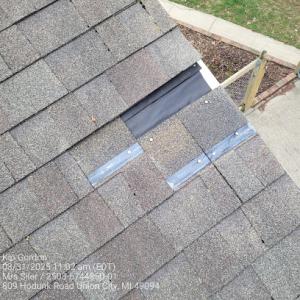
Kirk's 5 Star Roofing
482 Bidwell Rd, Coldwater, Michigan
5.0 from 29 reviews
Steep and low slope roofing. Repairs and full replacement. Storm damage repair, insurance work, snow and ice removal, moss removal, inspections and free estimates Our motto is “Exceptional Quality, extraordinary Service” which is the foundation of our company. You, our customer receives the highest respect to both your wishes and your property. Roofing is an expensive endeavor. Why not be certain to be getting the best products and service available in order to only do it once every thirty years or so. We guarantee our workmanship for the life of the product. That’s in writing. We are fully licensed and insured for your total protection.

Jason T Nowicki Construction
Serving
3.9 from 7 reviews
Jason T Nowicki Construction provides roofing services to the Quincy, MI area.
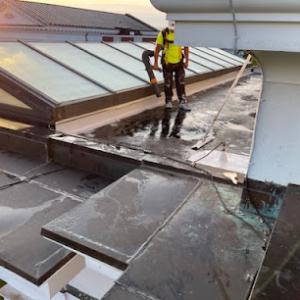
Apex Industrial Roofing
(517) 227-7749 apexindustrialroofingllc.com
Serving
5.0 from 2 reviews
We at Apex Industrial Roofing are here to provide you with change, security, confidence boosting, high quality, fully serviced roofs. From our business to yours, customer satisfaction is our priority. For over a decade our family business has made it a priority to only use top quality products for our top-quality customers. For all your roofing needs, we are your full-service roofing company.
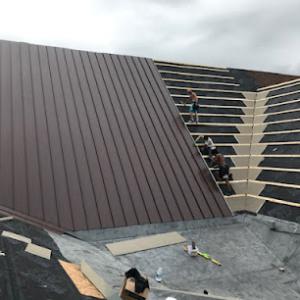
Cornerstone Roofing & Siding
(269) 781-6558 cornerstoneroofingsiding.com
Serving
5.0 from 3 reviews
Since 1994 Cornerstone Roofing & Siding has been serving Calhoun County with over 12000 installations near you.
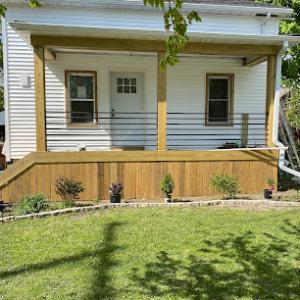
C-Squared Construction
Serving
5.0 from 2 reviews
C-Squared Construction is a premier residential construction company dedicated to delivering high-quality craftsmanship and reliable service. With years of experience in the industry, we specialize in roofing and general construction, ensuring that every project meets the highest standards of durability, safety, and aesthetic appeal.
Professional Roofing
Serving
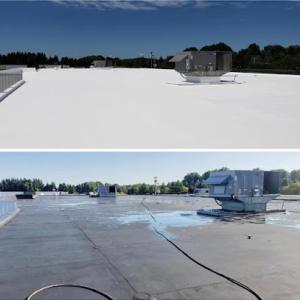
We are a full service Commercial Roofing company. It is our goal to bring the best option for your roof. Every Customer and building has different needs, so our goal is to come up with the best solution for your building. From maintenance and repairs to full roof replacements.
Asphalt shingles are the dominant practical choice for the typical Coldwater roof. Their installation aligns with the city's housing stock, and they're familiar to local roofers. The key factor here is winter thermal cycling: the repeated freezing and thawing can stress adhesive tabs and lift, especially after heavy snows. When choosing asphalt, prioritize a high-quality, polymer-modified product designed for cold climates, and ask for extra ice-dam protection at the eaves. In climates like this, shingles with a granular, reflective surface plus a stout sealant at seams tend to hold up better through multiple freeze-thaw cycles. Pay particular attention to underlayment and proper attic ventilation to minimize interior condensation that can worsen ice dam formation on asphalt roofs.
Metal is locally relevant because it sheds snow efficiently, which can reduce the weight and duration of ice buildup. If you're leaning toward metal, the details matter as much as the panel profile. A standing-seam system typically performs well for snow shedding, but the critical portions are eaves and penetrations: gasketed flashing, properly seated gutters, and well-sealed transitions around vents and chimneys. In a snow-and-ice climate, you want continuous attic venting and a matched insulation approach to keep the roof deck from reaching freezing temps while the interior still has heat. The more robust the eave edging and the better the seal at penetrations, the less likely ice dams will form behind metal panels. Consider a thicker coating or paint that resists thermal expansion and contraction over the long winters.
Clay and concrete tile are available options in this area, but their higher weight and sensitivity to freeze-thaw stress call for deliberate structural and underlayment choices. Tile roofs demand a solid, well-ventilated subroof and a structurally sound deck to resist the stress of heavy snowfall and potential ice backing up along eave lines. Underlayment should be 2-layer or a high-quality synthetic with a tight, continuous membrane to minimize water intrusion if ice dams develop. Tile edges require precise flashing and proper slope to facilitate drainage. In practice, this means ensuring the structure can carry the load and that the installation includes appropriate fracture resistance details for freeze-thaw cycles. If a reroof is contemplated after severe winter events, expect a re-evaluation of roof deck condition and fastener corrosion potential, since the exposure here accelerates wear.
Wood shingles and shakes offer a traditional look but demand stringent maintenance in cold, damp winters. They're more vulnerable to moisture ingress and rot if ventilation and underlayment aren't carefully planned. In a freeze-thaw environment, ensure the roof has an impermeable underlayment beneath the wood and a reputable preservative treatment schedule to extend life. Seams and fasteners should be chosen to resist warping and splitting under repeated cold cycles. If the home's structure already carries a timber aesthetic, wood can be a sensible match, provided the installation emphasizes drainage, wind uplift resistance, and a robust ice dam barrier at the eaves.
Synthetic or composite shingles offer modern performance with better freeze-thaw resilience than some traditional materials. They can combine good flexibility in cold weather with enhanced color stability and dimensional stability. Look for offerings designed for cold climates that emphasize moisture management and a strong sealant or fastening system. These products can be a solid middle-ground between asphalt and metal, especially for homes that require a combination of lightweight materials and reliable winter performance. In all cases, ensure the underlayment strategy and ventilation support the roof's expected ice dam dynamics.
Asphalt shingles are the entry point for most Coldwater projects, with the typical per-square cost range around 350 to 650 USD. That's the baseline you'll see on standard, asphalt-based reroofs, and it aligns with common home stock in the area. When wind and hail events sweep across south Michigan, costs can rise quickly as demand spikes and local crews tighten up schedules. If an older roof is steep or has complex lines, you should expect to push the total upward due to extra decking access, more material waste, and longer labor days during winter months.
Metal systems sit at the premium end of the spectrum, generally running from 600 to 1000 USD per square. The durability in freeze-thaw cycles and ice-dam exposure makes metal a popular choice for Coldwater homes facing harsh winters. However, winter scheduling pressure after a regional storm can compress timelines, nudging costs upward if crews are booked out or need to move quickly to manage storm damage elsewhere in south Michigan.
Clay tile roofs sit well above common shingle setups, with costs roughly 900 to 1700 USD per square. Tile systems offer robust freeze-thaw resistance and long service life, which matters when winter loads and ice dam risk are high. Expect price flexibility after a significant wind or hail event, since tile installations require careful handling and often more specialized labor in the wake of regional demand spikes.
Concrete tiles typically range from 800 to 1500 USD per square. They combine durability with a heavier deck impact consideration in older homes, so preparation work may add to the total if the roof deck needs reinforcement or extra bracing. In Coldwater, steep or multi-level rooflines can increase labor time, especially if winter elements limit access during tear-off.
Wood options run about 550 to 1100 USD per square. They deliver a distinct look and good insulation value, but timber work can be sensitive to moisture and weather delays. After winter deck repairs discovered at tear-off, combining maintenance with a wood roof can push the total higher, particularly when crews need to address sag or rot before securing new shingles.
Synthetic or composite shingles fall roughly between 650 and 1100 USD per square. They bring a balanced mix of durability and cost, with performance in freeze-thaw cycles favorable for Coldwater homes. Like other materials, costs can rise after regional wind or hail events, and winter scheduling can tighten timelines, affecting total project price.
In this city, a full reroof project isn't treated as a no-paperwork maintenance job. A permit is typically required, reflecting Coldwater's hands-on approach to protect homes from the freeze-thaw cycles that drive ice dam and roof-system failures. Before any shingle teardown or deck refresh begins, the reroof should be lined up with a permit so the building department can review the plan and set expectations for the work ahead.
The permitting process is anchored in the local building department's workflow. After the reroof application is submitted, a fee is collected and the department reviews the project details for compliance with local codes and safety requirements. The goal is to ensure that the roof replacement is designed and installed to withstand the South-Central Michigan winter pattern, including wind events and ice dam exposure that are common here. Once approved, the department will outline the inspection schedule and any conditions that must be met during construction.
Inspections in Coldwater happen both during the project and after completion to verify proper final installation. The department's focus includes correct roof installation methods, adequate ventilation, and proper waste disposal practices. Ventilation is especially important in this climate, where adequate intake and exhaust can influence frost-related movement and roof longevity. Waste disposal checks help prevent debris from entering waterways or clogging drainage, which can compound ice dam risk if not managed properly. Turnaround for inspection results typically runs about 1 to 2 weeks, depending on workload, so coordinating with the contractor ahead of time helps avoid schedules slipping behind weather windows.
To align with the city's expectations, keep track of the key documents and steps. Ensure the contractor pulls the permit before any roof work starts, and request a copy of the permit card or number for your records. Have a clear plan for ventilation details, such as ridge and soffit vents, or any attic insulation upgrades called for in the scope of work. Know the chosen waste-disposal approach, including how shredded shingles and old underlayment will be managed to prevent debris from entering eaves and gutters during the thaw cycles.
During the inspection window, be prepared for the inspector to visit at multiple stages: rough installation checks, ventilation and insulation verification, and a final post-installation review. The process tends to be smoother when all parties communicate early about access, utilities, and staging areas for materials. If a deficiency is noted, address it promptly to keep the project on track, especially given the tight windows that winter weather can impose. The goal is a reroof that stands up to Coldwater's freeze-thaw winters while meeting the community's safety and environmental standards.
In Coldwater, spring thaw can expose hidden moisture problems and also create scheduling variability because heavy rain interrupts tear-off and dry-in windows. As snowpack recedes, shingles and underlayment may reveal leaks that were dormant all winter, so a careful assessment of attic ventilation and ridge venting is wise before you line up crews. The thaw period often brings mixed weather-wet mornings, cool afternoons-which means roof work pauses for drying and wind shifts. Plan for a phased pace: complete sections when dew points are favorable, and leave a robust dry-in plan in place for any lingering dampness. Clear debris and ice dams from the eaves to minimize trip hazards and prevent re-freeze issues that can compromise sealants.
Summer in this area brings warm conditions that help installation progress, but sudden storm events can disrupt crews and expose open roofs. Thunderstorm risk is real, so coordinating time blocks with local forecasts matters. On days with high humidity or heat, allow for midday breaks to protect shingles and synthetic underlayments from heat-related warping. Have a contingency for quick tarping of exposed roof lines if an afternoon storm rolls in, and ensure crews have safe access paths that stay clear of grass and driveway drainage. Summer also benefits from longer daylight, so aim to shift heavy lifting to late afternoon to avoid the hottest hours and keep fasteners from sweating off their grip.
Late spring through early fall is the preferred reroof window locally because it avoids the sealing and safety problems common in winter work. Start with attic and attic-vent assessment, then move to deck-off and underlayment in dry spells, followed by shingle or tile installation when temperatures and surfaces stay consistently above freezing thresholds. Build in micro-schedules for weather holds, and communicate a revised timeline promptly if a storm or extended rain period slows progress. This sequencing helps protect sealants and reduces the risk of ice-dam surprises when the first cold snaps return.
In this market, storm events can expose Coldwater roofs to rapid freeze-thaw cycles that drive ice dam formation and lift shingles. When documenting a claim, you shape the narrative around what is visible now versus what existed before the event. Keep photos steady and clearly labeled, and avoid letting temporary repairs obscure the true condition. The goal is to have a clear trail that connects the storm impact to the current state, without implying pre-existing failure that isn't demonstrable.
Photo sets should capture shingle slopes and metal accessories from multiple angles to show alignment and wear, interior leak evidence that tracks to specific roof areas, and any hail or wind impacts before temporary repairs alter the scene. In a typical Coldwater winter, attic signs of moisture near eaves or low roof sections often reveal ice dam consequences; document these with dates and context. If gutters show ice buildup or staining, photograph those moments too. A well-documented sequence helps adjusters understand how water moved and where damage originated, especially after wind or hail events.
Because payout timing can hinge on verified condition in this market, you benefit from documenting both storm damage and pre-existing wear separately. Take clear, dated pictures of shingles with curling, granule loss, or flashing that existed prior to any storm-related change. Then, after a storm, capture the new impacts and any resulting leaks. This separation reduces ambiguity and supports a claim that accurately reflects what happened and when. Finally, keep a concise log that ties each photo to a location on the roof and a corresponding interior area.
Coldwater's roof work is shaped by the cumulative effect of Michigan's winter cycling: repeated freeze-thaw, spring moisture, and occasional convective storms that push wind and ice against exposed edges. The cycle weakens shingles, loosens fasteners, and drives ice dams when heat from the attic or sun on a dark roof melts at the top edge but not at the eave. The result is a near-constant risk of moisture intrusion at the ceiling line and hidden deterioration along rafter tails. When you choose materials, think not only about appearance but how the product sheds snow, handles contraction and expansion, and resists the freeze-thaw cycle over decades.
Snow load and clustering ice near gutters demand attention to edge detailing and underlayment. Materials with strong, continuous underlayment and well-sealed seams help reduce capillary water movement during melt periods. In this climate, enhanced drip edge, properly sized overhangs, and strategically placed snow guards can prevent snow from slamming into gutters or overwhelming valleys. A roofing system that encourages controlled shedding minimizes ice dam formation and reduces the chances of moisture backing up under the shingles during January thaws.
Reroof timing in this market is tied to erratic spring and winter windows, with weather delays common. Scheduling decisions are influenced by how many days of steady dry weather you can expect, window availability for inspections, and the ability to stage work around freezing nights. A roof that is planned with these contingencies in mind experiences fewer exposure days to wind-driven rain and helps installers complete a quality seal against ice dams in the vulnerable first thaw.
Material choice matters beyond curb appeal. The right option balances shedding efficiency, thermal movement tolerance, and long-term resilience to repeated seasonal cycles. Concrete or synthetic options can provide durable, energy-conscious performance, while metal roofing excels at rapid snow shedding if fastened for consistent thermal movement. Shingle selections should emphasize robust underlayment, precise flashing, and ventilation compatibility to withstand Michigan's unique blend of cold, moisture, and convective events.