
Last updated: Apr 19, 2026
Spring storms bring hail and strong winds that can leave hidden damage on a roof, while the long, brutal Lake Erie winter accentuates unseen wear through freeze-thaw cycles. In this environment, damage is not a single event but a process: a quick strike during a storm followed by weeks or months of deterioration as ice, wind-driven debris, and moisture creep into minor gaps. Decisions based on short-term impressions can backfire once water finds a path through a compromised seam or missing shingle edge. Acting promptly after a significant hail or wind event minimizes the risk of interior leaks and collapse-prone spots, but timing must balance the reality of insurance review cycles and contractor availability.
Toledo homeowners commonly face spring hail and strong storm damage followed by winter freeze-thaw deterioration, making storm-related roof decisions highly seasonal. Once snow piles retreat, the roof and attic become prime spots for discovering cracked shingles, dented metal, or lifted edges that look minor from the ground but spell trouble up close. Roofers experience a surge in demand as soon as the storm clouds clear, and crews can book out weeks. Delaying a post-storm assessment can allow minor issues to become larger problems that require more invasive repairs or full replacements when the temperatures drop again. Act quickly to document the damage with clear photos and notes while the roof is still accessible and daylight is reasonable.
The local insurance environment sees regular hail and wind claim activity, and adjusters in this market often prefer in-person inspections after storms. If an insurer requires a hands-on evaluation, knowing the schedule and having a concise damage log can speed approvals. If the inspection is delayed due to high claim volume, the window to secure temporary protection or mitigation may close, and the homeowner can be left negotiating from a disadvantage. A proactive approach-contacting the insurer soon after the storm, requesting a field visit, and coordinating with a licensed contractor who can be present for the adjuster-keeps the claim flowing rather than stalling. In-person visibility on lifted shingles, granule loss, and flashing damage matters more than a photo alone.
Demand spikes after regional storm events can delay replacement scheduling in Toledo, especially when insurers require detailed photo documentation before approval. Take time-stamped photos from multiple angles: roof surface, flashing, vents, gutters, and any interior signs of water intrusion. Note the date, the storm severity, and any previous repairs. A written log of roof condition changes over time helps when the adjuster reviews the claim and provides a narrative that supports the need for prompt action. Ensure that photos capture sagging or gaps that might not be obvious from ground level, and save copies of any prior inspection reports or maintenance records for reference.
Know which parts of the roof bear the most risk in this climate: typically the southern and windward sides, edges, and joints around chimneys or vents. Prioritize a professional roof inspection after a major storm, even if damage isn't immediately visible from the curb. If you receive an insurance denial or stall, request an escalation and provide the detailed documentation gathered. When choosing a contractor, confirm they will be on-site for insurer inspections and can provide phased work plans to align with claim approvals. In all cases, the goal is to prevent a small issue from turning into a winter-ready catastrophe by catching and addressing damage while the weather cooperates and the claim process remains navigable.
Set a storm-damage readiness checklist: secure loose debris, cover exposed valleys or vents with temporary tarps, and arrange an on-site inspection within days of a hail event. If a claim is filed, compile the damage photos and a concise timeline of storm dates, then coordinate with the contractor to ensure an assessment date aligns with the insurer's inspection window. Keep communication lines open among you, the adjuster, and the contractor to minimize the risk of delays that push a necessary repair or replacement into a harsher season. Remember: the right action at the right time saves more than just money; it preserves the home's structure against the next freeze-thaw cycle.
Cold Toledo winters create repeated freeze-thaw cycling that can open shingle seals, stress flashing, and worsen small leaks before spring. That subtle wear often hides under a blanket of snow, making early signs hard to spot. Shingles may look intact after a light thaw, but the repeated cycles push granules loose and small breaches open up just enough to channel moisture inward. If you skip a late-winter or early-spring check, a creeping leak can become a bigger, costlier repair later. The risk isn't dramatic failure every week; it's a slow buildup of weakness that undermines the roof's ability to shed water when heavy spring rains return.
Snow load and ice-related stress are a practical concern in Toledo replacements and can complicate tear-off timing during winter months. When inches of snow sit on a roof, crews face safety hazards and slower progress, which can stretch the project into marginal weather days. Ice dams can form at eaves where warmth from the attic meets a cooler roof plane, forcing water back under shingles and toward decking. That back-and-forth pressure can peel back edges or lift tabs, revealing underlayment damage that wasn't visible in fall. If a full replacement is on the table, winter work demands careful scheduling to avoid compromising ventilation and insulation details. Expect the process to pause when storms roll in, then resume when enough meltwater is managed and access is safer for crews and any attic or crawlspace work.
Homes with a harsh winter often emerge from the season with damage that was not obvious in fall, which is why many replacement decisions are made after late-winter or early-spring inspections. A careful check reveals micro-leaks around vent pipes, flashing around chimneys, and where the roof edge meets the gutter line. In some cases, decking or underlayment may show moisture staining or soft spots after the snowpack has vanished, signaling that the weathered layer needs replacement rather than patching. This is not about fear of the next storm; it's about catching damage when it is still localized enough to repair efficiently. A professional inspection focused on freeze-thaw damage, plus a close look at any hail-related or wind-induced wear from the prior seasons, helps you understand whether a full roof replacement is truly necessary or if a targeted repair will hold for another season.
Plan for a mid-to-late winter or early-spring check if your roof endured a tough season, especially after heavy snows or sudden thaws. When you see suspect areas, start with a careful eye to flashing seams, pipe collars, and the edge where shingles meet the gutters. If a leak is active, address it promptly to minimize interior damage before the spring rains compound the problem. Keep an eye on attic ventilation during warm spells; poor air exchange can allow heat and moisture to accumulate, accelerating ice dam formation or enamel deterioration on fasteners and flashing. Above all, approach any winter damage with prudence: a measured assessment now can prevent a rush, higher-risk repair, or a full replacement later in the season.
When you can't wait, these contractors offer fast response times to stop leaks and prevent further damage.
Johnson Roofing & Restoration
(419) 222-7663 www.johnsonroofs.com
2620 Centennial Rd, Toledo, Ohio
4.8 from 58 reviews
Seagate Roofing & Foundation Services
(419) 536-0027 www.seagateforyourhome.com
623 Burbank Dr, Toledo, Ohio
4.4 from 135 reviews
Manchester Roofing
(419) 269-1415 manchesterroofinginc.com
5050 Bennett Rd, Toledo, Ohio
4.6 from 10 reviews
Asphalt shingles are the dominant practical choice for Toledo homes because they align with the broad re-roofing market and moderate replacement budgets. In this climate, you want a product that holds up to Lake Erie's freeze-thaw cycles without complicating repairs after a spring hail event. The typical residential roof in the area wears well with a durable asphalt shingle profile that tolerates wind-driven rain and seasonal temperature swings. When choosing, look for a rated wind performance and a longer warranty to cover your home against abrupt spring storms and the rapid transitions between cold and warm spells.
Metal roofing has meaningful local demand, reflecting homeowner interest in durability against snow, wind, and long-term maintenance cycles. In neighborhoods with steep pitches or compact rooflines, metal can shed snow more reliably and resist hail impact better than some shingles. It also tends to resist the repeated freeze-thaw stress that can crack lighter materials. If you're weighing metal, consider a profile that minimizes potential issues with standing water on low-slope sections and ensure color coatings are known to withstand our seasonal sun exposure. Metal shines when a home owner plans a longer roofing interval and wants minimized maintenance visits.
Clay and concrete tile are available in the market but their much higher installed cost makes them a niche fit compared with the city's more common shingle-driven replacement work. Tiles bring strong resistance to wear and an attractive curb appeal, but Toledo's freeze-thaw cycles can stress fasteners and underlayment if installation isn't meticulous. If you're exploring this path, verify a proven local installer with tile-specific experience and assess the roof structure for the added weight. For aging or partially damaged roofs, tile may complicate repairs, especially where rapid patchwork is required after a storm.
The right choice hinges on how a home is built and how it endures our seasonal shifts. A reroof should consider not only the weather pattern but also the existing decking condition, gutter drainage, and the home's exposure to wind from local storm corridors. In many Toledo neighborhoods, asphalt shingles deliver a reliable balance of performance, cost, and ease of repair after hail or heavy snow events. If curb appeal or a longer-term maintenance cycle is a priority, metal offers compelling benefits, while tile remains a selective option for premium updates on suitable homes.
In Toledo, you'll see clear bands by material. Asphalt shingles run from about 350 to 650 USD per square, depending on the brand and color you pick, plus installation. Metal roofs sit higher, roughly 550 to 1100 per square, which reflects steel or aluminum panels and the faster install for some crews. For higher-end options, clay tile ranges from 2000 to 4000 per square, and concrete tile from 1500 to 3000 per square, with the added weight and structural considerations that come with those styles. If you're eyeing wood shingles or shakes, expect about 550 to 1100 per square, while synthetic or composite shingles land in the 550 to 1000 range. These numbers are typical for the Lake Erie region, where the mix of styles on older homes and newer builds drives the spread.
Storms are a big driver here. After a hail or high-wind event, demand for full roof replacements spikes, and pricing can push upward as crews stretch to meet the surge in demand. Scheduling can tighten up quickly because lots of homeowners are reacting at once, and good crews book out weeks or even months after a major storm. If you're in a rush after a storm, you may pay a premium for faster service or for premium venting and underlayment upgrades that some contractors push to balance faster turnaround with long-term performance.
Start with a realistic budget that accounts for the local ranges and the likelihood of a storm bump. If you're replacing after a hail event, set aside a buffer for possible price increases and for expanded debris removal and disposal costs that crews may layer in during peak demand. Consider the weight and structure when choosing materials; clay and concrete tiles require proper framing and possibly structural reinforcement, which can add to the cost beyond the panel price. If you own an older home with a shallower roof pitch or limited attic space, you might see additional access and safety costs as crews navigate tighter quarters and do more manual hauling.
Because Lake Erie weather cycles can be harsh on shingles, some homeowners prefer metal or synthetic options for their durability and wind resistance. Metal tends to perform well in wind events and ice buildup, but the upfront cost is higher. Asphalt remains the most economical and is still a common sight on mid-century houses with standard pitches. Tile and wood offer distinct looks but bring heavier weight and potentially higher installation complexity. In any case, plan for a professional assessment of roof structure and attic ventilation, as those factors can influence both cost and long-term performance in Toledo's seasonal climate.
Get a clear picture of your project costs upfront - no commitment required.
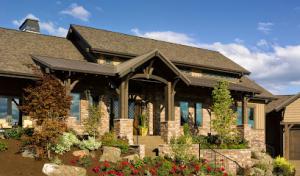
Tri-State Windows, Siding & Roofing
(419) 478-6577 www.remodelwithtristate.com
2604 Tremainsville Rd, Toledo, Ohio
4.8 from 188 reviews

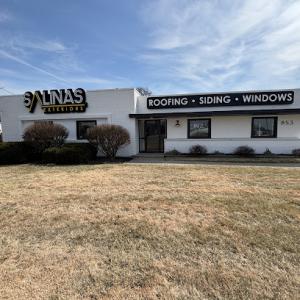
Salinas Roofing, Siding, & Exteriors
(419) 877-7205 salinasexteriors.com
853 S Reynolds Rd, Toledo, Ohio
4.9 from 455 reviews
Discover Salinas Roofing, Siding, & Exteriors, the renowned roofing and siding provider established in 2016. Based in Toledo, Ohio, their skilled team caters to both residential and commercial properties throughout the region. As a leading expert in roofing, Salinas Roofing, Siding, & Exteriors offers seamless installation and reliable repairs for any shingle roofing requirement. Additionally, their siding solutions encompass an array of styles, materials, and designs to suit every preference, while gutter installations and repairs add to their comprehensive suite of services. With a dedication to quality, professionalism, and customer satisfaction, Salinas Roofing, Siding, & Exteriors ensures each project is executed to perfection.

Top Roofing
(419) 262-2177 www.toproofingllc.com
4145 W Alexis Rd, Toledo, Ohio
5.0 from 118 reviews
Facing a leaky roof or considering a roof replacement? Top Roofing, Toledo's Top Rated Roofing Company, is here to be your trusted partner. We serve Toledo, Ohio and the surrounding areas, ensuring your home receives the best in roofing care. At Top Roofing, exceptional quality and customer satisfaction are paramount. Our professionals use only industry-leading materials and proven techniques, guaranteeing a roof built to withstand the elements. Worried about budget constraints? Top Roofing offers competitive pricing and flexible financing options to fit your needs. We believe a beautiful, reliable roof shouldn't break the bank. Let us create a customized plan that protects your investment while enhancing your property's value.
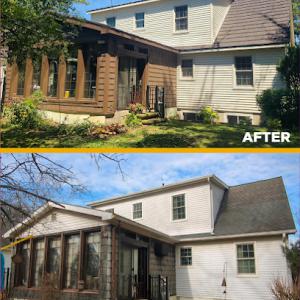
Integrity Home Exteriors
(419) 725-9045 integrityhomeexteriors.com
2852 South Ave, Toledo, Ohio
4.8 from 1567 reviews
Our locally owned and operated home exterior company has been providing roofing, siding, and window and services for over 25 years. We are dedicated to bringing quality customer service with nothing but the best products. Call today for a free inspection!

Veteran Roofing & Windows
(419) 517-5211 www.veteranroofingoh.com
7862 Central Ave B, Toledo, Ohio
5.0 from 53 reviews
Veteran Roofing Services is a certified roofing contractor proudly serving Toledo, OH and the surrounding areas. As a veteran-owned business, we bring integrity, reliability, and expert craftsmanship to every project. We specialize in residential and commercial roof replacements, roof repairs, insurance restoration, and seamless gutter installation. Whether you’re dealing with storm damage or planning a full roof upgrade, we’re committed to delivering top-quality results and peace of mind for our customers.
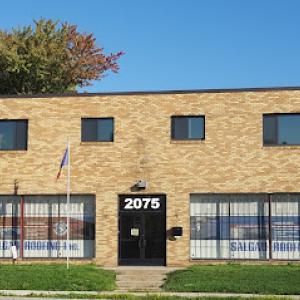
Salgau Roofing
(419) 691-9641 salgauroofing.com
2075 Starr Ave, Toledo, Ohio
4.8 from 203 reviews
Salgau Roofing, established since 1998 in Toledo, Ohio, is a trustworthy roofing contractor serving Ohio and Michigan. With an emphasis on craftsmanship and customer service, Salgau Roofing strives to deliver top-notch services for every project. Our extensive range of offerings ensures the best solutions for your roofing needs. Our team's professionalism, reliability, and over two decades of experience ensure a durable and budget-savvy future for your home.

Tri-State Windows, Siding & Roofing
(419) 478-6577 www.remodelwithtristate.com
2604 Tremainsville Rd, Toledo, Ohio
4.8 from 188 reviews
Quality Roof Replacements, Home Siding Installations & Vinyl Window Replacements Since 2007 in Northwest Ohio & Southeast Michigan! Yes, there are many exterior home remodelers in the local area who do roof replacements, roof repairs, roofing, siding installation, siding repair, replacement window installs, entry doors and sliding doors - BUT NOT ALL of the other remodelers are Licensed, Google Certified, and Customer Approved like Tri-State is...AND It all begins with Owner Todd Moore. At Tri-State Windows, Siding And Roofing our goal is to be the home improvement company you can trust to work with on one of your biggest investments, YOUR HOME when it comes to a new roof, vinyl siding, replacement windows, entry doors or sliding doors
Pro Craft Home Products
(419) 475-9600 www.procrafthomeproducts.com
1622 Coining Dr, Toledo, Ohio
4.8 from 109 reviews
Pro Craft Home Products is one of the top Roofing Companies Toledo Ohio, offering roof replacement, roof repair, metal roofing Toledo, and asphalt shingle roofing. Our Toledo Ohio roofing contractors provide residential and commercial roofing services, siding replacement, window replacement, gutter installation, gutter guards, and blow-in insulation. Serving Toledo, Northwest Ohio, and Southeast Michigan, our certified Toledo roofing company delivers reliable service, free inspections, and strong warranties to protect homes and businesses.
Recovery Remodeling
(419) 460-1483 www.recoveryremodeling.org
6222 N Summit St, Toledo, Ohio
4.9 from 31 reviews
With over 25 years of contracting and home remodeling experience, we are confident as an insured and licensed contracting company. We can complete your project with the desired outcome, leaving you satisfied with the recent work performed. Our team is committed to delivering high-quality, affordable home renovation services with a customer-first approach. We prioritize honesty, clear communication, and fair pricing, making each project an enjoyable and engaging experience for our clients.

Holt Roofing Company
(419) 478-2900 holtroofing.com
3947 Funston St, Toledo, Ohio
4.7 from 169 reviews
Holt Roofing Company, Inc provides residential and commercial roofing installations and repairs, gutter installations, skylight installations for all types of materials including shingles, metal, flat, TPO, EPDM, PVC, modified bitumen, and roof coating in the Toledo, OH area.

TDR Roofing & Construction
Toledo, Ohio
5.0 from 23 reviews
Trusted roofing & HOME EXTERIORS Partner-led roofing, siding, window and home exterior solutions with honest, transparent quotes, reliable timelines, and craftsmanship built to last. From first inspection to final walkthrough, one partner will lead your project - and our whole team will stand behind it.

Johnson Roofing & Restoration
(419) 222-7663 www.johnsonroofs.com
2620 Centennial Rd, Toledo, Ohio
4.8 from 58 reviews
Johnson Roofing is a leading residential and commercial roofing contractor serving the greater Toledo, Ohio area, including Sylvania, Perrysburg, Maumee, and surrounding communities. We specialize in roof repair, roof replacement, storm damage restoration, and insurance claim support. Our experienced, licensed, and insured team works with asphalt shingles, metal roofing, and flat roofs, delivering top-quality craftsmanship and long-lasting results. We offer free roof inspections, fast emergency response, and competitive pricing backed by industry-best warranties. Whether you're dealing with hail damage, roof leaks, or aging shingles, Johnson Roofing is Toledo’s trusted name for honest, reliable roofing services.

Great Lakes Home Remodeling
(419) 279-8716 greatlakeshomeremodeling.com
1602 W Bancroft St, Toledo, Ohio
4.5 from 295 reviews
With over two decades of experience in the home improvement and Stone Coated Metal Roofing industry our Team has the knowledge, skills, and licensing to handle many different home renovations and permanent home solutions for our customers. Our goal is to offer you dependable and permanent home improvement services and craftsmanship. We provide premium roofing and siding products such as Stone Coated Metal Roofing, insulated siding and architectural fiberglass shingles for customers throughout Ohio, Michigan, and Indiana.
In this region, a building permit is required for a full roof replacement, and the contractor is expected to file before work starts. This isn't a "maybe later" item, it's part of the process that keeps the project on track with city code and property records. Expect the permit to cover the tear-off, the new roofing system, and any structural or ventilation work tied to the replacement. From the homeowner's side, keep a copy of the permit number and the contractor's license on site, and confirm that the contractor has the city permit active before any shingles come off. If the permit lapses or wasn't filed, the inspection schedule can be disrupted and work may have to pause until the paperwork is up to date.
Inspections are structured to align with the critical stages of a full roof replacement. In practice, this means one visit around tear-off or rough-in and a second one at final completion. The tear-off/rough-in inspection verifies the substrate, underlayment, flashing details, and ignition of any ventilation or code-required enhancements. The final inspection confirms that the finished roof, attic assembly, and penetrations meet current codes and that all components are installed correctly. For homeowners, this two-step cadence helps identify issues early-before shingles go back on or after the new roof is visibly transformed.
The local building department may require weather-related checks, which can affect inspection timing when conditions are wet, snowy, or windy. In practice, that means inspections can be delayed if the site isn't safe or if moisture levels compromise the integrity of underlayment and flashing installation. When a storm season or thaw cycle introduces heavy precipitation or frost, expect potential shifts in the inspection calendar. Communicate with the contractor about anticipated weather windows and keep a rough plan for rescheduling in mind. If a weather hold occurs, verify that the permit remains active and that temporary protections-such as roof tarps or wind-rated closures-are in place to minimize exposure to the elements while waiting for the next inspection window.
Hail and wind events commonly drive claims, and the quality of your documentation can directly influence whether insurers approve repair or replacement. In this market, clear, organized evidence matters as much as the damage itself. A homeowner who presents a consistent narrative, with dated observations and a timeline of events, helps an adjuster understand the scope quickly. Poorly documented losses have a higher chance of delayed decisions or partial denials, especially after a severe storm that scatters debris across multiple properties.
Toledo homeowners should expect insurers to want date-stamped photos and clear damage records because adjusters in this market often inspect storm losses in person. Start with high-resolution images of all affected areas from multiple angles, capturing roof conditions, gutters, fascia, and interior signs like water intrusion near the attic or ceilings. Include close-ups of hail pings, broken shingles, and lifted granules. Create a simple diary noting dates of storms, any emergency mitigation you performed, and correspondence with the insurer. Save copies of contractor estimates, mitigation receipts, and any prior claim notes. Avoid relying on single shots or vague descriptions, and keep the originals unaltered.
Replacement timing can be influenced by the sequence of storm events, emergency mitigation, adjuster visit, and permit filing rather than contractor availability alone. If multiple storms strike in quick succession, insurers may pace inspections and decisions. Initiate the claim promptly and maintain a steady line of communication with the adjuster. When documentation is thorough and consistent, the path from assessment to authorization tends to unfold more predictably, reducing the risk of interruptions caused by missing information or unclear damage attribution.
Connect with contractors who help homeowners navigate the claims process from damage assessment to final approval.
Veteran Roofing & Windows
(419) 517-5211 www.veteranroofingoh.com
7862 Central Ave B, Toledo, Ohio
5.0 from 53 reviews
Pro Craft Home Products
(419) 475-9600 www.procrafthomeproducts.com
1622 Coining Dr, Toledo, Ohio
4.8 from 109 reviews
Winter in Toledo brings freeze-thaw cycles and snow load that can make replacements slower, riskier, and more dependent on short weather windows. Plan for a tighter schedule: assume a two- to three-week buffer after a forecasted thaw, and designate a preferred start day when morning temperatures have stayed above freezing. If a storm rolls in, have a quick standby plan to protect exposed sheathing and shingles, and coordinate with crews to minimize time spent on roofs during extreme cold. Communication with your crew about preferred stopping points during heavy icing will save delays.
Spring is a race against recurring melt cycles and spring thunderstorms. Schedule the heaviest roof work for mid-to-late spring when overnight freezes are less frequent, and daily highs reliably stay above 40 degrees. Build in a flexible two-week buffer around potential rain delays, and align pick-up and staging of materials with a predictable drying-out period after wet days. Have tarps ready for sudden showers and designate a single access point to reduce wear on ground surfaces while crews move under evolving spring conditions.
Summer heat in Toledo can affect asphalt shingle handling and installation conditions, which matters for crews planning midday work and material staging. Target early-morning or late-afternoon windows to avoid peak heat, and ensure crews have shade and hydration strategies in place. Schedule longer days only when air and roof surface temperatures stay within safe ranges, and stagger material deliveries to prevent overheating and warping. If a heat wave appears, be prepared to pause work and resume when temps drop to comfortable levels.
Fall wind in northwest Ohio can delay access and scheduling even when homeowners are trying to finish projects before winter. Monitor daily wind forecasts and avoid high-wind start times, especially for large panels or slate-like materials. Gate and driveway access can be hindered by fallen leaves and debris; set up a cleanup window in the week prior to work and assign a spotter to secure loose debris. Have a fall-back plan for rapid redeployment if an abrupt cold snap arrives.
Get a clear picture of your project costs upfront - no commitment required.
Tri-State Windows, Siding & Roofing
(419) 478-6577 www.remodelwithtristate.com
2604 Tremainsville Rd, Toledo, Ohio
4.8 from 188 reviews
A notable portion of local roofing activity includes low-slope (flat) roof repairs beyond the typical shingle job. This matters because flat roofs and skylight penetrations behave differently in our seasonal cycle, especially after freeze-thaw storms. Skylight-related repair demand is visible in the market, which matters because leak tracing around penetrations often becomes more difficult after heavy ice and thaw cycles. These specialty repairs are usually secondary to the re-roofing market, but they are common enough to justify dedicated contractor matching.
When you suspect a leak on a flat or low-slope section, start with a careful inspection of flashing, seams, and any membrane edges around parapets or vents. In Toledo's climate, hail and wind can lift edges and accelerate seam failures, so pay attention to compromised sealant and fasteners. Look for ponding water near drains or scuppers, and note if the bulkhead or curb flashing shows signs of movement after a storm. If you're planning a repair, verify the contractor's experience with torched-applied membranes or self-adhered systems, as those methods tend to perform better under freeze-thaw stress.
Skylights are common irritants when leaks appear, particularly after a harsh winter. Begin by checking the curb flashing and the base of the skylight where the frame penetrates the roofing. Trace leaks during a rain test or after a freeze-thaw cycle, and don't neglect the interior side: condensation and stagey ice buildup can mask the real source. When replacing or resealing, consider upgrading to a skylight with better thermal breaks and a more robust flashing detail, especially on decks or over living spaces.
Look for a local contractor with a track record handling both low-slope repairs and skylight penetrations. Ask for before-and-after photos of flat-roof fixes and references from homeowners who had leaks traced to flashings or skylight housings. A knowledgeable pro will map out the repair plan, identify likely failure points, and provide honest expectations about maintenance needs in our seasonal cycle.
Plan annual inspections after the winter and before the spring thaw to catch seam or flashing issues early. Keep sight lines clear of debris near drains and skylights, and request guidance on sealant intervals and membrane protection specific to your roof system. A targeted maintenance plan helps reduce surprise leaks when temperatures swing and moisture drives pressure changes.
Find specialists in TPO, EPDM, and built-up flat roofing systems for residential and commercial properties.

Holt Roofing Company
(419) 478-2900 holtroofing.com
3947 Funston St, Toledo, Ohio
4.7 from 169 reviews
Johnson Roofing & Restoration
(419) 222-7663 www.johnsonroofs.com
2620 Centennial Rd, Toledo, Ohio
4.8 from 58 reviews
Toledo homeowners are hiring primarily for re-roofing rather than niche new-construction work, so replacement experience matters more than broad marketing claims. Look for a contractor who has completed a substantial number of full roof replacements in your neighborhood, including projects that involved tear-offs and upsized shingles or underlayment adjustments after a storm. Ask for project galleries or a local reference list you can actually contact, not just a glossy brochure. A installer with documented familiarity with your common roofing materials-whether asphalt, metal, or synthetic-will communicate more clearly about what needs to be replaced and why.
Cleanup quality and timely responsiveness are emphasized by homeowners dealing with storm-driven leaks and the practical realities of tear-off debris management. Seek a crew that arrives with proper containment and daily cleanup routines, and that treats the initial inspection as a coordinated plan rather than a rushed estimator visit. Confirm how debris will be handled during the tear-off-where nails and shingles go, how waste will be disposed of, and what the workflow looks like on rainy in-between days. A contractor who returns calls promptly, provides updated timelines, and keeps you informed during heavy-weather spells earns steady trust.
The market includes many affordable and long-established contractors, so homeowners often compare responsiveness and warranty confidence as much as price. Prioritize firms with transparent warranty terms, clear post-project support, and documented follow-up procedures. Check if the company assigns a dedicated supervisor for your job, and whether post-install inspections or preventive maintenance guidance are included. In field conditions, a reliable local partner is measured by how well they stay reachable, manage debris, and stand behind their workmanship long after the last shingle is secured.