
Last updated: Apr 19, 2026
Adrian homeowners contend with a dramatic cycle: winter snow that melts and refreezes, then a spring that can unleash hail and strong winds. That freeze-thaw cycling accelerates wear on shingles and underlayment, especially on vulnerable edges and valleys where moisture can linger. When the sun returns and temperatures swing, that repeated freezing and thawing can cause micro-cracks, loose granules, and premature degradation that quietly undermines roof longevity. In practical terms, a roof in good shape after winter may look fine, yet the next spring storm can reveal soft spots or increased leakage potential. The danger isn't always dramatic; it's the subtle, cumulative damage that reduces protection against upcoming storms and heat into summer.
Spring in this area brings hail and high winds that can exceed what a snow-packed winter has already stressed. After the last heavy snowfall recedes, a thorough roof check should happen as soon as weather permits. Look for loose shingles, curling edges, missing granules, and any lifted flashing around vents and chimneys. If moisture intrusion is detected after a gusty spell, address it quickly rather than letting it worsen with the next squall. Hail can micro-damage shingles in a way that isn't immediately obvious; a professional inspection can reveal tiny bruises or hairline cracks that compromise water resistance and wind uplift. In practical terms, you want a plan that:
Replacement work this area typically progresses from late spring through early fall, aligning with milder temperatures that keep underlayment and shingles performing as designed. Winter conditions are simply too harsh for reliable installation, and a delay past the safer window increases the risk that a late cold snap will disrupt progress or require rework. If a winter cycle has already caused noticeable damage, the window for preventative replacement becomes tighter, because lingering ice dam risks and freeze-thaw stress complicate budgeting and scheduling. The planning mindset is proactive: identify trouble spots by late winter, confirm a replacement plan once the ground is dry and temperatures consistently stay above freezing, and lock in a crew before the height of spring storms.
If the roof shows exposed nails, curling shingles, or granule loss after a thaw, treat it as a warning signal. Winds in the spring can peel back edges that felt secure after winter. Water staining on ceilings or attic condensation after a windy storm is a clear indicator that the roof's weather barrier is compromised. Don't rely on a single quick patch; a thorough evaluation should determine whether the underlayment and flashing have endured the season well enough to hold during the next round of weather. If a contractor flags multiple problem areas, it's not a cosmetic issue-it's a sign that a replacement or targeted reinforcement is necessary to preserve the home's weather resistance through the next cycle.
Begin with a documented post-winter inspection by a trusted roofer, focusing on moisture intrusion paths, flashing integrity, and edge protection. Schedule a spring wind and hail assessment after the season's first major storms to confirm there's no progressive damage hidden under the surface. Maintain a lean plan: decide on a replacement approach that accommodates the late-spring to early-fall window, ensure the chosen materials align with freeze-thaw durability, and coordinate with the crew to maximize warm, dry installation days. Realize that delaying a necessary repair or replacement in this climate can translate to more extensive damage once the next winter returns. Your roof's resilience hinges on timely, decisive action tailored to the Adrian weather pattern.
Asphalt shingles remain a dominant choice in Adrian, offering straightforward installation and a familiar look for many local homes. In the Lenawee County climate, their short-term performance benefits from a solid underlayment and proper ventilation to blunt the impact of freeze-thaw cycles. Summer heat can accelerate aging and adhesive aging after winter cycling, so ensure the roof deck and underlayment are dry and adequately vented before shingle installation. If the roof is already aged or near the end of its life, plan for a more robust underlayment and consider higher-quality asphalt options that feature algae resistance and better granule adhesion to extend life through multiple seasons.
Metal offers strong performance in this area because snow shedding, wind loads, and temperature swings are common across the year. A metal roof with proper underlayment and seam details resists ice damming and minimizes thermal expansion issues that can stress fasteners. In practice, you'll want to verify that the panel layout minimizes horizontal seams at the eaves and valleys, where water intrusion can start if flashings aren't integrated well. Because seasonal shifts are pronounced, choose a coating and panel profile that reduces heat gain in summer while remaining forgiving of rapid temperature changes in spring.
Clay and concrete tiles appear in the local material mix, but their heavier weight can complicate installation on older homes with marginal structural support. If a retrofit is contemplated, expect more extensive structural assessment and potentially reinforcing the deck to handle the load. Wood shakes and synthetic shingles offer distinct aesthetics and durability profiles; wood requires attention to weathering and potential shrinkage with freeze-thaw cycles, while synthetic options can provide better resistance to hail and moisture but may behave differently under extreme cold. Specialty systems can alter installation complexity and require a seasoned crew to ensure flashing integration and correct nailing patterns.
The local climate makes timing critical. A window with dry, moderate temperatures typically yields the best results for material performance and adhesive cure. Spring storms can interrupt late-stage work, so coordinating with weather forecasts and keeping a contingency plan for wind or hail events helps protect the roof during installation. Regardless of material choice, insist on a comprehensive inspection of attic ventilation, roof deck condition, and flashing at hips, ridges, and penetrations to minimize issues tied to residual moisture after winter and during spring transitions. This approach supports a durable roof that withstands Lenawee County's typical flirtation with freeze-thaw cycles and storm-driven wear.
On Demand Construction Services (Fresh Roof Michigan)
(517) 662-3065 ondemandconstructionservices.com
1324 N Main St suite b, Adrian, Michigan
4.8 from 6 reviews
On Demand Construction Services, also known as Fresh Roof Michigan, is a trusted, family-owned roofing contractor committed to extending the life of your roof. As a licensed, insured, and certified Fresh Roof Applicator, they offer a unique and effective solution to revitalize your existing roof. Their dedicated team provides high-quality service, helping to preserve your home’s value and integrity for years to come. Based in Adrian, Michigan, they proudly serve the surrounding counties.
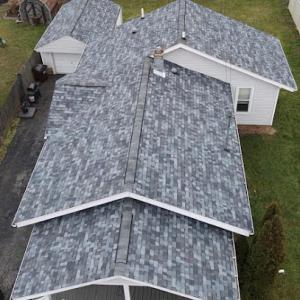
Rooftime
(517) 442-8691 www.rooftimelenawee.com
Adrian, Michigan
5.0 from 4 reviews
We are an honest, local roofing company that specializes in roofing. We offer competitive prices. Let us take care of all of your roofing needs. Insurance work? Repair work? New construction roof? Need tear off and replacement of existing roof? No problem, we can help you with that! Our attention to detail and high standards result in quality work that gives our customers piece of mind while protecting their investments. Servicing all of Lenawee County. Call your local roofing specialists today for a free estimate.
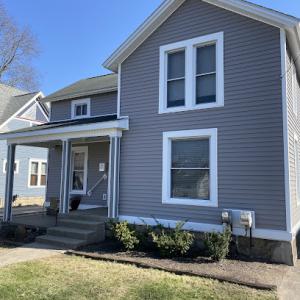
Altmann Service
(517) 424-8079 altmannservice.com
Adrian, Michigan
5.0 from 2 reviews
Altmann Service is a family owned handy man business with more than 35 years of experience. From large jobs such as roofing or siding to small handy man fixes, Altmann Service is the crew for you.
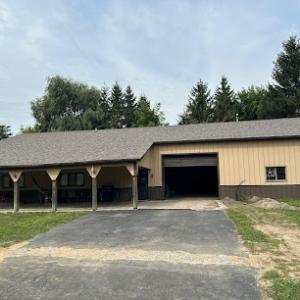
Bedford Roofing Company
Serving
5.0 from 5 reviews
Bedford Roofing Company is a locally owned and operated business dedicated to providing exceptional roofing services to Northwest Ohio and Southeast Michigan. We specialize in all aspects of roofing, from new construction and repairs to maintenance and inspections to gutter repairs and installation and attic venting. Our commitment to quality and customer satisfaction is unwavering. We use only the highest quality materials and employ skilled, experienced roofers who are dedicated to delivering exceptional results. Contact us today for a free quote and let us help you protect your home or business.
Quality Roofing Tecumseh
(517) 920-9644 qualityroofingtecumseh.com
Serving
4.9 from 111 reviews
We take pride in our mission to provide top-notch products, services, and customer support. Our knowledgeable team is here to help with all your roofing, deck, and siding needs! You can trust our clean, respectful crew as we're licensed, insured, and Owens Corning preferred contractors. Contact us today for a free estimate!!
All Phase Roofing Services Plus
(517) 662-9588 www.allphaseroofingco.com
Serving
4.9 from 49 reviews
All Phase Roofing Services Plus brings 40 years of roofing expertise to the Residential and Commercial roofing industry in SE Michigan and other areas. Repairs, Replacements, Wind/Hail damage, emergency assistance.

Roofman USA
Serving
4.9 from 341 reviews
Expert roofing contractors offering world-class residential roof replacement services in Ann Arbor, MI & communities throughout Southeast Michigan. Having invented and installed rubber shingles for over 3 decades, Roofman can show you hundreds of roofs in your area that are over 30 years old that look like they were installed yesterday! Roofman is the roofer that residents in Metro Detroit area and communities throughout the southeast region of Michigan turn to when they want to replace their unsightly and leaky roof with a long-lasting new roof that can stand up to Mother Nature’s harshest weather.
Hamdan Quality Roofing
(517) 448-4440 www.hamdanqualityroof.com
Serving
3.9 from 15 reviews
Hamdan Quality Roofing is your trusted roofing contractor in Hudson, MI, offering top-quality roof, siding, gutter, and window installation services. We specialize in metal roofs, roof repair, and expert siding installations that enhance the beauty and protection of your home. Our team is committed to providing reliable, long-lasting solutions for all your exterior needs. Whether you need a new roof, gutter system, or window installation, Hamdan Quality Roofing delivers exceptional service with a focus on quality and customer satisfaction. Contact us today for a free estimate!
Veteran Roofing & Windows
(419) 517-5211 www.veteranroofingoh.com
Serving
5.0 from 53 reviews
Veteran Roofing Services is a certified roofing contractor proudly serving Toledo, OH and the surrounding areas. As a veteran-owned business, we bring integrity, reliability, and expert craftsmanship to every project. We specialize in residential and commercial roof replacements, roof repairs, insurance restoration, and seamless gutter installation. Whether you’re dealing with storm damage or planning a full roof upgrade, we’re committed to delivering top-quality results and peace of mind for our customers.
Roof Ohio
(419) 865-1799 www.roofohio.com
Serving
4.9 from 305 reviews
Providing roofing, gutter, window, & siding services throughout Toledo, Napoleon, and Bowling Green.
Diversified Roofing
(734) 429-5840 diversifiedroofingllc.com
Serving
4.9 from 138 reviews
Diversified Roofing is a reliable commercial roofing contractor in Saline, MI, specializing in residential roofing, storm damage repair, shingle roofing services, flat roofing services, and gutter protection. As roofing experts, we use premium materials and offer energy-efficient, modern roofing options tailored to your needs. Whether you’re restoring your property after a storm or upgrading your roof, our skilled team delivers quality and honest service. Protect your investment and enhance your building’s value. Contact Diversified Roofing today to schedule a consultation and discover the best roofing solutions for your home or business.
Top Roofing
(419) 262-2177 www.toproofingllc.com
Serving
5.0 from 118 reviews
Facing a leaky roof or considering a roof replacement? Top Roofing, Toledo's Top Rated Roofing Company, is here to be your trusted partner. We serve Toledo, Ohio and the surrounding areas, ensuring your home receives the best in roofing care. At Top Roofing, exceptional quality and customer satisfaction are paramount. Our professionals use only industry-leading materials and proven techniques, guaranteeing a roof built to withstand the elements. Worried about budget constraints? Top Roofing offers competitive pricing and flexible financing options to fit your needs. We believe a beautiful, reliable roof shouldn't break the bank. Let us create a customized plan that protects your investment while enhancing your property's value.
In Adrian, cost ranges for common roof types are well-defined: asphalt shingles run from 350 to 700 USD per square, metal from 700 to 1200, clay tile from 1100 to 2500, concrete tile from 1000 to 1800, wood shingles or shakes from 600 to 1100, and synthetic or composite shingles from 450 to 900 per square. Those figures reflect local material availability and the region's labor market, especially when spring storm activity drives demand after hail or wind events. Knowing these baselines helps you set expectations for scheduling, bidding, and decisions about material choice.
Spring storms don't just threaten the roof; they shift the local market. Hail and strong winds can lead to a burst of urgent replacements, which often elevates labor rates and reduces contractor availability. If a hail event hits during March or April, a sudden spike in requests for tear-off and installation can push costs higher than the mid-range in the same material category. If timing aligns with peak demand, you might see tighter scheduling windows and longer lead times, even for a straightforward re-roof.
Winter conditions and fall rain or wind complicate tear-off, dry-in, and material handling. Scheduling outside the preferred late-spring-to-early-fall window means encountering deeper freeze-thaw cycles or more frequent precipitation, both of which slow crews and can require temporary measures that add to the bill. If spring storms are already forecast, aim for the late spring slot to minimize delays and weather-related complications. Coordinating a patch-ready, weather-appropriate installation year-round is possible, but the likelihood of delays and extra costs rises outside the optimal window.
Begin by evaluating your roof's condition during late winter or early spring, before the bulk of storm activity. Gather quotes from at least two local contractors who understand the area's freeze-thaw patterns and how that shapes nail patterns, underlayment, and drip edge choices. When comparing bids, confirm the scope includes tear-off, disposal, underlayment, and any recommended attic ventilation upgrades. If spring hail is forecast, consider opting for a stronger warranty or a durable option that can better withstand repeated seasonally-driven impacts without escalating the maintenance cycle. In the end, aligning material choice with Adrian's seasonal realities helps secure a roof that stands up to freeze-thaw cycles, spring storms, and typical Lenawee County weather.
Before any full re-roof begins, you are likely to need a permit from the City of Adrian Building Department. The process ties closely to seasonal windows and weather risk, so planning ahead is essential. If you miss the timing, you risk delays that push work into harsher weather or later inspection cycles. Start the permit application early and align your roof calendar with Lenawee County's freeze-thaw cycles and spring wind events to avoid unnecessary holdbacks.
Adrian inspections are typically scheduled during the course of the project and again after completion, rather than treated as a single signoff at the end. That means every major stage-initial work kickoff, underlayment installation, flashing checks, and final completion-may require a formal review. If the schedule slips or inspection appointments aren't met, the city can halt work until the next available window. Plan for multiple site visits and maintain good access for inspectors to evaluate key details without delaying progress.
Local inspection attention commonly centers on underlayment, flashing, ventilation, and final completion details. Underlayment must cover the roof deck smoothly and consistently, with no wrinkles or gaps that can trap moisture during freeze-thaw cycles. Flashing around chimneys, vents, and dormers needs precise sealing to prevent wind-driven rain from seeping in during spring storms. Ventilation must be adequate to manage condensation from rapid temperature swings; improper venting is a frequent cause of attic moisture issues that worsen with freeze-thaw stress. In the final stages, inspectors look for clean, secure rake and ridge lines, proper shingle alignment, and that all penetrations are sealed and weatherproofed.
Coordinate your contractor's schedule with the permit timeline and anticipated spring storm timing. Have a clear plan for contingencies if a balloted inspection date moves due to weather or backlog. Maintain easy access to the roof and attic spaces so inspectors can complete their checks without requiring repeated rescheduling. Keep the area around the job tidy and free of debris that could impede inspection or create safety hazards for crews and neighbors. If an inspector flags a deficiency, address it promptly, as deferred issues can extend the overall project window and increase exposure to spring wind and hail risk.
Michigan's seasonal hail and wind events affect Adrian homeowners by making storm-related roof claims a recurring issue rather than a rare event. In spring, sudden gusts and hail can leave the upper deck of a roof looking fine from the ground but with granular loss or hidden damage that shows up after freezes. After a harsh winter, heat and sun exposure can exaggerate existing wear. A claim may surface weeks or months after a storm, so keeping an eye on roof integrity through seasonal transitions matters more here than in milder climates.
Insurers serving Adrian may ask for roof age, prior damage history, and photo documentation when evaluating claims after local storms. A straightforward file often starts with current photos of the roof taken from safe vantage points, plus close-ups of any visibly damaged shingles, flashing, and vent details. History helps too: if previous hail impacts were noted or if there was prior repair work, carriers will consider how those factors affect current replacement or settlement decisions. Be prepared to provide records of recent maintenance or disclosures about attic moisture or condensation indicators, which can influence assessment.
Coverage for older roofs in Adrian can vary by carrier and policy terms, so homeowners need to understand whether their policy pays replacement cost or more limited settlement terms. If a roof is nearing the end of its expected life, insurers may respond differently depending on policy language, depreciation rules, and any applicable rider. In some cases, a claim may cover a full replacement when wind and hail have caused widespread damage; in others, the payout may reflect the roof's remaining value. The practical impact is that two neighboring roofs can be treated quite differently under the same storm event.
Document the storm's timing and impact as soon as possible, then secure high-quality photos and a simple roof diagram noting affected areas. Schedule a reputable, locally familiar contractor to assess visible damage and coordinate with the insurer's adjuster. If the initial settlement seems insufficient, ask for an independent appraisal or an agreed-upon alternative evaluation method. Finally, keep a written log of all communications, dates, and contact names to reduce back-and-forth and help ensure the claim progresses in line with the storm's timing.
In Adrian, freeze-thaw cycling can accelerate deterioration in shingles and underlayment even when damage was not obvious in fall. Water that penetrates tiny gaps during a warm spell can refreeze when temperatures drop, widening cracks and pushing up edges. Over consecutive seasons, this repeated cycle can compromise granule adhesion on asphalt shingles and loosen underlayment seams beneath. The result is a roof that looks intact from the street but loses its protective barrier at the first warm day of spring rain. Homeowners should look for hairline cracks along shingles, granule loss in gutters, and damp roof deck areas inside attic spaces that were previously overlooked. A closer inspection after the worst of winter, before summer heat arrives, helps catch issues that would otherwise worsen with the next freeze. If soft spots or sagging occur near hips, valleys, or around chimneys, those are signs that the underlying deck may have moisture damage that warrants prompt attention.
Spring wind-driven weather in this area raises the likelihood that weakened flashing or edge details become active leak points. Flashes around chimneys, vent pipes, and roof-to-wall transitions can be stressed by gusts that shove rain sideways into imperfect seals. In Adrian, it's common to see flashing joints that look intact after winter but fail under spring winds when the wind load is higher and the roof surface is warmer and more pliable. Look for fresh signs of staining along ceilings near interior corners, bead-like moisture along flashing mastic, and loose or lifted shingles at the eaves. A proactive approach tethers these components through a careful re-sealing of step and counter-flashings, plus a check of sealants around vents and dormers. Timely action on suspect flashing often prevents more invasive water intrusion during the spring storm cycle.
Warm Adrian summers can further expose roofs already compromised by winter by stressing asphalt shingle seal strips and aging surfaces. As sun exposure increases, remaining granules shed more quickly, and the adhesive seals on shingles can lose elasticity, making the roof more susceptible to peel-back during heavy rain or hail. Edges and transitions near skylights, valleys, and roof-to-wall joints tend to show wear first, especially if winter damage was already present but not visible. Plan for a thorough mid-season check where inspectors evaluate surface condition, venting adequacy, and the integrity of seal strips. Prompt attention to bubbling underlayment or softened decking in any suspected hot spots reduces the risk of rapid deterioration as temperatures stay high.