Last updated: Apr 19, 2026
Monroe sits on the Lake Erie side of southeast Michigan, where cold lake-influenced weather and wind-driven storms can accelerate shingle edge wear and flashing problems. That exposure means shingles along the eaves and vent penetrations take a harsher beating from salt-laced air, blowing rain, and rapid temperature swings. Edge deterioration isn't just cosmetic-loose or torn shingles invite water intrusion, ice damming, and faster deck rot. The combination of humidity and gusty winds also compounds flashing failures around chimneys, vents, and skylights, turning small tells into big leaks if not addressed promptly.
The city's cold winters followed by thaw periods create repeated expansion and contraction that can expose weak seal strips, fasteners, and aging roof decking. When ice forms in the soffits or at eaves, it pushes against flashing and sealants; when it thaws, those same areas contract and stress seals again. Over multiple cycles, this process loosens nails and deteriorates underlayment, letting moisture creep into the attic. You may not see this from the ground, but attic smells of damp wood or unusual warmth during winter days, or dark staining near vents, are red flags. In spring, you're likely to notice faster onset of daylight through cracks or increased attic humidity after a strong thaw and rain event.
Spring thunderstorms and hail are a major local trigger for repair and replacement decisions, especially when damage is not obvious from the ground. Those pop-up storms can strip granules, dent metal edges, or crack sealant at valleys and around flashing. Hail can leave pockmarks that weaken shingles' protective layers, accelerating aging even if the damage isn't visible from the curb. Proactively inspecting after a severe storm-before the next round of wind-driven weather-keeps small issues from becoming major leaks. If the attic feels muggy, or you notice water stains near penetrations after a storm, treat it as an urgent signal to investigate rather than a problem to monitor.
Start with the basics: walk the roof with a clear ladder setup, looking for lifted edges, curling corners, missing granules, and damaged flashing at chimneys, vents, and skylights. Use binoculars from a safe vantage to inspect the ridge and along eaves where wind-driven rain tends to loosen fasteners first. In the attic, check for daylight through decking or HEAVY condensation, which indicates compromised underlayment. Look for rust stains on flashings or fastener heads-these often point to compromised metal components that need resealing or replacement. If you see moisture staining around a vent pipe, back up to the interior ceiling to locate the leak's approximate source.
After a significant storm, schedule a professional roof inspection within 1-2 weeks. Early documentation matters, especially when insurance considerations come into play after freeze-thaw and hail events. A certified roofer will verify edge and flashing integrity, check seal strips at all penetrations, and assess decking for soft spots or rot. If a leak is present, prioritize temporary measures to divert water while awaiting repair. In areas with repeated cycles, maintenance every season can extend roof life-replace aging sealants, reseal flashing, and address loose fasteners before they fail under next wind gust or thaw. Remember: proactive repairs beat emergency fixes, and timely documentation supports stronger, faster decisions when the next storm rolls in.
Arrow Roofing Services
www.arrowroofingservicesllc.com
300 Detroit Ave, Monroe, Michigan
4.8 from 248 reviews
Since 2017, Arrow Roofing Services has been dedicated to providing premier roofing solutions for both residential and commercial properties. As a trusted local contractor, we specialize in high-quality roof repair and replacement, ensuring your property is protected with durable and reliable materials. Our expert team is committed to delivering professional service and exceptional craftsmanship on every project. We take pride in restoring roofs to pristine condition, offering a seamless and worry-free experience from the initial consultation to the final inspection.
5 Star Exteriors
330 Detroit Ave STE K, Monroe, Michigan
4.8 from 183 reviews
Since 2006, 5 Star Exteriors has been striving to change the way customers view the home improvement process. With prompt arrivals and quick estimates turn around, our 5 Star service starts from the beginning of our relationship and continues through to the final walk through. Experience the 5 Star Difference!
Essential Exteriors
Serving
5.0 from 14 reviews
A Local Exterior Remodeling company serving the greater Toledo area with Fast Reliable service and unmatched quality. We are dedicated to making your home look its best. -Roofing -Metal Roofing -Repairs -Vinyl Siding - & more!

Ryan's Roofing & Repair
Serving
4.1 from 14 reviews
Protect your largest investment with our reliable roofing services. We are a locally owned and operated roofing company currently serving Lambertville, MI and surrounding communities. If you want to make your roof last as long as possible, it is vital that you never put off a roof repair. Small issues with roofing become big issues in a hurry. No matter how major or minor the repair you need, we are here to help. We offer roofing contracting, roof leak repair, and gutter installation.
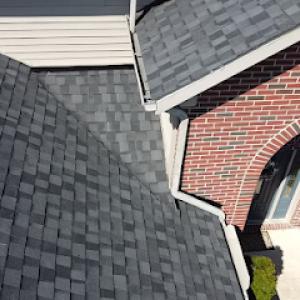
Ripcord Construction
(734) 288-8445 www.ripcordconstruction.com
Serving
4.9 from 167 reviews
Since 2009, Ripcord Construction has been serving Monroe Country, Southern Wayne County, and Southern Washtenaw County, providing only the highest quality of custom builds, windows, siding, roof repairs, and replacements. Based out of Carleton, their team's experience and expertise have given many within the community their dream homes.
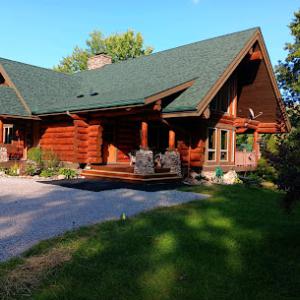
Phillips Residential Roofing
(734) 735-3296 phillipsresidentialroofing.com
Serving
4.9 from 63 reviews
Do you need a roof installed for your home or commercial building? Is your current roof in need of serious repairs? Phillips Residential Roofing can help with all of that and more. We provide a variety of roofing services in Temperance & Erie, MI. We can install roofs for new construction, replace roofs for existing structures or repair roofs to make them look as good as new. Get in touch with us now to speak to one of our residential and commercial roofing contractors about your project.
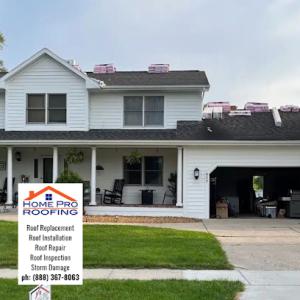
Home Pro Roofing - Monroe
(734) 302-0199 homeproroofing.com
Serving
4.9 from 97 reviews
Home Pro Roofing is your local roofing expert in Monroe County. We install new asphalt shingle roofs, replace old ones, fix leaks and damage, and help with storm repairs across Monroe, Carleton, Dundee and all nearby areas. We use quality shingles made to handle Michigan weather, from summer storms to winter snow. After storms, we'll deal with your insurance company directly and take care of all the paperwork hassle. Our work comes with a 50-year warranty, and we offer payment plans to make getting a new roof easier on your budget. We'll leave your property clean when we're done, and most jobs are completed in just one day. Give Home Pro Roofing a call for a free estimate on your roof.
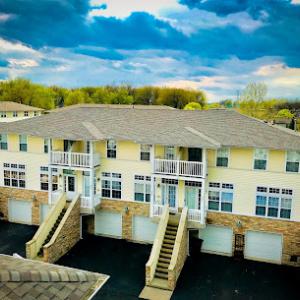
Bendelow Building Company
(734) 818-7941 bendelowbuildingco.com
Serving
5.0 from 47 reviews
Bendelow Building Company Roofing provides extreme value with certified replacements and repairs for residential and commercial shingled and flat membrane roofing in the Downriver area for over a decade. Certainteed Shinglemaster Installers. Owens Corning Platinum Preferred Installers. Certified GAF Everguard TPO installers. We also provide premium deck building services. We are Trex Certified Pro installers. We provide great service and products for a great price every day.
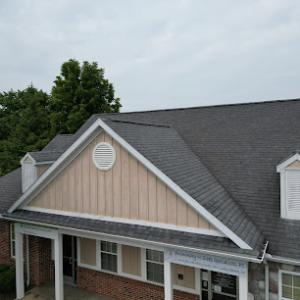
Protech Roof Coating
(734) 777-1234 www.protechroofcoating.com
Serving
5.0 from 6 reviews
Protech Roof Coating offers shingled roof renewal & shingle rejuvenation coatings to renew and restore shingled roof life with specialty roof coatings that improve the flexibility, granule retention, and overall durability of your shingled roof. This roof coating extends shingle life by as much as 10 years. Protech Roof Coating also offers roof painting services to affordably change the color of your roof without needing to replace it. We pride ourselves in cost-effective, eco-friendly, roofing solutions that not only help customers keep money in their pocket. We offer both residential and commercial roof coatings to the Toledo, Ann Arbor, Monroe, and Detroit markets. Contact us for a free roof coating estimate today!
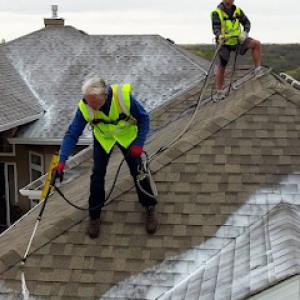
Kincaide Roof Rejuvenate
(734) 407-1213 kincaideroofrejuvenate.com
Serving
5.0 from 73 reviews
Kincaide Roof Rejuvenate offers the best roof rejuvenation service in the area. We have over 30 years of experience with roofing, and our service will extend the life of your roof by up to 15 years. Our rejuvenating formula deeply penetrates the surface of the shingles and brings your roof back to life.
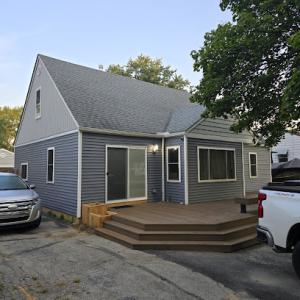
Recovery Remodeling
(419) 460-1483 www.recoveryremodeling.org
Serving
4.9 from 31 reviews
With over 25 years of contracting and home remodeling experience, we are confident as an insured and licensed contracting company. We can complete your project with the desired outcome, leaving you satisfied with the recent work performed. Our team is committed to delivering high-quality, affordable home renovation services with a customer-first approach. We prioritize honesty, clear communication, and fair pricing, making each project an enjoyable and engaging experience for our clients.
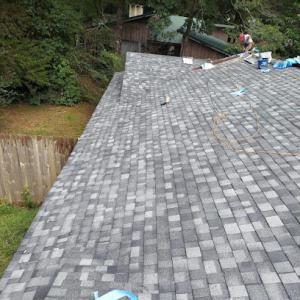
Super Roofers
(734) 371-8707 hiresuperroofers.com
Serving
5.0 from 10 reviews
Super Roofers is the #1 roofing company Dundee, MI has. We provides the best roofing services in all surrounding areas. Whether you are looking for a residential roofing contractors that offers roof repair, metal roofing or roof replacement services, we are here to help. Call Super Roofers today to keep your home safe and sound.
When replacing windows in this area, the goal is to reduce storm-induced damage and improve envelope performance during the lake-influenced climate. Choose units with strong weatherproof seals andLow-E coatings to keep heat in during spring and fall while resisting heat gain in summer. In practice, look for double- or triple-pane insulated glass with argon or krypton fill and a sturdy frame material suited to frequent freeze-thaw cycles. If the home still carries older sash hardware, consider upgrades to modern, weather-stripped sashes that minimize drafts even when winds rush off the lake. The more resilient the installation details-continuous flashing, proper nailing fin, and reinforced corners-the better the window holds up to sudden rain, sleet, or hail events that often follow thaw cycles.
Monroe's roofing season is reinforced by a winter that arrives with little warning, so completion before sustained cold weather affects installation conditions is a practical target. Plan the project to start in late summer or early fall, when days are still long and temperatures are moderate. That timing helps crews complete weatherproofing before cold snaps and reduces the risk of interior moisture intrusion during prolonged closure. Align the project with a forecast window that avoids the peak heat of July and August, when attic heat and humid conditions can complicate installation and trigger faster interior condensation unless ventilation is managed. In other words, aim for a window where the exterior work can be wrapped and the interior sealed before winter's grip tightens.
Warm, humid summers in Monroe can make attic ventilation and deck moisture conditions a bigger issue during tear-off than homeowners expect. Before the new units go in, ensure the attic is vented properly to avoid warm, moist air from building up near the installation zone. If a complete tear-off is required, request temporary staging and tarping that directs moisture away from the interior and prevents condensation on fresh seals. Install a deck or window opening with a temporary barrier that minimizes interior airflow while the foam sealant cures. The contractor should confirm that soffit and ridge venting remains clear and functional after the windows are in, since compromised airflow can prompt interior mold risk or wood rot in the ceiling line, especially if the summer humidity lingers.
Fall wind events in southeast Michigan often push borderline roofs into urgent replacement status just before winter demand rises. Use that dynamic to your advantage by securing a firm start date and a concrete completion plan with the installer. Acknowledge that gusty days can complicate exterior work, so select days with calmer conditions for the bulk of the installation. If a temporary housing wrap is used during a late-season delivery, ensure it is removed and the exterior surfaces are fully sealed before the first hard freeze. This approach reduces the chance of backtracking on seal integrity and helps preserve interior comfort once temperatures fall.
Asphalt shingles are the dominant practical choice in Monroe, prized for familiar installation, ease of repair, and broad availability. But summer humidity and winter freeze-thaw cycles can shorten service life when ventilation is poor. In practical terms, that means you should prioritize a balanced attic ventilation plan and a properly vented roof deck. If your attic traps heat and humidity, shingles can warp or develop granule loss more quickly after a harsh winter. A ridge vent or evenly spaced soffit vents paired with an appropriately sized ridge line intake helps maintain a cooler, drier roof deck through the humidity peak of summer and the thaw cycle in late winter. In addition, ensure drip edges and underlayment are sealed well at the eave line to minimize moisture wicking into the decking. If you notice curling edges after a season with high humidity, investigate ventilation as the first line of defense before considering shingle replacement.
Metal roofing is relevant in Monroe because it handles snow shedding and weather swings well, but detailing around penetrations and flashing is critical in windy Great Lakes conditions. For a metal roof, the fastener schedule and panel overlaps matter more than for other materials when you contend with lake-born gusts. Pay special attention to flashing around chimneys, vents, and skylights, ensuring continuous sealing with corrosion-resistant closures. In winter, proper snow guards or a deliberate panel slope can prevent ice dams and snow buildup from creating pressure points. Around dormers or roof-to-wall transitions, confirm that sealant joints stay flexible through freeze-thaw cycles. If a leak appears near a valley or flashing during a thaw, recheck those transitions first, because wind-driven rain and shifting snow loads can exploit small gaps.
Clay and concrete tile appear in the market but require attention to structural load and freeze-thaw suitability in Monroe's winter climate compared with warmer regions. Tiles are heavy, so the roof structure must be prepared to carry the weight, especially on older houses or those with limited attic clearance. Freeze-thaw cycles can cause microcracking and spalling if water infiltrates through small cracks and then freezes. Inspect tile edges and fasteners for corrosion or loosening after winter, and ensure roof battens and underlayment are rated for freeze-thaw exposure. In windy conditions, ensure that tiles are properly lapped and secured to resist uplift. If you live in an area with long stretches of sun followed by sudden cold snaps, you should verify that the tile underlayment provides a reliable moisture barrier and that the roof-to-wall interface remains sealed through seasonal shifts.
Homes in this region often blend materials or sit near the waterfront, where humidity and storm behavior test roof systems differently. Before any winter, run through a targeted inspection focusing on ventilation outlets, attic insulation gaps, and flashing around any penetrations. In storm events, the first sign of trouble is often a small leak near flashing or along a roof edge-address it promptly before it escalates. Consider a staged maintenance plan that aligns with the season: ensure ventilation in late summer, seal and inspect in late fall, and verify flashing integrity after heavy snows. This approach helps all material types stand up to Monroe's humidity and freeze-thaw rhythm with fewer surprises come spring thaw.
When planning a replacement, you'll want to anchor expectations to Monroe's typical material ranges. Asphalt shingles run roughly 330 to 600 USD per square (a square equals 100 square feet). Metal roofs typically fall between 700 and 1100 USD per square. For homes with more premium surfaces, clay tile sits around 1300 to 2100 USD per square, and concrete tile roughly 900 to 1500 USD per square. Wood shingles or shakes are usually quoted from 700 to 1200 USD per square, while synthetic or composite shingles sit in the 550 to 900 USD per square range. These ranges reflect the kind of stock you'll often see on Monroe-style homes, and they give you a practical starting point for comparing bids.
Monroe experiences humid Great Lakes weather with seasonal storm potential, and after significant hail or strong winds you'll often see regional demand spike across southeast Michigan. That spike tightens scheduling windows before winter and can push upward pricing across multiple contractors. If a storm has just passed, expect a faster-turnaround estimate and a tighter window to secure materials, which can translate into a higher overall cost. If you're shopping in the off-season, you may find more room to negotiate and clearer scheduling, even if material lead times linger.
A key driver is what a contractor discovers during inspection. Tear-off pricing can increase when moisture-damaged decking is found, chimney flashing issues exist, or ventilation and soffit corrections are needed. In Monroe, where freeze-thaw cycles stress decks and penetration sites, these contingencies are common enough to plan for. If moisture or ventilation problems are identified, expect the project to require more labor, longer installation times, and higher disposal or staging costs. Build a contingency into your budget for these potential findings, especially if your roof is approaching or just past the typical lifespan.
Start with a benchmark using the local ranges above and request a detailed line-item bid that separates tear-off, disposal, underlayment, fasteners, and flashing. Ask for a phased approach if moisture issues are detected: first address decking and ventilation, then proceed with the finish roofing. When hail or wind events are recent, compare multiple quotes within a tight scheduling window to lock in both materials and labor costs while still maintaining quality.
Don't let upfront costs delay a critical repair - these contractors offer payment plans to fit your budget.
Arrow Roofing Services
www.arrowroofingservicesllc.com
300 Detroit Ave, Monroe, Michigan
4.8 from 248 reviews
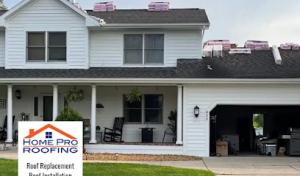
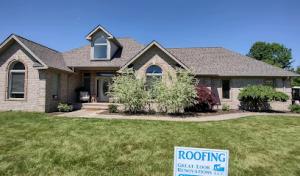
In Monroe, a permit is typically required for a full roof replacement rather than a simple minor repair. This isn't optional theater; it sets the pace for how the project is reviewed and how the work is documented for the future. Expect the permit to specify the scope, what materials are approved, and any venting or flashing details the city wants checked. If the project gets delayed at the permit stage, the project can span into colder days or wetter weeks, increasing the risk of weather-related damage.
The local building department reviews the reroof scope and conducts inspections during and after the project, with attention to ventilation, underlayment, and flashing details. A common sticking point is ventilation: improper attic airflow can trap heat and moisture, accelerating freeze-thaw wear. Underlayment choices matter too-attached at the right lath runs and overlapped correctly to shed rain and meltwater before shingles get a chance to curl or blister. During the final inspection, the city will look for clean edge details and proper sealing around eaves and rakes to prevent wind-driven leaks.
Projects involving roof penetrations may require coordination with utilities or related trades before final approval in Monroe. That means skylights, vent stacks, HVAC flue terminations, and roof-mounted equipment should be routed and secured with a plan that is accessible to the inspector. If a chimney or vent connection is altered, ensure the revised flashing and flashing-to-siding transitions are integrated into the review. Utility coordination isn't just a formality-it's a requirement that helps prevent outages or accidental damage during installation.
Prepare for possible inspections at multiple stages: before work starts, at mid-project, and after completion. Have a clear contractor communication trail, including product approvals, ventilation calculations, and flashing detail sheets. If a revision is needed, address it promptly so the timeline doesn't drift into adverse weather windows, which Monroe weather patterns can easily force.
Failing to secure proper approvals can mean work must be torn out and redone, weather exposure risks rise, and insurance documentation may become problematic. Staying aligned with permit reviews helps protect both the home and the schedule, especially when storm season or freeze-thaw cycles press on the area.
Michigan's weather-related claim activity affects Monroe homeowners through deductible expectations and closer insurer review of hail and wind losses. The season can bring unexpected scrutiny, especially after sharp freeze-thaw cycles hammer the roof edges and attic vents. When a weather event hits, insurers may push for clarity on what exists now and what would be replaced, so the path to resolution often hinges on precise documentation and a well-scoped repair plan.
Insurers commonly want detailed photos of the existing Monroe roof condition and a clear replacement scope before approving full replacement. Take high-resolution images from the ground and from the attic, capturing shingles, flashing, vents, and any signs of hail damage or wind uplift. Include nearby cap flashing and chimney details, since these areas frequently drive scope decisions. A written, itemized replacement plan that ties each damaged component to a corresponding repair or replacement item helps prevent back-and-forth delays later in the process.
Adjuster inspections are an important part of the Monroe process because code-compliant ventilation, underlayment, and flashing details can affect claim scope. Expect questions about attic ventilation and the presence of proper drainage at eaves to prevent future ice damming. Document any signs of moisture intrusion, soft decking, or accelerated wear from freeze-thaw cycles. If a discrepancy arises between what is observed and what was proposed, an independent assessment or second opinion may be sought to ensure the final scope reflects actual conditions.
Prepare a current photo set, plus a clear, itemized replacement plan that aligns with observed conditions. When the adjuster arrives, have these ready to minimize delays. If storm damage is confirmed, maintain a careful record of all communications and keep a folder with receipts, appraisals, and any notes on mitigation steps. This approach helps safeguard the claim path through the inevitable checks and reviews that follow a hail or wind event.
In Monroe, flashing at chimneys and roof penetrations is a recurring concern because storm exposure and freeze-thaw movement can open leak paths over time. Over the years, water can wick along poorly sealed joints, and small gaps become big trouble after a harsh winter or a windy spring storm. The key risk isn't a single bad boot or a single bad seam-it's the gradual widening of joints after repeated freeze-thaw cycles. A practical approach is to inspect flashing where it meets brick or siding during mild spells in late summer or early fall, and again after any heavy storms. If you see loose metal, lifted shingles at the base, or dark streaks along the joint, plan a targeted resealing or flashing replacement before winter slows down the work window.
Decking under the roof surface often bears more wear than homeowners expect. Humid summers teamed with winter moisture cycling can lead to deck rot, warped transitions, and hidden sagging that stresses the roof edge. In Monroe, this manifests as shingles lifting at eaves where the deck has softened, or fascia boards pulling away from the structure. A practical check is to run a careful visual along roof edges for any soft spots or water staining on the underside of attic decks. If the deck shows signs of rot or deflection, coordinate with a contractor to address the underlayment and ventilation near the eave line, since a compromised deck can undermine a perfectly good roof system.
Older Monroe roofs often need more than new shingles because ventilation corrections are frequently part of passing inspection and protecting shingle life. Inadequate attic ventilation allows heat and moisture to build up, accelerating edge curling, asphalt aging, and ice dam risk in winter. Ensure soffit intake and ridge or high side vents are balanced, and that insulation does not block airflow. A simple test is to observe attic temperature on a hot July afternoon; if attic temperatures resemble outdoor heat or you notice persistent condensation, the ventilation setup should be reassessed. Upgrading soffit baffles and adding proper exhaust outlets can dramatically extend shingle life and reduce storm-related leaks.
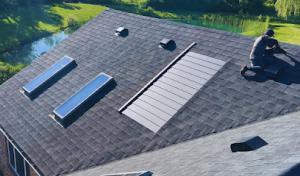
Find contractors experienced in skylight installation, flashing, and leak repairs to bring natural light into your home.
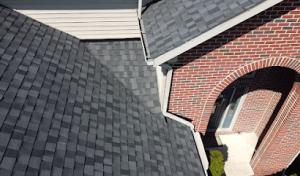

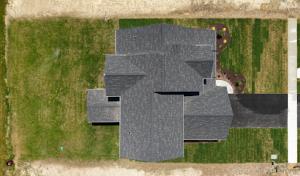
In Monroe, the mix of pitched main roofs with smaller low-slope sections on porches, additions, and garages requires a careful plan. The low-slope areas collect snow longer and drain more slowly, so the material choice and detailing must be matched to local winter patterns. Start with a close inspection of transitions where the low-slope meets the steep roof, focusing on potential ice dam risk and any signs of prior leaks. Document weather-driven stress points from freeze-thaw cycles and prioritize upgrades that reduce leak pathways in these areas.
Low-slope sections need distinct detailing from the main roof. Choose membranes and edge details that create a continuous line with the steep roof while resisting wind-driven moisture and snow buildup. In porch and garage ceilings, ensure the edge flashing extends well up the wall and sits under any siding or trim to prevent water tracking behind siding. For additions, specify a consistent roofline with the adjacent structure to avoid abrupt changes that trap water. Avoid shallow pitches that promote standing water; if a gentler slope is unavoidable, insist on a high-performance underlayment and a robust edge protection detail.
Transitions between steep residential roofs and low-slope sections are a local weak point when flashing and underlayment are not upgraded during reroofing. Use integrated flashing that overlaps both areas, with a closed flashing leg into the low-slope membrane and a durable termination at corresponding walls. Upgrade underlayment across the transition so the waterproofing layer remains continuous. Pay particular attention to chimney, vent, and vent-hood penetrations where multiple roof types meet; consolidate sealant materials to minimize shrinkage and cracking after winter.
Snow holdover and slower drainage on low-slope areas can make leak tracing more difficult after winter weather. Plan for a slightly higher snow load tolerance in the low-slope sections and ensure proper overhangs and drip edges to reduce meltwater backing up at fast-moving freeze-thaw cycles. Keep roof vents clear and verify that attic ventilation is balanced to mitigate condensation that can ghost through low-slope areas during temperature swings. Schedule a post-winter inspection targeting these junctions to catch any unseen seepage early.
Monroe homes frequently show wear first at addition borders and porch interfaces. After a severe storm or a harsh winter, inspect low-slope zones for residual dampness, staining, or soft spots around edge details. Prioritize resealing and flashing upgrades at the earliest sign of vulnerability, especially where old materials meet new additions. Regular maintenance in these zones pays dividends by preventing compounding damage from future freeze-thaw cycles.
Find specialists in TPO, EPDM, and built-up flat roofing systems for residential and commercial properties.