
Last updated: Apr 19, 2026
Spring thunderstorms sweep through the valley between Knoxville and Chattanooga with surprising intensity. Hail, gusty winds, and rapid changes in temperature can create concentrated pockets of damage on homes across the Athens area. The combination of high winds and hail often leads to multiple claims popping up on the same street, so acting fast matters. This region's weather tendencies mean that roof integrity can change quickly after a storm, and delayed reporting can complicate claim handling and underwriting later on.
Local homeowners frequently need post-storm roof evaluations backed by thorough photo records. Insurers in this region increasingly request pre-loss and post-loss documentation to separate new damage from older wear. Start with a dated, comprehensive set of images showing the entire roof from street level and each plane, plus close-ups of any hail marks, cracked shingles, lifted tabs, damaged flashing, and signs of wind-driven lift along eaves. Keep a running file of weather reports, first widely visible damage, and any immediate temporary repairs. If a contractor is called in, have them document the roof with high-resolution photos from multiple angles and note the roof's exposure, slope, and visible wear. This is not a luxury item; it's a practical shield against disputes when the claim window opens and adjusters arrive. In this corridor of East Tennessee, where storms can be sudden, timely, detailed records can be the difference between a smooth settlement and a drawn-out process.
Wind-rated roofing products can matter more in underwriting decisions in this part of Tennessee because wind and hail claims are a recurring issue. If the roof system includes wind-rated components or has an established wind resistance level, document that plainly for the adjuster. Make sure gutters, vents, and chimney covers are photographed in place and show any fastener issues or sealant failures that could trigger airflow-related damage. For asphalt, metal, or concrete tile, note the condition of the ridge cap, hip lines, and valleys, since these are common failure points after heavy storms. If a prior wind or hail event occurred, point out how current damage connects to that history, with photos dated near each event. The goal is for a clear narrative: storm impact, existing vulnerabilities, and the specific areas most affected.
Before spring storms arrive, walk the roof with a critical eye and a camera. Look for granule loss, curling, or punctures on shingles, and inspect flashing around chimneys, skylights, and vent pipes. After a storm, do a quick but thorough roof check and, if safe, capture exterior angles that reveal any lifted shingles or separated seals. If any damage is found, contact a roofing professional who understands local weather patterns and who can provide a written assessment with annotated photos. Prompt inspections can expedite claims and reduce the risk of secondary damage, such as leaks that worsen with successive storms.
When a claim is filed, have the documentation organized by date and event. Include a narrative that ties the observed damage to recent storm activity, with clear references to wind and hail's typical signatures in this part of Tennessee. If a contractor is brought in for an initial estimate, ensure the report aligns with insurer expectations: visible damage mapped to the roof layout, a description of upgrades or wind-rated components, and a plan for temporary protection if warranted. Timely communication with both the insurer and the contractor helps keep the process focused and reduces the risk of coverage gaps during the busy spring and early summer seasons.
Spring thunderstorms and hot, sun-soaked days shape how you approach re-roof windows. In this area, window skylights should be chosen for durability against UV exposure on sun-facing slopes and for reliable flashing under rapid weather changes. The best time to plan a full re-roof with new roof windows is typically in the shoulder seasons when the attic can ventilate well and temps are moderate enough to prevent shingles from expanding or drying too rapidly. Summer heat and UV exposure accelerate aging on asphalt roofs, especially on sun-exposed slopes, so the installation window should avoid peak heat hours and the hottest weeks. Winter freeze-thaw cycles add stress to brittle or aging materials and complicate tear-off and replacement logistics, so consider scheduling around afternoons when the work can proceed without prolonged freezing temps. A well-timed installation reduces the likelihood of post-installation adjustments caused by shifting temps or sudden storms.
In this market, curb-mounted skylights and roof-integrated tubular skylights each offer distinct advantages. Curb-mounted skylights provide larger illumination and better ventilation potential, but they require meticulous flashing and a solid, level substrate. Tubular skylights are compact, energy-efficient, and less prone to air leakage, which helps in East Tennessee summers where heat gain can be substantial. For Athens homes with frequent spring storms, select skylights with laminated glass or impact-rated acrylic, along with reinforced frames to resist wind-driven debris. Consider glazing with low-E coatings to minimize heat transfer during hot afternoons while preserving natural daylight. For homes with shallow roof pitches, ensure the window's curb height aligns with existing flashings to avoid water pooling around the installation.
Proper flashing is non-negotiable in this area. The transition from roof surface to window must shed water quickly, especially during spring downpours. Use corrosion-resistant flashing materials and sealants designed for high-temp swings and humidity. Insulation around the skylight perimeter matters just as much as the window's glass. A tight seal keeps attic temperatures stable, which reduces condensation risk during cold snaps and lowers cooling loads in summer. If the roof already shows signs of aging or uneven sheathing, address that surface first so the window sits on a solid base. Inconsistent substrate leads to leaks that can be difficult to diagnose after a storm.
Athens summers can produce long days with bright sun. Consider interior shading options or exterior shades that can be deployed during peak sun hours. Blinds or tinted glazing can cut glare on screens and prevent excessive heat buildup in rooms beneath the skylight. For bedrooms or living spaces where nighttime heat loss is a concern, choose skylights with insulating stops and hinged vent options that can be opened for ventilation without compromising security or weather sealing.
After installation, establish a simple maintenance plan: inspect the flashing after major storms, test ventilation in the attic, and clean skylight domes to preserve clarity. Keep a dated record of the installation and any resealing work. In the event of a spring thunderstorm, this documentation helps when discussing warranty coverage or insurance considerations, given the local emphasis on storm damage documentation. The right selection balances daylight, durability, and resilience against Athens's spring deluges and hot summers, while still accommodating the seasonal complexity of re-roofing windows.
When you're budgeting a roof in this valley between Knoxville and Chattanooga, the numbers you'll most often run into start with asphalt shingles and metal. Provided local pricing ranges run from 320 to 550 USD per square for asphalt shingles and 700 to 1100 USD per square for metal roofing, with tile and slate much higher. Those ranges reflect typical, practical projects on mid-century homes and newer builds that dominate the area's housing stock. If you see a bid outside these bands, you'll want to confirm whether the estimate includes tear-off, disposal, underlayment upgrades, and any necessary deck or truss work.
In Athens, weather is a real driver of price movement, especially after spring hail and the flash storms that routinely roll through the Hiwassee Valley. Storm-driven demand spikes can push scheduling and labor pressure higher after hail or wind events, affecting final roof pricing in Athens. If a hail event hits your neighborhood, expect quick responses but also a backlog for materials and crews. It's not unusual for urgent replacements to incur expedited-travel charges, after-hours work, or temporary shingle repairs that don't extend the life of the roof. Plan with a cushion in your timeline and budget to accommodate potential delays and higher labor demand during peak storm windows.
Material choice matters more here than you might think. Asphalt shingles stay the most common, especially for reroofs on homes built in the late 20th century. The lower end of the asphalt range (around 320-350 USD per square) is achievable on straightforward installs with standard underlayment and no special accessories. If you're upgrading to architectural or laminated shingles, expect the price to move toward the upper end of the 450-550 USD per square band, particularly when you add extra attic ventilation or advanced ice-and-water shield details in the valleys. For metal roofing, the 700-1100 USD per square window reflects differences in profile, thickness, and whether battens or standing-seam systems are used. In Athens, a metal job can also be influenced by the local roof slope and the ease of access for crew trucks in older neighborhoods with tight driveways.
Heavier materials-clay tile, concrete tile, and slate-carry a different cost dynamic here. Clay tile and concrete tile sit well above asphalt and metal in initial price, and slate is even more diagnostic of premium installs. Heavier roofs often require structural review or reinforcement, especially when the home's original framing wasn't designed for high-load systems. In practical terms, if you're considering these materials, you should budget not just for the material itself (tile and slate being signs of higher ranges) but also for potential deck reinforcements, updated supports, and careful installation techniques to avoid wind uplift issues prevalent after summer storms. The price pressure in Athens rises when a home's structure needs adjustment to safely bear the weight.
When comparing bids, ask for a clear breakdown: tear-off costs, disposal fees, underlayment type, flashing upgrades, and any required structural considerations. Request a storm history note with an eye toward recent hail events in your zip code to gauge whether crews anticipate a busy schedule or price premium. Finally, confirm the anticipated timeline from start to finish, including days that may be required for inspections or adjustments after a heavy storm season.
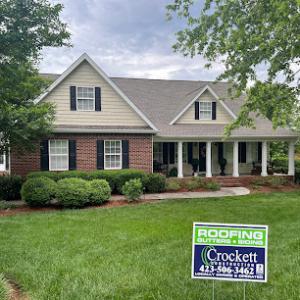
Crockett Construction
(423) 506-3462 www.crockett-construction.com
189 Co Rd 704, Athens, Tennessee
4.9 from 56 reviews
Crockett Construction is one of the best roofing contractors inTN. We serve the Tennessee Valley from Chattanooga to Knoxville and offer a number of other services including kitchen remodeling, bathroom remodeling, gutters, roof cleaning and other services. We have a proven track record of providing exceptional customer service; our customers love us! If you need a new roof or the assistance of bathroom remodeling contractors, call us today for a free estimate!
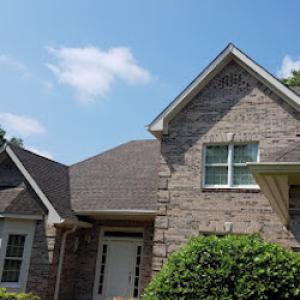
David Lowe Roofing
(423) 598-0294 www.davidloweroofing.com
343 Co Rd 420, Athens, Tennessee
4.5 from 44 reviews
David Lowe Roofing, founded in 2005, is built upon a rich heritage of roofing excellence. This depth of experience in the roofing industry sets us apart from competitors, showcasing a legacy that began when our founder’s father started roofing in 1976 bringing over 40 years of industry experience. Today, we continue this family tradition with the same commitment to quality and customer satisfaction that started decades ago.
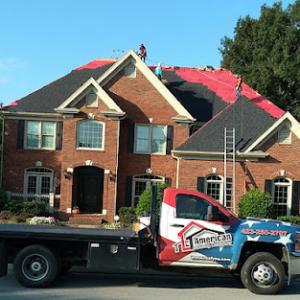
American Roofing Company
2316 Congress Pkwy S, Athens, Tennessee
4.4 from 31 reviews
American Roofing Company provides trusted roofing services to protect your home and investment. We offer free inspections, insurance claim assistance, and expert installation backed by decades of experience. Our certified team delivers quality craftsmanship and dependable service every time.

Hester Chad Roofing
(423) 506-7991 www.chadhesterroofing.com
261 Co Rd 442, Athens, Tennessee
5.0 from 5 reviews
We specialize in all your roofing needs from repair to full builds. Call us today for a free estimate. We are here for you!
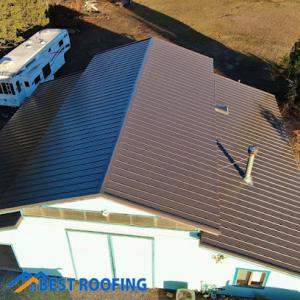
Best Roofing
(423) 464-5697 www.bestroofing.biz
322 N White St, Athens, Tennessee
5.0 from 2 reviews
Best Roofing is your local one-stop place for all your roofing needs. As your Local Certified Roofing Contractor, we are dedicated to provide you with the best Roofing Service in Cleveland, Chattanooga, and Athens TN. We've been installing shingle roofs for over 20 years with TAMKO, OC, GAF and other for residential and commercial properties. Best Roofing is a company that stands behind its name. What makes us the best roofing contractor is simple: our people, our materials and our warranty that beats all others. We help homeowners to keep their investment under their Best Roof. We are here not just to do your roof installation but to understand your situation and resolve any roofing issues. We are local roofers that you can trust!

Athens Roofing
(423) 717-3300 athensroofing.net
Athens, Tennessee
5.0 from 1 review
Local Roof Installation Solutions On Your Schedule. Free Estimates. Licensed Professional Roofers. Commercial Roofing. Roof Replacement. Roof Repair. Residential Roofing.
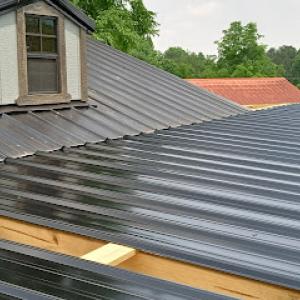
Gee Creek Roofing & Remodeling
370 TN-307, Athens, Tennessee
5.0 from 1 review
Specializing in roofs of all kinds. Interior and exterior remodeling. Deck's and porches and custom wood work.
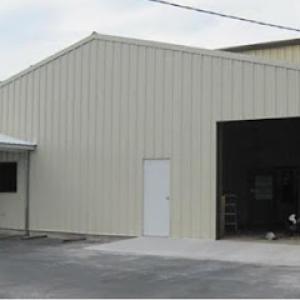
TN Metal Products
(423) 351-1141 www.tnmetalproducts.com
Serving
4.8 from 124 reviews
Tennessee Metal Products is a locally owned roofing supply store serving Dayton, TN, specializing in metal roofing trim and accessories, steel pole barn trusses up to 40’ wide, Janus roll-up doors, Ayr-Foil reflective insulation, concealed fastener metal roof panels, sliding barn door hardware, and more. Energy Star compliant, open to the public, with delivery available and most orders ready for next-day pick-up. Contractors and businesses are encouraged. Competitive pricing and personal service ensure your next project succeeds. Call or visit today to get started!
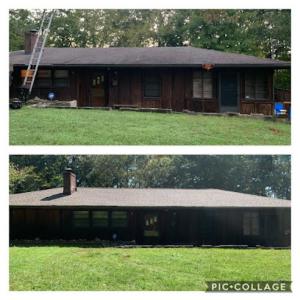
Steve’s Roofing Company
(423) 240-6943 steves-roofing-tn.com
Serving
5.0 from 20 reviews
Steve’s Roofing is a family roofing contractor that has been servicing the East Tennessee area for over 50 years. A fourth generation company with three generations on the job. One of the last company’s where the owner is on each and every job site. All of our employees are proud Tennessean’s and have been personally trained by the owners to provide the best roof you can buy. We are GAF master elite certified contractors with the best warranties available from GAF. Please give us a call and allow us to earn your business and I promise you won’t be disappointed. We are state Licensed contractors and carry workers comp insurance and general liability insurance for our customers protection and peace of mind.
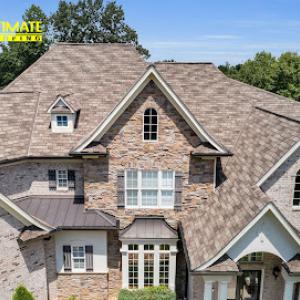
All-timate Roofing
(423) 476-6387 www.alltimateroofing.com
Serving
4.8 from 335 reviews
We believe in doing what is right. We realize that while many believe that to get ahead they must cut corners here and there, doing what is right is the reason for our success and accelerating growth. By understanding that both our quality as well as our character will reflect in our future success, we are able to serve our clients better. There are a number of clear signs that you may need to repair or replace your roof. The most obvious is water damage or water leakage that appears in the ceilings of rooms. Rain can be forced or driven by wind under the shingles and through damaged underlayment. Shingles that are damaged or missing can allow this water penetration. Damaged flashing around vents, chimneys, eaves, and skylights can also ...
RivCo
Serving
4.5 from 36 reviews
RivCo is your go-to source for top-notch construction and renovation services in Chattanooga, TN. We offer a wide range of services, from remodeling and additions to new construction and repairs. With over a decade of experience, our team has earned a reputation as the premier general contractor. Simplify your project with our design-build approach, streamlining the construction process from concept to completion.

Alliance Roofing & Gutter Company
(423) 693-3715 arcroofingandgutters.com
Serving
5.0 from 7 reviews
We are a roofing and gutter company based out of Loudon TN. We put our customers first and use the highest quality workers and products out there. We do residential and commercial work. We are also willing to work with your insurance company to help you get your roof covered through them.
You should approach a full re-roof with the same practical eye you use when you plan spring storms: don't start without the right paperwork. Athens typically requires a building permit for a full re-roof through the local building department. That permit is not just a formality; it is your roadmap for how the work will be inspected and how the roof system will be evaluated for the long term after a season of heavy rain and heat.
Before work begins, the permit application will ask for a clear project scope and contractor information. That means you need a defined plan: what type of roof is going on, the expected underlayment, and the fastening method appropriate for the local climate. In Athens, where spring thunderstorms can catch you off guard, the scope should also address flashing details around chimneys, skylights, and any vent penetrations. Having this information ready helps the process move faster and reduces delays once crews are on site.
Inspections are a normal part of the re-roof process, occurring both during and after the project. Expect a short inspection window when the crew finishes major phases, such as a complete tear-off or new installation. If corrections are needed, an inspector may return for a re-inspection, which can extend the timeline. Plan for that possibility so the schedule doesn't become a surprise in the middle of a hot afternoon or after a sudden downpour. Your goal is to keep the project moving while ensuring the roof has the proper integration with the home's structure and drainage system.
In practice, coordination with the building department matters just as much as coordination with a trusted contractor. Schedule the permit submission in a realistic week that allows for plan review, any requested revisions, and the initial inspection appointment. If you own a home with older decking or hidden damage from prior storms, the inspector will look for signs of moisture entry, proper ventilation, and adequate underlayment. Your preparedness-photographs of existing roof conditions, a clear list of materials, and a reliable timeline-helps reduce back-and-forth and minimizes the window when the roof is exposed to weather.
For homeowners, the bottom line is simple: treat permits and inspections as a built-in safeguard rather than a nuisance. Proper permitting supports a safer, more durable roof and a smoother claim process if storm damage later becomes a concern. Keep everything organized, communicate openly with the building department, and align your contractor's schedule with the required inspection milestones. That approach protects both your home and your time when the spring storms roll through.
Asphalt shingles are a familiar sight on many homes here, and that practicality shows in how they respond to the local climate. Repeated summer heat, UV exposure, and the frequent spring storm cycles in the Hiwassee Valley can shorten appearance life and increase granule loss or wind-related tab damage. In practice, you'll notice faster aging around southern exposures and corners, where stray hail and driving rain can rattle granules loose. To keep this option looking and performing well, inspect after big storms for curling edges, lose granules, or lifted tabs, and plan for timely resealing or resealing of valleys and flashing if you see exposed felt. A well-vented attic helps prevent heat buildup that accelerates aging, and a quality underlayment beneath the shingles remains crucial to resisting wind-driven leaks during thunderstorm bursts.
Metal roofing performs well for many homes in this market because it handles heavy rain and sheds water quickly, which matters during spring downpours. Fastener and flashing details matter in a thunderstorm-prone environment, where wind-driven rain can exploit any lapse. In Athens, you'll want to verify that panels are properly seam-sealed and that edge fasteners have matching corrosion resistance for our local humidity. Metal's reflective surface can reduce heat load in the attic, but improper installation around chimneys, skylights, and ventilation openings can create chilly leaks in cold snaps and morning fog. Regular inspection after storms helps catch loose fasteners or compromised flashing before moisture migrates into the attic.
Clay tile, concrete tile, slate, and fiber cement shingles are available locally, but freeze-thaw stress and storm impact risk in this area make breakage and replacement matching more important than in milder climates. Tile and slate edges are particularly vulnerable to hail and heavy impact, and matching replacements can be challenging when local stock shifts after a severe storm. Concrete and fiber cement shingles can resist some impact better than traditional clay, yet every surface remains sensitive to thermal expansion and contraction in the high-heat days of summer. In practice, expect closer inspection around step and rake details after spring storms, with attention to color batch matching and panel alignment to preserve a cohesive roofline through Athens's seasonal shifts.
In this East Tennessee insurance environment, you'll see elevated hail and wind claim frequency compared with calmer markets. That means when a spring thunderstorm rolls through the valley, insurers tend to scrutinize damage more closely, and a single bad hail dent can echo through renewal conversations. The pattern isn't random: storms here hit roofs hard, especially on aged or lightly reinforced assemblies that have weathered several seasons of heat, freeze-thaw cycles, and sun exposure.
Roof age can materially affect coverage decisions during renewal or claims handling. A roof that's seen a decade or more of Tennessee weather deserves extra attention, because wear and hidden defects become material to how an adjuster views risk. Even if surface damage looks minor, older shingles, underlayment, or flashings may complicate settlement or trigger exclusions. This region's carriers often reserve tighter terms for aging roofs, and premium adjustments can follow if the structure presents ongoing maintenance concerns.
Homeowners should keep date-stamped photos, contractor inspection notes, and repair records in a clearly organized file. Insurers serving storm-prone Tennessee markets frequently request stronger documentation to verify damage, correlate it with specific events, and support any claim decisions. A simple, consistent record-photos mounted by date, notes from a trusted local contractor, and receipts for temporary repairs-can save time and reduce gaps in coverage interpretation when storms threaten or a renewal looms.
If a thunderstorm hits, document the scene promptly and avoid projecting permanent fixes before an adjuster visits. Prioritize a professional roof inspection after the event, ideally within days of clear weather, to catch wind-driven lift or hail bruising that isn't obvious from the ground. When you present a claim, pair your photos with the inspector's notes, and be prepared to discuss the roof's age, materials, and any prior repairs. This approach helps ensure your documentation aligns with the realities of this market.
After major spring storm events, Athens homeowners face a surge of roof solicitations tied to hail and wind inspections. Scammers and inexperienced crews push quickly, promising perfect fixes while skipping details that matter for longevity. Your first move is to pause, verify credentials, and demand a written scope that matches the actual damage. Hail can leave subtle bruising that weakens shingles year after year, so an in-person assessment from a qualified roofer is nonnegotiable.
Because Athens uses a permit and inspection process for full re-roofs, homeowners should confirm that the contractor is prepared to submit scope and contractor information correctly. Thorough documentation of all damaged areas, including photos with timestamps, helps avoid later disputes and ensures the work aligns with what the city requires after a storm. Keep a log of every visit, note color and type of roofing materials visible, and request a written, itemized repaint or replacement plan if applicable.
Re-inspection risk in Athens makes workmanship and code corrections more consequential than in places with looser oversight. A rushed install can fail a re-inspection, leading to delays and additional costs. Insist on a workmanship warranty and a clear plan for flashing, underlayment, and attic ventilation. Check references from other Athens homeowners who weathered spring storms, and insist on a crew with local experience and a solid track record.
Act quickly but timing matters- document promptly and hold quotes to the storm date.