
Last updated: Apr 19, 2026
Thunderstorms roll through the Atlanta-area pattern with hail and gusty winds that drive a high volume of roof insurance claims. When the storm hits, the first hour matters: tarping vulnerable areas, stopping further intrusion, and securing access for an inspection. In the Roswell climate, heavy rain can sneak under loose shingles or flashing even after the wind dies down, so you must act fast to identify active leaks and isolate the most exposed portions of the roof. If you notice sudden dripping, interior staining, or pooled water in the attic, treat it as an urgent leak that needs professional assessment before it worsens. Do not wait for calm weather to start the documentation and mitigation steps.
Insurers in this market expect detailed photos, contractor bids, and adjuster reviews after major storm events. Same-day documentation is not just helpful-it's often essential to keep your claim moving smoothly. Start with high-resolution photos of the entire roof from ground level and from at least two attic vantage points to show potential ventilation or flashing issues. Capture close-ups of any granule loss, lifted shingles, torn flashing, and signs of water intrusion inside the attic or ceilings. If a tree limb or hail dent is visible on the surface, photograph it as well. Keep a dated log of observed damage, including times, weather notes, and who you spoke with. When you meet with a contractor, bring a complete set of photos and a written summary of what you see, because the adjuster will rely on this documentation to gauge the scope of repairs.
Spring thunderstorms and gusty winds are a major local timing issue because they can interrupt tear-offs and increase water intrusion risk during replacement. If a full roof tear-off is delayed, temporary measures become critical: establish sturdy tarps or roof-cap materials to shield vulnerable sections, ensure proper edge protection to prevent wind-driven water entry, and coordinate with your contractor to schedule staged work that minimizes exposure to wet conditions. Communicate with the contractor about expected weather windows and plan for contingencies if a second storm arises before the crew can complete the tear-off and re-cover. Your plan should prioritize continuous protection of interior spaces and avoidance of secondary water damage while the crew addresses ventilation, flashing, and drainage concerns that the city checks during full replacements.
After a major storm event, an adjuster will likely request a careful review of the damage with photos, measurements, and contractor input. Prepare a concise, organized packet that includes your storm log, surface photos, attic moisture observations, and the contractor's written scope. When the adjuster arrives, walk through the visibly affected areas together, pointing out any signs of hidden damage that may not be obvious from the ground. If there are questions about ventilation, flashing integrity, or drainage plan, have your contractor present or available for a quick on-site explanation. In Roswell, the quick, precise documentation helps the claim move forward and reduces back-and-forth that can stall essential repairs.
Once the claim is underway and repairs begin, verify that temporary protections stay in place and that drainage pathways remain clear. Proper ventilation and flashing installation must be demonstrated during the project to meet the expected standards for a full replacement. As moisture is mitigated, schedule a mid-project check with the contractor to confirm attic condensation issues are under control and that any compromised decking or underlayment is identified early. After the job completes, request a final walkthrough with the adjuster to confirm all storm-related concerns are resolved and that the new roof system will resist the next round of Georgia's frequent thunderstorms.
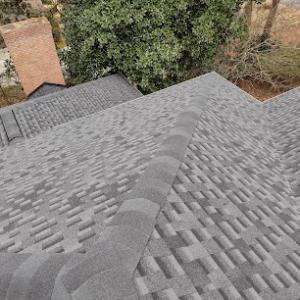
Abbott Brothers Roofing & Skylights
(404) 935-0325 www.abbottbrotherscontracting.com
358 Teal Ct, Roswell, Georgia
5.0 from 194 reviews
Roof replacement, roof repair, skylight replacement, skylight repair, skylight cleaning
Bird's Eye Roofing Company
(770) 744-3358 birdseyeroofing.com
4618 Woodstock Rd, Roswell, Georgia
4.9 from 350 reviews
Bird's Eye Roofing Company – your premier destination for roofing services in Atlanta, GA. Specializing in residential roofing, roof repair, roof replacement, and storm damage inspections, our team delivers top quality and unparalleled customer service. Experience the Bird's Eye difference – where quality meets reliability, and customer satisfaction is our top priority. Contact Birdseye Roofing today at 770-744-3358. Visit our website at for more information.
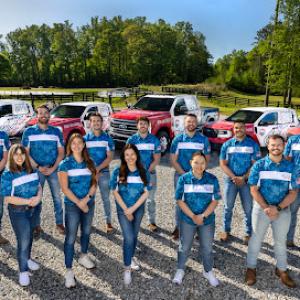
Clark Brothers Construction
(678) 928-8302 www.clarkbrothersroofing.com
1050 Fraser St, Roswell, Georgia
4.9 from 347 reviews
At Clark Brothers Roofing & Construction, your vision is our mission. As a veteran-owned, family-run business, we bring honor, discipline, and integrity to every job. Committed to creating lasting value in the community, we deliver quality-driven craftsmanship that you can trust. Specializing in roofing, siding, gutters, and exterior solutions, our team completes projects quickly and efficiently, without compromising precision or care. We prioritize clear communication and exceptional service at every step, ensuring your project is completed with the attention it deserves. Schedule your complimentary inspection today and let us bring your vision to life!
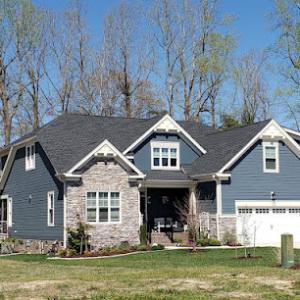
Enduring Roofing & Gutters
(678) 862-7997 enduringconstruction.com
760 Old Roswell Rd suite 496, Roswell, Georgia
4.9 from 229 reviews
Enduring Roofing & Gutters has 15+ years of experience serving Roswell GA, Alpharetta, and surrounding cities with the highest quality roofing repair and roofing installation services. We work with the best roofers near you, crews ready to complete the most specialized tasks. We are experts in residential and commercial roofing systems, and work tirelessly to provide customers great quality and value. Give us a call, we offer a free roof inspection immediately.
Dr Roof Atlanta
88 Mansell Ct, Roswell, Georgia
4.8 from 1671 reviews
We are Roofers who take immense pride in our workmanship; doing the job right the first time. From roof leak repairs to roof replacements; we treat each job with attention to detail. We are winners of the Consumers' Choice Award 18 year running! Since 1988 we have worked to become the experts at what we do in the metro Atlanta area. Our goal is to deliver the best possible roof repair or new roof installation; meeting or exceeding local building codes and manufacturer installation guidelines. We are not just roofers, we are roofing experts who can offer warranties that are backed by national roofing manufacturers.
Roof Authority
(770) 746-8387 www.roofwithauthority.com
10390 Alpharetta St Suite 300, Roswell, Georgia
4.9 from 93 reviews
As a Metal Roofing Contractor in Roswell, proudly serving Atlanta since 2009, we take pride in our veteran-owned and Award-Winning roofing services. Our expertise, warranties, top-notch quality, and cleanliness distinguish us from the competition. We hold licenses and certifications for shingle, metal, Standing seam metal roof, and specialty roof installations and are fully insured. With experience in both Residential and Commercial Roof Installations and Repairs, we're your go-to for New Construction projects as well. When it comes to insurance claims, we'll liaise with your provider. Count on us for premium materials and the best warranty available in Atlanta. Contact us today and discover what it's like to Roof With Authority.
Clear Skies Restoration
(770) 592-1660 www.clearskiesrestoration.com
995 Canton St Suite 110, Roswell, Georgia
4.8 from 147 reviews
Clear Skies Restoration has been proudly serving the greater Atlanta area for over 12 years, delivering trusted, high-quality roofing services from our home base in Roswell, GA. As your local roofing contractor, we specialize in thorough roof inspections, expert repairs, and complete replacements tailored to your property's needs. We know that roof damage can be overwhelming—especially when navigating insurance claims. That’s why our experienced team is committed to making the restoration process as smooth and stress-free as possible. Whether you're facing minor damage or in need of a full roof replacement, we’re here to restore your peace of mind and your home. Let Clear Skies Restoration be your partner in protecting what matters most.
Bullseye Contracting Services
(706) 344-7184 bullseyecontractingservices.com
Roswell, Georgia
5.0 from 30 reviews
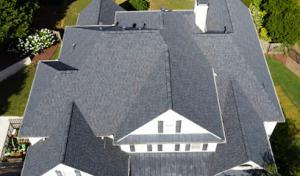
Bullseye Contracting Services offers complete exterior solutions to revitalize and protect your property. From expert roofing and siding installation to stump removal and earthworks, we enhance your home's beauty and resilience. Specializing in storm damage assessment and repair, we navigate the process with you, ensuring a smooth and stress-free experience. Trust Bullseye to safeguard your investment and deliver lasting results.

Elite Roofing Systems
(770) 217-1278 www.eliteroofingsystemsga.com
Roswell, Georgia
4.9 from 45 reviews
Welcome to Elite Roofing Systems - Your Trusted Family-Owned Roofing and Home Exterior Company in Georgia! Elite Roofing Systems is your premier choice for roofing and gutter services in the North Metro Atlanta area. From roof repair to replacement, gutter repair to replacement, we've got you covered with top-notch craftsmanship and unparalleled customer satisfaction. Our dedicated team of expert roofers is committed to providing comprehensive roofing solutions tailored to your needs. With decades of experience, we're here to help you protect and enhance your home. Contact us today to schedule a consultation or request a quote! Licensed & Insured
Bonner Built
(678) 679-8422 bonnerbuilt.com
84 Woodstock Rd, Roswell, Georgia
4.7 from 200 reviews
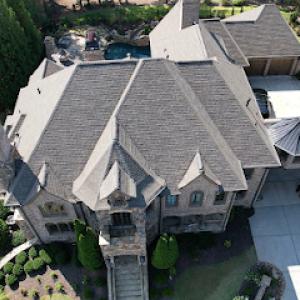
Bonner Built is a trusted roofing contractor in Roswell, GA, proudly serving Greater Marietta since 2007. As a family-owned company led by licensed builders, we specialize in residential roofing, roof repair, storm damage restoration, gutter installation, and exterior painting. Known for quality work and hands-on service, we help protect and beautify your home from top to bottom. Contact Bonner Built today for expert care and a free, no-pressure estimate.
Georgia Roofing & Repair
(678) 639-7663 www.garoofingandrepair.com
Serving
5.0 from 94 reviews
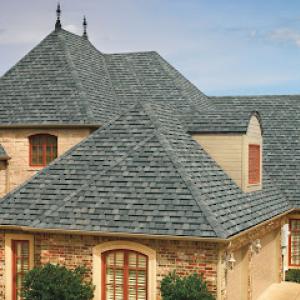
We are the #1 rated Alpharetta Roof Repair, Roof Replacement & Roof Cleaning company. Georgia Roofing & Repair, Inc. is very well known for excellence in roofing throughout Alpharetta and surrounding cities. We offer Residential & Commercial Roofing, Roof Cleaning, Gutters, Siding, Carpentry, Pressure Washing, Exterior & Interior repairs. From Home Improvement to New Construction, there is no project too big or too small for us to handle. We stand on top of our work and pass all top rated manufacturer warranties on to you the consumer. Call us to see why we are the #1 Alpharetta roof repair company. We are fully Licensed, Insured & Bonded as well as A+ BBB Accredited and 5 Star Rated! Click on our Website to learn more.
Atlanta Metro Roofing
(770) 220-7263 www.atlantametroroofing.com
Serving
5.0 from 138 reviews
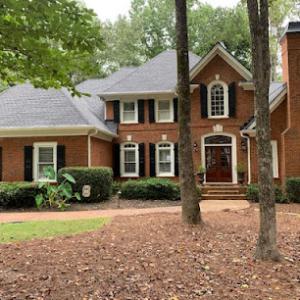
About Atlanta Metro Roofing: Whether you need a total roof replacement or repairs Atlanta Metro Roofing can provide an estimate with no obligation. No job is too big or small. Atlanta Metro Roofing has been in business approximately 15 years with a 5 star rating across multiple platforms. We also provide many exterior services, painting, skylights, gutters, gutter guards, chimney concerns, decks, soffit and facia repairs, flashing repairs, siding and a host of other exterior services. As far as roof replacements go, we are experts in working with your homeowner's insurance to try and save you money. However, we do make sure you are qualified so you don't waste a claim. Please feel free to give us a call with any concerns.
Neighborhoods with mature tree canopy in Roswell contribute a steady stream of leaves that collect in valleys, behind chimneys, and in gutters as autumn approaches. This isn't a distant problem-leaf matter slows down drainage and can mask underlying roof issues during inspections. When evaluating a replacement, pay close attention to the valley linings and the drainage paths that feed into the gutters. A clogged valley or a blocked gutter can mirror or exaggerate a leak problem, making a sound roof appear waterlogged after a thunderstorm. Plan for proactive clearing as part of the project timeline.
In this city, the inspection emphasis on drainage means clogged gutters and poor runoff management are highly relevant on Roswell replacements. Ensuring gutters are clean and capable of carrying a full storm load is essential before, during, and after installation. Verify that downspouts tie into a functional drainage plan that channels water away from walls and foundations. Behind chimneys and at the intersections of roof planes, drainage paths can form bottlenecks if debris is allowed to accumulate. The goal is a continuous, unimpeded flow from roof edge to ground, with no water perched against flashing or siding.
Fall leaf buildup can complicate installation timing and drainage performance even when the roof covering itself is still serviceable. If replacement work begins in late autumn, coordinates with tree shedding schedules become crucial to avoid repeated gutter clearing mid-project. Consider temporary measures to protect valleys and drip edges during the window when leaves peak, and schedule concrete or tile installations to minimize the risk of debris entering new visibility points. In addition, installations near mature canopies should factor in expected leaf load, ensuring flashing and fascia are installed to handle seasonal debris without creating new drainage barriers.
Roswell homes often feature complex rooflines where valleys, flashing, and chimney interfaces intersect. The heavy tree presence increases the chance of debris lodging at these contact points, particularly where valleys turn or where two roof planes meet. During a replacement, inspect all valley metal for corrosion or gaps, and test for water flow through the system with a light rainfall simulation if feasible. Ensure flashing details are continuous and uninterrupted by leaves or pitch changes, especially at chimney crickets and vent boots. A small misalignment in flashing or a overlooked debris trap can become a significant source of leaks in a storm-heavy climate.
Finally, adopt a seasonal maintenance mindset that aligns with Roswell's climate. After installation, establish a routine that checks gutters, downspouts, and valley areas at least twice per year, with an emphasis on late fall and early spring. This approach helps catch debris buildup before it translates into drainage problems, reduces the risk of hidden leaks, and preserves the integrity of the roof system through successive thunderstorm cycles.
Asphalt shingles dominate the local roofscape, and for good reason: they balance cost, availability, and ease of repair across a mix of architectural styles common in Roswell. In hot, humid summers, asphalt granules take the brunt of sun exposure, so aging and granule wear can show up sooner on roofs with southern exposure or tall trees shading the house less in late afternoon. The frequent thunderstorms add another layer of wear, particularly on shingles that have already aged or suffered hail impacts. When choosing asphalt, you'll want shingles with a dense mineral surface and a robust wind rating for our storm-prone months. Look for a shingle that includes a reflective or weathered surface to help reduce heat buildup, which can accelerate aging in the Georgia sun. Regular inspections after severe storms are essential, focusing on edges, valleys, and any areas where wind-driven rain may have loosened granules.
Metal roofing is a meaningful local option if storm resilience and longer service life are priorities. Metal's high wind resistance and rapid shedding of water can be especially advantageous after powerful storm cells pass through the area. In Roswell, metal systems with standing seams or interlocking panels tend to perform well over decades, even with repeated thunderstorm exposure. When selecting metal, consider coatings designed to resist humidity and salt exposure if your property sits near larger deciduous trees that shed debris during the wet season. A quality installation matters just as much as the material-proper sealing, seam detailing, and corrosion-resistant fasteners prevent minor leaks from becoming bigger issues during Georgia's wet months. Metal roofs can also influence attic ventilation needs, so pairing the roof with a thoughtful ventilation plan helps manage condensation and humidity inside the attic space.
Clay tile and concrete tile are present in Roswell's upscale and architecturally diverse neighborhoods. Clay tile brings a classic look with excellent longevity, yet weight and insulation considerations must be matched to the structure. Concrete tile often provides a more economical weight-to-durability balance and a broad color palette, while still delivering a long service life in hot climates. Synthetic or composite shingles offer the look of natural materials with improved impact resistance and easier installation, which can be advantageous after hail events. Slate delivers a premium option with exceptional longevity and timeless aesthetics, but it requires a solid structural assessment due to its weight. In any of these options, plan for proper ventilation and drainage as well as flashing integration that can handle Roswell's thunderstorm patterns. Regular inspection of valleys, ridges, and chimney intersections helps catch moisture intrusion early. The choice among these materials often hinges on architectural fit, roof pitch, and whether the home's structure can support heavier tiles or slates without modification.
Across materials, the local climate means you should prioritize systems that handle rapid heating and cooling cycles, heavy rain events, and tree-related debris. Ventilation, flashing, and drainage play pivotal roles in performance, especially on full replacements where a permit-driven inspection process emphasizes securing these details. After storms, conduct a targeted check for lifted shingles, displaced flashing, and clogged gutters. For longer-lasting performance, pair your material choice with a conscientious maintenance plan that includes seasonal inspections and prompt repairs to uphold energy efficiency and water shedding capabilities in this climate.
In Roswell, spring and fall are typically the best replacement windows because temperatures are more moderate and rainfall is lower than in peak summer storm periods. If the existing roof is nearing the end of its life or showing repeated leaks after heavy storms, plan for a replacement during these shoulder seasons. This helps keep installation pace steady and reduces the risk of weather-related delays. If a storm season rush is unavoidable, coordinate with a contractor to secure materials and crew during the calmer days of late spring or early autumn.
Summer heat and humidity in Roswell can affect material handling, crew scheduling, and installation pace. Roofing crews may slow down to manage heat-sensitive materials and to maintain safety practices on steep pitches. If a replacement must start in midsummer, expect longer timelines and more frequent water protection steps, such as tarping and temporary patches, to preserve interior spaces between phases. Planning for a slightly extended schedule during hot months helps prevent rushed work and potential installation errors.
Occasional winter fronts in North Georgia bring cooler temperatures and some ice risk that can slow work and affect safe installation conditions. If temperatures drop consistently into the 30s or lower, some underlayment and shingle adhesives may lose effectiveness, and safety protocols become stricter. When a replacement extends from late fall into early winter, ensure crews have clear access to heated or sheltered staging areas and that temporary drainage is maintained to avoid ice dam risks.
After a severe thunderstorm, roof damage can appear minor but lead to hidden leaks or structural concerns. If components are visibly damaged-missing shingles, dented metal, or lifted flashing-prioritize evaluation and potential replacement rather than temporary fixes. In Roswell, storm season can produce scattered leaks that worsen with subsequent rain. Schedule an assessment promptly, focusing on the attic ventilation, roof penetrations, and valley flashing to determine whether repair or full replacement is warranted.
1) Conduct a thorough roof check after the worst storms of the season, paying attention to loose or missing shingles, flashing around chimneys, vents, and skylights, and any signs of interior water intrusion. 2) If multiple areas show wear or leaks persist after targeted repairs, consider replacement as a long-term solution. 3) Align the replacement schedule with the spring or fall window to minimize heat exposure and weather-related delays. 4) Prepare for potential delays by securing materials and coordinating with the contractor on a realistic timeline that accommodates Roswell's seasonal variability. 5) Document storm damage with photos, dates, and a written list of affected components to support insurance discussions and project planning.
The City of Roswell requires a permit for most full roof replacements through the Roswell Building Department. Starting a project without the proper permit can lead to fines, delays, and potential trouble with insurance claims after a storm. Before any tear-off begins, verify that a building permit is issued in your name and that the scope of work matches the permit documents. If you're hiring a contractor, insist they pull the permit and keep you informed of any required amendments as work progresses.
Roswell inspections typically occur during installation and again after completion, rather than being treated as a one-step signoff. That means you should expect at least two distinct review moments: one while materials are being installed and another after all work is finished. Plan for access to the attic and roof line during the afternoon slots, and coordinate with your contractor to ensure equipment and debris are cleared for the inspector. Missing an inspection window can stall the project and complicate the permit record.
Local inspectors verify proper nailing, underlayment, ventilation, flashing, and drainage. They will check that the roof is securely fastened, that the underlayment lays flat and fully covers the deck, and that attic ventilation meets code requirements to prevent heat buildup and moisture issues. Flashing around chimneys, vents, and skylights must seal correctly to prevent leaks, and drainage must be designed to move water away from the structure without pooling. If the roof configuration or structural elements are unusual-such as a hip-to-gable conversion, a new dormer, or a changes in pitch-additional requirements may be triggered.
With mature trees and storm activity in the area, arriving at the job with a clear plan helps prevent delays. If wind, rain, or debris complicates installation, expect the inspectors to scrutinize workmanship more closely during the post-installation review. Ensure drainage tiles or valley setups align with local expectations and that any changes to the roofline are documented to satisfy the permit record. Staying ahead of these checks reduces the risk of rework and keeps the project moving toward a compliant, leak-resistant finish.
Typical pricing runs about $350 to $650 per square for asphalt shingles, $700 to $1100 for metal, $1000 to $2000 for clay tile, $900 to $1800 for concrete tile, $450 to $900 for synthetic/composite shingles, and $1500 to $3000 for slate. These ranges reflect Roswell's climate, existing rooflines, and the ongoing demand from home improvements in North Fulton. When you're budgeting, remember that a roof square equals 100 square feet, and materials are only part of the total-installation, underlayment, and flashing choices add up quickly.
Storm-driven demand surges in the Roswell and greater Atlanta market can push scheduling and pricing upward after hail or widespread thunderstorm events. If a neighbor's home is damaged and multiple crews are on standby, you may see longer wait times for permits and delivery of specialty materials. Plan for potential bumps in lead times and a modest price increase if you're replacing during peak storm season. Having a clear plan and preferred material choice can minimize delays when crews swing into town after a major event.
Costs in Roswell can rise when homes have complex rooflines, valleys, skylights, chimneys, or drainage details that must pass city inspection for flashing and ventilation. If your roof has several penetration points or unique drainage features, expect higher labor charges and more material waste to ensure proper flashing and ventilation alignment. Valleys and multiple ridges require precise attention to prevent future leaks, especially after heavy spring storms. For accurate budgeting, get a detailed written estimate that itemizes flashing, underlayment, and any special-to-Georgia insulation considerations, and compare replacements on the same material and warranty basis.
Get a clear picture of your project costs upfront - no commitment required.
Bullseye Contracting Services
(706) 344-7184 bullseyecontractingservices.com
Roswell, Georgia
5.0 from 30 reviews
Georgia's weather pattern means frequent weather-related roof claims tied to hail, wind, and heavy storms. In Roswell, the insurance environment can shift depending on carrier availability, which in turn affects underwriting for older roofs and roofs with a storm history. The choices a homeowner makes about a roof and its documentation can influence how a claim is evaluated long after the thunder roars. Keeping expectations grounded in how carriers view risk here helps avoid surprises when a storm hits.
After a major hail event, adjusters will inspect closely. Roswell homeowners should assemble a meticulous record: date-stamped photos of all roof surfaces, clear interior leak evidence, and a written contractor scope showing what was damaged and what will be repaired. If a claim involves wind damage or shingle displacement, be ready to show how the weather affected different roof zones, including vents, flashing, and edge details. A consistent paper trail helps reduce back-and-forth, especially when multiple storms have occurred in a single season.
Storms in this climate can create slow leaks that aren't obvious from the ground. Leaks may arrive after a period of rain or after a strong wind event loosens flashing around chimneys or skylights. Because adjusters scrutinize after major hail events, hold onto all repair estimations and any correspondence with your insurer. Being proactive about documenting pre- and post-storm roof conditions can prevent later disputes over what was damaged and what constitutes necessary scope.
When severe weather is forecast, take photos of the roof from ground level and note any pre-existing issues. After a storm, compare current conditions to prior images and record new damage promptly. If a contractor is involved, obtain a detailed, itemized scope with timelines and material specifications. This careful accounting helps Roswell homeowners navigate the insurance process with clearer expectations and stronger documentation.
Roswell's contractor market is heavily oriented toward re-roofing and storm-response work rather than only new construction, so you will encounter long-standing, residential-focused firms that know the seasonal rhythm of this community. Homeowners expect a local crew to understand the nuances of mature trees, frequent thunderstorms, and the way moisture moves across roofs with southern exposure. The right roofer blends experience with a responsiveness ethic that fits a neighborhood where leaks and wind damage can arrive suddenly after a violent storm.
In a storm-damaged neighborhood, speed matters. People want a crew that can arrive soon after a hail or heavy rain event, tarp exposed sections, and secure risk points before further leaks develop. Beyond fixing the roof, a strong local roofer prioritizes a thorough cleanup, including hauling debris, safeguarding landscaping, and leaving the property tidy. Clear communication about expected timelines and daily progress updates helps maintain trust when weather keeps crews shifting from one job to another.
You'll see free inspections and drone-assisted surveys as common competition signals in this market. The best roofers pair a careful, on-the-spot assessment with a documented plan. They explain how flashing, drainage, and attic ventilation intersect with storm damage, and they provide a straightforward, itemized diagnosis focused on preventing recurring leaks rather than selling unneeded options.
Long-established residential contractors dominate this space, so reliability and consistency stand out. A preferred roofer is licensed, communicative, and willing to walk you through sample materials, expected timelines, and the impact of weather on scheduling. You'll notice emphasis on real references and visible, ongoing attention to customer service, from initial contact through project completion.