
Last updated: Apr 19, 2026
Spring brings frequent hail and severe thunderstorm activity that keep College Station rooftops under threat. The local climate repeatedly drives a large share of roof inspections, repairs, and full replacements as homes endure repeated impacts and wind-driven damage. This cycle means a storm-damaged roof isn't always obvious from ground level, and delays can turn minor wear into interior leaks after the next gust or hailstone. The housing stock here-steep-slope residential roofs common in many neighborhoods-suffers a pattern of edge and ridge damage that can escalate quickly during a busy storm season. When spring winds kick up, shingles and flashing are stressed first, making proactive checks essential for protecting ceilings, attic ventilation, and overall home performance.
After a hail event, inspection should be thorough and time-efficient. Look for hail marks on shingles that may have loosened fibers or bruised asphalt granules, and don't overlook ridge lines and corners where impact damage concentrates. Wind-driven storms often push damage to the edges, where flashing seals meet the roof plane; loosened or lifted flashing is a red flag for future leaks. In roofs with older shingles, even cosmetic bruising can presage accelerated aging once heat and moisture cycle through. If you notice any increased attic warmth, new staining along ceiling lines, or sudden patching sounds after wind events, treat it as a signal to investigate further rather than assuming it's a minor annoyance.
The local contractor market in this area is heavily oriented toward storm-damage and insurance-claim work, reflecting how frequently roofs are evaluated after hail and wind events. That means a quick, organized response matters. Gather documentation from the storm window: photos of the roof from multiple angles, damage notes around ridge caps and flashing, and any prior repair records. When meeting with a contractor or an adjuster, insist on a clear, itemized assessment that differentiates hail damage from wear and tear. A rapid response reduces the chance of hidden damage progressing and helps ensure the claim reflects the true scope of needed repairs or replacement. Keep a written timeline of events-storm dates, when damage was first noticed, and when repairs began-to support the process.
Strong spring winds in this market frequently aggravate damage at ridge caps, where wind pressure concentrates and edges are most exposed. Flashing edges around chimneys and vent pipes are another high-risk area, especially if previous sealants have aged or cracked. Shingle fields with existing wear-common on older roofs-are prone to quicker deterioration after a hail impact, leading to localized leaks that homeowners may not notice until damp patches appear inside. Roofing systems with steeper pitches can hide damage on slopes that aren't easily visible from the ground; a careful, scaled inspection from ladder height or a professional walkaround is essential to catch hidden trouble before it compounds.
If a hail or wind event occurs, contact a local roofing professional promptly for a storm-damage inspection and an insurance-friendly assessment. Prioritize a comprehensive report that highlights ridge, flashing, and edge vulnerabilities, as these areas guide the scope of any claim. Request a project plan that specifies shingle or material replacement strategies aligned with the house's exposure and the age of the existing roof. Coordinated scheduling with an experienced contractor can align repairs with the insurance process, reducing the risk of misaligned timelines or unexpected gaps in coverage. In the days after a storm, avoid delaying inspections, because delayed discovery can complicate claim accuracy and prolong exposure to further weather-related damage.
Find local contractors experienced in assessing and restoring roofs after hail, wind, and severe weather events.
Southern Star Roofing & Seamless Gutters
(979) 721-9983 southern-star-roofing.com
12948 Tonkaway Lake Rd suit 220, College Station, Texas
5.0 from 322 reviews
Trophy Exteriors
(979) 217-2748 www.trophyexteriors.com
1645 Greens Prairie Rd Suite 403-A, College Station, Texas
5.0 from 134 reviews
Candor Roofing Solutions
(979) 310-4564 candorroofing.com
6322 Spartan Dr, College Station, Texas
5.0 from 55 reviews
Southern Star Roofing & Seamless Gutters
(979) 721-9983 southern-star-roofing.com
12948 Tonkaway Lake Rd suit 220, College Station, Texas
5.0 from 322 reviews
Southern Star Roofing and Seamless Gutters is a trusted, locally owned company proudly serving the Bryan-College Station (BCS) area with top-quality roofing and gutter solutions. We specialize in residential and commercial roofing services, seamless gutter installation, roof repairs, and storm damage restoration. Known for our reliable craftsmanship and honest service, we take pride in protecting homes and businesses across the Brazos Valley. Whether you need a full roof replacement, custom seamless gutters, or routine maintenance, Southern Star is your go-to partner for lasting results and peace of mind.
Trophy Exteriors
(979) 217-2748 www.trophyexteriors.com
1645 Greens Prairie Rd Suite 403-A, College Station, Texas
5.0 from 134 reviews
Trophy Exteriors is a family owned roofing and exteriors company that blends white-collar professionalism with blue-collar craftsmanship, taking pride in our work and the customers we serve.

Candor Roofing Solutions
(979) 310-4564 candorroofing.com
6322 Spartan Dr, College Station, Texas
5.0 from 55 reviews
Candor Roofing Solutions is a roofing contractor in College Station, TX serving Anderson, Benchley, Brenham, Bryan, Burton and nearby areas. Our roofing company offers residential roofing, commercial roofing, roof repair, asphalt shingle roofing, and more. We also specialize in gutters and skylights. Customers love us because of our comprehensive roof warranties and our affordable roof financing options. We also have industry affiliations and certifications such as Shingle Master Certified with CertainTeed. If you want to experience how your most trusted College Station, TX roofing company embraces our motto "A Name You Can Trust", call us now for a free estimate!
Sustainable Roofing
(979) 324-2270 sustainableroofingllc.com
707 Texas Ave Ste 218D, College Station, Texas
5.0 from 39 reviews
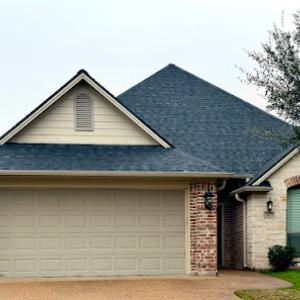
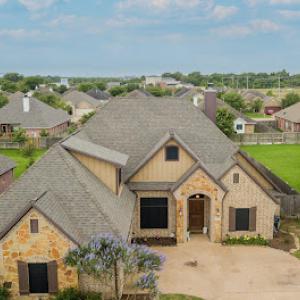
Sustainable Roofing provides residential and commercial roofing, gutter services, leak repairs, and attic ventilation in College Station, TX and the surrounding area.
Stonewall Roofing & Construction
(979) 422-5977 stonewallroofs-construction.com
707 Texas Ave Bldg E, Ste 101, College Station, Texas
5.0 from 35 reviews
The team at Stonewall Roofing & Construction has over 12 years of experience in the Roofing & Construction business. Our Goal is to always provide the best experience for our customers whether replacing their roofs or making improvements on their house. Stonewall Roofing & Construction is a trusted, local contractor serving Bryan, College Station, Georgetown, Austin, and surrounding areas. We specialize in hail damage roof replacements, TPO, torch down, metal roofing, and residential and commercial builds. With fast turnaround, honest pricing, and insurance assistance, we help protect your home or business the right way.
ASAP Roofing & Solar
(979) 485-2171 www.asaproofing.com
3209 Earl Rudder Fwy Suite 200, College Station, Texas
5.0 from 32 reviews
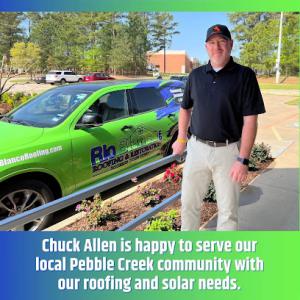
ASAP Roofing & Solar in College Station, Texas does roofing right! We are trusted home and commercial roofers and yes, we offer financing.

Lone-Star Roof Systems
(800) 317-1939 www.lonestarroofsystems.com
18476 State Hwy 6 S, College Station, Texas
4.6 from 119 reviews
At Lone-Star Roof Systems, we pride ourselves on our quality roofing contractor services, specializing in both residential and commercial roofing in the College Station area. Whether you're in need of a roof repair, a roof replacement, or simply looking to get your roof inspected, our highly skilled team of roofers can assist you. We serve the Bryan/College area, as well as the Houston, Austin, and Dallas Metroplexes. We offer our clients a diverse variety of styles and colors when it comes to new roof projects. Our experts can suggest the right material for your building to ensure you have a quality roof that will last for years to come.
Veritas Roofing
(979) 810-0199 veritasroogingtx.com
511 University Dr E # 210, College Station, Texas
5.0 from 16 reviews
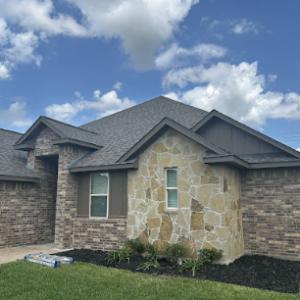
Veritas Roofing serves the College Station area with professional residential and commercial roofing services built on accuracy, integrity, and strong communication. Since 2018, we have specialized in retail roof replacement, storm damage restoration, and free roof inspections that help homeowners understand their roof’s true condition. We are fully licensed by the Roofing Contractors Association of Texas, certified by Owens Corning and GAF, and maintain an A+ BBB rating. Every installation is backed by our lifetime workmanship warranty for both materials and labor. Homeowners choose Veritas Roofing for quality, reliability, and trusted 5-star service.
Schulte Roofing
(979) 209-0148 www.schulteroofing.com
2405 Texas Ave S Suite 302, College Station, Texas
4.6 from 69 reviews
Discover Schulte Roofing of College Station, voted the #1 best roofing company for over 15 years. As your trusted roofing provider, we combine innovative design with best-in-class service to craft a roof that elevates your home or office. Our commitment to excellence has earned us the position as the best roofing choice for residents and commercial businesses across the Brazos Valley. Whether it's new construction, repair from a hailstorm, or just time for a roof replacement, we provide full-service College Station roofing services, including new construction roofing, roof replacements, repairs, inspections, insurance claim support, roof maintenance plans, and emergency services.

Mattco Roofing & Construction
(979) 599-9320 mattcogroup.com
5591 Raymond Stotzer Pkwy, College Station, Texas
5.0 from 13 reviews
Mattco Roofing & Construction is a family-owned, turnkey commercial and industrial roofing company dedicated to providing the highest quality workmanship and the industry’s most reliable roofing systems. With over 20 years of extensive experience and industry knowledge, our team is dedicated to helping our clients with roofing system solutions throughout Texas and across the United States.
Silver Ridge Roofing & Construction College Station
(979) 316-7675 silverridgeroofing.com
511 University Dr E # 210, College Station, Texas
5.0 from 11 reviews
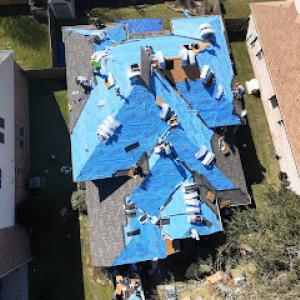
Silver Ridge Roofing & Construction is a trusted roofing contractor serving College Station, TX, and surrounding areas. We specialize in roof replacements, storm damage repairs, and insurance claim assistance, ensuring homeowners and businesses get the quality and protection they deserve. With a commitment to top-tier craftsmanship, honest communication, and hassle-free service, we handle everything from inspections to installation. Whether you need a new roof or repairs after a storm, our experienced team is here to help.
America's Choice Roofing & Seamless Gutters
(979) 776-5292 americaschoiceroofers.com
4301 Alexis Ct, College Station, Texas
4.3 from 98 reviews
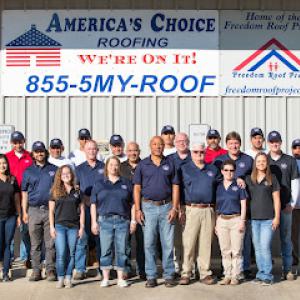
The Top Roofing Contractor Serving College Station, TX & Beyond Founded in 1995 by Gary and Frances Spivey, America’s Choice Roofing is delighted to see our hard work and commitment to excellent customer service has made us one of the top roofing and general contractors to trust in College Station, TX and the entire Central Texas area. Our residential and commercial roofing company has evolved from a full-service home marketing consultancy to one of the premier roofing, gutter, and home improvement companies in the region. America’s Choice Roofing is headquartered in College Station, Texas and serves the surrounding Brazos Valley area. We promise honest and straightforward advice about your project needs. Contact us today to get started ...
In this part of the state, heat and humidity pedal to the metal during the long summer, and thunderstorms roll in with quick, loud ferocity. That combination can push tear-off schedules off track, delay material handling, and make heat-sensitive installation timing more important than in cooler Texas markets. When planning a roof project, expect the dry, work-friendly window to shrink as July and August roll around, and be prepared for temporary weather delays that can ripple through your project timeline. The practical takeaway: pick a window when heat and storms are less likely to disrupt critical teardown and re-nailing phases.
Locally, spring and autumn are typically favored for planned replacements. Spring often brings milder temperatures and relatively predictable rain patterns, which helps crews maintain steady progress on a full roof without the scorch of midsummer days. Fall drops the risk of sudden cold snaps that can affect adhesive and shingle performance, while still offering a comfortable pace for ventilation checks and system integration. For projects that require close inspection of ventilation pathways or careful re-sheathing considerations, these shoulder seasons provide the most reliable days for contractors to work with your home's existing attic layout and attic venting plan.
Start by coordinating a tight but flexible schedule with the contractor. Aim to secure kickoff inspections and material staging during a stretch of several potential days with forecasted mild to moderate temperatures. Build in buffer days for unexpected weather, and communicate a plan for wind- and storm-season contingencies so the crew knows how to protect the roof during afternoon pop-ups. On a full replacement, emphasize the importance of a heat- and humidity-controlled interior environment for attic access and interior ventilation checks. If possible, schedule critical steps-like the tear-off, underlayment installation, and starter/shingle alignment-on consecutive days with morning heat not yet peaking.
When the calendar nudges into late spring through early summer, planning must acknowledge heat sensitivity and the likelihood of afternoon storms. If a project must occur in peak heat, choose start times that favor early mornings and ensure crews have shaded break areas and hydration plans. Schedule inspections first thing in the day to catch any attic or ventilation concerns before the sun climbs too high. Be prepared for the possibility of same-day dry-in planning on active jobs when a fleeting window opens between storms, especially during full re-roofs. This reality can shorten the typical pace but is workable with a well-organized crew and strong temporary tarping strategies.
Hail and strong gusts are common in spring, and afternoon thunderstorm cells can disrupt progress even on otherwise dry days. A practical approach is to align a major re-roof with a forecast that provides several consecutive dry days, minimizing the risk of wind-driven debris or hail damage interrupting newly installed materials. If a pop-up storm occurs, ensure temporary securement and weatherproofing are in place quickly to prevent moisture intrusion into newly exposed decking or underlayment. Having a clear, radio-like communication plan with the crew helps keep everyone on the same page when conditions shift suddenly.
Choose a season that aligns with a predictable sequence: tear-off, inspection, deck preparation, underlayment, drip edge installation, and shingle lay-down, followed by final venting checks. In practice, this means reserving a block of time in the shoulder seasons and relying on contingency days during periods of volatile weather. For those with high-performance goals-ventilation emphasis, attic temperature control, and seamless integration with attic space-spring or fall provides the best alignment between climate, crew productivity, and material behavior.
Asphalt shingles remain the workhorse for many homes in this market. They install quickly, mix well with typical underlayments, and respond well to the hot, humid summers that define the Brazos Valley. For hail-prone springs, the key is choosing higher impact resistance ratings and ensuring the roof is tied into a solid attic ventilation plan to relieve heat buildup. A well-vented attic helps protect the shingles from premature aging caused by sustained daytime heat and rapid cooling at night. In areas with strong seasonal winds, proper nailing patterns and shingle alignment become essential to resist wind uplift. If asphalt is your path, focus on a shingle line with good impact resistance, and work with an installer who emphasizes attic circulation and a careful edge seal along eaves and rakes. The result is a resilient, cost-effective option that pairs well with typical College Station home layouts and steeper slopes.
Metal roofs are increasingly common for homeowners who prioritize longevity and performance in hail and heat. In this climate, metal panels can shrug off hail more reliably than many traditional shingles, and their reflective surface can help keep attic temperatures a bit cooler during peak summer months. For best results, look for metal systems with standing seam or tightly fastened panels and a reputable sealant/control joint strategy to reduce the risk of leaks during heavy thunderstorms. The fastener pattern matters greatly in wind-prone episodes; improper fastening or mismatched flashing can undermine even the strongest metal skins. Attic heat management remains important with metal as well-adequate soffit intake and a clear, unobstructed attic space help maintain overall roof performance. A quality installation that respects roof-to-wall transitions, flashing at penetrations, and the alignment with existing eave lines will pay dividends over time in this market.
Tile options-clay or concrete-bring a distinctive, long-lasting appearance but are less common. Their weight demands careful structural assessment, especially on older College Station homes with typical attic and rafter configurations. When tile systems do go in, matching repairs after hail or a storm can be more challenging due to variations in tile shapes and colors over time. Availability of local installers who can assess the ridge lines, flashing, and fasteners tailored to tile is a practical concern; a well-titted tile roof requires precise underlayment and professional workmanship to maintain wind resistance and prevent water pathways through eave areas and hips. If choosing tile, budget for the higher weight, plan for potential reinforcement if needed, and ensure the chosen installer has a track record with local weather patterns and re-roof detailing.
Across all options, attic heat management shapes long-term performance. In the hot, humid climate, adequate soffit air intake, ridge or vented attic spaces, and proper sealing around penetrations help prevent heat and moisture buildup that can accelerate aging or compromise insulation. In College Station's wind and hail environment, the roofing system should emphasize secure fastenings, robust edge sheets, and reliable flashing details. With the right combination of material choice, installation quality, and ventilation strategy, a roof can meet the region's storms with confidence while maintaining comfort inside the home.
In College Station, after spring hail storms, prices can spike quickly as claim volume surges across the Brazos Valley. That surge tightens labor availability for re-roof crews and can push timelines and bids out longer than usual. When a hail event hits, the window to schedule a full-scale re-roof tightens, and you may see quick price adjustments in both material orders and labor. The impact is often felt most in neighborhoods with relatively common steep-slope homes where a full replacement is the standard approach rather than cosmetic repairs.
Asphalt shingles in this market typically run about 350 to 600 USD per square, a range that reflects the frequent need for rapid material turnover after storms and the mix of shingle styles homeowners choose. Metal roofing commonly runs about 700 to 1200 USD per square, reflecting higher material costs but faster installation in some houses and better wind resistance. Tile systems trend higher, with clay at roughly 900 to 1600 USD per square and concrete at about 800 to 1500 USD per square, driven by weight considerations and local installation practices. Wood shingles or shakes sit around 450 to 900 USD per square, and synthetic or composite shingles generally land in a 500 to 900 USD per square band. Given the climate, many homeowners lean toward materials with strong wind resistance and hail durability, even if the upfront price is higher.
Costs here are influenced by storm-driven demand, the need for full re-roofs to address extensive hail damage, and the material mix common in local residential neighborhoods. Ventilation corrections requested during review can add a modest, but real, bump to the total due to the labor and materials needed to bring attic ventilation into compliance with typical College Station roof designs. The house's slope, roof complexity, and existing decking condition also play a big role; steeper pitches and more intricate layouts tend to increase both labor time and waste, nudging the final price higher. Plan for a few weeks from bid to completion during peak storm season, with potential price sensitivity to how quickly crews can secure materials and mobilize crews.
Get a clear picture of your project costs upfront - no commitment required.
Candor Roofing Solutions
(979) 310-4564 candorroofing.com
6322 Spartan Dr, College Station, Texas
5.0 from 55 reviews
Sustainable Roofing
(979) 324-2270 sustainableroofingllc.com
707 Texas Ave Ste 218D, College Station, Texas
5.0 from 39 reviews
Done Right Roofing & General Construction
(979) 690-3400 www.donerightroofing.net
3206 Longmire Dr a50, College Station, Texas
4.9 from 76 reviews
For a full re-roof, a building permit is typically required through the City of College Station Development Services. The permit process is not a formality; it ensures that your project meets local standards for wind uplift, flashing connections, decking integrity, and overall roof system layout. Skipping or rushing this step can trigger delays, fines, or rework if the final inspection uncovers unresolved issues. In a neighborhood where steep-slope residential roofs are common, the city expects careful attention to how the new system ties into existing ventilation and attic access.
Local inspections are scheduled during the work and again after completion to verify decking condition, flashing details, and ventilation compliance. During the build, inspectors will confirm that the roof deck is solid, free of rot, and properly prepared for a new underlayment. Flashing around chimneys, vents, and valleys must be correctly installed to prevent leaks, especially during springtime hail events that can test any seal. After the work, inspectors check that the venting and attic ventilation align with approved plans, and that the overall roof geometry maintains proper drainage and wind resistance. Knowing these checkpoints helps you coordinate meaningful adjustments before the crew leaves.
The city may request documentation related to roof venting and attic ventilation as part of the review. That makes ventilation upgrades a practical issue during replacement rather than an afterthought. If the attic lacks adequate intake and exhaust vents, or if existing vents are undersized, the replacement project becomes a staged conversation: upgrade the ventilation now to pass inspection and avoid later complications, rather than discovering deficiencies once the roof line is in place. Particularly in hot, humid summers, proper venting supports long-term energy efficiency and roof durability, so plan for a ventilation plan that aligns with the permit review.
Communicate with your contractor about the permit timeline and required documentation early in the project. A clear plan for decking condition, flashing details, and venting upgrades helps prevent last-minute changes that can trigger inspection setbacks. If hail or wind damage is suspected, the permit review may emphasize structural integrity and nailing patterns, so avoid improvising connections and rely on approved details. In this market, aligning your re-roof with the city's expectations not only smooths the path to inspection approval but also reduces the risk of weather-related call-backs once the new roof is in place.
This market cherishes detailed photo records because insurers often expect them after hail and high-wind events. After a big storm, your roof should have clear, timestamped images of shingles, granule loss, dents, lifts, and any ridge or vent damage. In this climate, fast, organized documentation helps separate storm damage from wear and aging.
Regional weather patterns have nudged some carriers to tighten underwriting or scrutinize claims more closely. That shift means homeowners benefit from having a complete before-and-after narrative of roof condition. Photos taken prior to the season-even if imperfect-paired with storm-time images create a stronger context for adjusters and underwriting staff reviewing a claim.
Because claim activity is common locally, decisions hinge on concrete evidence of storm-created damage rather than generic roof age. A steep-slope roof typical in this area can mask subtle hail marks or wind-caused lift until an adjuster notices them. Keep in mind that cosmetic wear often won't drive coverage; focus on functional damage that affects leaks, ventilation, or structural integrity.
Prepare a practical, storm-ready documentation routine: photograph from multiple angles, close-ups of surface impact patterns, and videos showing any loose shingles or flashing. Maintain a simple file that logs dates, storm details, and observed roof changes. After a storm, don't delay reporting suspected damage, and be prepared to supply your insurer with a clear, organized record that ties observed issues to specific meteorological events. Having your documentation ready can expedite a fair adjustment rather than a protracted dispute.
Connect with contractors who help homeowners navigate the claims process from damage assessment to final approval.
Southern Star Roofing & Seamless Gutters
(979) 721-9983 southern-star-roofing.com
12948 Tonkaway Lake Rd suit 220, College Station, Texas
5.0 from 322 reviews
Trophy Exteriors
(979) 217-2748 www.trophyexteriors.com
1645 Greens Prairie Rd Suite 403-A, College Station, Texas
5.0 from 134 reviews
Candor Roofing Solutions
(979) 310-4564 candorroofing.com
6322 Spartan Dr, College Station, Texas
5.0 from 55 reviews
In this market, wind-driven rain drives water toward the edges where flashing, step-flashing at wall joints, and roof penetrations meet the field. These transitions often show problems long before the main field of the roof reveals issues. When storms push rain under seams or around penetrations, you will notice pinpoint leaks near chimneys, vent pipes, and valley intersections. A small drip from a flashing corner can be a sign that the entire system beneath needs attention, especially on older or steeper roofs common among local homes.
The local approach to re-roof projects highlights flashing and ventilation as critical details that inspectors expect to be tight and well-integrated. Poorly sealed laps, improper counter-flashing, or mismatched vent boots can leave a roof vulnerable to water intrusion after a hail event or sudden high-wind gusts. Ventilation work matters here because attic heat and moisture drive rapid degradation of underlayment and shingles, accelerating the appearance of leaks around flashing edges rather than in the field.
Skylight-related leak work has a visible niche presence among local contractors, suggesting homeowners should pay close attention to curb, flashing, and surrounding shingle integration after storms. Proper skylight installation requires a continuous waterproof curtain around the base, compatible flashing to the curb, and precise shingle-to-flashing transitions that prevent water from migrating onto interior ceilings.
After a major storm, inspect the roof perimeter, penetrations, and skylight edges for loose or lifting components. Look for crisp, intact flashing joints and any gaps where sealant has cracked or peeled. If moisture appears around a skylight or vent, prioritize resealing the curb and reconfiguring flashing to restore a continuous barrier.
Find contractors experienced in skylight installation, flashing, and leak repairs to bring natural light into your home.
Candor Roofing Solutions
(979) 310-4564 candorroofing.com
6322 Spartan Dr, College Station, Texas
5.0 from 55 reviews
Schulte Roofing
(979) 209-0148 www.schulteroofing.com
2405 Texas Ave S Suite 302, College Station, Texas
4.6 from 69 reviews
After spring storms, you may face tight timelines and crowded bid boards. In this market, contractor selection often happens under post-storm time pressure, so set a realistic schedule that allows you to review a few solid bids without rushing into a choice. Look for a local contractor who has steady crews and a track record of timely starts after hail events. Ask how they prioritize storm-response work and whether they can provide a clear, week-by-week plan for your project.
Cleanup is a major local hiring priority, especially in established residential neighborhoods where full tear-offs can leave nails and debris around driveways and yards. Confirm the contractor's cleanup plan: daily debris removal, magnet sweep protocol, and a documented method for handling nails and fasteners so driveways and landscaping stay safe. If your project includes a full tear-off, request a written schedule for removal, stair-step removal if needed, and a plan for containing dust and protectants to minimize disruption to neighbors.
The market includes many affordable and long-established companies, so homeowners here often weigh local tenure and responsiveness alongside price when comparing bids. Favor firms with several years of local service, a local office or shop, and crews that respond to messages promptly. Request at least three references from nearby homes with similar roof types and storm histories, and call them on a weekday afternoon to gauge reliability. Finally, confirm the crew size and equipment readiness to handle storm-driven workloads without compromising safety or workmanship.