
Last updated: Apr 19, 2026
Gainesville sits in North Texas, where spring storm activity and hail are a primary driver of roof replacement timing. After a severe line or a hail event, roofs face a sudden domino effect: interior leaks, failed attic ventilation, and accelerated aging from sun exposure on exposed edges. Your roof isn't just weathered by a single storm; it endures repeated cycles during the spring season, which pushes insurance carriers to reassess risk and homeowners to decide quickly on repairs or full replacement. Because the town's homes often share similar roof lines, porches, and venting configurations, a well-formed plan that accounts for likely subsequent events can save long-term headaches. The key is to anticipate the storm surge rather than react to the last hit.
Strong spring winds can create both direct shingle loss and indirect delays by interrupting tear-off and dry-in schedules. When gusts push beyond typical ranges, loose granules shed, edges peel, and even well-sealed roofs can experience lift at ridge lines or around dormers. Contractors in this market know that windstorms rarely come alone: a single storm can be followed by another within days, forcing crews to pause to address ingress points before a proper dry-in. You should expect wind to complicate timelines and to impact material availability as suppliers and crews chase favorable weather windows. Planning for extended tear-off and careful staging becomes essential to prevent moisture intrusion during the post-storm window.
Because hail and wind claims are common in this part of Texas, homeowners often need photo documentation, measurements, and insurer-facing condition records soon after storms. Immediate, clear photographs of every roof plane, penetrations, and edge details help establish a baseline for repairs or replacement. Take wide shots that reveal damaged vent boots, flashing integrity, and any signs of hail impact on gutters, siding, and decking. Keep a dated log of measurements for deck angles, ridge lines, and valley intersections, and note missing shingle tabs or dented metal. If a claim is anticipated, organize a simple binder: recent photos, a rough square footage estimate, and a contact list for your insurer, a local adjuster, and a trusted contractor who understands the regional storm cycle.
In this climate, the most critical window is the first 72 hours after a hail event, when damage is often subtle but progressive. Early reporting can steer the claim toward an actionable, insurer-facing estimate rather than a back-and-forth that stretches through multiple storm fronts. Homeowners should target a timely walkthrough with an experienced roofer who can identify hail damage that isn't visibly catastrophic but compromises roof performance-like cap shingle softening, micro-cracking, or compromised granule adhesion. Delays compound risk: a weak spot in the roof surface can become a leak conduit after a subsequent wind-driven rain. Treat each storm as a trigger for a proactive, documented inspection rather than a reactive chore.
Locally, insurers recognize the recurring cycle of hail events and wind disruption. The practical approach is to establish a rapid-response plan: pre-arranged contact with a trusted, licensed roofer, a simple photo checklist, and a clear line of communication with your insurer for speedy condition verification. When the next storm arrives, you'll already know who to call, what to photograph, and how to present the existing roof condition to support a smooth, defensible claim. The goal is to minimize downtime, maximize roof performance, and stabilize your home's exterior envelope before the next spring round of wind and hail tests.
After a major spring storm rolls through this part of North Texas, expect adjuster visits to be a routine part of the process. Local neighborhoods can see rapid response in the days to weeks following hail events, and that pace matters. When an adjuster arrives, you want a clear, accurate picture of what the roof has endured and what it needs to move toward a proper settlement. Being present, asking measured questions, and coordinating with a trusted roofer who understands Gainesville's typical roofing stock can help keep the process from dragging on or drifting into vague conclusions.
Insurers in this region may request roof measurements, date-stamped photos, and wind mitigation documentation before finalizing claim decisions. Measurements help verify claim scope, while dated imagery shows the storm's impact at a specific point in time. Wind mitigation data speaks to how the structure resists wind uplift and can influence both the claim outcome and the long-term resilience of the repair. Prepare to share a coherent set of records: roof line drawings or notes, recent inspections, and any professional assessments that speak to hail impact, shingle lifting, or underlying decking concerns.
Frequent storm claims in North Texas can affect premiums, deductible sensitivity, and insurer willingness to favor or scrutinize certain roofing materials and warranty terms. Some carriers will be more cautious about aging components or non-standard installation details after a hail event, even if a repair seems straightforward. That means the material you choose and the warranty you commit to may be weighed against the claim history and the adjuster's findings. The decision-making you face isn't only about immediate repairs; it can shape coverage confidence and future claim handling as storms return.
Document everything before, during, and after the repair window, with clear dates and multiple angles of the roof's condition. Use a single, reputable contractor who can provide a consistent assessment aligned with Gainesville's common roofing stock. Avoid jumping into temporary fixes that mask underlying damage without an adjuster's input, and keep receipts for any relevant work or inspections. If a dispute arises, request a written rationale tied to the measurements and photos, and rely on the contractor's expertise to interpret wind mitigation results in relation to the roof's performance under North Texas conditions.
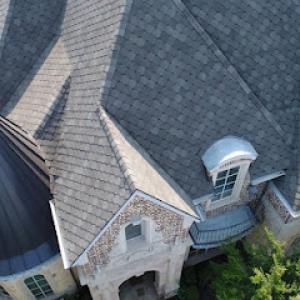
Springtree Restoration- Gainesville
(940) 301-4423 www.springtreetx.com
502 E California St, Gainesville, Texas
5.0 from 25 reviews
Springtree Restoration is a local North Texas based company, serving both residential and commercial customers. We specialize in storm, fire, and water restoration. As a full service general contractor, every job is performed to the highest quality standards and in the most professional way. We take pride in being transparent with our customers and showing integrity in all we do.
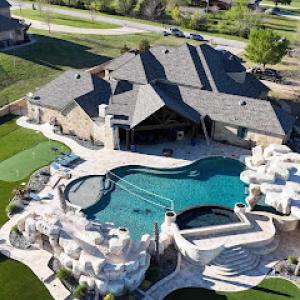
TS Roofing & Construction
1564 Cr 327, Gainesville, Texas
4.9 from 31 reviews
At TS Roofing and Construction, we provide top-quality roofing services to homeowners and businesses in Gainesville, Texas, and surrounding areas. With years of experience, our team specializes in roof repairs, replacements, new installations, and inspections. We’re committed to using high-grade materials and delivering reliable, long-lasting solutions to protect your property. Whether it's storm damage, leaks, or a full roof upgrade, you can count on us for honest pricing, timely service, and exceptional workmanship. Licensed, insured, and locally trusted — your roof is in good hands with us.
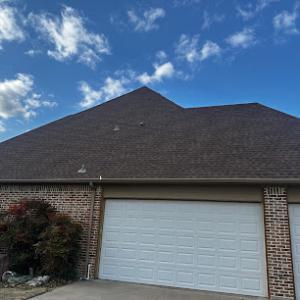
Don Hunter Roofing
(940) 736-6750 www.donhunterroofingllc.com
1309 Hillside Dr, Gainesville, Texas
5.0 from 9 reviews
At Don Hunter Roofing, we understand the importance of a durable and aesthetically pleasing roof for both your home and business. Our wealth of experience in the roofing industry allows us to offer comprehensive solutions tailored to meet your specific needs. Whether you’re looking for a full roof replacement, repair, or insurance claim, our team is equipped to deliver exceptional results with professionalism and attention to detail.
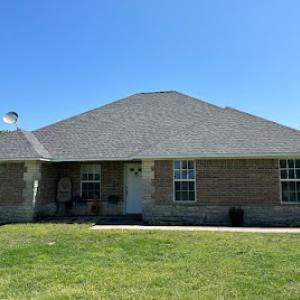
Cooke County Roofing
(940) 665-1056 www.cookecountyroofingtx.com
2202 US-82, Gainesville, Texas
4.4 from 14 reviews
Cooke County Roofing is a family owned and operated roofing company proudly serving Northern Texas and Southern Oklahoma since 1977. With nearly five decades of experience, we are committed to providing top-quality roofing solutions for both residential and commercial clients. Specializing in re-roofing, new construction, and roof repairs, offering services for shingles and metal roofs, guttering and custom metal work for residential and commercial properties.
D & H Roofing
(940) 668-8814 www.dhroofingco.com
302 S Grand Ave, Gainesville, Texas
4.6 from 9 reviews
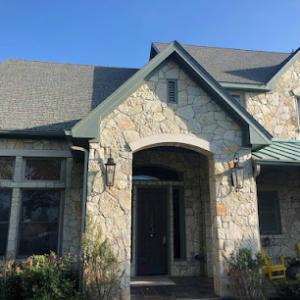
D & H Roofing serves the Gainesville, Texas area. We are locally owned and operated, and are GAF certified.
Maranatha Roofing Professionals
(940) 279-6391 www.maranatharoofingpros.com
Serving
5.0 from 51 reviews
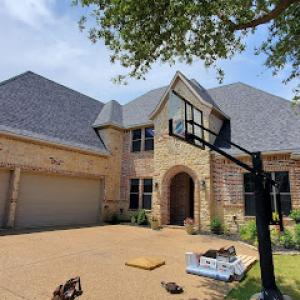
North Texas owned and operated, complete roofing service, specializing in residential and commercial roof replacements. Maranatha Roofing Professionals has 25+ combined years of experience in the roofing industry. We take pride in our quality workmanship, and use only the best materials in the industry. We guarantee all of our customers will be satisfied when the installation is complete. At MRP, we will work hand in hand, from start to finish, with the homeowner's insurance company, ensuring all storm related damaged roofs and gutters are returned to their pre-storm condition. We always implement industry standard estimating software. Many upgrade options offered. We are an honest company with Christian values that you can trust.
Lankford Roofing & Construction
(903) 465-7677 www.lankfordroofing.com
Serving
4.9 from 308 reviews
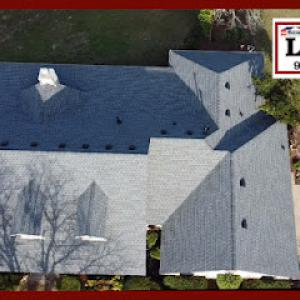
Since 1937, Lankford Roofing has been providing worry-free roofing solutions to Texoma Area. From gutter services to new shingle roofs, metal roofs, flat roofs, and emergency repairs, our honest and hardworking team takes a great deal of pride in the quality of their work. Customer satisfaction is our number one priority, and we are always happy to provide you with a free estimate for shingle roof damage repairs. To find out more information, give us a call today!
Wilson Roofing
Serving
4.8 from 18 reviews
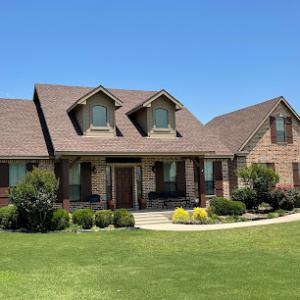
Family owned and operated residential roofing experts serving Denton county and surrounding areas since 1983.
Alpha Roofing & Restoration
(817) 330-9250 roofbyalpha.com
Serving
4.9 from 51 reviews
Alpha Roofing & Restoration is a premier general contractor serving Texas, Arkansas, and Idaho. We are here to educate homeowners on their options, help people understand the roofing process, and provide a consultative experience. We aim to provide the best possible solution for your property. We believe that we are much more than a construction company, we are a people company. This is what we do. Our team, our process, and our roofing systems are built different.
Greystone Roofing & Construction
(469) 202-7205 greystone-roofing.com
Serving
4.9 from 42 reviews
Established in 2008, Greystone Roofing & Construction specializes in high-quality residential and commercial roofing projects throughout the Dallas-Fort Worth area, including Frisco, McKinney, Denton, Plano, Argyle, Roanoke, and Aubrey. Led by Haag Certified Roofing Inspectors, their highly skilled in-house crew utilizes only the finest materials, ensuring quick turnaround and excellent craftsmanship for roof replacements, repairs, and maintenance. With a focus on metal roofing and storm damage restoration, Greystone Roofing is dedicated to providing exceptional customer service for every project, making them a trusted choice for homeowners and businesses in the region.
Glory Roofing & Construction
(940) 368-8240 roofingglory.com
Serving
5.0 from 16 reviews
Glory Roofing and Construction is committed to meeting your needs whether that be a roof repair, roof replacement, water mitigation, and build back.
Garcia Roofing- roofing replacement in valley view tx- roofing installation- roofing repair
Serving
5.0 from 1 review
Whether you need new roofing installation, repairs, or a replacement, you can count on our roofing contractors! For years, we have diligently handled all types of roofing projects in town. We follow the best roofing practices, regardless of the material in order to ensure a quality result.
Spring and fall are your best bets for roof work. In this North Texas climate, those windows avoid the worst of the summer heat while still giving you a solid stretch to complete projects before winter storms. If a spring hail event hits, you'll have a clearer path to assessment and repairs before the next storm season. In fall, cooler days make handling shingles and other materials easier, and you're less likely to fight blistering heat during the final stages of installation and sealing. Use these seasons to schedule inspections, prepped repairs, and any low-slope tasks that rely on steady temperatures.
For spring starts, aim to begin after the last big cold snap but before peak April storms. That helps avoid shingle warranty concerns tied to rapid temperature swings and reduces the risk of heat-induced adhesive slippage during application. In fall, target a window with dry, moderate weather and predictable wind patterns so you can stage materials without heat-related warping or moisture concerns. If a storm early in the season interrupts work, plan a quick recheck of flashing, vent seals, and any wind-damaged components before you close out the project.
Extreme summer heat accelerates shingle aging and can complicate adhesive performance during installation. If work must run into hot days, schedule the most labor-intensive steps for morning hours and use temporary shade or reflective covers to keep installers productive without compromising sealant performance. Ensure crews have access to steady water and brief rest breaks to prevent heat-related delays or mistakes. Avoid rushing critical sealant cures in the heat; extend curing windows and verify roof deck dryness before final sealing.
Occasional winter cold fronts in this area are usually less dominant than hail season, but they can still slow scheduling and material handling. Cold snaps may stiffen certain underlayments or affect asphalt-based products, so plan for a couple of contingency days if a front is forecast. Have a plan for safe material storage and staged outdoor shelter, so crews can continue work when temperatures dip without compromising shingle integrity or fastening performance. While winter can slow pace, it also provides a quieter period for inspections that were postponed during spring hail events.
Storm windows matter in this market. After a hail event, arrange a rapid damage assessment to determine if temporary repairs are needed and to document findings for insurance conversations. In between storms, use the favorable spring and fall seasons to address any pre-existing issues-loose flashing, missing nails, or worn vent seals-so that the next high-wind season doesn't surprise you. Keep a simple log of wind events and hail dates to help prioritize follow-up work and to guide future maintenance planning.
Asphalt shingles remain the workhorse on many Gainesville homes, and for good reason: they're familiar, affordable, and quick to install. In this environment, though, repeated spring hail exposure means you'll want shingles with higher impact resistance and a plan for monitoring granule loss after big hail events. Look for rated impact resistance (often labeled as an impact or duration rating) and a robust coating that resists granule shedding. After a heavy hail season, inspect the roof for blisters, lifted tabs, or punctures, especially along edges and in valleys where stress concentrates. Aesthetics matter less than a strong seal and the ability to maintain a watertight barrier through the next storm cycle.
Metal is popular locally because it handles the heat of North Texas summers well and can shed rain and hail more cleanly than many other systems. The upside is longevity and reflectivity that helps curb heat gain. The key here is attention to hail appearance and panel detailing. Small dents may not compromise performance, but visible dimples or dented edges can be a claim trigger if the storm neighbor sees it as damaged curb appeal. Choose panel profiles with stepped or concealed fasteners where feasible to minimize open penetrations. Ensure attic venting and underlayment choices support the metal's thermal expansion and contraction behavior, since rapid temperature swings can stress fasteners and seals after a hail event.
Clay and concrete tiles offer standout durability in some climates, but Gainesville's spring hail and wind dynamics demand careful evaluation. Heavier systems place more load on the structure, so verify the roof framing and rafter span can carry the weight without excessive deflection. Concrete tiles often resist hail well but can crack if hail is large or striking at steep angles. Clay tile tends to be brittle and may crack under impact, which creates vulnerable gaps if the underlayment is not adequately protected. Wind uplift becomes more pronounced with tile, so look for proper install details, interlocking patterns, and sealant strategies that keep fasteners secure through gusty storms.
Wood shakes and shingles deliver a classic look but bring mixed performance in hail-prone settings. They're more susceptible to hail impact and can suffer rapid granule or surface wear as the surrounding weather cycles through very hot days and cooling nights. If choosing wood, select treated or naturally durable varieties and plan for stricter maintenance to prevent moisture intrusion after hail hits. Pay attention to the underlayment and flashing around chimneys, vents, and valleys, where rain-driven hail can exploit minor gaps.
Synthetic shingles and composites aim to blend resilience with familiar aesthetics. In Gainesville's climate, these products often offer excellent impact resistance and lower long-term maintenance compared with some natural materials. While appearance can be customized, ensure the chosen product's warranty explicitly covers hail exposure and wind uplift performance. Compatibility with existing fasteners, underlayment, and flashing details matters, especially on older homes that have settled or shifted over time.
A full re-roof in this area normally isn't treated as a casual contractor job. The local code officials expect a building permit, and the contractor typically pulls that permit. That means the paper trail and scheduling flow through the permit office, not just the crew's word or a stack of invoices. Your first step is to confirm the project scope with the contractor and request the permit number once it's opened. If the contractor balks at handling the permit, treat that as a red flag and ask for the permit to be issued in writing to the company responsible for the work.
inspections in this area generally happen at clear milestones rather than at random intervals. Expect an underlayment inspection once the roof deck is laid and the underlayment goes down, ensuring the roofline, venting, and drip edge meet local standards. A final inspection follows after the shingles or chosen roofing material are fully installed, flashings are complete, and the system is tied into the attic ventilation and drainage plan. If a specialty underlayment or venting upgrade is called for by the permit, this may trigger an intermediate check. Being present or having your contractor present at each milestone helps keep the process moving.
Under spring hail and wind pressure, some neighborhoods carry additional reporting requirements before the permit can be closed out. Wind mitigation documentation may be requested to demonstrate proper nailing patterns, roof geometry, and certain protective features. If your street or block has this requirement, coordinate early with the contractor to prepare the needed notes, photos, or official forms. Missing mitigation items can stall final clearance, so a proactive check with the permit office and the insurer strengthens the likelihood of a clean closeout at the end.
In some Gainesville areas, the plan review can take a bit longer if the project intersects with historic district rules, local high-wind zones, or recent code updates. Expect the schedule to hinge on how quickly the permit office processes the submission and how promptly the contractor responds to plan requests. If a permit lapses or an update is required, address it quickly to avoid delays that ripple into inspections and final approval.
After the final inspection, your file will trend toward closeout. In addition to the usual final documentation, prepare to supply any wind mitigation or neighborhood-specific reports that may be requested. Keeping a clean, organized set of permit records and inspection receipts will smooth out the post-work insurance documentation and any potential future resale checks.
Typical Gainesville material ranges are about $350 to $700 per square for asphalt shingles, $700 to $1200 for metal, $900 to $1400 for clay tile, $900 to $1300 for concrete tile, $600 to $900 for wood shingles or shakes, and $500 to $900 for synthetic or composite shingles. When you're budgeting, these ranges come from the local mix of homes and existing roof pitches found across North Texas neighborhoods that double as storm-resilient stock. In practice, your square cost will hinge on roof complexity, attic ventilation needs, and the current condition of the deck, which guides underlayment and fastener choices.
Spring hail and wind drive demand spikes in North Texas, and Gainesville crews, materials, and inspection slots can tighten up quickly after a major event. If a hailstorm hits, you should expect prices to move upward for a window of weeks as contractors juggle new assignments and supply chains. The same storm timing affects scheduling for inspections and any needed repairs, so plan for potential scheduling bottlenecks in the weeks immediately after a hail event.
The cost picture for a Gainesville roof is rarely just the sticker price on shingles. Material cost is the backbone, but every job encounters real-world factors that push totals beyond base pricing. The most common add-ons you'll see include upgraded underlayment for better wind resistance, starter and hip/valley shingles, and enhanced nail guns or fasteners designed to stand up to North Texas winds. If you're comparing bids, expect each contractor to itemize these line items so you can see where your dollars go and whether a higher upfront quote includes longer-lasting materials or a faster turnaround that could reduce downtime on your home.
For many homeowners, the decision often comes down to balancing short-term affordability with long-term durability against spring storms. If you're prioritizing resilience, note how the bid aligns with expected post-storm performance, not just the lowest per-square price.
Hail-related bruising shows up as dimples or soft indents on shingles, especially on asphalt and decorative tabs, with granule loss leaving the underlayment more exposed. In this area, wind-lifted shingle tabs are a common issue after spring storms, and those loose tabs can loosen further with every high-wind gust. Coastal moisture and salt-air corrosion aren't the dominant culprits here; instead, these Gainesville-specific patterns shape where leaks may start and which roof areas demand closer after-storm checks.
Repeated heat exposure from North Texas sun accelerates aging of asphalt systems, so older roofs become more fragile when spring storms arrive. The heat-softened shingles are more prone to micro-tears during hail impacts, which means a visually intact roof after a storm may still harbor hidden weakness. Pay attention to granule loss that reveals the asphalt beneath, a telltale sign the roof is closer to the end of its useful life and less able to absorb future hail impacts.
Rushed projects after regional storm events tend to produce documentation gaps and incomplete closure steps in the local permit process. That can leave homeowners with insufficient records for insurance or future repairs, and with unresolved flashing or ridge work that isn't fully sealed. When a storm hits, slow down enough to verify every roof plane has proper shingle seating, that tabs aren't fluttering in high wind, and that granule loss isn't masking deeper recession in the underlayment.