
Last updated: Apr 19, 2026
Spring in the Dallas-area brings intense hail and wind events that hammer roofs across Carrollton's built-out neighborhoods. The damage often isn't obvious from the ground-it's the hidden bruising on underlayment, decking, and lower slopes that becomes the critical evidence insurers trust. Your best defense is a rapid, thorough documentation effort: take high-resolution photos and videos from multiple angles, including close-ups of granule loss, dented metal components, lifted shingles edges, and chimney and vent openings. A dated record showing the storm's timeline helps connect the damage to a single event, which is essential in this market where insurers scrutinize claims carefully. If you're able, schedule a professional roofing inspection within days of a storm; a trained eye can spot issues that aren't visible from ground level and flag vulnerable areas before secondary leaks develop.
Carrollton sits in a zone where storm pattern behavior often results in damage that spans substantial portions of a roof. Insurers increasingly expect to see documentation that demonstrates storm-related impact across enough roof slopes to justify a full replacement rather than isolated repairs. If damage is scattered across one or two slopes only, a repair path might be pursued; spread across most or all slopes, and a full replacement becomes a more likely outcome. The goal is to frame the claim around a comprehensive assessment: show the pattern, not just the most damaged corner. A contractor's estimate that aligns with the documented damage, and clearly notes why a full roof system is warranted, can carry substantial weight in the decision-making process.
When North Texas storms unload, demand spikes quickly. In Carrollton, that surge translates to longer scheduling times for inspections, appraisals, and installations. If a hail event hits hard, expect a delay between the initial claim submission and the start of work. The window can stretch as local storm activity draws multiple homeowners to the same contractors. To minimize disruption, initiate your claim promptly, secure a reputable contractor early, and coordinate a pre-season weather-aware plan. Having a contractor prepared to provide a detailed, photo-backed estimate that matches your documentation can shorten the back-and-forth with the insurer and move the process toward resolution more efficiently.
Start with a storm-day photo log from the moment hail is reported. Photograph all visible surfaces from a ladder-safe height, focusing on edge lift, shingle curl, and any denting on metal components like flashing, vents, and gutters. Contact a trusted local roofing pro for a no-obligation inspection within a few days of the storm, and ensure their written assessment mirrors the photo record. When you receive an estimate, review how it aligns with the damage pattern you documented-emphasize coverage for a full-system replacement if the evidence supports it. Finally, keep a dated, organized file of all communications and materials; insurers frequently reference these records when evaluating claims and scheduling timelines.
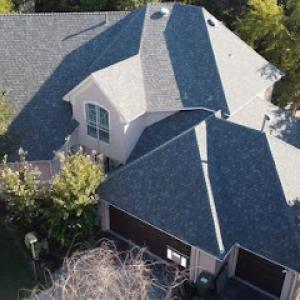
Results Roofing
(469) 270-8037 resultsroofing.com
2828 E Trinity Mls Rd Ste 212, Carrollton, Texas
5.0 from 1579 reviews
Results Roofing provides Carrollton, TX, homeowners and businesses with durable, dependable roofing solutions. Our experts handle all projects efficiently, from repairs and maintenance to new roof installations. We use high-quality materials and the latest techniques for long-lasting results. We're committed to top-notch craftsmanship and excellent customer service, guiding you through every step, including insurance adjuster meetings. Get a free, no-obligation roof inspection to protect your home today!
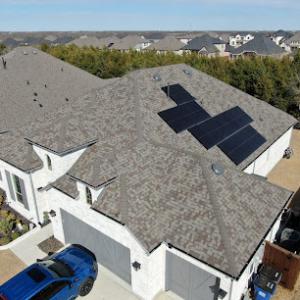
Roofing Ranger
(469) 810-0444 roofingranger.com
1510 Randolph St Suit 607, Carrollton, Texas
5.0 from 366 reviews
Roofing Ranger is a roofing contractor in Dallas-Fort Worth serving Plano, Allen, Carrollton, Frisco and nearby areas. Our roofing company offers roof replacement, roof repair, storm damage repair, asphalt shingle, metal, slate, cedar, tile and more. We also specialize in siding, gutters, solar installation, & fencing. Customers love us because of our comprehensive roof warranties and our affordable roof financing options. We also have industry affiliations and certifications such as Owens Corning - Preferred Contractor. If you want to experience how your most trusted Stockton roofing company embraces our motto “Don't be a stranger, call Roofing Ranger", call us now for a free estimate!
B&C Quality General Contractors
(469) 226-9198 www.bncqualityroofs.com
1715 N Broadway St, Carrollton, Texas
5.0 from 115 reviews
We have been in business for over 20 years now! Family owned and operated. Experts in roofing, remodeling, fencing, painting, and much more! Give us a call today and let’s get started on your next project!
Superior One Roofing & Construction
(972) 893-3374 www.s1roofing.com
1313 Valwood Pkwy #240, Carrollton, Texas
4.9 from 230 reviews
Superior One Roofing & Construction stands as a premier local roofing contractor in the DFW Metroplex, offering top-notch services to our valued clients. With over 40 years of experience in the industry, we have established ourselves as a trusted and reliable choice for homeowners. As a licensed, bonded, and insured local contractor, we prioritize delivering exceptional service and ensuring customer satisfaction. Superior One Roofing & Construction goes the extra mile to provide the best quality solution for each client. Whether it's a repair or a complete roof replacement, our highly trained technicians are equipped to handle various projects. With our reliable and professional approach, we are your trusted partner from start to finish.
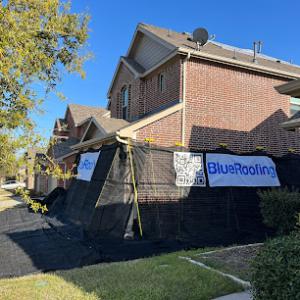
Blue Roofing
2408 E Trinity Mls Rd Apt 120, Carrollton, Texas
5.0 from 138 reviews
Blue Roofing, LLC is a roofing company that offers services such as metal roof replacements, tile roof replacements, and asphalt roof replacements for residential and commercial roofing. Operating in Carrollton, TX, and nearby areas, we are committed to serving our communities and ensuring our customers are satisfied with our services. A broken or leaky roof can have a lot of consequences and effects on your home or business, that’s why our experts will ensure that your roof is repaired or replaced so you never have to worry about it again. We are a family-owned company dedicated to providing the best roofing service in Carrollton, TX with the latest technologies and techniques. So call now to have your roof repaired.
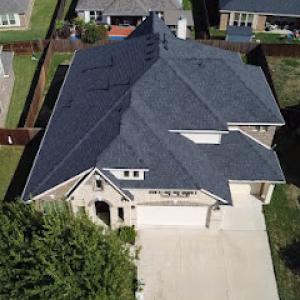
Legacy Roofing & General Contracting
(972) 900-4591 www.legacyroofinggc.com
Carrollton, Texas
4.9 from 353 reviews
At Legacy Roofing & General Contracting, we pride ourselves on being more than just a local business – we are your neighbors in Dallas, TX. Specializing in both residential and commercial roofing, as well as comprehensive home improvement services, we are Texas' one-stop solution for excellence. From the first assessment to the final touches, our team ensures impeccable workmanship and solutions tailored to your needs. Our commitment? Unwavering customer satisfaction and a promise to deliver results that stand the test of time. Choose Legacy Roofing and embrace the confidence that comes from partnering with the best. Your property deserves nothing less.

HomeOver General Contractors
(972) 836-9895 www.homeovercontractors.com
1609 W Hebron Pkwy Suite 120, Carrollton, Texas
4.9 from 267 reviews
HomeOver General Contractors is the company to call for residential and commercial roofing services in the Carrollton, TX and surrounding areas. You can trust our team to install, replace or inspect your roof. Discuss your needs with our team, and we'll go above and beyond to meet them. The team has over 22 years of experience in the roofing industry and loss claim assistance. HomeOver General Contrctors is accredited by the Better Business Bureau with A+ rating, and highly recommended by our customers. Call today to schedule your service with skilled roofing contractors for roof installations, roofing materials, asphalt shingle roofs and storm damage repairs.
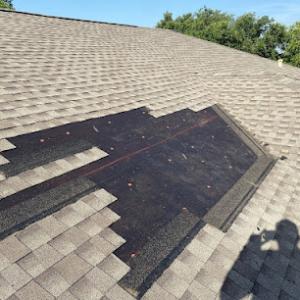
Dane Roofing
(469) 585-3263 www.danesroofing.com
Carrollton, Texas
4.9 from 116 reviews
Dane Roofing is a Dallas-based roofing contractor serving homeowners and businesses throughout Dallas, TX and surrounding North Texas communities. We specialize in roof repair, full roof replacement, storm and hail damage restoration, leak detection, emergency tarping, gutters, and skylights. With over 20 years of experience and more than 115 five-star reviews, Dane Roofing provides honest inspections, detailed documentation for insurance claims, and high-quality workmanship on every project. Call 469-585-3263 for a free roof inspection in Dallas, TX.

SEI Roofing
2530 Tarpley Rd Ste 200, Carrollton, Texas
4.8 from 125 reviews
At SEI Roofing, customers will find a team of highly skilled roofing experts in Carrollton, Dallas, and beyond. Since 1997, they have provided a comprehensive range of services to ensure your roof is attractive, functional, and in excellent repair. They work tirelessly to offer detailed craftsmanship that few other companies can match. This team offers services such as roof repair, roof replacement, roof inspections, insurance claim assistance, gutter services, interior and exterior painting, siding, and fencing. No matter how large or small your project may be, you can rest assured that SEI Roofing is prepared to assist you and get the job done right. Call today to schedule a free roof proposal!
RX Roof
2201 Midway Rd Apt 114, Carrollton, Texas
4.6 from 225 reviews
Formerly Ashco Exteriors, RX Roof and its representatives are the neighbors you can turn to for support before, during, and after even the worst of storms. Our service speaks for itself repeatedly and word of mouth travels quickly. Although there are many complex components at work in the business of construction, we are committed to consistently doing the job right the first time. As an award-winning restoration contractor, RX Roof offers free inspections, industry-leading technology and a comprehensive spectrum of roofing replacement and repair solutions.
Erie Home
3333 Earhart Dr Suite 310, Carrollton, Texas
4.4 from 184 reviews
Since 1976, Erie Home has manufactured, supplied, and installed the best-performing roofing on the market. By providing ironclad warranties and convenient financing, we ensure that every homeowner we work with receives top quality service and value for their homes and properties. Erie Home professionals are the roofing company of choice in the greater Dallas, TX area. Whether you need roof inspections or roof damage repair services, Erie Home has been the go-to roofing contractor for nearly 50 years because of our attention to detail and dedication to making sure our customers are satisfied with their results. Contact us today for a quote and see why we're the trusted roofing company Dallas counts on.
Roof4You Construction
(469) 300-1208 roof4uconstruction.com
Serving
5.0 from 174 reviews
Roof4You Construction is a trusted roofing company based in Plano, TX, providing reliable roofing solutions for homes and businesses. Our experienced roofing contractors specialize in roof repair, roof replacement, and commercial roofing projects. We handle a wide range of materials, including shingles, tile, and metal roofing, ensuring each roof is built for durability and long-term performance. Whether you’re searching for “metal roofing near me” or need expert roof maintenance, Roof4You Construction delivers dependable workmanship and professional service throughout the Plano area.
Carrollton's residential roofs typically fall into six main categories: asphalt shingles, metal roofing, clay tile, concrete tile, wood shingles or shakes, and synthetic or composite shingles. Asphalt shingles remain a practical default for many homes, balancing ease of installation with broad color and style choices. Metal roofing is increasingly common on newer additions or mid-story homes, valued for strong heat resistance and longevity in the Texas sun. Clay and concrete tiles bring a distinctive look and long service life, though their weight and attic cooling dynamics demand careful structural planning and proper flashing details where transitions occur. Wood shingles or shakes offer a traditional, textured appearance but require mindful maintenance to prevent moisture issues in shaded or high-humidity corners. Synthetic or composite shingles provide some of the aesthetic flexibility of wood or tile with enhanced impact resistance and lower maintenance, which can be appealing in areas with hail exposure. In many Carrollton properties, you'll see combinations of these materials, especially where additions tie into existing steep-slope roofs or where flat or low-slope sections meet steeper main roofs.
The hot summers and strong UV exposure in this market accelerate aging, particularly for asphalt and wood products. Asphalt shingles can weather unevenly if exposed to repeated sun glare on south-facing elevations, leading to granule loss or color fading over time. Metal roofs handle heat well, but some coatings can oxidize or chalk with prolonged sun; choosing a factory-applied reflective coating helps keep attic temperatures lower and reduces thermal cycling. Clay and concrete tiles resist surface wear, yet their colorfastness still matters, and their mass means more noticeable thermal expansion and contraction. Synthetic shingles typically blend resilience with color stability, but verify the product's performance under high-UV exposure and hail. When you compare options, look for UV-rated warranties, color stability notes, and hail impact ratings that reflect local weather patterns. In a built-out suburb with mixed roof lines, the ability of a material to handle repeated solar exposure while aging gracefully becomes a practical decision driver.
Many homes mix steep-slope sections with lower-slope or flat areas, so transitions and flashing become a practical local concern. Ensure that perimeters, valley intersections, and step-throughs are detailed to prevent water intrusion where different roof planes meet. Materials with different expansion rates-tile versus shingle, for instance-need compatible flashing and proper backing to accommodate movement. Pay particular attention to edge details around parapets, chimneys, and skylight collars, since these are common leak points after storms. The most durable installations use continuous underlayment, well-sealed penetrations, and well-mated transition pieces that respect the geometry of the house.
Start by evaluating the existing roof's silhouette and the addition's influence on water flow and ventilation. If hail history is notable, lean toward materials with higher impact resistance and robust underlayment. Consider reflective or light-colored options to mitigate heat gain on roof surfaces that receive intense sun exposure. For homes with stylish or historical aesthetics, clay or concrete tile can preserve character while delivering longevity, provided the structure accommodates weight and flashing needs. If budget constraints favor a quicker replacement, asphalt or synthetic shingles offer efficient performance with reliable warranties. In all cases, prioritize a unified color story across transitions to maintain curb appeal and reduce heat absorption on darker surfaces.
In a storm-prone market, plan for post-storm documentation and thorough inspections. After any hail event, inspect not just shingles but flashing, valleys, and fasteners, since concealed damage can undermine a roof's long-term behavior. Choosing materials with documented performance in hail regions and coordinating with a trusted contractor for a wind-driven debris assessment helps ensure the roof remains resilient through future Texas weather.
Carrollton's hot summers accelerate asphalt shingle aging, granule loss, and thermal wear compared with milder climates. You'll notice accelerated granule shedding after several summers of strong sun, which can make shingles look chalky or faded sooner than expected. In metal or tile roofs, heat can expand and contract fast, potentially stressing fasteners and sealants over time. The practical takeaway is to inspect after peak heat events, looking for unusual curling on shingles, loose granules in gutters, or small granules in the yard that aren't from nearby trees. For a home with an asphalt roof, plan a mid-summer inspection cadence that targets early signs of wear rather than waiting for a visible leak.
High summer temperatures in North Texas can restrict workable roofing hours, which affects project pacing and can push homeowners toward spring or fall replacement windows. When scheduling work, aim for early morning starts and late afternoon wraps to avoid the brutal heat of midday. If a project stretches into August, expect occasional slowdowns from heat buildup in the attic and rapid surface drying that complicates sealant and adhesive curing. For a roof replacement, consider staging tasks to cooler days, and coordinate material deliveries for first light or late afternoon, so crews aren't forced to labor under peak sun. This approach reduces the risk of heat-related fatigue and helps maintain consistent workmanship.
UV exposure in Carrollton is a major lifespan factor even when a roof has not suffered obvious hail impact. Ultraviolet radiation accelerates aging of roofing fibers, loosens fasteners over time, and can degrade underlayment beneath shingles. Even when the exterior looks intact, reflective heat and sun exposure can weaken edge and drip components, increasing the chance of minor leaks during seasonal shifts. Regular inspections should focus on edge flashing, valley seals, and the condition of the underlayment near the eaves, where sun exposure is most intense. If a homeowner notices faster-than-expected fading or granule loss, a proactive assessment may reveal that replacement or reinforcement is warranted earlier than anticipated.
A building permit is typically required for a full re-roof, and the City of Carrollton Building Inspections department handles permit issuance. Your project should be treated as a formal construction activity, not a casual replacement, so start with the permit process before any shingles come off. The permit helps ensure that the work meets local codes for structure, ventilation, underlayment, and drainage, which is especially important in a neighborhood with mixed roof types and an aging built-out stock.
Contractors generally submit the project scope and roofing materials to the city, and inspections are scheduled during and after the work to verify installation and weatherproofing. These inspections typically confirm that deck resheathing, underlayment, nailing patterns, and flashing meet code, and that ventilation is adequate to prevent attic heat buildup and moisture problems after a storm. Expect to provide details such as roof shape, pitch, existing venting, and the chosen roofing system. If a plan is drawn or a product change is proposed, the permit office will want to see confirmation that the change aligns with code requirements.
Some projects may trigger plan review when roof deck work is involved or when the reroof includes significant material changes. Plan review can add time to the project, so discuss potential triggers with the contractor up front. In cases where the deck is being rebuilt or reinforced for added wind load, or where heavy-duty roof systems (like certain metal, tile, or synthetic options) are proposed, expect closer scrutiny. The goal is to verify structural adequacy and compatibility with existing skylights, vents, and parapets.
Before scheduling inspections, ensure that work aligns with permit stipulations, including approved materials and installation methods. Keep a clear record of all inspections, weather delays, and any deviations from the approved plan. If a storm-related re-roof is tied to an insurance claim, maintain documentation of the permit status and inspection outcomes to streamline claims and potential code verification needs during the process.
Typical Carrollton pricing ranges provided for this market are about $350 to $750 per square for asphalt shingles, $800 to $1500 for metal, $1000 to $2500 for clay tile, $900 to $1700 for concrete tile, $600 to $1100 for wood shingles or shakes, and $700 to $1300 for synthetic or composite shingles. Those numbers reflect the mix of roofing styles most common in built-out neighborhoods with asphalt being the standard, but with a noticeable share of tile and metal in older, higher-end homes. In practice, a straight install of an asphalt shingle roof often lands toward the middle of that range, while specialty tiles or metal can push costs higher. For homeowners budgeting ahead of a claim or replacement, pairing your material choice with the roof's size-measured in squares-helps anchor a realistic ceiling.
Costs in Carrollton can rise after major North Texas hail events when regional demand surges for labor, tear-off crews, and replacement materials. When the sky opens up and a neighborhood feels the impact, crews may be scarce and material lead times can stretch. That dynamic can translate into higher bids and occasional delays, even for roofs that look straightforward. If your roof is due for a replacement after a storm, expect bids to vary not just by material type, but by crew availability and scheduling windows. In practice, plan for a buffer on the high end of the typical ranges if a hail event coincides with peak contractor demand.
Project pricing can also increase when a Carrollton reroof includes deck repairs, material upgrades that require additional review, or mixed roof sections that need more flashing and detail work. If the deck has soft spots or the underlayment needs replacement, that adds labor and materials beyond a simple shingle swap. Mixed roofing-combining asphalt with tile or metal, or working over older sheathing-can require extra fasteners, flashing, and edge treatments. These refinements push the bill beyond the base per-square costs and should be anticipated in the estimator's line items. This is particularly true in neighborhoods where re-roofs must blend with existing rooflines and architectural details.
Get a clear picture of your project costs upfront - no commitment required.
Roofing Ranger
(469) 810-0444 roofingranger.com
1510 Randolph St Suit 607, Carrollton, Texas
5.0 from 366 reviews

SEI Roofing
2530 Tarpley Rd Ste 200, Carrollton, Texas
4.8 from 125 reviews
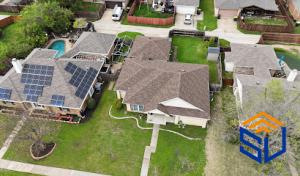
A high-claim environment plays out for Carrollton homeowners in a Dallas-area setting where hail and wind losses have increased scrutiny on roof claims. Storms move quickly through the summer, and a quick visual check isn't enough. Insurers expect a full picture: wind uplift on edges, granule loss, dented flashing, and valleys. A quick, undocumented claim could stall or complicate approval, especially if the roof is older or blends tile and metal.
Insurers serving this region often require thorough damage documentation, including photos, measurements, and contractor estimates, before approving major roof work. Take clear, well-lit photos from multiple angles, and include interior indicators if leaks exist. A simple digital log of dates and observed conditions helps; a dated diagram of roof sections and vents avoids interpretation gaps. Have a trusted local contractor prepare a detailed estimate that aligns with the measured damage and the roof's material type. This isn't just about getting a claim paid-it's about building a credible recovery path that stands up to scrutiny.
Regional market tightening has made proper mitigation records and clear storm documentation more important when pursuing coverage for replacement versus repair. When a claim is filed, expect questions about prior repairs, maintenance history, and the roof's exposure to the latest hail season. Consistency matters: ensure that your documentation matches what the adjuster sees on site, and be prepared for a possible second inspection. In Carrollton, a careful, photo-due-diligence approach can prevent delays and reduce the risk of a partial denial, even when the damage is real. Consistency and timing win claims in this market for covered roof repairs.
Connect with contractors who help homeowners navigate the claims process from damage assessment to final approval.
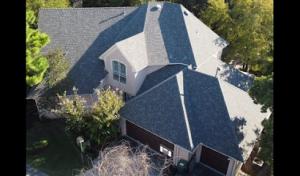
Results Roofing
(469) 270-8037 resultsroofing.com
2828 E Trinity Mls Rd Ste 212, Carrollton, Texas
5.0 from 1579 reviews
Roofing Ranger
(469) 810-0444 roofingranger.com
1510 Randolph St Suit 607, Carrollton, Texas
5.0 from 366 reviews
B&C Quality General Contractors
(469) 226-9198 www.bncqualityroofs.com
1715 N Broadway St, Carrollton, Texas
5.0 from 115 reviews
In Carrollton, spring hail commonly damages shingle surfaces and soft metal components, often leaving bruised granules and tiny divots that accelerate aging. Even when a roof looks mostly intact, hidden underlayers can suffer micro-cracks around valleys, joints, and edge areas. The consequence is a slower return to full performance, especially if debris collects in gutters and loosens seals. If a patch was done after a hail event, the lingering vulnerabilities may show up again with the next storm cycle, demanding closer inspection.
Summer heat compounds wear on already weakened roofs. High UV exposure accelerates aging of asphalt surfaces, softens sealants, and can cause adhesive-backed flashing to fail prematurely. Metal roofs expand and contract with scorching days, potentially loosening fasteners and reducing edge protection. Clay and concrete tiles may suffer from micro-fractures under temperature swings, inviting water intrusion in hidden spots. The result is a roof that looks sturdy but wears faster, making proactive maintenance essential for longer-term performance.
Autumn wind events in North Texas can lift or loosen roofing components and delay repair scheduling even after the main hail season has passed. Shingle tabs can peel back, metal edging can peel away, and raised sections catch more wind uplift. When repairs stall, moisture intrusion may creep in behind patched areas, complicating later fixes and increasing the risk of interior damage. Expect occasional after-storm checks, especially on high pitches or roofs with aging seals, so minor issues don't snowball.
Skylights, flashing transitions, and weatherproofing details are recurring weak points on roofs that have been patched after multiple storm cycles. Each patch can create a slightly altered surface where water can linger, seams can misalign, and fasteners can corrode over time. Regular, targeted inspections of these zones help catch subtle failures before they turn into larger leaks, reducing the odds of damage that expands beyond the visible area.
Find contractors experienced in skylight installation, flashing, and leak repairs to bring natural light into your home.
Results Roofing
(469) 270-8037 resultsroofing.com
2828 E Trinity Mls Rd Ste 212, Carrollton, Texas
5.0 from 1579 reviews
Roofing Ranger
(469) 810-0444 roofingranger.com
1510 Randolph St Suit 607, Carrollton, Texas
5.0 from 366 reviews
HomeOver General Contractors
(972) 836-9895 www.homeovercontractors.com
1609 W Hebron Pkwy Suite 120, Carrollton, Texas
4.9 from 267 reviews