Last updated: Apr 19, 2026
Spring severe weather in this North Texas belt turns a roof issue into an insurance claim more often than not. Hail and high winds arrive with a confidence you feel on the roof every season, and the impact isn't just cosmetic. A roof that looks fine from the curb can harbor hidden damage that compromises structure, insulation, and ventilation. In Aubrey, that means decisions are driven by what the adjuster sees and what your insurer will authorize, not by traditional maintenance schedules. This isn't a hypothetical risk-it's a practical, recurring pattern that shapes how fast a roof may need to be addressed after a storm.
Local contractor activity clusters around storm damage and insurance-driven replacements. When hail pummets shingles, granules loosen, and underlying decking can absorb moisture even if the surface appears intact. The urgency isn't only about protecting your interior from leaks; it's about preventing accelerated wear from heat stress with a compromised roof system. In a market where replacements frequently follow hail and wind, delaying a proper assessment can turn a manageable claim into a rushed, suboptimal repair job later on. If a storm has touched multiple roofs nearby, expect scheduling bottlenecks. A well-timed evaluation can keep the process moving and help avoid back-and-forth insurance negotiations that drag out your project.
Because hail events often blanket large parts of Denton County, Aubrey homeowners commonly encounter post-storm scheduling backlogs. Adjuster visits may be delayed, and temporary tarping becomes a practical necessity when crews are booked or weather windows are tight. This is not a sign that the roof is fine; it's a reality that the storm cycle can overwhelm local resources. When a hail event hits, the prudent homeowner starts documenting damage immediately-photos of impact patterns, lifted shingles, dented metal flashing, and any interior signs of water intrusion. This evidence speeds response and helps keep your claim from stalling on a busy day.
Action now beats waiting for a catastrophic failure. Initiate a professional assessment promptly after a storm, focusing on what the insurance company will consider repairable versus what clearly requires replacement. Seek a contractor who understands the Denton County climate and the types of damage hail can cause to different roofing materials. A local pro should test for moisture in the decking, inspect underlayment integrity, and evaluate vented attic spaces for heat-related damage. The goal is a clear, honest appraisal that aligns with insurance expectations and your long-term reliability needs.
Temporary tarps aren't optional in a backlogged market; they're a necessary safeguard against unexpected rain and high heat driving further damage. If a tarp is used, ensure it's secured properly and sized to cover vulnerable seams, valleys, and skylights. While awaiting the adjuster or a more thorough assessment, avoid risky DIY patches that can complicate claims or create hidden issues. A steady, documented approach-paired with a trusted local contractor who communicates every step-keeps the project moving and reduces the risk of surprise costs or delayed recovery.
James Kate Roofing & Restoration
(972) 400-4707 www.dallasftworthroofer.com
5295 US-377 Ste. 3, Aubrey, Texas
5.0 from 30 reviews
James Kate Roofing & Solar is your go-to roofing contractor in Aubrey, TX, offering top-notch roof replacement, inspection, and leak repair services with a modern twist—integrating advanced solar technology for enhanced energy efficiency. As a GAF President’s Club contractor, our certified team ensures every roof is durable, weather-resistant, and aesthetically pleasing. We specialize in solar shingle installations, seamlessly blending functionality and style to boost your home’s curb appeal and value. Whether you need prompt roof inspections or comprehensive replacements, James Kate Roofing & Solar is committed to delivering superior workmanship and outstanding customer service. Discover exceptional roofing solutions with us today!
Greystone Roofing & Construction
(469) 202-7205 greystone-roofing.com
203 Rockhill Rd, Aubrey, Texas
4.9 from 42 reviews
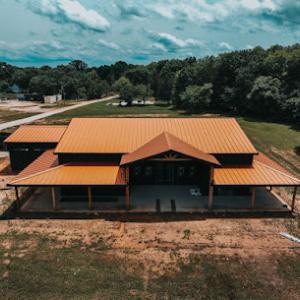
Established in 2008, Greystone Roofing & Construction specializes in high-quality residential and commercial roofing projects throughout the Dallas-Fort Worth area, including Frisco, McKinney, Denton, Plano, Argyle, Roanoke, and Aubrey. Led by Haag Certified Roofing Inspectors, their highly skilled in-house crew utilizes only the finest materials, ensuring quick turnaround and excellent craftsmanship for roof replacements, repairs, and maintenance. With a focus on metal roofing and storm damage restoration, Greystone Roofing is dedicated to providing exceptional customer service for every project, making them a trusted choice for homeowners and businesses in the region.
Glory Roofing & Construction
(940) 368-8240 roofingglory.com
209 Glory Ave, Aubrey, Texas
5.0 from 16 reviews
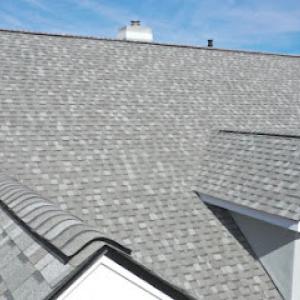
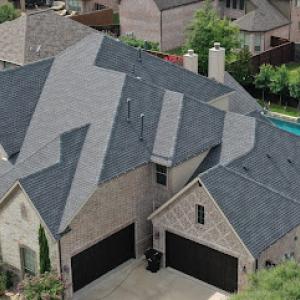
Glory Roofing and Construction is committed to meeting your needs whether that be a roof repair, roof replacement, water mitigation, and build back.
Lolex Roofing
(972) 345-2665 www.lolexroofing.com
Serving
5.0 from 45 reviews
Commercial and Residential Roofing Contractor

Down Home Roofing & Construction
(214) 726-6981 downhomeroofing.com
Serving
5.0 from 33 reviews
Down Home Roofing & Construction is family-owned and locally-operated, serving our surrounding communities of Collin, Tarrant and Dallas Counties. With 12 years of experience on all sides of the industry, we provide the highest quality roofing and construction services to homeowners with customer service that feels like family. • Free Roof Inspections • One Stop Hail Damage Repair • Stress-Free Roof Replacement • Insurance Claims Specialist • Deductible Assistance Program • Five-Year Labor Warranty • Full General Contracting
Kilker Roofing & Construction
(214) 471-6210 www.kilkerroofing.com
Serving
5.0 from 16 reviews
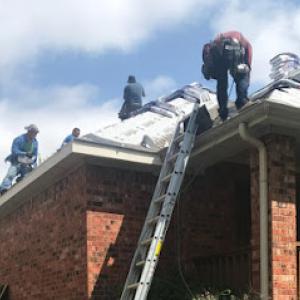
At Kilker Roofing & Construction, we take pride in providing top-quality roofing and construction services to residents and businesses in Frisco, TX. Our team of skilled professionals is well-versed in handling a wide range of roofing needs, including tile, EPDM, flat, and TPO roofs. Whether it's roof installation, repair, or storm damage restoration, we've got you covered. With years of experience, we've built a reputation for delivering reliable and durable roofing solutions. Our services extend to roof damage insurance claims, smoke, fire, and water damage restoration. We also offer gutter repair and installation, ensuring your property's overall protection. Contact us today and experience excellence in every project!
Innovate Roofing & Construction
(469) 496-7300 www.innovateroofingsolar.com
Serving
5.0 from 125 reviews
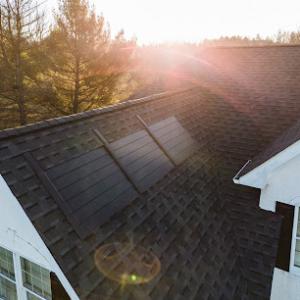
Innovate Roofing & Construction is a trusted roofing and general contracting company proudly serving the DFW, Waco, and Austin area. We specialize in residential and commercial roofing, storm restoration, and general contracting solutions. Our team is commented to quality craftsmanship, clear communication, and exceptional customer service from start to finish. We are proud to be a GAF Master Elite contractor, a distinction earned by less than 2% of roofing contractors nationwide. Fully insured and professionally trained, we stand behind our work and are dedicated to protecting homes and businesses in our community with durable, high-quality roofing systems and workmanship.
Joyful Roofing & Construction
(214) 793-6896 www.joyfulroofing.com
Serving
5.0 from 14 reviews
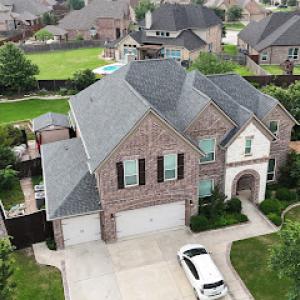
At Joyful Roofing, we serve Aubrey, Frisco, Prosper, Little Elm, Denton and the surrounding communities with Christ-centered values, honest communication, and expert craftsmanship. Every roof we build is a commitment to quality, integrity, and treating our neighbors the way we'd want our own families treated. From impact-resistant shingles to transparent insurance guidance, we do the job right — with joy, faith, and purpose.
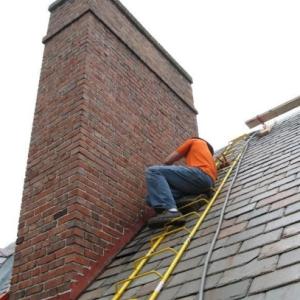
Southern Slate Roofing
(214) 707-0418 www.southernslateroof.com
Serving
4.8 from 19 reviews
Roofing & General Contracting
StormTech Roofing & Construction
(214) 226-8595 www.stormtechdfw.com
Serving
5.0 from 20 reviews
Protect your largest investment with our reliable roofing services. We are a locally owned and operated roofing company currently serving Frisco, TX and surrounding communities. If you want to make your roof last as long as possible, it is vital that you never put off a roof repair. Small issues with roofing become big issues in a hurry. No matter how major or minor the repair you need, we are here to help. We offer roofing contracting, roof replacement, and new roof installation.
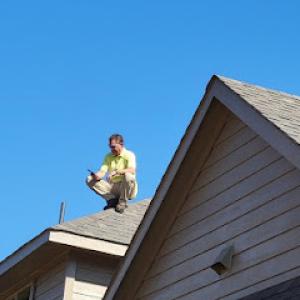
M.D. Roofing & Construction
(972) 834-3009 mdroofingpros.com
Serving
4.9 from 50 reviews
Your trusted, family-owned Frisco roofing & construction company for 17+ years. We specialize in expert roof repair, installation, siding, gutters, and complete storm damage restoration for North Texas homeowners and commercial properties. From roofing to siding, windows, and more, our comprehensive exterior construction services cover every aspect of your home's exterior. Serving Allen, Aubrey, Celina, Frisco, McKinney, Plano, Prosper & more. We live here, so we can usually offer same-day inspections! Get a FREE, no-obligation HAAG Certified Insurance Assessment from our team of master roofers & licensed insurance adjusters. Protect your investment and have confidence in your choice. Call M.D. Roofing & Construction today!
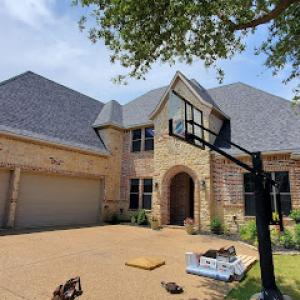
Maranatha Roofing Professionals
(940) 279-6391 www.maranatharoofingpros.com
Serving
5.0 from 51 reviews
North Texas owned and operated, complete roofing service, specializing in residential and commercial roof replacements. Maranatha Roofing Professionals has 25+ combined years of experience in the roofing industry. We take pride in our quality workmanship, and use only the best materials in the industry. We guarantee all of our customers will be satisfied when the installation is complete. At MRP, we will work hand in hand, from start to finish, with the homeowner's insurance company, ensuring all storm related damaged roofs and gutters are returned to their pre-storm condition. We always implement industry standard estimating software. Many upgrade options offered. We are an honest company with Christian values that you can trust.
In Aubrey, asphalt shingles dominate the roofscape because they balance performance, availability, and ease of repair with the town's heat and hail cycles. The North Texas sun punishes unvented attics and granules that shed too quickly, so focus on impact resistance ratings and granule integrity as you evaluate options. A shingle that resists granule loss during hail events helps keep your roof performing without exposing the underlayment or decking. Attic ventilation matters here more than in milder climates: a well-vented attic reduces heat buildup that can soften asphalt and speed aging, so plan intake and exhaust pathways that keep air moving from eave to ridge. In practical terms, ask for a shingle with a good impact rating, opt for a roofing system that highlights granule adhesion, and pair it with an effective soffit-to-ridge vent strategy. Shingle color and reflective capabilities also play a role in heat management average daily high temperatures in the area.
Metal has a visible specialist presence locally, and it's appealing if you're weighing a longer service life against storm performance. In this market, metal roofs can resist hail strike better than many lower-profile options, and the fast-growing climate means fewer concerns about rapid aging from heat if the system is installed with proper underlayment and ventilation. The caveat is the upfront cost and the potential for metal to dent under large hail, depending on panel profile and thickness. If choosing metal, prioritize panels with thicker gauges, proper sealants, and a design that distributes impact across the field rather than concentrating it at fasteners. Also verify that the chosen profile fits the neighborhood aesthetics and any weight considerations for existing structures. Proper attic ventilation beneath a metal roof remains important, especially in high-heat periods when metal can transfer more attic heat downward if the attic is poorly ventilated.
Tile and synthetic options show up in the market, but they require careful evaluation for storm breakage risk and replacement complexity. Traditional clay or concrete tiles bring long life and a distinct look, yet their weight means structural assessment and appropriate underlayment are essential before installation. In a tight hail cycle, tiles can crack or fracture, and each break creates a secondary path for water intrusion if not addressed promptly. Synthetic shingles and composite options offer some of the appearance of tile with lighter weight and easier handling, but they can be more susceptible to impact in some formulations. Consider whether the home's structure and the neighborhood style support the added profile and weight, and plan for potential localized tile loss or replacement complexity after hail events. If you lean toward tile or synthetic, ensure the system includes robust attic ventilation and a reliable impact-resistant underlayment to mitigate heat stress and weather exposure.
When a hail event occurs, the priority is documenting damage and coordinating a timeline that respects the insurance process and your existing roof's condition. Start with a careful exterior inspection of shingles, flashing, and vents, and schedule a professional assessment promptly, since rapid changes in sunlight and temperature can accelerate wear. If replacement becomes necessary, consider the material's longevity, the home's structure, and neighborhood style to determine whether a full replacement or a staged approach best preserves energy efficiency and performance. In all cases, ensure the replacement plan includes attention to attic ventilation, proper fastening, and attention to potential hidden damage in the decking or underlayment. This neighborhood tends to favor a thoughtful, staged approach to replacements that balances immediate storm recovery with long-term resilience.
You have solid local pricing to work from: asphalt shingles typically run about 350 to 700 USD per square, metal 600 to 1200, clay tile 900 to 1700, concrete tile 800 to 1600, wood shingles or shakes 600 to 1300, and synthetic or composite shingles 450 to 900 per square. This range reflects Aubrey's mix of standard suburban homes and a few larger, higher-end properties. Knowing these numbers helps you gauge bids after a hail event and spot prices that look out of line.
After a major hail event, storm-driven demand can push roofing schedules and pricing pressure higher, especially when many homes in the same area re-roof at once. If your street or cul-de-sac is getting re-roofs at the same time, expect tighter appointment windows and some movement on material lead times. In practice, that often means you'll want to line up estimates quickly, but still allow the contractor to review the roof with the same eye toward long-term performance you'd expect in a hot North Texas season.
Costs here are shaped by full tear-off versus overlay decisions, ventilation and flashing corrections flagged during inspection, and the mix of newer suburban homes versus larger custom properties around the area. A full tear-off commonly costs more upfront but can prevent hidden moisture problems and extend the life of the roof under hail conditions. An overlay might save money today, but you take on potential long-term risk if underlying decking or vents are compromised. Have the inspection clearly documentVentilation and flashing needs so bids reflect true remediation.
Hail damage often reveals or accelerates issues with attic ventilation and flashing around chimneys, walls, and skylights. When evaluating bids, prioritize bids that include upgrading or correcting ventilation and ensuring flashing is properly integrated with new roofing. These details protect against heat buildup and water intrusion during Texas storms, which otherwise erode the value of the investment quickly.
Plan for a window that accounts for potential weather holds and the possibility of being scheduled near neighbors' projects. If a full tear-off is chosen, anticipate higher initial costs but longer service life. If an overlay is pursued, confirm the existing decking condition and ensure a solid ventilation plan is in place. In practice, you'll want to reserve funds for a mid-season adjustment if supplemental hail repairs are needed, but with a clear line item for the core re-roof cost in the base bid.
Don't let upfront costs delay a critical repair - these contractors offer payment plans to fit your budget.

Custom Roofing Consulting & Construction - Frisco, TX
(469) 469-4202 teamcustomus.com
Serving
5.0 from 12 reviews
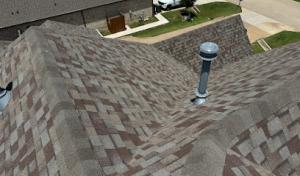
In this town where spring hail storms are a regular conversation and home ages vary from mid-century ranches to newer builds, a full re-roof is treated differently than a casual repair. A full re-roof in this area typically requires a building permit rather than being filed as an informal repair. This distinction matters because the permit process brings required checks and standard practices that align with local weather patterns, wind loads, and the way roofs are integrated with attic ventilation and flashing.
Before any shingle tears start flying, your contractor will submit the project scope to the city. The scope should clearly describe the work planned, including roof area, materials, and any structural considerations if rafters or decking are involved. Along with the scope, you will need to provide proof that the contractor is licensed to perform roofing work in this jurisdiction. Homeowner information is also required, such as your contact details and the property address, so the city can attach the permit to the correct record and reach you easily if questions arise. Having these documents gathered in advance can shorten your start date and prevent delays caused by missing paperwork.
Once the permit is issued, the work typically progresses through two main inspections. The first inspection usually happens after underlayment is installed and the rough-in phase is in place. During this check, the inspector will look at how well the roof deck is prepared, ensuring underlayment is correctly laid, flashing details are planned for valleys, penetrations, and skylights, and that ventilation arrangements align with local expectations for attic airflow. The second inspection occurs after completion, focusing on the finished roof system. Key points include flashing around pipes and chimneys, proper installation of vents and intake, and the overall wind-resistance features that affect performance during those famous North Texas wind events. Expect the inspector to verify that the new roof meets local code requirements and that any roof penetrations are properly sealed and flashed.
In practice, the permit timeline can hinge on how complete the contractor's submission is and how quickly the city can review it, so report timing should be considered part of the project plan. Having a clear scope, valid license proof, and accurate homeowner information laid out for the contractor reduces back-and-forth and helps avoid starts stalled by administrative questions. The inspector's focus on flashing detail, ventilation adequacy, and wind-resistant design reflects both the climate realities here and the way houses are built in the area. Failing to address these points can lead to rework, which is especially burdensome after a hail event that already strains schedules and expectations.
Coordinate with your contractor to schedule the permit submission promptly after you've chosen materials and confirmed scope. Keep a dedicated contact for city communications, and ensure your attic ventilation plan aligns with the chosen roof system to satisfy inspectors and avoid future complaints from heat buildup in attic spaces. Finally, maintain open lines with the contractor about any changes in materials or scope, since modifications often require updated permit notes and can affect inspection timing.
This region sits in a high roof-claim environment where hail and wind losses are common enough that insurers often expect detailed photo documentation and line-item estimates. After a major North Texas hail event, some carriers increase scrutiny, adjust premiums, or take a harder look at roof age and prior damage history before approving full replacement. That means your claim decision can hinge on the clarity and completeness of the documentation you provide, not just the severity of the storm. In Aubrey, where homes sit on prairie lots with exposed elevations and metal accents, the scrutiny can feel relentless if the photos or notes are missing context or specificity.
You should think through the entire roof system when documenting for your insurer: elevations from multiple angles, close-ups of soft metal hits, bruised or lifted asphalt shingles, and any interior signs of damage such as ceiling staining or attic leaks. Include exterior photos that show intersections with vents, skylights, and drip edges, since these are common failure points after hail. Interior moisture signs deserve attention too, because they often become a point of emphasis for adjusters who are trying to differentiate between pre-existing conditions and storm-caused leaks. If mitigation steps were taken-tarps, temporary repairs, or securing loose fasteners-capture those actions clearly. The more you show about timing, sequence, and immediate response, the stronger your claim position becomes.
Following a major North Texas hail episode, claim volume can surge across the region, and carriers may tighten criteria for approval based on roof age, observed prior damage, and the consistency of your documentation. Expect questions about any prior repairs, photos taken at different dates, and notes about how the roof performed during the last storm season. In Aubrey, where equipment and building materials vary across newer subdivisions to ranch-style homes, adjusters will look closely at roof geometry, material type, and any mismatches that could suggest non-storm-related wear. Having a precise, chronological record can help prevent delays or unintended coverage gaps, especially if your home features a mix of traditional shingles and metal trims.
Establish a simple, organized photo log before the next storm. Create a dated folder for each event and include wide-angle roof shots, then zoom into shingles, edges, and penetrations. Note elevations and the direction of storms to help match wind-driven damage patterns. Keep a dated list of emergency mitigation actions and keep receipts or notes for any temporary repairs. In a community where claim volume is high, well-documented evidence reduces back-and-forth with adjusters and helps ensure faster, more accurate alignment with policy language.
North Texas summer heat can accelerate shingle aging in Aubrey, especially on poorly ventilated roofs where attic temperatures stay elevated for long periods. When a storm rolls through and a re-roof is planned, the attic becomes a diagnostic focal point rather than an afterthought. If you notice guardrails of heat at the top of the house or dark, brittle edge rows after a hot stretch, the attic is signaling a ventilation imbalance that will stress the new roofing system as soon as the sun returns.
The city's inspection emphasis on ventilation means the moment a new roof goes on, intake and exhaust imbalances are often corrected. Look for enough soffit or gable intake openings feeding a clear path to ridge or roof peak exhaust. If warm air seems to linger in the attic after cooling evening hours, odds are the balance is off. On in-between seasons, you should still feel a steady flow from intake to exhaust, with no stagnant pockets behind attic kneewalls or near attic vents blocked by insulation or debris.
Homes in fast-growth subdivisions around Aubrey can show premature wear patterns tied to builder-grade materials, high solar exposure, and ventilation shortcuts that only become obvious after a few hot seasons. If the roof is newer but shows uneven color fading, blistering, or accelerated granule loss in sun-exposed bays, suspect airflow issues rather than random aging. In these cases, re-roof projects often reveal underlying intake/exhaust weaknesses that must be addressed to extend the roof's life.
During planning or after a storm, visualize the attic as a chimney for heat. Ensure soffit vents are clear and continuous, with unobstructed pathways to ridge or mechanical exhaust. Consider upgrading to a balanced combination of intake and exhaust that matches attic volume, especially in homes with attic spaces pushed tight by insulation. After installation, verify a noticeable drop in attic temperatures when the sun shifts away, and document any persistent warm zones for future care.
Frequent North Texas thunderstorms make flashing details a recurring weak point in Aubrey, especially around roof penetrations and transitions exposed to wind-driven rain. If you notice water tracking along joints near vent pipes, chimney bases, or where the roof meets a vertical wall, treat it as a red flag. A single storm can push rain under aging flashing, turning a simple drip into a concerning leak path.
Skylight service is a meaningful local specialty, indicating that leak investigations in this market often extend beyond field shingles to curb, flashing, and seal failures. Pay attention to any dampness or staining around skylight frames, especially after heavy downpours or rapid temperature swings. The seal around the skylight edge can degrade quietly, and water often migrates to ceiling corners before a visible drip forms.
Heavy rainfall periods in Aubrey can expose drainage and valley issues quickly, turning small installation defects into interior leak calls during a single storm cycle. Check for pooling water at roof valleys, gutters that back up, and downspouts that discharge near fascia. A clogged or undersized drainage path amplifies pressure during a storm, forcing water into shallow seams and shoulder joints before the attic has a chance to vent.
Wind-driven rain frequently infiltrates along eaves and roof edges where shingles meet drip edge and underlayment. Inspect ridge and edge details after storms for lifted shingles or torn underlayment. If even a few guidance strips or fasteners pull loose, the door to interior damage opens during the next storm, especially on weaker transitions between roof planes. Regular checks after storms help catch issues before they compound.
Find contractors experienced in skylight installation, flashing, and leak repairs to bring natural light into your home.
Innovate Roofing & Construction
(469) 496-7300 www.innovateroofingsolar.com
Serving
5.0 from 125 reviews

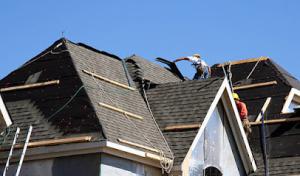
After a hail event, the market leans toward rapid response and steady insurance coordination. In this climate, a contractor who can assess damage quickly, document it clearly, and communicate with the insurer without confusing jargon is essential. Look for a firm with a track record of scheduling a roof inspection within 24 to 48 hours, outlining visible damage, and providing a straightforward scope of work. A helpful sign is a written plan that includes temporary protections to prevent leaks and minimize interior damage while awaiting approvals.
Long-established, family-owned firms are present but not dominant, so verify who actually supervises the job, who handles supplements, and who will return for any punch-list items. Ask for the supervising project manager's name and slate of crew leads, not just the salesperson. Confirm the roofing crew will be on site for the full tear-off, replacement, and clean-up, and that a designated supervisor will be on site at least part of each workday. Inquire about the company's process for submitting insurance supplements and how they handle-if-needed change orders. A solid contractor will provide a written start date, a realistic duration, and a clear line of communication for updates.
Cleanup is a strong local hiring priority, which matters in neighborhoods where driveway nails, landscaping debris, and yard magnet sweeps are common concerns after tear-off. Ask how the crew will protect the driveway and landscaping, and whether a magnet sweep will be used on the yard and around the structure after debris removal. Confirm that nails and debris are collected and removed daily, not just at the end of the job, and that interior protection measures are in place to reduce dust and mess.
Because Aubrey's market centers on re-roofing and storm work, homeowners should expect insurance coordination to drive much of the timeline. Ensure the contract specifies who will review the final punch list, who will verify that all stated items are completed, and how long after completion the crew will return to address any remaining touch-ups. A dependable roofer will schedule a post-project walk-through to confirm satisfaction and close out all items on the list.
Metal roofing shows up in Aubrey as a durable option with solid heat reflectivity, but it remains a secondary choice rather than the default. Homeowners who prioritize long-term resilience against hail and sun-driven wear often consider metal as a way to extend roof life, especially on exposed southern facades or taller garages. If you're weighing metal, factor in the look you want, the wind load typical to Denton County prairie, and the potential for lighter air-conditioning cooling needs. Pairing metal with a reflective underlayment or light-colored panels can further improve heat performance in the summer heat that sweeps across the rolling prairie.
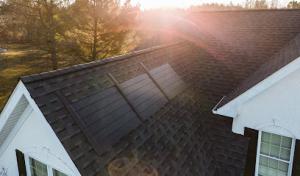
Solar roofing appears in the local contractor mix, so some homeowners pair replacement timing with solar integration rather than treating them as separate projects. In practice, this means assessing your hail risk alongside energy goals and month-to-month energy bills. If a hail event prompts a roof replacement, discuss with your contractor whether a PV-ready system or integrated solar tile approach makes sense for your home. In many cases, you can coordinate the teardown-and-replacement window with solar install timelines to minimize disruption and maximize the return on investment during the life of the roof.
Flat and low-slope roofing is a smaller specialty here, fitting a market led by pitched residential re-roofing rather than dense urban commercial stock. If a low-slope section exists-common on some detached accessory structures or marginal-projection areas-expect a tighter focus on drainage details, seam integrity, and edge flashing. In Aubrey's hail-prone climate, ensure any low-slope system uses a weather-rated membrane and adequate slope to prevent standing water after heavy storms. For homeowners balancing a roof replacement with solar or metal decisions, verify compatible fasteners, warranty terms, and the long-term performance of transitions between different roof types.
Find contractors who integrate solar panels or solar shingles into your roof for long-term energy savings.

James Kate Roofing & Restoration
(972) 400-4707 www.dallasftworthroofer.com
5295 US-377 Ste. 3, Aubrey, Texas
5.0 from 30 reviews
Innovate Roofing & Construction
(469) 496-7300 www.innovateroofingsolar.com
Serving
5.0 from 125 reviews