Last updated: Apr 19, 2026
Spring hail and heavy storms are a recurring force in this part of North Texas, and the typical Greenville home is pitched with asphalt shingles or higher wind-load roofs that take a direct hit from hail and gusty winds. Homeowners commonly plan replacements around the spring window because weather volatility drives more frequent warrantied wear and storm-driven damage. If a hail event comes through, the decision to reroof rides on visible damage plus the roof's age and current attic ventilation. Delays invite accelerated wear, vented leaks, and accelerated underlayment deterioration, which can complicate later repairs. In this market, timing matters: the sooner a roof is assessed after a hail event, the more accurate the damage picture and the easier it is to align with a practical replacement window before peak demand hits.
In the Dallas-Fort Worth insurance environment that includes Greenville, carriers scrutinize roof replacement claims closely. Photo documentation before and after storms is essential-clear scope images of hail impact, blown shingles, and any attic or interior signs of water intrusion set the baseline. Obtain a licensed contractor estimate early on, and ensure the assessment notes visible storm-related damage, existing leaks, and the roof's ventilation health. A thorough report that ties damage to recent storms and shows progressive deterioration can prevent back-and-forth disputes that stall a claim. If shingles show curved edges, bruising, or granule loss, don't downplay it; this kind of evidence frequently moves claim decisions in the homeowner's favor when paired with a professional estimate.
Peak post-storm demand can compress scheduling in Greenville, making shoulder-season replacement timing more practical than waiting into the hottest part of summer. When a large hail event hits, local crews and supply chains surge, and start dates can tighten into tight windows. If your roof has sustained damage and your documentation is ready, pursue a staged plan: secure temporary weather protection, request an expedited inspection from your insurer and contractor, and align a reroof so that the critical hatch and attic ventilation components are addressed in the same installation. Deliberate staging helps avoid delay-driven compromises, such as rushed installation or insufficient flashing and vent work, which can create long-term problems. If the storm season overlaps with a busy calendar, consider a targeted window in the early to mid-spring or late fall shoulder periods when crews are more available and weather is cooperative for a proper, code-compliant install.
Choose a licensed contractor who understands local wind and hail patterns, and who can provide a detailed scope that covers more than shingle replacement. In Greenville's climate, a correct reroof means thorough flashing, solid nailing patterns, and verified attic ventilation during the same replacement cycle. Ask for a written plan that outlines staged steps: inspection with a storm-damage checklist, repair or replacement of underlayment as needed, full replacement of flashing where compromised, and a post-installation inspection to confirm attic ventilation balance. A trusted local pro will coordinate with your insurer and schedule the work to minimize disruption while maintaining quality and code compliance.
Roofing & Siding Smiths
(903) 456-9956 roofingandsidingsmiths.com
2704 Stonewall St, Greenville, Texas
5.0 from 405 reviews
Roofing and Siding Smiths is a company founded back several years ago. The fearless leader, Zach Potts, works intensively to ensure your siding, roofing and other contracting projects go extremely well. We are a siding, roofing, replacement windows, and seamless gutters company. We pursue quality craftsmanship for all of our jobs by consistently training new guys to stay on top of their game. We do this through checklists and daily huddles to keep our team accountable to each client's deadlines. If you are looking for a great, reliable choice in contracting, I encourage you to call us today for a free estimate at (903) 456-9956.
Sickels Roofing & Construction
(903) 408-6885 www.sickelsrc.com
3935 TX-34 Suite B, Greenville, Texas
4.9 from 48 reviews
Sickels Roofing and Construction, LLC provides residential and commercial roofing to the Greenville, TX area.
Pro Roofing & Construction
(903) 274-0664 www.proroofandconstruction.com
Greenville, TX
5.0 from 30 reviews
At Pro Roofing and Construction, our commitment to quality craftsmanship ensures durable, long-lasting roofing solutions tailored to each customer's unique needs. With a legacy of excellence and a dedicated team, we prioritize customer satisfaction, delivering reliable service backed by years of expertise in both roofing and construction.
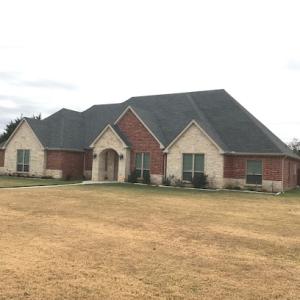
Shane Stovall Roofing
(903) 456-8013 shanestovallroofing.com
Greenville, Texas
4.9 from 37 reviews
Shane Stovall Roofing provides residential and commercial roofing services in Greenville, TX and the surrounding areas.

CTR General Contractors
Greenville, Texas
4.8 from 27 reviews
CTR General Contractors, LLC is a family-owned company, serving people in the northern Dallas area and beyond. Based out of Greenville, TX we can take care of your roof, siding, windows, gutters, or paint. We of course offer free estimates, and you can trust that you'll receive the most reliable service we can provide. Our team of experts have more than 50 years of experience!
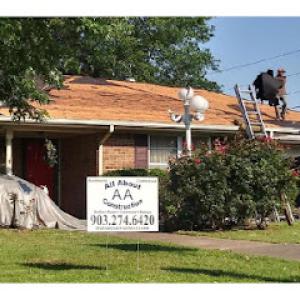
All About Construction
2721 Terrell Rd, Greenville, Texas
4.8 from 21 reviews
All About Construction, LLC
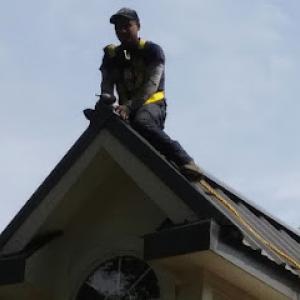
ABC Roofing & construction
5339 TX-34 S, Greenville, Texas
5.0 from 10 reviews
Here at ABC roofing & construction we offer many services of construction all types of interior and exterior construction roofing,welding painting,drywall, remodeling also do custom rod iron fencing. Need a carport we can do that aslo. We have a full sheet metal shop where we can order your metal or make custom trim commercial, or residential
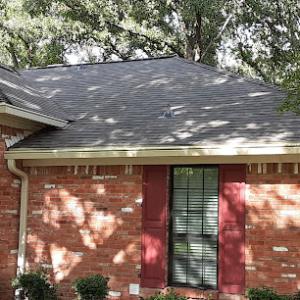
All Seasons Roofing
1412 Skyline Dr, Greenville, Texas
5.0 from 9 reviews
30yrs in business serving Hunt County and surrounding counties as well.

Vasquez Leon Roofing
(940) 273-2966 vleonroofing.com
1424 Jacksons Run, Greenville, Texas
4.8 from 14 reviews
We are a roofing company that believes in taking our time with each customer and each new project.

Hollon Roofing
(972) 965-6970 www.hollonroofing.com
8 Willow Ridge Rd, Greenville, Texas
5.0 from 7 reviews
Our roofing company has been serving Northeast Texas for over 40 years. We specialize in residential roof replacement and repairs.
Advanced Roofing Systems
2920 Lee St Suite 205, Greenville, Texas
5.0 from 3 reviews
WELCOME TO THE ADVANCE ROOFING SYSTEM! Save up to 40% off of standard labor cost and avoid costly tear offs. The ultimate commercial and industrial flat roof restoration protection. Restore you roof! Help keep roofing materials out of landfills with “Composite Shield”, our patented roof restoration system. We are your roof restoration experts. Call today for a free quote!
Bueso Homes & Construction
3935 TX-34, Greenville, Texas
5.0 from 1 review
Our technicians pride themselves on quality work and our roofers go above and beyond to make sure every shingle is properly installed. From roof replacement projects, and commercial roofing, to flat roofing, and other roofing systems – we’re a roofing company you can rely on to get the job done right. We’re not done until you’re happy
Asphalt shingles are a dominant roofing material in this area, where hot summers meet a spring hail season. Granule loss from hail and heat aging are common concerns, and you'll want to look beyond the roof line to see if the surface looks bare or chalky. After severe hail events, run a careful hand-inspection along the shingles to feel for bruising or soft spots. Pay attention to the roof's edges and near any vents or skylights, since these zones take the most impact and heat exposure. When you're scheduling a look, don't rely on a quick from-the-ground glance; use a ladder only if you're comfortable and safe, and consider a professional inspection if you notice any granule loss, dark bruises, or curling shingles. For long-term durability, consider reflective or longer-lasting asphalt options, particularly in the hot seasons, and plan a thorough attic ventilation check to keep heat from accelerating aging the shingles's adhesive bond.
Clay and concrete tile are used locally, offering good durability in the hot climate. However, hail impacts can crack individual tiles, and those cracks may not be evident from the ground. After a storm, inspect visible areas for cracked or displaced tiles, especially on ridges where wind-driven hail can strike first. Even if the roof doesn't show widespread failure, a post-storm check should include walking the roof surface with a qualified eye or hiring a roofer to verify that fasteners and flashing around tiles remain intact. Tile roofs demand careful inspection of underlayment and support structure; once a crack appears, water can find its way into the decking. Keep an eye on any sections where tiles meet vents or chimneys, as those joints are common failure points after hail. If you opt for clay or concrete, plan for a professional assessment after major hail events to confirm the tile integrity and flashing condition.
Metal roofing and synthetic/composite options appeal here when spring hail is a real consideration or when maintenance targets are your goal. These materials often resist hail better than standard shingles, yet installation quality matters a lot because flashing and fastening details are what inspectors scrutinize during post-storm checks. Expect to verify that metal panels are seated correctly, with proper seam sealing and ridge venting that won't trap heat in the attic. For composites, look for a sealed edge profile and a finish designed to resist heat aging. After a hail event, a careful inspection should focus on fastener heads and any signs of movement or loose flashing around penetrations. If the roof is older, even these tougher materials benefit from a professional survey to confirm that all flashing, valley details, and edge ck designs are still watertight. In all cases, ensure that the attic ventilation remains adequate to reduce heat buildup that can accelerate wear on any roof type.
Greenville requires a building permit for full roof replacements through the City of Greenville Building Inspections. That means a reroof isn't a plug-and-play DIY job, and the city will expect formal documentation before work starts. The permit process is meant to ensure flashing, nailing patterns, and attic ventilation are up to current standards, especially after the spring hail season that can push roof systems beyond their design limits. If the project includes structural changes or attic ventilation adjustments, plan review may be necessary before any hammering begins. Skipping permit steps or rushing through plan review can lead to delays, retroactive permits, and potential code compliance issues that complicate insurance claims and resale.
The city treats reroofing as a review-worthy project, not a simple cosmetic update. Inspections occur both during installation and after work is completed, with a keen eye on flashing details, nail patterns, and attic ventilation. A high-quality installation that anticipates these checks reduces the risk of trouble during a storm-recovery cycle. Expect the inspector to verify that valley and step flashing are properly integrated with the walls and chimneys, that nail spacing follows the chosen roofing material's requirements, and that attic vents are sufficient and correctly placed to prevent moisture buildup and excess heat in the attic space. If any element seems under-designed or misaligned with the plan, the project can be paused for corrections, which can drag out the timeline and complicate insurance documentation after a storm.
If the scope includes structural changes or attic ventilation adjustments, plan review may be required before work proceeds. That review isn't intended to stall you, but to ensure the new configuration will cooperate with local framing, decking, and roof-penetration details. For example, a more complex roof line or a change in venting strategy can affect load paths and moisture management, and the city will want to see engineered details or at least a documented, compliant approach. Be prepared to provide roof plans, venting calculations, and any contractor notes that illustrate how the final installation respects attic space and overall building integrity. Having these documents ready can help smooth the permit process and keep the project moving after a storm hits.
Coordinate start dates with the building department and the contractor to align inspections with key milestones: deck and anchor-strap review, underlayment installation, and final ventilation checks. Keep a running folder of permits, inspection notices, and the approved plan set so that when storm-driven damage prompts an insurance claim, there is clear documentation of compliance. If hail damage is suspected, photograph early-stage damage and maintenance work to demonstrate consistency with the permit and inspection records. Remember that the city's scrutiny after a storm is part of safeguarding your home's structural life and your insurance position.
When planning a roof replacement after a spring hail event, expect cost ranges to reflect Greenville's mix of older homes and newer builds. Provided local cost ranges run about $350-$600 per square for asphalt shingles, $500-$900 for metal, $800-$1600 for clay tile, $700-$1200 for concrete tile, $450-$900 for synthetic/composite shingles, and $1200-$2500 for slate. These figures anchor quick estimates, but keep in mind that timing, material choice, and the specifics of your attic and flashing detail will push pricing in or out of that band.
Asphalt shingles remain the most common choice for storm-driven reroofs here. In calm periods you might land toward the middle of the range, but after a hail surge you can see a tighter labor market and tighter scheduling windows. That can push project timelines and labor rates upward, especially if crews are juggling multiple storm repairs across neighborhoods with similar roof lines and access constraints. If you're aiming for a straightforward replacement, asphalt can stay near the lower end of its range, but plan for a few days of on-site coordination and potential material hold-ups during peak demand.
Metal roofing commands the higher end, typically $500-$900 per square, and can be attractive if hail resistance and wind performance are priorities. Clay and concrete tiles bring higher starting costs ($800-$1600 and $700-$1200, respectively) but may offer longer service life in this climate if the attic ventilation and roof deck are in solid shape. Synthetic/composite shingles sit between asphalt and metal, with $450-$900 per square, delivering a balance of durability and cost. Slate, while premium ($1200-$2500), is uncommon on more modest Greenville homes unless a deliberate architectural feature is planned.
In a spring hail year, the surge in replacements can tighten labor availability and push lead times. Expect longer waits for crews to start and shorter windows to review material deliveries. This pressure can indirectly affect overall pricing through expedited ordering needs or premium scheduling requests.
Costs can rise when a Greenville replacement also triggers ventilation corrections, flashing upgrades, or plan-review tied to structural or attic ventilation changes under the city's permit process. If attic ventilation must be recalibrated or flashing upgraded to meet newer standards, itemize these as separate line items. Clarify how these components influence the total square footage cost and the timeline, so there are no surprises if the scope expands after the first inspection.
Get a clear picture of your project costs upfront - no commitment required.
Roofing & Siding Smiths
(903) 456-9956 roofingandsidingsmiths.com
2704 Stonewall St, Greenville, Texas
5.0 from 405 reviews


Wind and hail losses in this corner of North Texas shape how providers view roof damage. Adjusters here scrutinize every square inch, especially after a spring storm that spurs a rush of reroofing requests. The outcome of a claim can hinge on the perceived severity of damage and whether the installation meets the insurer's expectations for workmanship. Being aware of this reality helps set expectations for a smoother process rather than surprises that stall a settlement.
Homeowners should expect adjuster visits that verify both storm-related damage and the quality of workmanship. This means a thorough look at flashing, underlayment, attic ventilation, and nail patterns, not just the visible shingles. Workmanship documentation becomes a factor in determining eligibility for replacement versus repair and in how quickly a project moves toward completion. A track record of solid, verifiable installation helps the claim sit more comfortably with the reviewer.
Because the broader Dallas-Fort Worth region monitors roof claims closely, keeping careful records is essential. Start with date-stamped photos showing the roof condition well before a storm, if possible, and add clear, time-stamped images immediately after a loss. Photos should capture high-wind edges, hail impact areas, attic ventilation, and any signs of moisture intrusion. Organize the sequence so an adjuster can trace the progression from pre-storm to post-storm status. Good documentation reduces back-and-forth and supports a faster, more accurate assessment.
Once a claim moves forward, the installation quality matters as much as the storm's damage. Insurers in this market pay close attention to flashing integration, correct nailing patterns, and proper attic venting. A contractor who can demonstrate a careful, code-aligned installation that addresses potential wind-driven uplift will help the claim withstand closer scrutiny. If any step of the process looks rushed or incomplete, be prepared for questions or a request for corrective work to align with policy expectations.
After spring storms, interior water intrusion can begin before insurance and replacement scheduling are resolved. If a leak shows up inside, act fast: cover affected areas with heavy-duty tarps, protect floors and belongings, and call for a proper assessment to document the damage. Delays in staging a full reroof can turn a small drip into widespread mold risk, especially in attic spaces where heat accelerates moisture damage.
Greenville's hot summer conditions can affect installation pace and material handling, which is why many homeowners try to avoid peak-heat replacement windows when possible. If a roof crew must work during the hottest hours, plan for shaded staging areas, water on site, and frequent breaks for crew safety. Ensure ladder and material storage zones stay clear of heat-prone eaves and HVAC intakes to prevent accidental damage.
Autumn wind events and occasional winter fronts can interrupt open-roof schedules, so temporary dry-in planning matters when replacement spans multiple days. A well-cut temporary seal on vents and chimney penetrations reduces the chance of rain sneaking in between storms. Ask your crew to review attic ventilation and flashing during dry spells, so the final seal is solid when the last shingle goes down and temperatures stabilize.
After storms, collect all correspondence, adjuster notes, and inspected damage photos. A clear timeline helps accelerate claim reviews and reduces back-and-forth on temporary protections. When interior signs of water appear, document with dates and specifics, then coordinate a plan for a phased, weather-resilient dry-in that supports a thorough, long-lasting reroof.
When you can't wait, these contractors offer fast response times to stop leaks and prevent further damage.
Pro Roofing & Construction
(903) 274-0664 www.proroofandconstruction.com
Greenville, TX
5.0 from 30 reviews
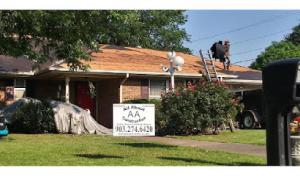
Although Greenville's dominant materials are steep-slope products, some local contractors actively handle flat or low-slope sections, which often appear on additions, porches, and mixed-roof homes. Those areas deserve careful evaluation during full replacements, because transition details can hide hidden damage. Look for soft spots, pooled water, or blistering near the edge of a low-slope section. When a roof is rebuilt, ensure the hands-on check includes the underside of the transition to the primary roof to catch concealed wear.
Because inspections emphasize flashing and ventilation, transitions around low-slope tie-ins and skylights deserve extra attention during full replacements. Confirm that step flashing climbs properly up from steeper sections and overlaps high-quality roof underlayment. At penetrations, especially where a low-slope meets a steep slope, verify that sealants and counter-flashing are correctly integrated to shed water toward the drip edge. Attic ventilation must be reviewed at these junctions to prevent moisture buildup behind newly installed materials.
Post-storm leak tracing in Greenville can be complicated when hail or wind affects flashing details around skylights or at slope changes rather than only the main field of shingles or tile. Inspect around skylight bases for accelerated wear on base flashing, improper shimming, or gaps where tar or sealant has been pressed into service. If a skylight is integrated into a low-slope area, request a full flash-and-ventilation check that includes the curb, surrounding shingles, and any vented soffit connections.
During a full reroof, physically inspect every transition from steep to low-slope with a flashlight and a careful hand feel along the edge details. In addition to visible corrosion or lifted nails, listen for telltale soft spots or wind-driven edge lift near skylights. If any doubt exists, pause the inspection to re-seat or replace questionable flashing sections and to reverify attic intake and exhaust balance.
Find specialists in TPO, EPDM, and built-up flat roofing systems for residential and commercial properties.