
Last updated: Apr 19, 2026
In Royse City, the Dallas-Fort Worth hail corridor shapes every roofing decision. Spring hail and straight-line wind events aren't rare out here; they arrive with enough frequency to influence when homes are reroofed and how quickly repairs need to start. The result is a market where roof replacements are often driven by weather events rather than aging alone. A roof that looks fine from the driveway can hide critical hail impact on the decking, underlayment, and fasteners, so timing and accuracy in assessing damage matters more than ever.
North Texas carriers commonly ask for photo documentation, damage records, and sometimes roof certifications after hail events. That means your claim-ready inspection packet has to be precise and complete. Before calling in repairs, you should gather clear photos from multiple angles, including sections that show anomalies at the valleys, hips, and flashings. Keep a dated log of any observed issues-granule loss, dented metal components, softened spots, or lifted shingles. If an adjuster visits, having a concise, organized portfolio helps prevent back-and-forth delays and protects against disputed wear claims that aren't tied to the storm. In this market, the right documentation can shorten the path from damage to permitted replacement and ensure coverage aligns with what the insurer considers hail-induced loss.
Local contractor signals show storm damage and insurance-claims work are the dominant specialties, indicating homeowners here most often hire roofers after weather events rather than solely for age-based replacement. That means when storms pass, the fastest route to a durable fix is often through a roofer who understands the claim process, the local building envelope, and how carriers evaluate hail damage on the surface and the structure beneath. Look for teams with proven experience documenting hail impact and coordinating with adjusters. A contractor who can present a clear, claim-ready report, including inspection notes and scope of work that aligns with insurer expectations, will move projects forward faster and reduce the risk of post-repair disputes. In this market, the emphasis shifts toward storm-related expertise, precise measurement of damage, and a trustworthy process for validating what the insurer must cover.
Swift Roofing & Designs
(469) 964-7431 swiftroofingtexas.com
5820 W Sky Hawk Trail, Royse City, Texas
5.0 from 102 reviews
When it comes to a Roofing Contractor, no one compares to Swift Roofing & Designs. With years of combined experience, Swift Roofing & Designs has worked hard to build the trust of our clients in Rockwall and surrounding areas. Visit our website to learn more or better yet, call us today!
Doc's Roofing & Construction
(214) 284-0695 docsroofing.net
215 Mariposa Dr, Royse City, Texas
4.9 from 305 reviews
Veteran-Owned • Trusted • Local Doc's Roofing is a veteran-owned roofing company proudly serving Rockwall, Royse City, Fate, Heath, and the DFW Metroplex. We specialize in residential and commercial roofing—repairs, replacements, inspections, and emergency storm damage services. Our experienced team uses high-quality materials and is committed to craftsmanship, integrity, and customer satisfaction. We offer transparent pricing, open communication, and insurance claims support. Trusted, local, and professional—choose Doc's Roofing for reliable, top-rated service built on values.
Ntex Contracting Services
(469) 338-3021 ntexcontractingllc.com
216 N Arch St, Royse City, Texas
4.9 from 16 reviews
We are a Remodeling & Restoration company located in Royse City Texas. We Specialize in storm restoration including, but not limited to Residential Asphalt shingle roofs, Seamless rain gutters, Solar screens, Exterior & Interior remodels. Our certified team has well over 20+ years in the residential construction & restoration industry. We back our work with a 5 year/ lifetime manufacture guarantee! Bonded & Insured we are ready to tackle that next home improvement or any unfortunate storm damages that may have occurred to your home. Our staff is trained to work directly with your insurance company from start to finish.
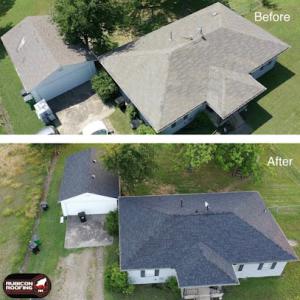
Rubicon Roofing & Construction
(972) 565-5566 www.rubiconroofingtx.com
1211 High Meadow Dr, Royse City, Texas
5.0 from 12 reviews
Rubicon Roofing is a family- owned business who is big on building lifelong relationships with customers. Roofing to us isn’t about getting the next job, it’s about taking the time to connect with each of our customers as people and provide a tailored roofing solution based on their needs. We are also your insurance specialist and will guide you every step of the way through the insurance process.
DFW Roofing & Construction
(214) 757-9586 dfwroofingandconstruction.com
2501 Circle Dr, Royse City, Texas
5.0 from 10 reviews
25+ years Since 1985, our family-owned business has proudly served Texas homeowners with a commitment to quality and integrity. We offer a complete range of home improvement solutions, including: * Roofing: Expert installation, repair, and maintenance to protect your home from the elements. * Remodeling: Transform your living spaces with our customized remodeling services. * Painting: Interior and exterior painting to refresh and revitalize your home's appearance. * Gutters: Ensure proper water drainage and protect your foundation with our seamless gutter systems. * Fencing: Enhance your property's security and curb appeal with our durable and stylish fencing options. * Insurance Claims: We assist and guarantee to get you more money
Alcorn Roofing Systems
(972) 742-3100 alcornroofingsystems.com
6703 Oak Ridge Ct, Royse City, Texas
5.0 from 6 reviews
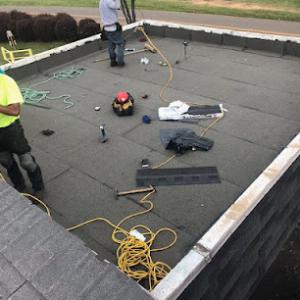
Alcorn Roofing Systems, Inc. proudly serves its customers with pride, integrity and attention to the details that matter most to you. This is one of the many things that set us apart from the rest. We are locally owned and operated. Give us a call today!
Wonder Werkes Construction Group
(214) 907-0621 www.wonderwerkes.com
4853 TX-276, Royse City, Texas
5.0 from 6 reviews
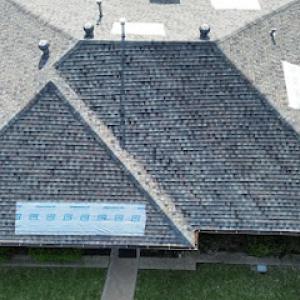
At Wonder Werkes Construction Group, I provide dependable roofing and construction services throughout Royse City and the surrounding areas. From emergency roof repairs to complete installations, I deliver quality you can trust with free inspections, in-house crews, and GAF Certified Roofing Systems. My commitment to craftsmanship and reliability ensures every project is done right the first time. Whether it’s roofing or general construction, I’m here to protect and enhance your home or business.
Jak Contracting
3086 Harvest Bend Cir, Royse City, Texas
4.3 from 6 reviews
We are Royse City's trusted construction service provider dedicated to giving you unmatched value and care.
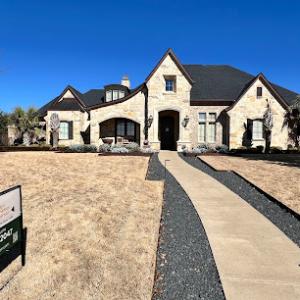
Roofs by Peterson
(214) 307-2382 www.roofsbypeterson.com
Serving
5.0 from 52 reviews
Welcome to Roofs by Peterson, your premier destination for all things roofing and home improvement in Rockwall, TX, and beyond. With over a decade of expertise, we specialize in residential and commercial roofing, home remodeling, landscape design and installation, and custom home builds. Our dedicated team delivers unparalleled craftsmanship and customer satisfaction. Trust Roofs by Peterson to transform your vision into reality, enhancing your property's aesthetics and functionality with every project.
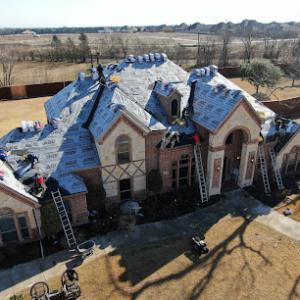
Clutch Roofing Performance
(214) 949-3966 www.clutchroof.com
Serving
5.0 from 45 reviews
Clutch Roofing Performance is a local, family owned company and we pride ourselves in providing exceptional customer service and a beautiful final product. It would be our pleasure to serve you and your family with any construction needs. We are fully insured and are accredited members of the Better Business Bureau. We have a variety of roofing systems for you to choose from, whether it is a residential or commercial property. Learn more about our values at CRP and how we conduct business every step of the way. Call today! We look forward to serving you
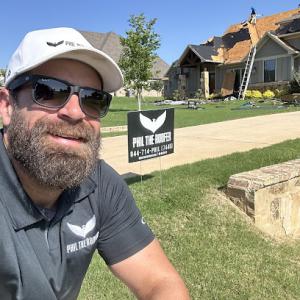
Phil The Roofer
(214) 771-1946 philtheroofer.com
Serving
5.0 from 213 reviews
Phil The Roofer is a trusted roofing contractor located in Fate, TX, offering top-quality roofing services for both residential and commercial properties. With years of experience, we specialize in roof repairs, replacements, and inspections, ensuring that your roof remains secure and durable. Our team is committed to providing reliable, professional service, whether it's fixing storm damage, installing a new roof, or conducting routine maintenance. Choose Phil The Roofer for all your roofing needs in Fate, TX, and experience quality craftsmanship and excellent customer service.
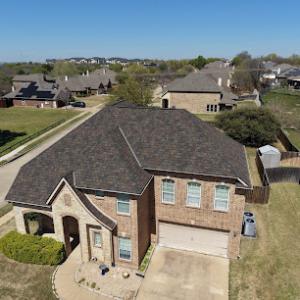
Roofit
Serving
5.0 from 21 reviews
Crafting Quality Overhead, Securing Texas Homes, and Shielding Dreams Since 1994. With a commitment to excellence, integrity, and top-tier craftsmanship, we specialize in providing superior roofing solutions tailored to the unique needs of the Lone Star State. From traditional to modern designs, our seasoned team ensures every project reflects our dedication to quality, durability, and customer satisfaction. With Roofit, your home is not just protected; it's adorned with the finest craftsmanship Texas has to offer.
Spring thunderstorms in this part of North Texas can turn hail bruising or lifted shingle tabs into active leaks before a full replacement can be scheduled. The pace of hail events and pressure from gusty winds means a single storm cell can push water through even a seemingly intact roof deck. In neighborhood streets with newer asphalt and metal overlays, hidden damage-lifted edges, torn sealant, or granule loss-often shows up as wet patches on ceilings or walls long after the storm has passed. You need to treat any new stain or damp area as a leak source until a licensed roofer can confirm otherwise. Do not delay inspection after a hail event, because small breaches can grow quickly with additional spring downpours.
Autumn wind events and thunderstorms can interrupt open-roof work, so temporary dry-in and tarping matter during repair scheduling in Royse City. When crews are delayed by wind-driven debris, the window for safe, dry repairs narrows, and leaks can worsen with every passing shower. A reliable emergency tarp and quick-seal strategy buys time, protects interior spaces, and reduces secondary damage like mold or soaked insulation. Plan for a weather-backed timeline with your contractor, and prioritize a tarped, dry-in approach if forecasts show approaching cold fronts or strong gusts. Proactive coverage is not optional-it's essential to hold the line against rain-driven intrusion.
Emergency response is a meaningful local specialty signal, reflecting homeowner demand for fast tarping and leak control after storm cells move through the area. When a rogue cell hits, a prompt crew can deploy tarps, seal vulnerable eaves, and stabilize the roof until permanent repairs fit the schedule. Expect a rapid assessment, priority tarping, and clear communication about what immediate fix can hold through the next storm. If a storm shower hits during the workday, lie days off and weekends, or after-hours calls, a trusted local roofer should deliver a measured, expeditious response that minimizes interior damage while you arrange the next phase of repair.
After a storm, prioritize your safety and the integrity of the interior space. If you notice active leaks, place a sturdy bucket under drips, and use plastic sheeting to control seepage over furniture and electronics. Photograph any visible damage from ground level and, if it's safe, inspect the exterior for clearly damaged shingles or lifted tabs. Contact a licensed roofer with storm-response experience and request an urgent tarp or dry-in service as a temporary fix. Schedule a full evaluation promptly so repairs can be sequenced before the next round of weather moves through the area. Being proactive with a trusted local contractor makes a real difference when spring and autumn storms trigger leaks.
When you can't wait, these contractors offer fast response times to stop leaks and prevent further damage.
Swift Roofing & Designs
(469) 964-7431 swiftroofingtexas.com
5820 W Sky Hawk Trail, Royse City, Texas
5.0 from 102 reviews
Doc's Roofing & Construction
(214) 284-0695 docsroofing.net
215 Mariposa Dr, Royse City, Texas
4.9 from 305 reviews
My Fathers Business Contracting
(469) 727-9950 www.mfbcontracting.com
3949 Ruger Dr, Royse City, Texas
5.0 from 19 reviews
Asphalt shingles remain the dominant local material, shaped by the fast-growth North Texas housing stock and the hot, hail-prone springs. In this climate, impact resistance, granule retention, and heat aging become central material-selection issues. Asphalt systems ride a path of proven, cost-aware performance, but every Texas summer adds a little more stress to the shingles you see on the top of most subdivisions. The result is a practical emphasis on selecting shingles with good mature granule adhesion and a reputable impact resistance rating, paired with a roof that has proper attic ventilation to help slow heat buildup.
Metal roofing is a meaningful local specialty and is often considered by North Texas homeowners seeking better hail resilience and heat performance than standard asphalt systems. If hail damage is a regular concern or if a homeowner wants a roof that reflects more solar radiation and reduces heat transfer into the attic, metal gains appeal. In practice, metal roofs in this area are commonly chosen for newer installations or as part of a strategic upfit when a longstanding asphalt roof shows recurring hail impact or excessive thermal expansion. The installation approach tends to be more deliberate, with attention to panel seams, fastener sealing, and proper overhangs to manage wind and rain-driven hail.
Clay and concrete tile are present but less common than asphalt, so repairs can involve more specialized sourcing and installation knowledge than standard subdivision shingle work. This means longer lead times for parts and more reliance on skilled tradespeople familiar with tile layouts and fastener patterns. For Royse City homes with mixed terrain or shade from tall oaks, tile can offer good longevity, but it is less forgiving on steep pitches or in scenarios where quick hail repairs are needed. Tile systems also demand careful inspection of underlayment and flashing to prevent localized leaks after a hail event.
Begin with a hail history and heat-prone attic assessment. If frequent hail claims, higher wind zones, or rapid granule loss are present, metal or coated asphalt options with enhanced impact resistance become strong contenders. For homes with dramatic southern exposures or limited attic ventilation, prioritize shingles with superior heat-aging performance and a reflective, cool roof coating option. In any case, coordinate with a local roofer who understands how Royse City microclimates interact with roofing materials, especially during spring hail season when claims spike.
Asphalt shingles sit at the lower end of the price scale in this market, with local pricing ranges from 350 to 700 USD per square. Metal roofing commands a higher baseline, typically 700 to 1200 USD per square, reflecting its longer life and better wind resistance in our spring storms. Clay tile sits at 1000 to 2500 USD per square, a premium option that appeals in certain neighborhood styles but requires solid structure and careful installation. Concrete tile runs about 900 to 1800 USD per square, offering durable performance with a weight profile that matters for some homes. Wood shingles or shakes are generally 600 to 900 USD per square, delivering a traditional look but needing maintenance to combat sun and heat. Synthetic or composite shingles are the most flexible option here, often 450 to 900 USD per square, balancing cost, resilience, and a modern aesthetic.
Spring hail and wind events are a recurring driver of price movement in this area. Royse City pricing can rise after major North Texas hail events when regional demand spikes across the Dallas-Fort Worth area and contractor schedules tighten. In the months following a significant hail episode, you may see higher bids, tighter scheduling, and longer lead times for inspections and material deliveries. If your roof is a standard suburban home with a common layout, expect the typical material cost bands above, with the potential for modest shifts up or down based on current storm-related demand.
When choosing material, align your selection with the typical roof geometry found in newer subdivisions here, where many homes use asphalt or metal for a balance of cost and performance. If your style leans traditional or you face high sun exposure, clay or concrete tiles can offer longevity and a distinct curb appeal, but verify structural support and local wind considerations before committing. For tight budgets or if you expect a quicker turnaround, synthetic shingles provide a middle ground in durability and price. In the wake of a hail event, get multiple, apples-to-apples bids and confirm each quote includes the same scope of work, including underlayment, fasteners, and termination details. This approach helps ensure you're comparing like-for-like and avoids surprises as schedules and prices shift with demand.
Don't let upfront costs delay a critical repair - these contractors offer payment plans to fit your budget.
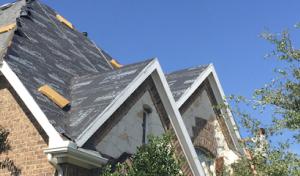
In Royse City, roofing projects generally fall under the building permit umbrella rather than being treated as no-permit work. That means a re-roof, even when replacing worn shingles, typically requires formal authorization before work begins. This aligns with the fast-growing, suburban housing stock you see around the Dallas fringe, where inspections during and after installation protect updated venting, underlayment, and flashing standards against spring hail and wind events. Treat your roof upgrade as a project that travels through the building department rather than a quick DIY patch.
The local process starts with submitting project details to the building department. Have drawings or clear sketches of the roof replacement, including material type, ventilation plan, and any changes to roof penetrations. You'll pay a permit fee and receive a permit number to display on-site. Scheduling is the next step: plan for inspections during installation and a final inspection after completion. The timing and sequence matter, especially in a market where storm-driven claims can compress timelines. When in doubt, reach out to the department early to confirm required documents and any neighborhood or subdivision covenants that might influence permit approval.
Inspectors commonly review venting and attic ventilation adequacy, proper underlayment installation, flashing around penetrations, and overall code compliance. In this climate, where spring hail and wind claims are frequent, expect attention to how the roof system handles wind uplift and water intrusion paths. Some projects may call for additional wind or hail-related documentation, particularly if a claim is involved or if the installation uses upgraded standards. Ensuring that the attic is properly vented and that flashing around chimneys and skylights is continuous can help prevent callbacks and keep the project on track.
Prepare for inspections by keeping all components organized: permit card, contractor information, material specifications, and installation details. If a post-storm claim prompts wind or hail documentation, have your contractor provide installation certificates, product data, and any wind uplift testing results or compliance notes requested by the department. Clear access to the attic and roof decking during inspection is essential, so verify that any temporary obstructions are removed before the inspector's arrival. Understanding the local expectations for venting, underlayment, and flashing ahead of time will smooth the inspection sequence and reduce rework.
Royse City sits in a North Texas insurance environment with frequent hail and wind claim activity, so roofing decisions are often tied directly to adjuster timelines and documentation quality. In this market, how quickly an insurer responds and how thoroughly they review a file can swing the outcome of a claim. The time of year and the age of the roof play a big role in whether an adjuster approves repairs or a full replacement, so knowing what to expect from the DOI notes to the final payout helps you plan realistically.
Broad regional insurer pullbacks are not uniformly observed in Texas, but underwriting and premium decisions in hail-prone areas can still be influenced by roof age, condition, and certification records. If a roof shows hail impact, wind damage, or thermal aging, documentation quality often drives the scope of work and the final settlement. Delays or gaps in records can encourage more conservative adjustments, especially when multiple claims compete for attention in a single season.
Homeowners in Royse City should keep date-stamped storm photos, interior leak photos, contractor inspection notes, and completion records because carriers in this region commonly request detailed claim support. Store images with clear timestamps and map the timeline to the storm events. Collect contractor field notes that describe observed damage, proposed repairs, and any temporary measures taken to mitigate leaks.
Create a simple, dated folder system for every storm event: initial damage photos, adjuster visits, scope changes, and final completion paperwork. Back up everything in two places-cloud and an external drive-and maintain a concise summary of what each document proves. When a claim lands on your desk, this organized bundle can accelerate communication with the adjuster and reduce back-and-forth clarifications.
Spring and fall are the most predictable windows for roofing work in this market. In Royse City, projects are commonly scheduled to dodge the worst heat and the spring hail window that often drives claims. When planning, aim to start after the late-wrost heat has eased and before the first big cold snaps, so crews can stay on pace without a hot-weather slowdown. This approach helps keep materials manageable and the crew's daily rhythm steady through the workweek.
Extreme summer heat in North Texas directly affects material handling and installation speed. Asphalt shingles, in particular, become stiff in the morning and can soften by afternoon, which changes walks and nailing techniques. If a job begins in early summer, expect staged start times, midday pauses, and longer than usual progress indicators. For you, the practical move is to align start days with cooler mornings, and schedule longer deliveries or staging on cooler days to prevent material damage from heat exposure.
Occasional winter cold snaps and ice can limit outdoor work even though the market does not rely on heavy snowfall. Plan for potential weather interruptions in late fall and winter in this area, when cold fronts can sweep through quickly. Contingencies should include a flexible crew lineup and a clear sequence for interior preparation, weather-dependent tasks, and timely material checks. By sequencing work so that moisture-sensitive tasks occur on warmer, dry days, crews stay productive and quality remains consistent.
In practice, coordinate with your contractor to lock a target start window that balances hail-season risk, heat avoidance, and the likelihood of a timely shutdown if weather turns. A steady cadence-clear days, dry mornings, and a plan B for hot afternoons-keeps the project moving efficiently without sacrificing workmanship, from first decking to final shingle alignment.
Storm-driven leaks in this area often show up first at penetrations rather than across the field alone, so careful attention to skylight and flashing details matters. In the spring, hail and high winds can dent and loosen sealants, expose fasteners, and bend curb flashing around skylights. Even when the main roof covering looks intact, clues of trouble can live at the edges where skylights sit or where flashing steps down to the curb. The typical housing stock here means many homes rely on curb-mounted skylights with surrounding flashing that can be stressed by rapid temperature swings and pressure from wind-driven hail, so you need to look beyond the visible roof surface to understand the real condition.
Skylight projects are a meaningful local specialty in this market, with a steady need for leak tracing and repair around skylight curbs and adjacent flashing after storms. If a roof has sustained hail impact or wind-driven debris, the seal around the skylight and the transition flashing between the curb and the roof deck are common failure points. A proper repair often requires resealing and sometimes re-flashing the entire perimeter, not just patching the visible gaps. When choosing a contractor, prioritize those who clearly list experience with skylight curb work, frame integrity, and coordinating with any nearby venting or chases.
After a hail or wind event, perform a cautious check around every skylight. Look for lifted flashing seams, track marks from tar or sealant, and any staining on interior ceilings near penetrations. If interior tests or a light inspection reveal moisture near skylights, consider a targeted inspection of the curb flashing and edge joints. Even if the main roof looks fine, a focused scan of all penetrations-especially skylights-can prevent a slow, hidden leak from turning into a bigger problem after the next storm. When planning repairs, ensure the contractor reinspects the surrounding flashing at the same time as the skylight curb to avoid mismatched materials or incomplete coverage.
Find contractors experienced in skylight installation, flashing, and leak repairs to bring natural light into your home.
Swift Roofing & Designs
(469) 964-7431 swiftroofingtexas.com
5820 W Sky Hawk Trail, Royse City, Texas
5.0 from 102 reviews
Forman Roofing
(903) 456-9462 formanroofing.net
576 Sabine Creek Rd, Royse City, Texas
5.0 from 12 reviews
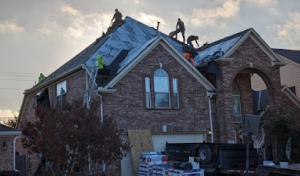
Re-roofing is a strong market signal in this area, where spring hail and wind drive many homeowners to replace roofs rather than simply patch them. Understanding how workmanship warranties interact with manufacturer warranties helps you avoid gaps when a storm-related repair becomes a full roof replacement. In practice, this means knowing who covers labor versus materials, and how long each coverage lasts after the project is completed. A solid warranty plan reduces the chance of paying for the same problem twice.
Because hail-driven replacement is common in North Texas, the quality of workmanship matters as much as the product itself. Look for a clearly defined workmanship warranty that covers installation defects, flashing, fasteners, and sealant failures for both the shingles and any underlayment components. Check whether the contractor backs repairs after wind events, and whether their coverage remains valid if parts of the roof are later modified or upgraded. In a high-claim market, a robust workmanship warranty can distinguish bids that otherwise look similar on color and expiration dates.
Manufacturer warranties typically protect the shingle or panel from manufacturing defects and may offer prorated coverage for hail damage under certain conditions. However, storm-related repairs can complicate warranty eligibility if the roof is not installed to spec or if unauthorized alterations occur. Review the warranty's transferability, as a future home sale may hinge on whether the new owner can retain coverage. When a storm triggers a replacement, confirm how the warranty processes handle new installation, underlayment, and ventilation components to ensure full benefit continuity.
With warranty-offered contractors present but not dominant locally, using warranty terms as a differentiator can help in a crowded bidding scene. Favor firms that provide written, time-stamped warranty documents, a clear claim process, and explicit exclusions. Ask for a primary contact who handles warranty issues post-installation and a documented service plan for potential hail-driven concerns. A well-structured warranty approach supports long-term roof performance amid the local climate's spring hail and wind cycles.