
Last updated: Apr 19, 2026
Spring in this area brings a predictable surge of hail-driven roof damage. The local climate's north-tilt exposure means roofs endure repeated hail impacts during peak storm cycles, and that spike in activity triggers inspections, temporary repairs, and, often, full re-roofs. The timing isn't casual: a storm can change your insurer's view of the roof condition overnight, shifting a routine repair into a claim, then into replacement if the underlying damage progresses. This is a real, recurring pattern that you'll see in Wylie year after year, with neighboring Collin County communities sensing the same pressure. The rapid weather shifts also mean that a seemingly minor dent can escalate once moisture enters lapses in underlayment or compromised ventilation. Staying ahead matters, because the decision window between protection and replacement can close quickly after a big hail event.
Insurers in the Dallas-Fort Worth metro area routinely require detailed photo documentation and a careful adjuster review, and this market does not treat roof damage as a minor claim. After a hail event, you should compile clear, timestamped photos of the entire roof surface, edges, and any visible interior leaks or attic signs. Capture close-ups of damaged shingles, granule loss, and any dented metal components. Keep a simple diary of the storm timing, wind directions, and any immediate symptoms-like damp ceilings or attic warmth-that you notice in the days following the storm. When the adjuster arrives, present the photo set in a logical sequence: exterior roof, exterior components (vents, flashing, drip edge), then attic conditions. Clear, organized documentation speeds the review and reduces back-and-forth, which is crucial as storm surge traffic can slow schedules across Wylie and nearby areas.
Storm surges can disrupt contractor schedules in Wylie and nearby Collin County communities, so timing becomes a real operational constraint. If damage is confirmed and a full replacement is likely, temporary protection-such as tarp placement or boarding-should be arranged promptly to limit interior exposure. Expect crews to juggle multiple properties after a major hail event, which means you may face delays if your condition requires sequencing with other nearby roof projects. Plan for the likelihood of rain windows affecting both temporary repairs and the initiation of replacement work. Having a clear, practical plan for securing the home while awaiting work can minimize interior water intrusion and preserve your interior finishes during the interim.
In the immediate aftermath of a hail event, the decision to pursue temporary protection versus full replacement hinges on visible exterior damage, attic moisture indicators, and the pace of insurer approval. If the roof shows widespread granule loss, many wind- and hail-damaged shingles, or interior signs of leaks, prompt a constructive conversation with the insurer and a trusted local contractor. The goal is to align damage assessment with the winter/spring maintenance window that Wylie homeowners commonly experience, avoiding prolonged exposure that can complicate both repairs and restoration. In all cases, prioritize securing the roof first with protective measures, then proceed with an assessment that supports a decisive, timely claim outcome.
In this market, asphalt shingles run about $350-$650 per square, metal roofing $800-$1,400 per square, clay tile $1,000-$2,500 per square, concrete tile $900-$1,900 per square, synthetic/composite $500-$900 per square, and slate $1,800-$3,000 per square. These ranges reflect typical jobs in the area and can shift with storm activity, supplier availability, and contractor scheduling windows.
During major hail seasons, reroof demand spikes across the Dallas-Fort Worth metro area, and contractor calendars tighten. That dynamic nudges pricing up-sometimes noticeably-on both materials and labor. If a hailstorm hits and a claim is filed, expect a shorter bidding window and a higher chance of price variation between reputable bidders. In practice, plan for a wider spread in quotes for the same roof size during peak months, and allow a little extra lead time for scheduling a licensed crew.
Material choice matters more here than in many markets. Hot summers accelerate wear on lower-end shingles, so asphalt can fail sooner than expected in a west- or south-facing slope. Heavier tile systems (clay or concrete) deliver longevity but may require structural checks for homes not originally designed to carry the weight. Slate offers extreme durability, but the cost and weight can trigger engineering considerations and added underlayment needs. If the house features limited attic ventilation or a marginal roof deck, upgrading ventilation and reinforcing the structure can influence total costs more than the premium difference between mid-range asphalt and premium tile or slate.
For asphalt, plan for a straightforward replacement where the shingles cover typical residential rafters without special underlayment needs. If the roof faces frequent hail impact or lives under a tree canopy that dumps debris, upgrading to a mid-range or higher asphalt or synthetic/shingle composite becomes more cost-effective in the long run due to reduced impact damage and faster installations. For tile and slate, budget for longer lead times and potential structural tweaks, especially on older homes or ones with shallower roof framing.
When estimating, use the per-square ranges as a starting point, then adjust for roof complexity, attic space, and existing venting. Request full tear-off bids when possible, since overlay repairs can leave hidden damage and impact insulation and ventilation requirements. If a claim is involved, document hail and wind damage with clear photos and a dated timeline to support the adjuster's process. For spring storm windows, align contractor availability with expected demand to avoid the highest price spikes.
Texas Roofing & Construction
(469) 667-0176 www.roofingnorthtexas.com
2744 Southview Dr Suite 2, Wylie, Texas
5.0 from 115 reviews
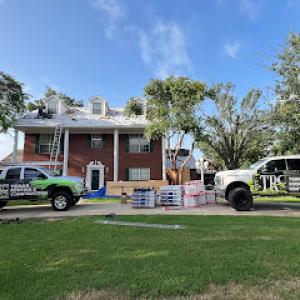
Texas Roofing & Construction is a family-owned and operated business serving the roofing and construction needs of North Texas. Our company has been built on satisfied customers, primarily focusing on residential roofing and commercial roofing services. Every job is inspected to meet the highest standards in the industry. Our mission is to provide customers with a personalized customer service experience with competitive pricing. TRC prides itself on being a roofing company that you can trust. When you choose TRC to complete your roofing project, you can rest assured that it will be done within your budget and on time.
JPR Construction Inc - Roofing Company
(972) 278-0668 jprconstructioninc.com
3500 Whiteley Rd, Wylie, Texas
4.9 from 67 reviews
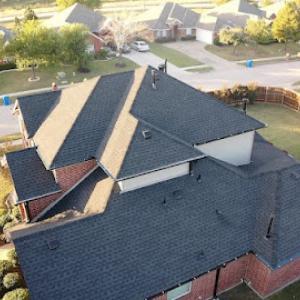
At JPR Construction, roofing is our specialty. Whether it's residential, commercial, or industrial roofing, our team of skilled professionals is equipped to handle any project with precision and excellence. From roof repairs to complete installations, we ensure that your property is well-protected and aesthetically enhanced
Rhino Roofing & General Contracting
(844) 387-4466 rhinoroofingtx.com
160 Kristen Ln #7, Wylie, Texas
4.8 from 63 reviews
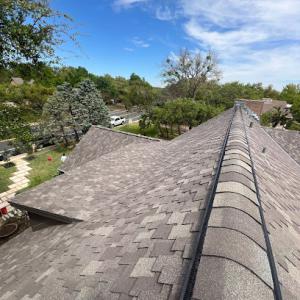
Rhino Roofing and General Contracting, LLC is a professional restoration and roofing company. Since 2011 we have helped home and property owners in need of roof repair, storm damage repair, roof replacement and exterior restoration needs. We offer: Roof Replacement Roof Repairs Roof Maintenance Storm Damage Repair from Hail or Wind Residential Roof Inspections Commercial Roof Inspections Gutter Replacement Roof Dry-In As your local roofing contractor we hold certifications through CertainTeed as Master Shingle Applicators, GenFlex commercial roof systems and we are members of the Roofing Contractors Association of Texas. If you need a roofing company let us help you today

Community General Contractors
201 N Ballard Ave suite 204, Wylie, Texas
4.8 from 26 reviews
Welcome to Community General Contractors, your go-to source for top-tier construction services. As seasoned General Contractors, we excel in overseeing diverse projects with a focus on quality craftsmanship and timely delivery. Our expertise extend as a Roofing Contractor, where we provide durable solutions for installations, repairs, and maintenance. Trust our Fence Contractors to enhance your property's security with stylish fencing options. For lasting exterior impressions, our Siding Contractors offer expert services in vinyl, wood, and fiber cement siding. Choose Community General Contractors for excellence in General Contracting, Roofing, Fence, and Siding services. Your satisfaction is our priority.
Gladiator Roofing
(469) 479-4029 gladiatorroofingtx.com
2309 Bob Sandlin Ln, Wylie, Texas
4.6 from 52 reviews
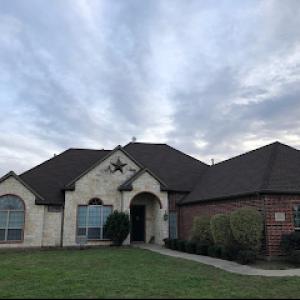
We know exactly how to take care of your home or business quickly, efficiently and carefully. No matter the scope of the project, we can take care of it. From a commercial building roof overhaul to a new piece of siding to replace a rotting one, all the way to patching your shed's roof, we've got the skills and expertise you need to handle the job. We take the time to identify any problems and determine how to fix them the way you want, need and within your budget. You'll always love the work we do for you. Gladiator Roofing has all the exterior services you could need to get your home or business looking and feeling great. Whether big or small, we're here every step of the process.
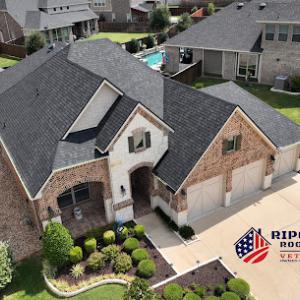
Ripcord Roofing
(972) 544-1651 ripcordroofing.net
3418 Endicott Ct, Wylie, Texas
5.0 from 9 reviews
We are a locally owned and operated roofing company, proudly run by veterans. Specializing in residential roofing, we provide expert services for repairs, replacements, and new construction. When storms strike, we’re here to support you when you need it most. Our team helps homeowners navigate the insurance claims process and offers emergency roofing services as needed.
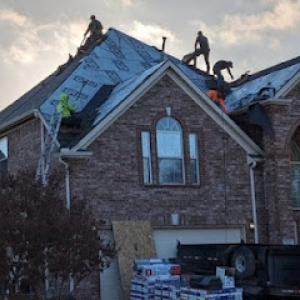
Peace of Mind Roofing
(214) 584-4805 peaceofmindroof.com
Serving
5.0 from 59 reviews
Peace of mind is a family owned local roofing company for all your roofing needs. We strive to build relationships and be there for the customer. We will give you honest advice and bring you service as quick as possible. Jeff Peersmann has been roofing in the metroplex for 20+ years and has the experience and know how to deal with your insurance company when the time comes. We will come out as soon as possible to assess the situation and give you honest bid or help you to call in a claim with your insurance company. We have as many references as you may require.
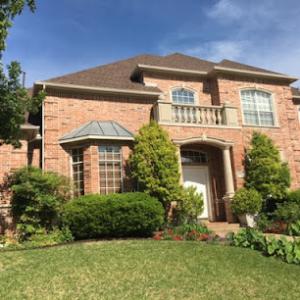
Specialist Roofing
(214) 516-9315 specialistroofing.net
Serving
5.0 from 49 reviews
Welcome to Specialist Roofing, your trusted partner for top-notch roofing solutions. With years of expertise, we specialize in roof leak repair, ensuring your home or business is protected from water damage and leaks. Our skilled professionals use advanced techniques and high-quality materials to fix leaks promptly and efficiently. At Specialist Roofing, we take pride in our commitment to excellence, providing exceptional services tailored to your needs. Whether it's a minor leak or a major repair, our team is dedicated to delivering superior results. Your satisfaction is our priority, and we guarantee reliable, long-lasting solutions for all your roofing concerns.
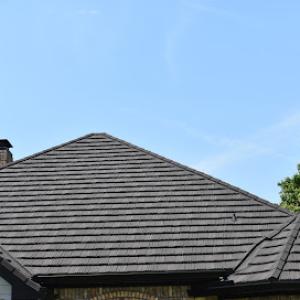
HTX Roofing & Exteriors
(469) 273-6098 www.roofwithhtx.com
Serving
5.0 from 15 reviews
HTX Roofing & Exteriors is a family-led roofing contractor serving Heath, Rockwall, and surrounding DFW communities. We help homeowners understand their roofing options with honest inspections, clear pricing, and quality workmanship. From roof replacements and repairs to hail damage assessments and gutter systems, our focus is protecting your home with long-term solutions — no hype, no pressure, just straight answers.
Bua's Next Level Roofing
(214) 669-6181 buasroofing.com
Serving
5.0 from 45 reviews
Next Level Roofing is an A+ BBB Accredited Business servicing the Greater Dallas/Ft. Worth TX area & North/Central Arkansas areas working with both residential and commercial roofing. We provide our clients with a very high level of honesty and knowledge that is hard to find in today's roofing industry. We receive a very high percentage of our business from word of mouth referrals from our highly satisfied clients. We are insurance claims specialists in the areas of storm related damages due to Hail, High Winds or Tornadoes. Our salespeople are both knowledgeable and skilled in working with insurance adjusters and helping our clients when there is a need to file a claim.
Breeze Roofing & Restoration
(972) 800-7650 www.breeze-roofing.com
Serving
4.7 from 14 reviews
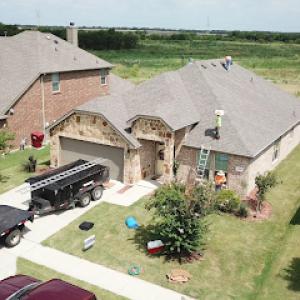
Formerly Beauchamp Roofing & Restoration- new name, but the same management and team! We are a local, family owned & operated roofing and restoration company. We take great pride in all that we do which is why we offer a craftsmanship warranty and only work with qualified, experienced professionals. Breeze Roofing & Restoration is built on a foundation of quality, integrity and respect. Our goal is to build lasting relationships by striving for complete satisfaction. Our team of professionals are dedicated and will show you why Breeze Roofing & Restoration should always be your go-to contractor.
Asphalt shingles dominate replacements in this town's suburban roofscape because they fit the existing roof lines and framing common among nearby homes. They also align well with the fast, hail-driven repairs that often follow spring and early summer storms. For a homeowner dealing with insurance documentation after a hail event, asphalt remains predictable: quick installation, broad warranty options, and straightforward replacement paths with the local crews who understand the typical attic ventilation and underlayment details inspectors look for. In Wylie's climate, regular maintenance-checking for damaged granules after a hail event and confirming proper attic airflow-helps extend the life of a shingle roof. Choose a fiberglass or larger-core asphalt shingle if wind uplift resistance and hail performance are priorities, and pair with a compatible underlayment and ridge ventilation to support long-term durability in the annual storm cycle.
Metal roofing is a meaningful local option for homeowners aiming to boost resistance to repeated North Texas storm cycles and the intense summer heat. Metal panels provide excellent hail resistance and can shed wind-driven debris more cleanly than some other materials, which matters after a severe spring system. Installation details matter here: a properly integrated ventilation plan and a solid roof deck are essential to prevent condensation and ice damming in shoulder seasons. In terms of appearance, metal can mimic traditional profiles while offering a longer service life under the wear-and-tear of Wyle weather patterns. If the existing roof framing is on the sturdier side, metal can be a cost-effective long-term choice, with the benefit of reduced roof weight relative to some heavier tile options. When considering metal, ensure the fasteners and panel seams are chosen for the local hail exposure and that the attic is well vented to manage heat buildup.
Tile, synthetic/composite, and slate appear in the market but require careful matching to local storm exposure, roof framing, and replacement budgets. Clay and concrete tiles bring a distinctive look and strong durability, but they demand a solid structural support system and precise installation to resist the pounding of spring hail and fast-drying Texas heat. Clay and concrete can also be heavier than asphalt, which means updating deck support and ensuring the attic ventilation is proportionate to the new roofing load. Synthetic or composite shingles offer a middle ground: they often imitate the appearance of traditional tile or slate while delivering improved impact resistance and lighter weight. Slate presents a premium option with remarkable longevity, yet it requires exacting framing and professional cutting to avoid fracture under hail impact. For all flat-lying metal-and-tile hybrids, ensure the roof's ventilation strategy aligns with the chosen material to maintain energy efficiency and reduce moisture-related concerns. In a market where replacement windows into a storm season frequently drive insurance discussions, these options can be attractive when paired with a well-documented hail repair history and a plan for consistent maintenance.
In this market, the best choice depends on the roof's current framing, venting, and the expected storm load. Asphalt remains the most forgiving starting point for replacement, especially when an insurer has previously approved hail repairs using standard underlayment and venting, and when crews are familiar with Wylie's spring wind patterns and hail exposure. Metal offers reinforcement for repeat storm cycles and heat, while tile and slate demand precise framing and higher upfront investment but can pay off with exceptional longevity. Synthetic options provide a bridge between traditional aesthetics and modern resilience, particularly for homeowners aiming to balance curb appeal with storm-ready performance. Align material choice with a detailed inspection of the deck, ventilation, and the anticipated spring storm schedule to keep the roof performing well through the sequence of North Texas weather years.
A full re-roof in Wylie typically requires a permit issued through the City of Wylie Building Department. Before lifting the first shingle, determine whether a permit is necessary for the scope of work, and have that permit pulled in the contractor's name or as the homeowner's agent. The city's expectations focus on proper shingle installation, underlayment, and ventilation, so plan the project with those standards in mind from day one.
Submit the permit application with clear project details, including roof size, material type, and any venting or insulation upgrades planned. Have the contractor's license and any required endorsements ready, along with a drainage plan if drainage work is involved. In Wylie, permit review emphasizes compliance with local shingle, underlayment, and ventilation requirements, so align your specifications accordingly to avoid delays.
Inspections occur during and after the project. Plan for a series of checks as work progresses, not just a final pass. The City will want to see that the selected shingles are installed to code, underlayment is properly placed, and the ventilation system meets local standards. If adjustments are needed, coordinate with the contractor to address concerns between inspection windows so you don't slow the schedule.
A final inspection is required to close out the permit. The city reviews that all components-shingles, underlayment, and ventilation-meet their standards before granting final approval. If the inspector notes deficiencies, schedule follow-up as directed and complete the required corrections promptly to avoid delays in issuing the final permit seal.
Homeowners should expect standard permit processing and a fee collected at issuance, which can affect scheduling when storm demand is high. If a spring hail season coincides with elevated permit activity, anticipate potential lead times for review and inspection slots. Plan accordingly with your contractor, and factor in potential hold times for city processing so weather-driven delays don't derail your timeline.
Spring in this area brings hail and severe storms that can upend tear-offs, inspections, and dry-in schedules. You may face delays from lingering storms, temporary road closures, and inspectors who are juggling multiple projects after a big round of damage claims. If a claim is involved, keep a clear paper trail: dated photos of the impacted sections, notes on when weather windows opened or closed, and a timeline of communication with your contractor. Expect a tighter window between tear-off and re-seal, and plan for potential rescheduling if crews encounter hail-damaged underlayment or ventilation components that require extra attention before the new roof can be fully sealed.
In Wylie, summer heat can accelerate shingle aging and also make installation conditions harsher for crews and materials. Hot days can shorten nail setting windows, affect asphalt shingle bend and seal, and push crews to work earlier or later than ideal. This isn't just about comfort-extreme heat can affect adhesives and activation of underlayment, which matters for long-term performance. If heat is forecast, talk through the crew's plan for cooling breaks, material staging, and shade considerations. Expect more careful coordination around attic ventilation and roof deck access to minimize heat buildup that can slow progress and impact seal integrity.
Winter cold fronts in North Texas bring rain and temperature swings that can slow progress and complicate sealing performance on some roofing products. Freezing mornings followed by warm afternoons create constraint windows for sealing and adhesive setting. In this season, crews will favor daylight hours with dry conditions, so contingency planning for unexpected rain is essential. Have partitions in place to protect exposed decking during short wet spells and ensure interior spaces can be temporarily shielded when exterior access is compromised by cold or wind.
A practical approach is to map a buffer into your project calendar for each season: spring for storm-related delays, summer for heat-sensitive installation steps, and winter for weather-driven pauses. Keep communication tight with the contractor about anticipated weather days, material delivery timelines, and inspection milestones. When hail damage is suspected, insist on thorough documentation of the affected areas and a clear sequence of repair steps to reduce the risk of miscommunication as the season progresses. A measured, season-aware plan helps protect the roof's integrity and your peace of mind through the year.
Autumn wind events in this area can loosen debris and expose roof edges, making perimeter details a recurring concern in Wylie inspections. Gutter backups, shingle overhangs, and drip edges take the brunt of wind-driven debris, so a careful eye on fascia, trim, and any sign of lifted edge shingles after a storm is essential. If you notice granular loss along the eaves or curling at the edge, investigate beyond the field of the roof to the edge components that carry water away from the home.
Skylights are an active specialty in the local contractor market, which suggests leak tracing around flashed openings is a real homeowner concern here. Inspect skylight seals, countersink, and flashing during clear weather, and after heavy rain or hail. Small gaps around the flange can turn into bigger leaks if left unchecked, especially where condensation or hail impacts have compromised the sealant. Track any staining or musty smells near skylights, and confirm that flashing transitions properly into the roof deck.
Repeated North Texas storm cycles make it important to check not just field shingles but also ridge, edge, flashing, and penetration details after severe weather. Ridge vent seals can be displaced by wind, while step flashing at transitions between walls and roof edges can loosen and trap water. Penetrations from vent pipes, holiday lights, and satellite dishes deserve closer scrutiny after a storm front. A small crack or gap in flashing can channel water toward the interior with little warning.
After a storm, perform a brisk walk around the roof line, looking for lifted shingles, lifted nails, and any torn underlayment near seams. Use a flashlight at dusk to spot interior water trails that reveal attic leaks tracing from flashing or penetrations. If any doubt remains, a professional leak trace can pinpoint exact culprits and prevent slow seepage from becoming widespread damage.
Find contractors experienced in skylight installation, flashing, and leak repairs to bring natural light into your home.
Texas Roofing & Construction
(469) 667-0176 www.roofingnorthtexas.com
2744 Southview Dr Suite 2, Wylie, Texas
5.0 from 115 reviews
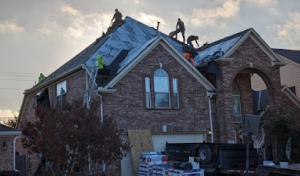
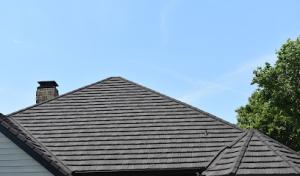
After a claim-driven replacement, the distinction between manufacturer material coverage and contractor workmanship promises matters. Manufacturer warranties cover the shingles themselves and any underlayment or starter components supplied with the product. Contractor warranties, sometimes called workmanship guarantees, cover the installation practices-how flashing was installed, nail patterns, attic ventilation integration, and overall roof assembly quality. In a hail-prone North Texas market with frequent storm-driven reroofs, this split matters for future claims and resale discussions. Be sure you receive both the exact product line and the corresponding warranty terms in writing.
When the job wraps, request copies of the manufacturer warranty documentation for every component used, plus a detailed workmanship certificate from the installer. Verify the installer's name, license or certification identifiers, and the date of installation. Ask for a written description of the installation method, including nail type, fastening pattern, and attic ventilation alignment. Local market signals emphasize manufacturer-certified positioning, so prefer contractors who can align their workmanship guarantee with the specific shingle or panel you chose. Ensure the claim process and transferability terms are spelled out.
Maintain a homeowners' folder with the replacement scope, photos from during the replacement, product model numbers, and warranty cards or online registration confirmations. In a hail-prone North Texas market, documenting what was replaced and how it was installed is valuable for any future claim or resale discussion. Include a short timeline of storm events that motivated the replacement and the contact notes with the insurer. This documentation supports both warranty inquiries and potential seller disclosures.
If a future roof issue arises, know which warranty to pursue first: check if it's a material defect or an installation concern. Manufacturer warranties are typically transferable with some conditions, while workmanship guarantees may have different transfer rules or time limits. Keep especially clear who to contact for each warranty type and how to initiate a claim after a spring storm season when demand is high.