Last updated: Apr 19, 2026
Princeton sits in the North Texas hail-and-wind claim environment that drives a very high volume of storm-related roofing work compared with calmer regions. When a spring storm roars through Collin County, you're not just dealing with a soggy afternoon - you're encountering a near-constant rhythm of flagged roofs, quick contractor rosters, and the pressure to move fast on replacement or repairs. The risk isn't only immediate damage; it's the knock-on effect on scheduling, material availability, and the potential for temporary failures to become long-term problems if left unaddressed. In practical terms, that means you should treat any hail or wind event as a trigger, not a guess, for re-roof timing.
In this part of Collin County, spring storm cycles can damage roofs and then immediately tighten contractor schedules, which often pushes full replacements toward later spring or fall. If a hail event happens, a rapid decision window follows as crews reallocate to prioritize insured work and new build cycles. Waiting through a crowded field can lead to longer projects, higher risk of weather-driven wear during the wait, and the chance that your roof sits in limbo during peak wind season. The practical takeaway is clear: after a severe storm, you should anticipate a compressed timeline for approvals, inspections, and installation. Don't let "soon" turn into "next season" if damage is evident or if hail return visits are anticipated. Push for a concrete plan with your insurer and contractor within the first week after you've documented the damage.
Because insurers in North Texas commonly request pre-loss and post-loss photo documentation, Princeton homeowners benefit from documenting roof condition before storm season and again immediately after hail or wind events. Before a storm, take wide and close photos of critical areas: shingles lifting, granule loss on the gutters, flashing around chimneys, and any sagging components. After a storm, capture fresh evidence of impact, track concrete signs of edge damage, and photograph clear views of any interior water intrusion. Keep a dated log and store it digitally so you can access it quickly if a claim is filed. The faster you provide clear, organized documentation, the less your claim tangles with delays caused by back-and-forth questions or missing information.
Expect a cycle that moves through assessment, documentation, claim review, and scheduling windows that are shorter than you'd hope for in quieter markets. Storm squads tend to appear in Princeton with a sense of urgency, but the workload pressure can mean you encounter multiple visits from adjusters or contractors trying to fit you into a tight calendar. To minimize friction, prepare an unobstructed path: clear access to the roof and attic, confirm any preferred contractors in writing, and align your timeline with the contractor's crew availability. Clear communication reduces the risk of misalignment between roof condition, insurance expectations, and the actual work window.
Start by reviewing every visible sign of wear as soon as you safely can after a storm: lifted shingles, bruising, granule loss, or compromised flashing. If you notice damage, reach out to a trusted local contractor who can perform a rapid initial assessment and provide a staged plan that aligns with the insurer's documentation needs. Make a point of aligning your scheduling with the anticipated peak contractor activity after a hail event - not when the calendar shows a slow season. Finally, keep a ready-to-share packet of photos, notes, and dates for quick submission when the claim process begins. The clock against further damage is ticking in Princeton-act decisively, document thoroughly, and push for a timely, coordinated replacement when warranted.
Nation Pro Roofing
(214) 578-5713 nationproroofing.net
1221 Monaco Dr, Princeton, Texas
5.0 from 74 reviews
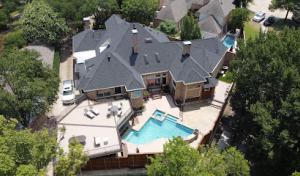
Nation Pro Roofing is a family-owned and operated business dedicated to meeting all your construction needs. We specialize in roofing, gutters, windows, siding, custom cabinets, patio covers, and fencing. No job is too big or too small for our skilled team. Our commitment to the community drives us to provide exceptional service and support throughout the process. With extensive experience in insurance claims, we facilitate seamless interactions with insurance adjusters and conduct thorough roof analyses to ensure your complete satisfaction. We proudly install high-grade architectural shingles at no additional cost, offering quality solutions for homeowners. Contact us today to discuss your project!
TX Construction Restoration & Remodeling LLC (Roofing)
(469) 933-6166 txconstructionco.com
3001 Hidden Meadow Ln, Princeton, Texas
5.0 from 68 reviews
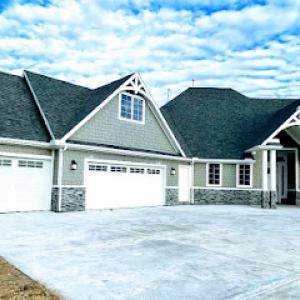
We are a contractor working out of Princeton, TX. We are a top rated construction service provider, and from the first nail to the final creative touches our contractor and crew will turn your home into a modern, unique, and comfortable place to live. We proudly offer general contracting, remodeling service, and roofing installation along with much more. Call or text us today to set up a free consultation!

EXL Roofing
(214) 945-9519 www.exlroofing.com
403 E Monte Carlo Blvd Suite B, Princeton, Texas
5.0 from 1 review
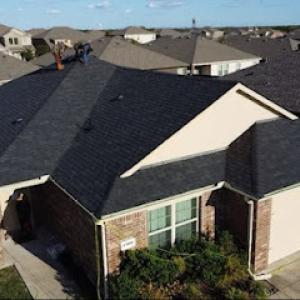
Welcome to EXL Roofing, your trusted roofing experts in Princeton, Allen, McKinney and surrounding cities! We are passionate about protecting your home and ensuring it stands strong against the elements. With our skilled team of professionals, we provide top-notch roofing solutions that are tailored to your specific needs. From repairs and replacements to new installations, we've got you covered – quite literally! With our commitment to quality craftsmanship and exceptional customer service, we strive to exceed your expectations. Trust us to keep your roof in pristine condition, so you can enjoy peace of mind and a cozy, leak-free home. Contact us today and let's elevate your roofing experience to new heights!
NTX Storm Solutions
Serving
5.0 from 19 reviews
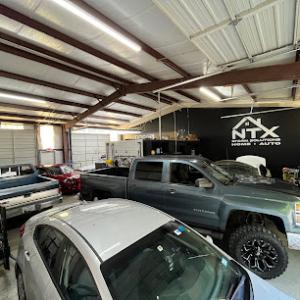
NTX Storm Solutions provides comprehensive repair solutions for all storm damages to your home. Our approach offers the homeowners peace of mind knowing they have one contractor to take care of everything in order to restore your home to a better than pre-storm condition.
Wortham Brothers Roofing
(214) 971-8838 www.wbroofing.com
Serving
4.8 from 284 reviews
Wortham Brothers Roofing is a trusted residential roofing contractor providing professional roof replacement and roof repair services. Established in 1986, we specialize in storm and hail damage roofing, free roof inspections, and assisting homeowners through the insurance claim process. Our experienced team delivers high-quality workmanship, durable roofing systems, and reliable service to protect homes and families. We are committed to honest evaluations, clear communication, and long-lasting roofing solutions.
Nimble Restoration Services
(214) 856-4030 www.nimblerestorationservices.com
Serving
4.9 from 124 reviews
Nimble Restoration Services offers twelve years of experience in restoration construction and roofing repair and replacement for residential and commercial structures in McKinney, TX, and surrounding areas. Our client information service ensures our customers understand their needs and the best materials for their circumstances. We offer roof inspections and tune-ups. We believe our integrity and service are unmatched. RCAT licensed and insured. Woman-owned. Emergency services are available.

RoofHero
(469) 975-7377 www.myroofhero.com
Serving
5.0 from 189 reviews
RoofHero is a locally owned roofing company in McKinney specializing in hail damage roof replacement, roof repair, and insurance claim assistance. We provide instant roof estimates and free roof inspections so homeowners can quickly understand their options after storm damage. RoofHero is a GAF Master Elite contractor and FORTIFIED Roof certified, installing impact-resistant roofing systems designed to withstand severe Texas weather. Our team helps homeowners through the entire insurance claim process from inspection to installation.
Bua's Next Level Roofing
(214) 669-6181 buasroofing.com
Serving
5.0 from 45 reviews
Next Level Roofing is an A+ BBB Accredited Business servicing the Greater Dallas/Ft. Worth TX area & North/Central Arkansas areas working with both residential and commercial roofing. We provide our clients with a very high level of honesty and knowledge that is hard to find in today's roofing industry. We receive a very high percentage of our business from word of mouth referrals from our highly satisfied clients. We are insurance claims specialists in the areas of storm related damages due to Hail, High Winds or Tornadoes. Our salespeople are both knowledgeable and skilled in working with insurance adjusters and helping our clients when there is a need to file a claim.
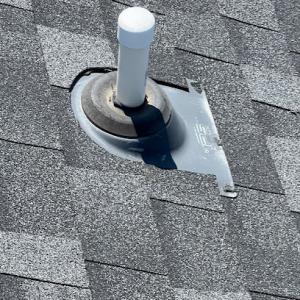
Roofing OnTop & Construction
(469) 617-7701 www.roofingontop.com
Serving
5.0 from 159 reviews
Roofing OnTop & Construction is a locally owned North Texas exterior contractor built on faith, family, integrity, and excellence. Founded by David, a North Texas native, we know the neighborhoods, the homes, and the people we serve—because this is our home too. From roof repairs and replacements to gutters, fencing, concrete, paint, irrigation, and storm damage repairs, we deliver all-seasons exterior services with clear communication and craftsmanship done right the first time. We show up, respect your property, and treat every project like it’s our own. Always OnTop.
Performance Roofing
(972) 360-8042 www.performanceroofingtx.com
Serving
4.8 from 427 reviews
Performance Roofing of DFW offices out of McKinney, Texas and serves the entire Dallas - Fort Worth Metroplex. Our team is spread across each of the counties below in order to serve you in a timely manner. The counties we serve include: Collin, Dallas, Tarrant, Grayson, Denton, Rockwall, Kaufman, Ellis, Wise, Parker, and Johnson. Our roofing specialist offer roof replacement, roof repairs, new build roof installation, gutter installation and repairs, along with storm restoration and water/fire restoration. Our team also helps with your windows, siding, and fence Full service contractor specializing in commercial, residential, & multi-family roofing and general construction. Call the top roofing company in McKinney serving all of DFW today!
Paradigm Roof+Shield
(972) 542-7774 paradigmroofs.com
Serving
4.9 from 226 reviews
Paradigm Roof+Shield, located at 901 N. McDonald Street, Ste 1003, is your premier roofing contractor specializing in comprehensive roof inspection, repair, and replacement services. Our expert team provides top-tier solutions in commercial roofing, roof leak repair, and asphalt and shingle roofing. We are committed to delivering exceptional craftsmanship and quality, ensuring your roof remains durable and reliable. Trust Paradigm Roof+Shield for all your roofing needs, from routine inspections to complete replacements. With our unmatched expertise, we are dedicated to keeping your property safe and secure. Choose us and experience the pinnacle of roofing excellence.
Excel Construction Group
(469) 545-1500 www.excelcg.com
Serving
4.9 from 88 reviews
From over 50 years of experience in roofing, renovation, and masonry, the Excel Construction Group can serve you with the finest services. We have the best combination of abilities and understanding to handle just about any construction project. New house and office building, luxury bathroom and kitchen remodelling, roofing, and masonry are some of our expertise.
Asphalt shingles remain the practical foundation for most homes with classic Princeton roofing stock. They install quickly, and the broad availability of colors and profiles makes it easy to match existing exteriors in growing neighborhoods. In this climate, though, the heat of North Texas summers accelerates granule loss, brittleness, and underlayment aging compared to milder markets. If you choose asphalt, plan for a shingle with a stout asphalt mix and a reflective or cooling granule option to help keep attic temperatures in check. A good underlayment, quality ventilation, and a properly sealed drip edge become essential to extend life when the heat cycle repeats year after year. Maintain a close eye on granule loss after the first few hot seasons, and consider a mid-life upgrade to a higher-reflectivity shingle if you see noticeable color fade or dark patches that indicate accelerated wear.
Metal roofs offer strong hail resistance and the potential for excellent long-term performance in this climate. The smooth, continuous surface reduces hail impact risk on the roof deck and can shed heat more efficiently than some other options, contributing to lower attic temps if properly vented. In practice, homeowners here weigh this against higher upfront costs and the need for precise panel alignment and fastener sealing to prevent water intrusion during heavy Texas storms. If choosing metal, select a coating designed for hot climates and a finish that minimizes heat absorption. Pay attention to fastener patterns and flashing around chimneys, skylights, and vent pipes, since these joints are common trouble spots after severe hail events. A metal roof can be a smart long-haul move if your home's structure is ready for a heavier roof and you're aiming for extended service life with lower ongoing maintenance in a hail-prone season of the year.
Clay and concrete tiles bring distinct architectural appeal and excellent impact resistance, but their heavier weight and brittleness under sudden hail impacts can vary by product and installation. In Princeton, storm sequences can expose weak points at flashing and edge details if the installation wasn't designed for the added weight or if structural members are marginal. Synthetic or composite shingles and tiles can emulate the look of traditional tiles while offering lighter weight and better impact resistance in some formulations, but performance depends on the specific core material and interlocking system. When considering these options, verify that the roof framing was designed or reinforced to carry heavier assemblies, and confirm color-matching compatibility for replacement sections after a hail event. Replacement parts for older tile profiles may be harder to source, so plan for the likelihood of matching color and texture across sections if a severe storm triggers localized replacement.
In a hot, hail-prone subdivision, you'll want a roof that balances wind uplift performance, heat management, and ease of repair after storms. Start by evaluating your attic ventilation and attic insulation, since heat cycling accelerates wear across all materials. Then compare the available impact resistance and wind uplift ratings across asphalt, metal, and tile/synthetic options, with a focus on how each system handles the mix of direct sun exposure and afternoon shade typical of the area. Finally, consider future accessibility for maintenance and the likelihood of needing color and profile matches after a hail event, especially in neighborhoods with closely aligned architectural styles. The goal is a system that resists hail impacts, manages heat, and can be matched for quick, reliable replacement if a storm does occur.
A full re-roof in Princeton typically requires a permit through the City of Princeton Building Department rather than being treated as a no-permit maintenance item. Before any shingle or tile start, you should confirm whether the project needs a permit with the building inspector or your roofer. The permitting process signals the city's basic duties-proper venting, flashing, and overall roof integrity-and helps prevent later denials or rework during hail-and-wind season. Your permit package should include project scope, planned ventilation, and flashing details. If the plan shows only a tear-off and replacement, expect the same permit review as a full reroof and be prepared to address areas beyond the visible surface, such as attic ventilation and attic-access changes.
The city generally uses milestone inspections such as rough-in and final, so roofing schedules should account for inspection timing instead of assuming same-day closeout. Rough-in inspections typically occur after decking is prepared and underlayment is installed, but before any new shingles go on. The final inspection happens after all components, including vents and flashing, are in place and the roof finish is complete. In practice, this means your project should align with the inspector's availability and leave room for any required adjustments before the final stamp. If a delay arises-common in busy spring and fall windows-plan for potential weather pauses and coordinate crews accordingly to avoid weather exposure or rework.
Princeton homeowners should verify ventilation and flashing expectations during permit review, because those details can affect approval even when the project is primarily a tear-off and replacement. Ventilation must reflect attic needs for the Texas heat, which in turn impacts energy efficiency and shingle wear. Flashing around chimneys, skylights, vents, and transitions to walls should be specified to meet local code and HOA considerations if applicable. If the permit reviewer flags any uncertainties, bring stamped drawings or manufacturer installation guides for underlayment, vents, and flashing. Clear alignment on these details helps prevent a halt in work at milestone inspections and supports a smoother final approval.
Keep copies of all permit documents, inspection notices, and approved ventilation and flashing details at the job site. Communicate early with the contractor about expected inspection windows and any possible conflicts with material delivery or weather. When the crew completes milestones, schedule the inspection promptly to avoid delays in the project timeline. Remember that inspection results are the city's assurance that the replacement will stand up to hail and wind events typical for this area.
In this market, asphalt shingles sit in the practical middle, with provided local ranges around $350 to $700 per square. Metal roofs push higher, typically $700 to $1200 per square, reflecting longer replacement cycles and better hail resistance. For clay tile, expect $1100 to $2100 per square, while concrete tile runs $1000 to $1800 per square. Wood shingles or shakes trend at about $500 to $900 per square, and synthetic or composite shingles generally land from $550 to $1000 per square. These figures aren't abstract numbers: they outline what you'll encounter when a hail event nudges your insurer to consider a full replacement rather than a repair.
When a regional hail event hits and North Texas demand surges, labor availability tightens and scheduling stretches across the broader DFW contractor pool. In Princeton, that dynamic can push wait times longer and push prices up, especially for premium materials. Homeowners who plan ahead after a hail day sometimes find better access to crews and more favorable material stock, but the post-storm surge is real. If you've had a hail event, expect price pressure not just from material costs but from crew availability and faster-tracking needs as insurers push for timely scope reviews.
Material choice matters more here than in calmer markets because repeated hail and heat exposure tests different systems. Asphalt is a solid first choice for budget-conscious homes, but repeated hail can accelerate granule loss and edge wear, leading to more frequent maintenance or early replacement. Metal, clay, and concrete tiles provide stronger impact resistance and heat performance, but they come with higher upfront costs. Wood shingles and synthetics offer distinct aesthetics and varying durability; however, synthetic options can balance cost with improved hail resistance compared with traditional wood. In Princeton, you'll often weigh a lower immediate outlay against the longer life and better hail performance of higher-cost systems.
Start with a rapid post-storm assessment to determine if a full roof replacement is financially prudent or if cosmetic repairs could bridge to the next weather cycle. Get multiple written estimates early in the media lull after a hail event; the price spread can be wider than typical. If you're aiming for a roof that withstands both hail and the Texas sun, consider color and coating options that reflect heat and reduce thermal expansion. Finally, align your choice with expected claim activity and the likelihood of insurer support for a full replacement versus targeted repairs, recognizing that the storm market can tilt decisions toward the most robust, long-term solution.
In Princeton, the cost landscape you'll see mirrors the storm-driven demand cycle and the mix of housing stock common to the area. The spread between asphalt and higher-end systems is a real decision point, especially after a hail event that prompts insurer interest in replacing large sections rather than patching. Keep in mind that the right choice blends upfront budget, long-term durability, and the ability to weather both another hail cluster and the Texas heat.
Get a clear picture of your project costs upfront - no commitment required.
TX Construction Restoration & Remodeling LLC (Roofing)
(469) 933-6166 txconstructionco.com
3001 Hidden Meadow Ln, Princeton, Texas
5.0 from 68 reviews
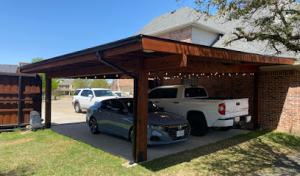

In this fast-growing North Texas niche, the hail and wind activity that defines your weather year after year ripples through how insurers handle your roof. The deductible and underwriting scrutiny you see on every claim aren't random; they're shaped by a history of weather-driven losses and the way local adjusters assess risk. The consequence is that a roof replacement decision can be as much about insurance momentum as about the roof itself, especially after a severe hail event.
Insurers commonly ask for roof age, material type, contractor estimates, and a detailed photo set before settling a claim in this region. Those requests aren't new tricks; they're standard practice in a high-claim environment where documentation matters. The contractor's estimate should align with the roof's age and material, and the photos should clearly show key areas such as hail dents, wind-uplift evidence, and any existing wear. If the photos or paperwork are sloppy or incomplete, the review can stall or yield a smaller settlement. That risk is magnified when the home has multiple contributing factors, like prior repairs or mixed roofing materials.
Because weather-driven claims are so common around Princeton, you should treat your roof records like a small asset. Keep installation receipts, material specifications, and any photos taken at the time of installation. Maintain a dated maintenance photo log, especially after hail storms or high-wind events, so you can map improvements or deterioration over time. When a claim might be on the horizon, you'll want a concise folder with the installation details, contractor estimates, and a clear sequence of dated photos. This disciplined approach reduces surprises and helps you present a coherent story to adjusters.
Connect with contractors who help homeowners navigate the claims process from damage assessment to final approval.
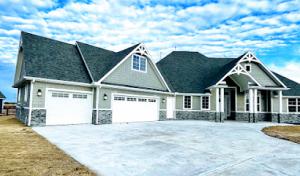
Nation Pro Roofing
(214) 578-5713 nationproroofing.net
1221 Monaco Dr, Princeton, Texas
5.0 from 74 reviews
TX Construction Restoration & Remodeling LLC (Roofing)
(469) 933-6166 txconstructionco.com
3001 Hidden Meadow Ln, Princeton, Texas
5.0 from 68 reviews
Spring in Princeton brings the highest disruption risk from hailstorms and strong winds, which can both damage roofs and interrupt active jobs. Homeowners should plan for the possibility of quick weather pivots-short windows become critical when hail is forecast. If a hail event hits, a quick roof inspection after the storm helps determine if immediate tarping or temporary protection is needed to limit interior exposure. Coordinating with a local crew that can mobilize promptly after a front passes keeps the project moving without letting minor leaks linger.
Summer heat across the DFW side of Collin County can make installation windows harsher on crews and roofing materials, especially asphalt products and underlayment. Heat fatigue adds risk to long days, and midafternoon temperatures test shingle warranties and workmanship. Scheduling starts early and aims to finish before the peak heat or in cooler early evening slots. Proper ventilation and hydration protocols for the crew matter, and you may notice longer burnish times for certain shingle colors that absorb heat more than others.
Fall is often a preferred replacement window locally because temperatures are more workable, though wind events can still affect scheduling before winter. A calm stretch in late September through October offers steadier conditions for laminate and metal installations alike. Cooler days also help with adhesive curing for underlayments and sealants. If a fall project runs into late October, keep an eye on strong fronts that bring sudden gusts, as those can stall progress or require temporary shutdowns to protect exposed roofing components.
In Princeton, the calendar must balance weather risk with the life cycle of damaged roofing. Have a contingency plan for spring hail bursts, and set realistic targets that allow for a weather-driven pause without derailing the timeline. Communicate with the crew about preferred morning start times to beat heat, and keep a short list of backup days for fall windows when wind events threaten to push work into winter. A coordinated approach helps ensure a durable result amid the city's seasonal rhythms.
In this community, damage often hides where shingles meet critical transitions. Wind-lifted shingles may be sorely out of place, yet the surface looks intact from ground level. Exposed fasteners and flashing movement behind ridges or along eaves can loosen quietly after a storm, creating entry paths that aren't obvious without a closer look. After a hail event, the most telling signs aren't scattered dents on the field-it's where the roof meets walls, chimneys, and nearby vent pipes that water tends to slip through first. A careful eye from ladder height or a trusted neighbor's porch sightline can reveal the early, costly failures that only show up once the next windstorm arrives.
Repeated high heat in North Texas accelerates aging in seal strips and underlayment. That heat-driven wear weakens the roof's first line of defense, so when hail or high winds strike, older asphalt systems are more prone to leakage than a newer, heat-adapted layer. You may notice lift along edges where shingles have softened, or a brittle feel to the underlayment under the surface granules. The consequence is a higher risk of interior water stains after storms that deliver both wind and hail in quick succession, especially on older neighborhoods where roof lines are more exposed to sun.
Skylights and roof penetrations deserve extra attention locally because storm-driven water intrusion often shows up first at transitions rather than across open field shingles. Pay particular attention to seals around skylight flanges, vent pipes, and chimney bases. In many Princeton homes, these points harbor micro-leaks that only become obvious after a wind-driven downpour or a rapid heat cycle followed by moisture. Inspect edges where flashing meets tile or shingle, and look for small gaps or staining that suggests water is finding a path through a seemingly sealed junction.
Find contractors experienced in skylight installation, flashing, and leak repairs to bring natural light into your home.