
Last updated: Apr 19, 2026
Spring severe thunderstorms and frequent hail in this area mean a storm can strike hard and fast, leaving both obvious shingle damage and hidden bruising on the underlayment and decking. After a storm, you should inspect the roof from safe ground and, if you can do so without climbing, look for lifted shingles, granule loss, dented vents, or randomness in shingle alignment. If climb is necessary, proceed with extreme caution and use a sturdy ladder on level ground, wearing eye protection and gloves. In Magnolia, a single hail event can trigger multiple insurance notices, so act quickly: document the damage within 24 to 72 hours, not weeks later, while conditions remain fresh. If you cannot safely access the roof, arrange a professional roof inspection within 48 hours of the event. Quick, professional eyes help separate obvious damage from bruising that may worsen with subsequent wind gusts and rain.
Insurers in this market frequently request dated evidence that shows both the extent of loss and progression of damage over time. Take clear photos from multiple angles, focusing on fasteners, shingle edges, and any granule loss in gutters, downspouts, and driveway run-off. Include the date stamp on each photo and capture nearby unique landmarks to anchor the timing of the damage. Create a simple damage diary: note the time and date of the storm, the observed roof condition, and any indoor signs of roof issues, such as attic moisture or ceiling staining. When possible, have a licensed contractor or a reputable roofer perform a temporary inspection and provide a dated, written condition report that you can attach to the claim. In Magnolia, insurers may request proof that damage existed prior to major subsequent weather events, such as tropical storm remnants, so precise dates and visuals are essential for a credible claim record.
Fall wind events and tropical storm remnants can interrupt repair work well outside the spring hail window, turning a straightforward replacement into a multi-week scheduling challenge. Temporary protection becomes a practical necessity: cover exposed roof areas with tarp or roofing felt promptly to prevent water intrusion, especially during heavy summer moisture and passing squalls. If a storm shifts plans, communicate promptly with your roofing contractor and insurer, confirming revised start dates, expected completion windows, and the specific temporary measures being implemented to protect interior spaces. In Magnolia, rapid inspections after each significant weather pulse are encouraged because subsequent pressure from another storm cycle can exacerbate minor vulnerabilities and complicate tear-off and replacement decisions. Keep a visible log of weather-related delays and the corresponding dates of any temporary protections applied. This helps align expectations with carriers and reduces the risk of miscommunication when the claim moves from assessment to repair.
A local roofer will prioritize a storm-focused assessment, including a careful look at ventilation, attic insulation, and the integrity of underlayment after hail impact. Ask for a brief, dated summary of findings after the initial inspection, highlighting any immediate risk to interior spaces and the recommended temporary protection plan. Since Magnolia experiences recurring storm cycles, anticipate a staged approach: initial tarping and weatherproofing, followed by a detailed teardown and replacement after the claim is approved. Ensure the contractor lanes in a clear schedule for debris removal and disposal, with contingency steps for days when wind or rain interrupts progress. This city's climate calls for disciplined, time-sensitive action, and a trusted local contractor will normalize the process, keeping the job moving while storm patterns continue to press from season to season.
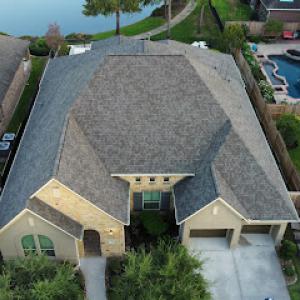
Locked In Roofing
(832) 774-7663 lockedinroofing.com
32815 Tamina Rd, Magnolia, Texas
5.0 from 290 reviews
Roofing contractor serving Houston and surrounding areas"
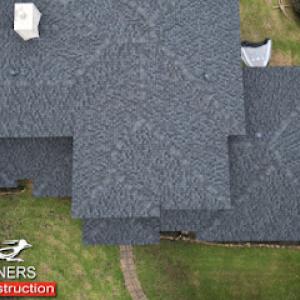
Roof Runners
(832) 348-0133 roofrunnersllc.com
8844 Twin Fls Ln, Magnolia, Texas
5.0 from 130 reviews
Roofing & construction Family owned business taking care of all your needs.
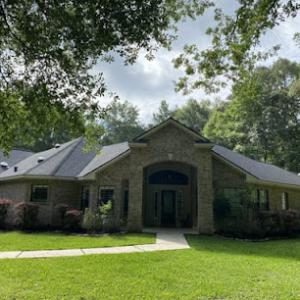
Cayne Roofing & Construction
(713) 842-0802 cayneroofing.com
Magnolia, Texas
5.0 from 110 reviews
Cayne Roofing and Construction is a firefighter-owned local business specializing in residential and commercial roofing, gutters, siding, and exterior renovations. We handle roof replacements, repairs, storm damage, patios, additions, and outdoor living spaces. We use high-quality materials, offer workmanship warranties, and provide honest, professional service. Fully insured and trusted for quality and integrity, we serve the greater Houston, TX area with expert craftsmanship and free roof consultations. You can trust Cayne Roofing with your home—just like you trust the firefighters who own it. We're protecting what matters most, from the top down.
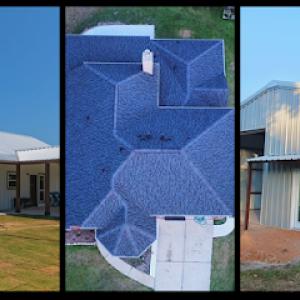
Exteriors of Texas
(281) 766-3333 www.eotroofing.com
33030 Tamina Rd Ste 100, Magnolia, Texas
4.9 from 126 reviews
Exteriors of Texas is a leading expert in Residential roofing & Commercial roofing, Metal Buildings and custom Barndominums, Insured and Bonded. The highest of quality with exceptional service
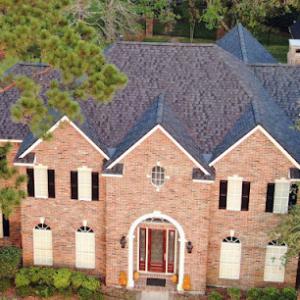
Redemption Roofing
(936) 321-3733 www.redemptionroofing.com
33130 Magnolia Cir #14, Magnolia, Texas
4.9 from 190 reviews
Redemption Roofing is a Roofing Contractor that offers a full range of roofing services including roof repair, new roof installation, and roof damage assessment. We serve residential and commercial clients in the greater Houston metro area and Montgomery County including the northern communities of Conroe, Spring, Tomball, and The Woodlands. Redemption Roofing has more than 35+ combined years of experience in the Texas market. Your roof acts as a protection from the elements for you, your family, and your property. The right roofing type and style helps to determine the look of your property and its value. Schedule a FREE Inspection today.
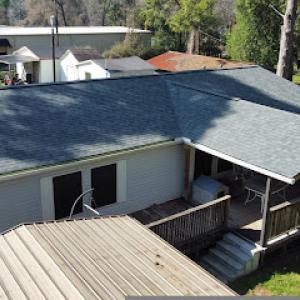
Angelman Roofing & Restoration
(713) 478-2150 www.angelmanroofing.com
Magnolia, TX
5.0 from 52 reviews
Angelman Roofing & Restoration is Houston based company focused on making a difference and providing the best customer service possible. We offer everything from roofing to full interior remodels. We are pledging a portion of profits to the Angelman Syndrome Foundation to eventually find a cure for Angelman Syndrome. If you would like to learn more about this amazing foundation please visit the Angelman Syndrome Foundations website.
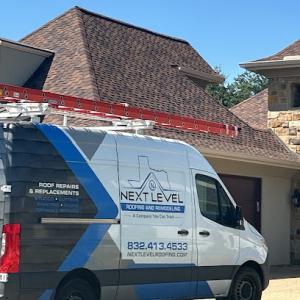
Next Level Roofing & Remodeling
(832) 413-4533 www.nextlevelroofing.com
215 Neidigk Sawmill Rd, Magnolia, Texas
4.9 from 95 reviews
Next Level Roofing & Remodeling is a trusted roofing company serving Montgomery County, TX. We specialize in roof repairs, roof replacements, storm damage restoration, and insurance claim support. Our team provides honest inspections, quality workmanship, and fast response times for homeowners in Pinehurst, Magnolia, Montgomery, Conroe, The Woodlands and surrounding areas. As a local family-owned business, we’re committed to building long-term relationships through transparency, reliable service, and quality you can trust.
Modern Roofing
7711 Shag Bark Dr, Magnolia, Texas
4.9 from 129 reviews
Modern Roofing is a family run business with over 40 year’s experience as roofing contractors. Modern Roofing is the premier roofing company in The Woodlands and Conroe TX with depth of knowledge and experience to handle both residential and commercial roofing and gutter installation projects. If you are searching for a roofer near me that is a Certified Contractor for GAF and Owens Corning, please give us a call!
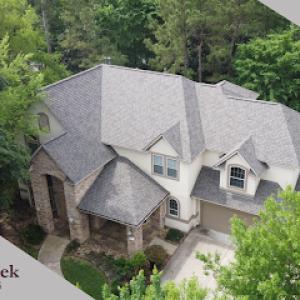
Mill Creek Roofing
24715 FM 1488 STE 5, Magnolia, Texas
4.9 from 54 reviews
Mill Creek Roofing is a family owned and operated roofing company that is committed to serving our customers with the highest level of service. We have been and always will be a local solution for a full range of roofing, siding, and gutter services. Our business is built on neighborly trust, quality work, and affordable prices. We work with customers in Cypress, Magnolia, The Woodlands, Conroe, Montgomery, Tomball, Bryan/College Station, Huntsville, Katy, and the surrounding areas.
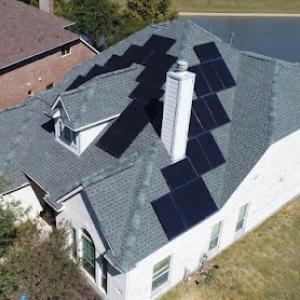
Rapid Roofing & Construction
(281) 798-1357 rapidroofingandconstruction.com
Magnolia, TX
5.0 from 22 reviews
Rapid Roofing and Construction's goal is to guarantee customer satisfaction during your home improvements. We take pride in our work whether it be exterior or an interior project, we ensure that all jobs get done to the customers liking. We also prioritize client communication to ensure that the process is simple and stress free for the homeowner.
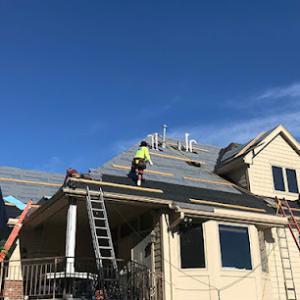
D&M Roofing
(936) 331-2441 dandmroofing.com
33015 Tamina Rd Ste A, Magnolia, Texas
4.8 from 39 reviews
We are a family owned and operated roofing company with over 50 years of experience servicing Houston and all surrounding areas. Experience the D&M difference with us today!
Espinoza Roofing & Construction
(936) 444-8041 espinozaroofingconstruction.com
16318 Evergreen Timbers, Magnolia, Texas
5.0 from 16 reviews
Espinoza Roofing & Construction is a full-service roofing contractor that specializes on shingles and metal roof replacements/repairs.
When a storm rolls through, homeowners notice the price tags jump in the Magnolia area. Asphalt shingles generally run about $350 to $600 per square, while metal roofing sits in the $600 to $1100 range. Clay tiles command $900 to $1800 per square, concrete tiles $800 to $1600, synthetic/composite shingles $400 to $750, and slate from $1800 to $3000 per square. These ranges reflect local labor, haul-off needs, and the mix of material choices you'll see among nearby detached homes. In this market, a full reroof often becomes the default repair pathway after hail or high-wind events, rather than patchwork fixes, which keeps overall costs higher than milder seasons.
Storm-driven demand spikes in the Magnolia market can push scheduling and labor pressure higher after hail and wind events, especially for full reroofing rather than small repairs. After a big hail event, you may encounter lead times for shingles, underlayment, and ventilation components as crews shift to higher-priority storms around the Houston basin. Expect tighter windows for inspections, more frequent callbacks on nailed-down details, and longer waits for tear-off crews if a full replacement is deemed needed by the insurer.
Costs in Magnolia are often affected by full tear-off requirements, ventilation corrections flagged during inspection, and the roof pitches common on suburban detached homes. A full tear-off adds substantial disposal and labor costs compared with a simple overlay, and some markets push for complete removal to ensure a clean slate under new decking and underlayment. Ventilation corrections show up as knowable line items when inspectors flag inadequate attic intake or exhaust, especially on homes with midrange to high pitches. Sloped roofs with steeper pitches require more crew hours and longer lift times, which translates to higher per-square costs in practice, even for asphalt shingles.
After a hail event, document all damage with clear photos from ground-level and up close to the gutters, vents, and flashing. Request a detailed scope from the contractor that separates tear-off, disposal, underlayment, ventilation improvements, and flashing work. If insurance aligns with a full reroof, ask for a line-item breakdown that includes any code or ventilation corrections that might be required for Magnolia's climate. Compare multiple bids to gauge whether higher-priced options include upgraded underlayment or better wind-rated shingles, which can affect long-term durability in the humidity-prone North Houston corridor. Be mindful that synthetic/composite shingles and metal options often present a favorable balance of long-term performance and upfront cost in this environment, particularly when paired with proper attic ventilation and attic access improvements.
For asphalt shingles, budget on the lower end if a repair-ready roof without tear-off is feasible, but plan for $350 to $600 per square for a replacement when a full reroof is necessary. Metal roofing brings resilience against hail and wind but carries a higher per-square price in the $600 to $1100 range. Tile options-clay or concrete-tend to anchor the ceiling for long-term durability, with clay at $900 to $1800 and concrete at $800 to $1600 per square. Synthetic shingles offer a middle path at $400 to $750, while slate remains the premium choice at $1800 to $3000 per square, often justified only by special architectural needs or long-term value considerations. In Magnolia, the decision hinges on anticipated storm exposure, attic ventilation status, and willingness to pursue a full tear-off if inspectors require it.
Get a clear picture of your project costs upfront - no commitment required.
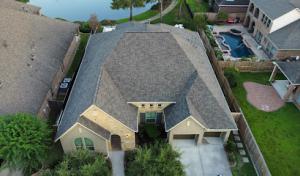
Locked In Roofing
(832) 774-7663 lockedinroofing.com
32815 Tamina Rd, Magnolia, Texas
5.0 from 290 reviews
Elite Roofers - Magnolia Roofing Contractor
(832) 553-2134 eliterooferstx.com
19902 Turtle Creek Ln, Magnolia, Texas
5.0 from 4 reviews
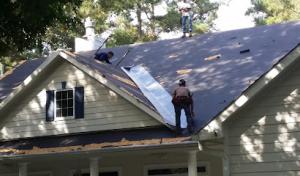
The northwestern Houston corridor brings hot, humid summers that accelerate aging in asphalt shingles more than in milder climates. In this climate, granule loss, curling, and shortened replacement cycles become local planning concerns, especially after a barrage of summer storms and heavy moisture. Storm exposure also influences how well a roof resists wind-driven rain and hail, and how quickly a roof can shed moisture during the hottest days. Any material choice should prioritize long-term durability, ventilation compatibility, and the ability to perform a thorough tear-off when necessary.
Asphalt remains a common choice because it fits many home designs and can be installed to suit local storm exposure. However, the heat and humidity here press the material to its limits. Look for shingles with longer warranties and improved UV resistance, and pay attention to the underlayment and attic ventilation that accompany the shingles. A well-ventilated attic helps control the roof deck temperature, slowing granule loss and reducing the risk of accelerated curling. In the field, inspect edges and corners after storms for signs of accelerated wear, and plan for timely maintenance to extend service life. If asphalt is chosen, a premium architectural profile with heat-reflective granules can improve performance in the long run.
Metal roofing has a practical edge in this market because repeated storm exposure and heat demand careful fastener detailing and attention to thermal movement. A correctly installed metal roof expands and contracts with the heat, so fasteners must be chosen to accommodate movement and to prevent leaks at joints and intersections. Metal panels with proper insulation and underlayment help manage condensation and maintain indoor comfort during hot spells. Hail resistance is a key strength for metal, but the installation must address the roof-to-wall connections, edge details, and snow- or rain-runoff patterns to avoid moisture intrusion. If a metal roof is selected, ensure the panel profile and fastening method are matched to the home's geometry and to the local wind environment.
Tile and synthetic shingles appear in the Magnolia market, yet suitability hinges on structure, storm exposure, and how well the assembly handles local moisture and ventilation demands. Clay and concrete tiles offer excellent longevity and resistance to some weathering forces, but their weight requires a reinforced structure and careful attachment to accommodate wind loads. Tile roofs also demand thoughtful attic ventilation to prevent moisture buildup under cooler nights following hot days. Synthetic or composite options can mimic the look of tile with lighter weight and easier handling, but still benefit from proper venting and a robust underlayment system to manage humidity and moisture infiltration. When considering these options, evaluate the home's framing capacity, drainage behavior, and how the roof assembly responds to rapid temperature changes and frequent rain events.
Across all materials, the role of ventilation cannot be overstated. A humid climate amplifies the risk of moisture buildup under any roof assembly, which can compromise decking, fasteners, and sealants. Ensure that soffit intake, ridge or mechanical ventilation, and attic insulation are coordinated with the chosen roofing system. For any storm-related assessment, thorough tear-off inspection and moisture checks are essential to prevent hidden damage from progressing between seasons. A well-ventilated, well-sealed roof system will perform better under the stress of hail, wind, and heat, no matter which material is selected.
In Magnolia, full reroof projects typically require a permit through the local building department rather than being treated as informal maintenance. That means you'll need to file the right paperwork, have the plan reviewed, and expect a permit to be issued before any tear-off begins. Skipping this step can trigger notice of violation, delayed replacement, or issues with your insurance claim if a claim is filed after work starts. Your contractor should verify that the project scope aligns with the permit, including tear-off depth, underlayment type, ventilation plan, and final roof system specifications. Treat the permit as a visible safeguard rather than a hurdle, since a properly permitted job keeps you compliant with local rules and reduces the chance of future rework.
Reroof work here is commonly inspected during and after installation, with rough and final checks focused on tear-off, underlayment, ventilation, and the completed roof system. Expect at least one rough inspection shortly after the old roof is removed and the new underlayment is laid, followed by a final inspection when the project is complete. The inspectors will verify the removal of all debris, proper nailing patterns, flashing details around chimneys and vents, and the adequacy of attic ventilation to prevent moisture buildup. If your home has unusual geometry, attic access challenges, or a historically sensitive roofline, plan for a longer inspection window and confirm addressing any nonstandard notes with the inspector beforehand.
The tear-off phase is a high-visibility point for inspections, so ensure the contractor keeps the site clean and reachable by the inspector. Underlayment quality and installation are critical in this climate, where heavy moisture and hail exposure test the roof early on. Ventilation must be properly sized and integrated with the attic to avoid trapped heat and humidity, which can accelerate wear on decking and shingles. If your attic has restricted access or nonstandard framing, request a pre-inspection to confirm that ventilation calculations align with local expectations and that the plan will pass the final check.
Processing times and wind-related requirements can vary by jurisdiction around Magnolia, so homeowners need to confirm whether city or other local authority review applies before scheduling tear-off. Some neighborhoods rely on the city, others on a county or municipal utility authority, and some follow stricter wind-load or casing standards after a storm. Before any work begins, obtain written confirmation from the contractor about which authority will handle the review, the expected timeline, and any wind-resistance or ventilation stipulations that could affect the permit package. Having this clarity helps avoid last-minute delays and ensures the project proceeds with compliant documentation.
In this climate, hail and high winds are common triggers for roof claims, and carriers routinely want a clear, case-specific record before and after a storm. Detailed condition notes from a professional inspection, paired with high-quality photographs, help establish a timeline and shield against disputes. Expect the adjuster to review the roof's age, prior repairs, and current condition in light of recent weather events. Organize documentation so the progression is easy to follow: pre-storm baseline evidence, post-storm findings, and any interim maintenance that could affect coverage decisions.
Photographs should tell a story from multiple angles and include dates. Start with wide shots of the entire roof and gutters, then close-ups of suspect areas such as hail hits, lifted shingles, flashing, and vent pipes. Include interior attic photos showing any signs of leaks, staining, or condensation, since moisture movement can precede visible roof damage. Ensure photos are labeled with date, location, and a brief note about what's shown. If a professional inspection occurs, request a concise written summary and attach it to the photo set. Retain a dated copy of all images in a digital format and a physical folder for quick access during a claim review.
Notice should be given promptly after a storm, and a written record of when and how the claim was reported helps prevent questions about delays. When a post-storm inspection is performed, secure the inspector's credential, license information if applicable, and a concise report describing findings, recommended actions, and any moisture concerns. If partial repairs are made, document what was done, the materials used, and the date of service. For carriers tightening underwriting, maintain a long-term archive that shows roof performance across multiple seasons, including any prior repairs, to support renewal discussions and coverage evaluations.
A roof nearing the end of its expected life often draws closer scrutiny during renewal or new policy reviews. Prepare a risk narrative that connects observed wear with weather exposure, maintenance history, and recent storm events. Include notes on any prior hail claims, flags raised during inspections, and a clear plan for ongoing monitoring or timely maintenance. The goal is to provide a transparent, chronological dossier that makes it easy for an adjuster to verify the roof's condition and the adequacy of your response to storm damage.
Connect with contractors who help homeowners navigate the claims process from damage assessment to final approval.
Locked In Roofing
(832) 774-7663 lockedinroofing.com
32815 Tamina Rd, Magnolia, Texas
5.0 from 290 reviews
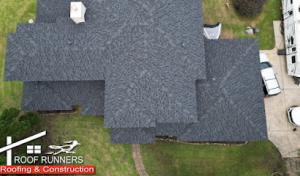
Roof Runners
(832) 348-0133 roofrunnersllc.com
8844 Twin Fls Ln, Magnolia, Texas
5.0 from 130 reviews
Shoulder seasons offer the most reliable window for planned roof replacements. The combination of milder temperatures and lower humidity helps crews move material and ventilate attic spaces without the stress of peak summer. If a project can slide to early spring or late fall, you reduce heat-related slowdowns and trim the risk of weather-driven backlogs. Schedule a realistic start date with a crew that can buffer a day or two for sudden shifts in Magnolia's typical spring pattern.
Spring hailstorms and severe thunderstorms can throw schedules off quickly. Even homeowners who are ready to proceed may see inspections or installation shift by days or weeks due to storm cleanup, debris checks, and insurance claim movement. Build in a contingency plan: align your order of shingles, underlayment, and ventilation components so a short delay doesn't stall progress. If a storm hits, expect a pause in exterior work while crews reassess attic ventilation, roof decking condition, and tarping needs to guard interior spaces.
Unusual winter freezes in the Magnolia area can temporarily affect roofing materials and outdoor work pace, despite a generally warm climate. Freezing mornings slow adhesive set times, and frost can delay roof decking handling. A small frontline forecast can save trouble: confirm material deliveries and scaffold setups on days forecasted to stay above freezing, and prepare for occasional morning work pauses when temperatures dip. Have a plan to protect exposed decking with fast tarping if a cold snap intrudes during a late-season installation.
Communicate a flexible timeline with a trusted local crew that understands Magnolia's storm rhythms. On-site, verify attic ventilation and tear-off integrity at the first sign of material delivery readiness, and keep a clear line of sight to potential backlogs caused by spring disruption or winter cold snaps. If a storm disrupts progress, implement a rapid recheck of roof deck condition and flashing compatibility before resuming work.
Magnolia's humid subtropical conditions turn attic ventilation into a roof-performance issue, not just an energy topic. Trapped heat and moisture can accelerate shingle wear and shorten the life of underlayment and decking. In practice, a roof that ventilates poorly will bake in summer heat, promoting curling, granule loss, and faster aging of the surface. If moisture lingers in the attic after a storm, it can compact with existing wear to create soft spots or wood rot that sneaks up behind seemingly solid shingles. The result is a roof that looks intact from the outside but carries hidden vulnerabilities that show up after the next heavy rain or hail season.
Local inspections in Magnolia commonly verify ventilation as part of reroof approval, so expect ventilation corrections to surface during full replacement. When a contractor lifts shingles for a full roof tear-off, it's common to find ventilation paths that are blocked, undersized, or poorly balanced between intake and exhaust. In hot, humid springs and summers, even small inefficiencies translate into higher attic temperatures and more moisture lingering in the sheathing. That combination can lead to accelerated deterioration and misdiagnosed moisture problems that look like age-related wear but are really ventilation-driven.
In Magnolia, moisture-related roof problems often show up alongside storm damage claims, making it important to separate age, ventilation, and impact-related causes during evaluation. A hail or wind event may create immediate surface damage, yet heat and humidity can magnify the visible effect by loosening granules or swelling decking around the broken areas. A careful assessment should trace the origin of issues: is the wear primarily from long-term attic heat, a storm-induced opening, or a combination where one issue worsened the other? This clarity guides effective repairs and prevents chasing symptoms that stem from the wrong root cause.
After a severe storm, you want fast leak control and debris removal. In Magnolia, storms are common, so the market fills quickly with contractors who focus on volume rather than long-term reroofing. Distinguish true reroof specialists from crews whose strength is rapid post-storm work but may not deliver a full tear-off, proper decking inspection, and complete reinstallation. Ask for a written plan that includes decking checks, attic ventilation considerations, and a clearly staged cleanup so you aren't left with lingering debris or moisture problems.
Manufacturer-certified, family-owned, and long-established firms are visible across the Magnolia area, giving you meaningful ways to compare warranty support, tenure, and responsiveness beyond price. Look for firms that show current manufacturer credentials for the exact products you're considering, and verify their place in the local market with steady signs of ongoing service to neighbors. Local presence often translates to easier warranty handling and clearer follow-up if issues arise.
Prioritize contractors whose core work is reroofing and claim-driven repairs, not just temporary fixes. Ask specifically about past storm claims, scope of work, and how they manage tear-offs, roof-to-wall detailing, and ventilation improvements. A strong warranty should cover workmanship and the product itself, with defined timelines for service after installation. Confirm the contractor's ability to coordinate with your insurer so the process stays organized rather than piecemeal.
Quick response and thorough cleanup are essential in Magnolia. Seek a contractor who commits to prompt on-site evaluation after a claim and has crews ready for immediate tarp placement, debris removal, and protective measures against further moisture intrusion. Request a documented visit window and a clear schedule so you can protect your home while the claim moves forward.
Get a clear picture of your project costs upfront - no commitment required.
Locked In Roofing
(832) 774-7663 lockedinroofing.com
32815 Tamina Rd, Magnolia, Texas
5.0 from 290 reviews
Elite Roofers - Magnolia Roofing Contractor
(832) 553-2134 eliterooferstx.com
19902 Turtle Creek Ln, Magnolia, Texas
5.0 from 4 reviews