
Last updated: Apr 19, 2026
Spring in this area brings severe weather patterns that hammer roofs on a neighborhood-by-neighborhood basis. Hail and straight-line wind can strike suddenly, turning a calm day into a scramble for temporary repair pages and quick claim documentation. The exposure is real: hot, humid summers set the stage for structural stress, and the next round of storms arrives with little warning. In these conditions, a single hail event or strong wind gust can damage multiple homes in a single block, creating a wave of short-notice repair needs that you must be ready to meet with speed and precision.
Once the storm passes, every Willis roof should be surveyed with a critical eye. Look for bruised shingles, hairline cracks, or granule loss on asphalt shingles, which can indicate internal membrane damage that isn't obvious from the ground. Metal roofs may show denting or loosened panels, while clay or concrete tiles can crack or spall even when the overall roof still looks intact. Wind-driven debris, attic moisture, and sudden temperature swings also heighten the chance of hidden damage. If you see dark streaks in your attic or damp spots along interior ceilings, treat those signals as urgent and schedule a professional inspection without delay.
Because this is a high-claim environment, robust photo documentation matters more than ever. Start with wide shots that establish the property's prior condition, then zoom in on damaged areas from multiple angles. Include close-ups of cracked shingles, dented panels, and any displaced flashing. Take date-stamped photos and store them where insurers can access them easily. A homeowner who presents a clear before-and-after trail plus a professional inspection report can shorten the review window dramatically, reduce back-and-forth, and help you secure timely adjustments or replacement decisions.
In the wake of a hail event or wind surge, contractor calendars fill quickly. You want a crew that can honor rapid scheduling while delivering solid, storm-resilient results. Start by verifying licensing and recent storm-repair experience, then ask for a portfolio of Willis-area projects completed within the last year. Request on-site assessments that include a careful inspection of the attic, roof decking, and flashing, not just surface shingles. A good team will provide a transparent scope of work, clearly labeled areas of concern, and a realistic timeline that aligns with your insurer's process.
Begin with a staged plan: document, inspect, and then contact your insurer or a trusted local contractor for a rapid assessment. If damage is confirmed, prioritize tarping and temporary weatherproofing to prevent further interior harm while you wait for permits and approvals to proceed. In a climate where spring hail and wind drive frequent claim activity, acting promptly minimizes further deterioration and positions you for a smoother transition to a proper roof replacement when the time comes. Consider pre-arranging a preferred contractor's inspection window for the coming storm season so you're not scrambling in the aftermath.
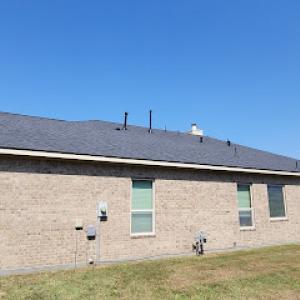
Abbott Roofing Company
(936) 209-7007 www.abbottroofing.com
12803 Sunshine Pk Dr S, Willis, Texas
4.9 from 80 reviews
Abbott Roofing is a leading and reputable roofing company based in Willis, TX. Ever since we opened for business, we've taken a comprehensive approach to project management, providing our clients with a wide range of services to cover their needs. Give us a call today for a Free Estimate on any roof repair or replacement.

BlackStar Roofing
(832) 770-7663 www.blackstarroofingtx.com
115 W Stewart St, Willis, Texas
4.7 from 62 reviews
BlackStar Roofing specializes in residential roofing and exterior services, proudly serving Willis, TX and the Greater Houston Area. We are fully insured and backed by our TAMKO Pro Diamond Certification, ensuring every project meets the highest industry standards. From small repairs to full roof replacements, our team delivers exceptional craftsmanship using premium materials built for long-lasting protection. We also provide a ten-year workmanship guarantee, giving homeowners confidence and peace of mind when choosing BlackStar Roofing for their home.

Adept Roofing
(832) 398-4285 www.adeptroofingtx.com
Willis, Texas
5.0 from 9 reviews
We are a family owned and operated business that can handle any and all of your roofing needs from residential to commercial.
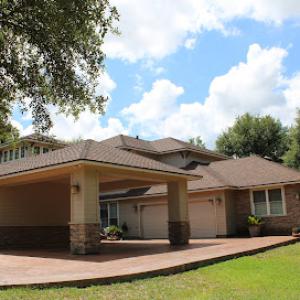
Titan Roofing
(936) 228-5061 www.titanroofingtx.com
5625 Serenity Woods Dr, Willis, Texas
5.0 from 1 review
With over 20 years of experience serving Houston and surrounding areas, we specialize in turnkey roofing and are a CertainTeed-select roofer.
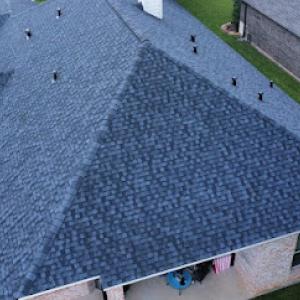
Lifeline Roofing Systems
(936) 701-2242 lifelineroofingsystems.com
Serving
4.9 from 143 reviews
Roof replacement and roof repair specialist. Professional services include insurance claim management, roof leak repair, roof replacement, and free roof inspections. We specialize in asphalt roof installs, metal roof installs, and specialty roof product installs including concrete, tile, and commercial roof systems. We also offer professional services that include gutter installation, window replacement, and siding repair and replacement. Highly rated family owned business located in Montgomery county and servicing all surrounding areas. We look forward to earning your business and providing our professional services tailored to your needs.
New Image Construction & Roof Pros
(832) 257-6389 newimage-contractors.com
Serving
4.9 from 61 reviews
When New Image Construction & Roofing is on your team, you don’t need to look elsewhere for your home project needs. Whether you are in need of a roof replacement or your windows need a repair, we have you covered. We offer top-quality roofing and construction services in Magnolia, Texas, and surrounding areas. Equipped with the best materials in the industry and a team of skilled professionals, we always provide a timely solution. Contact us today for a free quote!
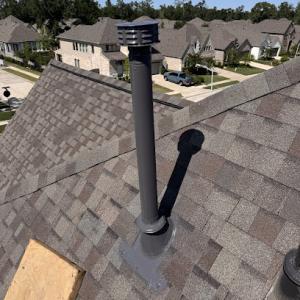
Eminent Exteriors
(936) 689-2616 www.eminentexteriors.com
Serving
5.0 from 46 reviews
With a mission to provide exceptional exterior services, Eminent Exteriors offers comprehensive roofing solutions for repairs and replacements, ensuring your home is well-protected. From assisting with cash bids to guiding you through insurance claims, their dedicated professionals are committed to helping you find the best option. Their expertise extends beyond roofing, delivering exceptional painting services to refresh your home's exterior and skilled fence and concrete contracting to enhance your outdoor spaces. Experience excellence in craftsmanship, tailored to your vision and executed with precision, at Eminent Exteriors.
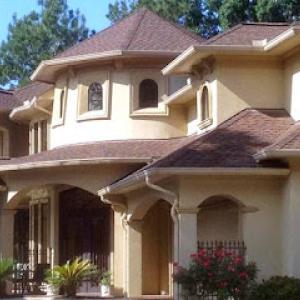
Discount Roofing
(936) 756-1170 discount-roofing.com
Serving
5.0 from 93 reviews
Roofing & Repairs – Since 1995 Discount Roofing has been serving Montgomery and surrounding counties. In this time our customers in and around Conroe, Lake Conroe, Willis, Huntsville, and The Woodlands have come to trust Discount Roofing as a premier company within the local roofing industry.

Saxon Roofing & Repair
(936) 718-7663 www.saxonroofing.com
Serving
4.9 from 96 reviews
Saxon Roofing and Repair is locally owned and operated in Montgomery, Texas by long-time resident Steve Saxon. Originally founded in 1983 in Harris County, Texas - we relocated to Montgomery County, Texas in 2003. Since then, we have worked very hard to earn our reputation as the best roofer in Montgomery County, TX, around our beautiful Lake Conroe and surrounding areas. As a result, we've earned Super Service Awards from Angie’s List in 2015, 2016, 2017, and 2018 and hold an A+ Rating with the Better Business Bureau since joined in 2007. Contact us today for a quick, free, consultation with no obligation. Fully complete with an Eagleview satellite diagram, giving us complete accurate information to provide you with a hard number quote.
Green Shield & the Sword
(936) 263-2794 www.greenshieldandthesword.com
Serving
5.0 from 19 reviews
Green Shield and the Sword, a full-service home improvement company established in Conroe, Texas, in 2022, offers unparalleled roofing, tree care, and landscaping solutions to residential and commercial clients. Their highly skilled professionals specialize in roofing installations, and replacements, catering to various materials such as shingles, tiles, and metal. The company's tree services encompass trimming, removal, and yard cleanups, ensuring a safe and picturesque landscape. Additionally, their landscaping prowess extends to artificial grass installation, granting clients a vibrant and water-efficient lawn. Green Shield and The Sword – Where Quality Meets Care

Miller Brothers Roofing & Construction
Serving
4.9 from 21 reviews
Our Roofing Services for Conroe Shingle Replacement: Renewing damaged shingles. Emergency Hail Damage Repair: Restoring areas impacted by hail. Storm Damage Repair: Repairing weather-related roof damages. Structural Repair: Reinforcing the structural stability of the roof. Leak Detection and Repair: Locating leaks and applying seals. Skylight Sealing and Repair: Fixing leaks and damage around skylights. Ice Dam Removal: Clearing ice from eaves to avoid water damage.
Camacho Roofing
(936) 648-1174 www.camachoroofing.org
Serving
5.0 from 108 reviews
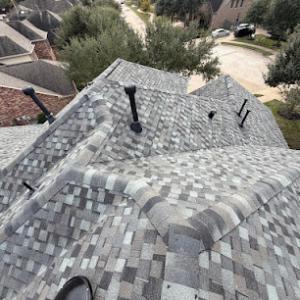
Roof replacement & Roof repairs! We can help you with your insurance claim! Emergency services available 24/7
After a hail or wind event around Lake Conroe, the path to a smooth claim starts with solid documentation. In this market, Texas insurers commonly scrutinize hail and wind claims, and that means homeowners should expect requests for before-and-after photos, contractor estimates, and clear damage documentation. Gather images that show the roof surface, gutters, vents, and any interior water intrusion. Take wide exterior shots from multiple angles, then close-ups of shingles edge damage, granule loss, and any lifted or cracked flashing. If you've got day-to-day weather records or a storm report from the date of impact, keep those handy as well. When you contact your insurer, have your policy number, the storm date, and the address ready so the claims representative can flag your file quickly.
In this area, it helps to work with contractors who understand the local wind patterns, spring hail intensity, and how Willis roofs age under humid heat. A contractor who knows the insurance filing rhythm in this market will be better equipped to assemble the required documentation and estimates that insurers expect. Request a comprehensive inspection that outlines visible damage, potential hidden issues in the attic or underlayment, and a straightforward repair versus replacement recommendation. Get written estimates that break out shingle type, underlayment, and any flashing or vent work. Your goal is to present a clear, professional package to the insurer so the claim moves promptly toward resolution.
Older roofs in this market may face tighter coverage terms or depreciation pressure, which can affect whether repair or full replacement is financially realistic. When evaluating repair versus replacement, consider the roof's age, the extent of hail impact, and the likelihood of additional leaks as the next storm season approaches. If the damage spans multiple roof planes or has compromised the underlayment, a full reroof may be the more predictable path. In storm-affected areas, carriers will closely examine whether replacement is warranted by the damage pattern and the roof's remaining life. Honest, transparent documentation from a locally trusted contractor helps prevent surprises during the adjuster's review.
Replacement certifications matter in this Texas insurance environment. After a full reroof, insurers often request proof that the new system meets the standard details they expect for wind resistance and overall performance. Ensure your contractor provides the appropriate roofing certificate or stiffened warranty paperwork tied to the shingle class and underlayment used. Having these certificates ready when the adjuster returns with a determination can shorten the timeline toward approval. If the claim leans toward replacement, anticipate questions about the roof deck condition and whether any remediation was performed to address prior water intrusion.
Keep a running file of all communications with the insurer and the contractor, including emails, phone notes, and revised estimates. If an adjuster asks for additional photos or documentation, respond promptly with the requested items. In this climate, timely replies prevent delays caused by weather windows or backlog in adjuster scheduling. Finally, confirm the agreed scope in writing before any work begins, and verify that the selected shingles and color choices align with the house's existing appearance and neighborhood outlook. This practical approach helps Willis homeowners move through storm claims with clearer expectations and steadier progress.
Connect with contractors who help homeowners navigate the claims process from damage assessment to final approval.
Abbott Roofing Company
(936) 209-7007 www.abbottroofing.com
12803 Sunshine Pk Dr S, Willis, Texas
4.9 from 80 reviews

BlackStar Roofing
(832) 770-7663 www.blackstarroofingtx.com
115 W Stewart St, Willis, Texas
4.7 from 62 reviews
Asphalt shingles and metal roofing are the most practical mainstream choices for this area, while tile systems appear but bring higher structural and installation demands. Asphalt shingles offer straightforward repairability and wide availability of colors that shed the heat when you're fighting humidity. They hold up well under spring hail with proper underlayment and attic ventilation, and they tend to be faster to install if a quick reroof is needed after a storm. Metal roofing, meanwhile, brings strong impact resistance and excellent wind performance, which matters when gusts whip across Lake Conroe's breezes. A standing-seam or high-profile metal profile can also help with shedding heat, though it's essential to choose a coating that resists chalking in deep Texas sun. For homes with heavier roof decks or limited attic space, clay or concrete tiles become less practical choices due to weight and installation complexity. They can add curb appeal, but the reinforcement and underlayment requirements demand careful planning and a solid structural assessment before proceeding.
The local heat and humidity accelerate aging in several materials, so ventilation, underlayment choice, and heat tolerance matter more here than in drier climates. A well-ventilated attic paired with a modern, breathable underlayment helps manage heat buildup under the sheathing, which translates to longer roof life and fewer deck-related issues. In Willis, you want an underlayment that offers both moisture protection and enhanced tear resistance against hail impacts. The wind-driven rains and seasonal storms also demand underlayment with robust waterproofing and reliable sealing around penetrations. If the home sits on a raised structure or has attic space with limited airflow, consider additional soffit vents, ridge vents, or a dedicated attic fan to temper indoor temperatures that can accelerate shingle aging.
Periodic hail in the Willis area changes the material conversation from appearance alone to impact resistance, repairability, and insurer acceptance. If hail is a common threat in your neighborhood, prioritize shingles with enhanced impact ratings and consider metal options with proven impact resistance. The choice should factor in the ease of repair after hail events and the availability of matching materials for spot fixes, since insurers often favor systems that simplify claim recovery and reinstallation. Tile systems, while aesthetically appealing, bring higher repair complexity after hail and can require structural reinforcement to handle the weight, which may affect both long-term maintenance and resale confidence. In any storm season, having a roof that can be quickly verified for hail damage and efficiently repaired helps maintain protection without prolonged exposure to moisture ingress.
When planning, balance heat tolerance, ventilation, and underlayment quality with your preferred material. For quick response after storms, asphalt shingles or metal roofing typically offer the most predictable performance and repair pathways in this climate, while still accommodating modern aesthetics. If considering tile, allow for the higher horizontal and vertical loads, reinforced decking, and the possibility of longer lead times for installation and repairs. In all cases, focus on a comprehensive ventilation strategy, a durable underlayment, and a roof system that can resist wind-driven water and hail impacts without compromising long-term energy efficiency or comfort in the living spaces below.
In Willis, storm-driven surges in reroofing demand can push scheduling pressure and labor pricing higher after hail or wind events. That dynamic isn't just a rumor-when neighbors start filing wind or hail claims, you'll notice tighter crews and quicker turnarounds, which can nudge both availability and bids upward for a short window after a major event. The material you choose has a wide effect on budgets, from asphalt shingles at 350 to 700 USD per square up to clay tile at 900 to 1800 USD per square. If you're balancing initial price with long-term durability, expect the mid-range options like synthetic or metal to hold up better against Willis's humid heat and spring weather swings, which can influence long-term value.
Asphalt shingles are the most common starting point for many Willis homes. They offer a straightforward replacement that fits most budgets, but their price band can shift quickly with labor taken during a post-storm rush. Metal roofing sits higher on the budget but tends to deliver favorable wind resistance and long-term value in this climate, especially when paired with proper underlayment and venting. Clay and concrete tiles bring distinct durability and curb appeal, yet their weight and installation requirements can push costs higher and require structural consideration. Wood shingles or shakes bring a traditional look but require maintenance and may incur higher replacement costs if moisture exposure is ongoing. Synthetic or composite shingles aim to blend durability with cost efficiency, often landing in the middle of the spectrum while offering resilience against humidity and hail.
Costs in Willis can also move based on roof complexity, ventilation corrections required at final inspection, flashing replacement, and whether humid-weather delays stretch labor time. A steeper pitch, irregular layout, or multiple penetrations (chimneys, vents, skylights) can drive up labor hours and material waste. The need for additional ventilation or attic sealing after hail damage is common, and proper flashing replacement is critical to prevent future leaks. Delays caused by humid conditions may stretch timelines, but they can also impact crew availability and material prices if suppliers experience weather-related holdbacks.
When you're facing an insurance-driven reroofing timeline, aim to secure a firm bid that itemizes shingle type, underlayment, flashing, ventilation corrections, and any specialty components. Ask for a clear schedule showing start-to-finish milestones and how weather holds might affect each phase. If you're weighing clay tile or metal options, request a separate comparison that includes weight, required structural checks, and potential impacts on attic ventilation. This approach helps align expectations with Willis's spring hail patterns and wind events, ensuring the replacement remains both timely and durable.
Get a clear picture of your project costs upfront - no commitment required.
Abbott Roofing Company
(936) 209-7007 www.abbottroofing.com
12803 Sunshine Pk Dr S, Willis, Texas
4.9 from 80 reviews
New Image Construction & Roof Pros
(832) 257-6389 newimage-contractors.com
Serving
4.9 from 61 reviews
In this area, a full roof replacement isn't treated as a simple, one-day job. The Montgomery County process expects you to file a permit and adhere to a structured schedule of inspections at key milestones. A complete reroof is almost always a permit-required project, and skipping this step can throw a wrench into both scheduling and insurance timelines. If you're replacing shingles after a hail event or wind damage, plan for the permit portion to stay with the project from the outset so delays don't pile up when you're trying to move fast on repairs.
The county's approach is hands-on, not a "do it and we'll check later" scenario. You'll submit the permit package, and then inspections will be scheduled at specified points in the work: initial framing or decking, high-level roof installation, and a final closeout check. Each milestone is meant to confirm safe handling of ventilation, flashing, and underlayment, as well as general workmanship. Because this isn't a no-contact job, expect some coordination with inspectors and a window of time for access. The more complete your packet-exact roof measurements, vent locations, and material selections-the smoother the process tends to run.
A final inspection is the gatekeeper in this jurisdiction. It verifies proper installation, ventilation, flashing, and underlayment, and it's the step where changes often become a sticking point. If you discover a miscalculation, a shift in attic venting, or a need to adjust flashing after the sheathing is exposed, address those changes before closeout. Otherwise, you risk delays or a formal amendment that can complicate insurance documentation. Plan ahead for these checks by aligning your contractor, insurer, and the building department early in the project so any deviations are resolved before the closeout stage.
Start with a clearly defined scope that specifies the exact starting date, anticipated milestones, and required inspector permits. Keep a dedicated contact at the contractor's office who can coordinate with the county during inspections and relay any documentation requests promptly. If a spring hail event has damaged your roof, gather evidence of damage and retain notes on any temporary mitigations you implement for leaks or wind-driven debris. Remember: the permit is not a barrier to timely repairs, but a framework that protects you through inspection and ensures the job meets county standards.
Summer in this part of Texas brings hot, humid days and frequent afternoon storms that can interrupt tear-off and dry-in windows. Those sudden showers don't just slow progress; they can push a project into the late-evening hours or into next-day starts, especially on exposed slopes. Understanding this pattern helps keep timelines honest and avoids chasing ideal weather that never sticks.
Summer heat affects material handling on the roof deck, notably for asphalt products and crews working long exposed slopes. Heat softens shingles and boosts the risk of handling damage, which means moisture- and heat-sensitive tasks-like priming or adhesive setting-need tighter coordination. Plan for shorter, higher-intensity work blocks rather than long, uninterrupted stretches on hot afternoons.
Humidity and heat accelerate aging for certain roofing materials, changing replacement timing versus cooler inland markets. High moisture levels can affect underlayment and coping installation, while some products may cure or expand more quickly in heat. Acknowledging this helps choose the right installation sequence and drying time between steps to protect the roof's long-term performance.
Summer storms can arrive with little warning, driving temporary pauses and requiring fast decisions on tarping and securing exposed decks. Build a weather contingency into the schedule, with clear shutdown criteria for wind, lightning, or rapid rain bursts. Dry-in windows should be treated as potential openings rather than guaranteed blocks of time.
Set a start plan that prioritizes morning blocks, when heat and storm risk are lower. Use shaded staging areas and quick-access material storage to minimize exposure. Coordinate crews to hit the most heat-sensitive tasks earlier, and reserve longer clay- or concrete-tile work for cooler parts of the day if those materials are chosen. Keep communication tight with the project lead so adjustments stay swift as Willis weather shifts.
In Willis, storm exposure makes lifted shingles, creased tabs, flashing damage, and leak entry after wind-driven rain especially relevant failure patterns. When a strong gust sweeps across Lake Conroe's shoreline influence, unsealed edges can billow up, allowing water to find pathways under the shingles. Even a single lifted tab can become a lane for moisture, unseating neighboring shingles and stressing the ridge lines. Flashing around chimneys, vents, and skylights takes the blunt of gusts, often bending or pulling away from deck seams. The result is not just a few stained spots on a ceiling, but a widening sequence of leaks that complicates patchwork repairs and can undermine attic ventilation when moisture lingers.
The county's final inspection emphasis on ventilation and underlayment reflects common local performance issues tied to heat buildup and moisture management. Hot, humid summers push attic temperatures upward, baking underlayment and accelerating wear on protective barriers. If soffit intake, ridge vents, or baffles aren't properly installed, you get stagnant air that degrades insulation and invites condensation on cooler nights. Over time, that moisture penetrates the deck more readily, especially around penetrations where sealing was marginal. Expect that poor ventilation and compromised underlayment aren't isolated flaws-they're systemic contributors to accelerated aging and energy inefficiency, making preventive maintenance critical.
Wet-install risks rise in this area during fall fronts and tropical storm remnants, which can affect underlayment integrity, flashing details, and project sequencing. When rain interrupts a job, temporary decking exposure invites moisture infiltration behind flashing and around fasteners. Delays can cause flashings to dry and re-seal poorly, creating recurring leak paths once hot weather returns. Proper sequencing-prioritizing dry days for infill work, rechecking seals after any wet period, and confirming that underlayment remains continuous-helps prevent a cascade of damage that shows up as later interior staining and accelerated decking deterioration.