
Last updated: Apr 19, 2026
Spring thunderstorms, hail, and hurricane-season wind events create a relentless rhythm for roofs in this area. The northwest Houston weather pattern means hail strikes and wind-driven damage arrive with little warning, and the impact can be sudden-turning a routine roof inspection into an urgent replacement decision. Your roof is exposed to long humid heat cycles that accelerate shingle aging and undercut attic ventilation, making imperfect venting a magnet for moisture and mold in the attic space. When the sky turns dark and hail flashes your neighborhood, immediate awareness matters: a damaged roof can weaken structural integrity, undermine insulation, and invite leaks that compound inside the house during the next rainstorm. The reality in this market is that conditions on a single storm day can drive a cascade of consequences, so readiness is essential.
In this market, insurers compare pre-loss and post-loss conditions after hail and wind events, and photo-heavy documentation is not optional-it's the difference between a smooth claim and a drawn-out process. Take clear, timestamped photos of all roof angles, gutters, vents, and any dented fasteners or damaged shingles as soon as safe access is possible. Keep a dated log of observed attic moisture, interior stains, or ceiling bulges that correspond to a storm window. After a severe hail event, you may need multiple rounds of photos: the insurer will want to see the roof's condition before the loss, the precise damage after the event, and the progression if temporary repairs are pursued. Use a wide-angle shot from ground level to capture the roof line, then zoom in on hail impacts and granule loss. If a contractor or adjuster recommends additional tests, document those steps as well. This approach helps prevent disputes and speeds the process toward a proper replacement when required.
Storm-driven demand spikes can compress contractor availability in Tomball after regional weather events, affecting scheduling and timing for re-roofing. After a major hailstorm, reputable crews can be booked weeks out, and prices can shift as supply tightens. Plan ahead by identifying two or three trusted local roofers early in the season, and establish a plan for imminent weather alerts so you're not scrambling when the next storm hits. If the roof shows dented panels, curling shingles, or repeated leaks, don't delay in initiating assessments-delays allow secondary damage to mount and can complicate insurance timing. Coordinate with your insurer to align inspection dates with contractor availability and ensure that your documentation matches the adjuster's request list.
If a storm passes and you notice leaks or daylight through the attic, act quickly but safely. Keep people and pets away from damaged areas, place temporary tarps if safe to do so, and contact a reputable local roofer with storm-response experience. A rapid initial assessment helps prevent additional water intrusion and sets the stage for a clean, documented handoff to the adjuster. Remember: the window for documenting pre-loss conditions and arranging a covered repair can be narrow, so a proactive approach is essential to protect the home and your investment.
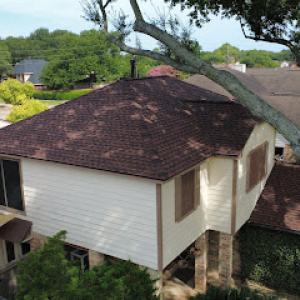
Roof 1 Construction
(713) 539-5377 www.roof1construction.com
515 W Main St # 203, Tomball, Texas
5.0 from 183 reviews
We are a local roofing company that takes pride and has excellent communication, promises kept and delivered. And making sure when the leave the customer is totally happy.
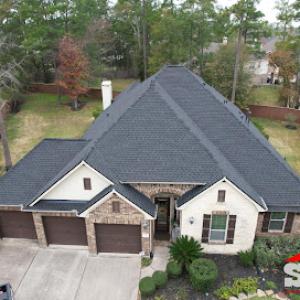
SCG Roofing
(713) 377-8744 www.scgroofing.com
25420 Kuykendahl Rd Ste B-200, Tomball, Texas
5.0 from 118 reviews
SCG Roofing is Houston’s trusted roofing team for fast, premium-quality roof replacements and repairs. We specialize in shingle roofs, storm damage restoration, and insurance claim assistance with ZERO hassle. Our certified crews deliver clean installs, elite craftsmanship, honest communication, and top-rated customer service. Whether your roof was damaged by storms or it’s time for a replacement, SCG Roofing brings the highest standards in Tomball, Spring, and the Houston area. Call today for reliable, professional roofing you can trust.
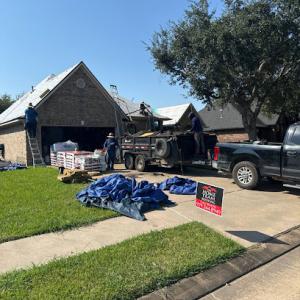
The Home Team Roofing
(832) 422-3039 hometeamroof.com
11709 Boudreaux Rd suite 1150, Tomball, Texas
4.9 from 460 reviews
The Home Team Roofing provides residential and commercial roofing to Tomball, TX and the surrounding areas.
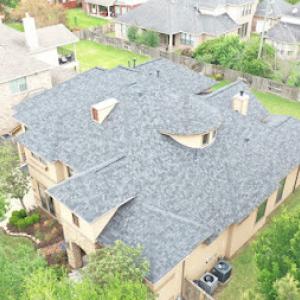
Vista Roofing & Restoration
(832) 598-6121 www.vistarar.com
14439 Medical Complex Dr, Tomball, Texas
5.0 from 79 reviews
At Vista Roofing and Restoration we specialize in roof replacements that will not only add aesthetic value to your home, but the personal security you need when wanting to protect your property and family. Owned and operated by Michael Grillo and Daniel Blevins. Our team services all major cities in the south Texas region and in addition to roofing, we have crews available to manage your restoration needs. With a focus on personalized service, competitive rates, and customer satisfaction, we’re always striving to exceed our clients’ expectations.
Service First Roofing & Construction
(832) 589-0997 servicefirstcg.com
18803 Hamish Rd Suite E, Tomball, Texas
5.0 from 78 reviews
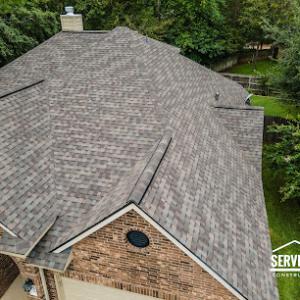
Service First Roofing and Construction Group is a full-service commercial/residential roofing company in Tomball, TX. Our team of roof repair experts is highly skilled in providing quality roofing services to ensure the best results for you. We offer various services, including roof repair, roof installation and maintenance, home remodeling, gutter installation and repair, fencing, and other construction services in Tomball, The Woodlands, Cypress, Katy, and the surrounding areas. Call today to move Service First Roofing and Construction with a free estimate.
Kirtley & Sons Roofing
(281) 370-8484 www.kirtleyroofing.com
16714 Hereford Rd, Tomball, Texas
5.0 from 101 reviews
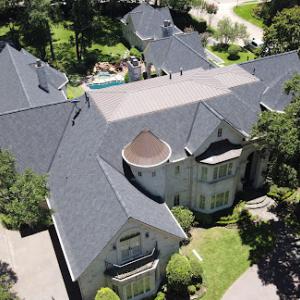
For over 60 years, Houston-area homeowners have trusted their roofs to our three generations of ownership and experienced staff. We’ve obtained the top level of CertainTeed roofing credentials as a SELECT ShingleMaster™ company, which gives you access to the best extended warranty in the business plus our workmanship warranty. Our motto is “Your Satisfaction is Our Success,” which is why we have a 100% satisfaction guarantee. One of our owners personally oversees each roof replacement or repair. When you want your job done right by a company that stands behind its work, you want Kirtley & Sons Roofing. Call (281) 370-8484 or fill out our contact form today to schedule your no-obligation estimate for any of our services.
Serve Roofing
(281) 203-2037 www.serveroofing.com
21450 Cedar Ln, Tomball, Texas
5.0 from 56 reviews
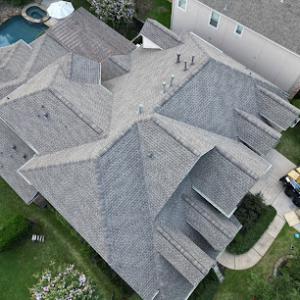
Serve Roofing is a trusted roofing contractor based in Tomball, TX, proudly serving Houston, Cypress, Magnolia, Spring, The Woodlands, Montgomery, and the Greater Houston area. We specialize in roof replacement, hail and storm damage roof repair, roof inspections, and insurance claim roofing services. Our roofers are factory trained and certified by GAF®, CertainTeed®, and Tamko®, ensuring every installation meets the highest manufacturer standards. Homeowners choose Serve Roofing for our industry-leading warranties, professional service, clear communication, and spotless cleanup. Whether you need a full roof replacement in Houston or hail damage roof repair in Tomball, we make the process simple, stress-free, and affordable.
Roofworks & Construction
(832) 834-2364 theroofworks.com
17413 Farm to Market 2920 Ste A, Tomball, Texas
5.0 from 52 reviews
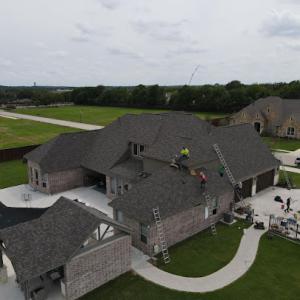
We are a family-owned, energetic, highly motivated, fast and reliable roofing contractor with 20+ years of experience. We hold ourselves, employees, and suppliers to the highest level of accountability to achieve most importantly incredible customer satisfaction, but also personal fulfillment for ourselves and our employees. You will get exceptional customer service, precision, transparency, accountability, reliability, and certified professionals that warranty all work. We want you to feel respected, comfortable, excited, and confident relying on us to perform any roofing task without a reservation, in a timely and reasonable manner.
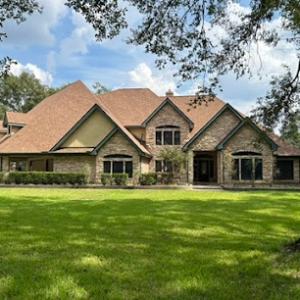
All-Pro Roofing
(832) 257-1954 allproroofteam.com
Tomball, Texas
5.0 from 51 reviews
At All-Pro Roofing, we are committed to providing top-notch roofing services to the residents of Montgomery, TX and surrounding areas. With our team of experienced professionals, we guarantee high-quality workmanship and excellent customer service. Whether you need roof repair, replacement, or installation, count on us for all your roofing needs.
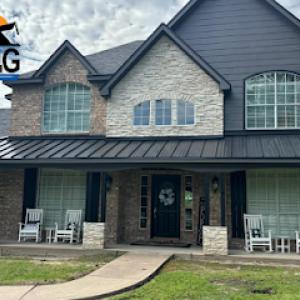
P91 Roofing
1400 Graham Dr Ste B #194, Tomball, Texas
4.9 from 72 reviews
P91 Roofing is a locally owned and operated roofing company. We use materials from GAF, Certainteed, and Owens Corning among other industry greats who offer a 25-year prorated lifetime warranty on their asphalt shingles. P91 Roofing offers a 7 year warranty on labor for all our new roof installs. We also offer assitance with home inspections for buyers and sellers or homes/property.
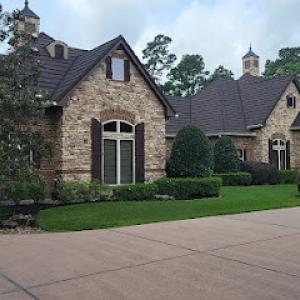
1st Choice Roofing & Construction
(832) 637-6621 1stchoiceroofs.com
9421 Farm to Market 2920 Bldg 20, Tomball, Texas
4.8 from 125 reviews
1st Choice Roofing & Construction – Houston’s Premier Residential & Commercial Roofing and Exterior Specialist 1st Choice Roofing & Construction is a trusted provider of high-quality roofing and exterior construction services across the Greater Houston area. We specialize in both residential and commercial roofing, offering comprehensive solutions including detailed inspections, storm damage repair, emergency services, and complete roof replacements. Our team utilizes premium materials such as composition shingles, metal roofing, and stone-coated steel to ensure durability and performance. In addition to roofing, we offer full-service exterior construction, including custom patio covers, outdoor kitchens, gutter systems, and more.
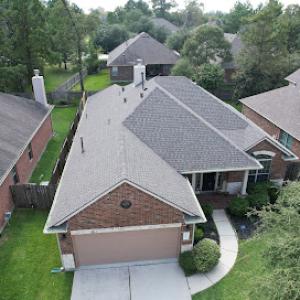
Over The Top Roofing
22815 Tuwa Rd, Tomball, Texas
4.9 from 80 reviews
At Over The Top Roofing and Remodeling our team is committed to making the insurance claim process as smooth and easy as possible. With many years of experience in the industry our staff has all the knowledge, integrity, and honesty to assist you with your entire roof process. Whether you need a roof repair or a roof replacement, OTT Roofing has you covered. We make the process stress free and seamless. We Serve: Houston, TX Tomball, TX Spring, TX The Woodlands, TX Conroe, TX Humble, TX Cypress, TX Montgomery, TX Katy, TX
The Houston-area insurance environment is highly active for wind and hail claims, so homeowners should expect adjuster review that looks closely at roof age, repairability, and code-related upgrades. In practice, that means your claim will be weighed not just against what happened this spring, but against what the roof can still do without failing under another round of storms. Be prepared for questions about when the last significant repair occurred, and how much remaining life the roof has given its current underlayment and fastener pattern. If the roof is nearing the end of its expected life, the adjuster will often push toward replacements rather than patchwork fixes.
Local claim outcomes can be influenced by whether wind-rated underlayment and ventilation requirements are triggered during replacement. If the roof system is upgraded to meet current wind-resistance standards and to improve attic ventilation, insurers may view the project as bolstering overall resilience. Conversely, if the scope stops short of upgrading the underlayment or venting to meet modern expectations, a carrier may question the long-term value of the claim and scrutinize the justification for full replacement versus repair.
Detailed date-stamped photos, interior leak evidence, and documentation of prior roof condition matter more in Tomball because carriers often scrutinize whether damage is storm-related or age-related. Take clear pictures of visible hail impact, granule loss, and areas showing roof deck exposure after any storm event. Inside the attic, photograph signs of moisture, staining, or mold, and keep a dated log of any related interior issues. If you have prior inspection reports or service records, include them to establish a timeline. A well-documented narrative that ties wind and hail to specific events in time can help an adjuster separate aging from storm damage and support a more straightforward path to replacement when appropriate.
Connect with contractors who help homeowners navigate the claims process from damage assessment to final approval.
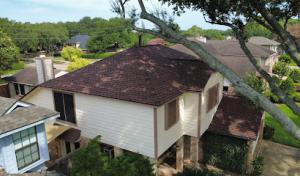
Roof 1 Construction
(713) 539-5377 www.roof1construction.com
515 W Main St # 203, Tomball, Texas
5.0 from 183 reviews
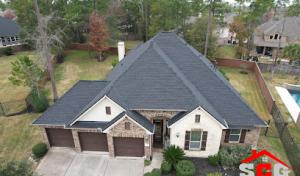
SCG Roofing
(713) 377-8744 www.scgroofing.com
25420 Kuykendahl Rd Ste B-200, Tomball, Texas
5.0 from 118 reviews
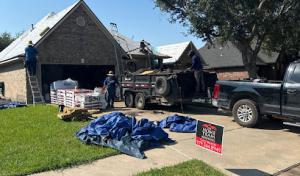
The Home Team Roofing
(832) 422-3039 hometeamroof.com
11709 Boudreaux Rd suite 1150, Tomball, Texas
4.9 from 460 reviews
The rhythm of storm seasons and the Humidity Belt cycle makes replacing a roof here a planned event rather than a surprise project. In practice, a replacement is most reliable when you target a window with cooler, drier weather and a forecast free of the heaviest spring storms. Summer heat can push aging shingles to fail faster and complicate installation, so many homeowners shift larger projects to late fall or early winter when temperatures are moderate and crews work more efficiently. Planning around these windows helps protect interior spaces from prolonged exposure and reduces the risk of weather-related delays.
Spring in this area brings active storm damage scenarios, particularly from hail and high-wind days. If hail damage is suspected, the timing of a replacement hinges on documenting the damage and coordinating with an insurer, not simply chasing the first clear stretch of weather. Tear-off work during spring is common, but thunderstorms and hail can interrupt progress and dry-in phases. Expect inspection timing to skew around incoming fronts, which means scheduling a couple of flexible days for the crew and keeping an alternate plan ready in case a storm rolls through.
Fall and winter offer the most workable conditions for a full roof replacement, with cooler temperatures slowing heat-related wear on new materials and helping fasteners seat properly. However, cold fronts and chilly rain still show up and can interrupt progress or delay the dry-in, especially on older homes with less-than-perfect ventilation. When planning a project in these seasons, build in buffer days for weather interruptions and expect occasional delays in material delivery windows. A practical approach is to set a primary window and secure a backup date so the project can keep moving without losing momentum.
Documentation matters throughout, especially for storm-damaged roofs that may trigger insurance considerations. During any replacement, prioritize ensuring proper ventilation and attic insulation, since long humid spells can stress roof systems further. If the decision is made to replacement after hail events, verify that the new underlayment and flashing are installed correctly to guard against future moisture intrusion. Finally, align expectations with the crew regarding debris containment and site cleanup, since heavy afternoon storms can scatter loose debris quickly in this climate.
Get a clear picture of your project costs upfront - no commitment required.
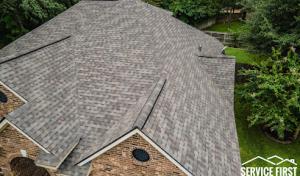
Service First Roofing & Construction
(832) 589-0997 servicefirstcg.com
18803 Hamish Rd Suite E, Tomball, Texas
5.0 from 78 reviews
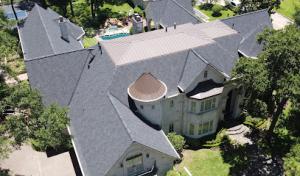
Kirtley & Sons Roofing
(281) 370-8484 www.kirtleyroofing.com
16714 Hereford Rd, Tomball, Texas
5.0 from 101 reviews
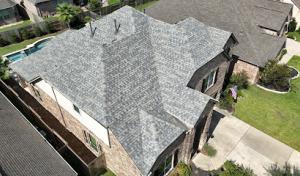
Core Four Roofing
(281) 541-0027 corefourroofing.com
22955 TX-249 Ste 26, Tomball, Texas
4.8 from 100 reviews
Asphalt shingles dominate many neighborhoods in this area because they fit the suburban housing stock and replacement economics after hail events. They strike a practical balance between performance and upkeep under the Northwest Houston storm corridor's mix of hail, gusty winds, and long humid summers. For most homes, a modern, three-tab or architectural shingle with a reinforced underlayment and proper attic ventilation handles the frequent weather swings without surprising cost surprises. In practice, a well-sealed edge, solid flashing around vents, and careful alignment to shed water quickly can help asphalt roofs ride out severe springs and late-summer downpours. If a roof already shows granular loss or dented edges after a hail event, replacement with the latest shingle technology can restore wind resistance and curb appeal while preserving the house's overall flow.
Metal roofing stands out as a meaningful upgrade category for homeowners prioritizing wind performance and heat resistance in the Houston-area climate. In this area, metal panels provide excellent resistance to hail impact when installed with appropriate fastening patterns and panel overlaps. The reflective surface helps reduce interior heat gain during the hottest months, which translates to more comfortable attic spaces and potential cooling savings. For a property with a taller or more angular roofline, metal can also offer a cleaner, longer-lasting appearance with fewer seasonal maintenance needs. When choosing metal, pay attention to the panel profile, coating quality, and the underlayment system to maintain a tight, weather-tight envelope against the frequent storm cycles.
Tile and slate exist in the market but require attention to structural load, breakage risk during storm inspections, and higher replacement complexity than standard shingle roofs. Clay and concrete tiles add a distinctive look and strong durability in the face of wind, but they demand a robust deck and support system to handle the extra weight. Slate offers premium aesthetics and exceptional longevity, yet its weight and fragility during hail exposure can complicate repair after a storm. If considering tile or slate, plan for a thorough structural assessment, reinforced framing if needed, and a trusted crew that understands specialty fasteners, underlayment, and matching penetrations to maintain a water-tight roof line under Tomball's typical storm sequence. These materials can enhance curb appeal in established neighborhoods while requiring disciplined maintenance to address cracked tiles or broken pieces after hail events.
Tomball sits in the northwest Houston storm corridor, where post-storm demand can tighten labor availability and extend lead times. When hail or damaging winds impact a neighborhood, crews may be juggling multiple quick-turn projects, which can push scheduling from a few weeks to several months in some cases. As a homeowner, you should anticipate fluctuations in project timelines and price quotes after a major storm, especially for popular shingle designs and larger homes. Expect estimates to reflect a sense of urgency in the market, not just the raw material cost.
Common steep-slope residential roof forms in subdivisions favor asphalt shingles as the practical baseline for Tomball homes. This keeps initial costs reasonable while meeting local climate demands. If upgrading to metal or tile, both material and installation complexity rise, and so does the total project price. Asphalt shingles typically align with the lower end of the cost spectrum, while metal and tile move toward the higher end. Material choice matters not only for upfront price but for how the roof handles hail impact, wind resistance, and heat cycling during long Texas summers.
In Tomball, you'll find asphalt shingles priced between roughly 350 and 550 USD per square for installation, depending on the exact shingle type and roof complexity. Metal roofing generally ranges from about 600 to 1100 USD per square, reflecting higher material costs and more intricate framing or underlayment work. Tile options-the clay or concrete varieties-tend to fall between 800 and 1500 USD per square, driven by weight considerations and the skill required for precise layout and fastening. Wood shingles and shakes sit in a middle-to-high range, roughly 500 to 900 USD per square, with extra attention needed for moisture management and underlayment.
Larger homes and more intricate roof lines raise total costs simply by increasing the number of squares to cover. If the roof replacement involves skylights, chimneys, or vented areas requiring additional flashing and detailing, expect incremental costs beyond the base per-square price. In neighborhoods with several stories or steep pitches, installation complexity can extend lead times and labor hours, reinforcing the need to plan for a pricing window rather than a single static quote. In any case, the final total will reflect both the chosen roofing material and the degree of storm-driven demand at the time work begins.
A full roof replacement in Tomball typically requires a building permit filed with the City of Tomball Building Department by the contractor or permit technician. The permit process ensures that the project meets local construction codes, including ventilation and wind-resistance standards that are particularly relevant for this area's storm activity. Before work begins, confirm with the contractor that the permit has been submitted and approved, and keep a copy of the permit on-site in case inspectors request it at any stage.
Tomball inspections are generally scheduled at the rough or underlayment stage and again at final completion rather than only at the end of the job. Scheduling the rough-in inspection early helps verify that roof penetration points, attic ventilation, and underlayment placement comply with city rules before the shingles go on. The final inspection confirms that all components-ventilation, flashing, and detailing around chimneys and skylights-meet code and permit specifications. Anticipate coordinating access for inspectors, especially if multiple trades are involved (structural, ventilation, waterproofing).
The city may require wind-rated underlayment and ventilation compliance, making permit-closeout dependent on more than just shingle installation. Expect documentation for attic ventilation provisions, ridge and soffit intake balance, and proper attic sealing. A common pitfall is assuming that once shingles are placed, inspections are complete; in reality, inspectors will assess how the roof breathes and how moisture management is integrated with the overall attic environment. Work with a contractor who understands local wind events and humid heat cycles to ensure the assembly continues to perform through typical Tomball weather.
Maintain a clear line of communication with the contractor and the Building Department throughout the project. Request provisional approvals or re-inspection guidance if weather or supply delays push milestones. If any changes to the original plan occur, obtain updated permit drawings and re-submit as needed to avoid hold-ups at closeout. Finally, keep records of all inspection notices and corrective actions, as these can streamline future permitting needs and support insurance-related documentation after a storm-driven replacement.
In this climate, repeated heat and humidity cycles can shorten the service life of asphalt systems by accelerating granule loss, sealant fatigue, and attic heat buildup when ventilation is weak. Asphalt shingles may curl at the edges or show dull granules washing away after long, hot summers. If attic ventilation is not moving enough air, you can end up baking underside materials, which weakens adhesive seams and accelerates aging from the inside out. The result is a roof that looks sturdy but loses integrity earlier than expected, especially on south- or west-facing slopes where sun exposure is worst. You should expect more frequent inspections after mid-summer heat waves and after extended humidity spikes, paying particular attention to shingle edges and roll-formed metal vent flashings that sit close to the deck.
Thunderstorm wind exposure in the area commonly shows up first at ridge, hip, and edge shingles before leaks become visible inside the home. That exposure can peel off protective granules or lift shingles in a way that creates microchannels for water to follow during a rain event. If you notice buckling at the ridge or missing granules along the hips, consider it a warning sign rather than a cosmetic issue. A small misalignment here can become a bigger problem after the next storm. Regular checks after wind events can catch these issues before they propagate into more intrusive damage.
Heavy rain events around the area often expose flashing weaknesses at skylights, chimneys, and roof penetrations rather than only field-shingle damage. Loose or corroded step and curb flashings can allow water to seep behind gutters or into attic spaces even when the field looks intact. Pay attention to staining around these penetrations after a storm, and don't assume a dry attic means a fault-free roof. A careful evaluation of flashing seams, sealant, and counterflashing can prevent slow leaks from turning into interior water damage.
Find contractors experienced in skylight installation, flashing, and leak repairs to bring natural light into your home.
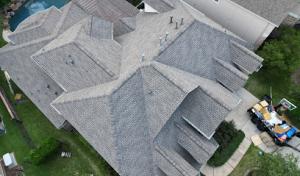
Serve Roofing
(281) 203-2037 www.serveroofing.com
21450 Cedar Ln, Tomball, Texas
5.0 from 56 reviews
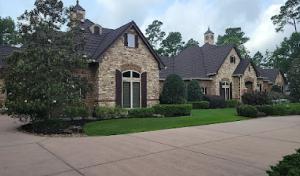
1st Choice Roofing & Construction
(832) 637-6621 1stchoiceroofs.com
9421 Farm to Market 2920 Bldg 20, Tomball, Texas
4.8 from 125 reviews
All Star Roof Systems
(281) 987-9000 allstarroofsystems.com
8927 Hufsmith Kuykendahl Rd, Tomball, Texas
4.9 from 55 reviews
After a hail or wind event, the local storm-repair economy moves fast. You should expect aggressive outreach and crews on a tight timeline. When evaluating contractors, focus on how quickly they can begin dry-in, how they manage debris, and how they coordinate cleanup with your insurance schedule. A roofer that communicates a clear sequence-from tarp to final seal-will help you avoid days of exposed decking or leaks during a storm cycle.
Drone inspections and free inspections are common in this market, so ask how findings are documented and whether photos will be provided to support the claim file. A reputable estimator will walk you through visible damage and show you where hail strikes or wind-driven impacts occurred. Ensure the documentation includes timestamped images and a written summary that matches what the insurer expects to see. This is essential for keeping the process moving and reducing back-and-forth delays.
Because Tomball sits inside the larger Houston storm-repair economy, homeowners should expect post-storm sales activity and should verify who is actually handling permits and inspections with the city. Ask up front which company manages the permit path and who will represent you during the city inspection. If a contractor sources a third party for permit work, confirm there is a single point of contact for updates and questions. Clear accountability helps prevent delays and keeps your project aligned with inspection requirements.
Beyond price, assess the crew's experience with suburban pitched roofs and common urban-hail patterns. Look for crews with a documented workday plan, weather contingency steps, and a debris management strategy that minimizes disruption to neighbors. A transparent project calendar, contact points, and daily progress notes will help you track milestones and stay on the insured repair timeline.