
Last updated: Apr 19, 2026
Cold snaps and frequent freeze-thaw cycles shape every roofing plan in this area. When temperatures swing above and below freezing, shingles and underlayment can become brittle or uncoil, making a careful tear-off safer and slower. Ice dams aren't just a theoretical worry here; if gutters and eaves accumulate ice, crews may pause to prevent damage to the roof deck and to avoid slip hazards. Scheduling a roof replacement in the heart of winter should hinge on consecutive days that stay dry and above freezing for the bulk of the work window. If the forecast calls for a cold spell or new snowfall mid-project, be prepared for a temporary halt and a potential re-seal or inspection delay when temperatures climb again. On multi-day jobs, the crew will often stagger tear-off and reseal tasks to ride out the cold mornings and the more comfortable afternoons, minimizing the risk of waking up frozen nails or imperfect seal-downs. Plan around a conservative start window and keep a small buffer for weather swings so the project doesn't stall mid-process.
Spring rains in this area bring a higher chance of moisture seeping into exposed decking during replacement, especially on longer projects. If a job requires multiple days, expect rain delays that push days together and lengthen the overall timeline. The deck needs to stay dry enough for fastener patterns and sealants to bond properly, so crews will sometimes pause work during a heavy downpour and resume once the roof surface can dry out thoroughly. When storms threaten, crews will tarp and secure around penetrations, but that only reduces risk, not eliminates it. Early-season work should prioritize staging and weather-readiness: have tarps, edge protection, and a plan for drainage and runoff. Inspections after the first dry spell matter, because even a few hours of moisture exposure can impact the performance of peel-and-stick underlayment and sealant work. A practical approach is to schedule a compact sequence of days with predictable gaps for drying and inspection, so the project doesn't linger into the peak of spring rain.
Thunderstorms and high heat define daily rhythms for replacement crews in this season. Afternoon storms can interrupt installation windows and push work into cooler morning hours or late evenings. Heat also speeds up solvent-based products and can stress crews physically, so expect frequent short breaks and hydration protocols. On hot days, roofers may shift some operations toward interior tasks, like flashing inspection or interior sheath checks, to avoid heat-related risks. A common pattern is to lock in a morning schedule when temperatures are bearable, then reassess around midday to decide whether to pause or push into late-afternoon hours. Summer storms aren't just a threat to progress; they can wash away or damage binding at vulnerable seams if membranes aren't fully set. Build in contingency days for sudden weather shifts, and ensure windows for inspection and punch-list walkthroughs align with dry periods.
The shoulder season often gives the best balance of workable daylight and temperate conditions, but it isn't without risk. Wind gusts can complicate materials handling and staging, while falling leaves and pine needles can clog valleys and gutters, creating maintenance tasks that slow progress. Use this window to complete critical air-tightness checks, venting alignment, and flashing integrity before the winter. If a late warm spell coincides with a scheduled milestone, it can be tempting to push ahead, but the risk of a pre-winter cold snap reappearing means keeping a flexible plan is wise. A measured, seasonally aware approach helps wind down projects cleanly, with attention to drying times and proper sealing before the first frost settles in again.
In this area, you'll confront a hard truth: sudden storm damage and long-term aging wear often look alike at first glance, but insurers treat them differently. If a hail strike or gusty wind rips shingles or loosens flashing, the damage may be coded as storm-related and covered under a separate claim. But if the roof is simply aging-drying, granule loss, curling shingles-the claim can be denied or downgraded. Understanding that distinction is not academic; it drives the sequence of inspection, reporting, and how you document the roof's condition after a major event. Pay attention to subtle signs: lifted edges, torn underlayment, creased valleys, and flashing corrosion. These can signal wind-driven damage or repeated exposure to freeze-thaw cycles, which over time undermines the roof's integrity just as surely as a visible hail dent.
Frequent rainstorms here complicate leak tracing, because the visible failure is often not the first symptom. Water can seep in around flashing, vent boots, and joints even when shingles look intact from the ground. In practice, a roof may appear fine from the curb while the underlayment has localized damage, or ventilation has become less effective, allowing condensation and warm-air buildup that accelerates material deterioration. When that happens, the slow creep of moisture into the sheathing can quietly weaken the roof's structure. The takeaway: if you detect recurring moisture, treat it as a red flag for multiple problem areas-not just a single leaky seam. Have a professional trace the path of water from interior signs to the roof line, inspecting flashing details, drip edges, and attic ventilation with a critical eye.
Virginia carriers serving Culpeper may request photos, bids, and evidence of pre-damage roof condition. After a storm event or when disputing aging deterioration, documentation becomes the linchpin of any claim. Build a file that includes dated photos from multiple angles, notes on attic ventilation performance, and a written log of observed symptoms before and after events. Capture close-ups of flashing corners, nail heads, and any corrosion on valley intersections. If you can, obtain independent assessments that corroborate the roof's pre-event state. This isn't about exaggeration; it's about presenting a clear, chronological picture that helps the insurer differentiate between wind, hail, and wear-related failure.
Act quickly after a storm: schedule an expert inspection within days to catch wind-driven damage before it accelerates. Prioritize securing vulnerable flashing and vent penetrations to reduce moisture intrusion. Track interior signs of moisture after storms and connect them to roof observations in the attic and along eaves. Finally, prepare your documentation package before filing any claim: organize photos, create a concise damage timeline, and obtain professional evaluations that distinguish storm-induced damage from aging deterioration. The goal is to preserve remaining life in the roof while aligning the claim approach with what actually caused the damage.
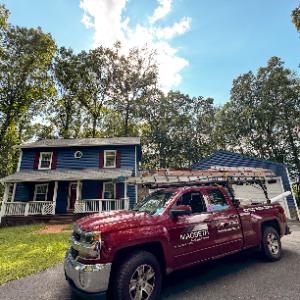
MacBeth Roofing & Exteriors
(540) 717-7063 macbeth-exteriors.com
12211 Ridge Ct, Culpeper, Virginia
5.0 from 94 reviews
At MacBeth Exteriors, we are committed to providing professional roofing services in Virginia and delivering high-quality workmanship. We offer a wide range of roofing services, including roof repairs, roof replacements, gutters, skylight repair, siding repair, leak diagnosis, metal roof painting, inspections, and more. Our roofing company serves Central Virginia, including Alexandria, Fairfax, Fauquier, Stafford Fredericksburg, Culpeper, Madison, Ruckersville, Charlottesville, and surrounding areas. A family-owned business, MacBeth Exteriors has over 27 years of experience in Virginia roofing. Contact us today to schedule a consultation, and see how we can help you with all of your roofing needs.

Cenvar Roofing - Culpeper
(540) 445-1825 www.cenvarroofing.com
107b E Davis St, Culpeper, Virginia
5.0 from 72 reviews
Welcome to Cenvar Roofing, Culpeper's newest premier roofing service provider! Located in the heart of Culpeper, Virginia, our dedicated team specializes in providing high-quality roofing solutions tailored to the unique needs of our community. At Cenvar Roofing, we pride ourselves on our commitment to excellence and customer satisfaction. We offer a wide range of services including roof repairs, full roof replacements, and routine maintenance to ensure your roof is in optimal condition.
AJ Roofing
16195 Germanna Hwy, Culpeper, Virginia
5.0 from 2 reviews
Recent storms in Virginia caused wind damage to many homes. We work with insurance to get you covered. Roof, siding, windows, trim, gutters. Call Angel/ Jose for FREE inspection 540-422-1563 / AJ Roofing / Licensed and Insured / military discount / hablamos español también "540-746-4713"
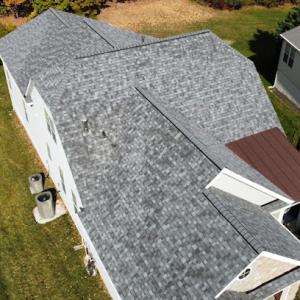
Xtreme Roofing
(571) 278-3094 xtremeroofingva.com
Serving
5.0 from 57 reviews
At Xtreme Roofing, we are not just a roofing company; we are a trusted partner in safeguarding your home. With over a decade of industry experience, we have built a reputation as the go-to roofing experts in Culpeper, VA. Our family-owned business is built on a foundation of unwavering commitment to quality and customer satisfaction, ensuring that we provide top-tier roofing solutions tailored to meet your unique needs. Our dedication to delivering exceptional customer service sets us apart in the competitive roofing industry.
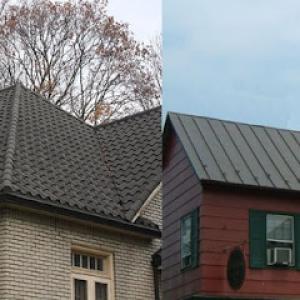
Alpha Rain Metal Roofing
(540) 222-1642 www.alpharain.com
Serving
4.7 from 44 reviews
Our promise as a roofing expert is to build community value into every project while delivering professional expertise, exceptional customers service and quality construction.
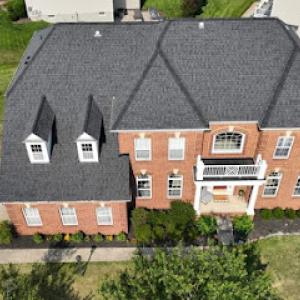
Red Line Construction
Serving
5.0 from 58 reviews
At Red Line Construction, we specialize in top-quality roofing services, combining expert craftsmanship with extensive knowledge in both insurance restoration and retail projects. Whether you’re dealing with storm damage or upgrading your home, we’re here to guide you every step of the way. Proudly serving Northern Virginia, we’re a trusted, licensed, and insured Class A contractor dedicated to protecting your home and delivering results you can rely on.
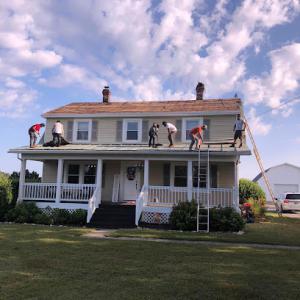
Mills Roofing
(540) 371-6187 www.millsroofingco.com
Serving
4.9 from 86 reviews
Mills Roofing is a family owned & operated business in its 3rd generation, founded by John Mills Sr. in 1976. We strive to uphold the high standards set from the beginning & give the highest quality workmanship on all projects. Serving Fredericksburg, VA for 40+ years!

Patriot Roofing & Remodeling
(703) 657-5977 www.patriotroofingandremodeling.net
Serving
4.2 from 5 reviews
When you think about the roof that shields your family from the elements, naturally you want the person working on it to have decades of experience, right? Our deep-rooted expertise ensures that every shingle placed and every repair made is up to the mark. That's where we come in. Patriot Roofing & Remodeling in Lignum, VA, has been our family's pride since 2001. With over three decades of roofing experience, we have made homes and businesses safer, cozier, and more aesthetically pleasing. Our range of services spans from asphalt shingle roof installation and repair, siding installation, and siding repair, to gutter installation and downspout cleaning. Every service is executed with precision and a keen eye for detail.
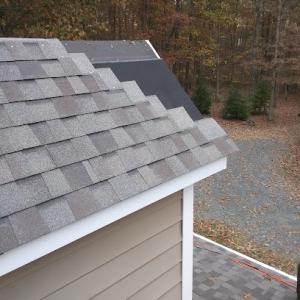
Lawson Roofing
Serving
4.9 from 30 reviews
CONTACT US AT👇 Lawsonroofingmcdonald2@gmail.com A more personable interaction experience, rather than Conglomerite mentality. Installs of Roofing, Siding, Soffit, Metal, Skylights, Flashings, Painting, Fascia wrap, Fascia board, Flat EPDM Rubber Roofs, all Exteriors. And repairs as well. No jobs are too small. We treat every service seriously. Sometimes a whole Install may not be needed. And thats ok. We can do repairs that you will NEVER even see its been repaired. Expert matches. Guarantee leaks stop with Installs or repairs!!!! Our name is EVERYTHING 😉
ATI Development
(703) 470-4876 atidevelopmentllc.com
Serving
5.0 from 64 reviews
Family-Owned Roofing Since 1999 | Serving Lake Anna & Mineral, Louisa, Orange, Culpepper, and Loudoun Counties We're a third-generation, family-owned roofing company with 25+ years of experience. Based in Locust Grove, we specialize in metal roofing, roof repairs, replacements, and storm damage restoration. Whether it's a shingle patch or a full tear-off, every job is inspected by the owner or his father. Fully licensed and insured. Local. Reliable. Guaranteed.
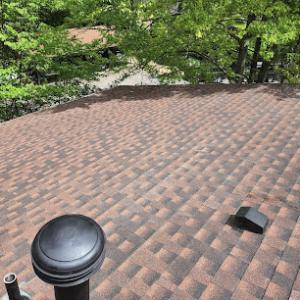
Monterroso Improvement
(571) 991-2565 monterrosoimprovement.com
Serving
5.0 from 17 reviews
We are a licensed and fully insured home improvement company based in Bealeton, VA, we’ve been serving the DMV Area for the last 5 years. Proudly helping residents of residential properties built their dreams by performing high-quality roofing, gutter, and siding services. Our goal is to keep growing as a company to be able to reach more people and provide them with a reliable and friendly contractor who can manage their projects from start to finish, we are a hardworking team that genuinely enjoy what we do.
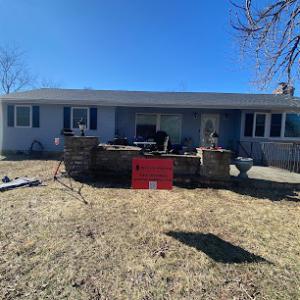
Warrior Roofing
(540) 755-0082 www.warrior-roofing.com
Serving
5.0 from 38 reviews
Our mission here at Warrior Roofing, LLC provides our customer's with a unique, thorough, and timely renovation experience. As a team, we pride ourselves on service above all with a heavy emphasis on timeliness & efficiency. Our hard working team of prior military and first responders take pleasure in providing a no "b.s." experience to homeowners while making sure that you, and your family will be taken care of for years to come. Whether your looking to upgrade your home and add value, or submitting a new claim to your insurance for recent damages, we have you covered. Contact us today, and let Warrior Roofing, LLC take care of your home renovation needs from first contact, to project completion & beyond.
Asphalt shingles remain the dominant choice for detached housing stock in Culpeper's historic core and surrounding neighborhoods. They pair well with the common front-facing gables and smaller footprint rooflines found on many older Victorians, bungalows, and ranches that still rely on straightforward decking and venting layouts. The lower entry point compared with heavier options keeps renovations feasible when repair work adds up through freeze-thaw cycles and spring rains. Shingle systems also offer good versatility for relatively tight roof planes, making them a reliable everyday option that accommodates the seasonal rain bursts of late spring and summer storms.
Metal roofs stand out for their performance in Culpeper's rainstorm pattern. A metal roof sheds and dries quickly after heavy downpours, which helps reduce the risk of prolonged moisture exposure to the sheathing. This can be especially appealing on rural and semi-rural properties where long eaves and open exposures face more wind-driven rain. Metal is lighter on some structures and can be a smart upgrade on homes where rapid shedding of water is valued, but it also requires careful flashing and vent detailing to avoid problems during rapid temperature swings and freeze-thaw cycles.
Slate appears in the Culpeper market where older or more traditional architecture calls for a timeless, heavyweight roof system. If a home already has the structural capacity to carry slate's weight, it can deliver long service life and a distinctive, heritage-worthy appearance. For historic districts with massing and detailing that emphasize permanence, slate can complement masonry forms and leaded windows. However, slate installation and maintenance demand careful planning, especially to manage weight, underlayment, and ventilation around dormers and chimneys common to older layouts.
Clay tile and concrete tile appear in Culpeper with attention to their bold profiles and strong curb appeal. They bring a traditional, Mediterranean-inspired look that pairs with some older masonry homes. The heavier weight and installation complexity mean structural review and specialized labor can influence scheduling. Synthetic or composite shingles offer a middle path: they tend to mimic the appearance of heavier materials while delivering easier handling and cost efficiency, though they still require compatible underlayment, ventilation, and careful flashing to navigate the region's freeze-thaw and storm cycles.
When replacing a full roof, you must secure a building permit before any shingle or paneling comes off the old surface. Missing this step can stall your project, trigger delays, and complicate the job with rework during inspections. In practical terms, this means planning ahead for the permit review to avoid weather-related holds during Culpeper's freeze-thaw cycles and spring rains. A permit signals to neighbors, lenders, and the county that the work complies with current safety and weatherproofing standards, which is especially important for the older homes scattered around the historic district.
The local process centers on a clear, complete application. You'll need project details that describe the scope of work, including roof dimensions, any decking adjustments, and venting considerations. Contractor information must be current and verifiable, along with a responsible party who will be reachable during critical stages. Expect to outline stages of the work, such as removal, installation, and final weatherproofing, so the review can align with Culpeper's inspection timeline. Being precise up front helps the county assess potential impacts to nearby structures and ensures that venting and flashing meet local expectations.
Inspections in Culpeper are staged to monitor progress and compliance. Rough-in inspections typically occur as the structure is prepared for roof replacement, ensuring that framing, decking, and supports are sound before covering new materials. Final inspections wrap up the project after installation, sealant, and flashing are completed. This staged approach helps catch issues early, reducing the risk of moisture intrusion during the area's spring and summer storm patterns. The inspectors review how the roof is vented and vented properly, how nails are driven to meet code, and overall adherence to structural and safety standards.
If the permit or inspections are delayed or missing, the work can be halted, sometimes mid-project, while corrections are made. That interruption carries a real cost in terms of time and potential exposure to the elements between stages. To keep the replacement window on track, coordinate closely with a licensed local contractor who understands Culpeper's codes, the county's review expectations, and the sequencing of rough-in and final inspections. A compliant permit process saves headaches when the weather shifts and keeps the roof you install durable against the seasonally volatile pattern.
Typical Culpeper-area pricing by material runs about $350 to $550 per square for asphalt shingles, $600 to $1000 for metal, $800 to $1500 for clay tile, $700 to $1300 for concrete tile, $450 to $900 for synthetic/composite shingles, and $1200 to $2500 for slate. These ranges reflect the local labor climate, where crews move carefully around older in-town homes and tighter eaves while still meeting the county's expectations for venting and nailing. In practice, the total project price can vary based on roof complexity, existing decking, and the number of penetrations that must be flashed and sealed.
Costs in this area can rise when the weather compresses the working season, especially after summer thunderstorm periods or wet spring stretches that create scheduling backlogs. A late spring or early fall window can push crews into tighter calendars, which tends to nudge prices upward a bit and extend the project timeline. That risk is particularly real for heavier systems where specialized equipment and extra crew time are needed. If a replacement is planned during peak storm weeks, expect not just higher material handling costs but potential delays from weather-driven shutdowns or restricted access to steep or cluttered sites.
Heavier systems such as slate, clay tile, and concrete tile can cost more in Culpeper because they require more specialized labor and slower installation than standard asphalt roofs. The extra time on the roof translates into higher labor hours, more freight handling on older neighborhoods, and careful bracing for freeze-thaw cycles that stress the decking and fasteners. If your home carries historic character or has in-town constraints, a lighter alternative might be worth discussing with a local contractor, provided the roof's slope and framing can support it.
When evaluating bids, ask for a detailed breakdown that shows the per-square material costs, labor rates, and any daytime-hour restrictions due to weather or site access. For heavier materials, request a staged plan that confirms timbering, deck repairs, or reinforcement if needed. Since shorter windows can occur after summer storms or spring rain, align expectations with your contractor about contingency days and partial-coverage protection to minimize interior exposure. In most Culpeper projects, the goal is to balance material durability with a realistic install timeline that respects local weather rhythms and housing stock constraints.
For Culpeper homeowners, Virginia insurers typically cover standard roof replacements tied to wind or hail, but not every aging-related roof issue is treated as a covered loss. This means a routine weather event may be addressed, while a long-standing aging problem-like granule loss or shingle delamination-often falls outside the claim. Understanding where a policy sits on aging versus damage can save frustration when a storm season arrives.
Claim timelines in the Culpeper market can vary, and adjusters may ask for photos, contractor bids, and proof of the roof's pre-damage condition. Gather evidence early: clear photos of the entire roof, close-ups of each area showing wear, and documentation showing how the roof looked before any incident. If a claim is filed, be prepared for questions about previous repairs, ventilation status, and attic conditions, as these influence decisions on coverage and scope.
After high-loss years, some carriers serving Virginia tighten roof coverage or scrutinize certain materials more closely, which can affect homeowners deciding whether to repair or replace. Synthetic, composite, and certain tile options may face increased scrutiny or altered depreciation schedules, making the repair-versus-replace decision more nuanced. In this environment, the practical choice hinges on durability, local weather patterns, and the likelihood of future claims-not just the immediate yesterday's weather event. In this cycle, patience and documentation become your best tools when navigating a complex adjustment process.
Culpeper's older in-town homes carry character that premium systems like slate, clay tile, or concrete tile can reinforce. Those traditional lines often pair more naturally with premium textures and profiles than standard laminated asphalt shingles, helping a home read as authentic to its era. When replacing a roof on a historic-looking façade, consider how the new material will-agingly age against brick and wood trim, as well as how its slope and overhangs align with the house's original massing. A roof that nods to the period not only protects but preserves curb appeal in the historic district.
What appears to be a straightforward tear-off can become a quiet reshaping project on older Culpeper homes. Transitions between existing framing and a new roof system matter for both fit and finish. If the roof structure is heavier or the attic setup differs from modern expectations, the replacement may reveal concealed framing that needs reinforcement or realignment. Venting strategy often shifts as you move from older eave and soffit details to a modern, code-compliant setup. Even small changes in nail patterns, underlayment, and edge detailing can influence long-term performance and the roof's silhouette.
Homes contemplating slate, clay tile, or concrete tile should plan for installation realities that exceed those of common asphalt systems. The weight, connection methods, and required underlayment sequences demand meticulous workmanship and precise hardware choices. In Culpeper's climate, with freeze-thaw cycles and variable moisture, the fastener schedule and roof deck compatibility become especially critical. Expect longer on-site timelines and closer coordination with any updates to ventilation to ensure that the final roof breathes properly, sheds water efficiently, and maintains its structural integrity through seasonal shifts.