
Last updated: Apr 19, 2026
Winter freeze-thaw cycles in this market quietly stress roofing joints, vents, and flashing. When the first heavy spring rain arrives, that hidden wear often becomes visible as leaks. In neighborhoods with mixed-age homes and low-slope additions, a single storm can expose multiple weak points-shingle edges splitting, ridge caps lifting, or compromised valleys. The pattern is consistent: minor winter damage that went unnoticed or unfelt shows up as active leaks in the spring. The clock is ticking once moisture is involved, because interior damage can follow quickly in the attic and ceilings if ignored even for a short window.
Maryland insurers in this market frequently require dated photos and a clear trail of prior damage and timelines. After wind or hail events, expect requests for roof-age documentation, previous repair records, and contractor estimates before any repair authorization. Without solid, dated evidence, claims can stall or be reduced. Start gathering photos from each storm cycle as soon as it's safe to do so: the earlier, the better. Make a simple log that notes date, storm intensity, and visible signs of damage on the roof, soffits, and gutters. When a claim is filed, this record becomes the backbone of the narrative that insurers rely on to separate preexisting issues from storm-related damage.
This market sees surge capacity after significant regional weather events, and that surge can push lead times on repairs and replacements. Emergency-response marketing by contractors creates a revolving door of crews, but that rush can also mean variable workmanship and scheduling conflicts. If a heavy storm hits a weekend, expect some delay pushing into the next available window for inspections, tarp work, and full replacement. Planning with contingency in mind-allowing for initial temporary fixes followed by a more thorough follow-up-helps prevent weeks of ongoing moisture exposure. Communicate clearly with any contractor about preferred sequencing: temporary weatherproofing first, then permanent repair or replacement when the calendar allows.
If staining appears or attic condensation grows after a thaw, treat it as urgent. Start with a temporary tarping or protective cover to limit further interior moisture, especially if a wind-driven event is forecast or active. Photograph the entry points, including roof edges, chimneys, and flashing lines, before any tarping. Move quickly to contact a local roofer who routinely handles storm-response in this area and who can provide a documented plan with staged steps. Request a written timeline that separates immediate weatherproofing from the longer replacement plan, and insist on a formal inspection report that includes visible damage, hidden vulnerabilities, and recommendations tied to the actual roof system in place.
Choose a contractor who can deliver both a rapid response and a documented assessment. Ask for a written proof-of-damage report and a clear scope of work, with a phased approach that aligns with insurer expectations. Ensure every communication and every photo is dated. In a market where storm momentum can shift schedules quickly, having a documented, orderly approach minimizes confusion and accelerates the path from assessment to repair. The faster the documentation is produced and shared, the sooner the path to a solid, weatherproof roof begins.
Full roof replacements in Silver Spring typically go through Montgomery County Department of Permitting Services rather than a separate city building department. The county process reflects the dense mix of older suburban homes and recent additions, where a single permit package must cover existing conditions, new assemblies, and how the replacement interacts with the surrounding roofscape. Before starting, gather your previous permit history if any, your house plan, and notes about any recent changes to the structure. The permitting team will look for alignment with the local amendments to the IRC and any county wind-resistance requirements that apply to your home's slope, exposure, and location along the region's storm-prone corridors.
Plan review is a normal part of the local replacement process. You should expect an evaluation of roofing material choice, underlayment, and fastening methods to ensure they meet Montgomery County standards. If your roof is older and you are changing assemblies (for example, upgrading from an older shingle system to a wind-rated design, or moving from a flat or low-slope section to a compliant slope), the documents must show how the new system handles wind loads and moisture management. This is especially important in blocks with large trees or nearby streets that funnel storm-driven moisture toward the eaves. The plan review often requires details on deck anchorage, overhangs, and drip edge installation, with emphasis on ensuring water cannot back up under the shingles during freeze-thaw cycles.
Your submission typically includes structural drawings or a scope of work, material specifications, and installation methods. If there are any deviations from standard county requirements-for instance, a unique roof edge detail or a newly adopted local amendment-be prepared to justify the approach with manufacturer data or engineering notes. In practice, many homeowners find it helpful to involve their contractor early in the plan review, so questions can be addressed before the plan goes in for formal review. The county values concise, clearly labeled drawings and product data that demonstrate compliance with current wind-resistance and moisture-control standards.
Plan review leads into scheduled inspections. The county requires a sequence of inspections during a roof replacement, with a final inspection used to verify proper installation before closeout. Expect at least an initial inspection after the roof deck and underlayment are in place, then a mid-inspection to confirm the arrangement of underlayment, fasteners, and flashing, and finally a final inspection once shingles or other roofing materials are installed and all penetrations are sealed. If a storm event occurs during the project, be aware that moisture conditions can complicate inspection timing, but the county will still prioritize an orderly sequence to ensure the work meets code and withstands wind and water exposure.
Weather-related considerations matter in a town with four-season swings. If shingles are installed in winter or during early spring, the inspector will check that installation temperatures and adhesive curing meet the county's Minimums, and that ice and water shield is properly placed in vulnerable zones. The final inspection provides a formal closeout, confirming that all installations comply with the current amendments to the IRC and that the assembly is ready to perform in the area's typical freeze-thaw and storm cycles. Keep in mind that the inspector may request additional documentation or retesting for specific components if any questions about wind resistance or flashing continuity arise after the initial walkthrough.
Local review may consider wind-resistance requirements and Montgomery County amendments to the IRC, which matters when replacing older roofs or changing assemblies. This means that even if a material is commonly used elsewhere, the county may have up-to-date stipulations on nailing patterns, underlayment thickness, or flashing details to address local exposure. Expect the plan reviewer to compare the proposed system against these amendments and require adjustments if necessary. A proactive path is to coordinate with a licensed contractor who is familiar with county amendments and has recent experience with similar house types in the area. This alignment helps reduce delays and supports a smoother inspection sequence, with the final goal of a durable roof that stands up to Silver Spring's weather swings.
Asphalt shingles dominate the local market, but the housing stock in this area also supports meaningful demand for metal, tile, wood shake, and synthetic roofs. That variety means your replacement price can swing widely depending on structure type, roof weight, and pitch. A straightforward curb-appeal asphalt replacement sits at the low end of the spectrum, while a slate-like tile or heavy metal system can push the total cost significantly higher. In Silver Spring homes with low-slope additions or canopy-like midsection additions, the roof mass and required underlayment can shift a project from a standard asphalt job into a higher-cost category even if the visible surface looks similar.
For asphalt shingles, you'll typically see a range around 350 to 650 dollars per square, depending on shingle quality and labor conditions. Metal roofing runs higher, commonly 700 to 1,200 dollars per square, and can be especially sensitive to roof complexity and wind resistance requirements. Clay tile is a heavier option with a wide spread, about 1,100 to 2,400 dollars per square, which translates into stronger structural considerations and longer lead times. Concrete tile sits around 900 to 1,800 dollars per square, often chosen for its durability and distinctive look, while wood shingles or shakes land roughly 700 to 1,200 dollars per square, reflecting their labor intensity and weathering patterns. Synthetic or composite shingles provide a flexible middle ground, roughly 600 to 1,000 dollars per square. These ranges reflect typical jobs in dense suburban layouts where roof age and previous storm exposure influence material choice and installation complexity.
Storm-driven moisture after winter and early spring can tighten the market in the Washington suburban area, including the intense burst of demand that follows wind, hail, or heavy rain. In those windows, you may encounter longer lead times and higher bids as crews shift to accommodate quick turnarounds and compaction work on multiple houses. In practice, this means budgeting for a bit more time between signing and material delivery, and expecting pricing to edge upward if a regional weather event coincides with your project start date. If you've had a winter where freeze-thaw cycles damaged shingles or flashing, anticipate additional inspections and potential extra underlayment or replacement of damaged decking, which can add to the base material cost. Plan for a contingency that accounts for storm-season scheduling pressure, especially when choosing premium materials. In Silver Spring, the decision to upgrade to heavier or more durable products can be prudent if ice damming or moisture intrusion showed up in your attic or ceilings after the last round of storms. One practical approach is to document prior damage and gather photos to align expectations with your contractor on scope, materials, and acknowledged weather-driven lead times. In Silver Spring, storms don't just test roofs; they test the timing and reliability of your replacement plan.
In the humid summers and wet winters that define this area, asphalt roofs are especially vulnerable to moisture-related aging. Granule loss after spring storms accelerates surface deterioration, and the aging felt underlayment can show up as soft spots or curling shingles along eaves and hips. In practice, leaks often begin around penetrations-vents, chimneys, and skylines-where flashing can degrade from repeated freeze-thaw cycles and wind-driven rain. The combination of cool nights and warm days in Montgomery County climate can push shingles into accelerated brittleness, so small granule balding or curled edges are warning signs you should address before a leak becomes a patch job. Regular inspection after major storms is essential, particularly if your home sits under leafy shade that can mask moisture issues until damage is pronounced.
Wood shingles and shakes in this region face elevated moisture exposure from regular precipitation and shaded tree-cover conditions common in older Montgomery County neighborhoods. Moisture tends to linger in shaded rafter bays or between board edges where air circulation is hindered, inviting cupping, warping, and fungal staining. When wood remains damp, it becomes more susceptible to splitting and accelerated granularity loss on the surface. In Silver Spring's climate, trees overhanging roofs can contribute to damp microclimates on the roof deck, so higher-quality underlayment and well-sealed vertical transitions around dormers and chimney chases are crucial. If you notice dark boards, damp odor, or the wood frays at fastener seams, those are signs to begin a targeted mitigation plan rather than replacing the whole roof prematurely.
Tile and heavier specialty roofs require attention to structural suitability and installation quality on older homes common around Silver Spring, especially when replacing lighter existing systems. The added weight demands solid framing, proper rafter spacing, and accurate load calculations. In practice, misapplied fasteners or inadequate substrate can lead to cracked tiles, sagging eaves, and premature failure of support structures. Freeze-thaw cycles push moisture into tiny cracks, turning them into larger failure paths during warmer spells. When you see cracked edges, loose integration at hips, or misaligned rows, the root cause is often a combination of older structural limits and installation choices rather than a single damaged tile. A careful assessment of framing, underlayment, and securement details will help prevent cascading failures.
Across all materials, the Silver Spring pattern is moisture exposure amplified by seasonal swings and storm-driven moisture. Small leaks may hide behind dormers, skylights, or corner flashing, becoming larger issues after a harsh winter or heavy spring rainfall. The most practical approach is proactive inspection after each major storm, focusing on penetrations, transitions, and areas with shading-induced dampness. Early detection enables targeted repairs that extend roof life and reduce the likelihood of widespread interior damage in older homes.
In this neighborhood, flat and low-slope roofs are a practical addition to older homes and multi-unit buildings, but they carry higher risk when drainage isn't flawless. Regular precipitation and winter snow or ice buildup echo across the seasons, turning even a slight slope into a potential trouble spot. Look for standing water after a storm, pooled runoff along eaves, or gullies where debris can clog the flow. Over time, that standing moisture penetrates seals and penetrations, especially around parapet walls, scuppers, and edge flashings. When drainage is off, your attic or ceiling can show subtle signs first-stains, musty smells, or a dry sort of dampness that seems to appear after a thaw. The key is proactive checks after every heavy rain or thaw cycle, not after a leak manifests in full force.
Low-slope tie-ins where additions meet older main roofs are a common local leak point after repeated wet weather and freeze-thaw movement. As additions cool and warm with the seasons, shingles or membranes around the joint can shift minutely, breaking sealant lines that once held tight. Ice dam formation poses a dual threat: meltwater backs up and seeps under flashings, while the membrane near that joint can develop micro-tears from movement. In Silver Spring's mix of porches and added spaces, those joints are easy to overlook during a cursory inspection. Pay attention to edge transitions, corner flashings, and any sign of moisture creeping in along the seam where new construction abuts older roofing. When a joint fails, moisture follows a predictable path inward-quietly at first, then more aggressively during wet cycles.
Porches and overhangs on low-slope sections often create micro-drainage challenges: their drip edges can be buried under snow, or their drainage paths can be misaligned with the main roof. In multifamily buildings, shared roof spaces increase the likelihood of overlooked drainage blocks or clogged scuppers. The consequence is a slow but steady accumulation of moisture that migrates to walls, ceilings, and insulation. Regular, dedicated checks for debris buildup, loose sealant, and compromised edge closures help prevent a cascade of interior damage after the spring thaw. In all these cases, the impact is not just an occasional leak-it's a pattern of water intrusion that can complicate repairs and insurance documentation when weather events recur.
Find specialists in TPO, EPDM, and built-up flat roofing systems for residential and commercial properties.
Roof Solutions
(301) 565-2600 roofsolution.com
9325 Fraser Ave, Silver Spring, Maryland
4.6 from 42 reviews
E&E Contracting
14704 Good Hope Rd, Silver Spring, Maryland
5.0 from 137 reviews
"Our company was built with the commitment to ensure cost-effectiveness and high-quality in every home-improvement project we are hired to work on for the community of Silver Spring, MD and the surrounding areas. Our company was founded under the great values of: Professionalism Commitment Diligence Cost-Effectiveness"
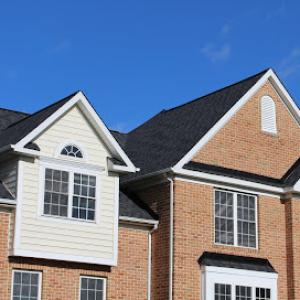
Ex Home Solutions
(301) 906-9221 www.exhomesolutions.com
14700 Claude Ln, Silver Spring, Maryland
5.0 from 117 reviews
Ex Home Solutions, Inc provides roofing, siding, gutter, and chimney and installation, repair, and maintenance to the Montgomery County, MD, D.C., and Northern VA area.
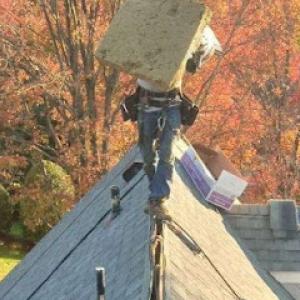
Apex Roofing & Construction
(301) 284-8127 www.apexdmv.com
11903 Colin Rd, Silver Spring, Maryland
5.0 from 64 reviews
Apex Roofing and Construction provides roofing, patios, decks, gutters siding services in Maryland. Contact us for a free consultation today. We are also Owens Corning Preferred Contractors and have been vetted by Owens Corning for our roof installations. Apex Roofing and Construction specializes in wind and hail damage. Should your roof have missing shingles or hail damaged shingles, we can work with your homeowner’s insurance to see if you qualify for a new roof through your insurance. Clients are only responsible for their deductible. We also build quality composite decks and stone patios for our clients. Apex Roofing and Construction has you covered for all of your exterior needs.
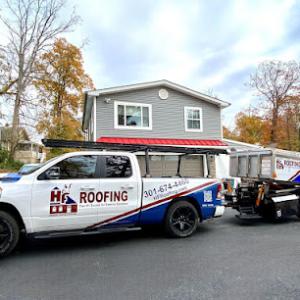
HF Roofing Contractor
(301) 674-4460 www.hfroofingcontractors.com
9619 Mt Pisgah Rd, Silver Spring, Maryland
4.9 from 192 reviews
As a recognized roofing company in MD, with a proven no-leak roof record and great reviews on Google, HF Roofing provides property owners with a comprehensive and organized approach to Roof Replacement, Roofing services, roof repair, skylights installations, Siding Installations, Gutter Installations, Gutter Guards, Windows Replacements. Could you schedule an evaluation with our helpful, knowledgeable, professional roofers to diagnose all the roofing components & include accurate roofing, siding, and gutters, estimate. - Qualified recommendations and a complete range of roofing options, colors, styles, and solutions that fit your needs and budget. - Personalized customer service with reliable & long-term installations and product warranties
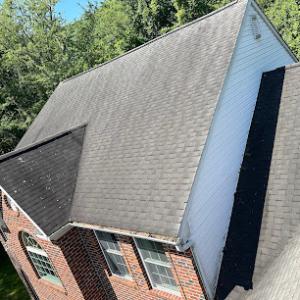
FCH Roofing Exterior & Interior
13103 Hathaway Dr, Silver Spring, Maryland
5.0 from 17 reviews
No matter what the roofing problem we are facing, or what roofing material your property uses, you are guaranteed a good job at affordable prices, with personalized attention to your needs not found anywhere else in our industry. We are the best when it comes to your roof.
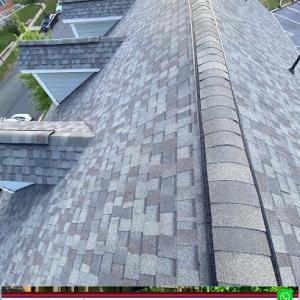
Castro Roofing DMV
(301) 257-6422 www.castroroofingdmv.com
8204 New Hampshire Ave APT 101, Silver Spring, Maryland
4.8 from 26 reviews
Since 2019, Castro Roofing DMV has been serving the Maryland, Virginia, and Washington DC areas with unparalleled dedication and expertise. Our owner, with over a decade of experience in the roofing industry, leads a team committed to providing high-quality, reliable, and professional roofing and gutter services. Some of our services: New Roof Installations, Roof Maintenance, Roof Replacements, Gutter Services, Roof Inspections, Leak Repairs, Storm Damage Repairs, Flashing Repairs and Replacement, Attic Venting, Skylight Repairs. Choose Castro Roofing DMV for exceptional service and quality you can trust. We offer free, no-obligation estimates to ensure you have all the information you need before making a decision.
Roof Solutions
(301) 565-2600 roofsolution.com
9325 Fraser Ave, Silver Spring, Maryland
4.6 from 42 reviews
Roof Solutions is the roofing solution for you, providing exceptional services with professional roofers. We are your neighborhood roofing and gutter specialist serving Maryland, Virginia, and Washington, DC. At Roof Solutions, we rise above the competition because quality matters, your time and money are priorities, and our expertise is guaranteed.

Pink Roofing
(301) 416-9581 www.pinkroofingusa.com
Serving
5.0 from 89 reviews
Pink Roofing is a veteran-owned roofing company serving Maryland, specializing in insurance claim roof replacements, storm damage repairs, and emergency roofing services. We work directly with homeowners and insurance carriers to ensure claims are properly documented and repairs are completed correctly. Our crews bring over 30 years of combined roofing experience, using fully documented and insured workers to deliver high-quality craftsmanship on every project. We respond quickly to storm damage, leaks, and urgent repairs to protect your home and prevent further damage. From minor roof repairs to full roof replacements, Pink Roofing is committed to fast response times, honest guidance, and reliable results across Maryland!
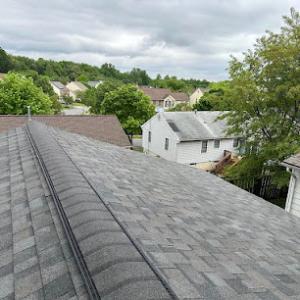
Soltera Roofing
Serving
5.0 from 201 reviews
At Soltera Roofing, we proudly serve Maryland, Washington, DC, and Pennsylvania, delivering expert roofing services, exterior remodeling, and interior renovations. We specialize in roof replacements, roof repairs, shingle and flat roofing, gutter installation, fascia and soffit work, and more — all with a commitment to quality and long-term durability. Inside the home, we offer kitchen remodels, bathroom renovations, drywall, and painting services to help transform your space. Our mission is simple: protect, improve, and beautify your home with skilled craftsmanship and personal care. Whether you're dealing with storm damage, upgrading curb appeal, or remodeling your living space, Soltera Roofing brings integrity, experience, and unmatched
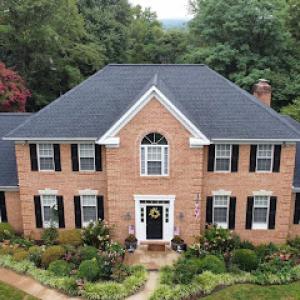
Calderon contractors
(301) 213-0282 calderoncontractorsllc.com
Serving
5.0 from 103 reviews
Roof service
Nexpro Services
(866) 906-2301 nexproservice.com
Serving
5.0 from 20 reviews
When your exterior needs work, turn to Nexpro Services. With over 20 years of experience, we can... Provide a full range of roofing services, including roof installations, reroofing and roof repair services for shingle and flat roofs Repair your damaged siding with matching colors or perform a new siding installation to update your exterior Upgrade your roofing system with a seamless gutter installation that can redirect water more effectively Ask for a free estimate on siding, gutter or roofing services when you call now.
Bright View Exteriors Roofing & Siding
Serving
4.9 from 113 reviews
Bright View Exteriors Roofing and Siding is located in Maryland and is the premier choice for all your residential roofing needs. From reliable roof repairs to complete roof replacements, our expertise ensures you receive the best service and quality. We know how important a sturdy roof is to protecting your home, and we only use high-quality materials from trusted industry leaders. Not only do we do roofs, but we also do your siding to improve the esthetics and durability of your exterior. Our team's dedication is evident in the high quality craftsmanship and attention to detail in every project we undertake
In Silver Spring, storm-driven moisture problems show up in winter's thaw and spring's wet swings. Wind- and hail-driven damage is not rare, and adjusters may rely on independent roof inspectors to size a scope before approving repairs. That means your narrative should match what the roof shows after a storm, not what you hoped was there. The key is to document a chain of events: a weather event, subsequent leaks or stains, and any noticeable changes to shingles, flashing, or gutters.
Carriers here frequently scrutinize aging roofs and any prior non-permitted work. Montgomery County permit records become relevant when a homeowner files a claim. If there are gaps or inconsistencies between what happened and what's on file, the claim can slow or shift toward a deferred-maintenance narrative. Do not assume a claim will glide through because the visible damage seems obvious; insurers want a credible link to the storm rather than long-standing wear.
Keep permit paperwork, inspection notes, photos, and contractor findings together in one accessible place. Insurers may ask for proof that damage is storm-related rather than the result of slow-deterioration. A well-organized folder that ties a recent event to visible damage-photos taken the day after the storm, a contractor's assessment, and any independent roof inspector report-helps your case and shortens back-and-forth time.
After a severe swing of winter and spring weather, delays happen, but urgency matters. If damage is found, prompt, organized documentation can influence the scope approval and the speed at which repairs begin. In this market, patience paired with precise records can prevent a misclassification of the root cause.
Connect with contractors who help homeowners navigate the claims process from damage assessment to final approval.
Ex Home Solutions
(301) 906-9221 www.exhomesolutions.com
14700 Claude Ln, Silver Spring, Maryland
5.0 from 117 reviews
Apex Roofing & Construction
(301) 284-8127 www.apexdmv.com
11903 Colin Rd, Silver Spring, Maryland
5.0 from 64 reviews
In this neighborhood, older homes often feature masonry chimneys and skylights added after the original build. During prolonged rain and freeze-thaw cycles, these features become the most likely leak points. The roof field itself may look intact, but moisture tends to creep where flashing integrates with masonry, skylight kerfs, and chimney bases. Understanding that moisture-related wear shows up at flashing transitions first helps you diagnose problems more quickly and prioritize repairs.
When a leak appears, start at the transitions rather than sweeping across the entire roof surface. Inspect skylight seals, curb flashing, and the chimney flashing where metal or flashing layers meet brick or stone. Look for loose or corroded metal, gaps at mortar joints, and deteriorated sealant stripes. If water seems to run down a chimney chase or along a skylight frame during warm-down periods, the issue is often at the flashing or the seal rather than the shingle field.
Begin with a dry-day visual. From the attic, trace the water spot back to its highest point and follow lines to roof penetrations. Check around skylight nailing flanges and the entire perimeter of the chimney flashing for rust, lifted tabs, or hairline cracks. If you see staining or dampness near brick mortar joints, examine the counter-flashing where it meets the chimney, and test the skylight curb for movement or water seepage. For signs of ice damming, focus on the lower roof edge, gutter line, and the first course of flashing at any valley intersections.
Repair planning in this market often needs to account for whether a leak is tied to roofing, flashing, or adjacent masonry conditions. If the source is flashing or masonry, routine shingle replacement alone won't resolve the problem. Coordinate a scope that explicitly addresses flashing integration, sealants, and any masonry repointing or curb flashing upgrades to ensure a durable seal across the full season.
Find contractors experienced in skylight installation, flashing, and leak repairs to bring natural light into your home.
Apex Roofing & Construction
(301) 284-8127 www.apexdmv.com
11903 Colin Rd, Silver Spring, Maryland
5.0 from 64 reviews
HF Roofing Contractor
(301) 674-4460 www.hfroofingcontractors.com
9619 Mt Pisgah Rd, Silver Spring, Maryland
4.9 from 192 reviews