
Last updated: Apr 19, 2026
Spring in Danville brings hail and high-wind events that commonly damage asphalt shingles, the city's most common roofing material. Those hit-or-miss storms can nick edges, loosen tabs, and lift flashing just enough to seed leaks that only show up after the next heavy rain. When a storm mode hits, the first 24 to 72 hours matter: what starts as a few missing granules or a lifted corner can become a saturated attic, stained ceiling, or mold growth if left unaddressed. The city's pattern of back-to-back spring events means a quick assessment after each storm is essential. Waiting for a "big" leak often means chasing wetter timbers and warped deck edges, not just cosmetic shingle gaps. In short, don't wait for the next thunderhead to move across the sky and assume it's harmless.
Summer thunderstorms in this area add heavy rain and wind exposure, which can turn minor shingle loss or flashing damage into active leaks. A single gust can lift a tab and expose underlayment to hot sun, accelerating deterioration. When a late spring storm stretches into a hot July afternoon, traversing roof lines will see varying degrees of exposure-from patched holes to several broken vents. The combination of spring hail and summer wind makes assessment timing crucial: the quicker a damaged area is documented and protected, the smaller the cascade of failures remains. Routine mid-season checks are not a luxury here; they're insurance against costly water intrusion across multiple rooms and levels. Because Danville's climate cycles between blistering heat and sudden deluges, the window for catching hidden damage is narrow. A shingle that looks fine from the ground can hold a compromised seam on the backside where water can travel before reaching the attic or interior walls.
After each storm, walk the perimeter with a flashlight at dusk to spot lifted edges, granule loss, or displaced flashing. If a shingle is cracked, torn, or loose enough to move with a light touch, treat the area as a warning sign, not a cosmetic issue. Pay attention to areas around skylights, chimney flashing, vent pipes, and wall transitions, where flashing is most vulnerable to wind-driven rain. Schedule a professional roof assessment within 48 to 72 hours of a significant storm, especially if you detect new leaks or musty attic smells after a downpour. Do not rely on a single dry day to declare the roof safe; hidden moisture is the real enemy, and it often pretends to be nothing more than a dry surface until it isn't. If shingles show curling or missing granules, arrange a temporary cover or tarp to seal the most exposed zones until a full repair can be scheduled, minimizing pore-wide exposure during the next round of storms. In Danville, proactive, staged inspections after back-to-back storm periods beat the scramble during peak season. A trained eye will verify flashing integrity, confirm asphalt shingle adhesion, and map any needed flashing reseals or replacements before the next stormfront loops through.
Danville sits in Southside Virginia where roofs endure hot, humid summers and cold winters with freeze-thaw cycles. That duality means a shingle that looks good in July must still play well in January. A roof here needs to resist bending under heat, resist freezing and thawing stresses, and maintain a watertight seal as the humidity climbs. The local pattern of spring hail and wind followed by summer storm bursts reinforces a need for flashing that stays put and shingles that resist blow-offs. In practical terms, that translates to prioritizing materials and installation methods that tolerate temperature swings without becoming brittle or loosening at seams.
The region's most favorable windows for replacement are spring and fall, when temperatures are moderate and precipitation is lower. Dry, temperate days make it easier to inspect, seal, and fasten components without the risk of extreme heat or sudden cold. For a Danville home, timing a full roof replacement during these shoulder seasons can help ensure the new system seats properly and the underlayment remains protected during installation. That said, weather can still surprise, so a plan that allows for quick shuffles to protect interior space during a mid-season storm is wise.
Spring winds and hail can gouge or loosen shingles, and summer thunderstorms test flashing around chimneys, vents, and skylights. Because these events are common here, a Danville roof often benefits from extra emphasis on wind-resistant fastening and durable flashing details. Materials that couple strong impact resistance with reliable, long-term seal integrity tend to perform better in this climate. For homeowners, that means weighing not just appearance and upfront cost, but also how the chosen system handles repeated hail strikes, wind gusts, and the subsequent moisture that can follow a rough storm.
Year-round moisture is a constant factor. Humidity can accompany cooler mornings and rainy days, while summer heat drives rapid drying when rain finally lets up. This means breathable underlayment, well-vented attic spaces, and properly sealed joints are essential. In Danville, an installation that accounts for vapor movement and condensation control helps prevent mildew, wood rot, and deck warping from persistent dampness. A well-ventilated roof deck paired with quality underlayment reduces the risk that seasonal shifts push condensation into insulated cavities or behind flashing.
Shingle edges, step flashing, and end dams must stay secure through March windstorms and July thunderstorms. In practice, that implies using flashing materials and painting or sealing methods that resist UV degradation and thermal expansion. The goal is to keep water out even when a storm hits with little warning and then humidity rises again. For homes with complex rooflines or multiple penetrations, the layout and sequencing of flashing turns become a defining factor in long-term performance.
The local housing stock ranges from aging, gently pitched roofs to newer, steeper designs. A Danville roof plan benefits from selecting materials that balance the region's heat tolerance with winter durability. For many homes, that means choosing a system that guards against wind-driven uplift in spring storms while delivering solid performance during cold snaps and freeze-thaw cycles. The practical result is a roof that remains dependable through the year, with replacement timing aligned to the mildest windows for installation and the most predictable symptom-free seasons.
Asphalt shingles are the backbone of most homes in this area because they fit the typical roof pitch, roofline, and budget found across the Southside. They handle the summer heat and humidity well enough when installed correctly, and they're a practical choice for houses that stacked up when the market leaned toward fast, reliable reroofs. The spring hail and wind pattern can nick edges and lift tabs, so you want a shingle with a solid warranty and a contractor who pays close attention to wind zones and edge detailing. In mixed neighborhoods, you'll see shingles that blend with older homes, making it easier to match color and texture across a street. The key to long life is roof-edge protection, proper nailing, and a strong flashing plan at valleys and chimneys to keep moisture from sneaking under the layers after the next thunderstorm.
Metal roofs are a strong fit for Danville's heavy-rain thunderstorms and freeze-thaw cycles. They shed rain quickly and resist expansion and contraction-related issues better than some other options when temperatures swing. The big caveat here is installation quality around fasteners and flashing. In this climate, you want a metal roof that's properly seated, with sealed fasteners and well-placed overlaps at joints. A pro should verify that the underlayment and batten detail align with your home's structure so wind-driven hail won't bend or peel edges later. If you're planning a metal roof, ask about a panel profile that minimizes panel seams in exposed directions and talk through where flashing meets transitions-from vent stacks to skylights-to keep water moving away from the interior.
Slate, clay tile, and concrete tile appear in the market but require attention to structural support, specialized labor, and repair logistics that are less straightforward in a smaller Southside Virginia labor pool. These materials add weight and demand a solid roof deck and sometimes reinforcement. Repairs can become complicated when a hail impact or wind damage affects tiles, so you'll want a local contractor who understands how to source matching fragments and how to reflash areas without compromising the entire system. If your home already has lighter framing or an older roof, a thorough assessment is essential before choosing one of these heavier options. In a neighborhood with diverse rebuild histories, selecting a contractor who can integrate the tiles with existing fascia, gutters, and chimneys helps prevent weak points that storms tend to exploit.
No matter which roof type you pick, anticipate spring wind and hail stress by prioritizing ridge and valley work, plus a robust flashing plan around penetrations. A well-executed installation starts with accurate square footage calculation, an inspection of the roof's substrate, and a detailed weatherproofing strategy that considers the next storm before it arrives. For steel or tile choices, discuss the anticipated repair logistics in the event of localized damage, so you're not facing a full removal simply to replace a handful of sections after a heavy wind event.
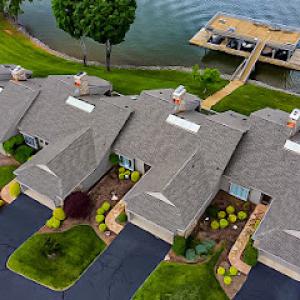
Shelter Construction Services - Roofing & Solar
3325 US-29 BUS suite a-1, Danville, Virginia
5.0 from 105 reviews
Shelter Construction Services - Roofing & Solar a Virginia Licensed Class A Roofing Contractor. Located in Danville Virginia and serving Martinsville, South Boston, Clarksville, Lynchburg, and Roanoke with Residential Roofing, Commercial Roofing, and Industrial Roof systems. Our extensive experience and factory certifications ensures that you are hiring the best contractor for your Roofing needs. We offer solutions for Commercial and Industrial roofs. Multifamily Apartments are also a part of our specialty. Working with Property Management we can provide solutions that most contractors can't. Call us today to discuss your situation and a professional consultation today.
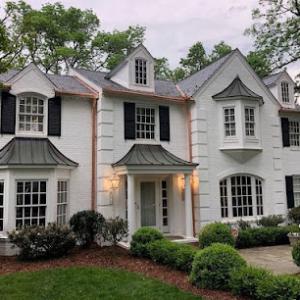
Skywalker Roofing Company
(540) 202-1524 skywalkerroofingnc.com
1218 W Main St Suite 100, Danville, Virginia
4.9 from 98 reviews
Skywalker Roofing has been the trusted name in exterior home improvements providing exceptional service in Danville, Virginia for more than 25 years. As a local and experienced contractor, they provide residential and commercial customers with services for roof repair and replacement, siding and window installation, gutters, insulation, and soffit and fascia work. They are the best, most-awarded home exterior company in the area, having served over 30,000 homes and businesses. Read their hundreds of 5-star reviews to see why they are the #1 local roofing contractor. With locations throughout Virginia, Skywalker Roofing team of pros have the skills and experience to handle the requirements of any job.
Moss Home Improvement & Roofing
(434) 792-2030 www.mosshomeimprovement.com
220 River Ridge Rd, Danville, Virginia
4.5 from 58 reviews
Quality work at an affordable price with over 54 years in business.
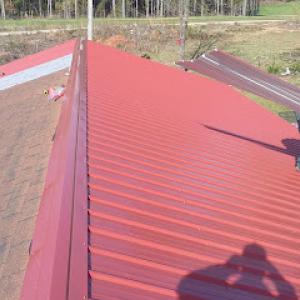
Referral Roofing
(434) 483-7055 referralroofing.com
Danville, Virginia
5.0 from 5 reviews
Proudly serving Virginia and North Carolina more than 40 years, we’re here for all your residential roofing needs. Call today for a free estimate.
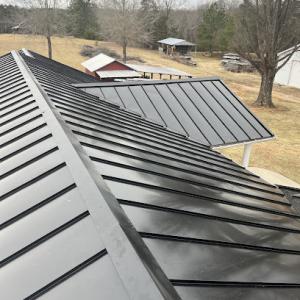
Clay's Home Improvement
(434) 728-6148 clayshomeimprovement.com
Danville, VA
5.0 from 5 reviews
Clay's Home Improvement provides residential and commercial roofing, roofing restoration, siding, and window services in the Danville, Martinsville, and South Boston, VA areas.
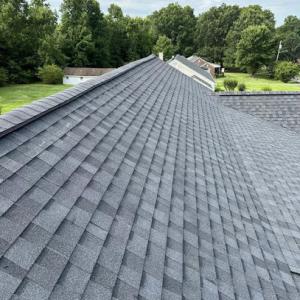
Dickens & Sons Construction
(434) 202-3688 www.dickensandsonsroofing.com
Danville, Virginia
5.0 from 4 reviews
Dickens & Sons Construction provides roofing services in Danville, VA, and surrounding areas
B&P Roofing
2500 W Main St, Danville, Virginia
3.1 from 23 reviews
B&P Roofing is a Roofing Contractor in Danville, VA. We specialize in Residential and Commercial Roofing. All types of roof repairs. Financing Available!
All Around Roofing
Danville, Virginia
5.0 from 1 review
All Around Roofing is a family oriented business with trained professionals over 15 years experience to get the job done right the first time
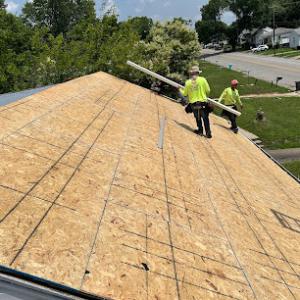
Casco Roofing
823 Halifax Rd, Danville, Virginia
5.0 from 1 review
Casco Roofing specializes in high-quality roofing solutions, providing installation, repair, and maintenance for residential and commercial properties. We are committed to excellence, using durable materials and delivering exceptional customer service. Trust us to protect your investment with a strong and reliable roof.
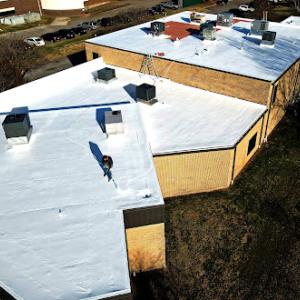
Infinity Roofing, Southeast Virginia
(757) 758-3173 www.infinityroofingva.com
Serving
5.0 from 17 reviews
Factory certified roofing contractor VA Lic # 2705154866 National Roofing Contractors Association Platinum Preferred GAF Master Elite Certainteed Shingle Master Family owned and operated Warrantied work
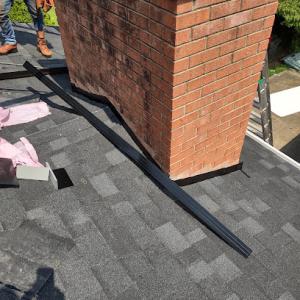
AT-TOP Roofing
Serving
4.3 from 12 reviews
With over 35 years of experience, AT-TOP Roofing has provided professional, thorough and reliable roofing services to both homeowners and businesses in the greater Burlington, NC and surrounding areas and Lynchburg, VA and surrounding areas. Our commitment to customer satisfaction has made us the top roofing company in the area. We specialize in all roofing types and offer a 100% satisfaction guarantee on all the work we do. If you're looking for a roofer you can count on to get the job done the right way, the first time, give us a call today.
Shock & Awe Construction
Serving
5.0 from 104 reviews
Shock And Awe Construction, led by Jackie and Holly Duncan, leverages 20 years of experience in residential and commercial roofing to provide Ridgeway, VA with quality craftsmanship at competitive rates.
Cost planning in this market begins with the local material ranges: asphalt shingles 350 to 700 USD per square, metal 700 to 1200, clay tile 1100 to 1800, concrete tile 900 to 1500, wood shingles or shakes 600 to 1000, and slate 1100 to 2200. That spread matters because the up-front price guides how you compare bids, and it helps set expectations for what your roof needs will look like when a storm season hits. In practice, most Danville homes sit near the asphalt or metal bands, but occasional specialty installs pop up, especially on older homes with character features.
Costs in Danville can rise after spring hail or wind events when claim activity increases and contractor schedules tighten across the Southside Virginia area. A busy season means shorter windows, higher labor demand, and tighter material availability, which can push square-day rates higher than the baseline. If a hail event or strong wind roll through, expect some fluctuation in both material and labor, even for the same shingle type. Plan for a margin in your budget and be prepared for a quick decision window if insurers are involved.
Specialty materials such as slate, clay tile, and concrete tile can carry higher labor and scheduling pressure in Danville because fewer crews regularly handle them compared with asphalt shingle work. If your home has or gains a larger, visible upgrade, you may face longer lead times and tighter crew availability. This is particularly true after winter freezes loosen foundations and spring storms demand more full replacements. When budgeting, account for potential delays and the possibility of premium bid lines for specialty installations, which can push overall costs upward compared with standard asphalt or metal options.
Start with a cost baseline using the local ranges, then add a contingency for weather-driven scheduling pressure. Gather at least three written bids and ask how each contractor prices materials and labor during peak season. If you're considering specialty materials, request a detailed line item explaining labor surcharges, travel time, and any additional protection or staging costs. For a typical asphalt-shingle replacement, you'll find the most predictable pricing and fastest schedule, which can help when spring storms leave crews in high demand. In spring and early summer, keep a pause-ready plan with a chosen backup contractor in case the first option becomes delayed.
A full roof replacement requires a permit filed with the City of Danville Building Department before work starts. Before submitting, gather your project details, including roof type, square footage, and a rough timeline. The city's permit office will guide you on required forms, setbacks, and any neighborhood or storm-damage considerations that may apply. In Danville, the permit signal helps ensure that the installation follows local code requirements for ventilation, flashing, and drainage, which are especially important after spring winds and hail events in this area. If your insurer is involved, coordinate the permit submission with their requirements, but the city permit itself is a separate approval that keeps the project compliant with local rules.
Inspections are typically handled by the building official and usually include a rough or underlayment inspection during installation plus a final inspection after completion. The rough or underlayment inspection is your checkpoint to confirm that the roof deck, underlayment, and flashing are properly installed and that ventilation and eave details meet code. The final inspection verifies that the finished roof, flashing, chimneys, penetrations, and eave details are complete and working as intended. In Danville, these inspections are often scheduled in coordination with weather windows, since dry periods help the inspector verify installation quality and prevent moisture-related issues. Expect the process to involve an on-site review of flashing around hips, valleys, skylights, and transitions to walls or chimneys.
Inspection timing in Danville can shift with weather and department backlog, so project schedules should account for possible pauses between dry-in and final signoff. Spring hail and summer thunderstorms can disrupt work days and push inspection slots further apart, especially if crews are waiting for favorable drying conditions after rain. Coordinate with the contractor to keep a predictable sequence: complete deck and underlayment first, request the rough/underlayment inspection when ready, then proceed to shingle or panel installation and flashing work, and finally arrange the final inspection once everything is in place. If inspections are delayed due to weather or backlog, use the waiting period to address accessory work items such as attic ventilation adjustments or fascia and drip-edge sealing, which can help avoid rework later.
Keep a centralized file of all permit documents, inspection notices, and approved plan details, and share access with your contractor. Confirm the Building Department's current contact and inspection scheduling procedures, as they can shift with city workflow. If a spring wind event causes damage, document conditions with photos and notes to help the inspector evaluate flashing and shingle integrity during the rough-in inspection. Remember that a permit is not just paperwork-it helps ensure that the installation stands up to Danville's climate and local code expectations, reducing the chance of later retrofit work. You are in a neighborhood where a timely permit and coordinated inspections can save headaches once the project moves from dry-in to final signoff.
Virginia's homeowners insurance market is generally stable, but spring wind and hail in this area can still trigger bursts of roof claim activity. The pattern here is a few sharp events followed by calm periods, which can strain timelines and drive insurer focus during peak season. When a thunderstorm rolls through with gusts and hail, the rush to assess damage often centers on the most visible signs first-shingles, flashing, and any obvious interior impacts.
Danville homeowners should expect insurers to ask for roof age, recent damage history, and detailed estimates when storm damage is involved. The adjuster will want a clear picture of how long the roof has stood up to weather, whether prior repairs exist, and how the current damage fits within policy language. In practice, this means gathering records that show prior storms, repairs, and any irregularities noticed after events. A well-documented file can keep the claim moving rather than getting bogged down in disputes over scope.
Because adjusters review replacement scope against policy limits, Danville claims are stronger when homeowners document hail impacts, wind-lifted shingles, interior leaks, and inspection findings promptly after storms. Take high-resolution photos of dented or curved shingles, missing granules, and flashing seams. Note any lap sealant failures and signs of wind-driven moisture that appears in ceilings or attic spaces. If an inspection finds curling shingles or sustained wind damage, keep the report handy to pair with photos and your own timeline of events.
In the wake of a damaging spring or early summer storm, a professional roof inspection soon after events can provide a trusted second opinion on the extent of wear and tear versus isolated damage. An experienced Danville contractor can translate that assessment into a practical set of repair or replacement steps, which helps align expectations with insurer evaluations and speeds up the process during the necessary in-progress and final inspections.
Danville winters bring freeze-thaw cycles that can stress flashing details and underlayment even when roofs survive the warmer seasons. Swelling and contraction from repeated freezing and thawing push seams, step-flashings, and pipes beyond their comfortable range. In practice, a roof that looks sound after spring winds can hide microcracks or loose sealant that only show up as leaks when a cold snap hits. Corridors around chimneys and vent pipes-areas that already carry bulky flashing-are the first to reveal small shifts, and those shifts can gradually widen into active leaks if left unaddressed.
Homes that enter winter with storm-damaged shingles or marginal flashing are more likely to see leaks worsen during Danville cold snaps. Shingle edges that previously curled or lifted become weak points under snowmelt and ice dam formation. If a nail perches through the underlayment due to wind-driven lift, the next cold night can seal in moisture and rotting wood behind the scenes. The result is not a dramatic failure, but a quiet, creeping deterioration that can surprise a homeowner after a light snowfall or a sudden cold rain.
In Danville, replacement timing that slips from fall into winter can complicate installation quality and inspection scheduling compared with spring or fall work. Cold temperatures slow sealant curing, hinder shingle graphing, and can delay flashing bedding. In the event of a mid-winter payload of insulation or attic moisture, crews may have less reliable access to accurate in-progress inspections, which increases the risk of hidden misses staying hidden until spring thaw. The practical takeaway is to plan for an autumn window where outdoor temperatures are consistently above freezing, giving flashing and underlayment a steadier path to long-term performance.
Inspecting roof edges, flashings around vents, and chimney crickets after a hail or wind event is prudent. Addressing loose or damaged components before cold spells arrive reduces the chance of accelerated deterioration once winter hits. If a repair only proves feasible after several days of mild weather, schedule it in a way that avoids the most frigid stretches, since the work tends to hold better when temperatures cooperate. For a home with existing winter exposure, a targeted, timely fix now can prevent a cascade of leaks once freezing winds rebound.
In this market, weather interruptions and inspection timing can create scheduling gaps that homeowners should clarify before signing a replacement contract. Spring hail and frequent wind events can push crews off the roof or force reschedules, leaving you with multiple start-and-stop days. If a project is paused for rain, a day or two may turn into a week, especially when angles of sun and wind shift and interior inspections catch up with the crew's backlog. Before any paper is signed, confirm who will handle weather-related delays, how many in-progress inspections will be needed, and the expected window for the final assessment. The result is a plan that does not rely on perfect conditions but is realistic about the season's variability.
After storm activity, verify whether estimates include underlayment, flashing replacement, and any inspection-related return visits rather than assuming a simple shingle swap. Hail can compromise flashing and valley seals even when the visible shingles look intact, and a quick "patch and go" approach often leaves you exposed to leaks later. Ask for a written scope that lists each component, from underlayment to vent boots, and specify how flashing will be addressed if metal panels or step flashing show wear. If the inspection reveals additional needs, confirm how those items affect the schedule and access times for your interior rooms during any follow-up visits.
Specialty roofs in this area, especially slate and tile, require confirming that the crew regularly installs that material and is not pricing it like standard asphalt work. Many crews are competent with common shingles but unfamiliar with the nuances of heavier or thinner slate and ceramic tiles. Check references for recent slate or tile jobs, and request proof of experience with the exact product you intend to install. Clarify the crew's process for handling broken tiles, substrate integrity, and any required long-lead stock or specialty fasteners, so the project timeline isn't disrupted by unexpected material delays.