
Last updated: Apr 19, 2026
In this area, the way river breezes move across the roof changes how moisture behaves at the surface. Potomac and Rappahannock influence humidity levels, so you'll often see higher overnight moisture and faster dew point shifts than inland Virginia. That means your roof system spends more time in a damp cycle, which can affect underlayment longevity and shingle sealant performance. If your attic is vented, you'll want a steady flow of air at the eaves and good exhaust near the ridge to keep the interior deck from staying damp after a rain. Inspect vents for blockage after storms, and check that soffit openings aren't crushed by vegetation or debris. On windward edges, even small gaps around flashing can become pathways for moisture if the wind carries humidity into the roofline.
The county's location in Virginia's eastern coastal plain means hotter, more humid summers than many inland localities. That heat drives expansion and contraction cycles in roofing materials, especially at penetrations like chimneys, vent pipes, and skylights. Materials that tolerate humidity without excessive surface sweating tend to hold up better here. If you're choosing a replacement or retrofit, consider products with proven moisture resistance and stable colorfastness under long, humid summers. A color choice that minimizes heat absorption can also reduce rapid surface drying and re-wetting cycles, which helps maintain the integrity of sealants and fasteners along the eaves and ridges. For existing roofs, look for worn or brittle sealant around flashing and choose the appropriate re-caulk or sealant for coastal humidity environments.
Homes near open water, creeks, and exposed rural lots experience stronger wind-driven rain at roof edges and around flashing points. A gust can push water under shingles at the rake, in the valley, or where new flashing meets old material. Stainless or aluminum flashings with proper overlaps perform better under repeated wind pressure, but any flashing can fail if installation wasn't thorough or if fasteners have started to back out. Pay particular attention to ridge cap alignment and the closure around exhaust vents and plumbing stacks. If you have a low-slope section or a valley that routes water toward a seam, verify that the valley metal is well-sealed and that waterproof underlayment beneath the shingles extends adequately into the valley. In exposed areas, a secondary sealant around penetrations can act as a backup if a wind-driven rain event hits at a bad angle.
Walk the roof after heavy rain or wind storms to look for lifted shingles, loose flashing, or pooling near seams. Test gutters and downspouts to ensure water is directed away from fascia boards and intersections with the roof deck. Inspect the underside of the attic for any signs of moisture staining or condensation that lingers after dry spells; that can indicate insufficient ventilation or a leak path, even if the roofing surface looks intact. If you're replacing or upgrading, favor options with robust edge detailing and proven performance against wind-driven rain. When resealing, prioritize joints that sit at windward corners, around dormers, and at chimney bases, since those points typically see the greatest stress during coastal wind events. For existing roofs, establish a quarterly inspection cadence, with a focus after the spring and summer storm season, to catch early signs of moisture intrusion before they impact decking or insulation.
Seasonal thunderstorms sweep across the lower Potomac and Rappahannock corridors with surprising intensity, and tropical-system activity can brush the coastline even if the eye stays off the county. In that pattern, wind-driven rain isn't just a pitch-black storm headline-it's a daily concern in many roofs. Humidity lingers, decking fasteners loosen, shingles curl, and attic ventilation gets overwhelmed when a storm hits with gusts and sideways rain. This is the dynamic that shapes every repair decision, every warranty discussion, and every safety check after a weather event. For homeowners who watch the river fog and hear the thunder roll, understanding this exposure is the first line of defense against hidden damage that shows up weeks later as leaks or mildew.
Your roof's performance in this climate hinges on wind-driven rain and steady humidity. Asphalt, metal, tile, and wood each respond differently to Gulf-style gusts and damp heat. In King George, where homes often suffer from repeated encounters with dampness along eaves and overhangs, flashing integrity and vent sealing are not cosmetic detail items-they're essential. When a storm rips through, a small lift in a seam or a clogged ridge vent can become a long-term drainage path. Cladding and underlayment choices matter here more than in inland markets because moisture exposure compounds roof deck rot and fastener corrosion over time. If you're evaluating a suspected leak, don't focus only on obvious water marks; inspect for wind-driven lifting near penetrations, damaged step flashing around chimneys, and compromised attic vents that could be letting humid air back into living spaces.
When the skies clear, immediacy matters. Virginia insurers commonly see wind and hail claims, so photo documentation, clear damage descriptions, and contractor estimates are crucial to building a convincing file. Capture exterior photos from multiple angles, close-ups of flashing and ridge areas, and interior shots of ceiling stains and attic condensation. Collect all contractor estimates in a single, organized set, with notes on recommended repairs, material details, and noticeable pre-existing conditions. Keep a concise damage narrative that links the observed issues to the storm event, noting dates and wind speeds if known. A precise, well-documented package will help expedite claims and avoid disputes that stall restoration efforts.
Because this is a smaller county market, post-storm demand spikes are common when crews are pulled toward larger Fredericksburg-area and coastal claim volumes. Expect longer wait times for skilled roofers, longer lead times on materials, and tighter scheduling windows in the immediate aftermath of a storm. If you can, secure a reliable contractor before peak demand hits, ask for a written damage assessment, and request a phased plan that prioritizes urgent leaks first and non-urgent improvements second. Maintain steady communication with your insurer to align on scope, timelines, and documentation needs, so your claim moves promptly through the system rather than getting bogged down by backlog and miscommunication.
Radiant Home Services
(804) 518-8880 www.goradianthome.com
Serving
5.0 from 71 reviews
Radiant Home Services, LLC is a Class-A home improvement contractor specializing in exterior home improvement projects including roofing, solar, gutters, siding, and more.
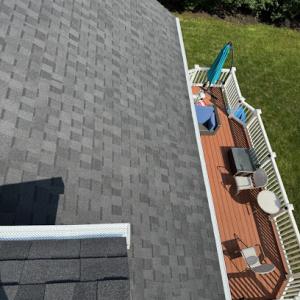
Burrus Roofing & construction
903 Caledon Rd, King George, Virginia
5.0 from 1 review
Burrus roofing and construction has been licensed insured and in business since 1984. We do shingle roofs, metal, rubber and even slate roofs. We are family owned and run.
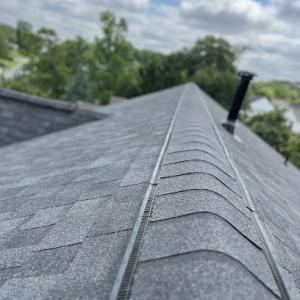
M&D Roofing & Renovations
(540) 215-1737 www.mdroofingrenovations.com
Serving
4.9 from 79 reviews
M&D Roofing and Renovations provides storm damage repairs, roof replacements, roof repair services, roof installations, siding, gutter installs and repairs, 24 hour emergency roof repairs to the Falmouth, Virginia area
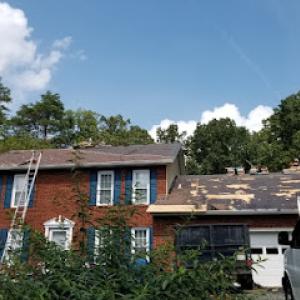
River Oakes Roofing
(703) 798-5465 www.river-oakes.com
Serving
5.0 from 31 reviews
River Oaks Roofing provides residential and light commercial roof repairs, roof maintenance, roof replacement, and roof installations to the Fredericksburg, VA area.
Roof Maxx of Fredericksburg, VA
Serving
5.0 from 77 reviews
Roof Maxx® is a scientifically formulated, and 100% safe, plant-based roof rejuvenating spray treatment that was developed by the world’s largest private research and development company.
Mike's Roofing
(540) 287-3580 mikesroofingva.com
Serving
4.9 from 38 reviews
Since 1998, Mike's Roofing has been the trusted choice for homeowners in the Fredericksburg area, providing exceptional roofing services. As a premier roofing contractor, they specialize in expert repairs, full installations, and diligent maintenance. The team at Mike's Roofing is committed to using high-quality materials and professional craftsmanship on every project, ensuring lasting protection and a beautiful finish for your home. With decades of experience, they are dedicated to delivering reliable solutions that secure your most important asset.
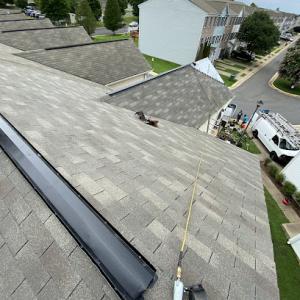
Robinson's Roofing & Repair - A Christian Owned Company
(540) 234-2389 www.robinsonsroofingva.com
Serving
4.9 from 100 reviews
Robinson's Roofing and Repair - A Christian Owned Company provides roofing, gutters, siding, and windows to the Northeastern Virginia area.
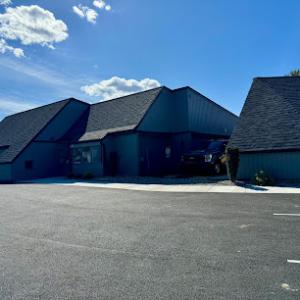
9Hammers
(540) 308-8440 9hammershomeimprovement.com
Serving
5.0 from 212 reviews
Since 2009, 9Hammers has been the leading provider of building and exterior renovations in Fredericksburg Virginia. Our expert craftsmanship covers a wide range of services including residential and commercial roofing, gutters, custom decks, porches, fences, vinyl siding, and window and door installation. We pride ourselves on quality, using top-tier materials, and our certifications like GAF Master Elite and Timbertech ensure impeccable standards. With 25-year workmanship warranties, we guarantee peace of mind for every homeowner.
Brothers Exterior
(571) 243-7887 www.brothersexteriorcorp.com
Serving
5.0 from 172 reviews
Welcome to Brothers Exterior Here you will find the best roofing services at the best prices. Our trusted team of roofing professionals provides top-quality commercial and residential roofing solutions. With over 21 years of experience in the roofing industry, we have completed many projects for our clients in Stafford, VA.
Paramount Property Solutions
(301) 684-0343 paramountpropsolutions.com
Serving
5.0 from 350 reviews
Paramount Property Solutions is a full-service general contractor specializing in storm damage restoration and exterior remodeling. We bring together a perfect team of field inspectors, office staff and project managers to get your home back to normal after a storm. Our common goal is one thing – complete customer satisfaction!

Roofs Fast
Serving
5.0 from 71 reviews
We like to think of our company as a roofing company with years of experience building homes, dedicated to providing outstanding customer service. When we take on a new client, we treat them like we would our own family. We are honest, ethical, experienced, and will give you the best service before, during and after we start work. To us, we're not just a roofing company local to Fredericksburg, VA-- we're a service company first and foremost. We have decades worth of experience building homes, and we will be taking that knowledge with us to every roof we work on. We'd be thrilled to start with yours.

Monster Roofing & Siding
(540) 220-5528 www.monsterroofingllc.com
Serving
4.9 from 146 reviews
Monster Roofing and Siding is Family Veteran Owned and Operated company. We pride ourselves on delivering high quality materials and with a professional installation. Our job is to educate our customers on what you get for your money, being very transparent throughout the process and answering any questions before, during and after we leave your house.
Asphalt shingles are common in the area, but the county's hot, humid summers can speed granule wear, sealant aging, and algae staining compared with drier climates. To get more life from this material, choose a shingle line with larger granule coverage and a proven algae resistance rating. When installing, pay close attention to proper ventilation and a continuous ridge vent to reduce heat buildup behind lifts of shading. Regular inspections after heavy storms help catch loose or cupped shingles before water finds its way under them. In humid years, you'll want careful attic moisture control to minimize blistering and adhesive failure over time. If you see blistering or lifted edges after the first season, address it quickly with a local-proven repair method rather than postponing maintenance.
Metal roofing is well matched to storm and moisture exposure, but detailing at fasteners, trim, and transitions matters on homes exposed to open rural winds. Use stainless or coated fasteners with compatible sealant at every seam, especially where eaves meet walls and around penetrations like chimneys and vent stacks. A continuous closure at rake edges and eave trim helps resist wind-driven rain that can seep behind gaps. For this climate, consider panels with adequate overlap and a weather-tight underlayment beneath the metal to slow any moisture intrusion during humid seasons. Regularly inspect the fastener lines and vent boots after heavy rain events, since salt spray and high humidity can accelerate degradation around poorly sealed joints.
Wood shingles and shakes face added moisture-related risk in this part of Virginia because persistent humidity can increase the chance of rot, cupping, and biological growth. If you opt for wood, select rot-resistant species and a thick, durable finish with frequent reapplications to maintain water repellency. Ensure there is adequate ventilation under the roof deck and maintain a clear separation from foliage that can trap moisture against the siding and roof line. Inspect shingles for cupping or splitting after wet seasons, and treat or replace any boards showing signs of rot or growth. Keep fasteners and edge drip edges clean of organic debris that can retain moisture and promote decay. Consider a layered approach: a durable underlayment, good attic ventilation, and a moisture balcony system to minimize humidity-driven damage at the eave line and rafter pockets.
Expect price ranges that reflect the river-influenced climate and the county's more rural-suburban property layouts. Asphalt shingles sit in a practical middle ground, typically from 350 to 600 USD per square. Metal roofing tends to run higher, roughly 600 to 1100 USD per square, balancing durability against the need to shed wind-driven rain and moisture effectively on open properties or homes with steeper exposures. If clay or concrete tile is chosen, plan for 900 to 1800 USD per square for clay and 800 to 1500 USD per square for concrete, given the weight, installation, and long-term weather resistance these materials offer in humid environments.
Wood shingles or shakes, common on older or craftsman-style homes in this area, usually fall in the 500 to 900 USD per square range. These can be appealing for their look, but they demand careful ventilation and moisture considerations to prevent rapid wear in the humid air and seasonal storms. Synthetic or composite shingles sit between 600 and 1100 USD per square, offering low maintenance options that still respond well to wind-driven rain and the county's variable conditions.
King George's largely low-density, rural-suburban development pattern can increase travel, delivery, and staging inefficiencies compared with denser urban roofing markets. That reality translates into higher project logistics costs, including the time crews spend navigating longer driveways and accessing remote sections of properties. Expect longer scheduling windows for materials delivery and crew setup, which can nudge the total project cost beyond straightforward per-square estimates in more compact neighborhoods.
Costs can rise on homes with long driveways, detached structures, tree cover, and limited dumpster placement. Long driveways mean more ladder time, more material handling, and more protection planning to keep driveways and landscaping undamaged. Tree cover adds the possibility of extra cleanup from leaves and pine debris, and may necessitate additional ventilation or flashing details to manage moisture intrusion around eaves and valleys. Limited dumpster placement can increase disposal logistics and duration on site, factoring into labor and equipment costs.
For planning purposes, consider a concrete or clay tile upgrade where preservation of structural integrity and moisture management is critical, especially on roofs with high exposure to wind-driven rain along river-adjacent zones. Asphalt remains a strong, cost-conscious choice for many homeowners, while metal offers a durable option that can resist humid conditions when installed with proper underlayment and ventilation. In this market, the choice should balance initial cost, local weather resilience, and long-term maintenance given the area's humidity and wind patterns.
A full roof replacement in King George County typically requires a permit issued by the King George County Building Department. The local climate-wind-driven rain, high humidity, and moisture exposure from the Potomac and Rappahannock rivers-makes permit review feel especially practical. The process is designed to ensure flashing, underlayment, ventilation, and overall code compliance stand up to the river-influenced weather. Knowing you're working with a department that already understands humid coastal Virginia conditions helps set expectations for thorough checking of details that affect long-term roof performance.
Begin by confirming your project scope with the Building Department, including any changes to attic ventilation, eave soffits, and roof penetrations for vents, chimneys, or skylights. A permit package typically includes drawings or schematics, a proposed roof deck or underlayment method, and a description of materials. Local reviewers will look for adherence to wind-resistance provisions and moisture-control strategies that are particularly relevant to this area's humidity levels. Plan on submitting revisions if the department asks for clarifications about flashing channels, valley protection, vent placement, or attic vent sizing. Because inspections in this county emphasize durability against wind-driven rain, make sure your contractor's installation details reflect proper step flashing at all rakes and junctions, as well as secure fasteners and sealants rated for multipoint exposure. The county's plan review aims to catch potential problem areas before shingles or tiles go on, especially where roof-to-wall interfaces, dormers, or chimneys meet the roof structure.
Inspections commonly occur during and after the project. Expect checks that focus on flashing installation, underlayment integrity, ventilation adequacy, and overall code compliance. The inspector will verify correct nailing patterns for the chosen roofing system, proper sealing at penetrations, and that attic venting is not blocked by new decking or insulation. In this climate, confirming that moisture barriers and drip edges are correctly installed helps prevent leaks during heavy rains. Plan for a final inspection to confirm the system is weather-ready and that all components function as designed. If any deficiencies are found, your crew will need to address them promptly to avoid delays and to ensure long-term performance against humid conditions.
Plan review requirements and permit fees vary based on project value and scope rather than following a one-size-fits-all roofing fee. The local process is structured to align with the complexity of the work, particularly when wind and moisture considerations drive more stringent checks. Have your contractor assemble a thorough package that clearly documents ventilation strategies, flashing details, underlayment choices, and any specific products intended for wind-driven rain resistance. Expect a back-and-forth as the Building Department clarifies details; timely responses help keep the project on schedule and ensure the final installation meets King George's climate and code expectations.
In this area, the typical replacement rhythm centers on favorable dry-in days and steady temperatures. Fall remains the preferred window, with cooler air helping shingles, underlayment, and sealants set correctly. Spring brings heavy rainstorms and wind that can interrupt tear-offs and delay dry-in, so a longer-than-expected schedule should be planned. Summer heat and humidity can affect installation conditions and adhesive performance for some roofing products, especially when temperatures push the limits of what installers expect. Plan for realistic stretches of dry weather and be prepared for occasional delays.
Spring storms can come with gusty winds and sudden downpours that soak exposed decking or loosen crew momentum. If a tear-off begins in spring, you may encounter interruptions that push the project into hazier weather weeks. Contractors often adjust by stacking tasks that don't require dry-in and prioritizing deck prep during lulls. Have a contingency plan for temporary coverings over exposed areas and be ready to reseal edges if a storm arrives mid-teardown.
During peak heat, asphalt and other single-layer products can soften, affecting alignment and sealant adhesion. Humidity can slow curing of roof penetrations and flashing. Scheduling early-morning work or late-afternoon sessions helps avoid the hottest hours and reduces adhesive risk. Adequate ventilation of the attic during installation becomes more critical to prevent moisture buildup in ceiling spaces.
Fall offers cooler, more predictable weather, but gusty winds and occasional tropical activity can still disrupt schedules. Short, dry windows are common; aim to complete tear-off and deck inspection when forecasts show a string of dry days. Keep an emergency plan ready for wind-driven rain, and verify that temporary edge protection is in place to minimize risk to workers and property.
Before work starts, align a realistic timeline that accounts for spring and fall volatility, plus summer heat. Confirm daily weather contingencies and agreed dry-in thresholds with the contractor. Having a clear plan reduces surprises when river-influenced systems push humidity and wind responses.
In this area, wind-driven rain finds its way through the smallest gaps, and failures often start right at flashing transitions, around pipe boots, and where valleys intersect rafters. When rain is pushed from the river air, even tiny gaps become water entry points that you can't see from the ground. If you notice peeling flashing, rusted boots, or pooled moisture at the valleys after a heavy shower, address it promptly. A sealant-only fix rarely lasts long; proper flashing replacement with the correct flashing material is essential.
The humid summers extend residence-wide in this county, and poor ventilation compounds every leak you already have. Prolonged heat and moisture trap in attics can accelerate shingle aging and deck moisture issues. If you feel a hot, muggy attic or notice damp insulation or moldy odors, you're not just dealing with comfort-you're risking accelerated wear on decking and reduced roof life. Ensure soffit intake and ridge or turbine vents balance, and consider baffles to maintain airflow behind the insulation where soffits meet the roof deck.
Shade from tall trees and dense woods creates damp, cool roof surfaces that invite algae growth and algae streaking. In shaded sections, the sun doesn't help dry the surface between storms, so moisture remains longer and can degrade fibers, asphalt films, and underlayment. If you see dark streaks, moss, or soft spots under shingles, check for compromised granules and compromised waterproofing at the shingle edges. Cleaning and careful reshingle work may be necessary, but only after you've improved airflow and reduced ongoing moisture pockets.
Wind-driven rain often reveals its weak points during the first strong shower after a dry spell. Look for sudden changes in attic temperature, new damp spots on ceilings, or areas of staining near those flashing transitions and pipe boots. Regular inspections after storms-especially in wooded neighborhoods-can catch small problems before they become larger, more expensive failures.