Last updated: Apr 19, 2026
Spring hail and high winds push damage into a tight window. In this area, response speed can be the difference between a smooth code-compliant replacement and a drawn-out, storm-by-storm argument with the insurer. When a storm hits, you should treat every day as a countdown: attic and ceiling stains, dented gutters, and curling shingles can turn into liability for leaks and structural rot faster than the next wind gust. The urgency here is tied to the condition of the roof system, the potential for interior damage, and the likelihood that a claim will be reviewed under a rising clock before a full replacement is approved. Do not wait on triage-start the claim with a sharp, dated record of what happened, when you noticed it, and what conditions you observed during and after the storm.
In this Virginia insurance environment, adjusters may visit the property before approving replacement costs, so Stafford owners need dated photos and a licensed contractor estimate early in the process. Photograph every visible issue from multiple angles: hail impact on shingles, granule loss in gutters, dented vents, roof edge damage, and any water intrusion signs in the attic. Keep a dated log of every contact with the insurer and every estimate you receive, with clear notes on what is being proposed and why. A licensed contractor's estimate isn't just another number; it's a professional assessment that translates storm damage into a code-ready replacement plan. Your goal is to present a coherent, timestamped package that demonstrates both the extent of the damage and the steps needed to restore the roof to current standards. In this market, delayed documentation often stalls approvals and can complicate scheduling, so gather and organize your records as soon as the storm passes.
Rely on a licensed contractor who understands the local housing stock and the typical storm-related issues here. A qualified pro will translate what you see into an actionable replacement plan that aligns with expected code-adoption standards and the specifics of slate, tile, or asphalt systems more common in Stafford. The contractor should provide a comprehensive scope that includes deck protection, roof ventilation checks, flashing replacement, and flashing-metal integration with the plan to address potential wind-driven rain entry. The goal is a single, cohesive proposal that satisfies the insurer's questions and minimizes back-and-forth by anticipating common adjuster concerns. Because you are contending with a replacement rather than a simple tear-off, expect the process to require more detailed coordination, not fewer. Your contractor should outline staging steps, material lead times, and a realistic schedule that anticipates delays caused by weather or inspection scheduling.
County inspections are a pivotal driver in Stafford, and claim-driven projects must be coordinated around when a permit is issued and when inspections can be scheduled. This makes the timeline different from milder markets where a quick tear-off might suffice. The replacement needs to be planned so that the permit, the roofing installation, and all required inspections align without gaps that could expose you to noncompliant work. A smart approach is to align the insurer's approval with the contractor's permit calendar and a pre-inspection review to ensure every detail-underlayment, venting, and flashings-meets the local code expectations before the install begins. You want the project moving in assertive, clearly tracked phases, not a stalled sequence caused by misaligned approvals or delayed paperwork.
The final phase is translating an approved claim into a code-compliant, properly inspected roof replacement. Expect a sequence of milestones: insurer approval or supplementary claim requests, material ordering with timeline buffers, installation windows aligned to weather and inspection dates, and the final field inspection that marks completion. Time matters here not just for the dry days on the calendar, but for the risk of water intrusion, subcontractor availability, and the need to demonstrate to the county that the work meets current standards. If a storm has triggered a claim in this area, your window to move from damage recognition to a fully inspected, code-compliant roof is a carefully managed sprint-stay organized, stay in close contact with your contractor, and keep every document updated and accessible.
Shaq's Restoration Services
(703) 479-0062 www.shaqsrestorationservices.com
800 Corporate Dr #301, Stafford, Virginia
5.0 from 126 reviews
Shaq's Roofing and Restoration - is a family owned and operated Storm / Wind Damage Roof Repair contractor. Call us for a free inspection - we handle all the rest! 5 Star Ratings on all platforms, our number one priority is quality roofing - no matter the cost.
Brothers Exterior
(571) 243-7887 www.brothersexteriorcorp.com
Stafford, Virginia
5.0 from 172 reviews
Welcome to Brothers Exterior Here you will find the best roofing services at the best prices. Our trusted team of roofing professionals provides top-quality commercial and residential roofing solutions. With over 21 years of experience in the roofing industry, we have completed many projects for our clients in Stafford, VA.
Transylvania Group
(571) 330-2321 fixedroofing.com
152 Choptank Rd, Stafford, Virginia
5.0 from 39 reviews
Roofing contractor
Long Home
650 Corporate Dr Suite 109-117, Stafford, Virginia
4.8 from 128 reviews
For over 8 decades, Long Home has helped families throughout the East Coast enjoy safer, more beautiful homes. From durable roofs to stunning baths, our quality products, outstanding craftsmanship, and dedication to customer satisfaction are at the core of our philosophy. We work with customers to make home improvement projects more affordable through competitive loan rates and flexible payment plans that fit your budget.
Noreve Roofing & Home Improvement
(540) 623-0649 www.noreveroofing.com
187 Olympic Dr, Stafford, Virginia
5.0 from 34 reviews
Our knowledgeable specialists and factory-trained installation technicians are carefully chosen to reflect our exceptional standards. We have a dedicated, easy-to-reach client services team ready when you contact us.
Storm Pros Corporation
(540) 659-8917 www.stormprosva.com
800 Corporate Dr #301, Stafford, Virginia
4.9 from 32 reviews
Storm Pros Corporation provides Roof replacement, Roof Inspections, Roof maintenance, Siding repair and replacement, Gutter Repairs or full replacements, Gutter Guards/Leaf protection, Interior drywall repair and painting, Drone Inspections with Reports, Insurance Claim assistance for Virginia. We have expanded our Services to Florida, Missouri, Illinois, Oklahoma area.
H C Roofing
980 Brent Point Rd, Stafford, Virginia
5.0 from 4 reviews
HC Roofing Solutions is a family-owned and operated roofing business and has been serving the Metroplex since 1980. We have a strong focus on quality and customer service.
Shark Construction
(540) 203-9029 www.sharkconstructionllc.com
Serving
5.0 from 31 reviews
If you’re looking to upgrade your home’s exterior, trust the pros at Shark Construction. We provide top-tier property exterior services in Fredericksburg, VA and beyond.
Style Installations
(540) 657-1700 www.styleinstalls.com
Serving
5.0 from 57 reviews
Experience expert roofing with 𝗦𝘁𝘆𝗹𝗲 𝗜𝗻𝘀𝘁𝗮𝗹𝗹𝗮𝘁𝗶𝗼𝗻𝘀 𝗜𝗻𝗰., a trusted 𝗿𝗼𝗼𝗳𝗶𝗻𝗴 𝗰𝗼𝗻𝘁𝗿𝗮𝗰𝘁𝗼𝗿 in 𝗦𝘁𝗮𝗳𝗳𝗼𝗿𝗱, 𝗩𝗔. With 28+ years of 𝗹𝗶𝗰𝗲𝗻𝘀𝗲𝗱 𝗮𝗻𝗱 𝗶𝗻𝘀𝘂𝗿𝗲𝗱 service, we specialize in 𝗮𝘀𝗽𝗵𝗮𝗹𝘁, 𝗰𝗲𝗱𝗮𝗿, and 𝗺𝗲𝘁𝗮𝗹 𝗿𝗼𝗼𝗳 𝗿𝗲𝗽𝗹𝗮𝗰𝗲𝗺𝗲𝗻𝘁 and 𝗿𝗲𝗽𝗮𝗶𝗿. We also provide 𝘀𝘁𝗼𝗿𝗺 𝗱𝗮𝗺𝗮𝗴𝗲 𝗿𝗲𝗽𝗮𝗶𝗿, 𝗲𝗺𝗲𝗿𝗴𝗲𝗻𝗰𝘆 𝗿𝗼𝗼𝗳 𝘁𝗮𝗿𝗽𝗶𝗻𝗴, and 𝗶𝗻𝘀𝘂𝗿𝗮𝗻𝗰𝗲 𝗰𝗹𝗮𝗶𝗺𝘀 𝗮𝘀𝘀𝗶𝘀𝘁𝗮𝗻𝗰𝗲. We install 𝘀𝗸𝘆𝗹𝗶𝗴𝗵𝘁𝘀 and seamless gutters. Proudly serving 𝗚𝗮𝗿𝗿𝗶𝘀𝗼𝗻𝘃𝗶𝗹𝗹𝗲, 𝗥𝗼𝘀𝗲𝘃𝗶𝗹𝗹𝗲, and 𝗕𝘂𝗿𝗸𝗲, 𝗩𝗔. Call now for your free estimate!
J&R Roofing Solutions
Serving
5.0 from 14 reviews
J&R Roofing Solutions is a trusted name in roofing with over 16 years of proven expertise, proudly serving Fredericksburg, VA, and the surrounding communities. Our team of certified and highly skilled professionals is dedicated to delivering top-tier roofing solutions with a strong focus on customer satisfaction. We use only the highest quality materials and the latest techniques to ensure durable, long-lasting results. From installations and repairs to routine maintenance, we handle a full range of roofing services with precision and care. At J&R Roofing Solutions, exceptional craftsmanship and exceeding client expectations are at the core of everything we do.
Retex Roofing & Exteriors
(540) 579-5610 www.retexfredericksburg.com
Serving
5.0 from 109 reviews
Retex Roofing & Exteriors is a family-owned and operated residential home exterior business in Fredericksburg, VA & surrounding areas. We offer top-quality services and unmatched customer service with a focus on education, clarity of communication, and meticulous attention to detail. Our professional and experienced team of Fredericksburg exterior experts is at your disposal for roof replacement, roof repair, shingle roofing, metal roofing, window replacement, siding replacement, and gutter replacement services. We offer complimentary estimates for all of our services. Give us a call or visit our website to learn more about how we may be able to help you with your next home exterior project.
Mike's Roofing
(540) 287-3580 mikesroofingva.com
Serving
4.9 from 38 reviews
Since 1998, Mike's Roofing has been the trusted choice for homeowners in the Fredericksburg area, providing exceptional roofing services. As a premier roofing contractor, they specialize in expert repairs, full installations, and diligent maintenance. The team at Mike's Roofing is committed to using high-quality materials and professional craftsmanship on every project, ensuring lasting protection and a beautiful finish for your home. With decades of experience, they are dedicated to delivering reliable solutions that secure your most important asset.
The humid subtropical climate brings hot summers and moist springs, which accelerates asphalt aging more than drier inland markets. In this area, moisture management isn't a luxury-it's a daily consideration. When spring storms roll through, siding and roof penetrations are tested by wind-driven rain and hail, and the underlayment and attic ventilation must keep up. A roof that drains efficiently and dries quickly after a storm helps slow granular loss and cupping in asphalt shingles. Look for a layout that promotes positive drainage away from walls and into established gutters, with clean valleys and properly sealed penetrations around vents, pipes, and chimneys. In Stafford, passive drying matters as much as capillary action, so consider vented soffits and ridge lines that encourage air exchange year-round.
Occasional winter freezes in Stafford can stress flashing and drainage details, especially near eaves and penetrations where meltwater refreezes. Ice dams aren't inevitable, but they're more likely if gutter systems are clogged or if the attic isn't well insulated. Prioritize flashing integrity around skylights, chimneys, and step or counter-flashing at transitions to walls. Check for gaps where ice and water shield meet flashing and where fasteners penetrate through roof decking. Drainage paths should stay free of debris so meltwater has a clear route to downspouts. If you notice inconsistent shingle lift or exposed fasteners after a thaw, address those vulnerabilities promptly to prevent a freeze-thaw cycle from undermining the deck or underlayment.
The best replacement windows in Stafford are typically the drier, milder parts of spring and fall, when installation conditions are more stable than during peak summer humidity or winter freeze cycles. Schedule work to avoid the peak heat of July and the deepest cold of January when materials expand, contract, or lose performance. For spring storm damage, aim to complete temporary repairs that stop leaks quickly and plan a code-conscious, efficient replacement once insulation and weatherization are secured. In practice, this means coordinating with installers who can phase in underlayment and decking carefully during shifting spring conditions, then finalize flashings and ventilations in a single, cohesive sequence before the next humid season.
When a spring storm hits, a quick temporary fix helps limit interior damage, but the goal is a fast, code-compliant replacement that stands up to Stafford's climate. After damage assessment, prioritize roof deck integrity, ensure roof-to-wall details stay sealed, and verify that attic ventilation remains balanced. If insurance timing is part of the plan, maintain clear documentation of damage, staging areas, and contractor access to expedite approvals and minimize exposure to additional moisture. A well-coordinated crew will return to finish with proper sealant, flashing, and drainage refinements that resist wind-driven vents and guide water away from seams and penetrations.
Asphalt shingles dominate many replacements due to their balance of performance, availability, and familiar installation methods. In this climate-humid with spring wind and hail exposure-asphalt shingles provide reliable protection while offering straightforward repairs after severe storms. Local crews are accustomed to uplifts and wind-driven debris, which helps you get a dependable warranty and a smoother claim process when storm damage occurs. For most house profiles common in this area, asphalt shingles pair well with standard venting schemes and existing roof lines, making rapid, code-aligned re-roofs more approachable when time is tight after a hail event. Choose architectural or laminate shingles for added wind resistance and better curb appeal, and favor products with a proven impact resistance rating for peace of mind during the spring bite of storms.
Metal roofing is a meaningful option in this market because of the concentration of local contractors who regularly install and service it. Metal panels or standing-seam configurations offer excellent wind resistance and can shed snow and rain efficiently, which is useful in the humid Potomac climate. The local installer base tends to be more robust for metal than for some specialty materials, so the availability of qualified crews helps keep timelines realistic after storm damage. Metal can be especially advantageous on flatter or more exposed roof sections where extended hail events occur, and it often pairs well with attic ventilation strategies that help regulate temperature and moisture year-round. If considering metal, pay attention to panel seams, fastener finishes, and the compatibility of the chosen underlayment with local humidity to prevent long-term corrosion or seal issues.
Tile and slate appear in Stafford's material mix, but they bring extra steps. These materials can deliver distinctive curb appeal and excellent longevity, yet they demand careful attention to structural support and ventilation. The county may require plan review when structural changes or major ventilation adjustments are proposed, so anticipate potential coordination during the project. Tile and slate add weight, so structural assessment becomes a prerequisite, and ventilation strategies must be aligned with the new roof's geometry to avoid attic moisture buildup. Because both materials can be more fragile during severe weather, it helps to work with installers who have established track records in this area and who can layer appropriate underlayment and drip-edge details to manage wind-driven rain effectively. If choosing tile or slate, sequence the work to preserve roof-to-wall junctures and ensure that eave ventilation remains adequate after installation.
Spring storm performance hinges on more than material choice. In this region, attic venting, proper insulation, and a well-sealed irrigation of the flashing details play a pivotal role in durability and quiet performance during wind gusts and hail. Look for roofing systems that emphasize comprehensive attic ventilation and a solid underlayment strategy, especially where tiles or metal are selected. Don't overlook drip-edge and gutter compatibility, since clogged or damaged gutters can undermine a roof's ability to shed water quickly after a storm. A locally trusted crew can tailor a solution to the house's orientation, existing fascia, and typical storm patterns, helping ensure a replacement that holds up through weather cycles and keeps interior spaces comfortable and dry.
In Stafford, the price bands you're likely to encounter for common roofing materials reflect both material quality and the local supplier landscape. For asphalt shingles, expect roughly 350 to 700 USD per square. Metal roofing tends to run higher, about 800 to 1500 USD per square, driven by panel profiles and installation labor. Clay tile sits in the 900 to 1800 USD per square range, while concrete tile often falls between 700 and 1200 USD per square. Synthetic or composite shingles are typically 350 to 750 USD per square, offering a lighter, option with decent weather resilience. Slate, when homeowners opt for it, runs from about 1500 to 3000 USD per square. These ranges reflect Stafford's humid climate, storm exposure, and the typical suburban roof footprint found on many older and newer homes in the county.
Spring storms in this area bring a surge of activity as nearby homeowners seek inspections, tarping, and replacements after hail and wind. When many properties are targeted in the same weather event, contractors juggle schedules and material orders, which can push Stafford replacement pricing upward across all materials. If you've just weathered a storm, expect a tighter window for assessments and expedited scheduling to get you back under code and weather-ready as quickly as possible. The price impact isn't tied to a single material type; it's a market tilt that can widen your options but tighten availability.
A fast, code-compliant roof replacement hinges on clear decisions and timely work when the storm window opens. If you're weighing material choices, you'll notice that every option has pros and cons for Stafford's blend of warm summers, cold snaps, and spring wind events. For accurate budgeting, start with a conservative estimate in the midpoints of the local ranges, then add a contingency for potential storm-season demand spikes. If your goal is rapid completion after damage, coordinate with a reputable local contractor who can sequence material delivery, crew scheduling, and inspection readiness to minimize delays and keep work moving from tarping to the final seal.
Get a clear picture of your project costs upfront - no commitment required.
Shaq's Restoration Services
(703) 479-0062 www.shaqsrestorationservices.com
800 Corporate Dr #301, Stafford, Virginia
5.0 from 126 reviews
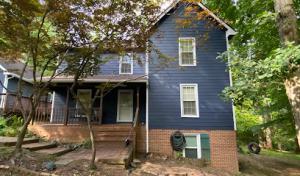
Stafford County typically requires a building permit for a full roof replacement through the County's Building Permits Office. Before any shingle or tile is lifted, you should confirm that your project is in line with the permit type for a complete reroof. Getting the permit in hand early helps prevent delays caused by permit review or miscommunications with your contractor. If the reroof includes any structural changes or a shift in ventilation strategy, plan for that review to influence how quickly the project can start.
The county inspection sequence usually includes a rough-in inspection focused on underlayment and venting, followed by a final inspection after installation is complete. The rough-in visit is a crucial checkpoint; if the inspector flags underlayment or venting concerns, the work may pause until those issues are corrected. The final inspection verifies that the new roof meets current code requirements and is securely fastened against spring winds and hail exposure. Expect the sequence to align with weather windows, so timing beyond your control-like a stubborn storm-can push your schedule.
Some Stafford projects need plan review when structural changes or significant ventilation adjustments are part of the reroof, which can affect scheduling and scope decisions. If the project requires adding or repositioning vents, turbines, or related structural elements, you may face additional review steps. It's not unusual for plan review to surface questions about attic space, roof deck condition, and attic ventilation strategy. Coordinating this early with the roofer and the permit office helps prevent last-minute redesigns that stall approvals.
In this climate, spring storms can push inspection timelines and window openings. Build a realistic schedule that accommodates potential weather holds and the county's inspection cadence. A contractor who proactively coordinates with the Building Permits Office and lines up the rough-in inspection soon after underlayment installation stands the best chance of keeping the project moving toward a compliant, durable roof.
Have debris containment and assessment ready for the rough-in stage so inspectors can view underlayment, attic ventilation, and fastener patterns clearly. If you anticipate plan-review items, gather any structural drawings, venting calculations, or attic space diagrams in advance. After approval and completion, verify that the final inspection report aligns with the stated permit scope, ensuring the replacement is fully code-compliant and ready to withstand the county's spring wind and hail exposures.
Virginia is a common wind and hail claim environment, so Stafford homeowners often need to document damage thoroughly before repairs and again after replacement. The rapid spring storms can create subtle splits or hidden leaks that aren't obvious at first glance. A clear record helps prevent disputes about what was damaged and what was replaced, especially when inspections are tied to code compliance.
Insurers serving Stafford may ask for pre- and post-renovation photos plus a licensed contractor estimate before approving full replacement costs. Start gathering images of the entire roof line, gutters, fascia, soffits, and any interior signs of moisture. Label shots by date and area, and keep a simple log of what was observed after each storm. When a claim moves forward, these documents reduce back-and-forth and speed up approval.
Take wide-angle exterior photos showing the whole roof and property from multiple angles. Then close-ups of damaged shingles, flashing, vents, and any sagging or granule loss. Capture attic pictures if there are signs of moisture or daylight peeking through decking. Use a ruler or a known object in each shot to convey scale. For post-renovation documentation, photograph installed materials from the same vantage points to demonstrate a complete, code-appropriate replacement.
Because code-compliant ventilation and underlayment can affect claim scope in Stafford, homeowners should make sure the insurer's estimate aligns with what the county will inspect. If the insurer's numbers diverge from what the roofing contractor and the county expect, request a joint review. Having a licensed contractor weigh in on ventilation, underlayment, and attic ventilation helps create a consistent basis for the claim.
Begin with a storm damage assessment, then compile pre-storm photos if available. After repairs, document the finished roof and all code-compliant components. Share both sets with the insurer and request a clearly itemized estimate from a licensed contractor. If questions arise about scope, schedule a quick walk-through with the insurer and the contractor to confirm alignment with the county's expectations.
Connect with contractors who help homeowners navigate the claims process from damage assessment to final approval.
Shaq's Restoration Services
(703) 479-0062 www.shaqsrestorationservices.com
800 Corporate Dr #301, Stafford, Virginia
5.0 from 126 reviews
Brothers Exterior
(571) 243-7887 www.brothersexteriorcorp.com
Stafford, Virginia
5.0 from 172 reviews
Noreve Roofing & Home Improvement
(540) 623-0649 www.noreveroofing.com
187 Olympic Dr, Stafford, Virginia
5.0 from 34 reviews
Skylight work is a visible specialty in Stafford's contractor market, signaling that leak-prone penetrations are a recurring homeowner concern locally. While skylights add daylight and charm, they also create concentrated risk at the roof surface. In many homes, a well-executed skylight install still leaves underlying vulnerabilities that shift with age and weather cycles. When a storm hits, these penetrations often become the first places to show signs of moisture, long before shingles fail elsewhere.
Stafford's humid Potomac climate, spring storm exposure, and winter flashing wear combine to make skylight penetrations more vulnerable than simple field shingle areas. High humidity can corrode flashing seams, while hail and driving wind can stress edge details around the skylight curb. Over time, flashing can soften, crack, or lift, letting water follow the best path downhill. Even a small drip near a skylight can indicate broader underlayment wear that needs attention beyond the visible leak point.
When a Stafford roof is replaced after storm damage, skylight flashing and surrounding underlayment should be evaluated before the county's final inspection closes out the job. That means the contractor should remove and inspect the skylight flashing, verify proper integration with the roof deck, and replace compromised underlayment as needed. Don't assume the skylight area is inherently protected; moisture can travel laterally under shingles and behind flashing, especially where seasonal temperature swings stress sealants.
A trusted local roofer will test for hidden leaks by inspecting around the skylight curb at the time of replacement, reseal all flashing seams, and ensure the new roofing layer fully overlaps the skylight flashing. They should verify that drip edges and valley details near skylights are solid, with proper slope and nail placement. If moisture is present, address it promptly rather than letting it masquerade as a minor nuisance that can wait for another season.
Find contractors experienced in skylight installation, flashing, and leak repairs to bring natural light into your home.
Brothers Exterior
(571) 243-7887 www.brothersexteriorcorp.com
Stafford, Virginia
5.0 from 172 reviews