Last updated: Apr 19, 2026
Winter here brings the classic central Ohio freeze-thaw cycle: water seeps into tiny cracks, freezes overnight, expands, and opens those cracks a bit wider by morning. When spring comes with heavy rain and hail, those weaknesses turn into active leaks much faster than you'd expect. This pattern is the heart of the risk for shingles and flashing, especially on roofs exposed to wind-driven rain and quick temperature swings. Autumn winds add another layer, lifting loose shingles on exposed planes before winter moisture ever climbs under the underlayment. The climate in this inland, central Ohio pocket means the biggest threats aren't salt spray or ember risk but seasonal expansion-contraction, hail impact, and wind-driven rain. Understand that sequence, and you'll know where to look first after each season shifts.
Start with a thorough walk-off-the-board check after each major weather event. Look for lifted shingles, especially along ridges and eaves where wind can grab edges first. Inspect flashing around chimneys, skylights, and vent pipes for any loose or breached metal-wind and hail can push weak joints into early failure. Inside the attic, monitor for small delaminations or moisture staining near penetrations, which can indicate a slow leak harboring under the deck or around the flashing. After a heavy rain, pay attention to damp spots that appear along the ceiling lines or where walls meet ceilings; these are often the first telltale signs of a hidden breach. In Newark's climate, a sudden spike in attic humidity after a thaw is a red flag that a chilly night may have expanded a crack into a leak pathway.
Certain roof types fare differently in this market. Asphalt shingles show their age first as granules loosen and edges curl with temperature fluctuations and hail impact. Metal roofs resist many issues but can suffer panel loosening or seam gaps if flashing isn't properly seated and maintained. Clay and concrete tiles can crack from hail or rapid freeze-thaw cycling, and heavy snowfall can push or crack vulnerable slopes if underlayment and rafter spacing aren't up to par. Synthetic or composite shingles tend to hold up better under impact, but they still depend on solid flashing and proper venting to shed moisture effectively. Regardless of material, the common thread is a robust, well-sealed perimeter and correctly installed flashing that can bend with seasonal movement rather than crack.
If you notice any lifted edges, loose flashings, or signs of moisture intrusion, treat it as urgent. Do not wait for a storm to test it-water can exploit even small gaps quickly. Clean debris from vents and roof valleys to prevent blockages that back up water during heavy rain. Check attic ventilation: proper intake and exhaust balance reduces condensation and heat buildup that worsens deck and shingle aging. When you plan a repair, prioritize integrated flashing around penetrations and ensure the underlayment remains dry and unpunctured beneath the shingle layer. If winter is approaching and there are known weak points, consider sequencing repairs before the first freeze to minimize expansion stress from the season's shifts.
Many homes in this area rely on standard rafter spacing with mid- or long-span eaves. Pay special attention to the attic's access points and any penthouse vent stacks that cross the roof plane. Old homes with combined metal and asphalt sections may conceal mismatched flashing that was never fully integrated. In such cases, a detailed inspection of the transition zones-where the roof meets walls, chimneys, and skylights-will pay off. By prioritizing these zones, you reduce the risk of a minor flaw turning into a costly leak when spring rain arrives.
Shield Pro Roofing
(740) 877-9657 use.www.shieldproroof.com
2214 Fallsburg Rd NE, Newark, Ohio
5.0 from 36 reviews
Shield Pro Roofing specializes in insurance-paid replacements, offering seamless service and top-quality installations. Our team ensures a stress-free process, using premium materials to shield your home. Trust Shield Pro Roofing for hassle-free, high-quality roof replacement or repair that protects your home!
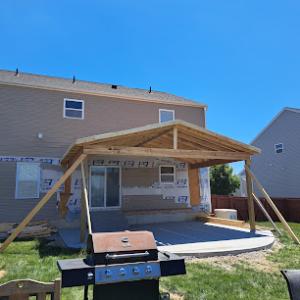
Acts Roofing & Construction
Newark, Ohio
5.0 from 3 reviews
Established in 2006, Acts Roofing And Construction has over a decade of experience in roofing, siding and home improvement and hundreds of satisfied customers behind us. We are proud to be one of the highest recommended roofing and siding contractors in the Newark, Ohio area. Acts Roofing And Construction is a full service home improvement company. No matter the size or complexity of your project we have the resources and expertise to take care of your every remodeling need. Our construction work speaks for itself. We keep up to date on all the newest building codes and technology on the market and put a strong emphasis on safety and quality workmanship. We take the stress out of finding a quality roofing company and contractor.

Focused Roofing Solutions
3488 Milner Rd NE, Newark, Ohio
4.2 from 5 reviews
Roofing Contractor that focuses on solving problems (not just changing parts or components). We specialize in repairing the exterior of your home or business. This includes all types of roofing, siding, windows, gutters, ventilation and insulation.
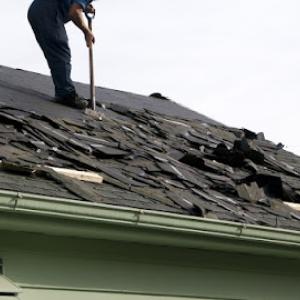
Bob Romine Roofing & Construction
111 E Main St, Newark, Ohio
4.3 from 4 reviews
Since 1970, Bob Romine Roofing & Construction has served Newark, Ohio, and the surrounding area with guaranteed quality roofing for both commercial and residential customers, specializing in flat roof installation. We have the capabilities to complete; shingled roof installation, metal roof installation, flat roof installation specialists, and seamless rubber roofing. Our dedicated roofing crews are highly experienced. Bob Romine Roofing & Construction in Newark, Ohio uses top-grade roofing materials to make sure your roofing job gives you years of high performance. We manufacture and use the RR-1 fastener system for single-ply roofing, which prevents roof puncture, condensation, heat loss, and roof corrosion.
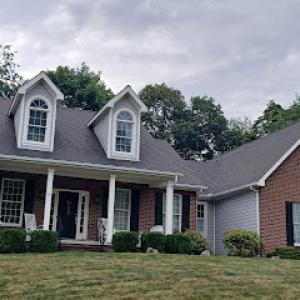
Shingle & Restoration Services
(740) 328-9582 shinglerestorationservices.com
Serving
4.9 from 17 reviews
A trusted home improvement & roofing contractor providing roofing and pressure washing services in; Columbus, Westerville, Reynoldsburg, Pickerington, Newark, Mount Vernon, Lancaster and surrounding areas. We stand out from other contractors in that our goal is to assure homeowners their roof and assets are in peak condition while providing HUGE savings over replacement. We take a common sense approach to repair and restoration by addressing troublesome popped nails, failed pipe boots, loose shingles and failed caulk. We then apply our environmentally friendly and scientifically proven RoofRestor (R) Shingle Rejuvenator, restoring original characteristics, adding 5 yrs to lifespan, and saving typically 80% over replacement with warranty!

Homeland Exteriors
(740) 404-7257 www.homelandexteriorsllc.com
Serving
4.6 from 43 reviews
Transform Your Home with Homeland Exteriors — Newark, OH’s Trusted Roofing & Exterior Experts From roofing, siding, gutters, fascia, and soffits to custom exterior projects and decks, Homeland Exteriors is your one-stop solution in Licking County. With over 20 years of hands-on experience, we proudly serve Newark, OH and surrounding areas with high-quality craftsmanship, clear communication, and honest pricing. Our skilled team is known for its attention to detail and commitment to bringing your vision to life. Whether you need a roof replacement or a full exterior makeover, we’re here to help you protect and enhance your home. Call today for a free estimate and see why homeowners across Central Ohio trust Homeland Exteriors.
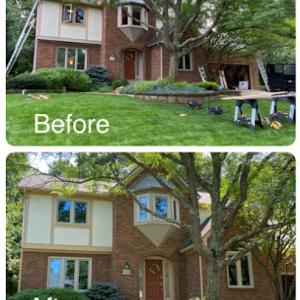
Sure Roofing & Siding
(614) 975-7727 sureroofingandsiding.com
Serving
5.0 from 57 reviews
Are you getting ready to upgrade your house with an exterior home improvement project? Make sure you’re working with the best general contractor in the industry by working with Sure Roofing and Siding. We are a company located in Hebron, OH and proudly servicing the entire region We are passionate about providing customers with exceptional roofing, siding, gutters, and window replacement and service at fair and affordable prices. If you’re ready to improve the appearance and value of your home, contact us today at (614) 975-7727 (you can call or text us!) or visit our website to start planning out your next home improvement project.

Golden exteriors
(740) 920-4329 www.goldenexteriors.net
Serving
5.0 from 38 reviews
From minor repairs to full replacements I have over 20 years experience in exterior work. I am GAF certified meaning GAF trains and tests thousands of the best roofers in the country and makes sure they're appropriately licensed and insured so they can offer the best warranty. GAF shingles have a 50 year warranty. I care about all my customers and make sure I respond as quickly as I can. We are here for all of your roofing siding and gutter needs.

All Weather Systems
Serving
5.0 from 5 reviews
All Weather Systems, Inc. is a full-service roofing contractor that offers professional commercial and industrial roofing services. For over 30 years, All Weather Systems has been building a reputation centered around providing effective solutions and excellent customer service. Our attention to detail is outlined by our successful track record of installation efficiency and quality workmanship.
Bristlewood Roofing & Siding
(614) 307-5881 www.bristlewoodroofing.com
Serving
5.0 from 212 reviews
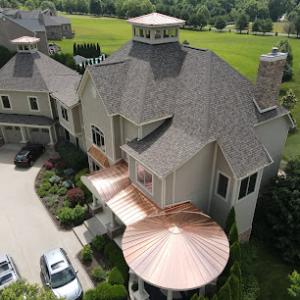
Bristlewood Roofing & Siding has combined years of expertise in the construction industry to assist Central Ohio for all your roofing, painting, siding, and gutter needs, while keeping your budget in mind. Since opening our doors in 2017, Bristlewood has added windows, solar panels, and restoration services to our growing list of home improvement services. Bundling them together has great rewards, including huge savings.

Tru Concepts Roofing & Renovations
(614) 270-7252 truconceptsroofing.com
Serving
5.0 from 13 reviews
Tru Concepts Roofing & Renovations is a licensed and insured roofing contractor providing residential and commercial roofing and exterior renovation services in Central Ohio. Established in Ohio and based in Pataskala, the company serves Franklin, Licking, Fairfield, Muskingum, Perry, and Knox counties. Services include roof inspections, roof repair, roof replacement, storm damage restoration, gutter installation, siding, and exterior renovations. Tru Concepts Roofing & Renovations is committed to professional service, quality workmanship, and clear communication with every client.
MN Roofing & Construction
(740) 418-0730 www.m-nroofing.com
Serving
4.9 from 129 reviews
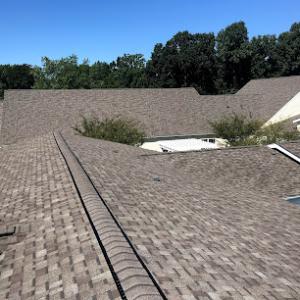
Local business that has one of the highest rating on google in Ohio. We are number 1 preferred through almost all insurance companies in Ohio. We do residential and commercial roofing, siding and gutters.
In Newark, the window for a full roof replacement that gives you the best long-term performance centers on moderate temperatures and predictable work conditions. The spring and fall seasons are the sweet spots because asphalt shingles seal properly when the mats are not baking in relentless sun or freezing cold. If a project must happen in the shoulder months, plan for days that stay above freezing at night and keep an eye on the forecast to avoid back-to-back rain events that can stall progress or complicate flashing details. Summer heat can accelerate aging of underlayment and sealants, which matters when older roofs are already near the end of service life. If your roof is at the stage where replacement is being considered, leaning toward a spring or fall schedule helps the new materials set correctly and reduces the risk of premature degradation from heat exposure.
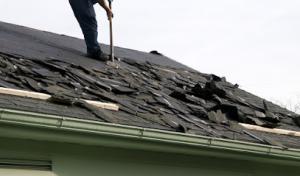
If a storm has caused damage, the decision window shifts toward urgency, but still benefits from solid, dry weather to complete the tear-off and re-sealing in a single sequence. In Newark, winter work is complicated by freeze-thaw cycling that can make brittle shingles and flashing details more vulnerable during tear-off and repair. A compressed schedule in bitter cold can increase the chance of micro-leaks as the roof is opened up and new layers are laid down. Plan transitions between stages to allow proper curing of sealants and proper venting during installation, even when weather is borderline.
Begin with a clear assessment of the roof's edges, valleys, and flashing. If ice dams or leaks recur after minor storms, that points to flashing or insulation needs that should be addressed during replacement rather than as a temporary fix. Check attic ventilation and insulation as a companion to the replacement plan. Poor ventilation can shorten the life of new shingles by trapping heat and moisture, especially in late spring and early fall when temperatures swing quickly. A well-vented attic, with properly installed soffit and ridge vents, helps the new roof breathe through Newark's seasonal shifts and reduces risk of early shingle curl or adhesive failure at heat-heavy times.
When selecting materials, consider how the roof's exposure and design influence wear patterns. For steep pitches common in older homes, ensure the installation method accommodates rapid weather changes without compromising flashing details around chimneys, vents, and skylines. Inareas prone to hail, a roofing system with a robust impact rating on shingles or metal can provide better resilience over time, particularly for the upper elevations of a home where wind-driven hail can strike with little warning. A reputable crew will verify that the attic-to-roof transition remains airtight, with sealants compatible with the climate's freeze-thaw cycle so that joints do not become weak points after winter.
Coordinate a clear sequence: tear off, inspect sheathing for moisture or rot, replace damaged decking, install underlayment, seal every fastener, and then apply the chosen roofing material with attention to valley and edge details. Expect the crew to protect landscaping and restore any disturbed areas promptly. Prioritize a plan that keeps access clear and dry, especially if the project spans the boundary between wet springs and the onset of summer heat. A well-timed replacement that respects Newark's seasonal rhythm minimizes the risk of storm damage and reduces the chance of future leak paths forming around poorly sealed edges.
Asphalt shingles dominate the Newark housing stock because they align with the typical roof lines and pitch found on many mid-century and newer homes. They're relatively straightforward to replace after hail or wind events, which is a practical advantage given the spring storm cycle and freeze-thaw stress that test traditional assemblies. When you consider a storm-resilient setup, prioritize shingles with good granule adhesion and a reinforced underlayment to help manage the freeze-thaw cycle. A well-sealed starter course and proper nail placement become key to preventing wind uplift during those brisk spring gusts. For homes with attic vents, ensure the shingle system integrates with a balanced ventilation plan to minimize condensation and ice dam risk during cold snaps.
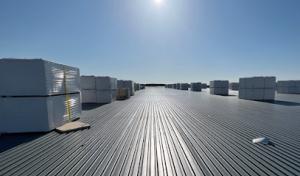
Metal roofing has a meaningful local specialty presence, making it a realistic upgrade for homeowners who want reliable snow shedding and reduced maintenance through Newark's winter and spring weather. Metal panels resist impact better than many standard shingles, which can be a real advantage after hail events. Look for concealed-fastener or standing-seam systems that provide a clean line and fewer potential leak points. In freeze-thaw conditions, metal's thermal performance helps reduce the freeze-induced expansion and contraction that can affect other materials. The trade-off is weight distribution and flashing details, so an experienced installer who understands how metal interacts with overhangs, gutters, and chimneys is essential for a long-lasting result.
Clay tile, concrete tile, synthetic/composite shingles, and slate are all present in the Newark market, but their weight, detailing, and repair complexity make installer experience especially important on older central Ohio homes. Clay and concrete tiles demand solid roof framing and careful spacing to prevent cracking during freeze-thaw cycles. Slate offers exceptional longevity but requires precise hook-and-rail or nail-driven systems that can tolerate temperature swings without micro-cracking. Synthetic or composite shingles aim to mimic the look while offering easier installation and lower weight, but installation quality still drives long-term performance in freeze-thaw cycles. If choosing any of these options, ensure the crew accounts for proper flashing around dormers, vent stacks, and skylights, and that attic ventilation is adequate to control temperature and moisture.
In this climate, a durable waterproof barrier underneath the finish layer is as important as the finish itself. Consider how each material interacts with existing flashing, drip edges, and chimney details to avoid hidden vulnerabilities that show up during thaws. For older homes with complex rooflines, meticulous detailing around valleys and penetrations matters as much as the material itself. Your choice should balance the home's architectural character, the local weather realities, and the ability of the installer to execute precise flashing, ventilation, and seam work that stands up to Newark's seasonal cycles.
Typical Newark pricing ranges are about $350-$700 per square for asphalt shingles, $900-$1500 for metal, $1000-$1800 for clay tile, $800-$1400 for concrete tile, $400-$800 for synthetic/composite shingles, and $1500-$3000 for slate. These figures reflect the common residential stock in the area and the way pricing shifts with material choice. When you're evaluating bids, compare per-square pricing plus any accessible trim, underlayment, and fastening details that may affect the overall numbers.
After hail or strong winds, storm-driven demand spikes tighten contractor availability and push scheduling and pricing pressure higher for full replacements and urgent repairs. In practice, that means you may see faster response windows but higher mobilization and material-cost components if you're ordering a complete roof replacement during peak cycle. If timing is flexible, you can sometimes secure better labor rates by aligning with slower periods, but keep in mind Newark experiences seasonal swings that can still complicate logistics even in off-peak times.
Costs in Newark can also move based on permit requirements, flashing and ventilation upgrades needed to pass inspection, and whether an older roof deck or steep residential roof geometry adds labor time. A roof deck showing rot or water damage requires more repair and sometimes a larger scope of work than a straightforward shingle flip. Steep pitches demand additional safety measures and longer installation windows, which translates to higher labor hours. Upgrading flashing and ventilation-think better soffit intake, ridge vent, and drip edge-can add to the initial price but pay off in long-term performance and wind resistance.
Get three detailed bids and ask each contractor to itemize underlayment, flashing, and ventilation, as well as disposal. If you're between materials, weigh the long-term resilience against upfront cost, particularly in the mix of freeze-thaw cycles and spring hail seen here. Consider not just the lowest price, but the provider's track record with storm repairs and their ability to complete within your preferred window, since timing often affects overall project stress in this market.
Get a clear picture of your project costs upfront - no commitment required.


A permit is typically required for a full roof replacement in Newark. Without it, you risk code violations, delays, and potentially costly rework if the city discovers the project during or after completion. Making the permit part of the plan early helps you avoid a rushed, stressful situation when the weather turns and you're trying to protect your home.
The City of Newark Building Department handles roof permit applications for replacement work. That means your contractor should either be familiar with the process or you should reach out to the department directly to verify what documents are needed-drawings, diagrams of ventilation, attic access, and existing flashing details are common. Starting with the department saves time and reduces surprises when inspections come up.
Inspections in Newark occur during and after the work to verify ventilation, flashing, and compliance with current code rather than treating reroofing as a no-review job. Expect a staged process: an initial inspection as work begins to confirm framing and bolt-on components are correct, followed by a mid-progress check if required, and a final inspection to ensure proper ventilation, flashing integration, and overall code adherence. If something isn't up to code, you'll need to address it before the project can pass.
Coordinate with your contractor to align scheduling with inspection windows and weather constraints. Keep access clear in the attic and around the roof edge so inspectors can verify soffit vents, ridge vents, and effective moisture barriers. Have your permit packet organized-engineered vent calculations, flashing details, and product specifications-so inspectors don't have to hunt for information. Remember, Manitoba-style freeze-thaw cycles and spring storms demand a meticulous flashing plan and a ventilation strategy that holds up under Newark's seasonal stress. Failing to meet inspection requirements can lead to delays and rework that complicate a storm-damaged roof recovery.
In Newark, weather-related roof claims tend to follow seasonal storm patterns, especially after spring hail and heavy rain events. That rhythm means claim activity spikes when the trees are budding and the skies turn capricious, and it also means insurers expect a clear timeline from storm date to claim filing. If a roof shows damage after a sequence of storms, start the process promptly and keep notes on dates, wind speeds, hail sizes if known, and any adjacent damage to gutters or siding. The seasonal nature of these events makes timely inspection and reporting a practical advantage.
Ohio insurers serving Newark commonly require adjuster inspections plus photo documentation, material inventories, and written estimates before final roof claim settlement. Gather evidence beyond ground-level shots: capture ladder-safe photos of each affected area, close-ups of shingle edges, lifted tabs, and peeling flashing where water can intrude. Make a simple inventory of roofing materials present, including shingle type, color, and any visible fasteners. When possible, have a contractor or roofer provide a detailed written estimate with scope of work, scope notes for flashing and attic ventilation, and a proposed timeline for repairs. Consistent documentation helps the adjuster see the full extent of damage, including hidden issues.
Because Newark's roof damage often involves both visible shingle impact and less obvious flashing or ventilation issues, homeowners need documentation that goes beyond a few ground-level photos. Look for signs of water intrusion in the attic, such as staining, mold, or lingering odors, and note any condensation or improper attic ventilation that could worsen freeze-thaw damage after a long Newark winter. If a hail event is suspected, inspect gutters and downspouts for denting or looseness, as these areas can signal broader roof system stress. A thorough, multi-angle inspection helps prevent a partial settlement that leaves lingering problems.
After the claim is filed, expect a scheduling window for the adjuster. Be present for the inspection, and reference your documentation during the walk-through. If the adjuster misses an issue, provide additional photos or contractor notes promptly. Maintain a clean, organized claim file with dates, contact details, and a clear record of all communications. A steady, methodical approach reduces back-and-forth and supports a smoother resolution that addresses both shingle surface and underlying system quality.
Connect with contractors who help homeowners navigate the claims process from damage assessment to final approval.
Whitetail Restoration
(740) 403-8089 www.whitetailrestoration.com
541 Westwood Dr, Newark, Ohio
4.9 from 54 reviews
Shield Pro Roofing
(740) 877-9657 use.www.shieldproroof.com
2214 Fallsburg Rd NE, Newark, Ohio
5.0 from 36 reviews
Storms here don't politely finish before morning. When a rain squall or hailstorm hits, a roof leak can become a room-wide problem in minutes, especially after a brutal freeze-thaw cycle. The rapid shift from melting water to freezing edges can push water into attic spaces, soften decking, and push flashing loose where it matters most. If you notice dripping from the ceiling, buckling walls, or attic condensation that wasn't there before, treat this as a true emergency. Seize control by stopping further intrusion: move belongings away from the leak, place a sturdy container under drips, and avoid walking on damp areas of the attic or roof. Quick, decisive action protects both structure and health.
Tarping is your fastest bridge to safety when a storm knocks the power loose on a full repair. In Newark, storms often arrive before a full, inspected replacement can be scheduled, so tarps are not optional-they're essential. Use a sturdy, waterproof tarp large enough to cover the affected area, weighted down with sandbags or rocks around the edges to secure against wind. Seal edges with roof tape or heavy-duty contractor's tape, overlapping seams to shed water outward. Check the tarp after the next round of wind or rain and re-secure as needed. This buys time to minimize interior damage while you arrange a professional assessment.
Think in stages: first, stop the water entry; second, document damage with photos for insurance; third, secure a local roofer who can respond quickly when weather allows. Refrain from climbing on a wet, icy roof; let trained crews handle the dangerous tasks such as resealing flashing and replacing compromised decking. If you're unsure, reach out to a trusted local contractor for a swift, on-site evaluation and a practical plan that respects this climate's harsh cycles.
When you can't wait, these contractors offer fast response times to stop leaks and prevent further damage.
Whitetail Restoration
(740) 403-8089 www.whitetailrestoration.com
541 Westwood Dr, Newark, Ohio
4.9 from 54 reviews

Tru Concepts Roofing & Renovations
(614) 270-7252 truconceptsroofing.com
Serving
5.0 from 13 reviews
In this climate, a roof is constantly tested by freeze-thaw cycles, spring hail, and seasonal storms. Inspection attention to ventilation and flashing means installation quality directly affects both code approval and long-term leak performance. If attic ventilation isn't balanced with the roof's intake and exhaust, you'll see faster moisture buildup and greater ice dam risk during cold snaps. Flashing around chimneys, dormers, valleys, and skylights must be continuous and well-sealed to resist wind-driven rain and snow pressure. A shoddy connection at these points often shows up as hidden leaks later, especially after a hard winter.
A smaller but real share of Newark contractors market warranty-backed work, which matters most on replacements where underlayment, flashing, and ventilation details are being updated to current standards. When evaluating bids, look beyond who offers "standard" coverage and dive into what the warranty actually protects and for how long. Does it cover labor as well as materials? Are there exclusions for ventilation components or for wind-driven leaks? If a contractor emphasizes a long-term service policy but leaves critical flashing or underlayment details vague, that's a red flag.
For a project in this area, ask how the contractor ensures proper attic airflow is matched to the chosen roof system. Verify that the plan includes high-quality flashing at all transitions and a continuous underlayment approach suited to freeze-thaw cycles. Request a written staging and inspection checklist that includes ventilation verification and a post-install water test. If the bid discusses maintenance visits, clarify what those cover and for how long. In Newark, a roof is only as durable as the combination of precise flashing, well-planned ventilation, and a robust workmanship warranty that stands up to seasonal stress.
In Newark, the mix of central Ohio freeze-thaw cycles, spring hail, and heavy rain shapes how specialty repairs show up on homes. The city's limited but present demand for flat-roof and skylight work makes these areas a niche, not a universal replacement concern. Understanding how these systems respond to seasonal stress helps you target the right fixes before small issues become costly leaks.
On homes with skylights, leak diagnosis requires separating glazing or curb issues from surrounding flashing failures that worsen with freeze-thaw movement. A slow drip around a skylight can originate at the glazing seal, the curb flashing, or from water finding its path along a seam or pallet of the curb edge. In Newark's freeze-thaw cycles, expansion and contraction intensify these stress points. A careful assessment should trace the moisture trail to its source, testing for condensation, and inspecting the skylight seal, curb flashing, and any nearby shingles or membranes for gaps or lifting.
Low-slope sections are more vulnerable during heavy spring rain when drainage problems can expose membrane seams and flashing transitions. Look for soft spots, pooled water, or ripples in the membrane after a rain event. Flashing transitions at corners, vents, and penetrations should be closely inspected for lift or separation, especially where multiple roof planes meet. In these zones, even small irregularities can become a conduit for water entry during rapid temperature swings.
A methodical approach to diagnosing storm-related damage starts with a dry-weather inspection of visible components, followed by a targeted rain-test if safe. Prioritize securing flashing at any suspect seam, resealing skylight glazing with attention to the curb, and re-anchoring or replacing missing fasteners around edge details. For flat and low-slope repairs, ensure the membrane's edge detailing and drainage outlets are clean and capable of promoting full surface drainage to reduce future ponding. Regularly checking fall protection and addressing micro-cracks in flashings helps prevent repeated intrusion during Newark's variable seasons.
Find specialists in TPO, EPDM, and built-up flat roofing systems for residential and commercial properties.