Last updated: Apr 19, 2026
In this part of Wisconsin, ice dam formation and accelerated shingle aging aren't abstract concerns-they are daily realities during the cold season. Neenah's repeated freeze-thaw cycles push moisture under edges and into vulnerable spots where heat escapes from the attic. As a neighbor would tell you, that means a small leak today can become a soaked sheathing tomorrow if snow sits long on a warm roof and refreezes near the eave. Pay attention to roof edge conditions, softened or curling shingles, and any dark streaks or damp spots that appear after a thaw. If you notice ice buildup along the soffit line or icicles forming into heavy masses, don't delay a diagnostic check. The longer water languishes, the more potential there is for fascia rot, gutter damage, and interior staining.
Seasonal temperature swings in the Fox Valley affect how roof coverings seal and perform, especially after winter weather exposure. Once temperatures rise, any compromised seal or lifted edge will leak at the first spring rainfall. The key action is a targeted leak inspection that focuses on valleys, roof penetrations, and the flashing around chimneys and dormers. If ice dams were present, expect some panel and sealant deformation that needs resealing or reseating. Do not rely on temporary patching as a long-term fix-these seasonal shifts demand a proper assessment to prevent repeat water intrusion with every new thaw. Scheduling a careful, dry-weather inspection in late winter or early spring is essential to catch damage before it compounds.
Snow cover and subfreezing temperatures commonly slow or stop roofing work in winter, pushing most full replacements into late spring through early fall. In Neenah, that means timing becomes a critical factor for storm-damage scenarios. A hail event or high winds can crack or loosen shingles, expose underlayment, and create new entry points that ice can exploit once spring rains arrive. The practical response is rapid triage: identify visibly compromised areas after a storm, tape off the worst hail or wind effects temporarily, and plan a thorough repair or replacement window when the weather allows for safe, dry work. Prolonged exposure to winter conditions makes rapid deterioration likely, so a proactive approach to scheduling practical work windows is justified.
The attic is the quiet driver of winter performance. In Neenah's climate, insufficient attic insulation and poor ventilation invite heat loss that accelerates ice dam formation and ages shingles from the inside out. A practical next step is to verify attic access air sealing and ensure soffit-to-ridge ventilation remains clear. When the attic breathes properly, snow on the roof behaves more predictably through freeze-thaw cycles, and the outer covering experiences less thermal stress. If you notice warm spots on the roof or attic areas that feel warmer in the crown of the house, treat that as a red flag and schedule a targeted ventilation and insulation check before the next winter sets in.
A Neenah roof navigates a tight calendar: winter risks, spring thaw, summer storms, and fall weather. The smart homeowner treats the winter window as a diagnostic phase, not a deadline, identifying weak spots that could fail with the first major thaw. Maintain a simple, consistent monitoring routine-check gutters, inspect flashing after storms, and listen for drip sounds that appear with the first warm rain. By aligning a repair or replacement plan with the seasonal rhythm, the roof stays resilient through repeated freeze-thaw cycles and storm pressures typical to this market.
Wisconsin's regular hail and wind events make roof damage claims common in the Neenah area. The rhythm of storms here means shingles, flashing, and vent stacks face repeated exposure to freezing winters and spring hail, which translates to a steady stream of claim activity. Homeowners should expect that a storm-driven claim may touch more than the roof-cellars, gutters, and soffits often feel the cascade. When a wind event pins roofs with lifting or hail strikes, the first step is documenting damage promptly, since hidden issues like inner deck rot or moisture intrusion can sneak in between storms.
Adjusters in this market typically review weather patterns, roof age, and maintenance history when evaluating a claim. They look for a clear link between a specific weather event and visible damage, plus evidence that ongoing wear contributed to failure. A roof that shows consistent granule loss, softer areas, or brittle flashing due to freeze-thaw cycles may prompt a broader scope of work. Documentation matters: dated photos, a record of prior repairs, and notes about maintenance gaps help paint a precise picture. In Neenah, where ice dam formation is a common consequence of rapid temperature shifts, the assessment often extends to attic ventilation and insulation, as these details influence the extent of damage and the potential for future claims.
Older roofs may face depreciation during claim settlement, which directly affects whether Neenah homeowners repair or replace. The age and expected remaining life of the roof influence the adjuster's calculations, and depreciation can shift a repair decision toward replacement if the roof's structural integrity is in question. Freeze-thaw wear compounds this dynamic: if the roof is already near the end of its service life, a storm claim may yield a different outcome than for a newer installation. Understanding that depreciation applies, and how it might impact coverage, helps homeowners set realistic expectations during negotiations.
Timing matters in this market because the window between spring hail and early fall weather often shapes what work gets scheduled and how much of it stays within a single season's storm cycle. Prompt inspection after a storm, followed by rapid, thorough documentation, helps ensure the full scope is captured before weather changes or debris is cleared. If shingles appear curled, granules are washing away, or signs of moisture appear in the attic after a thaw, initiate contact quickly to avoid disputed causation or gaps in coverage later on. Coordinating with a contractor who understands local patterns can accelerate the smoothing of the claim path, especially when write-ups must distinguish between wind-driven damage and pre-existing weaknesses from repeated freeze-thaw cycles.
When a claim is on the table, gather recent maintenance records, photos from the season's storms, and notes on prior repairs. Have the contractor conduct a thorough roof inspection, including attic ventilation and insulation checks, so that the claim scope reflects both surface damage and potential hidden issues. In this market, a careful, well-documented approach helps ensure the settlement aligns with the true condition of the roof and its ability to withstand Neenah's next round of weather.
Connect with contractors who help homeowners navigate the claims process from damage assessment to final approval.
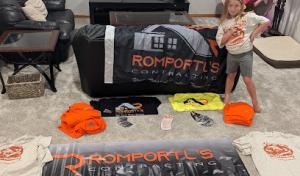
Romportls Contracting
(920) 460-6146 www.neenahroofing.com
146 N Western Ave Unit H, Neenah, Wisconsin
5.0 from 94 reviews
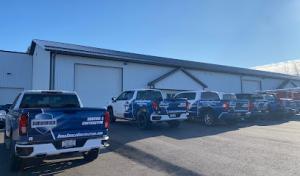
DuraShield Roofing & Contracting
(920) 738-7663 durashieldroofingappleton.com
9057 N Clayton Ave #3, Neenah, Wisconsin
5.0 from 94 reviews
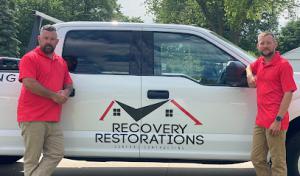
Recovery Restorations General Contracting
(920) 851-4111 www.bestdarnroofer.net
Neenah, Wisconsin
5.0 from 47 reviews
DuraShield Roofing & Contracting
(920) 738-7663 durashieldroofingappleton.com
9057 N Clayton Ave #3, Neenah, Wisconsin
5.0 from 94 reviews
DuraShield is a residential roofing contractor, commercial roofing contractor and general contractor servicing Wisconsin since 2003. We service Appleton, Neenah, Greenville, Hortonville, Green Bay, De Pere, Howard, Hobart and Bellevue & other areas. We replace roofs on residential homes, apartment communities, condo associations, office complex's and hotels. We are an Owens Corning Preferred Contractor, GAF Certified Contractor & DaVinci Roofscapes Masterpiece Installer. We also specialize in roof installs like cedar shake roofs, DaVinci Roofscapes, Metal roofing, slate roofs and tile roofs. Our company mission is: Provide the most dependable & durable roofing systems while raising industry standards through integrity & service.
Romportls Contracting
(920) 460-6146 www.neenahroofing.com
146 N Western Ave Unit H, Neenah, Wisconsin
5.0 from 94 reviews
Romportls Contracting provides residential roofing, commercial roofing and small buildings to clients in Neenah, WI and surrounding areas.
Recovery Restorations General Contracting
(920) 851-4111 www.bestdarnroofer.net
Neenah, Wisconsin
5.0 from 47 reviews
When you need help for a local general contractor, turn to our team. Recovery Restorations General Contracting is a home improvement and roofing company you can trust in Neenah, WI and throughout Fox Valley. Our owners have over 35+ years of combined experience in the industry and will be glad to help you improve your property.

Keeney Home Services
(920) 558-4182 www.keeneyhomeservices.com
1449 Kimberly Dr, Neenah, Wisconsin
4.8 from 590 reviews
Keeney Home Services is a locally owned and operated roofing company serving Neenah and Northeast Wisconsin's homeowners since 2009. Specializing in solutions from the attic up, our mission is to provide homeowners in The Fox River Valley area with high-quality products and expert installation while making the roofing process as simple and stress-free as possible. We’re a certified Gutter Shutter® gutter installer, a GAF Master Elite Roofing Contractor, and a certified dealer of Dr. Energy Saver home insulation products. We also maintain an A+ rating from the Better Business Bureau for our unwavering commitment to providing reliable roofing services and first-rate customer care.
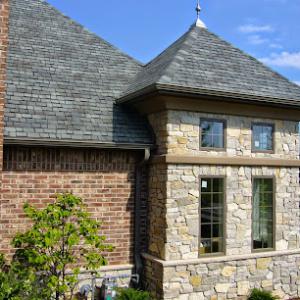
Affordable Contracting Services
(920) 216-2243 www.acsroofingsiding.com
7510 Sunburst Ln, Neenah, Wisconsin
4.9 from 58 reviews
Affordable Contracting Services is a trusted, family-owned general contractor based in Neenah, WI, specializing in exceptional roofing, premium siding, custom garages, and more since 2003. We proudly serve the Fox Valley, including Appleton, Neenah, Menasha, Oshkosh, and surrounding areas. Our A+ rating with the BBB reflects our unwavering commitment to superior quality and outstanding customer satisfaction. We also handle expert window and door replacements, innovative new construction, seamless additions, and reliable hail and wind damage repairs. With unmatched workmanship and high-quality materials, we ensure your home improvement projects meet the highest standards. Get a free, no-obligation estimate today.
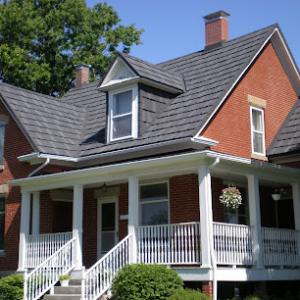
Erie Home
2030 American Dr, Neenah, Wisconsin
4.5 from 307 reviews
Since 1976, Erie Home has manufactured, supplied, and installed the best-performing roofing on the market. By providing ironclad warranties and convenient financing, we ensure that every homeowner we work with receives top quality service and value for their homes and properties. Erie Home professionals are the roofing company of choice in the greater Appleton, WI area. Whether you need roof inspections or roof damage repair services, Erie Home has been the go-to roofing contractor for nearly 50 years because of our attention to detail and dedication to making sure our customers are satisfied with their results. Contact us today for a quote and see why we're the trusted roofing company Appleton counts on.
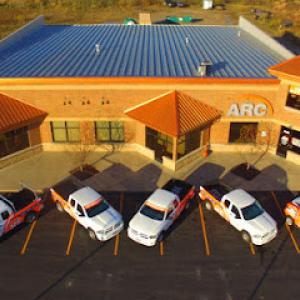
ARC Contracting
(888) 743-8086 www.arccontracting.com
2300 Holly Rd, Neenah, Wisconsin
4.4 from 464 reviews
At ARC Contracting, we only use high-quality materials manufactured by companies who guarantee their products for up to 50 years.
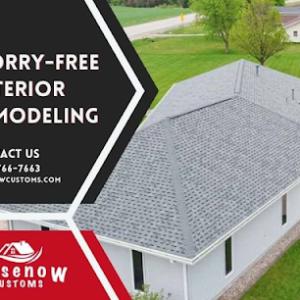
Rosenow Customs
(833) 766-7663 rosenowcustoms.com
1846 Oakridge Rd, Neenah, Wisconsin
4.6 from 93 reviews
Dreaming of a home transformation? Rosenow Customs, located in Neenah, Wisconsin, brings exceptional craftsmanship to exterior remodeling projects throughout the Fox Valley, including Appleton, Green Bay, and Oshkosh. Whether you envision a striking new roof, a transformed living space with the latest windows, or intricate custom home designs, their skilled professionals are here to make your dreams a reality. With an impressive portfolio ranging from roofing and remodeling to Exterior Forever Lighting, skylight installations, and comprehensive home improvements, Rosenow Customs promises personalized solutions to enhance your property's beauty and functionality.
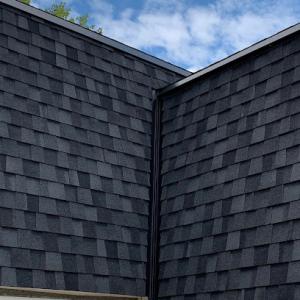
Paradigm Customs
Neenah, Wisconsin
5.0 from 4 reviews
Paradigm Customs specializes in exterior remodeling. We offer installation and repair services throughout Northeastern, and Central Wisconsin for roofing, siding, gutters, windows, doors, decks, pergolas, pavillions, and four season rooms etc. With traditional American values being at the foundation of this Company, we uphold the highest standards of quality, and guarentee our craftsmanship for the lifetime of the product. Thank you, and God bless!
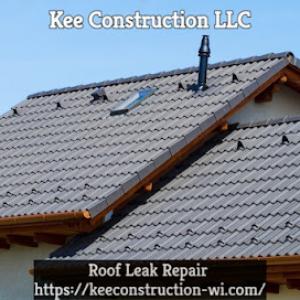
Kee Construction
(920) 212-3223 www.kee-exteriors.com
Neenah, Wisconsin
4.1 from 9 reviews
Kee Construction offer a wide variety of roofing services in Neenah, WI. Turn to us anytime you need a roof repair service done by a professionals. Our roofing company can handle even the most complicated roofing projects.

Roof Medics
(920) 570-7663 www.roofmedics.com
Serving
4.7 from 17 reviews
Roof Medics provides roof repair, maintenance, restoration and recovery services, and free inspection to businesses in Northeast Wisconsin.
Preferred Panels
(920) 450-2428 preferredpanels.com
1038 Winchester Rd, Neenah, Wisconsin
5.0 from 1 review
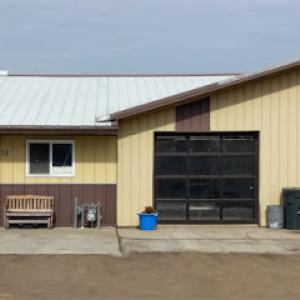
Preferred Panels is a roofing contractor located in Neenah ,WI. We service and install all your metal roofing and siding needs!
Late spring through early fall is the preferred replacement window in Neenah because installation conditions are more reliable than in winter. If a roof needs replacement, aim for a stretch when temperatures are above freezing most days and precipitation is manageable. Dry, moderate days help sealants cure properly and allow shingles or panels to lay down without early cold setbacks. This window also aligns with crews getting enough daylight and avoiding the fatigue that comes with mid-winter cold snaps. In practice, plan for a two to four week lead time to lock in favorable days within this broader season.
Spring hail and heavy rain can interrupt tear-off and dry-in schedules. Snowmelt-driven ground slipping, saturated roofing decks, and sudden downpours can force rescheduling mid-project. If a storm hits during tear-off, crews may need to pause to protect exposed decking and interior from water intrusion. Communication with the contractor becomes key: confirm contingencies for rescheduling, especially when back-to-back storms push work into a tighter weather window. In Neenah, storm-driven delays tend to cluster around April and May, so building in buffer days after a spring hail event helps keep momentum without sacrificing quality.
Autumn winds and early snowfall can shorten the workable season before winter conditions return. Windy days complicate high-velocity sheeting and safety checks, while early frosts slow adhesive cures and can compromise underlayment performance. The clock tightens as temperatures drop; aim to complete by the time nightly temperatures consistently trend below 40 to 45 degrees Fahrenheit. If an autumn project runs late, contingency plans should address potential winterization measures and temporary protections to prevent leak pathways from developing as days shorten and precipitation shifts to wet, cooler conditions.
Coordinate closely with a contractor who tracks long-range forecasts and historical freeze-thaw patterns for the area. Prioritize start dates after a stretch of dry weather and before the wettest early fall periods set in, to avoid back-to-back weather interruptions. Build in a small buffer for unusually warm spells that accelerate drying-in, but stay flexible enough to pause for heavy rain or high winds that compromise safety. For best results, align asphalt shingles, metal, or other premium options to finish during the core late spring to early fall window, ensuring a clean, timely completion before the first heavy freeze drapes the roof in ice dam risk.
Get a clear picture of your project costs upfront - no commitment required.
DuraShield Roofing & Contracting
(920) 738-7663 durashieldroofingappleton.com
9057 N Clayton Ave #3, Neenah, Wisconsin
5.0 from 94 reviews
Affordable Contracting Services
(920) 216-2243 www.acsroofingsiding.com
7510 Sunburst Ln, Neenah, Wisconsin
4.9 from 58 reviews

Medina's Team Roofing & Construction
(920) 850-1043 medinateamroofingconstruction.com
Serving
4.9 from 44 reviews
Asphalt shingles dominate the local landscape because they fit a broad mix of home styles found around the area while staying within the city's lower cost band. This is a sensible match for Neenah's weather pattern, where freeze-thaw cycles and snow loads demand reliable, durable coverage without overwhelming upkeep. When selecting asphalt, look for products with good granule adhesion and a strong underlayment, which helps resist wind-driven moisture and reduces ice dam risk on sloped roof lines. A common approach is to pair an asphalt roof with well-sealed flashing at penetrations and chimneys, plus a ridge vent strategy that promotes consistent attic ventilation during rapid spring cooling and winter heating transitions. If winter storms are a frequent concern, consider a shingle option with enhanced algae resistance and a sturdy warranty to cover long-term wear from freeze-thaw cycles.
Metal roofs are a meaningful specialty in this market and appeal to homeowners planning for snow, ice, and long-term durability. Metal's high tolerance for freeze-thaw cycling and its ability to shed snow more predictably can translate to reduced ice dam development and faster snow release, which matters when storms roll in turn after turn. In practice, metal panels or standing-seam systems provide a tighter, more weather-tight envelope, especially on higher or exposed roof sections. For Neenah's climate, pay attention to panel fasteners, sealants, and proper drainage design so meltwater moves away from eaves and into intended discharge paths. A metal roof may also require careful consideration of attic ventilation and insulation because the roof's thermal mass interacts with indoor temperature swings, influencing condensation risk in shoulder seasons.
Tile (clay or concrete) and wood shake products exist in the market but are less prevalent locally. They offer distinctive aesthetics but require careful evaluation against winter loading and freeze-thaw exposure. Clay and concrete tiles can resist heat and UV exposure well, yet their weight and potential for cracking under freeze-thaw stress mean structural assessment is essential before installation. Wood shakes deliver a traditional appearance but are particularly sensitive to moisture and rapid temperature shifts; untreated wood can swell, shrink, or warp with repeated freezing and thawing, increasing maintenance needs. If considering these options, ensure the roof deck is reinforced for the added load and that installation includes robust underlayment and rain control details to mitigate moisture intrusion during late-winter thaws and early spring storms.
Synthetic or composite shingles provide a middle ground, blending the look of natural materials with improved resilience to weather. In Neenah's climate, evaluate how these products respond to the combination of heavy snow, ice formation at eaves, and freeze-thaw cycles. Look for warranties that address cold-weather performance and ensure the installation system accommodates strong ventilation and drainage to curb ice dam risk. Regardless of material, the goal is a roofing system that maintains tight seals around penetrations and a clear path for meltwater away from the interior.
Weather patterns in this area shape when a roof gets addressed and how much labor is available. After hail and wind events, many homeowners seek inspections and re-roofing at once, which can drive pricing and scheduling spikes. That means you'll often see tighter windows for material delivery and crew availability in the weeks following a big storm, even when the rest of the year looks calm.
Winter shutdowns and weather delays compress the main roofing season. Snow and freeze-thaw cycles slow or halt roof work, pushing projects into narrower mid-spring and early-fall slots. If you're planning around a spring hail event or a late-summer wind storm, expect higher demand and potentially longer wait times for the earliest start dates. Conversely, if you can lock in a start date before the peak storm season, you'll often find more reliable scheduling and steadier labor flow.
Material choice matters sharply here. Local pricing spans from asphalt shingles at 350 to 650 USD per square up to clay tile at 1000 to 1800 USD per square. Metal roofing typically falls around 700 to 1100 USD per square, with concrete and wood options landing between 800 and 1500 USD per square depending on profile and treatment. Synthetic or composite shingles sit in a middle range, roughly 450 to 800 USD per square. When you build a replacement plan, model three scenarios: a practical asphalt option for budget timing, a mid-range metal or composite for longer-term durability, and a premium tile system for heavy-duty weather resilience. The choice will shift not only upfront cost but also the length of the installation window and the crew's availability.
Start with a timely inspection after any major wind or hail event to catch hidden damage that can worsen with freeze-thaw cycles. Compare bids for similar scope across a window of 2-4 weeks to gauge scheduling flexibility during peak demand. If you're worried about winter delays, ask contractors for a firm start date and a clear sequence of milestones, including material delivery windows, to avoid misaligned timelines. When initial quotes arrive, factor in the seasonal pricing spikes and potential overtime charges that show up if crews stretch to meet a tight spring deadline. With careful planning, you can align the project with the best material fit and a realistic schedule that mitigates the risk of ice dam risk and storm-related contingencies.
Don't let upfront costs delay a critical repair - these contractors offer payment plans to fit your budget.
Rosenow Customs
(833) 766-7663 rosenowcustoms.com
1846 Oakridge Rd, Neenah, Wisconsin
4.6 from 93 reviews
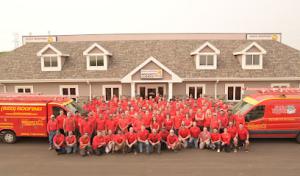
A full re-roof in Neenah commonly requires a permit through the City of Neenah Building Department. The permit ensures that roof work meets local loading, venting, and drainage requirements that are critical for a climate with freeze-thaw cycles and heavy snow. Understanding this up front helps prevent delays when ice dam season approaches, as unpermitted work can complicate insurance claims and future repairs.
Permit applications are filed by the homeowner or contractor with plan details, and processing often takes about a week or two depending on workload. Plan details should include roof replacement scope, underlayment type, venting plan, and any changes to attic insulation or ventilation pathways. If a storm-damaged roof is being replaced, having documentation of the damage and the proposed repair timeline can help the review go smoothly. Keep copy receipts and approvals handy during tear-off and installation in case inspection timelines shift due to weather or workload.
Inspections are typically scheduled after tear-off and again after installation to verify underlayment, flashing, and venting. The tear-off inspection confirms that old material is completely removed and that the substrate is sound for new layers. The final installation inspection checks that the underlayment is properly installed for wind-driven snow, flashing around chimneys and skylights is sealed, and venting is adequate to prevent moisture buildup in the attic. In a market shaped by storm-claim activity, scheduling inspections promptly helps avoid backlogs that can push repair work into less predictable weather windows.
Because Neenah experiences rapid weather shifts, plan permit submissions ahead of the most favorable window between spring hail and early fall weather. Align permit timelines with anticipated weather patterns to minimize the risk of delays during critical tear-off and installation phases. If an emergency replacement is needed after a storm, communicate clearly with the Building Department about the intended completion date and any temporary protection measures. Keeping a clear line of communication with both the permit office and the chosen contractor helps ensure that inspections stay on track and that roof work remains compliant with local standards.
In this Wisconsin claim environment, insurers commonly want photos and a detailed condition report before approving roof work. The process moves faster when a homeowner can clearly show the roof's state before a storm and how it has aged over time. This isn't about drama; it's about giving adjusters a precise picture so they can judge what's storm-related versus preexisting wear.
Because adjusters compare reported damage with known storm activity, Neenah homeowners benefit from documenting the date and type of weather event tied to the loss. Take notes on hail size, wind gusts, or freeze-thaw cycles that coincide with the damage. Preserve contemporaneous weather records if available, and align photos with dates to create a coherent timeline for the claim.
Prior maintenance records can influence claim outcomes in this market, especially on aging roofs with visible wear before a storm. Gather recent inspection notes, shingle replacements, flashing repairs, and gutter maintenance. If pre-storm wear is evident, having evidence that routine upkeep occurred can prevent a dispute about whether damage was aggravated by prior conditions.
Photographs should document the entire roof, then zoom into affected areas, eaves, valleys, and any ice dam indicators. Include close-ups of any flashing, soffits, and fasteners. A simple, dated condition report that lists observed issues, suspected causes, and recent maintenance helps create a credible narrative when the insurer reviews the claim.
Flat and low-slope roofing is an active specialty in the Neenah market, reflecting a meaningful share of homes or additions that need different drainage and membrane detailing than steep-slope roofs. In practice, that means drainage is your first concern: ensure gutters and downspouts are clean before spring melt, and confirm that roof discharge paths stay clear during mid-winter thaws. Pay close attention to edge details where the membrane meets parapets or perimeter flashing, and verify that slope remains sufficient to avoid ponding after heavy snows. When planning repairs or replacement, favor membranes with proven cold-weather performance and consider a secondary protection layer in areas with drifting snow or anticipated ice blockage.
Skylight repair is a recurring local specialty, which suggests leak tracing around curb and flashing details is a real homeowner concern in this area. Start with a careful water-test plan that targets the skylight curb during a freeze-thaw cycle, when leaks become more evident. Inspect the flashing at the curb for compromised seams, slipped fasteners, or degraded sealant. In Neenah, temperature swings stress these joints; reseal with materials designed for low temperatures and ensure compatible flashings are integrated with the surrounding roof membrane. If the skylight is old or you notice recurrent leaks, evaluate both the curb edge and the interior drywall below to confirm that moisture intrusion is fully addressed before replacing components.
Neenah's freeze-thaw conditions make flashing transitions more vulnerable where roof planes change or penetrations interrupt the field of the roof. Pay attention to step and counterflashing at transitions between differing roof pitches, around exhaust vents, and where skylights or chimneys interrupt the surface. A common failure point is where parapet walls meet the main roof plane, especially after a heavy storm that shifts debris and loads. In practice, verify that flashings are continuous, properly integrated with the roof membrane, and sealed with cold-weather-compatible products. When performing inspections after storms, focus on these transition zones first, as ice dams and thaw cycles can exploit small gaps quickly.
Find specialists in TPO, EPDM, and built-up flat roofing systems for residential and commercial properties.
Romportls Contracting
(920) 460-6146 www.neenahroofing.com
146 N Western Ave Unit H, Neenah, Wisconsin
5.0 from 94 reviews
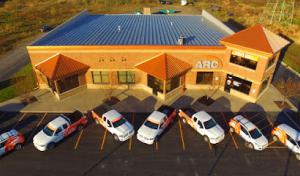
ARC Contracting
(888) 743-8086 www.arccontracting.com
2300 Holly Rd, Neenah, Wisconsin
4.4 from 464 reviews