
Last updated: Apr 19, 2026
Appleton homeowners deal with repeated freeze-thaw conditions that can back water up under shingles even when the roof covering itself is not punctured. That means ice dams are not just an event of heavy snowfall; they are a creeping problem that starts at the attic and moves downward as moisture migrates. When temperatures swing above and below freezing, melted snow refreezes at the eave, creating a dam that traps water on the roof deck. As gutters fill and attic air stays warm, moisture can seep into edges, seam lines, and under flashing, threatening insulation, sheathing, and interior ceilings. In practical terms, a quiet leak now can become a bigger, messier repair come spring if the underlying causes aren't addressed.
Winter roof failures here are linked to attic heat loss, uneven roof temperatures, and snow accumulation more than a dramatic one-time impact. If the attic is poorly insulated or vented, heat rises and softens the roof deck from the inside. That softened deck allows melted snow to travel toward the cold eave and refreeze, forming dams that push moisture under the shingles. Even a roof that looks sound from the exterior can be failing from the attic side. Uneven roof temperatures can also create hot spots where ice forms irregularly, making leaks unpredictable. Snow piles up in pockets, and when a warm spell hits, the resulting meltwater backs up under seals and joints that were never designed to handle sustained moisture.
Look for staining on ceilings below exterior walls, dark patches along interior rafters, or peeling paint near attic access. Listen for sounds of dripping or moisture trickling in the attic after a thaw. Shingles that appear tightly laid can still be compromised if the underlying deck is damp or frost-heaved. In Appleton, the real alarm is the pattern: a cold spell followed by a warm snap, then moisture appearing inside after a night of thaw. If icicles hang heavy and gutters pull away, that's a signal that meltwater is renegotiating the roof's edge-before a full-blown leak shows up on a ceiling.
Tackle attic heat loss before the next thaw. Improve insulation in the attic floor and ensure there is balanced, continuous ventilation to keep roof temperatures uniform. Check for gaps around chimney chases, attic access doors, and wiring penetrations, sealing where appropriate to minimize heat transfer into the attic. Clear snow from the roof where safe, paying attention to the eaves and around flashing, but avoid excessive scraping that can damage shingles. When you detect moisture intrusion, address it promptly with a professional assessment focused on attic insulation, ventilation adequacy, and flashing integrity. If the roof is older or has multiple layers, prepare for a focused winter assessment followed by a planned spring repair window to prevent repeated freeze-thaw damage from becoming cascading failures.
Appleton sits in a Wisconsin insurance environment where hail and wind events are a major driver of roofing claims and replacement decisions. That reality shapes how homeowners approach every storm and how adjusters view every shingle tear-off. The result is a climate where decisions hinge on documented evidence, not assumptions about age or previous repairs. When a hailstorm or high-wind event rattles a roof, the pressure to prove damage sometimes lands squarely on the homeowner's shoulders and on the contractor's ability to capture clear, verifiable details.
Insurers serving Appleton commonly expect photo documentation of the roof surface, shingle condition, and attic evidence when evaluating storm-related claims. That means a well-timed set of images taken after a storm can decisively influence the outcome of a claim. Photos should show surface granule loss, cracked or lifted shingles, exposed underlayment, and any hail impact marks on raised metal pieces or vents. Attic shots matter too: signs of moisture intrusion, such as staining, moisture on roof sheathing, or condensation between insulation and the ceiling, can carry weight in the evaluation. If a claim is not well-documented, the insurer may view it as ordinary wear or an age-related issue rather than storm-driven damage, which complicates recovery.
Local replacement decisions are often influenced by whether storm damage can be documented clearly enough to distinguish it from age, winter wear, or prior repairs. Freeze-thaw cycles and heavy snows in winter accelerate wear, and that wear can mimic storm effects in a casual glance. A contractor who understands this nuance will help you gather targeted evidence: recent impact marks on shingles, localized granule loss at the edges of shingles, and any delamination that appears sudden rather than gradual. The goal is to compile a narrative that points toward a storm event rather than ongoing deterioration. When documentation supports a storm-driven cause, the path to a claim settlement becomes more straightforward; when it does not, the path can grow long and uncertain.
After a hail or wind event, walk the roof from ground level with a charged, high-quality camera, and capture wide angles as well as close-ups of any irregularities. If safe, a ladder inspection of the eaves and gutters can reveal hidden damage or accelerated wear near the roof edge. Inside the attic, look for moisture staining, dark spots on insulation, or unusual attic ventilation changes that could indicate a leak path. Keep a dated record of any professional opinions, temporary tarping, or insurance notes, because consistency across multiple evidence points strengthens the claim narrative. In this environment, the time window between the storm and the claim submission matters; timely, thorough documentation often makes the difference between a smooth settlement and protracted negotiations.
Connect with contractors who help homeowners navigate the claims process from damage assessment to final approval.
Kingdom Roofing
(920) 404-5760 www.kingdomroofingwi.com
2323 E Capitol Dr, Appleton, Wisconsin
4.9 from 136 reviews

Standard Roofing & Restoration
(262) 212-5853 standardroofingandrestoration.com
4321 W College Ave suite 200 #253, Appleton, Wisconsin
5.0 from 32 reviews
Superior Exteriors & Interiors
4524 N Clayhill Dr, Appleton, Wisconsin
5.0 from 24 reviews
American Quality Homes - AQH
5015 W Greenville Dr, Appleton, Wisconsin
5.0 from 115 reviews
At American Quality Homes we have over 26 years of providing services in roofing solutions, basement finishes and new construction. We proudly serve Northeast Wisconsin, Fox Cities, and surrounding areas. Committed to making a positive impact on our communities by creating value with our exceptional quality of work. Adding value to our employees by exploiting their strengths while creating a sense of purpose and drive. The AQH family is grounded in integrity and giving back to the community as the cornerstone for providing results to our customers.

Upward Exteriors Roofing
(920) 879-2731 upwardexteriors.com
1950 S Casaloma Dr Ste#B, Appleton, Wisconsin
5.0 from 64 reviews
At Upward Exteriors, roofing isn't just our trade — it's our trust. We provide high-quality residential and commercial roofing services with an unwavering commitment to honesty, transparency, and craftsmanship. Whether you need roof repair, full roof replacement, or storm damage restoration, our team ensures every detail is handled with integrity. We serve homeowners and property managers with reliable timelines, competitive pricing, and work that stands the test of time. With Upward Exteriors, you get more than a roof — you get peace of mind.
Kingdom Roofing
(920) 404-5760 www.kingdomroofingwi.com
2323 E Capitol Dr, Appleton, Wisconsin
4.9 from 136 reviews
When it comes to roof, siding, windows, gutters, and gutter protection replacement, Kingdom Roofing is the best choice in Wisconsin. Our team of experienced professionals is fully insured and 5-star rated, so you can trust that your project is done right. Kingdom Roofing offers industry leading warranties with ALL of their projects. Contact us today to get started on your roof replacement project.
Appleton Roofing Solutions
(920) 816-1048 appletonroofingsolutions.com
532 W College Ave #107, Appleton, Wisconsin
5.0 from 51 reviews
At Appleton Roofing Solutions, we provide reliable and affordable roofing services for homes and businesses in Appleton, Wisconsin. Whether you need a fast roof repair, a full replacement, or a detailed inspection, our team delivers quality workmanship with honest service. We understand the impact Wisconsin weather can have on your roof, and we’re here to help protect your property year-round. From asphalt shingles to flat roofing systems, we handle all types of residential and commercial roofs. Our team shows up on time, communicates clearly, and gets the job done right the first time. Need help fast? Call today for a free estimate or to schedule your next roofing service.
Wisconsin Seamless Gutters
(920) 215-1440 www.wigutters.com
3339 W Florida Ave, Appleton, Wisconsin
5.0 from 50 reviews
Wisconsin Seamless Gutters provides gutter and gutter guard installations, as well as siding, soffit, fascia, and roofing to Appleton, WI and surrounding areas.
Infinity Exteriors
(920) 289-4793 www.infinityroofing.com
620 N Lynndale Dr Suite 100, Appleton, Wisconsin
4.8 from 216 reviews
Established in 1997, Infinity Exteriors is the most trusted home exterior company in Appleton, Wisconsin, specializing in roofing, siding, windows, and gutter replacement services. As a locally owned and trusted contractor, our licensed technicians provide residential and commercial customers with roof repair and replacement, siding and window installation, and gutter systems. Infinity Exteriors prioritizes honest communication and offers no-pressure inspections for all projects. Since our founding, we have completed thousands of projects and earned an A+ rating with the Better Business Bureau. No roofing contractor in Appleton, Wisconsin, offers the same high caliber of roofing installation and repair at prices as competitive as ours.

Standard Roofing & Restoration
(262) 212-5853 standardroofingandrestoration.com
4321 W College Ave suite 200 #253, Appleton, Wisconsin
5.0 from 32 reviews
Standard Roofing and Restoration specializes in residential and commercial roofing services in Appleton, Wisconsin. Unlike other roofing companies, we’re roofers – not salesmen – first. So, when you partner with us, you won’t just get a new roof for your home or business – you’ll also get an expert in the field or roofing, who has extensive knowledge of and experience working on roofs.
Ridge Top Exteriors
(920) 214-8484 ridgetopexteriors.com
602 S Westland Dr, Appleton, Wisconsin
4.7 from 480 reviews
Ridge Top Exteriors in Appleton is your trusted local expert for roofing, siding, windows, and gutter services tailored to withstand Wisconsin’s ever-changing weather. We specialize in high-quality materials, including energy-efficient vinyl windows and durable LP SmartSide siding, to enhance your home’s beauty, comfort, and value. Backed by over 20 years of award-winning service, our skilled team is committed to providing exceptional craftsmanship and a stress-free experience. With free consultations, transparent pricing, and a focus on customer satisfaction, Ridge Top Exteriors is proud to serve Appleton homeowners with superior solutions for their exterior needs. Call us today!
Valley Exteriors
(920) 949-9000 www.valleyxt.com
1883 N Silverspring Dr, Appleton, Wisconsin
4.7 from 75 reviews
Valley Exteriors provides roofing, siding, window, & gutter replacement or installation services in Appleton, WI and surrounding areas.
Security-Luebke Roofing
(920) 766-3464 securityluebkeroofing.com
3921 E Endeavor Dr, Appleton, Wisconsin
4.6 from 440 reviews
Residential and Commercial Roofing Contractor
Superior Exteriors & Interiors
4524 N Clayhill Dr, Appleton, Wisconsin
5.0 from 24 reviews
When quality matters most for your home exterior solutions, the search stops with Superior Exteriors & Interiors. Our offerings span from durable and efficient roofing solutions to elegant siding, ProVia windows and doors, to advanced gutter systems, and vibrant holiday lighting. As trusted experts in roofing in Fox Valley/Appleton area we pride ourselves on combining quality, affordability, and reliability with every job.
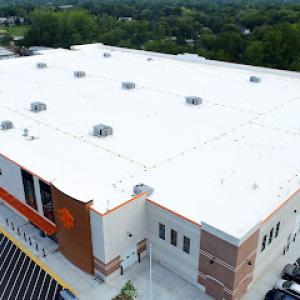
Nasi Roofing
(920) 574-2599 www.nasiroofing.com
2610 S Casaloma Dr, Appleton, Wisconsin
5.0 from 23 reviews
Nasi Roofing is your trusted commercial roofing partner in Wisconsin and Michigan. With over 40 years of experience, we specialize in installing, repairing, and maintaining flat and low-slope roofs using the industry-leading roofing systems. As a certified Duro-Last contractor, we've successfully completed over 2,000 projects, ensuring the highest quality and durability for your commercial property. Our team of skilled professionals is dedicated to providing exceptional customer service and delivering long-lasting roofing solutions. Contact us today for a free consultation and experience the Nasi Roofing difference.
For most homeowners in this market, asphalt shingles remain the baseline choice. They offer straightforward install timelines and predictable, lower up-front costs, which helps manage the tight winter window Appleton often faces. In the shoulder seasons-late winter to early spring and late summer into early autumn-costs tend to stay closer to the lower end as crews aren't fighting peak storm-driven demand. However, because winter freeze-thaw cycles can intensify moisture issues, a solid underlayment and proper ventilation become essential, even with asphalt. When planning around snow and ice, you'll want to schedule installations that avoid the height of winter and the spring thaw, if possible, to minimize delays and weather-related challenges.
Asphalt shingles sit in a practical price range, roughly 350 to 700 USD per square, depending on shingle type and thickness. If you're weighing an upgrade for longer-term durability and better ice-shedding performance, metal roofing is a frequent choice among Appleton homeowners. Metal isn't just about a different look; it can shed snow more effectively and reduce ice dam risk in severe winters. Expect higher upfront costs for metal, typically 700 to 1,200 USD per square, but with potential long-term value through reduced maintenance and durability. Other materials like clay or concrete tiles offer strong resistance to weather but carry significantly higher weight, installation complexity, and costs in this market, while synthetic or composite shingles straddle the line between affordability and durability, commonly in the 450 to 900 USD per square range.
Project pricing in Appleton can rise during storm-driven demand spikes. A heavy snow season or a sudden ice dam event can strain contractor schedules, driving up both material leads and labor charges. The short late-spring through early-fall replacement window is when crews are busiest, so you can see longer lead times and higher day-to-day rates if you're aiming for those adjacent months. If a storm has already caused damage, you'll encounter not just higher material costs but additional charges for emergency debris removal, expedited scheduling, and potential minor repairs to decking or ventilation components that were compromised during winter conditions.
Costs can shift based on tear-off complexity and steep residential rooflines that are common in older Upper Midwest housing stock. A full tear-off is substantially more work than a re-roof over existing materials, and steeper pitches require more safety measures and specialized equipment, driving per-square costs upward. If winter damage has affected decking or ventilation components, expect incremental costs for repair or replacement of damaged plywood, underlayment, or venting. In practice, you'll often see the total per-square price skew higher when a tear-off is combined with winter-related repairs, especially after a season with heavy snow and ice. Planning with a trusted local roofer for a detailed assessment can help you confirm whether you need an insurance-driven replacement, a straightforward upgrade, or a combination of both.
Most re-roofs in Appleton require a building permit through the City, and the filing may be handled by either the contractor or the property owner. Before any shingle pry-off begins, confirm who will submit the permit, secure the permit number, and have the permit visible on-site. If the contractor handles the filing, ask for a copy of the approved permit and the project scope in writing. If you file yourself, keep the receipt and permit card available for inspections. The permit ensures that the tear-off, deck preparation, and final installation meet local codes and wind-resistance standards common to area neighborhoods with older roofing stock.
Appleton commonly performs inspections after the old roofing is removed and again after installation to verify code compliance before the job is considered complete. Plan for two distinct checkpoints: one at the tear-off stage and one after the new roof is in place but before the crew packs up. The tear-off inspection checks waste containment, ventilation, and decking integrity, while the final inspection focuses on fastening patterns, underlayment quality, flashing details, and overall weather sealing. Arrive at the inspection with access to attic spaces and any flashing work around chimneys or dormers, since inspectors will want to see proper attic ventilation and baffles along with eave protection.
Because inspections are tied to tear-off and final installation stages, scheduling in Appleton can be affected by weather interruptions between those two checkpoints. Expect potential delays if a late-season freeze or heavy snowfall disrupts work or creates unsafe conditions for the inspector. Coordinate with the contractor to set tentative dates: one for the tear-off clearance and another for the final review, with a weather contingency window. If a storm delays removal or creates standing moisture on the deck, hold communications with the City and the inspector to reschedule promptly rather than letting the window lapse. Maintaining clear lines of contact between you, the contractor, and the building department helps keep the project moving through the permitting and inspection sequence with minimal friction.
In this city, the rhythm of seasons drives a lot of roof work decisions. The freeze-thaw cycles, snow-driven ice dam risk, and heavy winter loads mean projects that sit through winter become more complex and costly. Scheduling your replacement from late spring through early fall gives you a practical buffer: roof decks are dry, snow has receded, and ventilation details can be completed before the next cold snap. The goal is to finish the installation with a solid frost-free period ahead, so the roof system can behave as designed through the next cycle of freezing temperatures and thawing.
Spring thaw brings both opportunities and pitfalls. While milder days and rising daylight help steady work progress, rapid snowmelt can flood days with moisture and push tear-offs into wetter conditions than expected. That moisture can intrude into exposed decking and framing if work is rushed or poorly staged. A prudent plan spaces roof work between warm, dry spells and avoids heavy rain weeks that saturate open decks. Early-season readiness-still air, dry sheathing, and proactive moisture management-helps prevent complications that echo into late spring.
Summer generally offers the most reliable conditions for sustained roof replacement. Long days allow for thorough ventilation detailing, flashing integration, and complete shingle alignment without the interruptions of snow or freezing temperatures. However, heat and occasional pop-up storms demand attention to material handling and temporary protection of interior spaces. In practice, this window benefits homes that need a robust installation finished before autumn winds pick up and residual moisture in the attic can become a concern.
Autumn brings a final push to wrap up before sustained cold returns. Storm interruptions are common, and wind-driven debris can complicate cleanups and substrate preparation. The key is to finish critical tasks-ventilation, flashing, and secure roof edges-early enough to withstand winter exposure. If leaves and debris accumulate on the roof, they can clog valleys and gutters, so a disciplined cleanup plan during the last weeks of the project matters as much as the weather forecast. This season rewards projects that keep a tight schedule and clear communication with weather windows.
Coordination with the crews should prioritize multi-day blocks of dry weather, especially in late spring and early fall when transition days between rain and sun are common. Maintain a contingency plan for sudden cold snaps or early snow when forecasting your project. A well-timed start, steady progress, and attention to ventilation and flashing details during the warm months help protect the home from winter moisture intrusion and reduce the risk of winter-related setbacks.
Get a clear picture of your project costs upfront - no commitment required.
Appleton Roofing Solutions
(920) 816-1048 appletonroofingsolutions.com
532 W College Ave #107, Appleton, Wisconsin
5.0 from 51 reviews
Wisconsin Seamless Gutters
(920) 215-1440 www.wigutters.com
3339 W Florida Ave, Appleton, Wisconsin
5.0 from 50 reviews
Infinity Exteriors
(920) 289-4793 www.infinityroofing.com
620 N Lynndale Dr Suite 100, Appleton, Wisconsin
4.8 from 216 reviews
In Appleton, asphalt shingles dominate because they balance cost with the need to handle seasonal precipitation and winter temperature swings. The local climate drives practical decisions: a roof that sheds snow reliably, resists ice dam buildup, and tolerates freeze-thaw cycles without excessive maintenance is a solid bet for many homes. Look for shingles with a good granule coverage and a reinforced nailing area to improve wind resistance, since winter storms can bring gusts that test peak roof edges. A reputable installation matters just as much as the product, because improper nailing or insufficient attic ventilation can turn a mild season into a moisture problem.
Metal roofing has a meaningful niche in Appleton, reflecting local demand for materials that perform well through snow seasons and repeated weather exposure. Standing-seam or other concealed-fastener metal systems shed snow more predictably than traditional shingles and resist ice buildup along edges where dams form. If choosing metal, consider coating color options that help reflect summer heat while staying durable through harsh winters. Proper underlayment and ventilation remain critical, and a tight flashing detail at valleys and chimneys helps prevent leaks after heavy snowfalls or sudden thaws.
Tile and cedar-style options exist in the Appleton market, but they are specialty installations compared with the city's much more common shingle and metal replacements. Clay or concrete tiles offer long life and a distinctive look, but their weight requires a structural check and, in cold snaps, potential concerns about frost heave if the roof isn't prepared for freeze-thaw cycles. Cedar shakes bring natural insulation and a classic appearance, yet they demand proactive maintenance to prevent rot and insect issues after wet springs and heavy snows. When budgeting for these, ensure compatible underlayment, adequate attic ventilation, and a roof plan that accommodates the material's weight and expansion characteristics for our climate.
Explore specialists in steel, aluminum, and standing seam metal roofs built to last 50 years or more.
Standard Roofing & Restoration
(262) 212-5853 standardroofingandrestoration.com
4321 W College Ave suite 200 #253, Appleton, Wisconsin
5.0 from 32 reviews
Andra Contracting
(920) 671-1007 www.andracontracting.com
3019 W Spencer St Suite 205, Appleton, Wisconsin
4.9 from 33 reviews
Roofing America Appleton
(920) 717-3620 roofingamericaco.com
145 W Calumet St, Appleton, Wisconsin
4.9 from 31 reviews
In Appleton's winter climate, roof penetrations such as skylights and chimneys are common leak points because snow and ice can hold moisture against flashing details. The way cold snaps interact with warm attic air creates conditions where moisture travels along flashing seams and then refreezes, pushing against seals. Ice buildup on the low-slope edges around a skylight or the base of a chimney can lift flashing or create hidden gaps where water can migrate inward. Snow dams on a pitched roof can concentrate water at these penetrations, increasing the chance of ice-backed leaks during thaws.
Leak diagnosis in this area often requires separating flashing failure from condensation and attic moisture issues that become more visible during cold weather. A pool of water on a skylight curb after a storm could signal flashing deterioration, improper flashing around the skylight flange, or missing sealant details. However, the same symptom can also result from warm attic air condensing on a cold roof near the penetration, then traveling along a condensation plane and dripping where you least expect it. A chimney may show external staining with gutter-like run marks, yet the root cause could be a compromised cricket, cracked step flashing, or a frozen-down sealant joint. Careful inspection from both the exterior and interior sides is essential to avoid chasing water at the wrong component.
When you have dry, calm weather, start at the exterior and work inward. Inspect the skylight curb for gaps, cracked sealant, or missing metal flashing where it meets the roof. Look for rust or corrosion on the chimney flashing and verify that kickout flashing directs water away from the siding and toward the shingles. From the attic, check for staining along rafter tails, damp insulation, and any cold-air drafts around the skylight flange or chimney chase. If moisture pockets form or if staining appears after freeze-thaw cycles, plan for a targeted repair that addresses the most exposed flashing seams first, rather than replacing the entire penetration. Local contractors focus frequently on skylight-related detailing, so a precise assessment that distinguishes flashing from moisture buildup will save time and prevent recurring leaks.
Find contractors experienced in skylight installation, flashing, and leak repairs to bring natural light into your home.
American Quality Homes - AQH
5015 W Greenville Dr, Appleton, Wisconsin
5.0 from 115 reviews
Kingdom Roofing
(920) 404-5760 www.kingdomroofingwi.com
2323 E Capitol Dr, Appleton, Wisconsin
4.9 from 136 reviews
Infinity Exteriors
(920) 289-4793 www.infinityroofing.com
620 N Lynndale Dr Suite 100, Appleton, Wisconsin
4.8 from 216 reviews
In a market with regular hail and windy events, documenting roof surfaces, elevations, interior leaks, and attic conditions before any temporary repairs is essential. When winter moisture cycles collide with storm damage, pictures and notes become the clearest way to show what existed before work began. This city's typical white winter mornings and heavy snowfall can hide gradual wear, so start with a high-quality, well-lit record from multiple angles. Focus on ridge lines, valleys, flashing, and any existing gaps around vents or dormers. The goal is to build a precise baseline that survives a careful insurer review.
Insurers evaluating claims may compare local code requirements with contractor repair scopes when deciding whether a spot repair or full replacement is appropriate. Keep copies of measurements, shingle exposure, and any visible underlayment or deck conditions observed from attic vantage points. If temporary fixes are needed, note the extent and method, then photograph and timestamp each change. Clear, dated documentation helps prevent disputes later when adjusters weigh the cost and long-term integrity of the roof system.
Because winter wear and storm damage can overlap, dated photos and contractor notes are especially important when explaining causation to an adjuster. Capture the progression: initial damage after a storm, subsequent signs of moisture intrusion in the attic, and any changes after interim repairs. Attach professional assessments that specify the cause of leaks, whether from ice damming, wind uplift, or compromised flashing. Well-organized evidence reduces ambiguity and supports a straightforward conversation with the insurer, rather than a prolonged back-and-forth.
Connect with contractors who help homeowners navigate the claims process from damage assessment to final approval.
Kingdom Roofing
(920) 404-5760 www.kingdomroofingwi.com
2323 E Capitol Dr, Appleton, Wisconsin
4.9 from 136 reviews
Standard Roofing & Restoration
(262) 212-5853 standardroofingandrestoration.com
4321 W College Ave suite 200 #253, Appleton, Wisconsin
5.0 from 32 reviews
Superior Exteriors & Interiors
4524 N Clayhill Dr, Appleton, Wisconsin
5.0 from 24 reviews
Appleton's contractor mix includes a noticeable flat-roof segment, which means you'll see recurring demand for low-slope work on garages, additions, and mixed residential-commercial properties. When you're planning a detached garage or a sunroom, expect that a flat or low-slope section will need attention alongside any main-roof project. This isn't unusual here, and coordinating both areas can save backtracking later.
Low-slope sections in this area are especially vulnerable to standing water and slow drainage when snowmelt and spring rain overlap. If a garage roof or an addition has a shallow pitch, you'll want a reliable drainage plan that includes adequate eaves, scuppers, and edge channels. In spring, pay close attention to any edge pooling after heavy melt, and schedule a quick inspection to catch small leaks before they creep through.
Homeowners in Appleton often need low-slope roof decisions coordinated with the main house re-roof because different materials and inspection timing may be involved on the same property. If you're planning both, map out roof sections and material choices in one decision tree. A single contractor who can handle both slopes can streamline inspections and reduce the risk of missed flashing or mismatched seals.
For low-slope areas, prioritize robust flashing at transitions between the main roof and detached structures, plus well-sealed parapets and edge details. Choose a membrane or shingle-compatible flashing system that resists freeze-thaw stress and ice dam risks typical to this climate. Ensure that any venting or skylight penetrations on detached roofs are isolated from the main roof's drainage path to prevent cross-leak scenarios.
Find specialists in TPO, EPDM, and built-up flat roofing systems for residential and commercial properties.
Upward Exteriors Roofing
(920) 879-2731 upwardexteriors.com
1950 S Casaloma Dr Ste#B, Appleton, Wisconsin
5.0 from 64 reviews
Kingdom Roofing
(920) 404-5760 www.kingdomroofingwi.com
2323 E Capitol Dr, Appleton, Wisconsin
4.9 from 136 reviews
Appleton Roofing Solutions
(920) 816-1048 appletonroofingsolutions.com
532 W College Ave #107, Appleton, Wisconsin
5.0 from 51 reviews