
Last updated: Apr 19, 2026
Oshkosh winters bring repeated snow accumulation followed by freeze-thaw swings that are especially hard on shingle edges, flashing joints, and eaves. Those cycles push moisture up under edges and into the attic, even when the visible snow seems light. The local pattern isn't dramatic avalanches of snow; it's the steady rhythm of thaw, refreeze, and repeated icing along the roofline. That pattern compounds moisture intrusion, accelerates wear on shingles at their most exposed points, and nudges attic issues from quiet problems to urgent leaks.
Homes along the Fox River and near Lake Winnebago see persistent moisture that lingers on exposed roof areas when temperatures hover around the freezing mark. In winter, roof edge icing can form a stubborn crust that blocks proper drainage and traps meltwater behind it. Attic ventilation and underlayment details become more consequential because they determine how fast attic moisture is vented and how much moisture the decking can tolerate before softening or cupping develops. The vulnerable spots aren't just one-off scar areas; they're the seams where the roof meets walls, around chimney flashing, vent penetrations, and along the eaves where ice dams tend to anchor.
The city's cold season roofing problems are driven less by extreme mountain snow conditions and more by recurring thaw-refreeze cycles that reopen small leaks and accelerate decking moisture issues. When ice damming occurs, meltwater can back up behind the dam and seep into roofing layers. Over time, those micro-leaks expand, especially where shingles have edge wear or protective sealants have degraded. The result is a creeping moisture problem that weakens decking and can threaten interior ceilings once the attic air space becomes saturated.
Start with a thorough assessment of the eaves, fascia, and gutter lines for any roof edge wear. If you see curling shingles, lifted corners, or loose flashing along valleys, porch roofs, or dormers, address them promptly before a thaw cycle finds a path. Ensure attic ventilation is unobstructed: intake vents at soffits and exhausts near the ridge should be clear of insulation and debris, with a balanced airflow that keeps the attic close to outside temperatures rather than letting it heat up and push moisture into the roof deck. Check underlayment exposure at the eaves-missing or damaged underlayment near the edge invites moisture to wick into the decking. For metal or flashing joints, look for micro-movement or corrosion that could widen gaps during freeze-thaw swings.
In mid-winter and again after major storms, walk the exterior and, if safe, inspect from a ladder at the edge of the roof for signs of ice dam irritation, such as stained fascia boards, ice buildup that extends beyond the gutter line, or visible seepage at penetrations. Inside, pay attention to attic ceilings for new stains or damp spots, especially after a thaw. If you notice persistent dampness on the decking or beyond the external dam line, treat it as a signal to prioritize a more detailed assessment.
If ice dams form repeatedly, if there's ongoing staining or a musty attic odor after storms, or if flashing joints show even minor shifting after a thaw, it's time to bring in a roofing professional. A local contractor can perform a targeted inspection of edge shingles, eaves, flashing, and underlayment, and they can recommend a plan that accounts for Oshkosh's winter rhythm-thin, precise repairs paired with ventilation and underlayment adjustments that reduce future moisture buildup. In a climate defined by thaw-refreeze cycles, proactive attention to these edge conditions is what keeps decking moisture from mounting and attic problems from turning into costly interior damage.
In Oshkosh, spring and fall storm periods combine wind-driven rain with temperature swings, so damage often shows up as lifted shingles, flashing separation, and delayed interior leaks. Those symptoms don't wait for a perfect dry day to reveal themselves; a gusty shower can push water under edges you thought were sealed, and the freeze-thaw cycle can bend flashing and loosen edging. Keep a vigilant eye after every significant wind event or rapid temperature shift, especially on roofs with missing granules, curled edges, or older underlayment. If you notice shingles that are not sitting flat, exposed intersections around vents and chimneys, or damp spots on ceilings after a storm, treat it as a potential leak path and investigate promptly.
Regional hail and wind claim activity in Wisconsin means local homeowners may need thorough photo documentation and insurer-facing roof condition records after a storm event. Start with wide exterior shots that show roof extent, then close-ups of damaged fasteners, flashing joints, and any hail hits on metal components or vents. Create a dated sequence that a claims adjuster can follow: prior condition, storm impact, and current condition. Store these images with notes on date, time, and weather conditions. When talking to your insurer, translate observed damage into practical impact-lifted shingles, torn underlayment, or interior staining-so the adjuster can correlate the claim to the actual roof surface and attic space.
Because many local contractors market storm response, homeowners are likely to encounter insurance-oriented roofing sales activity after severe weather. Approach these interactions with a clear plan: request written assessments of condition from at least two independent, reputable contractors, compare findings for wind and hail-related damage patterns, and verify that proposed repairs address potential ice dam risks and ventilation after the thaw. If an immediate roof patch is offered, get a written scoping of temporary measures that won't trap moisture or create hidden leaks. Stay wary of pressure tactics promising instant upgrades without clear documentation. Your best defense is a well-documented, independent assessment paired with a measured, informed choice grounded in Oshkosh's unique winter realities.
Find local contractors experienced in assessing and restoring roofs after hail, wind, and severe weather events.
Rutters Roofing
(920) 420-2212 www.ruttersroofing.com
5757 Country Club Rd, Oshkosh, Wisconsin
5.0 from 59 reviews
Approved LLC Everything Rooftop
(920) 312-6519 everythingrooftop.com
1384 Brooks Ln, Oshkosh, Wisconsin
5.0 from 37 reviews
Premier Roofing Oshkosh
1498 W South Park Ave, Oshkosh, Wisconsin
5.0 from 37 reviews
Rutters Roofing
(920) 420-2212 www.ruttersroofing.com
5757 Country Club Rd, Oshkosh, Wisconsin
5.0 from 59 reviews
Locally owned and operated roofing company specializing in storm damage restoration. Highly trained in insurance claims, steep slope roofing applications, gutter installation, and siding replacement. Free inspections, free estimates. From small-town neighborhoods to business buildings, Rutters Roofing is the name Wisconsin trusts for roofing built to last.
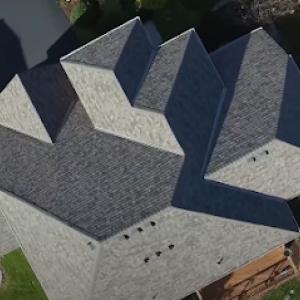
Premier Roofing Oshkosh
1498 W South Park Ave, Oshkosh, Wisconsin
5.0 from 37 reviews
Looking for a roofer near me? Premier Roofing is a professional roofing contractor based in Oshkosh, WI We are a family run business that has served Oshkosh & nearby Wisconsin cities for over 6 years! Fully licensed. We will work with your insurance or can provide finance for major roofing jobs. We offer the following services: * 24/7 Emergency Roof Repair - flat roof, roofing shingles, roof tiles, royal cedar shingle, wood, asphalt replacement, metal roof, hail damage, wind damage, residential & commercial roofs. * Siding - aluminium, board & batten, cedar, cement board, fiber cement, lp, metal, vinyl. * Ice Dam & Snow Removal * Window Replacement * Storm Damage Repair Free estimates. Call us today!

Approved LLC Everything Rooftop
(920) 312-6519 everythingrooftop.com
1384 Brooks Ln, Oshkosh, Wisconsin
5.0 from 37 reviews
Longtime, locally owned company providing roofing, siding, and gutters, plus repairs after hail damage.
Hickey Roofing
(920) 426-4008 hickeyroofing.com
1427 Broad St, Oshkosh, Wisconsin
4.8 from 84 reviews
Residential and light commercial roofing contractor.
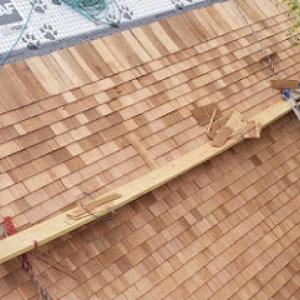
G would Exteriors
(920) 891-6777 gwouldexteriors.com
312 W Melvin Ave, Oshkosh, Wisconsin
5.0 from 12 reviews
G Would Exteriors - Your Trusted Roofing Experts in Wisconsin At G Would Exteriors, we take pride in being a locally owned and operated roofing company serving communities across Wisconsin. With a commitment to quality craftsmanship, exceptional customer service, and lasting solutions, we specialize in residential and commercial roofing, siding, and exterior services. Whether you need a roof repair, replacement, or a complete exterior makeover, our experienced team is here to protect your home or business with durable, weather-resistant materials and expert installation. We’re proud to be your go-to partner for all your exterior needs, ensuring your property stands strong against Wisconsin’s elements.
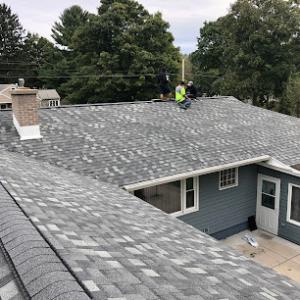
MBE Roofing
(920) 573-7360 mbe-roofing.ueniweb.com
Oshkosh, Wisconsin
5.0 from 6 reviews
MBE Roofing offers high-quality roofing design and services in Oshkosh. We are seasoned roofers who deliver top quality and budget-friendly roofing services. Get in touch with us on +19205737360. When you hire us, you know you’re getting skilled, passionate technicians you can trust to do the best job possible. And, as a bonus, we always feature competitive pricing on our services.
Oshkosh Roofing Experts
1622 Walnut St, Oshkosh, Wisconsin
4.4 from 13 reviews
Oshkosh Roofing Experts delivers top-tier roofing and siding solutions tailored for the Oshkosh community. With a keen eye for detail and a commitment to quality, this local contractor expertly transforms homes with durable, stylish exteriors. Count on Oshkosh Roofing Experts for unparalleled craftsmanship and exceptional customer service.
Oshkosh Roofing Contractors
(920) 656-5654 oshkoshroofingcontractors.com
210 N Main St #1, Oshkosh, Wisconsin
5.0 from 3 reviews
At Oshkosh Roofing Contractors, we provide reliable residential and commercial roofing services throughout Oshkosh, Wisconsin. From roof repairs and full replacements to emergency services and storm damage restoration, our experienced team handles it all. We work with shingles, flat roofs, gutters, skylights, attic venting, and more—delivering quality craftsmanship with every project. Whether you need a simple inspection or urgent leak repair, we’re committed to honest service and lasting results. Call today for a free estimate.
Ice Roofing
Oshkosh, Wisconsin
4.2 from 5 reviews
Roofing and Siding in Oshkosh, Neenah, Menasha, Appleton, Fond du Lac and surrounding areas. Licensed and Insured. Free Estimates. Great Quality and Service. Call today!

Medina's Team Roofing & Construction
(920) 850-1043 medinateamroofingconstruction.com
Serving
4.9 from 44 reviews
We're a Local Family-Owned Business in Neenah, WI. We're proud of our work with over 15 years of General Construction experience Plus 5 Years of Roofing Experience. If you are looking for a FREE Estimate and Inspection and for all your Construction Needs, look no more and give Medina's Team a call. We are WI Licensed and Insured.
Affordable Contracting Services
(920) 216-2243 www.acsroofingsiding.com
Serving
4.9 from 58 reviews
Affordable Contracting Services is a trusted, family-owned general contractor based in Neenah, WI, specializing in exceptional roofing, premium siding, custom garages, and more since 2003. We proudly serve the Fox Valley, including Appleton, Neenah, Menasha, Oshkosh, and surrounding areas. Our A+ rating with the BBB reflects our unwavering commitment to superior quality and outstanding customer satisfaction. We also handle expert window and door replacements, innovative new construction, seamless additions, and reliable hail and wind damage repairs. With unmatched workmanship and high-quality materials, we ensure your home improvement projects meet the highest standards. Get a free, no-obligation estimate today.
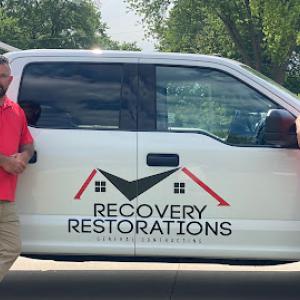
Recovery Restorations General Contracting
(920) 851-4111 www.bestdarnroofer.net
Serving
5.0 from 47 reviews
When you need help for a local general contractor, turn to our team. Recovery Restorations General Contracting is a home improvement and roofing company you can trust in Neenah, WI and throughout Fox Valley. Our owners have over 35+ years of combined experience in the industry and will be glad to help you improve your property.
Asphalt shingles remain the practical default in Oshkosh, delivering reliable performance for the typical home. They're familiar to most local crews, easy to install, and can handle the seasonal swings without requiring specialty sequencing. In sun-exposed sections of a roof, hot summer days can shorten service life compared with shaded planes, so consider color and shading when the roof is visibly sunlit for most of the afternoon. A well-ventilated attic and proper insulation help offset heat buildup that accelerates aging. If you're balancing cost, reliability, and local weather, asphalt shingles stay a sensible foundation choice, especially with an ice-dam-aware installation plan.
Metal roofing is a strong fit for Oshkosh's snow-shedding needs, providing rapid drainage and durability in winter storms. When planning metal, think beyond the panels themselves: edge details, snow guards, and ice movement control matter a lot in this climate. Installers should emphasize secure fasteners, proper underlayment, and precise flashing to handle freeze-thaw cycles near ridges and eaves. In addition, expect some noise during rain and hail events, particularly on metal surfaces without solid attic insulation or a solid ceiling assembly to dampen sound. A metal roof can shine when paired with thoughtful detailing and a well-sealed, well-insulated attic space.
Tile, wood shake, and synthetic products appear in the market, but are less typical choices for Oshkosh's climate and housing stock. The structure and roof deck need to be well-suited for heavier systems, and installation quality becomes a bigger differentiator. Clay and concrete tiles offer durable, long-lived options in appropriate orientations, but they demand careful snow-load assessment and a roof frame that can handle the weight. Wood shakes bring a distinctive look and excellent insulation, yet they require ongoing maintenance and vigilant moisture control to resist freeze-thaw wear. Synthetic products can provide similar aesthetics with potentially lower maintenance, but installer experience with Oshkosh conditions remains critical to avoid performance gaps in winter moisture and solar exposure.
In this part of the state, the right combination often hinges on how well the system handles Lake Winnebago moisture, Fox River exposure, and those long, punishing winters. Seasonal ventilation becomes as important as material choice, since ice dams and melt cycles feed on heat loss and air movement. If you lean toward non-traditional materials, prioritize installers who demonstrate a track record with Oshkosh homes and can tailor underlayment, ventilation, and edge detailing to your specific roof plane orientations and shading patterns. The best choice often blends material durability with precise detailing for your attic, eaves, and transitions, ensuring performance across sun, snow, and thaw.
Typical material pricing in Oshkosh runs about $350 to $700 per square for asphalt shingles, $700 to $1400 for metal, $900 to $1600 for clay tile, $900 to $1700 for concrete tile, $600 to $1200 for wood shingles or shakes, and $550 to $1000 for synthetic or composite shingles. Those ranges reflect the city's moisture from Lake Winnebago, exposure to Fox River winds, and the frequent freeze-thaw cycles that drive maintenance needs. When choosing materials, think about long-term performance in deep snows and how each option handles ice dam risk and attic ventilation.
In Oshkosh, costs can rise after winter damage or regional storm events when quick-response re-roofing demand tightens scheduling and labor availability. If a heavy season hits, you may face higher bid volatility, especially for metal or tile crews that can book up quickly. Weather windows for tear-offs and roof installs shorten after a major melt or thaw, so timing matters as much as choice of material. If you anticipate a storm season, consider scheduling work soon after the worst weather passes to lock in crews and avoid rush premiums.
Older Oshkosh homes may add cost through tear-off complexity, ventilation upgrades, flashing replacement around chimneys or skylights, and any deck repairs uncovered after removing existing roofing. The longer a roof has gone without proper ventilation, the more you may need to refresh soffits, baffles, and ridge vents to prevent future ice dam formation. Expect extra charges if existing decking shows uneven subroofing or requires patching to create a solid, drip-free base for the new material. If chimneys or skylights require new flashing, that work compounds material costs but pays off in leak resistance during next winter's freeze-thaw cycles.
Start with a cost-aware plan that prioritizes ice dam mitigation: ensure attic ventilation is capable of drying the roof deck, and verify flashing around penetrations is upgraded if needed. For Oshkosh-specific climate, selecting a durable, wind-resistant option-especially for metal or synthetic shingles-can reduce long-term maintenance. Obtain at least three detailed bids that itemize tear-off, ventilation work, flashing, and any deck repair, so price comparisons reflect the full scope and not just the top-line material cost.
Get a clear picture of your project costs upfront - no commitment required.
Rutters Roofing
(920) 420-2212 www.ruttersroofing.com
5757 Country Club Rd, Oshkosh, Wisconsin
5.0 from 59 reviews
Premier Roofing Oshkosh
1498 W South Park Ave, Oshkosh, Wisconsin
5.0 from 37 reviews
Oshkosh Roofing Contractors
(920) 656-5654 oshkoshroofingcontractors.com
210 N Main St #1, Oshkosh, Wisconsin
5.0 from 3 reviews
The City of Oshkosh generally requires a building permit for full roof replacements rather than treating major re-roofing as informal maintenance. If the project involves removing past layers, replacing roof decking, or changing the roof's structure, a permit helps ensure that local wind, snow, and moisture considerations are addressed. Before any work begins, you or your contractor should pull the permit through the city building department and confirm what drawings or specifications are needed. Skipping this step can mean delays, rework, or trouble at the final inspection, especially since Oshkosh winters magnify requirements around attic ventilation and underlayment.
Oshkosh inspections are typically conducted during and after the job, so contractors need to coordinate timing instead of assuming a single final signoff is enough. Expect at least one pre-installation review and periodic checks as the work progresses, particularly if any decking replacement or structural changes are involved. If you schedule work to avoid mid-winter windows, you reduce the risk of moisture-related complications interrupting inspections. Clear communication with the contractor about when the inspector plans to visit helps ensure any adjustments are made promptly and don't hold up the project.
Local review may involve attic ventilation and underlayment compliance, which matters in Oshkosh because winter moisture control and ice-dam resistance are central performance issues. During the permit process, be prepared to show how attic intake and exhaust vents are balanced and located to promote consistent air flow under the new roof. Underlayment choices should align with cold-weather performance, helping manage meltwater and reduce ice-dam risk. If the attic space is tight or irregular, discuss baffle placement and vent channeling with the contractor early, since improper ventilation can undermine a new roof's long-term durability even if the shingles themselves are high quality.
Stay involved by confirming with the contractor the anticipated inspection days and what access the city inspector will need (attic, eaves, and roof edge). Keep a copy of permit approvals handy and ensure any changes in materials or scope are documented and re-submitted if required. In Oshkosh, the goal is to have a smooth sequence where weather windows align with inspection milestones, so your roof project doesn't become stalled by winter moisture concerns or missing documentation.
Wisconsin's insurance market tends to be stable, but Oshkosh-area hail and wind losses can still push carriers to scrutinize roof age, condition, and maintenance history more closely after a severe event. The result is that two neighbors with similar damage can see different outcomes depending on how the roof has aged and how well maintenance has been documented. When a storm rattles the area, insurers may tighten their lens on whether a roof is truly near the end of its life or has been kept up-to-date with repairs that affect overall performance.
As soon as a weather event hits, gather concrete records you can present to an adjuster. Track storm dates and exterior damage while the memory is fresh, and note any attic moisture signs such asMusty odors, damp insulation, or visible condensation. Interior staining from leaks can also be a clue, especially if stains appear after a known wind or hail event. Having a clear timeline and a photo log helps the claim review move more smoothly, since adjusters often base decisions on whether damage correlates to a specific event and how the roof has behaved since then.
Coverage outcomes can vary significantly by carrier and policy terms, so Oshkosh owners should confirm whether depreciation, matching, and actual storm-created damage are handled favorably before authorizing full replacement. Some policies address depreciation differently for roofs of a certain age, while others may require demonstrating that alternative repairs would not adequately protect against future weather. Before signing off on a full replacement, review whether the carrier considers historical wear, how matching results are treated across shingles or panels, and whether temporary fixes meet the policy's damage criteria.
Oshkosh's mix of residential and small commercial properties means some owners are dealing with low-slope sections that hold water longer during spring rains and snowmelt. When water lingers on these areas, you increase the risk of slow leaks that creep along seams, under flashing, and into attic spaces. The longer such water sits, the more likely it is to find small weaknesses and start a domino effect-hardened ice beneath, softened underlayment above, and gradually deteriorating roofing membranes. Inspect low-slope roofs after heavy rain and after the first thaw while the weather is still cool, looking for tiny pooled areas that won't drain on their own. If you notice a consistent puddle, treat it as a warning sign rather than a curiosity.
Skylights become higher-risk leak points in Oshkosh when freeze-thaw movement and winter ice buildup stress surrounding flashing and seals. The combination of fluctuating temperatures and moisture-laden air can push seals out of alignment or crack the surrounding flashing over time. In practical terms, pay attention to any staining on ceilings below skylights after storms, ice remnants along the flashing line, or drafty edges around the dome or curb. Address minor imperfections promptly; delaying repairs often leads to more extensive damage and more costly fixes once water finds its path inside.
Moisture-heavy seasonal transitions in Oshkosh make transitions between steep-slope roofing and low-slope porch, addition, or garage sections especially failure-prone. When warm, wet springs melt snow and rain sits on these transition points, tiny misalignments and gaps become leak channels. Common culprits include misfit flashing at terminations, deteriorated sealants, and inadequate slope continuity. Regularly inspect where a steep roof meets a low-slope surface, focusing on flashing continuity, sealant integrity, and the edges of any dormers or extensions. The moment a crack or lift appears, plan a careful repair before a larger patch becomes unavoidable.
Find specialists in TPO, EPDM, and built-up flat roofing systems for residential and commercial properties.
Premier Roofing Oshkosh
1498 W South Park Ave, Oshkosh, Wisconsin
5.0 from 37 reviews
Hickey Roofing
(920) 426-4008 hickeyroofing.com
1427 Broad St, Oshkosh, Wisconsin
4.8 from 84 reviews
Oshkosh Roofing Contractors
(920) 656-5654 oshkoshroofingcontractors.com
210 N Main St #1, Oshkosh, Wisconsin
5.0 from 3 reviews
In Oshkosh, contractors compete on speed and on the condition of the site as much as on price. You should verify who will actually supervise the tear-off, who handles the ventilation work, and who signs off on the final cleanup. Ask for a named supervisor who will be on site at critical moments-tear-off, installation, and the moment debris is hauled away. A crew leader who understands local snow loads and attic venting is essential for a job that stands up to Lake Winnebago moisture and winter storms.
Cleanup matters locally, and many Oshkosh crews earn trust by showing how they protect driveways, landscaping, and neighbors' properties during a busy tear-off. Confirm where debris will go, how waste will be disposed of, and how promptly the site will be cleared at the end of each day. A reliable crew should offer daily site-walks with you, documenting any clean-up concerns and addressing them before work resumes. This focus on cleanliness isn't cosmetic; it reduces trip hazards in a winter-wet environment and helps prevent storm-related complaints.
Long-established, locally owned firms are part of the roofing landscape, so you can lean on local history to gauge reliability. Yet even with a familiar name, confirm who will handle storm-follow-up, warranty communications, and any needed adjustments after the first thaw. Ensure the company has a plan for inspection coordination after completion, so you're covered if a lead sleeve or vent shifts under freeze-thaw cycles.
During the project, expect clear communication about weather delays, ice-dam risks, and temporary protections for attics and soffits. A competent crew will plan around Oshkosh's typical freeze-thaw timing, scheduling critical steps to minimize attic condensation and ensure proper ventilation once the roof is in place. Keep notes on how changes are approved and tracked, so the crew remains accountable through every stage.
Before signing, ask how the crew handles storm follow-up and any aftercare questions. Local crews often offer rapid response windows for weather-related issues and post-install checks, which can be invaluable after a harsh winter. A dependable team will outline a straightforward path for addressing any concerns that arise once the roof is back in service.