
Last updated: Apr 19, 2026
In this retirement-focused neighborhood, you'll see concrete or clay tile main roofs paired with low-slope patios, Arizona rooms, or carport sections that age differently. The tile may still look sound, but the underlayment beneath is often the actual replacement driver. The desert heat, UV, and seasonal dryness wear down the felt or synthetic underlayment, causing hidden leaks to appear long after the surface tile shows no obvious damage. When planning a re-roof or large repair, expect to address the underlayment first in the higher-traffic, sun-exposed tile zones, then confirm tile re-use or replacement decisions based on how well those underlayers performed.
Monsoon winds in the northwest Valley can yank at ridge components and shove field tiles out of alignment. In a typical Sun City home, wind-driven movement means ridge caps and closing tiles frequently require attention to secure fasteners and proper sealing. Even when field tiles seem intact, small cracks or micro-fractures in the crest line can create pathways for moisture to reach the underlayment. The practical result is that a roof with intact-looking tiles may still need targeted re-seaming, re-bedding, or resealing at the ridge and hip lines to prevent seepage after storms.
Low-slope patios, Arizona rooms, and carport transitions face unique failure modes. Ponding water is more common here, which accelerates degradation of seals and flashings around penetrations and scuppers. Scuppers that look clear in dry months can clog with desert plant debris or dust, leading to slow leaks that appear after a rain. When diagnosing leaks, start at the low-slope transitions and work outward toward the higher tile surfaces. Pay close attention to the interface where the tile roof meets the low-slope section; that seam is a frequent weak point for water intrusion if counterflashing or sealant has aged unevenly.
A practical Sun City approach treats the underlayment as part of the roof system's life cycle. If a tile replacement is considered, verify whether the existing underlayment is salvageable or needs replacement. Even when tiles are reusable, a compromised underlayment can undermine a repair-and-reseat effort. For low-slope areas, plan for proper scupper drainage and ensure that the backwater and overflow paths are clear. In some cases, you'll end up replacing the entire low-slope section rather than spot-repairing isolated patches, to prevent recurrent leaks during monsoon season.
Begin with a visual walk-around after the last summer storm, focusing on ridge lines, valley intersections, and the transitions between tile and low-slope areas. Inspect ridge caps for loose or cracked components and test any visible seals around penetrations. Look up at the underlayment area by removing a few loose or damaged tiles to check for moisture staining, curling, or delamination. Don't overlook the perimeter edges where water can chase across the surface and creep underneath coping. If you suspect underlayment failure, coordinate a careful removal plan that preserves usable tiles while exposing the deck or substrate for inspection.
Establish a regular mid-year inspection cadence, especially after the monsoon season and before the peak heat of summer. Clean out debris from low-slope drains, scuppers, and any edge channels. Keep ridge line areas clear of vegetation or heavy debris that can trap moisture and shield fasteners from sun exposure. In this climate, proactive tile and underlayment checks are the best strategy to minimize the impact of Sun City's harsh, dry heat and dramatic seasonal storms.
Find contractors who specialize in clay and concrete tile roofs, known for their durability and curb appeal.
Armored Roofing
(623) 242-7122 www.armoredroofingusa.com
15412 N 99th Ave Suite 30, Sun City, Arizona
4.9 from 258 reviews

Armored Roofing
(623) 242-7122 www.armoredroofingusa.com
15412 N 99th Ave Suite 30, Sun City, Arizona
4.9 from 258 reviews
Armored Roofing is a trusted roofing contractor proudly serving Sun City, AZ. We specialize in a wide range of roofing services, including insurance claims, flat roofs, new roof installations, and metal roofing. Whether your property has suffered water, fire, storm, or hail damage — we’ve got you covered. Our team offers free estimates for small repairs and free inspections for larger projects. At Armored Roofing, we’re dedicated to delivering reliable workmanship, quality materials, and exceptional customer care. We look forward to continuing to serve the Sun City community and invite you to contact us today for your free estimate!
Gorilla Roofing
Sun City, Arizona
5.0 from 4 reviews
At Gorilla Roofing, we are devoted to the needs of our customers. During the past 8 years we have dedicated to bringing quality and professional home improvements to homeowners across the valley. We stand by our work 100% no job is to big, no job is to small for our team experts to deliver quality work. As countless homeowners have trusted us for comprehensive roofing services, including full roof replacements, roof repair, and roof maintenance. Our roofing contractors begin every project with a thorough roof inspection, which allows us to provide a detailed assessment, expert recommendations, and an accurate estimate.

All About Roofing
(602) 500-0652 allaboutroofing.com
Serving
4.9 from 937 reviews
All About Roofing is a local, family-owned roofing contractor serving Surprise and the West Valley. With over 10 years of experience, we specialize in roof repairs, replacements, and custom builds for homes and businesses. We’re licensed, bonded, insured, and known for 5-star service you can trust to protect your biggest investment.

Glendale Roofing Pros - Roof Repair & Replacement
(602) 753-5333 glendaleazroofing.com
Serving
5.0 from 24 reviews
Professional Glendal Arizona Roofing Glendale Roofing has been providing professional roofing contractor services to Glendale AZ for many years. We are one of the most established and trusted names for roofing services in the valley, and are accredited by the Better Business Bureau. We offer some of the best roofing warranties in Glendale, because we stand behind the quality of our work. In the unlikely event that you need to utilize your roof’s warranty, you can rest easy knowing we’ve been in business for over 25 years, so we will still be around to make sure your home or business is protected. If you need a new roof in Glendale installation, roof leak repair, roofing maintenance, commercial roofing industrial roofing residential roofing
Avila’s Roofing
(623) 455-0475 www.avilasroofing.com
Serving
4.8 from 17 reviews
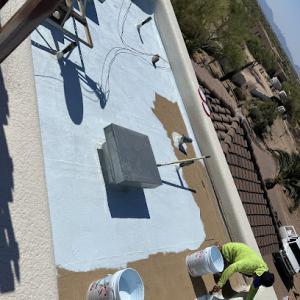
We provide roof repairs and maintenance valley wide. We believe that your roof is a valuable investment that deserves the highest level of care. Call us today to schedule and appointment for a free estimate with fair prices. Ofrecemos reparaciones e instalaciones de techos.Llámenos para agrandar su cita ofrecemos estimados gratis con precios accesibles.

Mighty Dog Roofing of Peoria
(623) 294-5167 www.mightydogroofing.com
Serving
5.0 from 17 reviews
Your house or business is more than a structure – it's your sanctuary, your livelihood, and nothing protects it better than a sturdy roof. Mighty Dog Roofing is here to be your property's best friend by offering a range of roofing and exterior services to keep things safe, secure, and looking great! From emergency roof repair, to roof replacements, to various siding, skylight, gutter, and window services, our roofers and exterior experts have you covered! Don't worry about juggling multiple contractors – Mighty Dog Roofing has your back with our single-provider solution. We have led the industry for over 20 years with technology, premium materials, and trusted processes that set us apart from the rest!

Frontline Consultants & Contracting
(928) 252-6055 www.frontlineconsultantsllc.com
Serving
4.6 from 217 reviews
Family owned and operated roofing company who makes are clients #1. We can help with all your roofing needs and storm damage to your property. Frontline Consultants & Contracting provides homeowners and business owners throughout the Metro area with top-quality roofing and renovation services.
Gen2Roofing
(602) 619-5648 www.gen2roofing.com
Serving
5.0 from 51 reviews
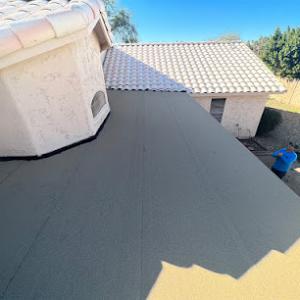
Gen2Roofing LLC is a licensed and bonded second-generation family operated business. Our mission is to provide 100% quality, satisfaction, and reliable roofing services every time! With over 20 years of experience, we offer inspections, maintenance, repairs, and/or whole new roofs. We work with tile, shingles, and flat/patio roofs. No roof too big or small.

Precision Roofing
(602) 456-0323 www.precisionroofingaz.com
Serving
4.9 from 209 reviews
Precision Roofing is the premier roofing company for all of your roofing needs. As a top-rated roofer, we specialize in roof repair, roof replacement, commercial roofing, and residential roofing services. Our team of experienced and skilled local roofers is dedicated to providing exceptional quality workmanship and superior customer service. We service Scottsdale, Phoenix, Mesa, Tempe, Peoria, Glendale, and the entire Valley. We prioritize customer satisfaction above all else, ensuring that every project is completed to the highest standards. Our roofing contractors are committed to delivering top-notch results, no matter the size or scope of the job. Contact us today for a free estimate for your roof repair or your roof replacement.
Spearhead Contracting
(602) 680-9510 spearheadcontractingaz.com
Serving
5.0 from 24 reviews
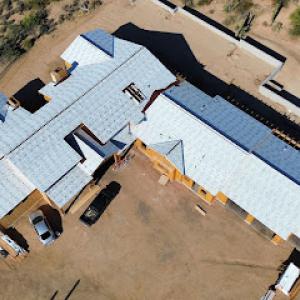
We are a family-owned business that has been providing residential and commercial roofing services in Phoenix, and its surrounding areas. Our craftsmanship, excellent materials, and work ethic are a tribute to our years of experience and great client satisfaction. For a free estimate, give us a call today! SE HABLA ESPAÑOL!
Pro-Foam Roofing
(602) 299-1777 www.profoamroofingllc.com
Serving
5.0 from 22 reviews
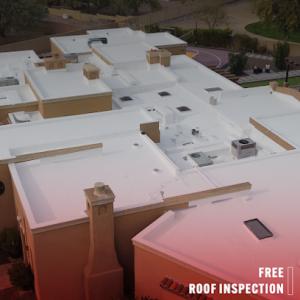
Pro-Foam Roofing is a “family-owned and operated.” Our roofing company service area includes Arizona Statewide. We are a company with over 20 years of foam roofing experience in Arizona. We are dedicated to delivering Hight-quality workmanship and providing top-rate roofing solutions. We are experts in commercial and residential roofing types, from foam, tile, shingle roofs, repairs. Our goal is to make sure your home or business roof exceed your expectations, in terms of craftsmanship, durability , affordability and excellent work ethic. That is why we offer not only free annual inspections, but the best warranty in the business, guaranteeing free repair and free re-roofing if needed, and also the best price for the highest quality."

Sunland Development Corporation - Roofing Division (SDC Roofing)
(623) 330-2444 www.sunlanddc.com
Serving
5.0 from 38 reviews
Your Arizona Premier Roofing Partner and Custom Luxury Home Builder since 1996! Sunland Development Corporation - Roofing Division is comprised of experts in residential asphalt shingle roof replacements, concrete tile roof replacements and roof underlayment systems. We have been in business for 26+ years. We pride our company on reliability, great communication, integrity and exceptional quality workmanship. We are experts in our trade and will do our best to keep you as educated as we can on your particular project. We look forward to earning your business! Call Sunland Development Corporation - Roofing Division at 602-456-ROOF (7663) to schedule your roof appointment!
In late-summer monsoon storms, the real threat isn't snow load or coastal rain - it's sudden wind-driven rain and flying debris slamming exposed tiles and low-slope roofs. This community's aging tile stock and flat patios are especially vulnerable to bruised shingles, cracked ceramic, and loose flashing. You can't predict exactly when a storm will hit, but you can predict the moment when damage becomes easier to document and fix before heat and dust erase evidence.
When a storm nears, plan for rapid tarp and stabilization if you're away or unable to access the roof. A tarping setup can limit interior leaks and prevent further wind-driven damage until a crew arrives. If you spot a tile crack or missing shingle after the rain stops, prioritize securing the area around the affected section to keep people and pets safe, then photograph from multiple angles and note the direction of wind and debris. On lower-slope patio roofs, even small leaks can cascade into ceilings and cabinets; treat every visible ingress as an active leak until proven otherwise.
Localized spring hail in the Phoenix metro pattern can crack tiles, bruise shingles, and create damage that is easiest to document immediately. After a storm, walk the perimeter in daylight, inspect for granule loss on metal and composite, and check flashing around vents and skylights for displacement. Keep a simple log: date, time, wind speed if known,位置 of damage, and weather conditions. This helps you establish a clear picture for responders who may be assessing a roof from ground level or from an attic hatch, since access can be limited by heat and dust.
Because many homeowners are seasonal or retired, quick tarping and same-day leak stabilization matter when storms hit while the owner is away or unable to access the roof safely. Create a pre-storm plan with a trusted neighbor or local contractor who can respond quickly to secure entry points, deploy heavy-duty tarps, and stabilize leaking areas until a permanent repair can be scheduled. Keep a spare tarp kit and a short, sturdy ladder stored where a gate, garage, or side yard is accessible, and ensure you have a trustworthy point of contact who can verify work completion in your absence.
When you can't wait, these contractors offer fast response times to stop leaks and prevent further damage.

Glendale Roofing Pros - Roof Repair & Replacement
(602) 753-5333 glendaleazroofing.com
Serving
5.0 from 24 reviews

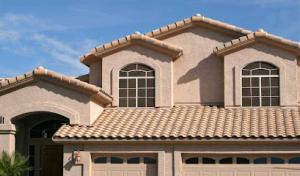
Spring in this retirement community brings longer days and milder roof-surface temperatures, which helps crews work without the blistering heat that can slow progress on tile and low-slope roofs. The desert sun is still bright, but the intensity isn't as punishing as midsummer, so ventilation, sealant curing, and underlayment exposure proceed more predictably. Beginning a re-roof in spring also aligns with the end of the harsher winter humidity, reducing the chance of dew-related delays stacking up on a tight schedule. For tile-heavy homes, the cooler mornings and warm afternoons create a practical rhythm: crews can install underlayment and set battens in the cool of the day and then finish high-heat tasks as the sun climbs. If there are aging underlayment sections on a low-slope patio roof, spring provides a stable window to address those areas before the next summer monsoon season.
Fall offers another favorable cycle, with cooling overnight temperatures and residual warmth that still allows efficient curing of underlayment and sealants. In practice, fall work avoids the peak heat of late summer, reducing the risk of fast-drying sealant mishaps and uneven shingle seating. This season also tends to bring steadier installations without the storm-driven interruptions common later in the year. For homes with clay or concrete tile, fall scheduling helps ensure the materials acclimate properly and the roof line gets complete attention before winter moisture becomes a concern. In neighborhoods with HOA guidelines, fall often aligns with standard permit processing or inspection windows, making the project flow smoother from start to finish.
Mild winters usually allow roofing work to continue, but morning dew and passing cool fronts can introduce delays that affect underlayment exposure and sealant-dependent details. Work sessions early in the day, when dew is higher, may require tighter sequencing to prevent slow cure times or compromised adhesive bonds. For low-slope patio roofs, winter moisture can linger on the surface, so crews may need to allocate extra time for drying-in stages and careful flashings. If a project stretches into late winter, be mindful of intermittent cold snaps that can stiffen materials and hinder shingle or tile seating. In practice, a well-planned winter slot still checks a box for maintaining progress without sacrificing long-term performance.
Scheduling before the monsoon season is especially valuable for aging tile underlayment or low-slope patio roofs that are vulnerable to first-storm leaks. Proactive work ahead of the first seasonal rains allows for a thorough dry-out period, ensuring sealants can cure and flashings are fully integrated before heavy spray and wind-driven debris arrive. In areas where monsoon winds are common, addressing vulnerable edges, hips, and intersections early reduces the chance of early leaks that can complicate later repair work. Coordinating with crews that understand how Sun City summer conditions accelerate wear helps ensure the roof system is resilient when the first storm arrives.
Sun City often features a common mix of tile roofs, attached patio covers, carports, and low-slope add-ons. That combination adds complexity beyond a simple single-material roof. When a project includes multiple components, crews must navigate transitions between surfaces, ensure proper drainage, and integrate edge detailing so that energy efficiency and wind resistance hold up. The result is a tighter schedule and sometimes higher labor overhead compared with a straightforward re-roof.
Costs can rise when reusable tile must be carefully lifted and reset over new underlayment rather than fully discarded and replaced. Salvaged or recycled tiles require meticulous handling to avoid breakage and maintain color consistency. In Sun City, where shade-drawn color palettes and tile patterns matter for HOA approvals, the extra care to preserve existing tile can add to both time and material planning. If you anticipate this scenario, discuss with the contractor whether the savings from reusing tiles offset the added labor and potential risk of future leaks.
Demand spikes after monsoon wind or hail events in the Phoenix area can tighten scheduling and labor availability for re-roof projects. When storms sweep through, crews shift to urgent repairs first, potentially delaying non-emergency replacement work. If your project is planned for a window just after monsoon season, prepare for possible slower progress and tighter bids as contractors balance demand.
When planning, map out all roof components-tile, patios, carports, and any low-slope add-ons-and discuss how each piece affects underlayment choices, tile handling, and flashing details. Use the provided per-square cost ranges as a rough guide, but confirm with local roofers how your specific mix will influence total project pricing and scheduling.
A full roof replacement in this area typically requires a building permit submitted through Maricopa County or the applicable local jurisdiction serving the property. The process can involve plan reviews that account for desert specifics-like UV exposure, wind tolerance, and roof slope-so start early and verify whether the HOA or county office has any additional submission requirements. Having the permit lined up before ordering materials can help prevent project delays when monsoon-season weather windows appear tight.
Sun City re-roof inspections commonly occur at the underlayment stage and again at final completion. This is especially important on tile reset projects where the waterproofing layer is concealed later beneath the tile. The underlayment inspection verifies that the correct membrane and fastner pattern are in place to resist monsoon winds and desert heat cycling. The final inspection confirms proper tile alignment, edge detailing, and overall weather-tightness. Plan proactive scheduling around monsoon season, and coordinate with the contractor to ensure inspectors have access points and any required documentation ready.
Many neighborhoods in Sun City involve HOA or community design review expectations on visible roofing materials and colors, adding a parallel approval step before work starts. Check the HOA covenant or architectural review guidelines for approved color palettes, tile profiles, and any restrictions on reflective coatings or material substitutions. Even if the county permit is approved, a timing mismatch with HOA approval can stall the project. It helps to have the contractor submit the HOA packet as soon as the permit is in process and to schedule the design review early in the planning stage.
Coordinate with the roofer to align permit and HOA timelines with the typical monsoon window, ensuring inspections can fall within supported timeframes. For tile projects, have examples of the intended tile color and profile ready for HOA review to minimize back-and-forth. Maintain a clear line of communication with the HOA manager and the building department to track status changes and required amendments. On underlayment and flashing details, confirm that the chosen products comply with local wind uplift requirements and desert climate demands to help smooth both permit and inspection processes.
In the Arizona market serving Sun City, wind and hail claims often depend on clear photo documentation, date-of-loss detail, and evidence that the roof was maintained before the event. When you file, gather high-resolution photos showing bytes of damage, the surrounding roof surface, and any prior repairs. Keep a simple diary of when you first noticed issues and when the claim was submitted, because insurers look for a coherent sequence that ties the damage to a specific moment.
Adjusters reviewing Sun City claims may focus on whether damage came from a specific monsoon or hail event versus long-term UV aging common in the desert. To support that distinction, include exterior photos taken on the day of the event or as soon afterward as safe, plus interior signs such as attic leaks or staining that align with a recent storm. If there is a gap between the event and discovery, document what happened in between-maintenance, cleaning, or other weather impacts that could influence the assessment.
Condition reports are especially useful in Sun City when older tile roofs have brittle underlayment or prior repairs that insurers may question during replacement approval. Have a licensed roofer assess the roof's underlayment, flashing, and tile integrity before or shortly after the claim is opened. Note any brittle or cracked tiles, mismatched patches, or signs of prior patchwork. Clear notes about underlayment condition and roof deck exposure help the adjuster evaluate whether a full replacement is warranted or if repairs suffice.
Claims in this area move quickly when photo evidence and a consistent narrative are present. Respond promptly to requests for additional documentation, estimates, or contractor reports. If the insurer questions the origin of damage, reference the timeline photos and the maintenance history you compiled. Present a concise, factual record that links observed damage to the most plausible event, while clearly distinguishing pre-existing conditions from new impact or storm effects.
Connect with contractors who help homeowners navigate the claims process from damage assessment to final approval.
Armored Roofing
(623) 242-7122 www.armoredroofingusa.com
15412 N 99th Ave Suite 30, Sun City, Arizona
4.9 from 258 reviews

Frontline Consultants & Contracting
(928) 252-6055 www.frontlineconsultantsllc.com
Serving
4.6 from 217 reviews
Rooftop penetrations such as skylights and solar attachments are common in this area because of the bright sun and long summers. When a re-roofing project is planned, these openings must be treated with extra care. The local climate asks for durable flashing around each penetration and a careful field-to-penetration transition. The goal is to maintain a continuous, watertight envelope where sun and monsoon energy meet the roof. Each skylight curb, vent base, or solar mount must be inspected for wear, especially where sealant has aged or where previous patches were added.
Leak complaints in these homes often trace to transitions around patio covers, add-on rooms, vents, and skylight curbs rather than the main field of the roof. When re-roofing, plan to reflash every transition area, not just the main surface. Pay attention to the hail and wind exposure on patio cover junctions and on any flat or low-slope sections that unify with the main roof. If a skylight curb sits on a low-slope plane, ensure the flashing is continuous and angled correctly to shed water toward the field. For vents and exhausts, trim back old sealants and replace with high-quality, sun-hardening materials designed for desert conditions.
Older homes in this community may house several generations of roof-mounted equipment or patchwork modifications. Before replacing the roof surface, inventory every penetration and attachment: vent stacks, antenna bases, solar mounts, and any added gutters or covers. Document what each piece crosses and how it is fastened. A thoughtful plan will map out which items can remain, which should be upgraded, and how to reflash or re-seal them to avoid future leaks.
Start with a thorough inspection of all penetrations, curbs, and transitions. Remove failed sealants and damaged flashing. Install a consistent base flashing around each opening, then apply step flashing into the roof field with proper overlap. Cap with a durable roofing material that matches the chosen system, ensuring that all seals are continuous from curb to ridge. Finally, run a test water check around every penetration to confirm a tight seal before the project is complete.
Find contractors experienced in skylight installation, flashing, and leak repairs to bring natural light into your home.
Armored Roofing
(623) 242-7122 www.armoredroofingusa.com
15412 N 99th Ave Suite 30, Sun City, Arizona
4.9 from 258 reviews

In a retirement-heavy neighborhood with HOA expectations, every contractor visit needs to respect calendars and neighbor etiquette. When you call, listen for a clear promise of arrival windows, a dedicated point of contact, and a specific plan for cleanup the same day. A crew that treats loose debris like a priority will reduce dust and chance of puncturing neighboring properties. Expect the contractor to assign a on-site supervisor who can answer questions during the job and afterward.
Sun City homeowners often face urgent need after monsoon events or sudden leaks. Verify who actually handles leak calls, who conducts the initial assessment, and who coordinates any follow-up visits. A reliable contractor will document wind- and impact-related damage, provide a rapid temporary fix if needed, and schedule a timely return for permanent repairs. If the crew changes mid-project, ask for a new lead who has full knowledge of the job scope and the existing plan. Consistent follow-up helps prevent delayed water intrusion and keeps the project on track with HOA expectations.
Tile and mixed-slope configurations dominate the local landscape, so it helps if the contractor regularly handles tile lift-and-reset, as well as low-slope tie-ins. Ask for examples of recent work with tile systems similar to yours, including how they address broken tiles, fastener corrosion, and underlayment compatibility. A capable crew should explain their method for preserving tile durability and preventing leaks at transitions between slopes and flat sections. For low-slope areas, ensure the crew has a tested approach to flashing, membrane integration, and proper slope management to avoid standing water.
Choose a contractor who offers warranty-backed underlayment and a clearly defined workmanship warranty. Request specifics on what is covered, exactly when coverage starts, and how long it lasts. In this climate, a robust underlayment is essential for desert sun and monsoon cycles, so confirm they will install a system that aligns with tile or shingle choices and local climate demands. A reliable contractor will outline maintenance expectations and provide a written post-installation care plan.