Last updated: Apr 19, 2026
Dry-season reroof projects line up well with the Mediterranean climate that characterizes this area. Most reroofing is scheduled in the dry months to minimize rain exposure during tear-off and early installation. When the sun is reliable and drains are clear, underlayment and flashing have a better chance to cure and seal before wet weather hits. A clear, dry stretch also means fewer weather-driven delays and more predictable work windows for crews. If a roof is aging toward winter readiness, this timing helps you finish detailing-like drip edges and valley flashing-before the first strong fall storms arrive.
In practice, the peak dry-season window often runs from late spring through early fall. That cadence gives you the clearest path for labor scheduling, material deliveries, and on-site access. The goal is to complete the bare tear-off, lay down underlayment, secure flashing, and get the final roofing material laid before the shortest, driest period ends. This approach reduces the chance of moisture exposure at critical seams during the most active phase of replacement.
Winter rains arrive roughly from November through February and can delay active jobs or push them into compressed timelines. In Campbell, aging roofs are more vulnerable if underlayment becomes exposed or compromised during tear-off. Even a short exposure can permit moisture intrusion into attic spaces or ceilings, triggering interior damage that compounds the project timeline. Plans should anticipate possible rain days with a realistic schedule buffer, and crews need to protect interior spaces with tarps or temporary containment when work pauses occur.
To mitigate risks, consider sequencing that favors finishing the most weather-sensitive tasks early in the dry-season window. Have a plan for rapid tarping and quick temporary repairs if a unexpected shower interrupts activity. If a roof is near the end of its life, discuss interim protective measures with the contractor to preserve insulation and ceilings during any unavoidable delays.
Hot, dry South Bay summers can affect specific installation details. Seal strips and adhesives used on certain roof systems may respond differently under high heat, so timing your installation to avoid peak heat hours helps preserve performance. When feasible, plan the most critical steps-such as setting the first rows of shingles or tiles, and ensuring proper adhesive cure times-during cooler mornings. Afternoon heat can also accelerate aging of exposed underlayment if left vulnerable during tear-off, so strict containment and rapid progress through the exposed phases reduces risk.
If a crew is working through the hottest days, ensure hydration and shading provisions are in place for workers and that temporary cooling measures, like reflective covers or misting zones, aren't neglected. A well-ventilated attic space, with properly installed baffles, helps manage interior heat during the interim phases, particularly on larger or multi-story homes.
Create a realistic calendar that accounts for the month-by-month weather pattern in this area. Start with a ruthless tear-off window in the driest stretch, followed by underlayment application and flashing installation before any roofing material goes on. Leave a buffer for inspections and minor adjustments, especially in homes with older sheathing or compromised decking. For homes with larger roof footprints or complex penetrations, schedule staggered progress to maintain consistent protection against moisture while the project advances.
Communicate a clear plan to the contractor about dry-season goals: finish the critical waterproofing steps first, protect interior spaces during any lapse in dry weather, and align material deliveries to the anticipated weather window. On aging roofs, a well-timed sequence minimizes the risk of winter moisture intrusion and keeps the project on track through Campbell's seasonal transitions.
The dominant materials used in Campbell include asphalt shingles, metal roofing, clay tile, concrete tile, wood shingles or shakes, and slate. In this South Bay context, the mix reflects a blend of mid-century stability and Silicon Valley-era profile upgrades. Asphalt shingles remain the most common due to their balance of cost, ease of installation, and recognizable curb appeal. Metal roofing has grown in popularity for its longevity, lighter weight compared to tiles, and better wind resistance. Clay and concrete tiles bring a distinctive, durable look that suits older homes with heavier rafters, but their weight and underlayment requirements demand careful planning. Wood shingles or shakes add character on ranch-style and bungalow-era houses, yet they require extra attention to fire resistance and maintenance. Slate, while not as widespread, still appears on some architectural-forward homes and those with a nod to heritage styling. Each option carries its own implications for underlayment life, flashing details, and overall roof assembly.
Tile roofing has strong local relevance in the broader South Bay housing stock, where its weight, underlayment life, and flashing details often matter as much as the tile itself during reroofing. Concrete and clay tiles demand a robust roof deck and precise fastening to handle Campbell's dry summers followed by wet winters. Underlayment age with tiles becomes a critical factor: older membranes may fail to provide a continuous barrier, especially around chimney, skylight, and transition areas. Flashing at valleys, hips, and vent penetrations should be integrated with tile offsets and proper sealants to prevent ice dam-like leaks where winter rains hit. If reroofing with tile, expect a longer installation window to accommodate the tile pattern work and careful alignment. Roofers who understand local slope and drainage cues will pay close attention to eave overhangs and drip edges to keep rainwater from wicking underneath the tiles.
California insurance pressure around wildfire exposure and older roofs makes fire-resistant material choices and documented replacement history especially relevant. Asphalt shingles now include fibrous and fire-rated options that perform better in ember exposure zones, while clay and concrete tiles offer inherent in-fire resistance, albeit with heavier deck demands. Metal roofs score well for wind and ember resistance, and some profiles provide excellent fire performance with minimal panel seams. Wood shingles and shakes, while aesthetically appealing, carry higher fire risk in certain conditions, so if such a roof remains, up-to-date fire-rated underlayment and protection strategies become essential. Slate is naturally fire-resistant but brittle and susceptible to breakage if foot traffic or replacement procedures are not carefully managed.
Reroofing with any of these materials in Campbell calls for attention to flashing details around penetrations and transitions, especially near plumbing vents and chimneys. The quality of the underlayment installation matters more than most homeowners realize; a modern synthetic underlayment typically performs better in the dry season's heat and the winter's moisture, helping to extend the life of the entire roof assembly. If choosing tile, confirm that the contractor accounts for weight-bearing structure, attic ventilation, and proper headlap and sarking practices to reduce heat transfer and condensation risk. For metal, check for appropriate insulation underlayment to prevent condensation issues in cooler wet months. Across materials, a clear sequence for sequencing roof work-dry season preparation, careful removal, secure staging, and precise flashing-will reduce the risk of winter leaks and ensure a robust, long-lasting roof.
Typical Campbell material ranges are about $450 to $800 per square for asphalt shingles, $900 to $1500 for metal, $1100 to $1800 for clay tile, $1000 to $1700 for concrete tile, $700 to $1200 for wood shingles or shakes, and $1500 to $2500 for slate. Those figures line up with a market where full re-roof scope dominates over patch work, and they reflect the kind of combined underlayment, flashing, and full tear-off you'll often encounter during a major reroof. When you plan, expect the project to be evaluated as a full replacement rather than a small patch repair, especially on aging roofs with signs of deferred maintenance.
Costs in Campbell are heavily influenced by full reroof scope rather than patch work, reflecting a market where re-roofing is the dominant contractor service. If the existing roof has multiple layers, damaged sheathing, or slow-to-pass flashing and underlayment corrections, the price climbs because the job becomes more invasive and inspection-heavy. Heavier systems like concrete or clay tile add labor-intensity and structural considerations, which pushes the price per square up compared with asphalt or metal. In dry seasons, crews can stay on schedule; the moment winter rain compresses the calendar, prices can edge higher due to tighter scheduling and overtime needs.
Local pricing can rise when winter rain compresses schedules, when older roofs need flashing and underlayment corrections to pass inspection, and when tile or other heavy systems require more labor-intensive tear-off and replacement. Timing around Campbell's dry season matters: scheduling the bulk of the work in the late spring through early fall often yields steadier crews and fewer weather-induced delays. The dry window helps with long-lasting underlayment protection and a cleaner installation, which in turn supports a smoother inspection pass and less risk of winter leaks rearing up before the roof is fully settled.
Asphalt Shingles: $450-$800 per square. Metal: $900-$1500 per square. Clay Tile: $1100-$1800 per square. Concrete Tile: $1000-$1700 per square. Wood Shingles/Shakes: $700-$1200 per square. Slate: $1500-$2500 per square. Use these ranges to frame bids and compare whether a full reroof is truly the best path over spot repairs on aging structures.
Western Roofing Systems
(650) 644-8499 www.westernroofingsystemssanjose.com
1328 White Oaks Rd, Campbell, California
4.9 from 41 reviews
Western Roofing Systems has been serving and re-roofing clients in the greater San Jose area since 2006. Western Roofing Systems does all of our work in-house and we do not subcontract out any Installations. We strive in using only the best material out there and not taking any shortcuts on your home to make sure that you have a roof that will last you a lifetime.
California Roof Runners
(408) 887-5253 californiaroofrunners.com
3850 W Rincon Ave, Campbell, California
4.9 from 38 reviews
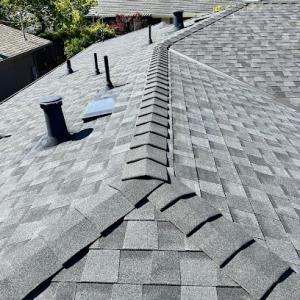
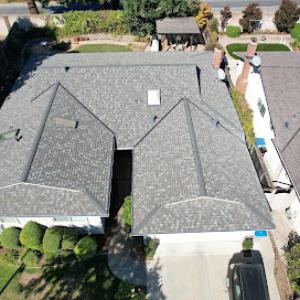
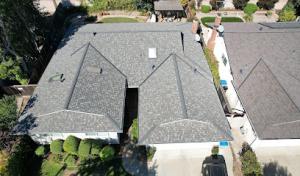
California Roof Runners: Silicon Valley's premier roofing experts! Specializing in both residential and commercial re-roofing projects, we bring years of experience and a dedication to superior craftsmanship to every job. We take pride in providing top-notch customer service and delivering exceptional results that protect your property and enhance its value. Trust California Roof Runners for quality roofing solutions tailored to the unique needs of Silicon Valley homeowners and businesses.
Shadowfax Roofing & Solar
(408) 628-0065 shadowfaxroofing.com
75 Dillon Ave, Campbell, California
5.0 from 24 reviews
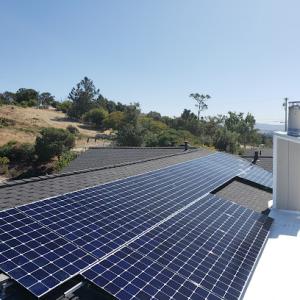
At Shadowfax Roofing and Solar, delivering reliable and lasting solutions has been the mission since 2005. As a family-owned roofing company based in Campbell, CA, we offer expert residential and commercial services with a focus on quality and integrity. Our experienced roofing contractors handle everything from roof repairs to full replacements and solar panel installation, tailored to meet each property’s needs. With a strong commitment to customer satisfaction, every project is completed with care, professionalism, and long-term value in mind.
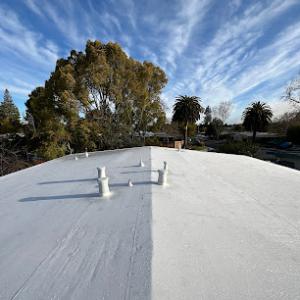
Kent Roofing Company
(408) 971-4042 www.kroofco.com
1821 S Bascom Ave, Campbell, California
4.8 from 18 reviews
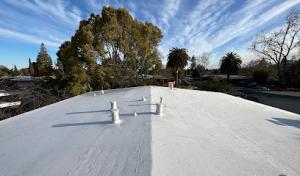
Small Family Owned and Operated Roofing Company. We work very hard for customer satisfaction. We hire the best installers in the Bay Area. We care about the people we work for and those who work for us. We care about doing quality work. We don’t use off brand products, only TOP NAMES CERTINTEED, and GAF WE CARE ABOUT SAFETY
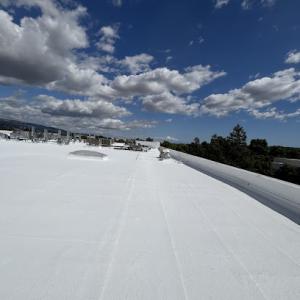
Environmental Roofing & Waterproofing
(408) 871-1540 www.enviroroof.com
1157 Dell Ave, Campbell, California
5.0 from 11 reviews
Environmental Roofing & Waterproofing (ERW) has led industrial and commercial roofing solutions across the San Francisco Bay Area and Sacramento region for over 30 years. Specializing in eco-friendly roofing, ERW delivers top-tier service and long-lasting solutions. Our "Cool Roofs" meet California’s sustainability standards, ensuring energy efficiency and compliance. With direct owner involvement and a hands-on approach, we provide personalized solutions tailored to your needs. Contact us today to learn how ERW can help protect and extend the life of your roof.
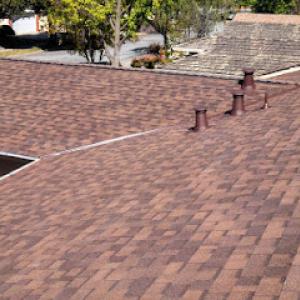
Campbell Roofing
(408) 796-1233 roofingcampbell.com
1550 Dell Ave Unit M, Campbell, California
4.5 from 15 reviews
Campbell Roofing is a family owned business that offers honest, professional roofing services throughout the greater San Jose area. Call us any time for quick roofing repairs, a new gutter system, complete roof replacement, and everything in between. We are also happy to offer new construction roofing, and our specialty is high quality TPO and EPDM commercial roofing system installations.
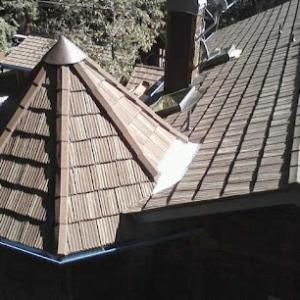
Cal-Pac Roofing
1350 Dell Ave #101, Campbell, California
4.3 from 18 reviews
Northern California's Most Experienced Provider of Stone-coated Steel Roofing Systems.
Keystone Exteriors
1999 S Bascom Ave, Campbell, California
4.8 from 6 reviews
Keystone Exterior's mission is to bridge the gap between homeowners and service providers in the home improvement industry. Founded by a diverse group of individuals with extensive industry experience, we are committed to providing homeowners with the most accurate product information for their homes. We aim to be the most competitively priced home improvement company by partnering directly with manufacturers, owning our equipment, and employing our installers. This approach allows us to eliminate subcontractors, reduce costs, and maintain full control over the quality of services. Leveraging technology, we streamline operations, reducing the need for large offices and wasteful processes. Our ultimate goal is to deliver exceptional value
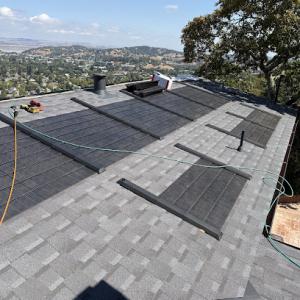
R E Roofing & Construction
(408) 626-9320 www.reroofingshowroom.com
Serving
5.0 from 19 reviews
Family-run Roofing and Construction Company specializing in residential roofing, solar, and energy efficiency. We have been associate installers for NREL (Notional Renewable Energy Laboratory) and featured on CNET as a contributing contractor.
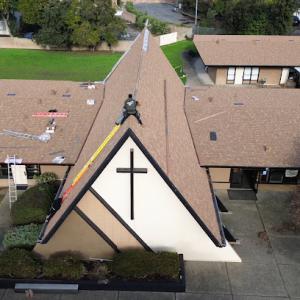
Premier Roofing & Retro-Fit
(408) 440-5226 www.premierroofingretrofit.com
Serving
5.0 from 31 reviews
At Premier Roofing & Retro-Fit, we specialize in providing top-notch roofing services and energy-efficient retrofitting solutions for both residential and commercial properties. With years of industry experience, our skilled team is dedicated to delivering durable, cost-effective results that enhance the value and longevity of your property. From new roof installations to upgrades and retrofits, we use the latest techniques and highest quality materials to ensure long-lasting performance. Our commitment to exceptional customer service and attention to detail sets us apart as a trusted name in the roofing and retrofitting industry. Let us help you protect your investment—contact us today for a free estimate!
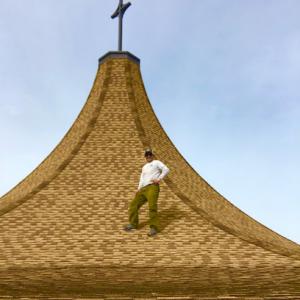
Roofs By Reveille
(800) 395-7855 www.roofsbyreveille.net
Serving
5.0 from 71 reviews
Roofs by Reveille, Inc was established in 2016 by Pablo Alviar. Pablo has been in the roofing industry for 32 years and is not slowing down. Pablo is a licensed and certified contractor and a preferred contractor to Sun First Solar, Maverick Renewables, and California’s Great America. Roofs by Reveille is certified with all major roofing suppliers and a GAF Master Elite contractor, which is only given to 2% of contractors.
Eastman Roofing & Waterproofing
(408) 389-1385 www.eastmanroofing.com
Serving
4.9 from 175 reviews
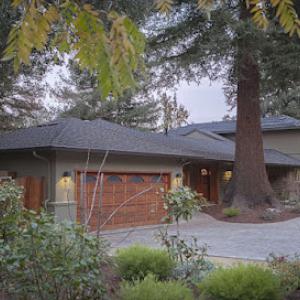
Our team of expert craftsmen have delivered the finest quality roofs for our customers in the Silicon Valley for more than 40 years. We are committed to listening to our customers and ensuring that their unique roofing system needs are met to their full satisfaction. We take pride in our precision craftsmanship, well-trained and professional employees, and superior customer service. We offer roof repairs, restoration, replacements & inspections!
A full reroof in Campbell typically requires a permit through the City of Campbell Building Department. The process is not something to breeze through on a whim, because the city scrutinizes details that matter for long-term performance, especially on aging homes with long dry spells and tight winter rain windows. Your first step is to confirm whether the project needs structural review or just a standard reroof scope. Expect to submit a scope of work that clearly outlines materials, underlayment, flashing details, and methods. The moment the city sees a clear plan that aligns with local code expectations, the permit can move toward issuance, but delays happen if the scope lacks precision or raises questions about drainage or ventilation. In short: have a solid, complete plan before submission, and plan for review time that factors into your dry-season window.
Homeowners or contractors generally submit a scope of work and pay applicable fees before permit issuance. In Campbell, inspectors will want to see the proposed underlayment type, flashing transitions at penetrations, and confirmation that final roof material installation matches the approved plan. Concrete and clay tiles, or metal, carry different flashing and underlayment expectations, so the plan should specify those choices with product names and installation steps. If work affects eave lines, parapets, or roof-to-wall transitions, these details must be clearly illustrated. When the plan is complete, keep a reliable copy on-site for quick reference during the dry-season scheduling. Any change to materials or fastening patterns after permit issuance will trigger an amendment or additional inspection steps, which can stall your project and shorten the favorable dry-season window.
Inspections are commonly performed during and after installation, with attention to underlayment, flashing, and final roof material installation. The inspector will verify that the roof deck is clean and sound, underlayment is properly lapped and secured, and flashing around chimneys, vents, and valleys is correctly integrated. On aging roofs, certain details become critical: improper underlayment overlap near valleys or missing kick-out flashings at eaves can lead to early leaks that are costly to rectify after winter rains. The final inspection confirms that the installed material matches the permit plan and that fasteners are appropriate for Campbell's climate and roof pitch. If any discrepancies appear, scheduled re-inspection will be required, extending the project timeline and potentially compressing the next dry-season window. Plan for a careful walkthrough with the contractor so the city's eye for underlayment, flashing, and final installation isn't left to chance.
Because Campbell's climate cycles between dry spells and winter rain, the permit and inspection steps are as much a timing strategy as a compliance ritual. Starting the permit process early while the dry season is underway helps prevent weather-driven delays that could push work into wetter months. If inspections get delayed, waterproofing patches or temporary protection may be needed to guard against leaks, which adds risk and cost. A well-documented permit path, paired with a disciplined on-site installation sequence, reduces the odds of last-minute rework and keeps the project on track for a durable finish. Keep in close contact with the building department and your contractor, and schedule inspections with a buffer for winter weather that can sneak up without warning.
In Campbell's wet winter pattern, leak complaints often become urgent where skylights, flashing transitions, and low-slope sections are stressed by repeated rain events. Those penetrations and drainage paths sit under constant stress as storms arrive back-to-back, so a seemingly minor drip can become a rapid bleed-through very quickly. Autumn winds can add debris loading before winter storms, increasing the chance that vulnerable roof penetrations and drainage paths become problem areas. If a roof shows aging or prior repairs in these zones, the risk spikes noticeably once winter rain starts.
Look for three telltale signs: condensation and staining around skylights after a storm, damp patches along the top edge where flashing meets the curb or chimney, and pooling or runoff along low-slope sections that can't shed water promptly. In a city with Silicon Valley-era re-roof demand, those areas often reveal the first serious failures on older homes. If you notice sudden dampness after a rain event, treat it as time-sensitive and investigate rather than hoping it will dry out.
If a storm is forecast, prepare by clearing roof debris near skylights and drainage outlets so that water can flow freely. Tape or protect vulnerable flashing transitions with temporary material to slow water intrusion during peak rain, especially on low-slope patches. Schedule a roofing professional to assess skylight seals, curb flashing, and the slope transitions before the wettest weeks. Prioritize repairs that secure flashing seams, replace degraded sealants, and address any evidence of water intrusion at transitions, since these are the paths most likely to fail under prolonged rain.
Locally, the demand for skylight work, flat-roof service, and emergency repair services rises sharply as storms approach. When you contact a contractor, ask for specifics on the flashing joints, skylight flashing kits, and the integrity of drainage paths around low-slope areas. Request a focused inspection of the entire skylight assembly, curb and boot connections, and the transition zones where the roof meets walls. A targeted plan for these zones can stem leaks before they compound into interior damage.
Find contractors experienced in skylight installation, flashing, and leak repairs to bring natural light into your home.
California Roof Runners
(408) 887-5253 californiaroofrunners.com
3850 W Rincon Ave, Campbell, California
4.9 from 38 reviews
Kent Roofing Company
(408) 971-4042 www.kroofco.com
1821 S Bascom Ave, Campbell, California
4.8 from 18 reviews
California insurers have tightened underwriting in wildfire-prone areas and on older roofs, which affects homeowners even though the city is not in the foothills. In Campbell, carriers often scrutinize roof age and recent replacement history when evaluating coverage or renewals. If a claim question arises after a wind or rain event, the outcome can hinge on whether the condition is presented as recent storm impact or long-term wear on an aging roof. Understanding this nuance helps you prepare before a claim is needed.
When you review or renew a policy, expect to provide proof of roof age, documentation of any recent replacement, and details about material type and fire resistance. Keep a centralized file that includes product labels, installation dates, and photos of the underlayment and flashing where visible. In Campbell, where dry summers and wet winters create distinct wear patterns, having clear records can demonstrate proactive maintenance and resilience, which some insurers reward with more favorable terms.
Before any renewal window or claim consideration, assemble a concise roof dossier: manufacturer and installation date, type of roofing material, fire rating, and visible conditions from the last inspection. Store receipts, contractor notes, and inspection reports in a dedicated binder or digital folder. If you've upgraded ventilation, underlayment, or flashing in the past five to ten years, note these changes with dates and contractor details. Clear, dated evidence helps an adjuster separate sudden damage from normal aging.
After wind or rain-related damage in Campbell, document conditions promptly because claim outcomes can depend on showing recent storm impact versus long-term wear. Photograph damage from multiple angles, note the date of the event, and capture nearby drainage conditions and debris paths. Share this context with your insurer or agent quickly to avoid ambiguity about cause or severity. Staying organized can mean the difference between a smooth settlement and a drawn-out process.
Connect with contractors who help homeowners navigate the claims process from damage assessment to final approval.
California Roof Runners
(408) 887-5253 californiaroofrunners.com
3850 W Rincon Ave, Campbell, California
4.9 from 38 reviews