
Last updated: Apr 19, 2026
Sunnyvale's Mediterranean pattern means most planned roof replacements are scheduled in spring or fall to avoid winter rain and peak summer heat. If a project is on your radar, align the tear-off and reroof to the shoulder weeks between late March and early June or between late September and early November. Those windows commonly offer milder temperatures, which helps materials cure evenly and reduces heat-related stress on underlayment. In spring, aim to complete the critical work before the coastal marine layer grows thicker in late spring, which can muddy schedules. If a replacement starts in spring, a phased plan that finishes the most exposed slopes first can keep crews productive while you monitor midday heat buildup on attic spaces. For tract homes with older tile or vent-heavy roofs, coordinate with the contractor to confirm they have ventilation strategy ready for the warmer days.
Summer heat in the South Bay can push shingles and underlayment past their comfort zones, especially during peak afternoon sun. When planning a summer reroof, choose start times that minimize exposure to the hottest hours-early mornings or late afternoons-and allow for midday breaks. For tile roofs, heat expansion can affect fasteners and seams; confirm the crew uses anti-slip, ventilated work platforms and materials rated for high-heat environments. If a roof replacement runs into the late July through August stretch, ensure temporary shading or reflective decks are in place around the work zone to reduce heat buildup for workers and to limit the risk of heat-related buckling in some shingle or tile products. In any season, keep in mind that long dry stretches in summer help dry-in times, but a sudden heat spike or afternoon squall can complicate tarps and perimeter protection. Discuss a contingency plan with the contractor for overheating days, including postponement of delicate tile placements until temperatures ease.
Spring and fall wind events in the South Bay can complicate placement of shingles and tile, especially on exposed roof planes. In fall, aim to complete roof sections that face prevailing Santa Ana-like gusts earlier in the season when winds are steadier. For tile roofs, plan for wind-protected staging areas and secure temporary edge protection so sheets and tiles do not shift during gusts. If the forecast calls for a windy week, consider staggering the tear-off and installation so that vulnerable edges receive extra temporary fasteners or protective barriers during the high-wind period. Fall is also a period when moisture starts to rise again, so verify that the dry-in solution remains robust: tarps secured at all edges, overflow channels clear, and flashings temporarily reinforced if a project must span a couple of wet days.
In all seasons, it helps to cluster weather-sensitive tasks on days with favorable forecasts and to have a short, clearly defined sequence for each section of the roof. Verify that the contractor has a practical dry-in plan for multi-day projects, including how temporary moisture barriers will be deployed during expected rain events. For vent-rich or tile-heavy roofs, ensure the crew carries the right specialty fasteners and sealants, and that ventilation installation happens in a way that avoids retracing work if a storm arrives mid-project. When a plan hinges on seasonal windows, document a preferred sequence with the contractor so weather delays don't cascade into unnecessary extended timelines.
The dominant reroof choices in Sunnyvale include asphalt shingles, metal, clay tile, concrete tile, wood shingles or shakes, and synthetic or composite shingles. Each option brings its own performance profile for the dry-summer, wet-winter pattern typical of the valley. Asphalt shingles remain a common, straightforward choice for speed and reliability, especially on tract homes with straightforward rooflines. Metal roofs show up where longevity and heat resistance are priorities, and they pair well with modern solar installations. Clay and concrete tiles continue to define many California- and Mediterranean-style homes in the area, offering a distinctive look and durable performance on hotter days and with vented attic spaces. Wood shingles or shakes bring a traditional texture but require careful maintenance in the occasional winter sparring with moisture. Synthetic or composite shingles provide a middle ground, balancing weight, durability, and sometimes enhanced warranty terms. When selecting among these, homeowners should weigh how each roof interacts with attic ventilation, spray-foam or spray-applied underlayments, and the ease of future access for solar retrofits.
Tile roofing remains a meaningful local specialty, reflecting the prevalence of California and Mediterranean-style homes across the city. Clay tiles are admired for their heat-resisting properties and long-term stability, though they demand a structurally sound deck and a careful assessment of attic space to prevent heat buildup. Concrete tiles offer similar aesthetics with different weight and installation considerations; they tend to be more forgiving on uneven roof planes but still require a solid structural basis. If the home features older or seismic-sensitive trusses, the reroof project may shift toward options that reduce weight or simplify retrofits without compromising the tile appearance. For tile roofs, underlayment quality becomes particularly important, because it pairs with the tiles to manage moisture ingress during rare heavy-wet-season events. A well-planned tile reroof often prioritizes continuous attic ventilation and properly aligned flashing at hips and ridges to maintain performance during the valley's wet months.
Sunnyvale homeowners increasingly weigh solar compatibility when selecting replacement roofing, making underlayment life and future roof access part of the material decision. If solar is in the plan or already present, the choice of fasteners, underlayment durability, and the roof deck's ability to bear additional equipment matter. For metal and large-format composite shingles, roof access during installation can be easier, supporting smoother solar integration and future maintenance. For clay or concrete tiles, every tile adds weight, so the structural assessment should consider how solar mounting gear will interact with tile supports and flashing. Regardless of material, a flexible underlayment system that accommodates penetrations for racking and wiring helps protect against leaks while solar work is underway or during seasonal rain. The goal is a roof that remains serviceable with minimal disruption if solar components are added later, rather than a reroof that must be partially removed to accommodate future panels.
Underlayment life matters because it protects the roof deck during those occasional wet-season storms and long hot summers. In this market, you want a durable, UV-stable membrane that resists aging from sun exposure and ongoing temperature swings. Ventilation plays a decisive role on tiled or shake roofs, where attic heat can affect shingle life and underside deck integrity. A reroof that prioritizes continuous ventilation reduces heat buildup and supports longer shingle life in the summer heat. If the home has older tract construction, ensure the roof-to-wall connections and any vented soffits align with the chosen material to minimize leaks and hot roof pathways.
Finally, maintenance mindset matters. Sunnyvale roofs benefit from inspections after the wet season and before the next dry-season heat spike. Tile and shake roofs should be checked for cracked or displaced tiles, underlying moisture, and flashing integrity around chimneys, vents, and skylights. Asphalt and composite shingle roofs benefit from eyeing granule loss and minor curling, which can signal aging and impending replacement windows. The timing of replacement work often aligns with drier periods to ease installation, but a well-planned reroof can coordinate with solar readiness and attic ventilation improvements to maximize efficiency and performance across seasons.
For asphalt shingles, expect per-square costs from about $450 to $900. Metal roofing commonly lands in the $700 to $1,200 per square range. Clay tile sits higher, typically $900 to $1,800 per square, while concrete tile clocks in at about $800 to $1,500 per square. Wood shingles or shakes run roughly $700 to $1,100 per square, and synthetic or composite shingles are usually $800 to $1,300 per square. Those numbers reflect Sunnyvale's dry-summer climate and the tendency toward heavier tile or membrane underlayments on older or vented homes. In practice, a full reroof on a mid-sized home can span several thousand dollars more than a straight material swap, once you include tear-off, waste disposal, and the need for compatible underlayment.
Tile tear-off weight is a frequent budget driver here, since many houses in the area carry heavier clay or concrete tile. If a tear-off is required, expect extra disposal and handling charges, plus possibly reinforcement considerations for the roof deck if it's aged or undersized. Underlayment replacement is another common cost pressure; new synthetic underlayment can improve long-term performance but adds to upfront price. When changes tied to a reroof trigger structural or ventilation adjustments, costs can rise further due to extra framing work, new vents, or upgraded attic ventilation details. All of these factors are amplified on older tract homes with tiled roofs, where the roof geometry or ceiling height can complicate access and staging.
Reroof projects in this area are strongly influenced by the calendar. Summer heat can drive faster progress on dry days, but peak South Bay construction demand can squeeze labor availability and push prices higher. The wet season's approach adds scheduling pressure as crews try to complete roofing before the first winter rains, reducing the risk of leaks during grading and prep. If a project begins late in the season, you may encounter longer wait times for materials or crew availability, and potentially higher weekend or overtime rates if the weather window tightens. In short, plan ahead for material decisions and staging as early as the calendar permits, and build a small buffer into the timeline to accommodate Sunnyvale's typical autumn lull and winter-rain readiness.

Home Pro Roofing & Solar
(800) 650-3134 www.homeproca.com
100 S Murphy Ave, Sunnyvale, California
5.0 from 32 reviews
Home Pro Roofing and Solar Contractor, in Sunnyvale, CA provides comprehensive roofing and solar services, including residential roof installations, solar systems, and solar backup solutions. With financing options available, customers can rely on a single company to handle all their roofing and solar needs—from roof inspections to solar removal and replacement during roofing installation, to solar installations with seamless solar backup solutions. This all-in-one service eliminates the need for multiple contractors, ensuring a smoother, more efficient process. We bring 15 years of high level of expertise in both roofing, solar and solar backup technologies, ensuring that our customers receive top-tier service. We offer free estimates.

Specialist Roofing & Repair
(408) 662-1686 specialistroofing.com
830 Stewart Dr #245, Sunnyvale, California
4.9 from 59 reviews
Specialist Roofing & Repair in San Jose is your trusted choice for residential and commercial roofing services. Backed by over 10 years of experience, we specialize in roof repairs, replacements, and new installations using premium materials from Owens Corning, GAF, Polyglass, and CertainTeed. As an Owens Corning Platinum Preferred Contractor, we deliver long-lasting, weather-resistant solutions with transparency and integrity. Our licensed, BBB-accredited team proudly serves the San Jose area with free inspections, honest assessments, and fast emergency response. Protect your home or business with expert roofing you can count on—call today for a free estimate!
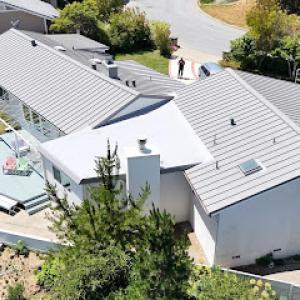
Lifetime Roofing & Renovation
(408) 685-2177 lifetimeroofingrenovation.com
333 Cobalt Way #103, Sunnyvale, California
4.8 from 142 reviews
If you are a homeowner or business in need of a reliable and experienced San Jose roofing company, Lifetime Roofing & Renovation, Inc. is the solution you need. Finding an reputable company to repair or replace your roof is crucial in ensuring a sturdy and strong investment for your property. Since 2010, we have been solving complex roofing problems and providing high-standard roofing solutions for homeowners and contractors alike. From roof installation, roof repairs to complete roof replacements we can tackle any job of any size. For a free estimate contact Lifetime Roofing & Renovation, Inc. today!
Alpha Roofing
(408) 622-0454 alpharoofing.com
710 Lakeway Dr # 200, Sunnyvale, California
5.0 from 24 reviews
Alpha Roofing is a family-owned roofing company proudly serving homeowners and businesses across the San Francisco Bay Area. Based in Sunnyvale, we specialize in high-quality roof replacements, roof repairs, roof inspections and new roof installations—with a focus on durability, safety, and customer satisfaction. With over a decade of experience, our team combines hands-on expertise with premium materials and transparent communication to ensure every project is completed on time and on budget. Whether you’re dealing with storm damage, aging shingles, or planning a full roof upgrade, Alpha Roofing delivers peace of mind and lasting protection. We treat every home like our own—honestly, professionally, and with a commitment to excellence.
North City Roofing
(408) 540-3870 www.northcityroofing.com
Serving
4.8 from 61 reviews
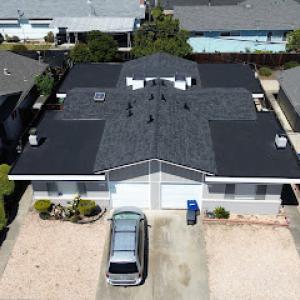
North City Roofing — Built on Family, Integrity, and Excellence At North City Roofing, roofing is more than a trade — it’s our legacy. With generations of experience, we take pride in delivering exceptional residential and commercial roofing services. Our team is committed to quality craftsmanship, safety, and transparency, keeping clients informed every step of the way. No job is too big or small, and we offer fast, efficient service with comprehensive evaluations and estimates. As a proud family-owned business, we treat every project like our own. Book your complimentary evaluation today — we look forward to working with you!

Sunnyside Roofing
(408) 460-8371 www.sunnysideroofinginc.com
Serving
5.0 from 32 reviews
We specialize in high-quality roofing services, including installation, repair, and maintenance. With a commitment to exceptional craftsmanship and customer satisfaction, our experienced team is dedicated to protecting your home with reliable and innovative roofing solutions.
Silicon Valley Roof Repairs
(650) 207-3441 roofrepairsantaclara.com
Serving
4.8 from 83 reviews
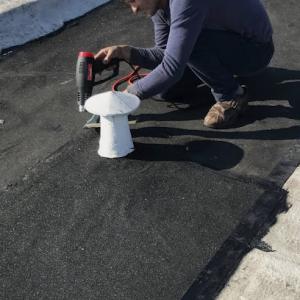
Over the last 30 years, Silicon Valley Roof Repairs has been serving all of the greater bay area communities. We are so proud to have earned the reputation as the go-to local roofing company in the Santa Clara and San Jose and surrounding areas. At Silicon Valley Roof Repairs, we believe in building lifelong customer relationships. By continually delivering on our promises to provide customers with the absolute best in customer service and top quality work, we’ve done just that— built a book of loyal lifelong customers.
Renuly
1669 Hollenbeck Ave, Sunnyvale, California
3.8 from 4 reviews
I pride myself on my professionalism, as well as my ability to complete every job to the homeowner's total satisfaction. I never leave a job unfinished, or a homeowner not 100% satisfied with my level of service - Call today!
Ferris Roof & Leak Repairs
(669) 310-4632 ferrisroofrepairweston.com
Serving
4.9 from 38 reviews
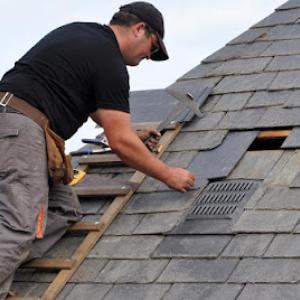
Ferris Roof & Leak Repairs specializes in fast, reliable solutions to keep your property protected. Our team handles everything from small leak repairs to storm damage fixes with skill and care, using quality materials that ensure long-lasting results. We focus on quick response, dependable workmanship, and clear communication, making it simple to restore your roof’s strength and reliability. When leaks or damage threaten your home or business, Ferris Roof & Leak Repairs is the trusted choice for effective, professional service.

Top Roofing
(408) 900-6551 toproofingca.com
Serving
5.0 from 42 reviews
Top Roofing is your trusted Cupertino CA based local roofing company specializing in roof replacements, roof repairs, and roof maintenance for both residential and commercial properties. We use only high-quality materials and expert craftsmanship to ensure long-lasting, reliable roofing solutions. Our fully licensed and insured team is committed to honest communication, fast response times, and exceptional customer service. Whether you need a new roof, leak repair, or routine maintenance, we provide free estimates and guarantee satisfaction on every job. For all roofing work in the Bay Area the team at Top Roofing are ready to help you with professional courteous service.
All About Roofing Repair & Installation
Serving
5.0 from 38 reviews
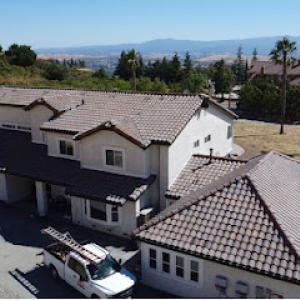
All About Roofing is a San Jose roofing company that combines true craftsmanship with an unmatched level of professionalism and affordability, that has garnered us a reputation as one of the best San Jose roofing companies in the area. Roofing emergencies happen. Luckily, All About Roofing is here to tend to emergencies both big and small – quickly. At All About Roofing we have years of experience tending to emergency roof repairs safely and efficiently. You can count on our team of experts to evaluate the damage, and make any necessary repairs before your home is further compromised. Call us or visit our website to get a free quote started today!
Shelton Roofing
(650) 961-7699 sheltonroof.com
Serving
4.8 from 109 reviews
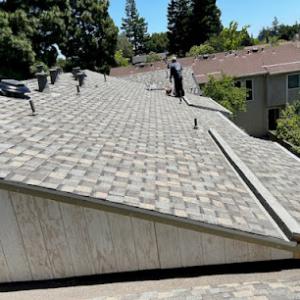
Shelton Roofing has proudly served Mountain View and the surrounding San Francisco Bay Area since 1942. Family-owned and operated for over 80 years, we have built a trusted reputation for excellence in roofing. Our goal is to provide every customer with the best products and services available in the roofing industry, ensuring each project is completed with quality workmanship, on time, on budget, and with the highest regard for safety. With thousands of roofs installed over the decades, Shelton Roofing continues to uphold its legacy of reliability, craftsmanship, and customer satisfaction in every job we take on.
A full roof replacement in Sunnyvale requires a permit through the City of Sunnyvale Building Division. That means your project isn't simply a matter of choosing shingles and a crew-paperwork and approvals matter just as much as the roofing materials. The permit process helps ensure ventilation, structural integrity, and fire safety align with local codes, especially on older tract homes where a reroof might involve more than a cosmetic refresh. If you're juggling a tile roof, attic ventilation, or any structural tie-ins, plan for a bit more lead time because the review can extend beyond a basic reroof.
Sunnyvale uses electronic submittals for permit processing, which affects how contractors prepare reroof applications and supporting documents. Your contractor should be ready to upload plans, roof ventilation calculations, framing details, and any plan amendments in a format that the city can review quickly. Expect digital sketches of rafter span support, attic vent layouts, and, if applicable, calculations for wind uplift and seismic considerations. Having these documents organized ahead of time minimizes back-and-forth and reduces delays caused by missing or unclear information. If you're coordinating with multiple crews, confirm who is responsible for the digital package so nothing slips through the cracks.
Inspections are required during and after installation in Sunnyvale, and some reroof jobs can trigger plan review when structural or ventilation changes are included. The typical flow includes an initial inspection when the roof deck or flashing is exposed, another during installation to verify nailing patterns and underlayment, and a final walkthrough to confirm proper venting and flashing details. If the project involves altering ventilation-such as enlarging or relocating soffit vents, ridge vents, or attic baffles-or changing roof slope or structural elements, a plan review may be activated. Respect the calendar by keeping the permit onsite accessible, and ensure the contractor's crew understands the inspection sequence to avoid rework.
Coordinate early with your roofer to assemble a complete electronic package, including venting layouts, method statements, and any required structural notes. When you anticipate tile or concrete tile work, double-check that the plan review scope covers reinforcement details and water intrusion protection, since those areas frequently trigger additional scrutiny. Schedule work windows that align with inspection days, and set aside buffer time for potential revisions requested by the Building Division. If you're replacing like-for-like with no ventilation or structural changes, communicate clearly, but still anticipate at least the standard inspection cadence. Planning around the permit process helps you avoid weather-driven delays, especially given Sunnyvale's wet winters and dry summers.
In Sunnyvale, reroof planning often includes coordination around existing or future solar because many homeowners want the new roof to outlast the solar mounting cycle. Start by confirming the current solar array's mounting method and insect/venting pathways under the existing roof. If the roof is being replaced to accommodate a longer service life, verify that the rafter layout and sheathing edge details align with the solar rake and any future module additions. Keep the weather window in mind: solar-ready reroofs benefit from a sequence that minimizes long, exposed gaps during the wet season, while still allowing for proper flashing and sealant cures around penetrations.
Skylight work is a notable local specialty, making flashing and curb details an important part of leak prevention during Sunnyvale reroofs. When a skylight is involved, inspect the curb for any compression failure or gaps between the curb and the roof plane. Plan for updated flashing with a continuous seal, and confirm the compatibility of the skylight flashing kit with the chosen roofing material. If the roof is being lifted off for replacement, ensure temporary weather protection is in place and that the new curb flashing is installed before the finish materials go back on. A well-sealed integration reduces follow-up leaks around seasonal rains.
When reroof scopes in Sunnyvale add ventilation or penetration changes, the permit path can become more involved than a like-for-like replacement. Even if the primary goal is a straightforward roof swap, consider how attic ventilation, soffit vents, and any vented gable ends will interface with the new roof deck. Plan for an airtight transition around any chimney, vent, or plumbing stack, and confirm that vent sealing matches the chosen roof system's requirements. A proactive approach helps protect against moisture buildup during the region's wet season.
Coordinate the project so critical flashing work and vent terminations are completed before the rainy months begin, while still allowing a dry, warm window for asphalt, tile, or metal roofing substrates to cure. Build in buffer days for unexpected weather and for final inspections of skylight and solar flashing to confirm no residual seepage paths exist.
Find contractors experienced in skylight installation, flashing, and leak repairs to bring natural light into your home.
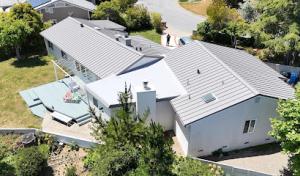
Lifetime Roofing & Renovation
(408) 685-2177 lifetimeroofingrenovation.com
333 Cobalt Way #103, Sunnyvale, California
4.8 from 142 reviews
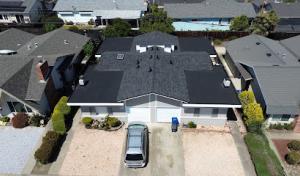

On Sunnyvale's dry summers and wet winters, tile roofs tend to reveal leaks less from the tiles themselves and more from aging underlayment and flashing details beneath the field tile. Over time, the underlayment can become brittle or delaminate where fasteners and penetrations sit, and flashing around chimneys, vents, and transitions can lose its seal. If an older tract home uses a barrel or flat-tiled pattern, the problem often shows up as slow seepage at intermediate tiles or along ridge lines where the flashing shoulders meet the tile row. Regular attention to that hidden layer saves you bigger headaches later.
Low-slope sections found on additions, garages, and some commercial-style buildings in Sunnyvale need different drainage and membrane attention than the main pitched roof. Water can pond or migrate across seams, especially near parapets or transitions into the main roof. The membrane beneath these areas must be continuous and compatible with the surrounding roof system; gaps or mismatches invite slow leaks that creep toward interior walls. Pay particular attention to edge termination details, valley intersections, and any change in slope where the membrane may be exposed to heat and UV over the seasons.
Summer heat in Sunnyvale can affect material handling and installation pace, which matters for sealants, underlayments, and exposed low-slope work. Heat can soften, cure, or damage sealants if applied at peak temperatures, and crews rushing through a high-demand season can overlook small but critical lapses in flashing or flashing-counter joints. Schedule critical sealant work for cooler periods when possible, verify proper surface preparation, and ensure membrane laps are fully adhered before heat of the day sets in. A careful installation window reduces the chance of early-age leaks during the wet months.
Find specialists in TPO, EPDM, and built-up flat roofing systems for residential and commercial properties.

Specialist Roofing & Repair
(408) 662-1686 specialistroofing.com
830 Stewart Dr #245, Sunnyvale, California
4.9 from 59 reviews
Lifetime Roofing & Renovation
(408) 685-2177 lifetimeroofingrenovation.com
333 Cobalt Way #103, Sunnyvale, California
4.8 from 142 reviews
In Sunnyvale, insurers have tightened underwriting and pulled back on coverage in some cases, especially as roofs age or show maintenance gaps after a dry-winter season followed by heavy winter rains. When a claim is opened, you'll need a clear, dated record of the roof's condition before the event, plus after-photos that show the extent of damage or wear. Expect a file with age estimates, photos taken from multiple angles, and notes from a licensed contractor. Keeping a simple, organized folder for each roof year helps if the claim is reviewed months later or if a later carrier questions prior damage or wear.
Roof-related claims in this market typically require professional documentation and sometimes an adjuster site visit. An adjuster will look for specific indicators: the roof's age relative to the home, recent storm impacts, flashing integrity, and any signs of prior repairs. If the home has a tile roof, pay particular attention to broken tiles, granule loss, and evidence of leaks around penetrations. Having a contractor report prepared before the adjuster appointment can prevent back-and-forth and speed the evaluation. The goal is to present a consistent narrative across photos, contractor notes, and your personal observations.
Some carriers serving California homeowners may ask for roof certifications or proof of upgrades before issuing coverage or approving payout tied to roof condition. If the roof has undergone recent upgrades or retrofits-especially ventilation improvements or underlayment changes-have the installer's certificates and warranty language ready. In practice, this means coordinating with your roofer to secure a current, stamped report that aligns with what the insurer expects. A smooth claim hinges on clear, corroborating documentation and an established record that the roof's condition aligns with the policy language you rely on after a winter's weather swings.
Connect with contractors who help homeowners navigate the claims process from damage assessment to final approval.

Home Pro Roofing & Solar
(800) 650-3134 www.homeproca.com
100 S Murphy Ave, Sunnyvale, California
5.0 from 32 reviews
Specialist Roofing & Repair
(408) 662-1686 specialistroofing.com
830 Stewart Dr #245, Sunnyvale, California
4.9 from 59 reviews
Lifetime Roofing & Renovation
(408) 685-2177 lifetimeroofingrenovation.com
333 Cobalt Way #103, Sunnyvale, California
4.8 from 142 reviews