Last updated: Apr 19, 2026
Spring and shoulder seasons bring a practical window for scheduling re-roofs and underlayment work. The area's dry, warm summers and mild, wetter winters mean full tear-offs are easier to schedule outside the winter rain period. If you're planning a roof replacement, target late spring or early fall when the weather is typically stable, the soil is workable, and crews can keep a steady pace without the interruptions that late-season storms bring. In these windows, a well-timed tear-off reduces the risk of water intrusion and minimizes the chance of residual moisture slowing adhesives and membranes. For projects with significant tile or slate demands, this timing also aligns with crews who have solid access to long dry spells between rain events, making the schedule more predictable.
H3: Morning humidity and underlayment timing
Bay-influenced dew and humidity on cooler mornings in the south Bay can slow adhesive and underlayment set times even when the day later turns warm. When planning nights with cooler air, choose install days with a forecast that promises dry hours by mid-morning or early afternoon. If a morning dew event is likely, consider delaying the first adhesive application until the surface has reached a stable, dry temperature, helping membranes set properly and reducing the risk of micro-leaks along edges. On days when the low temperature lingers, crews may stagger vapor barrier installation to ensure the base layer has enough cure time before the sun drives higher temperatures.
H3: Full sun and peak heat considerations
Strong summer sun in inland Santa Clara County conditions can increase UV exposure on exposed membranes and make installation conditions harsher on hot afternoons. On hot days, set long, exposed runs for early morning or late afternoon to avoid the peak sun. Use temporary shading over sensitive membranes and cap fasteners during the hottest hours to minimize thermal expansion gaps. If a roof project spans multiple weeks, plan the most heat-sensitive tasks for mornings and keep material temps in check by storing shingles and underlayment away from direct sun when possible. The goal is to keep adhesive and sealants from curing too quickly, which can compromise performance and long-term waterproofing.
H3: Seasonal cadence and long-term performance
A steady seasonal cadence matters for Milpitas homes, especially those with substantial tile or composite roofing stock. Year-round, prioritize comprehensive inspection of underlayment integrity after each sustained wet period. If a winter rain event occurs between planned phases, ensure temporary protection is in place and that the crew revisits any areas where moisture may have penetrated. When winter returns, qualify the remaining work to avoid exposed membranes during rain, and coordinate with crews to resume once the forecast shows a string of dry days. A well-timed schedule reduces the chance of rework and helps the roof perform through the bay-influenced humidity cycles and the hot inland afternoons.
Tile roofs-especially clay and concrete-are a common sight in the housing stock around the south Bay. The visible tiles often exceed the life of the waterproofing layer beneath them, so the real decision point isn't just "is the tile worn?" but "is the underlayment still doing its job under those tiles?" In this climate, San Francisco Bay's influence means mild winters with rain, bright summers, and moisture in the morning air that can linger. Those conditions push you to pay attention to how the underlayment, flashing, and roof penetrations are holding up, not just the tiles themselves.
For older tile systems, a common scenario is broken field tiles that prompt repairs to restore surface protection. Replace individual broken tiles with matching profiles, but don't assume that a few intact tiles mean the roof is still sound. The underlayment-the "hidden layer" that actually resists leaks-ages differently and often becomes the weak link long before the visible tiles fail. In Milpitas, where morning moisture can condense on the surface, a degraded underlayment can hide steady leaks until a heavy rain tests the system. If you're retiling or repairing tiles, evaluate the underlayment condition as a separate decision point rather than treating it as an automatic afterthought.
The absence of harsh freeze-thaw cycles means tile problems in this area are less about cracking from contraction and more about how the underlayment, flashing, and edge details hold up to wind-driven rain and foot traffic during repairs. When workers walk on a tile roof, improper foot traffic can crush underlayment beneath the surface, or damage flashing seals around chimneys, vents, and skylights. If the underlayment has aged, it can fail even if the tile surface looks fine. That means a roof replacement plan should consider reapplying or upgrading the underlayment as a parallel path to tile replacement, rather than relying on the tiles alone for long-term protection.
Timing is a two-part calculation: you need a window with dry, moderate weather to work safely on a tile roof, and you want the underlayment to be fresh when the tile isn't providing a robust shield against morning moisture or seasonal rain. Plan major underlayment work for periods with predictable dry spells after the winter rains and before the peak heat of summer. Conversely, avoid scheduling significant underlayment work during the wet season, when rain can interrupt installation and obscure leaks until after the season ends. If winds are strong, flashing details should be inspected and, if needed, reseated or upgraded to maintain a tighter seal around vent stacks and chimneys.
Regular inspections after winter storms and after any roof-accessible maintenance are essential. Look for loose or cracked tiles, exposed underlayment edges where the surface may have worn away, and signs of moisture intrusion around penetrations. Pay particular attention to areas with heavy foot traffic during repairs and around flashing lines where the deck meets the tile. A proactive approach-addressing small tile cracks and aging underlayment before a major storm-helps prevent bigger, messier leaks that complicate repairs later. In this market, a cautious eye on underlayment health is the best defense against hidden failures beneath a tile roof. In Milpitas, those hidden failures are often the difference between a routine fix and a high-cost, widespread repair.
Find contractors who specialize in clay and concrete tile roofs, known for their durability and curb appeal.
Apollo Roofing Company
(408) 317-7269 www.apolloroofingcompany.com
1619 S Main St Ste 103, Milpitas, California
5.0 from 46 reviews
Apollo Roofing Company
(408) 317-7269 www.apolloroofingcompany.com
1619 S Main St Ste 103, Milpitas, California
5.0 from 46 reviews
Apollo Roofing Company is the go to roofing company in Milpitas and the surrounding areas. As a residential and commercial roofing contractor, we provide a wide range of services for multiple roof types including, metal roofs, asphalt roofs, tile roofs and more. Regardless of the scale of the job, we provide the same first-class service to all homeowners while upholding a high standard for safety, honesty, and dependability. We are committed to bring you roofing services that you can afford and be a company you can trust. "By Appointment Only"

Jerson Roofing
(408) 876-9630 jersonroofing.com
1765 Landess Ave, Milpitas, California
4.6 from 10 reviews
Roofing contractor specializing in repairs new roof install rains gutters fabrication metals compose shingles standing seams metal roof decks all types waterproofing residential and commercial services
Westshore Roofing
(408) 456-0200 www.westshoreroofing.com
Serving
4.7 from 88 reviews
Westshore Roofing, Inc provides professional roofing installation and repair services to homes throughout San Jose and the Bay Area. We have earned certifications from numerous manufacturers and we've won Angie's List Superior Service Award for 10 years in a row. Call us today.
KITA Roofing
(888) 787-8575 kitaroofing.com
Serving
5.0 from 18 reviews
KITA Roofing is your trusted roofing contractor in San Jose, CA, proudly serving the Bay Area. We specialize in residential and commercial roofing, roof repairs, asphalt shingles, and more. Whether it’s a roof leak, need emergency roof repair after a storm, or routine maintenance, we’ve got you covered. We also handle siding repair & gutter repairs, plus professional roof cleaning to keep your property in top shape. Our expert exterior services ensure your home or business is protected and looks its best. Clients choose KITA Roofing for our strong warranties, flexible financing, and quality craftsmanship—backed by certifications from Duro-Last, CertainTeed, and GAF.
Los Gatos Roofing
(408) 677-2818 www.losgatosroofing.com
Serving
4.8 from 288 reviews
Los Gatos Roofing is more than just a roofing company. In addition to offering roof repairs and replacements, we offer high quality, professional gutters and installation. Los Gatos Roofing is one of the few companies that can offer custom made seamless gutters onsite anywhere in the Bay Area. Los Gatos Roofing has five different profiles of gutter to match the style of your home. Most styles are available in both aluminum and steel and are offered in over 20 different colors. For a free estimate on new gutters for your home reach out to one of our professional estimators today.

All About Roofing Repair & Installation
Serving
5.0 from 38 reviews
All About Roofing is a San Jose roofing company that combines true craftsmanship with an unmatched level of professionalism and affordability, that has garnered us a reputation as one of the best San Jose roofing companies in the area. Roofing emergencies happen. Luckily, All About Roofing is here to tend to emergencies both big and small – quickly. At All About Roofing we have years of experience tending to emergency roof repairs safely and efficiently. You can count on our team of experts to evaluate the damage, and make any necessary repairs before your home is further compromised. Call us or visit our website to get a free quote started today!
Journey Builders Inc Roofing Contractors
(408) 752-5553 journeybuildersinc.com
Serving
3.9 from 24 reviews
Journey Builders is a roofing and construction company, based in San Jose, CA that serves the counties of Santa Clara County, San Francisco Bay Area, Kern County, Monterey County, and surrounding cities. Over the years, our company has grown into the premier provider of construction and roofing services in Northern California. All of our roofing specialists are experienced in providing the best energy-efficient options to all of our customers. Our meteoric rise to the forefront of the roofing industry is a direct result of our customer-first approach.
Conrad Roofing Service
(408) 294-7615 conradroofingservice.com
Serving
5.0 from 65 reviews
For over 85 years, Conrad Roofing Service has installed high-quality roofs. Always focused on the small details, our professional staff specialize in installing top of the line composition shingles and gutters. As we strive to become the largest go-to residential roofing company in the bay area, we will offer our customers the best solutions to take care of their home. From our dedicated staff out in the field, to our project managers creating the most efficient strategy for your project, we will make sure your house ends up looking clean and waterproof. Guaranteed!

Newhaus Roofing & Construction
(669) 287-8895 newhausroofing.com
Serving
4.9 from 143 reviews
At Newhaus Roofing & Construction, we take pride in serving San Jose, CA, with over 25 years of expertise in residential and commercial roofing. As a family-owned, licensed, bonded, and insured company, we handle every job in-house—never subcontracting—to ensure top-quality workmanship. We are Owens Corning Preferred Contractors, certified by Owens Corning University and CSLB licensed. Our services include roofing, gutters, insulation, solar, roof venting, cool roof systems and AC, along with roof insurance claims, appraisals, warranties, and drone inspections. We offer free inspections, estimates, and flexible financing to make roofing affordable. Contact us today!
Q7 Roofing & Waterproofing
(669) 231-4956 www.q7roofing.com
Serving
4.7 from 17 reviews
Welcome to Q7 Roofing & Waterproofing, your trusted partner in preserving the integrity and beauty of your home or business. Located in the heart of San Jose, CA, we are a family-owned and operated company, holding License #1107498, and have been dedicated to providing top-notch roofing services since our inception. Our team boasts over 60 years of combined experience, ensuring that every project we undertake is completed with the highest standards of quality and professionalism.
Arch Roofing
Serving
4.7 from 18 reviews
Arch Roofing, Inc. is your trusted Fremont roofing contractor, dedicated to providing top-quality roofing solutions. Located in the heart of Fremont, we offer expert craftsmanship and reliable service for all your roofing needs. Discover how Arch Roofing, Inc. can protect your home or business with durable, long-lasting roofing solutions.
McGraw & Sons Roofing
(408) 306-6137 mcgrawandsonsroofing.com
Serving
4.8 from 26 reviews
Welcome to Mcgraw And Sons roofing, San Jose's choice for top quality roofing services. Whether you need a re-roof, roof Repair, roof maintenance or any other roofing services we are here to help you transform your house to a place you are proud to call home. We serve the entire bay area, including San Jose, San Francisco, Santa Cruz and beyond.
In Milpitas, rooftop solar retrofits are common, and the sequence of panel removal and reinstallation matters for a clean, leak-free interface. When you plan a re-roof, coordinate with the solar contractor to map out which panels will come off first, how the rails will align with new underlayment, and where temporary seals will live during each removal step. On tile or composition roofs, a staged approach minimizes exposure of underlayment to moisture and reduces the risk of flashing damage. If a full roof replacement is anticipated, schedule the solar work so that panel removal happens only after the old roof is stripped and the new underlayment is in place, with flashing details tested before panels go back on. This sequencing helps prevent multiple penetrations from becoming leak points.
On tile and composition roofs, penetrations for solar mounts or skylights create leak-prone transition points if flashing details aren't updated during re-roofing. Ensure that every mounting foot is backed by an integrated flashing kit that seals against the substrate and new underlayment. For tile roofs, use a through-fastened or tile-cut mounting method that preserves the tile's watertight profile while allowing proper seal around the hardware. Skylight openings benefit from a gasketed curb with matching field flashing and a continuous drip edge. Milpitas homes often rely on a mix of tile and composition assemblies, so your plan should specify high-quality underlayment seams and continuous side flashing around vents and skylights to prevent moisture tracking from bay-influenced morning humidity.
Timing roof work to avoid the heaviest rain is essential, given the Bay Area's winter pattern, yet extended dry spells in summer can drive UV degradation if the roof isn't fully protected during a project. In practice, aim for a window with predictable dry days and minimal morning dew lift, so flashing can be seated and tested under steady conditions. For solar mounts, choose mounting hardware that tolerates thermal cycling and keeps flashing tight as temperatures swing between cool mornings and warm afternoons. A well-timed re-roof around the shoulder seasons helps ensure the underlayment and flashing stay dry during installations and reduce the chance of early-stage leaks.
Homeowners in this market often compare reroof-first versus solar-ready approaches because contractors offer both solar-roofing and skylight-capable services. If a roof is nearing end-of-life, consider replacing first with a robust, fully flashed interface, then reinstalling solar afterward with a clean, tested seal. Conversely, if solar and skylight plans are definite, ensure the roof covering can accommodate the projected panel layout and flashing details without compromising tile integrity or underlayment continuity. The goal is a durable, watertight transition that ages well with the roof and the solar system alike.
Find contractors who integrate solar panels or solar shingles into your roof for long-term energy savings.
Apollo Roofing Company
(408) 317-7269 www.apolloroofingcompany.com
1619 S Main St Ste 103, Milpitas, California
5.0 from 46 reviews
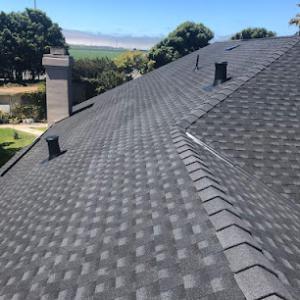
Asphalt shingles remain a practical fit for many Milpitas homes because the city's climate is not dominated by snow load or hail impact, making cost and UV resistance bigger decision factors. The texture and color options matter when you're balancing energy gain from reflectivity with long-term underlayment needs. In dry seasons, ensure the roof deck is clean and dry before any resealing, and schedule re-coverings to avoid the winter rains that can overwhelm older underlayment. Regular inspections after UV-heavy summers help detect granule loss and early flashing wear.
Metal roofing can perform well in sun exposure and winter rain, but neighborhood aesthetics and retrofit complexity can matter more here than severe-weather resistance. If you're considering metal, pay attention to fastener patterns and panel overlaps that deter bay-influenced morning moisture from stagnating at joints. A relatively lightweight retrofit may require assessment of existing framing and gutters to prevent note-worthy drainage changes. Choose a profile that harmonizes with nearby homes, and plan for paint or coating refreshes to maintain curb appeal over time.
Wood shakes and shingles appear in the local contractor mix, but Milpitas homeowners must weigh appearance against California fire-safety expectations and insurer scrutiny on roof condition and material type. Fire-rated underlayment becomes a practical step if you opt for wood, especially in areas with dry summer spells and morning moisture that can soften wood fibers. If you're keeping wood, expect more frequent maintenance of edge and rafter flashings and ensure proper clearance around chimneys and vents to minimize heat-related degradation and ember risk.
Underlayment quality matters because moisture moves differently with bay-influenced mornings. You want an underlayment that resists both wind-driven rain and the occasional fog drip without compromising breathability. The best approach is to align underlayment replacement with major roof refresh cycles, so you aren't chasing leaks during the rainy season. Establish a simple, repeatable leak-response plan-spot-repair quickly, document where moisture enters, and verify that flashing around skylights and vents remains continuous after every maintenance window.
The most popular roofing material in the US. Find pros who install, repair, and replace asphalt shingles.
Apollo Roofing Company
(408) 317-7269 www.apolloroofingcompany.com
1619 S Main St Ste 103, Milpitas, California
5.0 from 46 reviews

Jerson Roofing
(408) 876-9630 jersonroofing.com
1765 Landess Ave, Milpitas, California
4.6 from 10 reviews
Milpitas roofing costs are influenced by Bay Area labor pricing and the city's strong re-roof market, where established crews and quick scheduling can carry a premium. In practice, that means the labor component on any re-roof tends to be as decisive as material choice. You'll notice daylight between a straightforward shingle swap and a tile-heavy project, not only in price but in scheduling certainty. If your roof is older and needs more underlayment work, expect a bump in labor hours even before material costs are added.
Tile roofs are common in Milpitas, and they can cost more to reroof because tear-off, tile handling, underlayment replacement, and any broken-tile replacement add labor compared with basic shingle work. The extra steps matter: tile spans require careful staging, potential crane or hoist use for heavy bundles, and meticulous cleanup to keep the yard safe for kids and pets. If your home has a clay or concrete tile roof, plan for the higher end of the price ranges and consider extending the schedule to allow for precise tile salvage and reinstallation. Even when tiles survive, underlayment must be refreshed to ensure a solid seal against bay-influenced moisture and winter rains.
Project timing can affect pricing in Milpitas because winter rain delays and summer heat windows influence crew availability, staging, and how long a home remains in active construction. In winter, rain can pause work for days or weeks, shifting crew calendars and potentially driving up contingency costs. In peak summer, heat can slow labor comfort and productivity, and tighter windows can push up bids from busy crews. When you're coordinating around Bay Area moisture patterns, aim for early fall or late spring for less weather risk and more predictable scheduling. If winter rain is anticipated, you may see higher quotes to cover weather-related risk and rapid sequence planning.
Asphalt Shingles: 350-650 USD per square. Metal Roofing: 700-1200 USD per square. Clay Tile: 900-1500 USD per square. Concrete Tile: 800-1200 USD per square. Wood Shingles/Shakes: 600-1000 USD per square. Synthetic/Composite Shingles: 500-900 USD per square. In Milpitas, these ranges reflect both material quality and the extra labor associated with underlayment renewal, tile handling, and timely staging around the bay-influenced climate.
Get a clear picture of your project costs upfront - no commitment required.

In Milpitas, a full re-roof is typically treated as more than routine maintenance and requires a city permit. That permit ensures the project design, flashing, underlayment, and ventilation meet local codes and neighborhood standards. The permit status helps protect you from hidden issues that can arise after rain and sun exposure, especially given the bay-influenced humidity and the mix of tile and other roof types common in town. Understanding that this is a permit-driven project helps you align expectations with your contractor and the inspections team from the start.
The usual Milpitas process starts with a contractor submitting project details-roof type, calendar window, and underlayment plan-so the city can review for code compliance and compatibility with existing structures. After the review, a permit is issued and the work can begin. The city's review is intended to catch drainage, venting, and flashing concerns before the first nail goes in, which helps avoid rework later on. Knowing this flow helps you coordinate paperwork, scheduling, and weather-related decisions with your contractor.
Because Milpitas uses staged inspections on reroof projects, timing matters, especially when underlayment will be exposed during wetter parts of the year. Pre-roofing, underlayment installation, and final inspection points are typically separated into distinct milestones that align with weather and access needs. If a forecast shows persistent rain during an early stage, discuss with the contractor how to protect exposed underlayment and maintain a continuous sequence of inspections. Planning ahead reduces the risk of weather delays cascading into permit hold-ups.
Staged inspections commonly include pre-roofing, underlayment, and the final inspection. For each milestone, gather the required documentation, such as approved plans or installation specifications, and ensure access is ready for the inspector. Clear communication with both the contractor and the building department keeps the process smooth, especially when adjustments are needed due to site-specific constraints or unexpected weather gaps. A well-timed sequence helps keep the project on track and minimizes the chance of rework during the critical wet-to-dry transitions.
Milpitas homeowners operate in California's broader insurance environment, where carriers increasingly focus on roof age, condition, and photo documentation even when coverage remains broadly available. The moment a storm rolls in, or a leak appears, the dynamic shifts from memory-based claims to verifiable evidence. Understanding this landscape helps you avoid delays and surprises when a claim is filed after winter rains or bay-influenced morning moisture.
After winter storms or leak events in Milpitas, insurers may request photos, maintenance history, and a prompt post-storm roof evaluation rather than relying only on the homeowner's description. Clear, timestamped images showing the roof surface, penetrations, flashing, and gutter intersections can become the backbone of a claim. Organize a simple file that includes dated photos taken from multiple angles, plus notes on when any maintenance or repairs occurred. This practice minimizes back-and-forth and helps demonstrate ongoing care.
Material type matters in claim review, so Milpitas owners of older wood, tile, or aging shingle roofs should document condition before damage occurs. A routine, honest record of existing wear-moss on clay tiles, cupping shingles, or cracked flashing-helps establish baseline condition if a problem arises. If a storm triggers new damage, compare current photos with earlier images to show progression and prevent disputes over pre-existing issues.
Think ahead about how moisture behaves in this climate. Bay-influenced morning dampness can mask small leaks until they become visible interior signs. Encourage regular, proactive inspections after the wet season and again after hot, dry spells that stress underlayment. When a claim is possible, you want to present a concise narrative supported by dated visuals and a short maintenance log. A well-documented roof history can smooth the path from assessment to resolution, especially for older roof assemblies common in Milpitas neighborhoods.
Connect with contractors who help homeowners navigate the claims process from damage assessment to final approval.
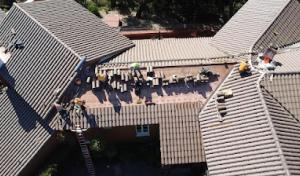
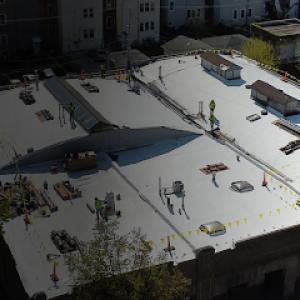
Although Milpitas is largely known for pitched residential roofs, the local contractor mix shows meaningful demand for flat and low-slope work tied to additions, multifamily sections, and commercial properties. That mix means you may encounter a range of membrane types, from modified bitumen to TPO, each with its own maintenance cadence. Understanding how this neighborhood leans toward practical, durable solutions helps you plan projects that blend with existing structures and reduce disruption on busy street-fronts.
In Milpitas's dry-summer climate, coatings and restoration may be considered on select low-slope roofs, but winter rain timing makes substrate dryness and application windows important. When you're scheduling an upgrade or patch, prioritize periods with predictable dry spells and warming daytime temperatures to support adhesive and field-applied coatings. For additions or re-roofing, coordinate with the wetter months so interior spaces are protected during roof work and moisture-sensitive underlayment has sufficient cure time before rain events.
Low-slope leak diagnosis in Milpitas often centers on drainage, penetrations, and membrane aging rather than snow-related ponding or ice backup. Start inspections by tracing runoff patterns on the surface toward scuppers or gutters, then verify that penetrations around vents, skylights, and parapets are sealed with compatible sealants and flashing. Inspect the field membrane for nicks, blisters, or edge deterioration, and check for shallow, UV-accelerated wear near expansion joints. If aging is evident, plan targeted repairs rather than full replacement to minimize downtime on multifamily or commercial assets.
Find specialists in TPO, EPDM, and built-up flat roofing systems for residential and commercial properties.