
Last updated: Apr 19, 2026
The typical weather cycle in this area brings most of the year's moisture in a relatively short winter window, followed by long, sun-drenched summers that bake surfaces. That pattern wears materials differently: shingles and tiles can age quickly under both seasonal extremes if they're not chosen and cared for with the climate in mind. A roof that handles the damp mid-winter air, plus the dry, sunny afternoons that follow, tends to stay watertight longer and avoid accelerated material fatigue or coating failures. In practical terms, plan for a system that resists moisture ingress in winter and minimizes surface degradation from UV exposure in summer.
In this market, roofs fall into a wide spectrum-from asphalt shingles to heavy tile and even slate. Asphalt remains a familiar, cost-conscious option, but its maintenance cadence will look different than heavier systems if you want to avoid early aging in the dry season. Metal roofs offer a leaner profile with fast drainage and strong wind resistance, but metal behaves differently in the heat and can require attention to flashing and coatings. Clay and concrete tiles are common on older Peninsula homes and newer builds alike, prized for their long lifespan and their heat tolerance. Wood shakes bring a rustic look and solid insulation potential, yet they demand vigilant protection from moisture and pests. Slate provides timeless durability and a high-end performance profile, though installation and care must account for its weight and breakage risks. Each material carries distinct maintenance expectations, so a mixed-row neighborhood may show noticeably different replacement cycles even on adjacent houses.
Tile and slate handle the wet-dry cycle with particular resilience because their surface properties shed moisture when water is present and resist rapid sun-induced surface breakdown when dry. They are slower to delaminate or develop microcracks under repetitive freeze-thaw patterns that aren't typical here, and their mass helps stabilize attic temperatures across seasons. If the goal is a roof that keeps waterproofing intact while aging gracefully through years of sun exposure, tile or slate offers a predictable performance path. For some homeowners, that longer lifespan translates into fewer mid-life repairs and a lower maintenance cadence compared with lower-cost, more reactive systems.
During wet winters, prioritize thorough inspection of joints, valleys, and eaves to spot any small drips before they become larger problems. Pay attention to changes in color of the roofing material in shaded areas, which can signal moisture retention and moss or lichen growth; address this promptly to prevent surface breakdown. In dry summers, monitor surface granule loss on asphalt or any microcracking on tiles or slate, which can accelerate water intrusion risk if left unaddressed. For tile and slate, ensure ridge caps and hip areas stay sealed and that gutters remain clear to prevent ice dam-like effects during rare cool mornings. A neighborly rule of thumb is to schedule a mid-season check after the heaviest winter rainfall to gauge whether any flashing or sealant components need resealing for the dry season.
Think about how the different materials will age under both moisture and sun. If you live in a part of the neighborhood with older, heavier housing stock, you may encounter roof structures that aren't originally designed for heavier tiles or slate. In those cases, a retrofit or reinforcement assessment is prudent to avoid compromising the deck or rafters over time. For homes facing strong solar exposure, select a color and surface finish that minimizes heat absorption and reduces thermal cycling, which can stress fasteners and underlayment. Align your material choice with a realistic maintenance plan: heavier, longer-lasting options like tile or slate reduce frequency of major interventions, but they demand careful weight considerations and professional installation to maximize their climate-specific benefits. A thoughtful combination of material properties, seasonal upkeep, and structural compatibility will yield a roof that holds up through Palo Alto's wet winters and dry summers.
In this market, re-roofing dominates the scene more than new construction, so many projects focus on aging roof assemblies on established homes rather than a complete teardown. That means you're often balancing familiar Peninsula architecture with the realities of retrofit work: decking, ventilation, and drainage details that haven't been refreshed in decades. When a homeowner chooses to move from a lighter roof to a heavier tile system, plan review may come into play, and structural suitability becomes a bigger concern than a like-for-like replacement. The people you want on the project are those who understand the subtle quirks of long-standing homes-where original framing, sheathing, and attic space were never meant to accommodate a modern tile load or the moisture dynamics of our wet winters and dry summers.
The Bay Area's climate yields a sharp seasonal shift that stresses roof assemblies differently than other regions. Heavier tile systems, especially clay or concrete, impose new dead loads that older framing may not comfortably support without reinforcement. Before choosing a path, you should have a qualified structural assessment that spells out load calculations, potential framing tweaks, and whether existing bracing is sufficient to prevent sagging, racking, or fastener failure over time. It's not merely about replacing shingles; it's about ensuring the attic ventilation and insulation continue to perform as the roof changes. Even when a retrofit seems straightforward, the underlying structure can reveal surprises once the old underlayment, sheathing, and fasteners are removed. Expect that some upgrades-like upgraded deck attachments or reforging rafters-may be necessary to maintain long-term performance.
When considering a heavier tile, the decision should hinge on how the material behaves across wet winters and dry summers. Clay and concrete tiles resist moisture well but are brittle if applied over a compromised deck or with insufficient attic ventilation; they demand careful slope, underlayment, and secure fastening to withstand wind-driven rain and thermal expansion. If a lighter system is still viable, it can offer easier retrofits and fewer structural upgrades, reducing the chance of incidental damage to older framing during removal of the existing roof. In contrast, metal roofing can be less intrusive in load terms if the structure is marginal for heavier tile, but it introduces different weathering patterns and compatibility considerations with older flashing and eaves. Wood shingles and slate bring their own sets of concerns, from moisture management to maintenance cadence, which can complicate retrofits on homes built with different construction standards.
The market here is built around crews who specialize in older Peninsula housing stock and retrofit challenges. Seek contractors with a track record of re-roofing established homes, who can present a practical plan for assessing deck integrity, ventilation updates, and seamless integration with existing gutters and chimney details. Long-established contractors bring a familiarity with the peculiarities of Peninsula architecture, including how to work around scarce access, dormer shapes, and the subtle requirements of historic-looking facades. A careful, staged approach-removing, inspecting, and reinforcing in phases-often yields fewer surprises and smoother coordination with inspectors, scaffold placement, and neighbor-friendly scheduling.

NR Roofing
(669) 345-4555 www.nrroofingca.com
Palo Alto, CA
4.9 from 155 reviews
NR Roofing CA is your trusted local roofing company in San Jose, California, offering expert repair, installation, and maintenance services for all types of roofs. Whether you need a quick roof repair or a complete new roof installation, NR’ team of professionals is ready to assist you today. With a rich legacy of providing exceptional roofing services across San Jose and Santa Clara County, NR Roofing CA has built a reputation for reliability, quality, and customer satisfaction that you can count on. NR Roofing offers all roofing services: New Roof installation and Roof Repair service, for commercial and residential properties in the Bay Area. We offer free quotes on roofing projects and welcome you to contact us for free consultation.
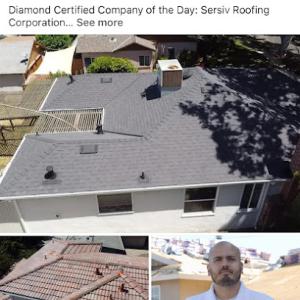
Sersiv Roofing Corporation
Palo Alto, CA
4.9 from 13 reviews
Protect your largest investment with our reliable roofing services. We are a locally owned and operated roofing company currently serving Sunnyvale, CA and surrounding communities. If you want to make your roof last as long as possible, it is vital that you never put off a roof repair. Small issues with roofing become big issues in a hurry. No matter how major or minor the repair you need, we are here to help. We offer roof installation, roof repair, and roofing service. -Repairs -Wood Shake Installation - Tile Roof Installation -TPO System Installation -PVC System Installation -Commercial Roofing - Maintenance -Gutter Replacement -Asphalt Shingle - Re-Roofing -Water Leak Repairs - Overlay Roofing
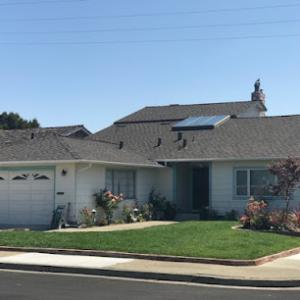
Alpha Roofing
Palo Alto, CA
5.0 from 2 reviews
Whether you have an unexpected roof leak, a fallen tree on your roof, or other major damage to your roof, call Alpha Roofing for fast, affordable, and reliable roofing service. If you live in the Bay Area cities from Sunnyvale, CA to San Francisco, CA, we will gladly come to your home or business to provide you with worry-free roofing repairs or replacements in the event of an emergency. Our roofing contractors will work quickly, while maintaining quality, to prevent any further damage to the rest of your property.

Flawless Roof Repair & Installation
(650) 900-0052 www.roofrepairpaloalto.com
Serving
5.0 from 38 reviews
As a local roofing contractor in Palo Alto California, who have been servicing roofs in Palo Alto CA since 2012, we believe that there is such thing as a roof repair that is too big or too small. Whether you need a minor leaking repair, or complete roof replacement, we can help. We have the tools, the knowledge and the experience to service any roof in Palo Alto. Just as we do in all our roofing projects, Our experts take a personalized approach to your roofing project to ensure the best possible solution and a worry-free experience
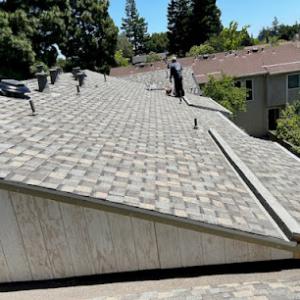
Shelton Roofing
(650) 961-7699 sheltonroof.com
Serving
4.8 from 109 reviews
Shelton Roofing has proudly served Mountain View and the surrounding San Francisco Bay Area since 1942. Family-owned and operated for over 80 years, we have built a trusted reputation for excellence in roofing. Our goal is to provide every customer with the best products and services available in the roofing industry, ensuring each project is completed with quality workmanship, on time, on budget, and with the highest regard for safety. With thousands of roofs installed over the decades, Shelton Roofing continues to uphold its legacy of reliability, craftsmanship, and customer satisfaction in every job we take on.
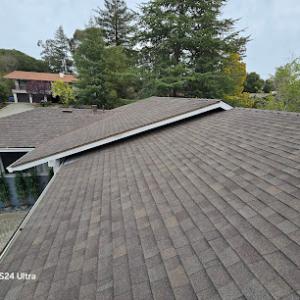
Bay View Roofing
(408) 705-0059 www.bayviewroofinginc.com
Serving
5.0 from 27 reviews
28 yrs experience, dependable, honest, informative, skilled.
Dura-Foam Roofing & Solar Center
Serving
4.8 from 82 reviews
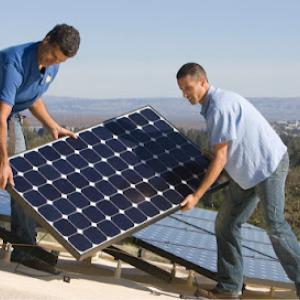
Dura-Foam Solar Center – Expert Foam Roofing, Solar Roofing & Coating Services in Menlo Park Dura-Foam Solar Center has proudly served Menlo Park and the Bay Area since 1981, specializing in high-quality foam roofing, shingle roof coatings, solar roofing installations, and power washing services. With over 20,000 satisfied customers, we combine decades of experience with the latest energy-efficient technologies to protect and enhance residential and commercial properties. Our team is committed to delivering durable, cost-effective roofing solutions and exceptional customer service from our longstanding location near the Dumbarton Bridge. Trust Dura-Foam for reliable roofing and sustainable energy upgrades tailored to your needs. Call Now!

Palo Alto Roofing Inc. #548166
(650) 222-2800 paloaltoroofing.info
Serving
5.0 from 5 reviews
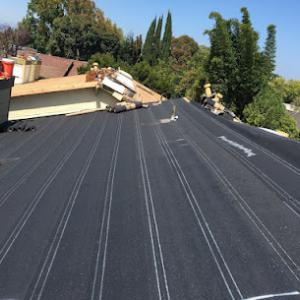
Serving the Palo Alto Alto area and San Francisco Peninsula Palo Alto Roofing has been providing quality re-roofs and repairs to Palo Alto and the surrounding areas since 1980. We are a family owned business and have grown in our community for the last three decades. We look forward to serving new and return customers for all the necessary roofing needs - both residential and commercial.
Falcon Roofing
(650) 961-3200 www.falcon-roofing.com
Serving
5.0 from 6 reviews
Falcon Roofing Company is a Diamond Certified roofing contractor proudly serving the San Jose area. We provide high-quality residential and commercial roofing services, including new roof installations, replacements, repairs, and maintenance. With a commitment to durable craftsmanship and customer satisfaction, our team ensures every project is completed with professionalism and care.

Top Roofing
(408) 900-6551 toproofingca.com
Serving
5.0 from 42 reviews
Top Roofing is your trusted Cupertino CA based local roofing company specializing in roof replacements, roof repairs, and roof maintenance for both residential and commercial properties. We use only high-quality materials and expert craftsmanship to ensure long-lasting, reliable roofing solutions. Our fully licensed and insured team is committed to honest communication, fast response times, and exceptional customer service. Whether you need a new roof, leak repair, or routine maintenance, we provide free estimates and guarantee satisfaction on every job. For all roofing work in the Bay Area the team at Top Roofing are ready to help you with professional courteous service.
Alexander Roofing
(650) 454-6718 www.alexanderoofing.com
Serving
5.0 from 19 reviews
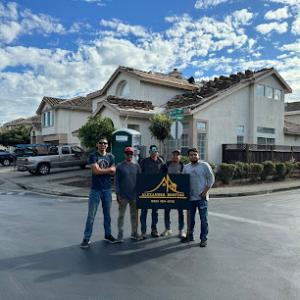
When it comes to safeguarding your home, don't compromise on quality! At Alexander Roofing, we specialize in providing roofing services tailored to meet your needs. Our skilled team is committed to delivering exceptional craftsmanship and outstanding customer service. We offer Roof Installation, Roof Repair, Roof Inspections, Roof Tune-Up, Gutter and Downspouts Installation and Repair etc...

Home Pro Roofing & Solar
(800) 650-3134 www.homeproca.com
Serving
5.0 from 32 reviews
Home Pro Roofing and Solar Contractor, in Sunnyvale, CA provides comprehensive roofing and solar services, including residential roof installations, solar systems, and solar backup solutions. With financing options available, customers can rely on a single company to handle all their roofing and solar needs—from roof inspections to solar removal and replacement during roofing installation, to solar installations with seamless solar backup solutions. This all-in-one service eliminates the need for multiple contractors, ensuring a smoother, more efficient process. We bring 15 years of high level of expertise in both roofing, solar and solar backup technologies, ensuring that our customers receive top-tier service. We offer free estimates.
Winter storms and rainfall are the city's main short-term roofing disruptors, often delaying active projects and increasing the risk of moisture exposure during tear-off and installation. You'll feel the squeeze when forecast models shift from dry-day windows to sudden downpours, and crews scramble to cover exposed surfaces before leaks take hold. In this climate, a single wet spell can undo the best-laid scheduling, turning an orderly tear-off into a soggy setback with water tracking under flashing and along eaves. Planning around forecasted rain-and having a contingency window-can save you from a cascade of small leaks becoming bigger problems.
Tear-off work is where moisture exposure becomes most actionable. When rain threatens, crews may pause, leaving freshly exposed decking and underlayment vulnerable. In practice, that pause can stretch into days, or even weeks, if storms linger. If you're coordinating a roof replacement or major repair, insist on a weather-aware schedule with protected materials and temporary coverings that can withstand wind-driven mist as well as steady rain. The goal is to limit open, unprotected intervals and ensure proper drainage paths are in place before any new roofing layer goes down.
Local contractor signals show unusually strong demand for emergency repair and quick response, indicating that leak containment and rapid scheduling are major homeowner concerns in Palo Alto. Your best defense is to lock in contingencies for rapid on-site response after a storm event. Have a trusted contractor who can deploy tarping, temporary leaks containment, and swift assessment within 24 hours of a downpour. Create a simple, clear line of communication with your roofer so you're not waiting through a weekend lull when a minor leak could mushroom into interior damage.
Occasional hail and seasonal wind-driven debris can damage exposed roof surfaces and complicate safe installation timing even though the city is not defined by severe hail seasons. A hail bruise or a lifted shingle edge may not be obvious from the ground, and wind can shift debris into vulnerable valleys and skylights. After a storm, walk the roof only if it's safe; otherwise rely on a trusted inspector to flag soft spots, lifted tabs, or compromised flashing that could invite moisture intrusion during the next rain event.
Keep a roofer's emergency contact on speed dial and verify that they provide rapid tarp deployment and temporary leak control. Before the next rain window, ensure you have a watertight plan for covering any uncovered decking, securing materials, and safeguarding interior spaces. If a leak starts, document the path of intrusion with photos, note the time, and contact your contractor immediately for a targeted response. In the wake of a wind event, inspect for disturbed shingles, granule loss, or displaced drip edges and arrange a prompt assessment, so repairs don't linger into the next storm.
When you can't wait, these contractors offer fast response times to stop leaks and prevent further damage.

Flawless Roof Repair & Installation
(650) 900-0052 www.roofrepairpaloalto.com
Serving
5.0 from 38 reviews
A full roof replacement in Palo Alto typically requires a building permit through the City of Palo Alto Building Division. The permit process is designed to align with local code requirements and the neighborhood's historic and modern housing stock, ensuring the new roof meets structural and life-safety standards. Because the city's climate sees wet winters and dry summers, getting the permit settled before work begins helps avoid weather-driven delays and ensures the project can proceed smoothly through wetter months without last-minute complications.
The city issues permits online, which is a practical detail homeowners should expect before work begins. Check the Building Division's portal early in the planning phase to confirm the project scope, required documents, and any neighborhood-specific considerations. Submitting a complete package-design details, material selections, and a clear roofing plan-helps prevent back-and-forth waits. Most homeowners who prepare thoroughly experience a more predictable timeline, reducing the chance of temporary hold-ups caused by missing information or mismatched drawings.
Inspections are commonly staged during the project, including underlayment and flashing review during installation and a final inspection after completion. This staged approach matters when weatherproofing and proper flashing integration are critical to long-term performance in the Bay Area's wet winters. During installation, inspectors verify underlayment type and installation, roof deck condition, and the correct flashing details around chimneys, vents, and valleys. A final inspection confirms that all systems were installed to code and that the roof meets the city's durability and safety standards.
Heavier tile systems more likely to trigger added review or require structural confirmation because the increased load can impact the existing framing or need reinforcement. If upgrading to clay or concrete tile, anticipate potential structural considerations and ensure the project team coordinates with the permit reviewer about load calculations and any necessary engineering letters. The review process is designed to catch these factors early, minimizing the risk of compliance problems after work has begun and avoiding costly mid-project changes.
Before filing, gather recent structural drawings or assessments if available, plus a clear mechanical plan showing ventilation and drainage changes tied to the new roof. Coordinate with your contractor to mark any penetrations or penetrant points on the plans submitted for permit, and establish a realistic inspection schedule that accommodates Bay Area weather windows. By aligning permits, online submissions, and staged inspections with the project's specific roof system, you reduce surprises and keep the replacement on a predictable track.
Find contractors who specialize in clay and concrete tile roofs, known for their durability and curb appeal.
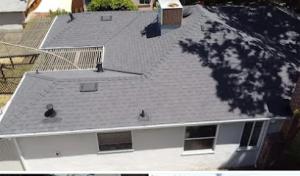
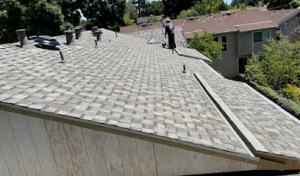
Material choices in this market are familiar: asphalt shingles, metal, clay tile, concrete tile, wood shakes, and slate. Local ranges run from 350 to 700 per square for asphalt, 700 to 1100 for metal, 900 to 1500 for clay tile, 800 to 1400 for concrete tile, 700 to 1200 for wood shakes, and 1200 to 2100 for slate.
Palo Alto homeowners commonly compare these options with attention to the wet-winter and dry-summer cycle. Heavier tile systems on older Peninsula homes can add complexity, which shows up as higher square-foot pricing, more labor, and sometimes longer construction sequences. On a typical house, the base material cost matters, but the total can climb if existing structures require substantial reinforcement, retrofit detailing, or careful integration with flashings and parapets to manage moisture and freeze-thaw transitions. In short, the cost ladder from asphalt to slate reflects both material performance and the extra effort needed to preserve the home's original character and slope geometry.
Seasonal winter delays and demand spikes after storm-related leak events can affect scheduling and total project cost in this city's active re-roof market. It helps to build a realistic timeline that accounts for post-storm inspection backlogs, material lead times, and crew availability. If a project must align with a specific calendar (for instance, to avoid the wet season), factor in potential premium days and flexible start dates.
When selecting, emphasize compatibility with the existing roof plane, the ability to shed winter rain efficiently, and the likelihood of needing additional support for heavier assemblies. The broad cost spectrum from asphalt to slate mirrors not only material durability but also the practical realities of Palo Alto's older homes and their unique framing and detailing requirements.
Get a clear picture of your project costs upfront - no commitment required.

In Palo Alto the insurance market has tightened, with carriers becoming more selective and more demanding about roof condition and the documentation that backs it up. That means the days of a quick claim after a storm are rarer, and the burden of proof often sits on the homeowner. A claim-ready roof is not just about the visible condition, but about a well-documented history of maintenance, repairs, and recent improvements.
Roof-related claims in this region often require professional estimates, clear photos, and organized records. You should build a simple file that covers pre-loss conditions, post-storm damage, and any temporary measures taken to protect the home. When a event hits, those documents help prove the scope of damage and the roof's current status, reducing back-and-forth with adjusters and speeding a fair resolution.
Some carriers may restrict coverage for certain roofing conditions or expect updated features that reduce risk. Choosing materials and planning replacement timing with an eye toward durability, wind resistance, and fire considerations can influence insurability as much as the age of the roof. Heavier tile systems or significant changes to the roof structure can trigger questions about load, retrofits, or compliance with risk assessments, so align material choices with long-term coverage expectations.
Think of your roof as part of a broader risk profile for your home. Regular inspections, documented maintenance, and timely upgrades that address known vulnerabilities can help preserve insurability. When in doubt, have a trusted local roofer provide a documented assessment to attach to your files, supporting both stability and peace of mind for insurance conversations.
Connect with contractors who help homeowners navigate the claims process from damage assessment to final approval.
Flawless Roof Repair & Installation
(650) 900-0052 www.roofrepairpaloalto.com
Serving
5.0 from 38 reviews
Skylight penetrations are a frequent source of leaks in this market, where many investigations reveal the issue isn't the field roofing material but the seal around the skylight itself. When evaluating a retrofit or replacement, prioritize a skylight-assembly assessment that includes flashing, curb integrity, and proper drainage away from surrounding roof planes. In practice, expect more precise framing and flashing details than on a standard tile or shingle installation, and plan for extra time to verify waterproofing at every edge.
Flat and low-slope sections are a notable local specialty, and they behave differently during winter rain than pitched tile or shingles. Water can pool or migrate along seams if drains aren't balanced or if edge detailing isn't robust. A practical approach is to inspect every penetration and seam with the fall/wlood line in mind, ensuring that transitions to steeper sections shed water correctly. In a mixed roof with tile or shingle adjacent to flat areas, prioritize consistent edge flashings and verify membrane terminations tie smoothly into surrounding materials.
Chimneys show up frequently enough to signal flashing transitions around penetrations as a recurring issue. A common failure point is the transition from chimney flashing to roof deck, where movement, settling, or wind exposure creates gaps. Focus on the continuity of counter-flashing, the integrity of step-flashing along the chimney base, and the interaction with nearby vent pipes. If a chimney crown shows cracking, address it alongside flashing, because corrosion or detachment here often leads to interior leaks that first become visible around nearby penetrations.
Find contractors experienced in skylight installation, flashing, and leak repairs to bring natural light into your home.
Flawless Roof Repair & Installation
(650) 900-0052 www.roofrepairpaloalto.com
Serving
5.0 from 38 reviews