
Last updated: Apr 19, 2026
The Mediterranean climate with wet winters and dry summers creates a distinct reroof rhythm. Late spring through early fall is the preferred replacement window, when dry conditions help sealants and underlayment cure without soaking rain. If you're weighing a replacement, aim to complete installation before the first strong Santa Ana-like heat spikes and well before the wet season returns. The goal is a stretch of predictable weather where long dry spells reduce surprises during tear-off and re-nailing.
Spring marine layer fog can linger on roof surfaces and decking, keeping materials damp longer than typical sunny days. That extra dampness can affect when underlayment and bedding adhesives set, and it can slow the curing of sealants on vent flashings and ridge caps. Plan for a window that allows at least two dry days prior to adhesive set times, and be prepared to adjust sequencing if the fog persists. If a rain-front edges in during your scheduled phase, have a contingency plan to cover exposed areas and protect newly installed underlayment.
The city's common material choices- asphalt shingles, metal, clay tile, concrete tile, wood shingles or shakes, and synthetic or composite shingles-each respond differently to moisture, heat, and fire risk. Asphalt and metal perform well under dry Santa Clara County summers, but metal can benefit from temperature-controlled installation conditions to avoid expansion stress. Clay and concrete tiles handle heat and sun well, yet they're heavier and need accurate rafter support and proper lap joint details to mitigate moisture intrusion at fasteners. Wood shingles or shakes offer a classic look but demand careful attention to moisture content, especially in damp springs; sealant compatibility matters for long-term rot resistance. Synthetic or composite shingles provide versatility with moisture resistance and fire-conscious design, but check that the chosen product carries appropriate testing for hot, dry summers and coastal-influenced humidity.
First, assess the existing roof deck condition and underlayment suitability. If decking shows signs of prolonged dampness from the marine layer, plan for a longer dry-down period before installing new underlayment or adhesive products. Second, align the chosen roof system with local fire-conscious planning goals: select assemblies and coverings that have proven performance in wildfire-prone settings while still addressing moisture behavior. Third, coordinate with the specific roof slope and shading of the home. Steeper pitches shed water faster and may shorten the risk window for moisture-related delays; flatter sections require tighter attention to drainage and flashing integrity. Fourth, schedule delivery and staging so materials arrive during a stretch of stable weather, minimizing exposure to rain or fog-induced delays. Fifth, have a clear sequence: tear-off, deck inspection, ventilation checks, underlayment application, flashing and vent detailing, and finally the cap or shingle installation. Each stage benefits from dry conditions and consistent temperatures.
Communicate the anticipated marine layer pattern to your contractor, so adhesive and sealant schedules can be adjusted if fog lingers. Confirm that fastener choices match the roof's material and the deck's span, especially for heavier tile options. For mixed-material roofs, treat transitions carefully where metal, tile, and composite meet, ensuring proper waterproofing and thermal expansion accommodations. In neighborhoods with mature trees and limited staging space, consider a roll-off plan that minimizes neighborhood disruption while keeping the work area dry and protected. Keeping these nuances in mind helps you time the project to the Peninsula's unique blend of wet winters, dry summers, and fire-conscious design.

Flawless Roof Repair & Installation
(650) 900-0052 www.roofrepairpaloalto.com
Serving
5.0 from 38 reviews
As a local roofing contractor in Palo Alto California, who have been servicing roofs in Palo Alto CA since 2012, we believe that there is such thing as a roof repair that is too big or too small. Whether you need a minor leaking repair, or complete roof replacement, we can help. We have the tools, the knowledge and the experience to service any roof in Palo Alto. Just as we do in all our roofing projects, Our experts take a personalized approach to your roofing project to ensure the best possible solution and a worry-free experience

NR Roofing
(669) 345-4555 www.nrroofingca.com
Serving
4.9 from 155 reviews
NR Roofing CA is your trusted local roofing company in San Jose, California, offering expert repair, installation, and maintenance services for all types of roofs. Whether you need a quick roof repair or a complete new roof installation, NR’ team of professionals is ready to assist you today. With a rich legacy of providing exceptional roofing services across San Jose and Santa Clara County, NR Roofing CA has built a reputation for reliability, quality, and customer satisfaction that you can count on. NR Roofing offers all roofing services: New Roof installation and Roof Repair service, for commercial and residential properties in the Bay Area. We offer free quotes on roofing projects and welcome you to contact us for free consultation.
Shelton Roofing
(650) 961-7699 sheltonroof.com
Serving
4.8 from 109 reviews
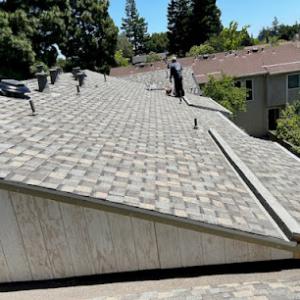
Shelton Roofing has proudly served Mountain View and the surrounding San Francisco Bay Area since 1942. Family-owned and operated for over 80 years, we have built a trusted reputation for excellence in roofing. Our goal is to provide every customer with the best products and services available in the roofing industry, ensuring each project is completed with quality workmanship, on time, on budget, and with the highest regard for safety. With thousands of roofs installed over the decades, Shelton Roofing continues to uphold its legacy of reliability, craftsmanship, and customer satisfaction in every job we take on.

Home Pro Roofing & Solar
(800) 650-3134 www.homeproca.com
Serving
5.0 from 32 reviews
Home Pro Roofing and Solar Contractor, in Sunnyvale, CA provides comprehensive roofing and solar services, including residential roof installations, solar systems, and solar backup solutions. With financing options available, customers can rely on a single company to handle all their roofing and solar needs—from roof inspections to solar removal and replacement during roofing installation, to solar installations with seamless solar backup solutions. This all-in-one service eliminates the need for multiple contractors, ensuring a smoother, more efficient process. We bring 15 years of high level of expertise in both roofing, solar and solar backup technologies, ensuring that our customers receive top-tier service. We offer free estimates.
Ferris Roof & Leak Repairs
(669) 310-4632 ferrisroofrepairweston.com
Serving
4.9 from 38 reviews
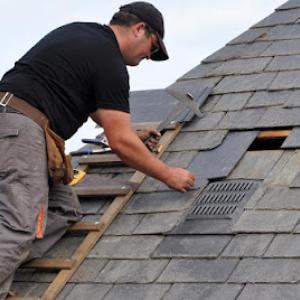
Ferris Roof & Leak Repairs specializes in fast, reliable solutions to keep your property protected. Our team handles everything from small leak repairs to storm damage fixes with skill and care, using quality materials that ensure long-lasting results. We focus on quick response, dependable workmanship, and clear communication, making it simple to restore your roof’s strength and reliability. When leaks or damage threaten your home or business, Ferris Roof & Leak Repairs is the trusted choice for effective, professional service.

Sersiv Roofing Corporation
Serving
4.9 from 13 reviews
Protect your largest investment with our reliable roofing services. We are a locally owned and operated roofing company currently serving Sunnyvale, CA and surrounding communities. If you want to make your roof last as long as possible, it is vital that you never put off a roof repair. Small issues with roofing become big issues in a hurry. No matter how major or minor the repair you need, we are here to help. We offer roof installation, roof repair, and roofing service. -Repairs -Wood Shake Installation - Tile Roof Installation -TPO System Installation -PVC System Installation -Commercial Roofing - Maintenance -Gutter Replacement -Asphalt Shingle - Re-Roofing -Water Leak Repairs - Overlay Roofing

Specialist Roofing & Repair
(408) 662-1686 specialistroofing.com
Serving
4.9 from 59 reviews
Specialist Roofing & Repair in San Jose is your trusted choice for residential and commercial roofing services. Backed by over 10 years of experience, we specialize in roof repairs, replacements, and new installations using premium materials from Owens Corning, GAF, Polyglass, and CertainTeed. As an Owens Corning Platinum Preferred Contractor, we deliver long-lasting, weather-resistant solutions with transparency and integrity. Our licensed, BBB-accredited team proudly serves the San Jose area with free inspections, honest assessments, and fast emergency response. Protect your home or business with expert roofing you can count on—call today for a free estimate!
Bay View Roofing
(408) 705-0059 www.bayviewroofinginc.com
Serving
5.0 from 27 reviews
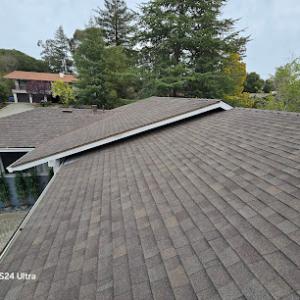
28 yrs experience, dependable, honest, informative, skilled.

Lifetime Roofing & Renovation
(408) 685-2177 lifetimeroofingrenovation.com
Serving
4.8 from 142 reviews
If you are a homeowner or business in need of a reliable and experienced San Jose roofing company, Lifetime Roofing & Renovation, Inc. is the solution you need. Finding an reputable company to repair or replace your roof is crucial in ensuring a sturdy and strong investment for your property. Since 2010, we have been solving complex roofing problems and providing high-standard roofing solutions for homeowners and contractors alike. From roof installation, roof repairs to complete roof replacements we can tackle any job of any size. For a free estimate contact Lifetime Roofing & Renovation, Inc. today!

Sunnyside Roofing
(408) 460-8371 www.sunnysideroofinginc.com
Serving
5.0 from 32 reviews
We specialize in high-quality roofing services, including installation, repair, and maintenance. With a commitment to exceptional craftsmanship and customer satisfaction, our experienced team is dedicated to protecting your home with reliable and innovative roofing solutions.
Falcon Roofing
(650) 961-3200 www.falcon-roofing.com
Serving
5.0 from 6 reviews
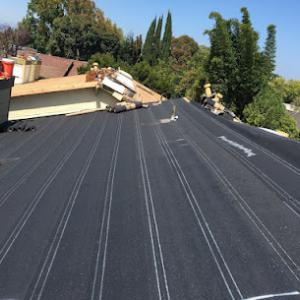
Falcon Roofing Company is a Diamond Certified roofing contractor proudly serving the San Jose area. We provide high-quality residential and commercial roofing services, including new roof installations, replacements, repairs, and maintenance. With a commitment to durable craftsmanship and customer satisfaction, our team ensures every project is completed with professionalism and care.

Top Roofing
(408) 900-6551 toproofingca.com
Serving
5.0 from 42 reviews
Top Roofing is your trusted Cupertino CA based local roofing company specializing in roof replacements, roof repairs, and roof maintenance for both residential and commercial properties. We use only high-quality materials and expert craftsmanship to ensure long-lasting, reliable roofing solutions. Our fully licensed and insured team is committed to honest communication, fast response times, and exceptional customer service. Whether you need a new roof, leak repair, or routine maintenance, we provide free estimates and guarantee satisfaction on every job. For all roofing work in the Bay Area the team at Top Roofing are ready to help you with professional courteous service.
In this town's upscale neighborhoods, winter storms and heavy rain turn minor roof defects into active interior leaks with little warning. The way rain drives across clay tile or seeps along flashing at valley connections means a slow drip at the edge can become a ceiling stain the same night. When you're listening to the rain on the wrong side of a mountain of tiles, you need to treat any sign of moisture as a real emergency. If you notice dripping around skylights, penetrations, or where flashing meets a dormer, respond within hours, not days. The clock is measured in inches of rain, and a short window can determine whether you'll be dealing with attic damage, mold risk, or ceiling collapses.
Cool, damp spring conditions extend drying times after leak events and complicate temporary repairs. In practice, that means tarps and quick fixes don't dry out quickly enough to stop wood rot or mold growth. Valleys and brake lines around joints can trap moisture, keeping ceilings wet even after the rain stops. The result is a fragile temporary repair lasting only as long as the next storm, so you must plan for a proper fix once the weather clears. In a damp spring, even cosmetic repairs can fail if moisture remains behind flashing, under shingles, or around vent boots. Expect longer turnaround on drying and be prepared for repeated visits if the roof has multiple entry points.
The market moves fast when rain exposes flashing, valley, or penetration failures. Homeowners prioritize rapid service, and delays add risk of interior damage. When you see active leaks, take decisive steps: locate the highest seepage point, protect valuables with plastic sheeting or buckets, and avoid delaying temporary measures that slow the drying process. Contact a trusted local roofer who can be on site within hours to secure the area, reseal vulnerable penetrations, and install a temporary cover that's weather-rated for a highest-intensity storm. Document the damage with photos and note the exact leak location, then communicate those details to the contractor so the salvage work aligns with the worst-affected zones first.
If safe to do so, reduce further water intrusion by resealing obvious gaps around penetrations with a temporary sealant designed for exterior use, and set up a clean, visible drainage plan to prevent water from pooling near electrical conduits or vents. Keep a rain-soaked eye on the attic or crawlspace for any sudden increases in moisture after a storm. When a contractor arrives, request an immediate assessment of flashing, valleys, and roof penetrations, with a clear plan for a permanent repair once the weather window opens. In this climate, fast triage and a precise repair timeline are the best defense against winter leaks turning into lasting interior damage.
When you can't wait, these contractors offer fast response times to stop leaks and prevent further damage.

Flawless Roof Repair & Installation
(650) 900-0052 www.roofrepairpaloalto.com
Serving
5.0 from 38 reviews


Clay and concrete tile are among the dominant roof types in Los Altos, reflecting the area's Mediterranean and California residential aesthetic. The broad, low-slope lines and light-reflective surface of tile suit the local rooflines and the region's seasonal patterns. When evaluating a tile roof, you're not just looking at the field tiles that are visible from the ground-you're assessing the overall roof system, including underlayment, flashings, deck, and penetrations that support the tiles. Knowing that tile is common helps you anticipate what tends to wear out fastest and what failure indicators to watch for after winter rains and spring moisture.
Because tile systems are prevalent locally, underlayment aging often becomes the deciding factor in re-roof timing even when the field tiles remain serviceable. The underlayment protects against leaks during rain events and between seasons. In Los Altos, where wet winters meet dry summers, the underlayment bears the brunt of moisture cycling. If the underlayment shows signs of drying, cracking, or brittleness, the roof may be more vulnerable than it appears from the ground. A careful assessment should verify that the underlayment remains watertight across penetrations and valleys, not just across flat roof planes. Early replacement of aging underlayment can prevent costly repairs later, especially in homes with complex rooflines.
Los Altos homeowners with older tile roofs often need replacement planning that accounts for flashing, valleys, and deck condition rather than assuming the visible tile alone tells the full story. Valleys are critical leakage pathways and can deteriorate more quickly than surrounding areas, especially where metal flashing has degraded or where tile movement has caused flashing seams to open. Flashing around chimneys, vents, and roof-to-wall transitions is another common failure point. The deck itself, if compromised by moisture intrusion or wood rot, can undermine the tile's long-term performance even when the surface tiles appear sound. A proactive approach looks beyond the visible tile to the integrity of these hidden components and how they interact with the tile's weight and movement.
Start with a cautious visual survey after the wet season: look for staining on interior ceilings near the attic, suspect mold growth in attic spaces, and any dark staining along the eaves or inside valleys. From the exterior, inspect for broken or cracked tiles, displaced tiles, and any signs that tiles are not fully seated in their lath or battens. In the attic or crawl space, check for daylight through the roof deck or for any moisture damage that could indicate ongoing leaks. If a recent wind event or heavy rain cycle coincided with observed staining or soft spots, plan a professional inspection focused on underlayment integrity, flashing continuity, and deck condition to determine true replacement needs.
Find contractors who specialize in clay and concrete tile roofs, known for their durability and curb appeal.
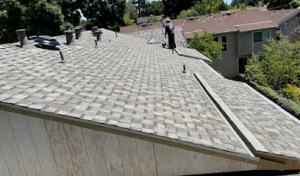
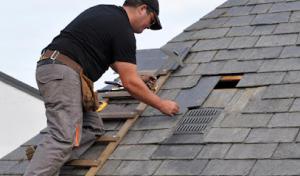
You will often find solar roofing as an active specialty in this market, so reroof timing should align with either existing rooftop solar or planned installations. If solar is already mounted, coordinate panel layout and flashing order with the roofer to avoid double penetrations. If you expect an upgrade, plan a window where sheathing and underlayment can be inspected and resealed around racking. In this climate, a durable underlayment and properly sized drip edge help the system shed winter moisture without trapping leaks.
Skylight work remains a practical focal point for many homes with visible curb flashing and varied penetration details. When replacing a roof, inspect every skylight curb for corrosion and sealant failures, and verify that flashing around the curb tees into the main roofing plane without gaps. Use a compatible flashing kit and ensure battens or curbs are square. Consider upgrading to drip-cap weather seal where the skylight meets the roof deck, and confirm that venting or skylight shade hardware does not compromise flashing.
In this region, leak investigations often need to distinguish field wear from failures at penetrations such as skylights and solar attachment points. Trace moisture paths from suspected penetrations inward, palpate around fasteners, and check sealant lines. A rooftop assessment should include a careful review of junctions where solar rails meet the roof plane, and where skylight flanges contact the shingles or tiles. If damage is localized to a penetration, targeted repairs at the curb or flange may restore the seal without a full roof replacement.
Establish a plan that prioritizes solar retrofits or skylight replacements during a re-roof window. Have the roofer expose flashing details at penetrations to confirm compatibility with chosen roof system. Document if any new penetrations will be added, and ensure all penetrations are sealed with flashing that matches the chosen roof material. For wildfire-conscious regions, verify that any near-penetration metal trim is corrosion-resistant and that sealants remain durable through seasonal cycles.
Keep an eye on sealant integrity around skylights after heavy rains and after any solar panel service. Clean debris from around curbs to prevent moisture pooling. In dry summers, inspect flashing mating lines for heat cracks and re-seal as needed before the fall wet season. Maintain a simple record of when skylight seals or solar attachments were last serviced so future roofers know where to look first.
Find contractors who integrate solar panels or solar shingles into your roof for long-term energy savings.

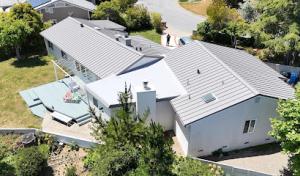
Lifetime Roofing & Renovation
(408) 685-2177 lifetimeroofingrenovation.com
Serving
4.8 from 142 reviews
Asphalt shingles sit in the 450 to 750 per square range, reflecting the steady demand for dependable, code-friendly first options in established neighborhoods. Metal roofing pushes higher, from 700 to 1200 per square, driven by longer life, reflectivity, and the need for precise flashing around roof edges. Clay tile can run 1000 to 1800 per square, and concrete tile from 900 to 1500, with tile systems often requiring careful weight assessment and framing support. Wood shingles or shakes typically sit between 600 and 1200 per square, valued for a classic look but with higher maintenance considerations. Synthetic or composite shingles fall in the 600 to 1100 range, offering a balance of durability and lower weight. These ranges mirror the Peninsula market where material choices are often guided by long-term performance and aesthetic expectations.
In this area, the strongest price impulses come from tile tear-off complexity and the condition of the existing deck. When old tile is removed, decking repairs often surface, and those repairs can add both labor and material costs. Flashing upgrades are common, since the roof line in many mid-century houses presents more joints and transitions than a flat-slope modern build. Ventilation corrections, such as adding or resizing soffit vents or ridge vents, frequently pop up to assure long-term attic health and energy performance. The presence of skylights or solar penetrations creates additional flashing, sealing, and potential for required weatherization upgrades, which can raise both the scope and the price tag. In practice, these factors push the total well above the base material cost.
This market features a strong re-roofing cadence and a concentration of established residential contractors. That combination tends to favor replacement projects over low-cost patching, which can translate into steadier bids and longer project timelines. With many homes bearing clay or concrete tile, crews expect proper sequencing and staging to minimize roof-to-ground time and to protect landscaping. The predictable demand helps skilled crews schedule efficiently, but it also means contractors may price carefully for complex tile or premium systems, recognizing the value of durable, weather-resilient results.
Given the wet-winter, dry-summer pattern and wildfire-conscious material choices, anticipate a careful assessment of roof structure, attic ventilation, and the potential need for upgraded underlayment and sensors. Set aside allowance for possible skylight work or solar penetrations to ensure a seamless install. Budget tactically for a thorough tear-off and a complete flashing plan, so the project delivers lasting performance through the Peninsula's seasonal swings.
Get a clear picture of your project costs upfront - no commitment required.
You should know that Los Altos typically requires a building permit for a full re-roof. The permit process is not optional and signals a higher standard for workmanship and safety in this neighborhood of well-kept homes. The City's rules are designed to match wet winters, dry summers, and wildfire-conscious upgrades, so skipping steps can lead to costly delays.
The City of Los Altos Building Department handles the permit process, with applicants submitting scope and plan details before work begins. Expect to provide roof type, proposed materials, anchor points for temporary safety, and venting strategy. Plans should show deck condition, underlayment, flashing details around chimneys and vents, and any retrofits to address ventilation or attic condensation. Submittals are reviewed for code compliance and fire-safety considerations, so have drawings and product specs ready.
Inspections are typically scheduled during and after the project to verify decking, underlayment, flashing, and ventilation, followed by a final inspection to close out the job. A typical sequence includes a rough-in review once decking is exposed, mid-project checks for underlayment and flashing installations, a seal of approval on ventilation and penetrations, and the final walk-through with the inspector to confirm all work matches the permit scope. Be prepared for weather-related holds if storms arrive or if crews must pause to protect adjacent structures.
Keep your permit card accessible on site and ensure the contractor coordinates inspection dates in advance. Any deviations from the approved plan should be reported promptly and documented to avoid a rework delay. Missing a final inspection can stall occupancy or trigger additional inspections, so treat the process as part of the roof's long-term reliability. That diligence protects against leaks, wind uplift, and code trouble down the line.
In this area, insurers commonly ask for roof age and condition documentation, including photos or a professional inspection, when underwriting or handling claims. The expectation is that a well-documented roof history helps determine risk and potential coverage terms. If the roof is older or shows wear, the carrier may request continued monitoring, a reproof of integrity after events, or may adjust the terms of coverage. Keeping a clear file with dated photos, a concise report from a trusted local contractor, and notes on any repairs can smooth the process when a claim is filed.
Statewide insurance pressure in California means roof material, wildfire risk considerations, and recent claim history can affect premiums or coverage terms for Los Altos properties. Fire resistance categories, ember resistance ratings, and the overall defensible space around the home all play into how a policy responds after a wildfire event or during renewal. When evaluating a replacement, consider how the chosen system behaves under ember exposure and how it interfaces with nearby vegetation and roof junctions. A conservative selection that prioritizes high resistance to ember intrusion may yield more stable terms over time.
For claims after winter leak or storm events, homeowners should document visible damage promptly because carriers may scrutinize whether the issue was sudden damage or deferred maintenance. Take wide and close-up shots of affected areas, note the date of the storm, and preserve any emergency repairs with clear records. If a contractor finds moisture intrusion or rapid deterioration, having professional documentation ready can support the claim and help avoid disputes about timing or responsibility. In practice, a swift, organized response reduces the risk that a carrier questions the causation or the integrity of prior maintenance.
When weather windows open for repairs, communicate promptly with the insurer about planned work, and share updated condition assessments as they occur. A transparent trail-photos, inspection reports, and contractor notes-helps demonstrate ongoing maintenance and the roof's resilience to Santa Lucia coastal moisture and inland heat. If a claim is involved, expect follow-up inquiries about the sequence of events and any prior fixes; a prepared file often shortens resolution time and supports fair outcomes.
Connect with contractors who help homeowners navigate the claims process from damage assessment to final approval.
Flawless Roof Repair & Installation
(650) 900-0052 www.roofrepairpaloalto.com
Serving
5.0 from 38 reviews
Flat-roof specialization is active in the Los Altos market even though the city is better known for pitched residential roofs, indicating many homes have low-slope sections over additions, garages, or modern designs. Understanding where these areas sit on your house helps prioritize inspection and replacement decisions. In practice, you'll see low-slope portions integrated with the main roof or tucked behind parapets, often paired with skylights or deck access. Recognize that these sections carry different risk profiles than steeper planes, especially when the rest of the roof is aging.
Los Altos' wet winters make drainage and membrane detailing especially important on these low-slope areas because standing moisture risk rises when rain arrives after long dry periods. When evaluating a replacement, check for proper slope continuity from the main roof into the low-slope section, ensuring no flat pockets where water can pool. Membrane choices should align with climate realities: high-quality seam integrity, UV resistance, and reliable edge detailing to prevent wind-driven moisture intrusion. Regular inspections after heavy rains should target membrane edges, mullions around skylights, and any penetrations through the low-slope surface.
Mixed-roof homes in Los Altos often need contractors who can handle both the main pitched system and attached low-slope transitions without creating flashing weak points. A seamless transition between differing roof angles hinges on compatible flashing strategies, accurate material matching, and careful detailing at ridge lines and eaves. Ask for a contractor who can demonstrate a paired plan: how the low-slope membrane will tie into the primary system, where anti-capillary barriers sit, and how penetrations are sealed to prevent future leaks. In practice, this means emphasizing workmanship quality alongside material selection during a bid.
Because low-slope sections respond differently to heat, moisture, and neighborhood tree debris, schedule targeted maintenance visits twice a year-pre-winter and spring-to catch granule loss, membrane wear, and flashing degradation early. Keep an eye on debris buildup along the edge parapets, around vents, and at transitions to steeper planes. Early minor repairs can prevent larger, less predictable issues during the next storm season. Regular inspections by a qualified roofer familiar with local designs will help maintain a leak-free performance over time.
Find specialists in TPO, EPDM, and built-up flat roofing systems for residential and commercial properties.
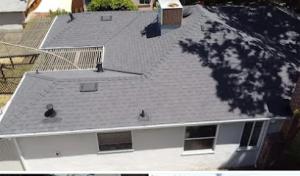
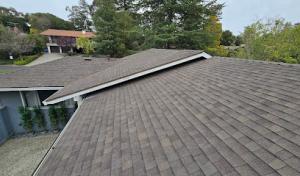
The market features a strong presence of long-established and family-owned contractors, which aligns with homeowner preference for proven local re-roofing experience. In this area, crews often come with deep familiarity of the local housing stock-from narrow driveways to landscaped lots-and understand how seasonal moisture and coastal microclimates affect chosen materials. When you interview bidders, prioritize firms that can point to multi-generation history and a track record of working on the common architectural styles found in the neighborhoods you're in.
Cleanup is a standard expectation in this market, and it matters for homes with landscaped lots and close neighbors. Ask bidders how they manage debris containment, daily cleanup, and final debris disposal. A reliable crew will cover driveways and plantings, use airtight tarps or containment nets, and perform a thorough walk-through at the end of each day. Confirm they have a defined process for minimizing dust and debris that could impact adjacent homes or vehicles, and that they schedule large debris removal to prevent parking or access issues.
Warranty offerings are a meaningful specialty locally, so attention to both workmanship coverage and any manufacturer-backed eligibility is essential. Request specifics on what the contractor's warranty covers (materials, labor, and weather-related failures), and ask for written confirmation of transferability if you ever sell the home. If a manufacturer backs portions of the system, verify the coverage period, required maintenance, and any conditions tied to installation standards. A reputable crew will provide clear documentation showing how long protections last and what steps you must take to keep them in force.
Given the wet-winter, dry-summer cycle and wildfire-conscious material choices, expect crews to plan around peak rain windows and hot, dry spells. A seasoned Los Altos crew can outline how weather conditions influence tear-off sequencing, substrate readiness, and moisture-sensitive inspections. They should offer a practical schedule that minimizes exposure to prolonged rain and heat, while aligning with a steady replacement flow that preserves your home's envelope and landscaping.