Last updated: Apr 19, 2026
You're dealing with hillside exposures and a lot of tree debris from the Santa Cruz Mountains backdrop. That means roofs here have to tolerate hotter, more intense sun in the summer and rapid vegetation-fueled debris that can trap moisture and embers in the winter. The Mediterranean pattern of the city favors roofs that shed heat efficiently, resist UV breakdown, and hold up under a wet-winter cycle without compromising underlayment. When you evaluate options, prioritize materials and designs that keep a cool surface in summer and maintain a watertight seal as the rains return.
Wildfire-season smoke and access disruptions are not just seasonal inconveniences; they affect project timing and material choices. Ember resistance matters here, even if the roof isn't directly attacked by flames. Look for roof systems with ember-resistant vents, appropriate underlayment, and solid edge protection. If your insurer highlights wildfire risk, coordinate your roofing replacement with ember barriers and a considered window plan to reduce risk exposure during a project backlog or supply delay. Plan for contingencies in delivery windows and access routes, especially if you live on a steeper slope or near dense stands of trees.
The typical local mix includes many tile-roofed homes, but there is a broad palette in use thanks to upgrades and modern moves toward solar. Clay and concrete tiles handle dry summers and wet winters well, but they require solid substrate and well-sealed fasteners to avoid underlayment issues when the rains begin. Metal can shed heat effectively and resist impact, yet it needs careful flashing and integration with skylights and solar components. Synthetic or composite shingles offer a compromise between weight, UV resistance, and cost, while slate provides long life but higher upfront complexity. When selecting a roof system, balance durability against weight on your structure, particularly if your home has older framing or lighter roof decks. The goal is a system that honors summer UV exposure while preserving a robust, moisture-resistant barrier for winter rains.
On hillside homes, shading patterns shift with the sun angle, which affects how quickly shingles or tiles warm and age in the sun. Consider roofing with reflective or UV-stable finishes to reduce thermal stress. Debris management-especially pine needles and broadleaf litter-is a daily concern in the fall and winter; choose roofing and gutter solutions that minimize clogging, and install debris diverters where appropriate. A roof with clean lines and properly integrated gutters helps propel debris away from the fascia and reduces moisture pockets that can lead to rot. For homes under trees, you'll want robust leaf guards and a gutter system that resists clogging even after windy Pacific storms.
Replace with a system that allows for future solar integration without compromising integrity. If you're considering skylights or roof-mounted solar, ensure the chosen underlayment and flashing details accommodate later additions without creating weak points. A well-sealed ridge line, continuous underlayment, and properly protected penetrations reduce the risk of leaks during heavy winter rains. For homes with historic or Mediterranean-style aesthetics, select materials and profiles that respect the visual language while delivering modern performance against heat, moisture, and embers. Coordinate the roof plan with potential window upgrades so flashing, seals, and venting align across both components, ensuring a cohesive, durable envelope against Los Gatos' unique blend of sun, rain, and smoke-driven timing issues.
Clay tile and concrete tile are especially relevant here because the local housing stock includes many Mediterranean and Spanish-influenced homes where tile appearance and roof geometry matter. Clay and concrete tiles offer distinctive profiles that complement these styles and hold up well against the foothill sun and seasonal wetness when installed with proper underlayment and ventilation. In practice, examine the tile layout for valleys and skylight penetrations, and choose profiles that shed water cleanly while avoiding overly steep pitches that can complicate maintenance. Tile performance depends on the roof deck's condition and the ability to accommodate tile weight, so you should verify structural support before committing. For longevity, look for interlocking or mechanically fastened tiles that resist wind uplift and ensure flashing is integrated with a continuous weather barrier. Regular inspection after winter rains helps catch cracked units or broken battens before moisture travels under the tiles.
Asphalt shingles remain a common lower-cost option, but in this market they must be evaluated against strong summer sun exposure and insurer scrutiny tied to roof age. If asphalt is in consideration, prioritize upgraded, UV-resistant shingles with a high "stain resistance" rating and a durable underlayment. Look for a roof with a solid ventilation strategy to mitigate heat buildup in attic spaces, which can shorten the life of the shingle surface when exposed to dry, hot summers. For homes with solar installations, verify that the roof design accommodates future panel mounting plans without compromising shingle coverage or ventilation. In steep pitches, ensure the edge and starter courses are well secured and that there's an effective drip edge along the eaves to manage winter moisture. A well-maintained asphalt roof can be a sensible bridge option, particularly on renovations where tile removal or deck reinforcement would be disruptive.
Metal roofing and synthetic/composite products are often considered by homeowners balancing wildfire-conscious material choices, weight, and compatibility with solar installations. Metal roofs provide excellent resistance to embers and can be lighter on older structures if the deck allows. They also tend to reflect a portion of the summer sun, reducing heat transfer to the attic when paired with proper underlayment and insulation. Synthetic or composite shingles can mimic the look of tile or slate while offering lighter weight and ease of installation, which is attractive for roof replacements that need to minimize structural changes. When selecting these options, confirm that the color and finish resist glare and fading under long dry-season sun and that the system plays nicely with your existing or planned solar array. For tiles replaced with metal or composites, ensure flashing continuity and chimney or vent terminations are compatible with the new roof profile to prevent leaks.
On a practical level, evaluate how your roof type will perform across the wet-winter/dry-summer cycle: water shedding, heat management, ember resistance, and compatibility with any solar upgrades. The most durable outcome often comes from pairing a roof system with a high-quality underlayment, solid attic ventilation, and a deck prepared for long-term weather exposure. In homes with Mediterranean styling, tile remains a natural aesthetic fit, but structural checks and careful design details matter just as much as curb appeal. For a property facing active wildfire risk, prioritize materials with strong fire resistance ratings and reliable moisture management to maintain insurability over time.
Find contractors who specialize in clay and concrete tile roofs, known for their durability and curb appeal.
Redwood Roofing San Jose
(408) 766-3950 redwoodroofing.com
16185 Los Gatos Blvd suite 201, Los Gatos, California
5.0 from 32 reviews
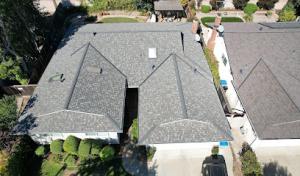
Full replacements are typically lined up from late spring through early fall. That window minimizes winter moisture intrusion and reduces the likelihood of installation crews fighting through cold, wet days or sudden downpours. When the dry season kicks in, the work days stay more predictable, allowing for steady progress and fewer weather-related delays. If you're eyeing a reroof, aim to lock in a start date within that span so your project isn't stalled by unexpected storms or heat spikes that can slow the crew or affect material performance.
Even outside the core winter rainy period, spring and fall can throw intermittent storm interruptions your way. Those brief but disruptive showers can push track-out days and staging needs, forcing short pauses that compound scheduling uncertainty. Build in a flexible start plan with a contingency window of a couple of weeks around the ideal dates. If your contractor notices a sharp weather headwind-hot spells, wind events, or sudden rain-the best choice is to shift to a safer timing rather than pushing through risky conditions that compromise the roof's integrity or the installation's quality.
Homes under heavy tree cover often reveal leaks only after the first meaningful winter rains. That delayed timing creates a squeeze: demand for re-roofs can spike quickly once leaks become visible, yet you still must respect the practical installation season. If your property sits beneath dense canopies, prepare for a longer decision window after the first storms. The missing clue isn't always a dramatic drip at the ceiling-often it's subtle staining or a soft spot that only appears after several soaking days. When those signs emerge, you'll want to act fast to preserve insulation and interior comfort before the next wet season.
To avoid getting caught mid-rain, keep a decision-ready plan in place. Have a qualified contractor inspect early enough to anticipate a spring start, and keep a short list of supplier lead times for underlayment, fasteners, and tiles or shingles. If you notice any recurring moisture, wind-driven damage, or heat-related aging during the shoulder months, treat it as a high-priority alert. Proactive scheduling and a defined backup window minimize the risk of leaks or compromised insulation as winter approaches.
When you can't wait, these contractors offer fast response times to stop leaks and prevent further damage.
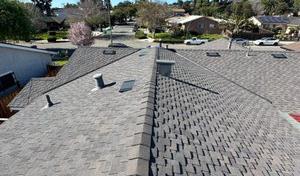
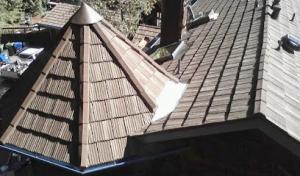
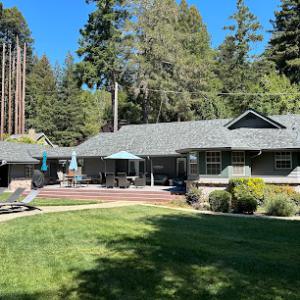
Redwood Roofing San Jose
(408) 766-3950 redwoodroofing.com
16185 Los Gatos Blvd suite 201, Los Gatos, California
5.0 from 32 reviews
Redwood Roofing San Jose is a new locally operated office of Redwood Roofing, Inc., a top-rated residential roofing contractor with 10+ years, & 150+ 5-Star reviews of trusted service in the Bay Area. We specialize in roof replacements, repairs, inspections, and TPO, shingle, tile, and metal systems. Known for honest estimates, quality workmanship, and responsive service, we help homeowners protect their homes with reliable roofing. Proudly serving San Jose and nearby areas, including Los Gatos, Willow Glen, Almaden Valley, Evergreen, Cambrian, Blossom Valley, Berryessa, Rose Garden, Campbell, Saratoga, and Morgan Hill, Gilroy, and more. Licensed, insured, and locally trusted—contact us today for a free estimate.
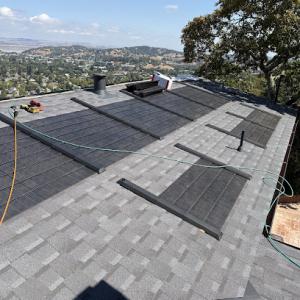
R E Roofing & Construction
(408) 626-9320 www.reroofingshowroom.com
Serving
5.0 from 19 reviews
Family-run Roofing and Construction Company specializing in residential roofing, solar, and energy efficiency. We have been associate installers for NREL (Notional Renewable Energy Laboratory) and featured on CNET as a contributing contractor.
Western Roofing Systems
(650) 644-8499 www.westernroofingsystemssanjose.com
Serving
4.9 from 41 reviews
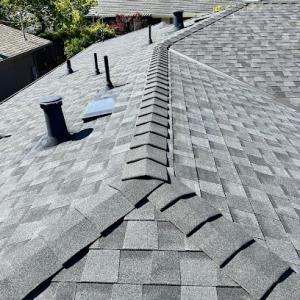
Western Roofing Systems has been serving and re-roofing clients in the greater San Jose area since 2006. Western Roofing Systems does all of our work in-house and we do not subcontract out any Installations. We strive in using only the best material out there and not taking any shortcuts on your home to make sure that you have a roof that will last you a lifetime.

Buck's Roofing
(408) 313-3429 bucksroofing.com
Serving
5.0 from 23 reviews
Since 1997, Buck's Roofing has been a trusted roofing contractor in the San Jose area, all Santa Clara County cities, and most cities in San Mateo County and Santa Cruz County. We specialize in residential properties and provide expert roof installations, thorough inspections, and reliable repairs. With three decades of experience, we are committed to protecting your home with quality craftsmanship and exceptional service. Choose Buck's Roofing for peace of mind and a roof that lasts.
California Roof Runners
(408) 887-5253 californiaroofrunners.com
Serving
4.9 from 38 reviews
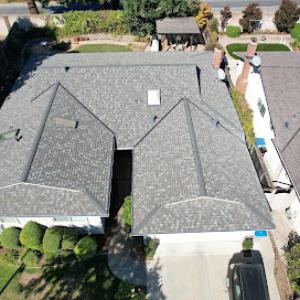
California Roof Runners: Silicon Valley's premier roofing experts! Specializing in both residential and commercial re-roofing projects, we bring years of experience and a dedication to superior craftsmanship to every job. We take pride in providing top-notch customer service and delivering exceptional results that protect your property and enhance its value. Trust California Roof Runners for quality roofing solutions tailored to the unique needs of Silicon Valley homeowners and businesses.
Environmental Roofing & Waterproofing
(408) 871-1540 www.enviroroof.com
Serving
5.0 from 11 reviews
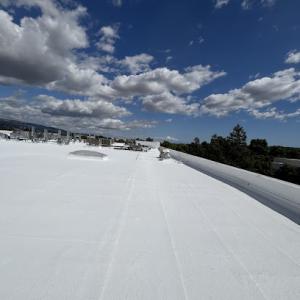
Environmental Roofing & Waterproofing (ERW) has led industrial and commercial roofing solutions across the San Francisco Bay Area and Sacramento region for over 30 years. Specializing in eco-friendly roofing, ERW delivers top-tier service and long-lasting solutions. Our "Cool Roofs" meet California’s sustainability standards, ensuring energy efficiency and compliance. With direct owner involvement and a hands-on approach, we provide personalized solutions tailored to your needs. Contact us today to learn how ERW can help protect and extend the life of your roof.
Shadowfax Roofing & Solar
(408) 628-0065 shadowfaxroofing.com
Serving
5.0 from 24 reviews
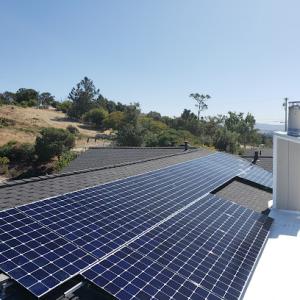
At Shadowfax Roofing and Solar, delivering reliable and lasting solutions has been the mission since 2005. As a family-owned roofing company based in Campbell, CA, we offer expert residential and commercial services with a focus on quality and integrity. Our experienced roofing contractors handle everything from roof repairs to full replacements and solar panel installation, tailored to meet each property’s needs. With a strong commitment to customer satisfaction, every project is completed with care, professionalism, and long-term value in mind.
Certified Roofing
(408) 226-2222 www.certifiedroofing.info
Serving
5.0 from 8 reviews
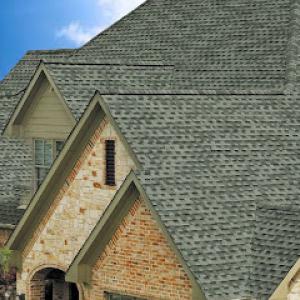
Certified Roofing is based in San Jose, CA and offers full service roofing systems, installation and repair all over Santa Clara County, including Santa Cruz, Gilroy, Mt. View and more. Since 1975, Certified Roofing has been a family-operated and locally respected South Bay Area roofer and roof repair contractor you can trust. On every new roof we install or replace, we offer a top-of-the-line, 10-year labor guarantee so you will always know that if a problem arises, Certified Roofing will be there, standing by you and behind your roof! We keep appointments, we answer your questions and we always provide economical roofing solutions! Call us anytime, 7 days a week, at 408-226-2222
Top Home Roofers
(408) 443-2520 tophomeroofers.com
Serving
5.0 from 29 reviews
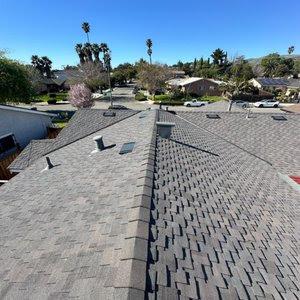
At Top Home Roofers, we offer a full range of roofing services, including precise repairs, complete roof replacements, new roof installations, and prompt emergency response. In the San Jose area, we are your one-stop roofing contractor. Our experienced roofing specialists are known for their reliability, skill, and attention to detail, providing top-notch services for both residential and commercial properties. Call us for a free estimate.
Campbell Roofing
(408) 796-1233 roofingcampbell.com
Serving
4.5 from 15 reviews
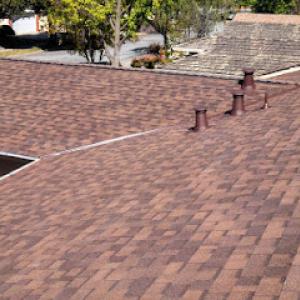
Campbell Roofing is a family owned business that offers honest, professional roofing services throughout the greater San Jose area. Call us any time for quick roofing repairs, a new gutter system, complete roof replacement, and everything in between. We are also happy to offer new construction roofing, and our specialty is high quality TPO and EPDM commercial roofing system installations.
G West Roofing
(408) 985-3698 gwestroofing.com
Serving
5.0 from 24 reviews
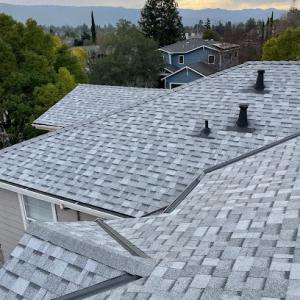
Our company was built with the commitment to ensure cost-effectiveness and high quality in every roofing project we are hired to work on for the community of San Jose, CA and the surrounding areas. Our company was founded under the great values of: Professionalism Commitment Diligence Cost-Effectiveness Contact our team today and get a free estimate for any of the services that we offer. If you hire us to do the job, we will work hard and smart until your expectations are exceeded. Contact our professional and reliable company today to save time and money on your project!
Cal-Pac Roofing
Serving
4.3 from 18 reviews
Northern California's Most Experienced Provider of Stone-coated Steel Roofing Systems.
Tile roofs in this foothill climate often hide their weaknesses beneath the surface. After repeated wet-dry cycles, the underlayment and flashings tend to fail before the tile itself shows damage. Valley intersections, where two roof planes meet, are especially vulnerable because debris and moisture pool there. When the underlayment degrades or the flashings loosen, a small rain can become a bigger problem, seeping into the attic or ceiling with little warning. The result is a slow drip that worsens with each storm, turning a manageable nuisance into a larger repair later on.
Skylights are a practical addition for daylight and energy, but their curb flashing sits at a critical junction. In homes with skylights, curb flashing transitions and the surrounding underlayment are frequent leak sources if not properly sealed and maintained. Over time, sealants crack, fasteners loosen, and the flashing can pull away from the roof plane. A single compromised skylight can channel water along the sills and into framing, framing rot, and mold risks. Regular inspection of skylight seals and surrounding flashing is essential, especially after heavy rains or seasonal wind events.
Mature trees around hillside homes drop leaves, needles, and twigs that accumulate in valleys and around penetrations. This debris acts like a dam, blocking water flow and creating backups during winter storms. When debris backs up, water can back up under shingles or tile, finding any small gap to penetrate. Valleys become clogged faster than flat sections, so the risk is not just from precipitation but from the seasonal litter that accompanies mature tree canopies. Clearing debris in fall and after storms helps, but ongoing vigilance is key to preventing hidden leaks.
Inspect between storms for exposed underlayment at valleys, around skylight curbs, and near penetrations. Look for lifted tiles, rusted or separated flashings, and any staining or damp spots in the attic after rain. If a leak is spotted, address it promptly before it spreads to structural members or insulation. A proactive routine of targeted inspections around skylights, valleys, and penetrations keeps hidden weaknesses from becoming costly repairs.
Find contractors experienced in skylight installation, flashing, and leak repairs to bring natural light into your home.
Redwood Roofing San Jose
(408) 766-3950 redwoodroofing.com
16185 Los Gatos Blvd suite 201, Los Gatos, California
5.0 from 32 reviews

A full re-roof in this area generally requires a permit through the local Building Department. The permit process ensures that the new roof system meets current code and local wildfire considerations, especially as housings mix in tile and solar upgrades. If the work involves removing existing ventilation components or altering roof openings, anticipate plan review to assess how venting details align with fire safety and attic ventilation requirements. Even when replacing like-for-like, a permit helps confirm that the installation uses approved underlayment, fasteners, and flashing suitable for the foothill climate. Start with the Building Department early to avoid delays.
Plan review can apply depending on project scope, especially when the work changes ventilation or venting details rather than simply replacing like-for-like roofing. A scope that touches attic ventilation, soffit vents, ridge vents, or exhaust vent routes will trigger closer scrutiny. In practice, many re-roofs require detailed plans showing underlayment type, attic ventilation strategy, and any venting relocations or reconfiguration. Prepare to provide existing roof framing notes and a description of any upgrades tied to EDL (Energy Disclosure/Login) or wildfire-resistance features. Clear, labeled drawings expedite review and reduce back-and-forth with the inspector.
Los Gatos inspections typically include a rough-in when applicable and a final inspection, with review attention on underlayment, ventilation, and any venting changes. The rough-in check verifies that the chosen underlayment, drip edge, and starter courses are installed to spec and that ventilation pathways align with attic space needs. The final inspection confirms proper sealing around penetrations, flashing continuity at walls and chimneys, and that venting alterations do not impede moisture management. Expect questions about vent placement in the attic, particularly if the plan includes converting roof vents or adding powered attic fans.
Coordinate the permit path with weather expectations, since the dry season can stretch the project timeline and California wildfire regulations may influence roofing materials and ignition resistance requirements. Be prepared for a near-term inspection window after structural and underlayment work is completed and before exterior flashing is finished. Having photos of existing vent routes and a clear venting plan can smooth the process, helping inspectors verify that the installation will perform reliably through wet winters and hot summers while preserving insurability against wildfire risks.
In this foothill-and-wasinspired area, the local price anchors are clear: asphalt shingles run about $450 to $900 per square, metal $700 to $1300, clay tile $1000 to $1800, concrete tile $900 to $1500, synthetic/composite shingles $500 to $900, and slate $1500 to $2600 per square. Those numbers reflect Los Gatos' mix of hillside architecture and sunny summers that push a higher emphasis on durability and insulation. When you choose a tile system to match common local styles, expect the price to climb toward the upper end of the tile ranges if you're adopting clay or concrete tile for a larger or more complex roof.
Costs in this market rise when homeowners pick tile systems that fit the area's prevailing architectural cues, such as Mediterranean-influenced layouts or clay-tile profiles, and when the roof has valleys, multiple penetrations, or skylights. A simple gable with clean lines will be cheaper than a multi-angled roof with deep valleys. If your home has significant roof complexity, plan for additional material waste and more labor time, which nudges the total above basic square-foot estimates.
The wet winters and dry summers demand a roof system that resists water infiltration and keeps solar gains manageable. Metal and tile options typically perform well in wildfire-prone markets and can help maintain insurability when paired with proper underlayment and ventilation. Synthetic shingles offer a middle ground on cost and resilience, while slate remains a premium, high-durability choice with corresponding upfront needs. In any case, expect some variation based on geometry and the chosen system.
Always factor in the overall square footage, penetrations, and the presence of skylights. Even if material pricing is solid, larger or more intricate rooflines drive up labor and waste, nudging the final bid higher than the per-square estimates. In Los Gatos, the best approach is to align roof choice with both architectural harmony and the need for dependable performance through seasonal swings.
Get a clear picture of your project costs upfront - no commitment required.
Redwood Roofing San Jose
(408) 766-3950 redwoodroofing.com
16185 Los Gatos Blvd suite 201, Los Gatos, California
5.0 from 32 reviews
Wildfire exposure, changing risk models, and California's tighter insurance environment shape every roof decision. In this market, underwriters weigh how a roof behaves across a wet-winter and dry-summer cycle, and they increasingly favor systems with proven resistance to embers, wind, and heat. Material preferences may shift toward surfaces that insurers perceive as lower risk for large, costly claims, and renewals can hinge on a demonstrable maintenance history. For homeowners, that means your choice of roof, attic ventilation, and a well-planned upgrade strategy can affect coverage stability and deductible behavior when policies come up for renewal.
Older roofs and those with deferred maintenance can face extra scrutiny during underwriting and after a claim. Documentation is not a nicety-it's a necessity. Track age, prior repairs, and any signs of wear with clear records and dated photos. If a shingle granule loss, a tile crack, or a flashing issue exists, show contractors' assessments and follow-up fixes. In this market, insurers will want a straightforward narrative: what failed, what was repaired, and whether the damage appeared sudden or stemmed from ongoing wear. Keep a simple file you can present at policy renewal or after a claim.
Post-storm timelines can stretch, so timely, precise documentation matters. After events, gather fresh photos that show the roof year by year and capture areas of concern noted by professionals. Contractor findings that distinguish accidental damage from maintenance-related issues can streamline adjuster review. If there are signs of moisture intrusion or latent damage under tiles or shingles, having a professional assessment on hand helps insurers evaluate causation and remediation needs without ambiguity.
When selecting a roof system, consider long-term resilience to both moisture and ember exposure. Tile and metal roofs tend to fare better in wildfire-prone conditions and often align with insurer expectations for wind resistance and durability. A well-sealed deck, robust valley flashing, and compliant underlayment further support insurability, especially on homes with mixed-age components or solar upgrades. Aligning a replacement window strategy with a compatible, firewise roof can also help stabilize overall coverage and reduce risk flags during underwriting and renewals.
Connect with contractors who help homeowners navigate the claims process from damage assessment to final approval.

Any Roof Repair & Installation
(669) 304-3716 www.anyroofrepairsanjose.com
Serving
5.0 from 42 reviews
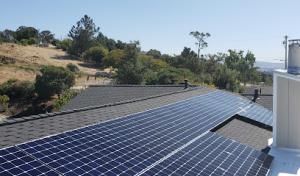
Solar roofing is an active specialty in this foothill neighborhood, where many homes already plan or retrofit PV arrays or skylights as part of the replacement cycle. When you're deciding on a roof, consider how a solar system will sit with the new material. A tile or shingle roof often needs careful sequencing: panel mounting, flashing, and potential roof plane changes must be lined up with the repair or replacement timeline. If you already own solar equipment, map out the exact penetrations and flashing transitions with your contractor so the new roof can be flashed once for all attachments. If you're planning upgrades, coordinate the electrical conduits and racking locations with the roof type you select to avoid redo work later.
Low-slope areas-such as additions, porches, or mixed-roof sections-require different drainage and membrane details than the steeper tile and shingle portions that dominate the region. Focus on ensuring slope continuity into any low-slope segment, with proper transitions to the main roof plane. The membrane choice should align with seasonal rain patterns and the local sun exposure to prevent micro-leaks around penetrations. When a low-slope is part of a reroof, you'll want a compatible interface detail between the new surface and the existing framing to avoid blistering or delamination under winter rain and summer heat.
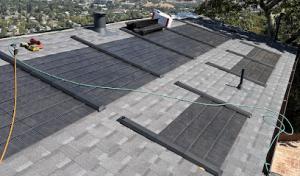
If solar work is happening alongside a re-roof, penetration planning becomes the linchpin of success. You'll need a precise map of all penetrations, vents, and flashings, plus a clear sequence for installation so nothing is left exposed during the process. Inspection timing matters as well: scheduling around sun angles, weather windows, and panel commissioning reduces the risk of rework. In practice, this means engaging a contractor who can stage both roof and solar tasks, document each penetration, and verify water shedding and cladding integrity once the system is complete.
Find contractors who integrate solar panels or solar shingles into your roof for long-term energy savings.