
Last updated: Apr 19, 2026
Newport Beach combines open-ocean exposure with Santa Ana wind events, so wind-driven rain and uplift are a bigger practical concern than freeze-thaw or hail damage. The way coastal gusts slam into roofs, especially on high-pitch tile and flat or near-flat decks, changes how leaks start, how fast they spread, and how long they linger in the attic. The practical consequence is simple: you must design, install, and maintain with wind uplift and wind-driven rain as the primary failure modes, not just aging or cosmetic wear.
In this climate, a strong gust can lift edges, loosen fasteners, or peel underlayment if detailing isn't airtight. Where the wind roars along the harbor and over the Balboa Peninsula, tight roof interfaces matter more than you might expect. On low-slope sections, a fraction of an inch of slope can dramatically impact drainage and water control. If gutters, scuppers, or flashing aren't continuous and corrosion-resistant, rain can ride the surface and find its way through even small gaps. The big risk is that a leak starts at a discreet seam or corner and travels along the underside of decking or through penetrations before it becomes obvious from the interior.
Balboa Peninsula homes frequently feature roof decks and low-slope segments that demand meticulous drainage detailing. Tight lot lines and limited space complicate waterproof transitions from deck to fascia, from parapet to cap flashing, and from parapet to walls. In practice, that means you need a continuous water barrier at every seam, topped with flashings that extend beyond the fastener line and are mechanically secured against salt-laden gusts. Where decks abut interior spaces, raisings, scuppers, and overflow paths must be sized for the worst rain events to avoid slow, creeping leaks that hide under waterproofing or within parapets. You'll want to verify that the deck membrane is fully adhered, that edge drains are unobstructed, and that any penetration through the deck is sealed with corrosion-resistant materials and proper sealant backer.
Salt-laden marine air around the harbor, peninsula, and oceanfront accelerates corrosion at flashings, fasteners, and exposed metal accessories even when the field roofing still looks serviceable. The most fragile point is typically the transition zone where metal components meet the waterproofing system. Corrosion can create micro-gaps that permit water intrusion, even if the roof surface appears intact. Pay attention to nail heads, screws, and clips, especially at edges and penetrations. Treat any sign of rust as a red flag that needs immediate attention, because once corrosion takes hold, small leaks can expand rapidly in a windy, coastal environment.
In coastal, wind-prone areas, the best-performing options improve uplift resistance and edge detailing. Metal roof systems, properly installed with corrosion-resistant fasteners and color-matched sealants, resist wind-driven rain better than some traditional tile assemblies when flashing is continuous and well-abutted. Clay and concrete tiles, while visually appropriate for the climate, require precise installation to maintain wind uplift resistance and to ensure proper sealing at intertiles and ridges. For low-slope sections, consider surfaces designed for better water shedding and a robust underlayment with heat- and salt-resistant properties. Whatever you choose, insist on a continuous, integrated flashing plan that ties into the parapet, penetrations, and transitions with materials rated for coastal exposure.
Inspect after major wind events and at least twice a year, focusing on edge detailing, flashings, and the fastener pattern. Look for lifted edges, missing or loose fasteners, corroded metal, and compromised underlayment at transitions. On roof decks, check drainage paths, scuppers, and sealant joints for obstructions or wear. Documentation of findings helps track creeping issues in the complex drainage network that coastal roofs demand. A proactive approach-addressing even minor signs of wear before rain season-helps avert full-scale leaks and interior damage that windy, salty conditions can quickly magnify.
Clay and concrete tiles are a hallmark of the Mediterranean and custom coastal look that defines Corona del Mar and Newport Coast. Those textures and colors age gracefully, but the coastal climate-salt spray, Santa Ana winds, and high sun-takes a toll on fasteners, underlayment, and flashings long before the tiles themselves show wear. When a leak appears on an older tile roof, the source is often hidden below the surface, with water tracking along the underlayment or between penetrations rather than dripping from a broken tile on the ridge.
On older tile roofs, the underlayment becomes the true failure point more often than the visible tile surface. If a roof was installed years ago with a lighter underlayment or a system not designed for modern wind gusts, leaks can appear even when the tile looks intact from the street. In these cases, the first step is a careful interior and exterior inspection to identify moisture patterns, penetrations, venting, and the transition details at walls and chimneys. Upgrades to a more durable underlayment and improved flashing details can dramatically reduce wind-driven leaks without needing to replace the entire tile surface.
Steep custom tile roofs require careful handling. Walking on individual tiles while inspecting or staging can crack tiles and create new leak paths, and matching older profiles or colors can be a challenge if replacements are needed. If access is necessary for a diagnosis, use board-walking paths over the tiles and keep footwear and tools on those boards to minimize pressure points. When a full replacement is considered, aim for profiles and colors that blend with the existing roof line and maintain the home's curb appeal. Coordinating color-matched ridge caps and flashing is key to a seamless result.
For coastal properties with a tile roof, priority should go to a system designed for wind resistance and coastal exposure. Concrete and clay tiles come in a range of profiles; selecting a profile with proven wind performance and a robust attachment method helps prevent tile lift during Santa Ana events. Pay attention to the fastener type, the substrate preparation, and the compatibility of sealants and coatings with salt-air conditions. For older homes, consider upgrading the roof deck protection and using a high-quality underlayment with enhanced tear resistance and extended wind warranties.
In these neighborhoods, regular maintenance is essential. Schedule seasonal checks after peak wind periods and after heavy storms to catch loose tiles, degraded sealants, or compromised flashings early. Keep an eye on penetrations around vents, skylights, chimneys, and transitions to other roof types. With the right inspection cadence and targeted upgrades, a tile roof can preserve its classic appearance while delivering improved wind-driven performance.
Find contractors who specialize in clay and concrete tile roofs, known for their durability and curb appeal.
Jason Smith Roofing
(949) 922-0512 jasonsmithroofing.com
2043 Westcliff Dr Suite 201, Newport Beach, California
5.0 from 44 reviews

Pacific Roofing Company Newport Beach
(949) 806-3710 pacificroofingcompanynewportbeach.com
Newport Beach, California
5.0 from 5 reviews

Jason Smith Roofing
(949) 922-0512 jasonsmithroofing.com
2043 Westcliff Dr Suite 201, Newport Beach, California
5.0 from 44 reviews
Have you been told you need a new roof? Nearly 90% of our inspections justify repairs before a replacement. Got a small job that was turned down by the big guys? We’re on it. If it’s a problem for you, it’s a problem for us. Trust is everything when it comes to who you hire to keep your family safe. That’s why your roof inspection will always include pictures with detailed marks and notes of our findings. In many cases, we use aerial (drone) photography to inspect steep or fragile roofing systems. Considering buying or selling your home? We work with home inspectors and real estate agents regularly as their go-to roofer they can trust.
Pacific Roofing Company Newport Beach
(949) 806-3710 pacificroofingcompanynewportbeach.com
Newport Beach, California
5.0 from 5 reviews
Pacific roofing company Newport Beach is a full service roof repair and installation company serving Newport Beach and the surrounding communities. We can install any type of roofing product on your residential or commercial property. We installed tile roofs fire retardant roofs and roofs of various product types to meet your needs and look. Call us for a consultation and we will give you a professional job bid which will be all inclusive of materials and labor. Our skilled technicians have years of experience installing all types of simple roofs and more complex roofs with different angles and shapes. We pride ourselves on the quality of our workmanship and the quality of all materials used on customers projects. Call Pacific roofing.

Newport Beach Roofing Pros
Newport Beach, California
5.0 from 2 reviews
Welcome to your trusted roofing company in Newport Beach, CA. As a licensed and experienced roofing contractor, we provide high-quality roofing services for both residential and commercial properties. From roof inspections and repairs to full replacements and new installations, we’re here to ensure your home or business stays safe, dry, and protected. We proudly serve the Newport Beach community with reliable service, premium materials, and expert craftsmanship. Whether you’re dealing with leaks, storm damage, or simply need a roof upgrade, our team is ready to deliver lasting results. Call today to schedule your free estimate or roof inspection. Your protection starts with a roof you can depend on.
ANR Roofing & Waterproofing
(949) 836-2479 www.anrroofing1.com
Serving
5.0 from 15 reviews
At ANR Roofing and Waterproofing we pride ourselves on being amongst the best roofing contractors around. With over 15 years in the industry, we have successfully tackled a wide range of roofing challenges. From repairs to installations, we have the expertise needed to handle any job, no matter how complex.
Master Roofing
(949) 392-6853 master-roofinginc.com
Serving
4.7 from 148 reviews
The experts working for Master Roofing have a combined experience of more than 30 years in residential and commercial roofing. We are proud to be one of California’s most notable residential & commercial roofing companies. It’s only been possible for us to reach this level of success due to the dedication of our employees and the relationships they have developed with our clients. In the Southern California region, we serve Los Angeles, Orange, Ventura, San Bernardino, Riverside, and San Diego Counties. Our headquarters are located in Irvine however we utilize satellite facilities located in Northern Los Angeles County, San Bernardino County, and Northern California.

King Roofing Company
(714) 345-8704 www.kingroofingca.com
Serving
4.9 from 87 reviews
Local roofing contractor with 25 years of experience. Family owned and Operated. Fully licensed, bonded, and insured we aren't here to make excuses. We are ready to service all of your roofing needs.

Antis Roofing & Waterproofing
(949) 461-9222 www.antisroofing.com
Serving
4.8 from 429 reviews
At Antis Roofing, we’ve spent 35 years keeping families safe and dry with expert roofing solutions for HOAs across SoCal. Our commitment goes beyond just great workmanship—we believe in making a difference. From blood drives to supporting Ronald McDonald House and disaster relief efforts, we’re here to protect both homes and communities. If you’re looking for a trusted roofing partner in Southern California that delivers quality, integrity, and heart, we’re ready to help!
KJC Roofing
(949) 228-0322 www.kjcroofing.com
Serving
5.0 from 20 reviews
Protect your largest investment with our reliable roofing services. We are a locally owned and operated roofing company currently serving Mission Viejo, CA and surrounding communities. If you want to make your roof last as long as possible, it is vital that you never put off a roof repair. Small issues with roofing become big issues in a hurry. No matter how major or minor the repair you need, we are here to help. We offer flat roofing, metal roofing, and asphalt roofing.
My Home Performance
(949) 797-6207 myhomeperformance.co
Serving
5.0 from 25 reviews
My Home Performance offers premium roofing and HVAC solutions, elevating the comfort and efficiency of your Irvine home. As a trusted local contractor, we specialize in a comprehensive range of services, ensuring your living space is perfectly insulated and climate-controlled. Our dedicated team is committed to delivering exceptional craftsmanship and unparalleled service, giving you peace of mind with every project. We're proud to be a cornerstone of the community, providing reliable home performance upgrades that stand the test of time.
HP Commercial Roofing Pro Costa Mesa
(909) 521-1285 hproofingpro.com
Serving
5.0 from 7 reviews
As a premier commercial roofing contractor in Costa Mesa, we specialize in reliable roofing services tailored for businesses in Orange County. Count on us for on-time and budget-friendly solutions to protect your investment and enhance your property's value.

Fox Roofing Company
(949) 520-1555 foxroofingteam.com
Serving
5.0 from 69 reviews
Fox Roofing Company is the leading roofing contractor in Irvine, providing premium roof replacements, leak repairs, and inspection services throughout Orange County. Our team delivers fast, high-quality roofing solutions designed for long-term protection. With years of experience and a reputation built on trust, our Irvine-based roofing contractors combine skilled workmanship with quality materials to protect your home from Orange County weather. Local homeowners choose Fox Roofing Company for fast response times, clear estimates, and an expert roofing team. If you’re in Irvine and searching for a roofing contractor who gets it done right the first time, we are the team to call.
American Supreme Roofing
(714) 973-0000 www.americansupremeroofing.com
Serving
4.9 from 87 reviews
American Supreme Roofing welcomes you. We are a third generation roofing company, that is family-owned and operated revolutionizing the roofing industry with modern high-quality roofing solutions. Although this is a new generation our team and crew members have over 30yrs of experience in this industry. Our main office is located in Santa Ana, CA, 92704, but we serve all of Orange County. With American Supreme Roofing we prioritize your safety and satisfaction above all.
In this city, the roof faces a rare blend of salt-air exposure, fierce Santa Ana heat spikes, and housing styles ranging from tile-heavy custom homes to low-slope and roof-deck configurations. Material choice must account for marine conditions near the coast and the intense sun that accompanies dry Santa Ana conditions. Tile systems-whether clay or concrete-tend to hold up well under heat when properly installed and flashed, but they demand careful evaluation of underlayment and fasteners to prevent wind-driven leaks. Asphalt shingles, while common locally, age more quickly when subjected to continuous sun and heat, so tint and reflective options, plus robust underlayment, become essential on sunny days and windy afternoons.
Clay and concrete tiles offer excellent longevity and a classic look for Corona del Mar and Newport Coast homes, but coastal winds can loosen fasteners if attachments aren't designed for salt exposure. In high-salt environments, choose corrosion-resistant hardware and compatible sealants that resist salt spray. For low-slope or flat roof areas, the wind is less forgiving if seams aren't perfectly sealed. In these cases, consider a high-quality membrane with reinforced seams and a detailing plan that vents and drains correctly to prevent standing water during coastal storms. Regular inspection after Santa Ana events helps catch hairline leaks caused by wind-driven sand or shifting substrates.
Metal roofing can perform well in coastal conditions when detailing and corrosion resistance are handled correctly. The key is selecting metals and coatings that resist salt air and UV attack, and ensuring proper flashings and panels are installed to handle wind uplift. Exposed accessories-hoods, all-metal vents, and fasteners-need careful scrutiny near salt air. Use fasteners with coatings matched to the panel material and consider a sealant strategy that remains flexible in heat cycles. When properly detailed, metal roofs can shed heat more efficiently and resist wind-driven leaks better than some other options, but the quality of installations and the compatibility of all metal components to avoid galvanic corrosion matters greatly.
Asphalt shingles are widely used locally for mid-range homes, yet their performance hinges on climate-aware choices. In Newport Beach's heat-first environment, consider UV-stable, algae-resistant shingles with higher WT (weather tolerance) ratings and a thicker, denser composite. Increased underlayment protection matters, especially on roof sections exposed to the afternoon sun. For tile or metal-heavy houses, asphalt can still be effective as a supplementary layer or a secondary roof surface, but expect more frequent inspections and potential early-age replacement on sun-exposed slopes. Proper attic ventilation helps reduce heat buildup under asphalt to slow aging and minimize wind-driven moisture penetration along eaves and ridges.
Wood shingles or shakes bring a warm, natural texture that pairs well with coastal architecture, but coastal environments accelerate drying shrinkage and weathering. If choosing wood, select chemical-treated or naturally rot-resistant species and apply long-lasting sealants with regular reapplications. Synthetic or composite shingles can offer improved resistance to sun and salt spray, with more uniform profiles and less maintenance than natural wood. When considering synthetic options, verify UV stability and wind uplift ratings for coastal applications, and confirm compatibility with existing underlayment and flashing details to prevent delamination in heat spikes.
Across material choices, wind-driven leak prevention hinges on a robust flashing strategy, correct overlaps, and continuous edge detailing. Newport standards favor continuous eave and rake flashings, well-sealed valley conditions, and careful integration with attic ventilation to relieve pressure during Santa Ana gusts. In tile installations, ensure appropriate mortar or interlock systems that resist salt-enriched sand intrusion. For low-slope decks, maximize drainage and employ heat-tolerant sealants that maintain flexibility under temperature extremes.
The most popular roofing material in the US. Find pros who install, repair, and replace asphalt shingles.
Winter in this city isn't defined by snow but by rain interruptions and persistent marine layer. Coastal mornings can be gray and damp, and the sea breeze keeps surfaces cooler for longer. When planning a reroof, expect extended drying and curing times for underlayment, sealants, and coatings if the deck sits under a marine layer that lingers into late morning. The timing you choose should respect those windows, aiming to complete the work during days when the air is dry and the sun has a chance to actively dry and harden materials.
Marine layer tends to settle in overnight and lift mid-morning, especially along the corridor from Balboa Peninsula to Corona del Mar. If a project starts before the layer burns off, interior and underlayment components can stay damp longer, slowing the curing process. Schedule critical steps-application of underlayment, membrane coatings, and sealants-for the moments when the sky is clearing and the air is warmer and drier. On days with partial overcast that stubbornly clings to the roofline, consider postponing adhesive or sealant work until a clearer, warmer slot appears.
Santa Ana periods offer dry-weather windows that can feel like a rare gift, but they require careful planning. Those stretches bring strong winds and blowing debris, so stage all loose materials and set trim details before the gusts arrive. Dry days during Santa Ana can accelerate installation, yet wind limits may constrain certain high-work tasks or require safety precautions for elevated work and material handling. Use these windows efficiently: complete fasteners, flashings, and secure all edge materials while the air is clean and dry.
Even in summer, coastal humidity and morning overcast can slow underlayment and coating schedules when compared with hotter inland areas. Aim to install moisture-sensitive components after the marine layer has burned off and the surface temperature has risen enough to promote proper curing. If a coastal morning fog lingers, delay nonessential coating work until conditions improve, then resume with a focus on achieving full cure before any subsequent rain risk.
For tile-heavy or low-slope configurations common along the coast, prioritize flashing integration and edge seal stability on the first dry, cleared day. Protect vulnerable assemblies from early-worning dew and late-afternoon cooling that can rewet exposed substrates. Maintain a conservative pace during shoulder-season swings, balancing progress with the certainty that marine-layer moisture and Santa Ana-driven wind can reorder the schedule at a moment's notice.
Extend the life of your existing roof with reflective or waterproof coatings that protect against UV and moisture.
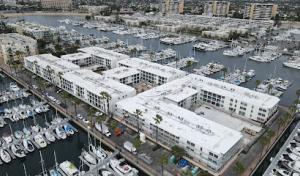
Costs in this market are often pushed upward by custom home designs, multi-level rooflines, tile systems, and difficult access on narrow peninsula streets or dense coastal neighborhoods. The mix of salt air, Santa Ana winds, and frequent wind-driven leaks means you'll often see premium materials and careful detailing around edges, penetrations, and roof-to-wall transitions. Labor time can rise when matching profiles for high-end architectural finishes and protecting finished exterior surfaces during tear-off.
Tile options dominate in custom neighborhoods, with concrete and clay tiles offering long life but varying installation complexity. Concrete tile generally lands in the mid-to-upper range, while clay tile can push higher still due to weight, handling, and profile matching requirements. Metal roofing and synthetic shingles present faster install windows and different wind performance profiles, which can influence both cost and long-term maintenance in this coastal climate. Asphalt shingles remain a practical alternative, but expect higher variation in price when good wind-rated underlayment and flashing are factored in for coastal exposure.
Wind resistance is a top driver of value here. Upgrading underlayment, sealant systems, and flashing around vents, chimneys, and skylights adds upfront cost but pays back through reduced leak risk after storms. If the home has a low-slope or roof-deck configuration, plan for additional edge detailing and proper drainage solutions to prevent pooling and wind-driven water intrusion. In high-end neighborhoods, matching the exact tile profile and color consistency across multiple roof planes can add labor time, sometimes significantly, especially on multi-level designs.
Asphalt Shingles: roughly 400-750 USD per square. Metal Roofing: roughly 700-1,300 USD per square. Clay Tile: roughly 900-1,800 USD per square. Concrete Tile: roughly 800-1,500 USD per square. Wood Shingles/Shakes: roughly 600-1,100 USD per square. Synthetic/Composite Shingles: roughly 450-900 USD per square. Realize that premium underlayment, high-wind-rated fasteners, and careful surface protection during tear-off can add to these numbers, especially on multi-level or tightly constrained sites.
Demand can tighten after wind events or winter leak periods because emergency response and reroof crews are both active in this market. Plan for potential short-term price bumps and limited scheduling windows, and consider securing a preferred contractor early to preserve profile matching and finish quality across all roof planes.
Get a clear picture of your project costs upfront - no commitment required.

A full reroof in this community typically requires a building permit rather than being treated as a purely cosmetic project. Because the city leans toward protecting coastal and architectural character, plan reviews look beyond color or texture to the actual assembly being replaced. When you pull permits, expect the focus to be on how the new underlayment, flashing, and roof assembly sit within the existing roof geometry, whether venting is adequate for the climate, and how coastal wind considerations are addressed.
The city generally reviews reroof plans to ensure that the proposed assembly meets code requirements and is appropriate for the specific roof form on the home. With a mix of tile-heavy custom surfaces and low-slope or deck configurations, you should anticipate questions about fasteners, sealants, and wind-resistant detailing at eaves, rake edges, and transitions. A rough-in inspection is commonly conducted during the job. This check helps verify that the roof deck is properly prepared, that underlayment and flashing are installed to withstand Santa Ana gusts and salt exposure, and that ventilation pathways remain unobstructed.
A final inspection follows once the project nears completion. The emphasis shifts to whether the installed system functions as intended and integrates with surrounding structures, such as parapets, skylights, or chimneys, without compromising the coastal performance. Given Newport Beach's architectural variety, the reviewer will assess whether the replacement assembly aligns with the approved plan and local conditions rather than enforcing a one-size-fits-all approach.
Coordinate early with a contractor who understands coastal wind dynamics and the neighborhood's mixed roof forms. Have detailed product data for underlayment, flashing, and fastener schedules ready for review, and be prepared for questions about how the new system will behave during heavy wind events and salt exposure. If questions arise during review, respond promptly to avoid delays that can stretch timelines and affect weather-related risks.
Expect the process to be location-specific and technically focused on the actual roof assembly rather than the project's cosmetic scope. This city's permitting path rewards precise, compliant installations that respect the coastal environment and distinctive local housing stock.
Wind-driven leaks are a top concern for coastal homes in this corner of the harbor. Santa Ana events can turn a quiet season into a wave of wind-related stress on roofs with clay or concrete tiles, low-slope decks, or metal edges. Insurance providers are watching roof age and exposure to salt spray more closely than in many inland markets, and Newport Beach homeowners may be asked for documentation of prior roof damage or wind history before any policy updates. This is not about scaring you; it's about making sure the roof you have or plan to install continues to perform under the year-round salt air and sudden gusts.
When a claim is involved, carriers commonly require a full replacement estimate and clear photos showing damaged areas, not a handful of repair invoices. The emphasis is on demonstrable, widespread impact rather than isolated fixes. In practice, that means keeping a consistent record: dated photos of roof surfaces from multiple angles, notes on any recurring leaks, and a simple map of where wind events have caused damage over time. These records help bridge the gap between a homeowner's experience and an adjuster's assessment.
In Newport Beach, the narrative around wind history often carries more weight than stories about hail damage that are common inland. After Santa Ana events or winter storms, insurers may look first at wind exposure and edge damage, flashing integrity, and tile lift or displacement. A well-documented history of wind-related damage-supported by professional assessments when possible-can influence underwriting decisions and claim outcomes more than you might expect. Prioritizing durability in future renovations pays off when the wind picks up again.
Connect with contractors who help homeowners navigate the claims process from damage assessment to final approval.
RX Roof Repair & Commercial Roofing
4630 Campus Dr, Newport Beach, California
4.5 from 26 reviews
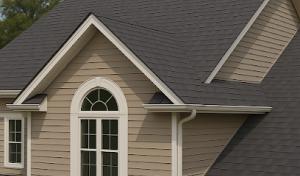

Contemporary coastal homes in Newport Beach frequently combine low-slope roofs with skylights, decks, and parapet transitions that create more leak-prone detail points than simple gable roofs. The salt-air environment accelerates corrosion of metal flashings and fasteners, while Santa Ana winds press rain harder against every seam. On a typical Balboa Peninsula remodel, usable rooftop space adds traffic, rail penetrations, and drainage interactions that demand extra attention to waterproofing details.
When a roof deck sits atop a low-slope system, every drain, scupper, and parapet corner becomes a potential water path. Plan for positive drainage away from skylight flashing and deck penetrations, and ensure deck coatings and membranes are compatible with foot traffic and planters. In these coastal setups, a robust membrane sequence under the deck surface is essential, with properly terminated terminations at parapet edges to reduce wind-driven water intrusion during storm swells.
Skylight leaks in this market are often confused with broader roof failures because wind-driven rain can enter at flashing transitions rather than through the glazing itself. Inspect curb flashing, cross-flash details at adjacent skylight headers, and ensure the flashing is continuous through parapets and along any deck perimeter. Use sealed, corrosion-resistant flashings and verify that fasteners are corrosion-resistant and backed by proper sealant continuity around the skylight perimeter.
Wind-driven rain drives water laterally along roof planes, especially where low-slope sections meet parapets or railings. Special attention should be paid to the transition zones between roof, skylight curb, and deck edges. Regular inspections after Santa Ana events are prudent, focusing on flashing joints, membrane laps, and any signs of blistering or lifting near deck rail penetrations.
Find specialists in TPO, EPDM, and built-up flat roofing systems for residential and commercial properties.
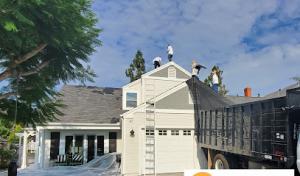
When the project involves tearing off an old roof, prioritize contractors who routinely work on occupied homes and can shield landscaping, stucco, and neighboring properties. In this market, crews that plan around residents, pets, and gate access prevent neighborhood disruption and reduce post-work cleanup complaints. Ask for a detailed plan showing tarp placement, debris containment, and turn-around routes for equipment to minimize track-in on driveways and sidewalks.
Cleanup matters in dense residential settings, driveways, and pedestrian-heavy beach neighborhoods. Require a written commitment to remove nails, shingle cuttings, and packaging daily, not just at the end. Request magnet-equipped sweeping after every major phase and proof of a secured disposal plan. Ask how debris will be contained during windy Santa Ana events and how the crew prevents nails from drifting onto neighboring properties.
Long-established contractors are common in this market, which is useful when comparing warranty follow-through on custom tile, low-slope, and coastal corrosion-related work. Look for a track record of coastal jobs, especially projects near salt spray, which stress fasteners, sealants, and flashings differently than inland homes. For tile and low-slope configurations, confirm familiarity with tear-off sequencing that preserves stucco and minimizes moisture intrusion around coping and parapets.
Choose a roofer who can discuss material compatibility with coastal exposure, wind-driven leaks, and salt corrosion. For tile-heavy homes, verify sealant and underlayment choices that work under frequent wind-borne spray. For low-slope decks, ask about drainage-conscious installation and edge flashing that remains effective under seasonal storms. A confident estimator will tailor recommendations to the home's orientation, shade patterns, and nearby landscaping.