
Last updated: Apr 19, 2026
Laguna Beach homes sit on steep coastal slopes where access for workers, staging, and tear-off logistics become a tight puzzle. The hillside angle complicates ladder placement, material handling, and emergency leak response when rain storms roll in. After long dry spells, flashings, sealants, and joints can age unseen, then suddenly fail under a sudden winter spree of rain. Coastal salt spray and marine humidity aggressively attack exposed fasteners, flashings, vents, and other metal roof components, speeding corrosion beyond what inland Orange County locations typically see. This combination-tough access, aging sealants, and accelerated corrosion-creates a narrow window where leaks emerge most aggressively.
The Mediterranean roofscape of this area means the heaviest leak risk clusters around wet winter storms that arrive after dry periods. Think back-to-back storms that test every seam and fastener that has endured months of sun and salt spray. If a reroof or major repair plan is deferred into late fall or early winter, the risk compounds: compromised flashings that looked solid in summer can fail under the first month of heavy rain, and dry-down cycles can leave parging and sealants brittle. The clock is ticking when the forecast calls for a wet season with high winds near exposed ridges and open gables. Prioritize treatments that seal joints, renew flashings, and address any metal components showing corrosion or pitting before the first heavy rain.
Before the next storm cycle hits, walk the roof with a flashlight at dusk and look for hairline gaps around vent stacks, pipe penetrations, and skylights. On hillside properties, pay particular attention to ridge and valley intersections where water can pool and backflow toward fascia lines. If you notice loose or lifting shingles or tiles, or if metal flashings feel soft or corroded at the fasteners, escalate to a professional promptly so a temporary or partial remediation can be staged rather than waiting for a full reroof. On metal-influenced or tile-heavy rooflines, verify that exposed fasteners are sealed and that sealant joints at transitions remain flexible and intact; salt-laden air accelerates drying, so a glaze or crack in sealant can widen quickly with a storm surge. For roofs with clay or concrete tiles, inspect the laps and hips where water can pool and creep under edge tiles during heavy rain.
Access logistics on steep slopes demand deliberate planning. If a leak begins during a storm, rapid response means securing the most vulnerable areas first-downspout outlets, valley intersections, and rooftop penetrations-so water does not funnel into ceilings below. Have a clear plan for staging a temporary tarping or quick-seal kit for the most exposed sections, with a prioritized list of crews ready to respond after the first rain event. In view-sensitive neighborhoods, timing is especially critical: waiting for a calm day to address a small failure can permit a minor leak to become a major indoor problem before crews can safely work. Treat any sign of moisture or staining as a red flag and mobilize quickly to investigate the underlying issue rather than chasing a cascading leak after storms start.
Clay and concrete tile fit the coastal Mediterranean and Spanish-influenced housing stock found on the hillside overlooks and bluffs here. That makes tile-specific underlayment aging and broken-tile repairs especially relevant locally. The salt air accelerates corrosion of metal components in the roof system and can degrade underlayment more quickly when moisture penetrates through cracked or displaced tiles. When evaluating a tile roof, focus on the condition of the waterproofing layer beneath the tiles, not just the surface. If the underlayment shows signs of wear, replacing it often delivers more reliable leak protection than replacing tiles alone, especially on older homes where tiles may still look sound but the waterproofing has aged out.
On many older Laguna Beach homes, the tile itself may outlast the waterproofing layer beneath it. Reroof decisions frequently center on underlayment replacement rather than full tile replacement. This approach protects the steep hillside roof from seasonal rain without disturbing the historic tile profile more than necessary. In practical terms, you'll want to confirm grid-by-grid whether the existing underlayment has reached the end of its life, as a comprehensive underlayment renewal can stop leaks at the source even if most tiles are still in good condition. When planning, expect a focus on sealing transitions around vent stacks, chimneys, and skylights, where age-related failures tend to begin.
Steep rooflines and custom coastal home designs in this area can make matching existing tile profiles and colors more difficult during partial repairs. If only isolated sections require attention, aim to source tiles that closely match shape, finish, and color to preserve the original look from the street. In some cases, a small area replacement may look mismatched from certain angles, so weigh the trade-off between a seamless appearance and the long-term protection of a full underlayment refresh. When color-matching, consider the sun exposure and how aged tiles have changed tone over decades-the color drift can be more noticeable on a hillside view where angle and light are part of the home's character.
Winter storms bring the risk of leaks that can track along the underlayment before showing on ceilings. Focus inspections on valleys and intersections where two or more roof planes meet, as these are common leak paths in clay and concrete tile systems. Salt spray can corrode fasteners and flashing, so pay attention to metal components around vents, chimneys, and edge details. In hillside homes, wind-driven rain can force water under tile edges that are not fully integrated with the underlayment. A careful, line-by-line assessment from eave to ridge helps locate hidden breaches that might not be obvious from ground level.
When a reroof is required, weigh partial repairs against full reroofing decisions, especially where the underlayment is nearing the end of its life. A partial repair that sticks to replacing damaged tiles and renewing the underlayment in compromised sections can be a practical path on a view-facing home where tile profiles must remain intact. If the underlayment shows widespread aging or waterproofing has degraded around multiple penetrations, a broader refresh of the underlayment and a coordinated tile reseating plan tends to deliver longer-term protection with fewer recurring leaks.
Schedule a seasonal inspection after the rainy season to catch degraded seals and loose tiles before winter storms arrive. Use non-destructive methods to test for lift near ridge caps, hips, and along eaves where wind pressure is highest. For hillside homes, emphasize inspections on the up-slope and down-slope transitions where debris accumulation and salt exposure are most aggressive. Keep gutters clear to prevent water backing up against fascia, which can push water toward tile edges and underlayment joints. In sum, protect the waterproofing layer first, then ensure tile integrity and color harmony for a durable, rain-ready roof.
Find contractors who specialize in clay and concrete tile roofs, known for their durability and curb appeal.
Laguna Beach Roofing
(949) 528-7663 www.ocstaydryroofing.com
Laguna Beach, California
5.0 from 8 reviews

Crown Reconstruction Services
(866) 702-7696 crownreconstructionservices.com
2055 Laguna Canyon Rd, Laguna Beach, California
5.0 from 16 reviews
We are a full-service general contractor based in Laguna Beach, CA, offering comprehensive project management and skilled workmanship for residential and commercial construction. From initial design and planning through to construction and finishing touches, we coordinate every aspect of your project with licensed, insured professionals. Whether you’re remodeling a kitchen, repairing a foundation, or renovating an entire home, we ensure quality, reliability, and open communication throughout. With over 70 combined years of experience in coastal Orange County communities, we understand local codes, climate challenges, and design tastes — delivering durable and attractive results that increase your property’s value.
Laguna Beach Roofing
(949) 528-7663 www.ocstaydryroofing.com
Laguna Beach, California
5.0 from 8 reviews
Stay Dry Roofing Company is a commercial and residential roofing company serving the Orange County and Los Angeles County Areas. Stay Dry Roofing provides top quality roofing installation, maintenance and repair services. Building strong relationships has been our key to success. Our mission is to deliver the best possible roof at the lowest reasonable price with quality and customer service in mind. Why Choose Us 1. 3rd Generation Roofer 2. Family Owned & Operated 3. Licensed Insured & Bonded 4. Workers Compensation 5. 2 Million Dollar General Liability 6. Contractor Supervising All Projects
RESCUE ROOFER Laguna Beach
(949) 497-7663 www.rescueroofer.net
1278 Glenneyre St, Laguna Beach, California
5.0 from 3 reviews
Rescue Roofer is proud of two, very important things: The industry’s most top-notch people, and policies and procedures to offer the industry’s most thorough and proactive communication. Rescue Roofer's mission to change the construction experience has cemented the company as Laguna Beach's premier roofing service. We've expanded into our second market in Texas and are growing into neighborhoods across the nation. License #: 1137524

B.P. Custom Roofing
(949) 390-3627 www.bpcustomroofing.com
Serving
5.0 from 75 reviews
Quality residential roofing company in business since 1992 (License #652641 C-39)
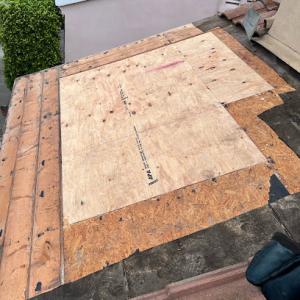
Di Rock GC & Roofing
(949) 545-1976 www.dirockgc.com
Serving
5.0 from 49 reviews
Established in 2010, DiRock General Contracting & Roofing safeguards Orange County homes with expert roof care. Their licensed and insured team offers a complete range of services, from inspections and repairs to replacements. DiRock prioritizes client collaboration and utilizes skilled craftsmanship to ensure your roof's long-lasting protection. Please reach out and make the call!
City Roofing & Maintenance
(949) 500-3980 www.cityroofingandmaintenance.com
Serving
5.0 from 31 reviews
The integrity of your roof, on a personal residence, rental property or business, is vital. Choosing the best roofing contractor should be simple. At City Roofing and Maintenance, (CR&M) our philosophy is also simple: "Your satisfaction is our priority." We ensure our clients a seamless and professional experience regardless of job size, material installation, timeline or price. CR&M clients always feel respected and appreciated.

King Roofing Company
(714) 345-8704 www.kingroofingca.com
Serving
4.9 from 87 reviews
Local roofing contractor with 25 years of experience. Family owned and Operated. Fully licensed, bonded, and insured we aren't here to make excuses. We are ready to service all of your roofing needs.

Beach Cities Roofing
Serving
5.0 from 17 reviews
We install FiberTite roofing, known for its leak-proof and energy-efficient design. Our skilled roofing contractors handle installations and roof repair services for residential and commercial properties. Need solar? Our solar panel installers provide professional installation and solar panel repair to keep your system running smoothly. We also offer construction services, including siding, windows, and masonry work. Whatever your project, we’ve got the expertise—get started today!

Rod's Roofing Company
(949) 212-3557 www.roofingsanclementeca.com
Serving
4.7 from 14 reviews
If your roof is in a state of disrepair or looking worn-out, you need a local roofing company you can trust to restore it or replace it. That's where Rod's Roofing Company comes in. We offer professional roof replacement, repair and reroofing services to homeowners throughout San Clemente, CA and the surrounding areas.

Rational Roofing Services
(714) 794-9697 rationalroofingservices.com
Serving
4.9 from 16 reviews
At Rational Roofing Services, we provide reliable, high-quality roof repair, replacement, and emergency services in Orange County, CA. With over 10 years of experience, our licensed and insured roofing contractors use top-quality materials to ensure lasting results. We offer free estimates and 24/7 emergency roofing services to keep your home protected year-round. As a family-owned business, we treat every home like our own, delivering professional, efficient service. Need roofing help? Call Rational Roofing Services today for trusted local expertise in Costa Mesa and beyond

KJC Roofing
(949) 228-0322 www.kjcroofing.com
Serving
5.0 from 20 reviews
Protect your largest investment with our reliable roofing services. We are a locally owned and operated roofing company currently serving Mission Viejo, CA and surrounding communities. If you want to make your roof last as long as possible, it is vital that you never put off a roof repair. Small issues with roofing become big issues in a hurry. No matter how major or minor the repair you need, we are here to help. We offer flat roofing, metal roofing, and asphalt roofing.
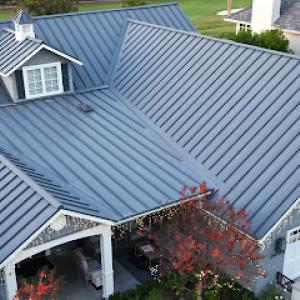
Pacific Roofing Systems
(949) 495-4200 pacificroofingsystems.com
Serving
4.7 from 47 reviews
For over 25 years, Pacific Roofing Systems has been Orange County's trusted roofing expert. Specializing in all roofing types, from classic tile and composite shingles to modern metal and innovative green roofing solutions, they deliver premier roofing services for every need. As a VELUX 5-Star certified installer, Pacific Roofing Systems expertly installs and services the complete VELUX product line for both residential and commercial properties. Experience the difference of superior craftsmanship and dedicated customer service; Pacific Roofing Systems takes pride in using only the best products to exceed your expectations with every project.
Reroof work in this hillside coastal area isn't a casual weekend project, and the City of Laguna Beach treats it as a permit-required job rather than minor maintenance. If a roof project isn't properly permitted, the city can halt work, and a subsequent inspection process may demand rework or additional documentation. This isn't just red tape; it's a safeguard against missteps that could worsen salt-air corrosion or create leak pathways that are hard to catch once the underlayment is covered. The permit process tends to align with the unique wind, salt, and slope conditions that characterize these neighborhoods, where a small overlooked detail can ripple into costly setbacks.
Local inspections in Laguna Beach follow key milestones that anchor the project timeline. Expect a first look before underlayment is concealed, so any layout or flashing changes are caught while access is easy. Another check happens after the roof covering is installed but before final finishes are completed, ensuring the chosen materials tie properly into the flashing details and drainage plan. Finally, a final inspection confirms the system's integrity, especially around coastal salt exposure and any rain-season vulnerability. Treat these milestones as non-negotiable checkpoints rather than optional confirmations, because missing one can trigger retries and delays during a time window when storms are approaching.
Plan review in this city can lengthen the reroof schedule when the scope includes structural changes rather than a like-for-like reroof. Any reinforcement, rafter or ridge work, or changes to roof geometry must be vetted for safety, wind load, and seismic compatibility. The review process assesses how structural alterations interact with existing hillside construction, drainage, and view-sensitive considerations that inform permit conditions. If the project doesn't stay within a like-for-like footprint, allocate extra calendar time for approvals, drawings, and possible revisions to satisfy code expectations and neighborhood requirements.
Understanding these permit realities helps you avoid misaligned timetables and unplanned workarounds that could expose the home to winter leaks or salt-weathered components. Stay in close contact with the contractor about anticipated inspection dates and needed documentation, and maintain an organized file of permits, plan sets, and inspection notices. In hillside settings where views and materials matter, the permit path is not a hurdle to rush through-it's a framework designed to protect the home and the neighborhood's character during a reroof.
Provided local cost ranges run from about 450 to 900 USD per square for asphalt shingles, 800 to 1400 for metal, 900 to 1700 for clay tile, 800 to 1500 for concrete tile, 1800 to 3000 for slate, and 500 to 850 for fiber cement shingles. Those numbers reflect Laguna Beach realities: hillside access, limited staging, and labor-intensive work on custom coastal homes with complex roof geometry. When a reroof is tile-heavy or uses premium materials, the total project climbs quickly, especially on homes perched above narrow streets or tucked behind tall hedges where trucks and material drops require careful planning.
Asphalt shingles stay the most budget-friendly option, but on a hillside property with ocean exposure you'll see higher labor time and staging costs that push the rate toward the upper end of inland estimates. Metal roofing, while durable, comes with fabrication nuances for curved or multi-plane roofs common on coastal homes, and that pushes costs into the 800-1400 per square range. Tile options-clay or concrete-dominate Laguna Beach aesthetics and performance, yet their weight, ship times, and the need for coastal corrosion-resistant accessories lift the price to roughly 800-1700 per square for clay or 800-1500 for concrete. Slate is rarely a first choice here due to weight and cost, but when used, expect 1800-3000 per square because of meticulous installation requirements. Fiber cement shingles offer a middle ground at 500-850 per square, with the caveat that color and texture still need to blend with a view-sensitive streetscape.
Laguna pricing is often pushed upward by difficult hillside access, limited staging space, and labor-intensive work on custom coastal homes with complex roof geometry. Access challenges can mean longer crane or hoist time, more crew coordination, and careful material handling to avoid damage to landscaping or neighboring properties. If a reroof includes intricate ridge lines, multiple pitches, or rare tile profiles to match a historic look, the crew may need extra detailing, custom flashings, and higher safety measures, all of which add to the bottom line. In practice, anticipate that the same square of material will cost more here than inland projects due to these site-specific challenges and the premium finishes that coastal homes often demand.
On salt-exposed hillside homes, timing is part of the cost equation. If a reroof is scheduled close to the winter storm season, crews may prioritize scheduling windows with the most favorable access and minimize exposure risk to the structure, which can compress the schedule and raise labor visibility costs. Reroofs near or during the wet season should include enhanced leak protection measures, higher-quality underlayment compatible with coastal humidity, and longer warranty expectations to account for potential storm-driven wear. Plan for extra staging and temporary protections during the storm season to keep interior spaces dry while materials and crews work.
Get a clear picture of your project costs upfront - no commitment required.

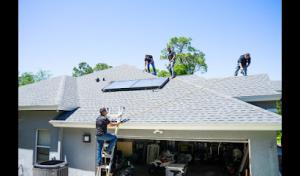

Laguna Beach sits in a coastal California insurance environment where wind- and rain-driven roof claims are common enough that documentation quality can affect claim handling. The salty air, hillside exposure, and occasional seasonal downpours mean roofs endure accelerated wear, especially on older or tile-heavy homes. When a storm rolls in or a high-wind event rattles the eaves, the bottom line for claims is not just what happened, but what the records show about the roof's condition beforehand. The way a roof is documented-photos, notes, and a simple timeline-can tilt how quickly a claim is processed and how coverage is interpreted.
Homeowners should keep pre-loss and post-loss roof photos because adjusters may review prior wear, deferred maintenance, and earlier damage when evaluating a claim. Take clear shots from multiple angles and at different times of day, including close-ups of flashing, ridge caps, and any visible granule loss or surface cracking. Maintain a dated gallery that chronicles the roof's visible state before a storm, then add post-event images that show the extent of damage and any temporary mitigations. If a repair was performed, store receipts and notes about what was fixed and when. These records help show continuity of condition and can prevent misinterpretation of pre-existing issues as new damage.
Wet-season storms can reveal vulnerabilities quickly on hillside properties where wind loads and rain intrusion meet salt-soaked surfaces. Claims handling can hinge on corrosion-prone metals, degraded fasteners, and the integrity of tile or shingle transitions against wind uplift. Be prepared for questions about prior sheet metal flashing, valley conditions, and the roof's age. Honest, straightforward documentation can shorten back-and-forth with adjusters and reduce the risk of coverage disputes tied to earlier wear or deferred maintenance.
Statewide insurer tightening in coastal California can influence underwriting, roof-age scrutiny, and code-upgrade considerations when homeowners choose replacement materials. If a roof is slated for replacement after a claim, the insurer may weigh how the new design stands up to salt air, wind, and rain in a hillside setting. Consider materials known to perform well in coastal environments and be ready to discuss color, texture, and installation details that affect wind resistance and water shedding. Clear communication about material choices, installation quality, and maintenance history supports smoother claim reviews.
Maintain a simple, organized archive of roof-related documents: photos with timestamps, contractor notes, and maintenance records. Before storms, perform a light preventive check to identify loose tiles, damaged flashing, or clogged gutters that could amplify damage. After a storm, photograph evidence of any new impact, leaks, or interior water intrusion, and report promptly to the insurer with your verified documentation. This disciplined approach helps ensure that coverage decisions align with actual condition and documented events, not assumptions about wear alone.
Connect with contractors who help homeowners navigate the claims process from damage assessment to final approval.
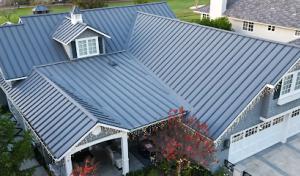
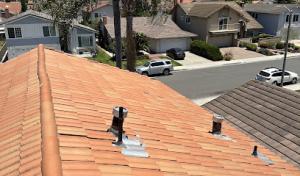

Laguna Beach roofs endure a harsh mix of strong sun, marine moisture, and salt air, all of which can shorten the life of sealants and exposed metal details. In this coast-facing environment, sealants that crack or delaminate become pathways for moisture intrusion, especially where roof penetrations, flashing, and vent details meet. Prioritize evaluating sealant joints annually, paying close attention to high-swell areas like ridge lines, dormers, and chimney transitions. When resealing, use products recommended for salt air climates, and ensure joints are fully dried before application. Regular inspections after the wet season help catch early failures before leaks show on interior ceilings.
Fall and winter bring Santa Ana wind bursts that stress roofing systems beyond ordinary rain-driven wear. In hillside homes with steep pitches, uplift resistance becomes a top concern, and debris kicked up by gusts can bruise shingles, tiles, and metal edges. Even without a headline storm, post-wind inspections are essential: check for loose tiles, displaced flashing, and fastener looseness around eaves and vents. Consider reinforcing vulnerable edge details and ensuring attic ventilation remains balanced to reduce stack effect pressure during dry, windy spells. A proactive approach during Santa Ana windows reduces the chance of wind-driven leaks and interior surprises.
Metal roofs and accessories see intensified ocean exposure here, with salt spray accelerating corrosion more than inland coastal climates. Inspect metal edges, fasteners, and trim for white oxidation blooms, pitting, or powdery corrosion, especially on coastal-facing sides and near gutters. Failures can propagate at joints where sealants meet metal, so keep an eye on scuppers, vent flashings, and skylight frames. For metal components, annual cleaning to remove salt residue and timely coating touch-ups with marine-grade finishes extend service life. If corrosion is already evident, plan targeted replacement of affected panels or trim before winter storms, when salt-laden air and wind combine to push moisture deeper into vulnerable crevices.
Explore specialists in steel, aluminum, and standing seam metal roofs built to last 50 years or more.
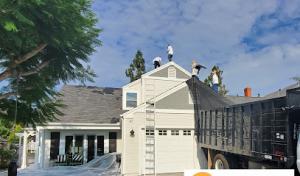
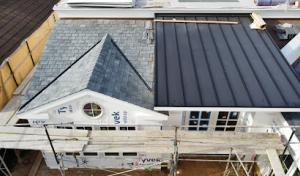
Laguna's mix of contemporary coastal homes means many rooftops blend low-slope areas, decks, and traditional pitched sections. The result is a tapestry of potential leak paths where flashing transitions, deck-to-roof interfaces, and skylight curb details meet rain-driven wind effects. When planning a reroof or refresh, scrutinize every transition rather than focusing solely on field shingles or tiles. Pay special attention to deck edges, parapets, and any surface that acts like a spillway during winter storms. On hillside sites, wind-driven spray can push salt into metal edges and fasteners, so corrosion resistance and sealant compatibility matter as much as the substrate condition.
Skylights command a meaningful share of local service calls, especially on custom homes with expansive or uniquely shaped apertures. Flashing that seemed sound after a dry season can fail once the first big winter rain arrives. Check skylight curb integrity, sealant joints, and drainage slope around the flashing. Ensure the primary roof surface sheds water toward the gutters rather than pooling at skylight perimeters. For rooftops with multiple skylights, consider a targeted inspection after prolonged dry spells and before the first winter storms, since long dry periods can hide hairline flashing cracks that only reveal themselves with moisture.
Architect-designed coastal properties tend to feature complex roof intersections: multiple planes, transitions to decks, and intricate fascia integrations. In Laguna, detail quality can surpass surface condition; a small misalignment at a roof-to-deck interface or mislocated drip edge can become a persistent leak source. Prioritize precise carpentry cuts, properly pre-formed metal flashings, and continuous sealant beads at all intersections. When dealing with unique shapes, request test fits and sample flashings that match the local salt-air exposure. A careful, detail-forward approach reduces call-backs when storms arrive.
Find specialists in TPO, EPDM, and built-up flat roofing systems for residential and commercial properties.
The dry season is generally favored in Laguna Beach for reroofing because winter rains can interrupt tear-off and underlayment exposure windows. When you plan, target a window with steady dry weather that minimizes the chance of sheets and underlayment sitting exposed after tear-off. On coastal hillsides, spray from salt air can complicate fasteners and fastener corrosion, so starting and finishing early in a dry stretch reduces ongoing exposure. Work with a crew that can stage materials to protect the most view-sensitive elevations, especially where neighboring homes have sightlines that demand clean, uninterrupted progress.
Hot summer conditions can slow installation pace and affect material handling even though summer is drier. Heat and glare make ladder and scaffold movement more treacherous, and metal and tile components can heat up quickly, changing handling dynamics and expansion behavior. If a summer window is your only choice, plan for longer daily shifts, extra hydration and shade, and early-morning work hours to avoid peak heat. In hillside lots, limited staging space means careful sequencing to prevent heat-softened underlayment or tiles from slipping during removal.
Fall and winter scheduling must account for Santa Ana wind events that can disrupt staging, debris control, and temporary dry-in plans. These winds can fling debris, blow dust onto exposed underlayment, and challenge containment on slopes where debris control is critical to neighbor safety and view preservation. Build in flexible days around potential windy gaps, and coordinate with a crew that has a ready dry-in strategy so you can tighten protection quickly if gusts pick up. On hillside sites, you'll benefit from a contingency plan that keeps vulnerable components covered or secured between sessions.
When a leak pops up during the winter storm window, timing becomes the defining difference between quick mitigation and lasting water intrusion. Local contractors are judged as much for their speed as for their workmanship. You'll notice a premium on emergency callouts, on-site tarp installations, and rapid temporary fixes that buy you time until a full reroof can be scheduled. The hillside context-steep slopes, salt air, and gusty ocean winds-means a small leak can widen fast if not contained. Prioritize contractors who demonstrate a proven process for rapid assessment, clear communication about what can be secured immediately, and a documented plan for the next steps. Insist on a written ETA, a list of temporary measures, and daily updates during a storm-driven window.
The market here leans heavily toward replacement and repair on existing homes rather than tract-build installs. Homes on narrow lots with view corridors, tile-heavy aesthetics, and varied roof lines demand hands-on experience with aging underlayment, fasteners, and material compatibility in salt-exposed environments. When choosing a contractor, look for a track record of successful reroofs on similarly styled hillside residences, with attention to material choice that respects both performance and the home's character. Expect thoughtful sequestration of work zones to protect view-sensitive areas, landscaping, and neighboring properties during teardown and reapplication.
Cleanup is not a sidebar here; it's a core measure of professional reliability. Tight lots and hillside access create logistical challenges that magnify debris risks for neighbors and driveways. Local crews often dedicate substantial time to meticulous cleaning of gutters, planting beds, and the street. Ask about containment plans for dust, flying debris, and material runoff, plus a post-project site inspection to confirm no loose nails or shards remain. A dependable crew will treat cleanup as an integral step, not an afterthought, to minimize disruption and preserve the neighborhood's coastal standards.