
Last updated: Apr 19, 2026
The coastal sun in this part of Orange County shines relentlessly, and that affects roof longevity in tangible ways. Organic materials, like wood shingles or shakes, tend to dry out and check sooner under this constant exposure. If your roof uses wood, expect faster resilience loss in exposed elevations-ridge lines and southern-facing slopes often bear the brunt. Compounding the sun impact, flashing joints and sealants can become brittle over time, increasing the potential for slow leaks even when there isn't a dramatic storm. For metal roofs or metal components, sun heat can cause expansion and contraction cycles that loosen fasteners and shorten the life of coatings or painted finishes. In practical terms, inspect exposed wood edges, shakes, and metal seams at least twice a year, focusing on sun-warmed surfaces after the summer peak.
Salt-influenced coastal air does not pause for the weekend; it works quietly on fasteners, screws, and metal surfaces year after year. Even if a home isn't perched directly on the shoreline, the salt-laden air can corrode softer metal elements and cause coatings to degrade faster than inland neighbors might expect. Expect faster wear on exposed metal fascia, gutters, downspouts, and any metal flashing that sits against concrete or masonry. If your roof includes vent caps or metal collars, consider periodic spray-downs with clean water to rinse salt crusts, followed by a light corrosion-inhibiting treatment if recommended by the manufacturer. When metal components are replaced, prioritizing non-corrosive alloys or corrosion-resistant fasteners can yield longer service intervals in this climate.
Coastal Southern California's rainfall comes in episodic bursts, with dry stretches delivering manageable windows for tear-offs and installations. The pattern of dry spells followed by rain interrupts many major roof projects, so timing matters. Homeowners tend to schedule larger repairs or replacements during the dry season to minimize weather-related rework and to restore roof integrity before the next wetter period. If your roof is nearing the end of its useful cycle, align replacement planning with a dry-season window and avoid late-season installs that could be delayed by winter storms. In practical terms, that means coordinating a tear-off when forecasts show several consecutive dry days, and confirming crew availability to complete under ideal conditions.
Asphalt shingles in this area typically show accelerated granule loss under constant sun, with the protective surface wearing thin first on southern exposures. Clay and concrete tiles resist some sun and heat but can become brittle after decades, especially if underlying underlayment has degraded or if tiles are porous to salt-laden air. Metal roofs, while durable, reveal fastener corrosion and coating wear sooner in this climate than in milder inland zones. Wood shingles exhibit cupping, curling, and surface graining from sun and dry air, with higher maintenance needs on the ridge and near eaves where moisture intrusion risks remain if coatings fail.
A practical maintenance cadence centers on seasonal checks. In late spring, inspect for sun-warped edges, loose flashing, and exposed fasteners. After the wet season, look for any signs of moisture intrusion, delamination, or roof deck concerns caused by intermittent rain. Proactive resealing, re-coating of metal sections, and timely replacement of damaged shingles or tiles can extend overall lifespan. When a roof approaches its expected service window, start the replacement conversation during the dry season to secure favorable conditions for tear-off and installation, and to minimize weather-related delays. In this coastal climate, staying ahead of wear from sun and salt helps you avoid costly mid-winter surprises.
The dominant residential roof types in Fountain Valley include asphalt shingles, clay tile, concrete tile, wood shingles or shakes, metal roofing, and synthetic or composite shingles. Among these, tile-especially clay and concrete-remains a strong aesthetic and durability choice in this coastal-inland climate. Tile is frequently favored not only for its classic look but for its ability to weather the year's sun intensity and coastal salt exposure. Asphalt shingles continue to be common for value and straightforward replacement, while metal and synthetic options offer lighter weight and different performance profiles. When you assess your options, consider how each roof type handles the sun, wind-driven rain, and corrosion potential from salt air, which can influence long-term maintenance cycles.
Tile roofing is especially relevant in this market, reflected by strong local contractor specialization in tile work compared with many other roofing specialties. In practice, that specialization translates to careful selection of underlayment, fasteners, and flashing that are compatible with tile systems. Clay and concrete tiles excel in heat resistance and longevity when properly installed, but they rely on an appropriate underlayment and support structure to handle freeze-free coastal weather patterns. In a setting where winter rain interrupts dry stretches, tile can shed water efficiently and resist surface wear from sun exposure. Shingle systems-particularly synthetic or composite shingles-offer a lighter footprint and easier retrofit options if an existing roof needs a lower-profile replacement. They can perform well in sunny, saline environments when paired with corrosion-resistant fasteners and quality underlayment.
Because of the strong sun exposure combined with coastal air, material choice is not just about appearance; it directly affects maintenance frequency, underlayment wear, and corrosion resistance. In this climate, underlayment and metal components near edges and penetrations face accelerated aging from UV exposure and salt spray. Tile roofs require regular inspection of hip and ridge lines, broken tiles after wind events, and caulking around penetrations to guard against rain intrusion. Shingle roofs benefit from periodic assessment of sealant strips, granule loss, and flashing integrity, particularly after seasonal storms. For both types, the winter rain timing matters: episodes of heavy or frequent rain can reveal vulnerabilities in flashings, guttering, and transitions that might not be obvious during dry spells. Regular inspections-ideally after the wet season or major storms-help catch issues before they escalate.
In a neighborhood with a mix of clay tile, concrete tile, and asphalt shingle homes, you'll notice that the lifespan expectations often hinge on installation quality and the roof's exposure to salt air. Proper ventilation beneath the roof deck helps manage humidity and prolongs underlayment life, especially under heavier tile systems. If you're weighing tile against shingle in this market, consider not only the initial fit and curb appeal but how each system ages under coastal conditions: tile's wear pattern tends to be gradual and steady when well maintained, while shingles can show granule loss and edge deterioration at a different pace. Your decision should align with how you want maintenance to unfold over the coming decades, factoring in typical fall winds and winter rain timing. A well-chosen system paired with a locally experienced installer can simplify annual upkeep and optimize performance through the hotter months and saltier air cycles.
Find contractors who specialize in clay and concrete tile roofs, known for their durability and curb appeal.
All Service Roofing
(714) 457-0906 allserviceroofing.net
16371 Hemlock St, Fountain Valley, California
4.9 from 109 reviews
All Service Roofing
(714) 457-0906 allserviceroofing.net
16371 Hemlock St, Fountain Valley, California
4.9 from 109 reviews
All Roofing Services is a business that puts the needs and input of the customer first! We are here to make roofing information not only available to customers but also provide quality service at low prices!
1st Roofing Contractors Fountain Valley CA
(657) 227-1870 1stroofingcontractorsfountainvalleyca.site
17314 Santa Isabel St, Fountain Valley, California
5.0 from 38 reviews
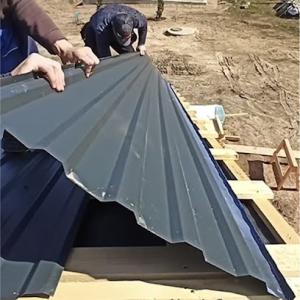
1st Roofing Contractors Fountain Valley CA delivers dependable, detail-focused roofing services throughout Fountain Valley and nearby areas. We handle roof inspections, roof installation, roof repair, roof damage repair, storm and wind damage repairs, attic venting, attic vent installation, attic vent repairs, gutter cleaning, and gutter installation. Our team works 7 days a week to keep your roof safe, strong, and weather-ready. With quality craftsmanship, honest service, and local expertise, we help homeowners protect their property while boosting curb appeal.
One Stop Roofing
(714) 277-4555 1stoproofing.com
Serving
5.0 from 151 reviews
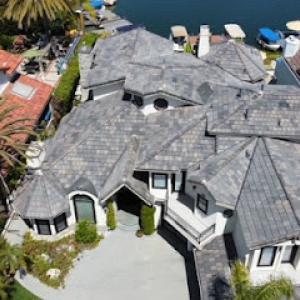
Welcome to One Stop Roofing, a locally owned and operated business proudly serving Anaheim, Covina, Downey, Fullerton, Garden Grove, Santa Ana, and surrounding California areas for over 14 years. Known for upholding the highest industry standards, we specialize in Roofing Contractor services, including Metal Roof Service, Asphalt Shingle Installation, Roof Replacement, and Residential Roofing. Our commitment to quality is backed by a 5-star rating and glowing client testimonials. Whether you need repairs, replacements, or maintenance, our expert team is here to provide durable, weather-resistant solutions tailored to your needs. Contact us today for reliable roofing expertise you can trust!
American Supreme Roofing
(714) 973-0000 www.americansupremeroofing.com
Serving
4.9 from 87 reviews
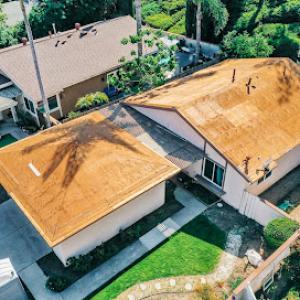
American Supreme Roofing welcomes you. We are a third generation roofing company, that is family-owned and operated revolutionizing the roofing industry with modern high-quality roofing solutions. Although this is a new generation our team and crew members have over 30yrs of experience in this industry. Our main office is located in Santa Ana, CA, 92704, but we serve all of Orange County. With American Supreme Roofing we prioritize your safety and satisfaction above all.
Paragon Roofing
(714) 393-1950 paragonroofinginc.org
Serving
4.9 from 49 reviews
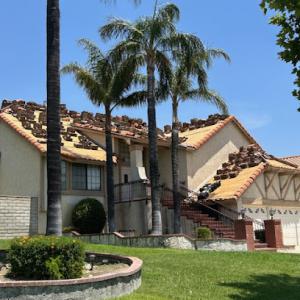
Based in Huntington Beach, CA, Paragon Roofing has been providing licensed and insured roofing services across Orange County and Riverside County since 1996. We specialize in roof repair, roof replacement, shingle and tile roofing, gutter installation, skylights, and leak repair for both residential and commercial properties. As a trusted local roofer, we are committed to delivering reliable, high-quality roofing solutions tailored to every customer. Contact us today for a free estimate!
Hercules Roofing
(949) 301-8984 www.herculesroofingoc.com
Serving
5.0 from 112 reviews
Hercules Roofing is a family-owned, fully insured, and licensed roofing contractor. Our California team receives proper training to ensure that they wield the best skills and equipment on every roofing project in town. We are a reliable and trustworthy roofing contractor in Huntington Beach offering only honest and customer-focused roofing services. If you are looking for a trusted high-quality roofing contractor, you have come to the right place. We are proud to be the community roofer you can trust! Our dedicated team of expert roofers takes care of every roof repair and replacement issue from residential to commercial properties in Huntington Beach and surrounding areas.
HD Roofs
Serving
4.8 from 20 reviews
HD Roofs, Inc. is a local roofing contractor specializing in residential and commercial roofing applications on all types of sloped and flat roofing systems. We promise full transparency from start to finish and will work every step of the way to ensure customer satisfaction. Roof replacement and roof repair experts, we stand behind our work and our craftsmen. Contact us now to get started!

Terrazas Roofing
(714) 951-0292 terrazasroofing.com
Serving
5.0 from 38 reviews
Since the day we opened our doors, Terrazas Roofing has been dedicated to making sure our community is always protected from the weather outside.
iHeart Roofing
(949) 945-8187 iheartroofs.com
Serving
5.0 from 26 reviews
iHeart Roofing is where innovation meets reliability in roofing excellence. Our passion drives us to blend modern technology with expert craftsmanship for lasting results. We specialize in residential and commercial roof replacement, repair, inspection, and commercial roof coatings. Our skilled team uses advanced materials and techniques to deliver durable, high-quality solutions tailored to protect your property and enhance its value. With iHeart Roofing, you're choosing a forward-thinking company that values quality, durability, and customer satisfaction. When you need a roofing company that combines innovation with dependability, remember iHeart Roofing – we put our heart into every roof we touch.

Luis Mendoza Roofing
(714) 604-2598 lmroofingca.com
Serving
4.9 from 41 reviews
At Luis Mendoza Roofing, we treat your home like our own! With over 15 years of experience, our family-owned business proudly serves Orange County, LA County, and beyond, providing top-quality residential and commercial roofing services. From repairs and replacements to 24/7 emergency services, we’ve got you covered. We work with shingles, metal, tile, flat, and more—plus, we offer free inspections, warranties, and easy financing options. Need fast, reliable service? Call us today for a free estimate!
Coastal Rain Gutters
(714) 294-0304 www.coastalrainguttershbca.com
Serving
4.9 from 208 reviews
Coastal Rain Gutters provides rain gutters, seamless copper gutters, custom rain gutters, and gutter screen services located in Huntington Beach, CA & servicing all of Orange County.
Master Roofing
(949) 392-6853 master-roofinginc.com
Serving
4.7 from 148 reviews
The experts working for Master Roofing have a combined experience of more than 30 years in residential and commercial roofing. We are proud to be one of California’s most notable residential & commercial roofing companies. It’s only been possible for us to reach this level of success due to the dedication of our employees and the relationships they have developed with our clients. In the Southern California region, we serve Los Angeles, Orange, Ventura, San Bernardino, Riverside, and San Diego Counties. Our headquarters are located in Irvine however we utilize satellite facilities located in Northern Los Angeles County, San Bernardino County, and Northern California.
The quiet, sunny mornings that homeowners in this city rely on can vanish when the winter rains arrive. Winter rains in Fountain Valley can delay active roofing jobs and also expose weak underlayment, flashing, and older penetrations that may not show problems during the dry season. If a project runs into a rainy spell, a small leak that was dismissed in a dry spell can suddenly become a crawlspace, attic, or ceiling issue. That means you need to plan for weather windows that are narrow and unpredictable. Have a ready plan for temporary protection-tarped decks, quick-seal flashings, and rapid leak containment-so a mid-project roof doesn't become a larger water intrusion problem that costs days or weeks more to fix. In practice, it helps to pre-stage materials and prioritize critical penetrations first, so a sudden shower doesn't force a cascading pause that leaves exposed areas vulnerable.
Fall coastal winds in this area can complicate tear-off staging, underlayment protection, and material handling on open roof decks. Those gusts can lift unsecured underlayment, shift loose shingles, or blow debris into vulnerable attic spaces. For homes with open roof decks or elevated staging, the risk is not just wind-driven damage but also delayed inspections and additional rework when wind-torn barriers aren't properly secured. Before a big fall wind event, ensure loose boards, fasteners, and debris are thoroughly secured, and that temporary barriers and edge protection are in place. If work is ongoing, consider wind monitoring protocols and quick-release tie-offs for tarps and roll goods to prevent costly setbacks.
Because weather interruptions are more likely in the rainy season, quick-response leak control and temporary dry-in measures are especially important for homes caught mid-project. Have a storm-response kit ready at the job site: heavy-duty tarps, sealant compatible with existing underlayment, fast-setting patches for flashing joints, and a plan to divert incidental water away from exposed edges. Communicate a clear, incremental schedule with homeowners that prioritizes critical roof areas first, so any rain event doesn't force a complete halt. If a leak is spotted between storms, don't wait for a full dry-in to fail; deploy a temporary dry-in approach that keeps interior spaces safeguarded while the main system is completed.
The city's coastal sun, salt air, and winter rain timing shape how long a roof lasts and when it should be replaced. In practice, anticipate longer project cycles when November through February bring wetter patterns, and align material handling and staging to tolerate gusty fall days. Choose protective strategies that minimize salt-driven corrosion on metal components and help sealant joints against repeated moisture swings. For a homeowner mid-project, prioritize rapid leak control, secure staging, and a contingency wait list for dry periods, so the roof can progress without letting a single storm derail the entire replacement plan.
When you can't wait, these contractors offer fast response times to stop leaks and prevent further damage.
1st Roofing Contractors Fountain Valley CA
(657) 227-1870 1stroofingcontractorsfountainvalleyca.site
17314 Santa Isabel St, Fountain Valley, California
5.0 from 38 reviews

A full re-roof in this locale typically requires a permit through the City before work begins. The process is designed to ensure that a new roof system meets local wind, seismic, and fire code standards, which is especially important for the inland-coastal climate that features sun exposure, winter rain timing, and salt air influence. In practice, a full re-roof is not treated as an informal over-the-counter repair item; the permit pathway is the expected route, even if the project seems straightforward. Having the permit in place before shingle nails start flying helps avoid delays and possible code compliance issues later.
Plans and contractor credentials are reviewed by the City prior to permit issuance. You will be asked to provide structural details, product specifications, and installation methods that align with local conditions, including how the chosen roof assembly handles coastal sun exposure and seasonal rain intervals. Work crews should be licensed, insured, and familiar with the city's roofing standards. If any deviations from standard practice are proposed, the review process may require clarifications or adjustments before approval.
Inspections are coordinated through the City Building Division. Expect commonly scheduled milestones such as a rough-in inspection to verify roof framing, underlayment, and anchor points, followed by a final inspection to confirm completion and code compliance. Processing time for a re-roof permit often runs about 1 to 2 weeks, depending on workload and any necessary plan revisions. To keep the schedule predictable, ensure the project site is accessible for inspectors and that all required documentation-permits, plans, and contractor credentials-is uploaded or available for review when requested. If weather or material deliveries are delayed, factor those potential pauses into the inspection planning.
Typical local pricing spans about $350 to $900 per square for asphalt shingles, $550 to $1,500 for metal, $700 to $1,900 for clay tile, $650 to $1,500 for concrete tile, $700 to $1,500 for wood shingles or shakes, and $450 to $900 for synthetic or composite shingles. Those numbers reflect Fountain Valley's inland-coastal mix: strong sun exposure, winter rain interruptions, fall winds, and salt-influenced coastal air all pressuring the same roof over time. When you price a project, start with a baseline of the material you prefer and then account for local labor intensity, roof complexity, and access. The cost ladder above gives you a practical frame for comparing bids without getting lost in marketing speak.
In this area, costs can rise when winter rain delays scheduling or when fall winds require extra staging and weather protection during installation. If a crew has to pause because a storm is rolling in or winds exceed safe limits, you'll see longer project timelines and potentially higher labor charges due to extended mobilization. Plan for a window rather than a hard date if you're replacing during late fall or early winter. Ask contractors how they handle rain days, what contingency the price includes for weather-related holds, and whether the warranty terms shift with delayed start dates. A well-communicated plan keeps the job moving and minimizes surprises when the first cold front hits.
Material selection matters more here than in many inland markets because coastal air can increase the importance of corrosion-resistant fasteners and accessories, especially on metal-heavy assemblies. If choosing metal, verify that the system uses coated or stainless components rated for coastal environments. For clay or concrete tile, inspect the edge details and fastener types to ensure salt resistance and wind uplift performance. Asphalt shingles remain common for value, but ensure the professional accounts for coastal-related wear patterns-sun exposure accelerates granule loss, while salt air can corrode exposed metal components if not properly protected.
Lifespan expectations should factor in Fountain Valley's sun and salt exposure, plus typical winter rain variability. Shingle and tile roofs might behave differently under these conditions, so plan for more frequent inspections after storms and during young roof life. Budget a replacement timeline that accommodates potential cost shifts if an early roof fatigue coincides with a rare heavy rainy season. Have a trusted local roofer walk the roof periodically, especially after the first few years, to catch corrosion or fastener wear before it becomes a bigger, more expensive repair.
Get a clear picture of your project costs upfront - no commitment required.
In the local market, carriers have tightened underwriting and become more selective about roof condition and replacement timing. This means the window for handling a claim smoothly is narrower, and decisions can hinge on how well a roof has aged through sun exposure, salty coastal air, and the impacts of seasonal rain. When a claim comes in, the focus is often on whether issues are sudden and emergent or part of long-term wear, and that distinction can drive whether a claim is approved, adjusted, or denied.
Insurers commonly expect detailed photo documentation, professional estimates, and clear divisions between sudden damage and wear that has developed over time. For a homeowner, this means building a traceable record from the first sign of trouble through to post-repair results. In a climate with strong sun and periodic winter rain, a single set of photos before and after a repair will not always suffice; clear images that show the progression of issues over multiple seasons help an adjuster understand what happened and when.
Because adjusters may focus heavily on pre-existing conditions, Fountain Valley owners benefit from documenting leaks, wind-related issues, and maintenance history before the winter rain season. A simple, consistent approach-note the date and location of any roof concerns, capture weather-related impacts, and keep receipts for maintenance-can tip the balance toward a fair assessment. The goal is to demonstrate ongoing care and to separate long-standing wear from new damage caused by a storm or sudden event.
Keep a running photo log of the roof's condition, especially after significant sun exposure or winter storms. Schedule a professional roof inspection before the rainy season to establish a benchmark and to catch issues early, when repairs are typically more straightforward. When presenting a claim, pair repair estimates with a concise narrative that differentiates pre-existing conditions from new damage, and provide any maintenance records that support your case. This disciplined approach can help navigate the insurance review process in a market where coastal factors and aging roofs intersect with underwriting decisions.
Connect with contractors who help homeowners navigate the claims process from damage assessment to final approval.
All Service Roofing
(714) 457-0906 allserviceroofing.net
16371 Hemlock St, Fountain Valley, California
4.9 from 109 reviews

Although tile and shingles dominate local homes, there is meaningful demand for flat or low-slope roofing work, including additions, patios, and mixed-use structures. When a project transitions from a steep roof to a low-slope assembly, the detailing becomes critical: edge flashing, parapets, drip edges, and proper slope to meet drainage expectations. In this market, you'll frequently see single-ply, modified-bitumen, or small-section built-up interfaces that need careful integration with existing roof planes. The practical takeaway is to plan for seamless transitions where the low-slope area meets steeper roof sections, cap flashings blend with brick or stucco, and fastener patterns resist wind uplift in the fall-wind window.
Solar-related roofing coordination is locally relevant because a noticeable share of contractors market solar roofing services in this city. If a solar array is added or retrofitted, expect a concentrated focus on roof penetrations, seal integrity, and module mounting compatibility. Flat and low-slope zones often host solar installations, so coordinating with electricians and the solar roof team early helps ensure correct placement, load paths, and flashing details. Look for systems that minimize penetrations through sensitive waterproofing layers and favor ballast or ballast-free mounting when appropriate to the roof type and warranty terms. Weather exposure from coastal sun and salt air should factor into choosing compatible flashing materials and sealants.
Roof coatings are present but not dominant, making them a more targeted solution for certain low-slope assemblies than a citywide default. If a low-slope roof shows localized aging, a reflective elastomeric or silicone coating can extend service life where standard membranes remain sound. Coatings work best when the substrate is clean, dry, and well-adhered, with compatible top coatings to resist UV, rain, and coastal air exposure without compromising drainage. In a coastal-influenced climate, select coatings with proven salt resistance and appropriate elastomeric flexibility to handle temperature swings and sun exposure.
With mixed roof types in the same property, annual inspections should address both traditional steep sections and flat overlays. Check flashing seams, terminations at walls, and penetrations for corrosion or deck movement caused by seasonal moisture. After winter rains, pay particular attention to any pooling areas and confirm that drainage paths remain clear. A proactive plan helps prevent small problems from evolving into costly losses across low-slope and high-slope interfaces.
Find specialists in TPO, EPDM, and built-up flat roofing systems for residential and commercial properties.
All Service Roofing
(714) 457-0906 allserviceroofing.net
16371 Hemlock St, Fountain Valley, California
4.9 from 109 reviews
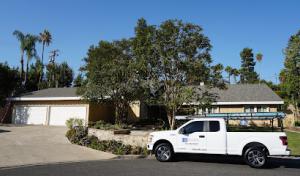
Local hiring patterns show that re-roofing is the core service in this market, so homeowners are often choosing among contractors focused on replacement rather than only small repairs. When evaluating bids, look for teams with a track record in residential replacement, not just quick patches. A full replacement tends to better withstand the coastal sun, salt air, and the winter rain interruptions that shape the roof's lifespan here.
Fast response and cleanup are unusually prominent priorities in Fountain Valley's contractor landscape, suggesting homeowners care about minimizing disruption during active roof work. Ask for a clearly defined response window after an issue is reported, and verify what the crew's cleanup plan looks like for the end of each day. A tidy jobsite reduces dust and debris on adjacent driveways, patios, and pool areas.
Affordability is a strong market signal here, but the presence of long-established and family-owned firms means many homeowners are balancing price against track record and continuity. When comparing bids, weigh not just the bottom line but the longevity of the contractor, the availability of ongoing maintenance, and how the team handles warranties. Family-owned firms often offer hands-on oversight, which can translate into steadier communication during the project.
Choose materials that respond well to sun exposure and salt air. Concrete or clay tiles resist the coastal elements but require proper underlayment and ventilation to prevent moisture buildup. Asphalt and synthetic shingles can be cost-effective options, but ensure the installation details address wind uplift and coastal weather patterns to extend roof life.