
Last updated: Apr 19, 2026
A typical Irvine dry season stretches from late spring through early fall, with the Mediterranean climate delivering hot, dry summers and milder, wetter winters. Because tear-offs and new installations are vulnerable to rain delays, plan the bulk of a tile replacement for the dry period. If a replacement extends beyond a single dry period window, build in a contingency for an occasional rain-impacted week, and coordinate with your contractor to keep underlayment protection ready for any unplanned weather gaps. Concrete and clay tile roofs, common across this area, demand steady, uninterrupted work to avoid misaligned laps or cracked tiles from wind during a rushed install. Start with a precise calendar that targets the longest stretch of predictable weather, and lock in a back-up day-by-day plan for weather days so the project doesn't creep into another wet season.
Concrete and clay tile are dominant here, so broken tiles and aging underlayment frequently become the most visible knock-on effects of a roof refresh. Before scheduling, have a contractor inspect for cracked or chipped tiles, pedestal or underlayment degradation, and any mismatched tile profiles on hand for a patch-up phase. In HOA-guided neighborhoods, matching the existing profile and color is not just aesthetic-it's a compliance touchpoint that may require subtle color-tinting or a similar tile family to avoid drawing scrutiny. If the replacement plan involves a bulk tile change, consider keeping a small inventory of the original profile for seamless replacement later on, since even slight deviations can stand out on a clean, uniform roof line.
In planned communities with stricter appearance standards, visible roof material and color changes may face neighborhood approval pressure even when the city permit is separate. Begin the HOA submission early and bring clear samples to the review. If the project involves any color or tile-type shift, anticipate a quick-turnaround from the HOA board-gaps in approval can stall the schedule and compress the dry-season window. Align the color palette and tile profile with neighboring homes to minimize objections and avoid rework. A proactive approach-documenting the existing roof condition with photos and a color-matched board-helps streamline both HOA and neighbor communications.
Older homes often show underlayment aging or flashing wear that doesn't always mirror tile surface wear. As the roof is opened, verify that the ventilation provisions and flashing details meet current performance expectations. Coastal inland microclimates can influence moisture movement and insulation load, so ensure the attic ventilation plan is compatible with the tile system chosen. This is especially important if the home has a mix of clay and concrete tiles or if a profile change is contemplated to better align with neighboring homes' appearances.
Coordinate with a roofing crew that specializes in tile installations and has experience navigating HOA processes. Schedule a front-loading inspection day to confirm broken tile counts, underlayment age, and flashing integrity, followed by a back-end daylight window to complete non-tile tasks such as accessory components and final reseal. On dry-season projects, chalk a buffer into the plan for potential heat-related material handling restrictions or midday work pauses. Keeping a tight, predictable sequence reduces the chance of weather slipping in and helps maintain a steady pace from tear-off through final inspection.

Fox Roofing Company
(949) 520-1555 foxroofingteam.com
3333 Michelson Dr #300, Irvine, California
5.0 from 69 reviews
Fox Roofing Company is the leading roofing contractor in Irvine, providing premium roof replacements, leak repairs, and inspection services throughout Orange County. Our team delivers fast, high-quality roofing solutions designed for long-term protection. With years of experience and a reputation built on trust, our Irvine-based roofing contractors combine skilled workmanship with quality materials to protect your home from Orange County weather. Local homeowners choose Fox Roofing Company for fast response times, clear estimates, and an expert roofing team. If you’re in Irvine and searching for a roofing contractor who gets it done right the first time, we are the team to call.
Di Rock GC & Roofing
(949) 545-1976 www.dirockgc.com
Irvine, California
5.0 from 49 reviews
Established in 2010, DiRock General Contracting & Roofing safeguards Orange County homes with expert roof care. Their licensed and insured team offers a complete range of services, from inspections and repairs to replacements. DiRock prioritizes client collaboration and utilizes skilled craftsmanship to ensure your roof's long-lasting protection. Please reach out and make the call!

Antis Roofing & Waterproofing
(949) 461-9222 www.antisroofing.com
2649 Campus Dr, Irvine, California
4.8 from 429 reviews
At Antis Roofing, we’ve spent 35 years keeping families safe and dry with expert roofing solutions for HOAs across SoCal. Our commitment goes beyond just great workmanship—we believe in making a difference. From blood drives to supporting Ronald McDonald House and disaster relief efforts, we’re here to protect both homes and communities. If you’re looking for a trusted roofing partner in Southern California that delivers quality, integrity, and heart, we’re ready to help!

King Roofing Company
(714) 345-8704 www.kingroofingca.com
Irvine, California
4.9 from 87 reviews
Local roofing contractor with 25 years of experience. Family owned and Operated. Fully licensed, bonded, and insured we aren't here to make excuses. We are ready to service all of your roofing needs.
Meyers Roofing
(949) 691-3228 www.meyersroofingco.com
17322 Murphy Ave, Irvine, California
4.9 from 107 reviews
Meyers Roofing is an Irvine roofing contractor serving Orange County, Los Angeles County, and Southern California. We provide residential and commercial roofing services including roof repair, emergency roof tarping, roof leak repair, storm damage repair, roof replacement, reroofing, and new roof installation. Our team installs and repairs tile roofing, asphalt shingle roofs, flat roofs, TPO roofing, and energy-efficient roofing systems. We offer roof inspections, preventative roof maintenance, commercial roof repair, residential roof replacement, and complete roofing services. If you need a licensed roofing contractor or roofing company near you, contact us for a free roof inspection and estimate.
Alas & Bravo Roofing Company
(949) 522-0266 www.alasbravo.com
Irvine, California
4.9 from 56 reviews
Alas & Bravo is a roofing contractor located in Irvine, CA that provides guidance from beginning to end on all your roofing needs. Whether it’s a new roof installation, roof replacement, maintenance, or roof repair we will simplify what is out of reach. Alas & Bravo Roofing Company serving all Orange County areas.
Above It All Roofing
(714) 731-3911 www.aboveitallroofing.com
Irvine, California
4.8 from 119 reviews
All types of roofing. Veteran owned. 30+ years

City Roofing & Maintenance
(949) 500-3980 www.cityroofingandmaintenance.com
Irvine, California
5.0 from 31 reviews
The integrity of your roof, on a personal residence, rental property or business, is vital. Choosing the best roofing contractor should be simple. At City Roofing and Maintenance, (CR&M) our philosophy is also simple: "Your satisfaction is our priority." We ensure our clients a seamless and professional experience regardless of job size, material installation, timeline or price. CR&M clients always feel respected and appreciated.
My Home Performance
(949) 797-6207 myhomeperformance.co
1237 Elements Wy, Irvine, California
5.0 from 25 reviews
My Home Performance offers premium roofing and HVAC solutions, elevating the comfort and efficiency of your Irvine home. As a trusted local contractor, we specialize in a comprehensive range of services, ensuring your living space is perfectly insulated and climate-controlled. Our dedicated team is committed to delivering exceptional craftsmanship and unparalleled service, giving you peace of mind with every project. We're proud to be a cornerstone of the community, providing reliable home performance upgrades that stand the test of time.
KJC Roofing
(949) 228-0322 www.kjcroofing.com
Irvine, California
5.0 from 20 reviews
Protect your largest investment with our reliable roofing services. We are a locally owned and operated roofing company currently serving Mission Viejo, CA and surrounding communities. If you want to make your roof last as long as possible, it is vital that you never put off a roof repair. Small issues with roofing become big issues in a hurry. No matter how major or minor the repair you need, we are here to help. We offer flat roofing, metal roofing, and asphalt roofing.
Pacific Roofing Systems
(949) 495-4200 pacificroofingsystems.com
8 McLaren # D, Irvine, California
4.7 from 47 reviews
For over 25 years, Pacific Roofing Systems has been Orange County's trusted roofing expert. Specializing in all roofing types, from classic tile and composite shingles to modern metal and innovative green roofing solutions, they deliver premier roofing services for every need. As a VELUX 5-Star certified installer, Pacific Roofing Systems expertly installs and services the complete VELUX product line for both residential and commercial properties. Experience the difference of superior craftsmanship and dedicated customer service; Pacific Roofing Systems takes pride in using only the best products to exceed your expectations with every project.
Beach Cities Roofing
Irvine, California
5.0 from 17 reviews
We install FiberTite roofing, known for its leak-proof and energy-efficient design. Our skilled roofing contractors handle installations and roof repair services for residential and commercial properties. Need solar? Our solar panel installers provide professional installation and solar panel repair to keep your system running smoothly. We also offer construction services, including siding, windows, and masonry work. Whatever your project, we’ve got the expertise—get started today!
During Santa Ana wind events, roof edges and flashing can be driven upward or loosened by gusts that surge debris across the roof. Those strong, dry west winds lift vulnerable edges and expose weak flashing long before a storm arrives. If you live in a home with concrete or clay tiles, a single gust can pry loose fasteners or stress underlayment layers that were already nearing the end of their life. The risk isn't theoretical: a wind-driven impact can create a cascade of retreating tiles, exposed underlayment, and accelerated interior water intrusion once winter rains begin. Your plan must assume wind events will create new vulnerabilities, not just reveal existing ones.
Time the work to avoid the intersection of Santa Ana season and early winter storms. Schedule a thorough inspection of tile edges, Vallejo-style hips, vents, and roll or sheet underlayment for signs of wear. Reinforce or replace loose flashing and reseal penetrations that show fatigue from previous seasons, paying special attention to roof-to-wall transitions and curbs. If an inspection reveals compromised underlayment beneath older tile systems, plan for targeted repairs or a controlled tear-off during a dry stretch. In this dry-up window, you'll minimize exposure time and reduce the chance of repeated weather delays that complicate subsequent inspections.
Winter rains arrive with their own timing and, in practice, often collide with scheduling for tear-offs. When rain can't be safely exposed, crews stall, and drying times extend. This is not a minor inconvenience-delays push back inspections and create bottlenecks when moisture intrusion is already visible. Have a contingency plan: identify a primary dry window, and align your replacement sequence so that removal, underlayment work, and tile reinstallation can occur within that block. Clear communication with the contractor about anticipated weather gaps helps avoid misaligned timelines and keeps your project on track when the forecast finally cooperates.
summers in this climate stay dry, so leaks often first appear only when winter storms arrive. The failure isn't just a tile issue-it's the underlayment and the way flashing integrates with parapets and penetrations. If damp spots or dark stains appear after a storm, treat them as urgent indicators of broader vulnerability. Proactively addressing underlayment failures now prevents more extensive damage later, and reduces the risk of call-backs during the wettest months. Stay vigilant for moisture signs after a storm and coordinate rapid follow-up with your roofing team if new issues surface.
Find local contractors experienced in assessing and restoring roofs after hail, wind, and severe weather events.

Fox Roofing Company
(949) 520-1555 foxroofingteam.com
3333 Michelson Dr #300, Irvine, California
5.0 from 69 reviews
Meyers Roofing
(949) 691-3228 www.meyersroofingco.com
17322 Murphy Ave, Irvine, California
4.9 from 107 reviews
Alas & Bravo Roofing Company
(949) 522-0266 www.alasbravo.com
Irvine, California
4.9 from 56 reviews
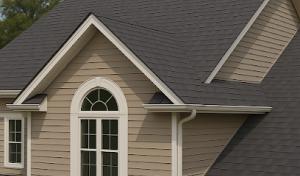
Asphalt shingles remain a common choice in many Irvine neighborhoods due to their affordability and straightforward installation. In communities with strict appearance standards, you'll often see upgrades to architectural or laminated profiles that mimic more expensive materials while preserving a cohesive street aesthetic. Because the dry summer sun can bake adhesives and shortcuts during peak heat, plan installations for cooler months or early mornings, and ensure your contractor uses heat-appropriate products and diligent attic and underlayment inspection.
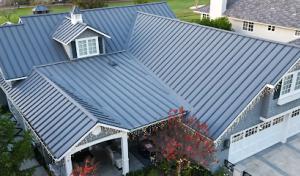
Metal roofing offers long service life and a contemporary look that can still blend with HOA guidelines when selected in the right profile and color. In planned developments, metal roofs sometimes require color approvals to match neighborhood palettes. The radiant heat from direct sun in the summer can influence panel expansion and sealant performance, so discuss panel spacing, fastener choices, and thermal movement with your roofer. A quality underlayment and proper ventilation help maintain interior comfort and prevent heat transfer.
Clay tile is a hallmark of Irvine's tile-heavy stock and many HOAs favor its classic appearance. Tiles resist fading and can endure the dry climate when properly installed with a solid batten system. However, heat and sun can stress curved tiles if not handled carefully; ensure installers use temperature-appropriate breaking and cutting practices to avoid micro-cracking. Tile color and texture should align with neighborhood standards, and your contractor should coordinate tile patterning to preserve a uniform roofline.
Concrete tiles frequently populate master-planned neighborhoods for their durability and consistent look. They tolerate Irvine's sunny exposure well when paired with correct underlayment and installation techniques. Dry-season conditions require attention to proper alignment and scoring to prevent micro-cracking from thermal expansion. HOA review often focuses on roof silhouette, color continuity, and the visibility of hips and ridges, so plan a detail-oriented installation that preserves the uniform roofscape.
Wood options can evoke warmth and character in certain equitable zones, but they require careful maintenance in a sun-drenched climate. Engineering-grade shakes and treated woods resist warping and insect concerns, yet the dry heat amplifies drying stresses. If choosing wood, verify that the HOA approves the wood species and stain color you select, and ensure the installer uses appropriate fasteners and ventilation to mitigate moisture-related issues.
Synthetic or composite shingles provide a versatile, light-reflective option that can mimic tile or slate while maintaining some of asphalt's ease of installation. In HOA contexts, these products often satisfy appearance standards while offering enhanced impact resistance. The heat of the season can affect some composites differently than organic materials, so confirm warranty terms about adhesive aging and color stability, and ensure proper ground and attic ventilation to support performance.
In Irvine, a building permit is typically required for a full roof replacement through the City of Irvine Building and Safety department. This isn't just a box to check; it sets the framework for code-compliant ventilation, flashing details, and overall safety. Start the process early, especially if a dry-season window is tight or if a contractor is juggling multiple projects. The city's review helps confirm that the new tile system, underlayment, and any required drainage changes meet local standards before the work begins. Delays in permit issuance or missed steps can push a project into peak heat or windier months, complicating scheduling and adherence to HOA appearance standards.
Inspections are not a formality; they are layered checks that unfold as work progresses. In this jurisdiction, inspections are typically conducted at key stages, including the underlayment and flashing installation, and a final completion inspection to verify everything is properly installed and sealed. The underlayment stage is critical in this dry climate, where wind-driven rain and sun exposure can stress membranes. The flashing inspection confirms that hips, rake edges, and vent penetrations are watertight, while the final inspection ensures the roof meets the required ventilation balance and that the new tile installation is secure and compliant with local standards. Plan around these checkpoints so you can address issues promptly rather than scrambling to accommodate an added inspection window.
Some Irvine roofing projects may require plan review when structural or drainage changes are part of the scope rather than a like-for-like replacement. If the plan includes widening or reconfiguring a valley, retrofitting larger eave overhangs, or altering roof drains to manage irrigation-related runoff or heavy downstream drainage, anticipate additional scrutiny. Coordinate with the HOA early, since appearance standards and shading, color, and profile must harmonize with neighborhood guidelines. Submitting clear, stamped calculations for structural loads and drainage changes can keep the review moving and help avoid last-minute redlines that stall permit issuance.
Begin permits and HOA approvals well before projected dry-season start, align contractor scheduling to the city's inspection cadence, and assemble required drawings and calculations in advance. Ensure your contractor is licensed and familiar with Irvine's Building and Safety expectations, particularly around venting and flashing details. Treat the permit path as a live timeline aligned with your replacement window, not a separate hurdle to be endured after the fact.
Provided Irvine cost ranges per square are $350 to $650 for asphalt shingles, $600 to $1000 for metal, $900 to $1700 for clay tile, $650 to $1200 for concrete tile, $800 to $1400 for wood shingles or shakes, and $550 to $900 for synthetic or composite shingles. In practice, a tile-heavy replacement will sit at the higher end of the spectrum, and concrete or clay tile often lands between $650 and $1200 per square, depending on profile complexity and labor needs. Those numbers assume standard underlayment and typical local flashing, without specialty finishes. For a tile-heavy upgrade, expect costs to edge toward the upper ranges if the project includes extensive underlayment replacement, tile sorting and resetting, or matching existing profiles common in local neighborhoods.
Project timing in Irvine's dry season can improve scheduling reliability, while winter rain interruptions and plan-review complexity can add labor and carrying costs. If you target a dry-season start, you'll generally see smoother material delivery, fewer weather-caused delays, and better consistency in tile handling. However, the higher demand during peak months can push crews to bill for overtime or accelerated crews, particularly on larger tile replacements. For a tile-heavy roof, plan timing that aligns with your HOA window and local supply availability, since profile matching and color consistency are more critical with concrete and clay tiles.
Clay tile costs range widely because of weight, fragility, and the need for careful sorting and matching to existing color and profile. Concrete tile tends to be a more forgiving option but still commands a substantial price when the job includes resetting and resealing. Underlayment replacement adds meaningful cost, especially if rotten sheathing or damaged decking is found behind the tiles. Wood shingles or shakes bring higher upfront material costs and a longer on-roof time, which translates into labor hours. Synthetic or composite shingles offer a lower-per-square option that can be advantageous if the appearance must mirror existing tile with less weight, but color matching and texture fidelity remain important in HOA-approved neighborhoods.
Costs in Irvine can rise when tile roofs need extensive underlayment replacement, tile sorting and reset work, or matching of existing profiles common in local neighborhoods. A practical plan is to build a contingency for underlayment and profile-matching in the budget, and to schedule the project to avoid the wettest months and busy HOA review periods. If the home already features a tile profile that's rare locally, expect a tighter window for material sourcing and a modest bump in labor time to achieve seamless alignment across the roof line.
Get a clear picture of your project costs upfront - no commitment required.
Meyers Roofing
(949) 691-3228 www.meyersroofingco.com
17322 Murphy Ave, Irvine, California
4.9 from 107 reviews
Rational Roofing Services
(714) 794-9697 rationalroofingservices.com
Irvine, California
4.9 from 16 reviews
Power Roofing Orange County
(949) 344-2420 www.power-roofing.com
3301 Michelson Dr Suite 2417, Irvine, California
4.8 from 21 reviews
For homeowners in Irvine, the insurance landscape is tightly tied to California's broader volatility around wildfire risk and climate-related losses. Even when the immediate roofing claim involves wind or rain damage, carriers can look at long-term risk signals in the area. That means the overall stability of coverage and the likelihood of renewal can hinge on factors beyond the specific incident, such as regional fire history and trends in severe weather. The practical consequence is that a normal wind event or a stubborn leak might trigger tighter underwriting or higher scrutiny than in quieter markets.
When a roof-related claim is filed, the process in this market often demands thorough, photo-documented records of the damage, plus clear histories of prior issues and repairs. An adjuster will examine wind history, ventilation performance, and adherence to current code-related standards as part of the review. In addition, you should expect requests for detailed timelines, contractor notes, and installation records to verify that the roof system was properly maintained and installed. Missing or unclear documentation can complicate or slow a claim, so compiling complete evidence ahead of time is prudent.
Roof replacement timing can hinge on insurance availability and underwriting preferences for age, condition, and material type. If a roof is nearing the end of its typical life for its material, carriers may be more cautious or impose longer processing times. Conversely, a newer installation that meets higher ventilation and flashing standards may see smoother coverage decisions. Planning around these dynamics requires thinking ahead about when to initiate a claim and how the chosen roof type might influence underwriting preferences in the current market.
Connect with contractors who help homeowners navigate the claims process from damage assessment to final approval.
Fox Roofing Company
(949) 520-1555 foxroofingteam.com
3333 Michelson Dr #300, Irvine, California
5.0 from 69 reviews
My Home Performance
(949) 797-6207 myhomeperformance.co
1237 Elements Wy, Irvine, California
5.0 from 25 reviews
Pacific Roofing Systems
(949) 495-4200 pacificroofingsystems.com
8 McLaren # D, Irvine, California
4.7 from 47 reviews
In this market, skylight work and solar roofing are common enough that planning ahead matters. If you're replacing a tile-heavy roof, map where existing penetrations sit and where new ones will land. Use lightweight, low-profile skylights when possible to minimize flashing complexity and to reduce the risk of leaks around tile seams. Coordinate with the roofer to pair skylight flashing with tile or shingle transitions so drainage remains uninterrupted and water flows toward the eaves. For solar roofing, stagger panels so they don't poke into tile joints; this helps keep the roof's original drainage paths intact and avoids awkward cant strips that invite leaks.
Low-slope sections on mixed-roof designs require extra attention to flashing and drainage. In homes with flat or near-flat stands between steeper tile areas, ensure that the waterproofing plane beneath the roof covering is continuous across transitions. The detailing should account for tile roofs meeting low-slope planes with properly integrated step-flashing and counter-flashing that tie into the surrounding tile or shingle field. Have the contractor verify that gutter lines, scuppers, and downspouts align with the new layout, so standing water doesn't form at joints or under flashing. The goal is a single, clean drainage plan that respects the geometry of a tile-heavy roof while avoiding dead zones where water can pool during rare winter storms.
When a replacement includes penetrations or layout changes, expect more thorough review of how drainage and structural conditions interact with the roof assembly. Mixed roof shapes and tile courses demand careful measurement of rafter span and deck stability where new penetrations are introduced. Confirm that any penetrations for vents, pipes, or HVAC curbs are flagged early in the project and coordinated with tile details to prevent mismatched flashing at the tile courses. In practice, your roofer should draft a plan that preserves tile alignment and ensures that sealants sit flush without cracking across flexing edges. This attention to detail minimizes movement gaps as seasons shift from dry to wet.
Find contractors experienced in skylight installation, flashing, and leak repairs to bring natural light into your home.
Antis Roofing & Waterproofing
(949) 461-9222 www.antisroofing.com
2649 Campus Dr, Irvine, California
4.8 from 429 reviews
Alas & Bravo Roofing Company
(949) 522-0266 www.alasbravo.com
Irvine, California
4.9 from 56 reviews