
Last updated: Apr 19, 2026
Santa Ana's notorious fall wind pattern can lift edges, dislodge ridge components, and fling debris across your roof long before the winter rains begin. These gusts don't just rattle shingles; they strain the roof's securing systems and whittle away at underlayment protection. If the roof is older or has any gaps, a wind-driven edge lift can expose a patchwork of vulnerable seams, flashing, and penetrations. The result is not just a few drips after a storm, but a cascade of leaks that can ruin ceilings, insulation, and interior drywall before you have a chance to react.
The city's climate pattern features long, dry summers followed by mild, wetter winters. Hidden weaknesses-loose tiles, worn underlayment, or aging roof-to-wall transitions-often stay buried under heat and sun for months. Then the first meaningful rain arrives, and the problem becomes immediate and obvious. The sequence is frustrating, but predictable: dry months mask vulnerabilities; wind events pry open gaps; winter rain reveals the weaknesses in full force. Knowing this pattern helps you diagnose risk before the downpour starts.
In this market, emergency leak response and storm-damage work are common contractor specialties, precisely because wind-driven events can expose problems quickly. Look for lifted tile edges, cracked ridges, loose or cracked flashing around chimneys and skylights, and any dark staining or staining halos on interior ceilings after a dry, windy spell. Pay attention to areas where the roof line meets walls, vent penetrations, and roof-to-wall flashings-these are frequent failure points when winds are strong and rains begin to fall.
After a windy spell, perform a cautious inspection from the ground if safe. Check visible tiles for displacement or cracking and note any flashing at penetrations that looks unsure or loose. If you see a soft spot on the ceiling or obvious daylight through the attic, treat it as an emergency-water can travel quickly and quietly along underlayment, finding new paths. Schedule a professional assessment promptly, especially if you notice a pattern of leaks after wind events. A quick, thorough inspection can identify loosened ridge caps, small perforations, or compromised underlayment before they escalate into major damage.
Prioritize roof sections exposed to prevailing Santa Ana winds-ridge lines, edges, and any valleys where debris tends to accumulate. If an inspection reveals loose or missing tiles, flashing gaps, or suspicious underlayment, arrange prompt repairs rather than waiting for a full reroof. Reinforce vulnerable seams and ridges with trusted materials and ensure proper sealing around penetrations. Consider temporary coverings for exposed areas after a wind event if heavy rain is forecast, to limit water intrusion while arranging permanent fixes. In this climate, proactive maintenance paired with swift, targeted repairs after wind events is the most reliable defense against winter leaks.
Treat wind events as a warning signal for underlying weaknesses rather than isolated incidents. A roof that survives Santa Ana gusts and early winter rain without resorting to emergency leaks is a roof that has been prepared: secure edge and ridge components, solid underlayment, and well-sealed penetrations. When the forecast calls for high winds and rain, sharp, decisive action now prevents costly water intrusion later.
Clay and concrete tile dominate the skyline here, giving homes their signature Southern California look. That style is part of the neighborhood fabric, but it also means broken field tiles, slipped pieces, and aging underlayment are not rare problems-they're central reroof issues. In Santa Ana, a small crack or misaligned tile can become a leak after a windy Santa Ana day or a winter rain. The real risk isn't just a few missing pieces; it's what's under the tiles. If the waterproofing layer has aged or the underlayment has been compromised by prior repairs, you'll see leaks sooner and with more drama when the next storm hits.
For tile roofs, especially with Mediterranean-inspired designs, appearance matters, but waterproofing is the true decision maker. When a roof is nearing the end of its life, a lift-and-reset can restore the tile field and replace compromised underlayment, flashings, and hip-and-valley details with fresh materials. In many neighborhoods, homeowners face a practical choice between patching a few broken tiles and upgrading the whole field during a re-roof. If the underlayment shows wear, or if several tiles are cracked and edge tiles are loose, lift-and-reset often provides better long-term value than piecemeal repairs. If the structure is sound and the existing tile profile is still viable, a targeted repair plus underlayment refresh can buy time, but this is not a universal solution in aging roofs with repeated wind damage.
Santa Ana winds lift edges, loosen fasteners, and pry tiles slightly loose, which allows water to creep beneath. After a hard wind, inspect hips, valleys, and roof-to-wall interfaces carefully. In a wet season, check for staining along ceiling lines, especially near corners and chimney blankets. The telltale signs are slipped field tiles, loose battens, and gaps where underlayment has stretched or torn. Do not delay when you notice granule loss on the underlayment or soft spots along the eaves; those are indicators that the roof is no longer offering a reliable barrier.
Begin with a careful walk-around after windy days and storms. Mark any loose tiles with painter's tape and photograph the area from several angles. When interviewing contractors, ask about their experience with clay and concrete tile systems, underlayment substitutions, and the specifics of tile stonework in this climate. A quality roof team will provide a phased plan: secure and reseal vulnerable edges, refresh underlayment where needed, and precisely replace broken field tiles to maintain the visual rhythm of the roof line. If a full reroof is recommended, expect a seamless match to the home's existing profile and color while upgrading the waterproofing and ventilation details beneath the tile.
Find contractors who specialize in clay and concrete tile roofs, known for their durability and curb appeal.

One Stop Roofing
(714) 277-4555 1stoproofing.com
2302 S Fairview St, Santa Ana, California
5.0 from 151 reviews

Premium Roofing Systems
(949) 566-1205 premiumroofing-systems.com
1110 E 4th St, Santa Ana, California
4.8 from 109 reviews

Luis Mendoza Roofing
(714) 604-2598 lmroofingca.com
2323 W 12th St, Santa Ana, California
4.9 from 41 reviews

One Stop Roofing
(714) 277-4555 1stoproofing.com
2302 S Fairview St, Santa Ana, California
5.0 from 151 reviews
Welcome to One Stop Roofing, a locally owned and operated business proudly serving Anaheim, Covina, Downey, Fullerton, Garden Grove, Santa Ana, and surrounding California areas for over 14 years. Known for upholding the highest industry standards, we specialize in Roofing Contractor services, including Metal Roof Service, Asphalt Shingle Installation, Roof Replacement, and Residential Roofing. Our commitment to quality is backed by a 5-star rating and glowing client testimonials. Whether you need repairs, replacements, or maintenance, our expert team is here to provide durable, weather-resistant solutions tailored to your needs. Contact us today for reliable roofing expertise you can trust!

Premium Roofing Systems
(949) 566-1205 premiumroofing-systems.com
1110 E 4th St, Santa Ana, California
4.8 from 109 reviews
We provide a Full Residential, Commercial, and Industrial Roofing Services all over Orange County and its surrounding cities. Our trained staff offers excellent customer service and you will have peace of mind knowing we provide guaranteed workmanship to ensure the job gets done right the first time. We have a wide range of products that are suitable for all types of roofs structures and extensive warranty options that are backed up by the Industry's Top Leading Waterproofing Manufacturers. With over 30+ Years of Experience! We are proudly among the Top 2% of Manufacture-Certified Roofing Contractors. We come from a third-generation roofing family; absolute roofing knowledge has always been our expert craft!

Luis Mendoza Roofing
(714) 604-2598 lmroofingca.com
2323 W 12th St, Santa Ana, California
4.9 from 41 reviews
At Luis Mendoza Roofing, we treat your home like our own! With over 15 years of experience, our family-owned business proudly serves Orange County, LA County, and beyond, providing top-quality residential and commercial roofing services. From repairs and replacements to 24/7 emergency services, we’ve got you covered. We work with shingles, metal, tile, flat, and more—plus, we offer free inspections, warranties, and easy financing options. Need fast, reliable service? Call us today for a free estimate!

Ocean Roofing
(714) 475-3178 oceanroofinginc.com
515 S Broadway, Santa Ana, California
5.0 from 19 reviews
We are dedicated to providing top-quality roofing solutions for both residential and commercial properties. Our expert team specializes in new roof installations, roof replacements, and a wide range of repair services. We also offer regular maintenance services, including inspections, cleaning, and gutter maintenance, to extend the lifespan of your roof. In addition, we provide emergency repair services for storm damage, protective roof coatings, and improvements in roof ventilation and insulation. For commercial clients, we offer specialized services tailored to the unique needs of commercial buildings, including flat roofing systems, TPO, PVC, and metal roofing.
(949) 620-5809 hroofmaintenance.com
Santa Ana, California
5.0 from 16 reviews
Since 2006, H Roof Maintenance has been a trusted name in roofing and construction across Costa Mesa, CA. Specializing in comprehensive roof repair, their skilled team expertly handles everything from shingle and metal to wood roof issues. They are also adept at resolving challenging situations like termite damage and persistent leaks, ensuring the integrity and longevity of your roof.
Santa Ana Roofing
(949) 304-6778 roofingsantaana.pro
301 W 4th St #3, Santa Ana, California
5.0 from 15 reviews
For all your roofing needs, trust Santa Ana Roofing to deliver exceptional service with ease. Our team of experienced professionals is dedicated to providing high-quality workmanship and top-notch customer care. With our simple process, you can expect a hassle-free experience from start to finish. Whether you need roof repairs, maintenance, or a complete installation, we've got you covered. We take pride in ensuring that every project is handled with precision and efficiency. At Santa Ana Roofing, we make it easy for you to achieve the peace of mind that comes with having a reliable and durable roof over your head. Experience the difference of extraordinary roofing service made simple with us.
HD Roofs
5022 W 5th St, Santa Ana, California
4.8 from 20 reviews
HD Roofs, Inc. is a local roofing contractor specializing in residential and commercial roofing applications on all types of sloped and flat roofing systems. We promise full transparency from start to finish and will work every step of the way to ensure customer satisfaction. Roof replacement and roof repair experts, we stand behind our work and our craftsmen. Contact us now to get started!
Pacific Coast Roofing
418 W Jonquil Rd, Santa Ana, California
4.5 from 27 reviews
Pacific Coast Roofing is a licensed and insured roofing contractor of highly qualified professionals with decades of experience. We offer tailored roofing solutions for residential and commercial roofing . We are dedicated to top-tier craftsmanship in roof restoration, roof replacements, roof coatings and waterproofing solutions. We use the newest technologies in quality materials, we focus on project supervision and most importantly, we stay within your budget. We are committed to a professional and smooth roofing process with ease, giving you peace of mind to safeguard your home or business for years to come. We offer roof inspections, roof replacements or complete roof restorations. We proudly serve OC, LA and the I.E areas
Tecta America Southern California Commercial Roofing
(714) 973-6233 www.tectaamerica.com
1217 E Wakeham Ave, Santa Ana, California
3.4 from 10 reviews
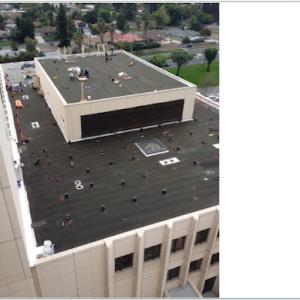
Tecta America Southern California, a commercial roofing contractor, has been in business for over 30 years. Our team has a combined average of 33 years of roofing experience. We have extensive knowledge of every type of roofing material and application to help with your roofing needs. Including, but not limited to, tenant improvements, extending roof life, and budgeting for future roof repairs. We are comprised of talented and experienced professionals who are knowledgeable and will be able to answer your roofing questions. We provide a full range of roofing services, including commercial and industrial roofing, re-roofs, leak repairs, preventative maintenance, inspections, and 24/7 service. Our reputation means everything, and we will

D & J Roofing
(714) 486-1551 dandjroofinginc.us
1220 S Lyon St, Santa Ana, California
3.7 from 7 reviews
Combining years of experience with a dedication to client satisfaction, D & J Roofing, Inc. has established itself as the local leader in Roofing Companies and Roofing Contractors.
All Cities Home Solutions
(714) 202-7566 www.allcitieshomesolutions.com
Serving
4.8 from 51 reviews
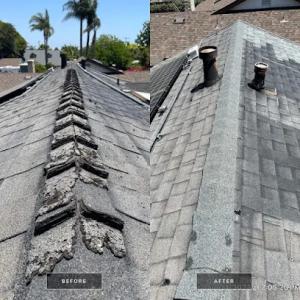
Roof Maxx® is a scientifically formulated and 100% safe plant-based roof rejuvenating spray treatment that was developed by renowned scientists from the world's largest private research and development company. Call before you replace your roof
Optimal Roofing & Solar
Serving
4.9 from 16 reviews
As a veteran owned and operated family business we aim to be the Optimal choice in your Roofing & Solar needs!
In Santa Ana, dry, moderate months are the preferred reroofing window because winter rainfall can interrupt tear-off and expose decking to moisture. When planning a window replacement alongside a roof project, focus on a window that performs well in dry air and mild ambients, with solid sealing and long-term moisture resistance. Extended summer heat in inland Orange County can affect sealant set times and material handling, especially on dark roofs and low-shade exposures. That means choosing a window with a reliable, heat-tolerant sealant system and a installer who respects the thermal realities of a sun-exposed roof line. Fall scheduling can tighten when wind events and wildfire-season air quality concerns disrupt planned installation days. Build a contingency plan for weather-related delays and air-quality days so the window crew can adapt without risking material integrity or improper sealing.
If a roof tear-off is in the plan, pick a window with a high-performance gasket and long-lasting weatherstripping. A robust frame material-such as fiberglass or vinyl with reinforced corners-tends to resist warping in Santa Ana's sun and occasional Santa Ana wind gusts. Consider impact-resistant glass or laminated panes if the home has higher wind exposure or nearby open spaces that catch gusts. For homes with clay or concrete tile roofs, ensure the window's flashing and integration with roofing detail are designed to avoid moisture traps at the curb, jacks, or rake edges. A window with a modular, serviceable frame can simplify future glazing or sealant refreshes without major demolition around the opening.
Coordinate window replacement to align with the dry months, but plan for a window that tolerates a brief ramp-up period in cooler mornings and warmer afternoons. If a reroof is underway, schedule window installs to occur after decking is protected and prior to final moisture-testing steps, ensuring interior finishes aren't exposed to rain or dew. Fall scheduling should account for wind events and air-quality days; choose days with stable weather forecasts and a contingency window for delays, so the install quality isn't compromised by rushed work. Ask the contractor to stage flashing kits and sealants in a shaded area to prevent heat-related curing issues during peak sun.
Confirm that the installer uses UV-stable sealants and compatible flashing profiles for your roof type. Ensure the window openings are square and plumb, and that the flashing wraps properly behind the window flange to shed water toward the exterior. Request a post-installation water test on a calm day to verify there are no slow leaks at the jambs or sill. Finally, require a written plan for weather interruptions during fall, so the project schedule remains practical and predictable.
When you look at reroofing options, the local material ranges are a clear starting point. Asphalt shingles sit in the roughly $350 to $700 per square range, metal between $600 and $1200 per square, clay tile from $900 to $2000, concrete tile from $800 to $1800, wood shingles or shakes typically $900 to $1700, and synthetic or composite shingles around $500 to $900 per square. These numbers reflect Santa Ana's mix of aging roofs, tile reroof needs, and the demand-driven labor market that can stretch both staging time and tear-off labor.
Costs in Santa Ana often rise on tile reroofs because the visible tile may be reusable while the labor-intensive underlayment replacement still requires significant tear-off, staging, and reset work. Even when the surface tiles can be saved, the underlayment must be removed, the roof deck inspected, and a fresh, compatible underlayment installed before resetting or replacing tiles. That means you're paying for the work that ensures a watertight seal, not just the cosmetic tile swap. In practice, anticipate the same level of labor intensity even if the outer layer looks salvageable at first glance.
Pricing can also move with permit processing, seasonal demand spikes after wind or rain events, and the region's competitive but busy reroof labor market. In In Santa Ana, a windy winter or a sudden rain event can tighten crews and raise short-term bids, especially for tile roofs that require careful staging and precise tile seating. If you're comparing bids, ask each contractor to detail underlayment type, deck prep, and tile handling so you're comparing apples to apples across materials.
Plan for a material choice that aligns with long-term durability and the home's visual style. For asphalt or synthetic shingles, the per-square costs provide a straightforward arithmetic path. For tile options, recognize the additional underlayment and deck prep that drive total project time and cost. In Santa Ana, a careful appraisal of whether tiles can be reused or must be replaced will help stabilize expectations, since the visible surface is not the sole determinant of price.
The most popular roofing material in the US. Find pros who install, repair, and replace asphalt shingles.
One Stop Roofing
(714) 277-4555 1stoproofing.com
2302 S Fairview St, Santa Ana, California
5.0 from 151 reviews
Premium Roofing Systems
(949) 566-1205 premiumroofing-systems.com
1110 E 4th St, Santa Ana, California
4.8 from 109 reviews

Ocean Roofing
(714) 475-3178 oceanroofinginc.com
515 S Broadway, Santa Ana, California
5.0 from 19 reviews
A full reroof project in this area is not something to treat as a DIY weekend task with casual approvals. In Santa Ana, a full reroof typically requires a building permit handled by the City of Santa Ana Building and Safety Division. That permit process isn't just paperwork; it sets the framework for how the work is sequenced, inspected, and verified for safety against Santa Ana's windy days and winter rainfall. Skipping or rushing the permit can trigger costly rework, penalties, and potential occupancy delays if an inspector uncovers work that wasn't properly documented or executed to code.
Planning a roof replacement involves more than selecting shingles or tiles. Plan review and inspection timing can vary with department workload and how complete the submitted project details are. If the submission includes full roof drawings, product specifications, underlayment details, and ventilation plans, the review tends to move more smoothly. On the other hand, incomplete packages or missing manufacturer specifications can stall the process and push you into a window where weather and wind events are more likely to expose weak spots or retrofit gaps. Expect some back-and-forth, and build a realistic schedule that accounts for potential delays in permit issuance or plan clarifications.
Roof work must pass required inspections at project milestones, including a final inspection before the work is considered complete for occupancy purposes. Those milestones typically align with frame progression, underlayment installation, and roof covering installation, followed by a final building code inspection. Failing an inspection isn't the end of the world, but it does require addressing the cited issues before you can move into the space or claim the work as complete. In this climate, where wind uplift and seasonal rainfall stress roofs, inspectors will scrutinize underlayment integrity, tile or shingle alignment, and flashing connections with an eye toward preventing leaks and uplift in the first rain after completion.
Coordinate with a licensed contractor who is familiar with Santa Ana's permitting quirks and inspection routines. Before submitting plans, gather product data sheets, installation manuals, and venting details. Confirm with the Building and Safety Division the expected review timeline and any special considerations for reroofs on older housing stock. Keep communications in writing and document any changes in the plan. When ready for inspections, schedule them promptly and ensure access is clear for inspectors to verify critical junctions-valleys, eaves, and penetrations-which are common trouble spots after wind events or heavy rain.
Turbulent Santa Ana winds can loosen tiles, lift underlayment, and push small leaks into bigger problems fast. Insurance markets in California have tightened, and carriers frequently raise rates or limit coverage in wildfire-prone and high-wind areas. When a roof shows wear from years of sun, heat, and sudden gusts, the consequences can extend beyond the leak-outcomes can affect future eligibility and premiums if the roof isn't clearly documented.
After roof damage, insurers commonly want documentation of roof age, maintenance history, and replacement-cost estimates before adjusting a claim. If a claim hinges on the roof's condition, having solid records is not optional-it's essential. A cautious approach helps prevent disputes that can stall repairs during Santa Ana's demanding weather cycles.
Wind-driven damage in the Santa Ana season can be harder to document if homeowners wait until winter leaks appear, making photo records and prompt inspections especially important. Delays invite questions about when the damage began and whether prior maintenance could have mitigated it. Clear, time-stamped photos paired with a professional inspection can streamline the claim process when the next storm hits.
Keep a contemporary roof notebook: dates of any repairs, who performed them, and the type of materials used. Photograph areas with cracked underlayment, loose tiles, and visible wear after windy days. If a contractor notes an age or estimated remaining life, obtain a written report. These records help tell the full story to an insurer and support a fair, timely resolution.
Connect with contractors who help homeowners navigate the claims process from damage assessment to final approval.
One Stop Roofing
(714) 277-4555 1stoproofing.com
2302 S Fairview St, Santa Ana, California
5.0 from 151 reviews
Premium Roofing Systems
(949) 566-1205 premiumroofing-systems.com
1110 E 4th St, Santa Ana, California
4.8 from 109 reviews
Pacific Coast Roofing
418 W Jonquil Rd, Santa Ana, California
4.5 from 27 reviews
Flat and low-slope roofing is a meaningful local specialty in Santa Ana, reflecting the mix of residential additions, multifamily properties, and commercial buildings that dot the city. These roofs present a different set of challenges than steep pitches, especially when aging underlayment, tired flashings, or recent tile work nearby create weak points. In Santa Ana, wind events and winter rain can push moisture into seams and penetrations that would otherwise stay dry on a steeper roof. When a flat roof starts to show signs of staining, moisture near edges, or patchy waterproofing, investigate beyond the obvious leak spot-the problem often traces back to a compromised surface flashing, a poorly detailed parapet, or a clogged drainage path.
Skylight-related leak work is common enough locally to merit specialist attention, especially where flashing ages faster than surrounding roof areas. On flat or low-slope roofs, skylight penetrations are high-risk: the curb, seals, and flashing are continually stressed by temperature swings, wind-driven rain, and seasonal dust. When a skylight begins to leak, focus on the installation details rather than only the obvious water trail. Look for degraded rubber washers, splayed or displaced flashing, and mismatched sealants that harden with heat. A dedicated skylight technician can reflash the curb, reseal transitions to the deck, and re-balance drainage around the penetration to prevent recurring seepage after the next round of Santa Ana winds.
Solar roofing appears as an active specialty in this market, which matters in this area because reroof timing and roof penetrations need to be coordinated before panel work proceeds. If panels are planned, any upcoming roof replacement should align with the solar design so that flashing details and edge terminations get sized for both utilities and in-roof penetrations. Consider a qualified installer who can review the roof deck condition, venting, and insulation strategy before panels go in. Scheduling careful sequencing reduces the risk of late-stage roof repairs after panel mounting, and helps keep the entire system watertight during the long Santa Ana wet season. In practice, this means addressing underlayment integrity, ensuring tile or membrane transitions around penetrations remain robust, and confirming drainage paths won't be obstructed by new hardware.
Find specialists in TPO, EPDM, and built-up flat roofing systems for residential and commercial properties.
Premium Roofing Systems
(949) 566-1205 premiumroofing-systems.com
1110 E 4th St, Santa Ana, California
4.8 from 109 reviews
Luis Mendoza Roofing
(714) 604-2598 lmroofingca.com
2323 W 12th St, Santa Ana, California
4.9 from 41 reviews
Ocean Roofing
(714) 475-3178 oceanroofinginc.com
515 S Broadway, Santa Ana, California
5.0 from 19 reviews
Wood shingles and shakes exist in the Santa Ana material mix, but they are far less dominant than tile, asphalt, and metal in this market. That balance matters when you're evaluating reroof fatigue, wind uplift risks, and the way underlayment holds up under our winter rain. If your home already features wood, you'll want to check for cupping, cracking, or dry rot in the first six feet along eaves and around penetrations, because Santa Ana wind events can expose weaknesses quickly. Compare the aging performance of wood to the more common tile and metal you'll likely see on neighboring roofs, and plan for regular underlayment inspections where wood surfaces meet the deck.
Synthetic and composite shingles occupy a middle ground locally for homeowners who want lighter-weight alternatives to tile with a different appearance than standard asphalt. In Santa Ana, these products can reduce the structural load and offer improved wind resistance relative to some traditional asphalt options. Look for a sealed or laminated profile that helps shed wind-driven debris and resists uplift. When handling a reroof, consider how the color and texture of synthetic shingles will age in our inland sun and coastal humidity, and verify that the product carries a suitable warranty that addresses granule loss and hail exposure.
Because California insurance and wildfire concerns influence material decisions, Santa Ana homeowners often weigh appearance against insurability and maintenance documentation more closely than in looser insurance markets. If choosing wood or a lighter synthetic option, gather documentation on fire ratings, maintenance history, and recent underlayment or deck refreshes. Insurers may scrutinize aging wood or newly installed lighter materials for evidence of proper ventilation and moisture management. A proactive approach-documenting inspections, repairs, and ventilation fixes-helps prevent gaps between appearance, longevity, and what the insurance landscape expects.
Connect with specialists in the installation and restoration of natural cedar shake and shingle roofs.
Ocean Roofing
(714) 475-3178 oceanroofinginc.com
515 S Broadway, Santa Ana, California
5.0 from 19 reviews

City Roofing & Maintenance
(949) 500-3980 www.cityroofingandmaintenance.com
Serving
5.0 from 31 reviews