
Last updated: Apr 19, 2026
Late spring and fall are the practical reroof windows for this area's terrain and microclimate. The plan is to avoid the brutal early-summer heat that can bake underlayment and shingles during construction, and to sidestep the wetter slice of winter that can complicate teardown and drying-in. When choosing a start date, align with a stretch of dry, mild days in late spring or early fall, and target a period when Santa Ana conditions are not forecast. If a project runs into an unexpected warm spell or a gusty spell, push the schedule to a day or two when the wind forecast shows calmer conditions and the forecast rain window is clear. In short, you're aiming for a quiet, predictable stretch with minimal heat load, no heavy wind, and no imminent rain threat.
Inland North San Diego County brings Santa Ana wind episodes that can instantly turn a roof upgrade into a test of fast setup and careful staging. If a tear-off coincides with a Santa Ana pattern, the risk isn't just lifted shingles but debris blowing into the yard and into nearby gaps and vents. Your plan should build in contingencies for wind events: schedule removal and deck install on days with lighter winds, and ensure debris nets and tarps are secured before workers leave each afternoon. A practical readiness step is to have all components staged and covered, with the most exposed areas prioritized for weatherproofing as soon as tear-off is complete. On a windy day, crews should complete the deck and barrier, then pause any open operations until safer conditions return. This avoids the all-too-common scenario where a partially completed roof sits exposed through a gusty evening, inviting uplift and accelerated surface wear.
Fallbrook's hillside layouts mean more exposure to afternoon sun and gusts, which accelerates wear on exposed roofing components. The plan needs to factor in the potential for higher underlayment temps and faster drying of fasteners in sun-exposed slopes. If the roofline has long east-facing or south-facing runs, those sections will reach higher surface temperatures sooner, affecting adhesive and sealant performance. In practice, the reroof schedule should sequence shifting from higher-exposure segments to shaded or less-exposed areas as the day progresses, with increased vigilance for edge flashing and pitch specific details. Weatherproofing should begin with the most exposed valleys and ridges first during dry-in, then move to less exposed zones to reduce the window of open sheathing under high heat.
Dry summers in this area can age underlayment and exposed components quickly if a project drags beyond a single warm day. A tight dry-in schedule minimizes the time the roof remains unsealed, reducing the chance of sun-driven degradation and wind-driven debris intrusion. If a delay occurs after tear-off, you want the crew to move rapidly to securing a solid deck, underlayment, and starter courses, with flashing installed promptly around chimneys, vents, and skylights. The goal is to have the final appearance and performance secured before the season's peak heat returns and before any monsoon moisture pockets can form in the valley or canyon microclimates.
Coordinate with the contractor to follow a clear sequence: (1) arrive with a clean, staged site and pre-cut materials; (2) complete tear-off in the shortest safe window possible, then immediately install a solid deck and underlayment; (3) seal penetrations and wind-proof edges before exposing the roof to any further sun or wind; (4) lay out starter strips and gradually progress to field shingles, ensuring every seam and valley is properly sealed; (5) perform a thorough quick-dry inspection once the dry-in is complete, leaving no area exposed to elements longer than necessary. This approach minimizes the risk of weather-driven setbacks and keeps the project aligned with the local climate realities. Remember, the aim is to finish the dry-in before the hotter, drier months return, while also creating a durable, wind-resilient assembly that can stand up to Santa Ana swings and the seasonal shifts inherent to hillside living.
Clay and concrete tile dominate the roofscape of Fallbrook, reflecting the Spanish and Mediterranean vibe that characterizes inland San Diego County homes. On hillside lots with commanding views, those tile roofs not only contribute to curb appeal but also confront the realities of dry heat, Santa Ana wind gusts, and seasonal rain. The tiles themselves can ride out the heat, but the roof system behind them bears the brunt of the climate. Recognize that a well-timed reroof is as much about protecting the underlayment and decking as it is about replacing the surface material. A tile roof that looks solid from the street can still be vulnerable if the underlayment has aged or been compromised by prior weather events.
On hillside and view lots, wind exposure is a constant factor. Tiles can crack or loosen at edges and hips where wind pressure concentrates, increasing the risk of water intrusion during winter storms. When choosing tiles, look for ones with good interlock and a robust nail or clip system designed for high-wind conditions common in exposed Fallbrook slopes. Have a qualified roofer assess the integrity of tile fasteners, ridge caps, and the underlayment beneath the tile layer. If a section of tiles has slipped or cracked after a windy season, that's often a signal that the underlayment and deck deserve closer scrutiny, since water can travel laterally under the tiles and reach vulnerable areas.
In Fallbrook's hot, dry climate, the underlayment beneath tile often becomes the real service-life limiter even when the tiles themselves still appear sound. Asphalt, with its aging breakdown, or synthetic underlayments can degrade long before tile failure becomes evident. A reroof in this setting should prioritize upgrading to a modern, moisture-impermeable underlayment rated for UV exposure and temperature swings, coupled with proper ventilation to prevent deck moisture buildup. Consider a breathable roof assembly where appropriate, so seasonal moisture can escape without compromising the tile layer.
Winter rain can test hillside drainage, especially on slopes where water runoff encounters edge trims and flashing. Ensure that eaves, verges, and penetrations are flashed with materials compatible with clay and concrete tiles, and that the valley and pitch transitions are sealed to resist seepage at joints. Poor flashing is a common culprit behind small leaks that enlarge over seasons; a reroof is an opportunity to refresh flashing details around skylights, chimneys, and vent pipes to prevent water migration through the underlayment.
Tile roofs reward regular inspections, especially after wind events or heavy rains. In this climate, the lifespan of the tile surface may outpace the performance of the underlayment, so plan on evaluating the deck and roof deck moisture status during reroofing projects. If maintenance is deferred, winter storms can find minor weaknesses and escalate them into more costly repairs. For hillside homes, discuss enhanced wind clips, better ridge ventilation, and upgraded underlayment with a contractor who understands how Fallbrook's microclimates influence tile-roof longevity. This targeted approach helps preserve the architectural character while delivering lasting protection against heat, wind, and rain.
Find contractors who specialize in clay and concrete tile roofs, known for their durability and curb appeal.

John Fiedler Roofing
4612 Sleeping Indian Rd, Fallbrook, California
4.5 from 15 reviews


Balam Roofing
(760) 224-6077 balamroofingca.com
Fallbrook, California
5.0 from 10 reviews
Here at Balam Roofing in Fallbrook, CA, we pride ourselves on our expertise, commitment to excellence, and unwavering dedication to customer satisfaction. With years of industry experience, our team of skilled professionals possess the knowledge and skills to tackle any roofing project with precision and efficiency.

Best roofing Fallbrook
635 Morro Hills Rd, Fallbrook, California
4.8 from 4 reviews
Serving Fallbrook and nearby areas, Best Roofing Fallbrook specializes in roof repairs, replacements, and maintenance. We’re committed to fair pricing, dependable work, and keeping your home protected year-round.

Haven Home Roofing
(951) 621-8088 www.havenhomeroofing.com
Serving
5.0 from 76 reviews
Haven Home Roofing & Remodeling is thrilled to announce the opening of its services to residential customers. We pride ourselves on providing unmatched customer service and start-to-finish excellence, ensuring a seamless experience for every homeowner. We are a one-stop shop for General Contracting & Roofing services. - Roofing - General Contractor - LVP Flooring - Concrete - Fencing - ADUs - Kitchen / Bathroom Remodeling We look forward to supporting you and your home needs. You're in good hands.
On Point Roofing Repair
(951) 240-6202 onpointroofingrepair.com
Serving
5.0 from 316 reviews
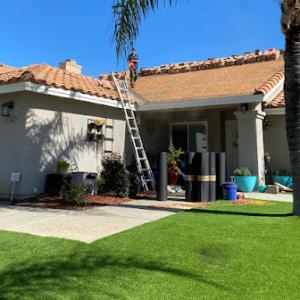
Welcome to On Point Roofing Repair located in Wildomar, CA, where you will get the most professional roofing services around! When your hip and valley roofs are around 15-20 years old, they usually need a tune-up since valleys get clogged up with dirt and derbies, sudden earthquakes break tiles, mortar caps crack, tiles slip down, chimneys will have flashing problems, vent pipes will need to be resealed. That is why our focus is quality, ensuring we never cut corners even when it's more expensive. We pride our honesty, integrity, and quality workmanship.
Sutton Roofing & Solar
(951) 893-4598 suttonroofingandsolar-ca.com
Serving
5.0 from 40 reviews
Sutton Roofing and Solar is a name you can trust in roofing with 20+ years of experience in the industry. We cater to all commercial and residential roof needs, so give us a call today!

Rocket Roofing
(800) 720-0775 rocketroofingca.com
Serving
4.8 from 148 reviews
At Rocket Roofing Contractors our mission is to serve the community with the most qualified, uncompromising workmanship and service. We work with dedication and integrity, to bring our clients the best service possible including residential & commercial roofing, roof inspections, roof maintenance, and roof repairs.

Atlas Roofing
(619) 793-3543 atlasroofingpro.com
Serving
5.0 from 59 reviews
Atlas Roofing is a trusted roofing contractor serving San Diego County, providing top-quality services for both residential and commercial properties. Specializing in new roof installations, roof repairs, shingle roof installations and repairs, clay tile roof installations and repairs, as well as flat roof installations and repairs, we offer comprehensive solutions tailored to the needs of our clients anywhere in San Diego, La Jolla, Vista, Del Mar, Chula Vista. Our team of experienced roofing professionals is dedicated to delivering high-quality craftsmanship using durable materials, whether it’s for an asphalt shingle, clay tile, or flat roofing system like TPO, as well as roof sheathing service.

Reliable Roofing San Diego
(619) 734-8449 reliableroofingsd.com
Serving
4.9 from 69 reviews
As a proud family-owned business, we’ve spent over 15 years serving San Diego and Riverside County with expert roofing and waterproofing solutions. Our reputation is built on word of mouth, because our work speaks for itself. We offer competitive pricing without ever compromising on quality. Our commitment to craftsmanship and customer service sets us apart. We stand behind every project with a guarantee on materials and workmanship, so you can feel confident from the first call to the final inspection. At Reliable Roofing, you’re more than a client—you’re part of the family. You're always in the best hands.

Roof Maxx of Carlsbad, CA
Serving
5.0 from 37 reviews
Roof Maxx® is a scientifically formulated and 100% safe, plant-based roof rejuvenating spray treatment that was developed by renowned scientists from the world’s largest private research and development company.

Boyce's Roofing & Repair
(760) 583-9326 www.boycesroofing.com
Serving
4.9 from 142 reviews
The team at Boyce's Roofing and Repair install peace of mind to customers throughout Oceanside, Vista, San Marcos, Escondido, and the surrounding areas. Whether you have a residential or commercial property and no matter what your roof is made from, the skilled team of highly-trained technicians are ready to help. They run their company with honesty, integrity, and reliability. They will not cut corners and always provide excellent customer service and high-quality products. Your roofing technician will always be on time or early and the company stands by that reputation. They want to build strong relationships and build exceptional roofs. To schedule your initial service, call Boyce's Roofing and Repair today!

Restoration Builders of California
(844) 404-7243 restorbuilders.com
Serving
5.0 from 15 reviews
The A B C's of wisely building with multiple contractors licenses: A l B l C10 l C39 l C46 With these licenses and our diverse, meticulous and sage wisdom, there is no project too large or small for Restoration Builders of California. We love the difficult jobs, which require 30,000 foot vision, creativity, experience and a little magic. CSLB LICENSE 1007674. BONDED & INSURED.

Zenith Roofing Services
(858) 900-6163 zenithroofingservices.com
Serving
5.0 from 7 reviews
With years of experience serving the greater Southern California area, Zenith Roofing Services is the solution for all your roofing needs. We take great pride in our work and prioritize extreme professionalism, timeliness, and superior customer service on every job. We strive to develop lasting relationships with all of our customers by getting the job done so well, the next time roofing service is needed, there is no question who to call. Contact us today so we can discuss your needs and make a plan that fits your budget. Satisfaction guaranteed!
In this area, insurers commonly want documentation of roof condition, material type, and mitigation details because inland San Diego County is evaluated for both wildfire and wind exposure. That means your reroof project isn't just about choosing shingles or tiles; it's about spelling out how the new roof reduces risk, how well it's tied down, and what materials actually meet the insurer's expectations. If the evidence isn't clear or hasn't been gathered in advance, you can face delays, higher scrutiny, or even gaps in coverage when the claim hits a tough season.
Homeowners may be asked for roof certifications, permit records, or proof of proper installation to maintain or renew coverage after reroofing in this region. The guidance you receive from your roofer should include a clear checklist: the exact material type, the age and condition of underlying decking, and any enhancements like underlayment upgrades or integrated ember-resistant features. Have your installation receipts, product data sheets, and any warranty documentation organized so you can present a concise package if the insurer requests it. When a claim comes after a confident reroof, the adjuster's review hinges on whether the system was installed to perform under the local wind and fire risk profile, not just to look new.
Santa Ana wind seasons and regional wildfire risk can affect how adjusters review claims and whether they distinguish between sudden damage and long-term wear. A roof that seems pristine but lacks proper sealing around penetrations or fails to meet ember-resistance expectations can become a point of contention if a weather event proves severe. The emphasis shifts from aesthetics to performative resilience: the roof must demonstrate secure wind uplift resistance, fire-spread mitigation, and backward compatibility with the neighborhood's exposure profile. Be prepared for questions about venting, chimney flashings, and any retrofits that improve resilience. If an insurer questions long-term wear, you'll benefit from showing ongoing maintenance records and any proactive upgrades, not just a fresh surface.
Plan your reroof with an eye toward documentation and verifiable resilience. Before starting, gather or commission a pre-roof evaluation that notes material type, roof age, and any prior repairs. After completion, obtain a certified inspection or installer certification that confirms proper installation and material performance. When your insurer asks for proof, you'll be ready with a clear, professional package that ties the new roof's features to tangible, risk-reducing protections against the region's wildfire and wind dynamics.
Connect with contractors who help homeowners navigate the claims process from damage assessment to final approval.



Because Fallbrook is unincorporated, reroof permitting is handled through San Diego County rather than a city building department. This means the county's Planning & Development Services office will guide the process, and inspections are tied to milestone points rather than a fixed city schedule. A reroof project in this area typically triggers a building permit, and the permit sits under the county's umbrella for both structural and energy-efficiency oversight.
Before filing, verify that a full reroof requires a building permit. If the scope is larger than a cosmetic decking replacement, you'll likely be pulling a permit. Start by confirming the project boundaries with the county and your roofer, since changes in material or underlayment can affect the review path. It helps to bring a proposed timeline to the initial intake so the plan review team can align inspections with your crew's installation cadence, especially if you're coordinating with weather windows.
Submittal documents are your next focus. Expect to provide a project address, a description of the reroof scope, and the anticipated materials. A licensed roofing contractor should supply the plan set or a stamped roof design if required, along with a wind/hail exposure assessment given Fallbrook's variable hillside exposures. If there are attic or ventilation changes, include those details as well. The county may request roof deck condition notes, underlayment specifics, and any fire-rated assemblies for wildfire considerations that affect insurance review.
County review may include energy-efficiency considerations such as Title 24 compliance. The Title 24 requirements can influence insulation, radiant barrier placement, and roof-penetration details (like skylights or vents). If your reroof involves a switch to a different material class or upgraded underlayment, anticipate a quick check for compliance paths. Work with your roofer to document any efficiency features you plan to implement and to prepare for the possibility of a simple compliance statement or an addendum to the permit.
Inspection milestones follow. Schedule inspections at key installation points: once roof sheathing or decking is in and fastened, at weather barrier or underlayment installation, at venting and flashing completion, and finally at overall completion and final sign-off. The county may require accessibility to inspect attic ventilation, flashing around penetrations, and fastener patterns in relation to wind loads-factors especially relevant in hillside exposures and Santa Ana wind events. Ensure that all materials used match the permit scope and that any changes are communicated to the county before proceeding.
Finally, keep a clear paper trail. Retain your permit card, inspection notices, and any correspondence about amendments. If winters bring heavy rain or storms during the process, coordinate contingency windows with the county and your roofer to avoid undermining the permit's approved sequencing.
When you price a reroof, use the typical Fallbrook ranges per square as your baseline. Asphalt shingles run about $350 to $750 per square. Metal roofs land in roughly $650 to $1100 per square. Clay tile projects generally fall between $900 and $1600 per square, while concrete tile is around $800 to $1400 per square. Wood shingles or shakes sit roughly $700 to $1200 per square, and synthetic or composite shingles come in at about $500 to $900 per square. These numbers reflect the inland North County climate, hillside access, and the mix of rural parcels that aren't always easy to reach.
Costs in Fallbrook can rise on larger rural parcels and hillside properties where access, staging, and debris handling are harder than on compact suburban lots. If you have steep angles, long driveways, or remote job sites, expect added labor, more crew time, and equipment challenges. In practical terms, that often translates to higher per-square pricing, plus potential delays from material buffering and secure staging. On a hillside, heavier tiles or metal panels may require more robust battens, extra underlayment, and careful edge detailing to survive Santa Ana winds and winter rain.
Tile-heavy housing stock in the area can increase labor and repair complexity because crews often need to address battens, underlayment, and fragile existing tiles rather than simply replace a surface layer. If the home already has clay or concrete tile, the reroof can involve more diagnostic work to determine tile condition, batten integrity, and the feasibility of reusing or replacing components. This means you might see longer project timelines and adjusted scopes to ensure a durable seal against wind-driven rain and seasonal moisture.
For a Fallbrook reroof, build a two-step budget: first, a material estimate using the local square costs; second, a contingency for access-related labor and tile handling. For tile installations, anticipate higher labor intensity and potential tile breakage, which can nudge overall costs upward compared with a straight surface replacement. If replacing a torn-down roof with heavier tile or metal, plan for structural considerations and potential reinforcement, especially on hillside sites where wind exposure is a constant concern.
Get a clear picture of your project costs upfront - no commitment required.

Even when the main roof uses tile or shingles, Fallbrook homes often feature lower-slope sections over additions, patios, porches, or attached structures that weather differently from the primary roof. Those flatter planes catch more rain runoff and are more exposed to soil erosion, debris, and wind-driven spray from the inland climate. In winter, drainage problems and flashing failures show up faster on these areas, making timely attention essential. The combination of dry heat, Santa Ana winds, and hillside exposure means these transitions can deteriorate quietly until a small leak becomes a bigger problem.
Mixed-roof homes in inland San Diego County typically require a contractor who can assess both the main pitched roof and the smaller low-slope transitions as one integrated system. A reroof or major repair should consider how flashing, underlayment, and drainage connect across the entire roof envelope, not as two separate jobs. Look for a contractor who will map the flow of water from the steep sections to the flatter ones, inspect connections at walls and transitions, and verify that the new materials harmonize visually and functionally with existing roof surfaces. This is particularly important where an addition adjoins the main house, since a mismatch in slope, materials, or fasteners can create persistent leaks and wind-driven edge failures.
When selecting materials for a low-slope area, prioritize compatibility with the existing roof, including color and texture, to maintain curb appeal and performance. For low-slope underlayment, consider high-quality membrane options designed for drainage control and UV resistance, paired with robust flashing at terminations and penetrations. Transitions between tile or shingle sections and low-slope areas require precise detailing-think continuous drainage paths, properly sealed step flashing, and careful caulking at abutments. In regions with strong winds, ensure fasteners and sealants are rated for wind uplift and that roof penetrations (such as vent stacks or skylights) are sealed with durable, compatible materials.
Proactive inspection is your best defense. Plan mid-season checkups after heavy rains or sustained wind events to catch early signs of flashing lift or misdirected drainage. Maintain clear gutters and downspouts, and verify that expansion joints around the low-slope area stay sealed as the structure settles. When scheduling a reroof, treat the low-slope addition as part of the same project timeline as the main roof, ensuring coordinated waterproofing and a unified transition detailing. A local contractor with experience in mixed roofs will confirm that the low-slope section performs in concert with the larger roof system, reducing the chance of surprise leaks during winter rain.
Find specialists in TPO, EPDM, and built-up flat roofing systems for residential and commercial properties.

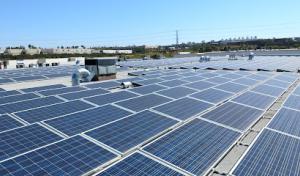
This inland valley climate brings long, sunny days and occasional winter rain that test roof penetrations. Solar installations, skylights, and their mounting hardware are high-risk leak points once aging flashing or underlayment meet a moving roof cover. In dry seasons, you may not notice minor flashing creep, but winter rain amplifies any flaw. If a reroof is planned or leak investigations are underway, inspect all penetrations with the assumption that heat and wind have stressed sealing joints over time.
On tile roofs common in this area, penetrations require careful detailing because broken field tiles and disturbed underlayment can create hidden leak paths. When you replace shingles or tiles, ensure the new penetrations align perfectly with solid flashing and that the underlayment beneath the tiles remains continuous. If a tile is cracked or displaced, replace it and check the surrounding field for loose or damaged underlayment. Even small gaps can channel water beneath the roof deck during heavy rains.
Solar mounting hardware should be planned to minimize tear-out of roof coverings. Gather the mounting layout early, and verify that flashing transitions are compatible with the chosen roof covering. Use flashing that seats flush to the deck and extends under surrounding tiles or shingles to form a continuous barrier. For tile roofs, consider a raised or integrated rail system that avoids excessive cutting of field tiles. After installation, confirm that sealant joints and clamps don't rely on compromised underlayment that could fail in winter storms.
Skylight penetrations are especially prone to leak if flashing has aged or if reflective glare tempted careless caulking. Inspect the curb flashing and ensure a weatherproof transition to the surrounding roof surface. If the roof is being reroofed, replace skylight flashings and reseal the curb with compatible materials. Decide on a skylight shade or vent option in winter before sealing, to prevent thermal movement from catching you off guard during seasonal rain.
Schedule seasonal checks focusing on penetrations after major storms and after heat waves that can warp flashing. Look for staining along skylight edges, granule loss near solar mounts, or moss and debris that trap moisture. Keep access clean around penetrations to facilitate quick driest-order inspections following rain. If you find moisture through tiles or underlayment near a penetration, treat it as a warning sign to reflash or reseal rather than patching around a symptomatic leak.
Find contractors who integrate solar panels or solar shingles into your roof for long-term energy savings.

Fallbrook homeowners often see crews that specialize in reroofing and offer rapid dispatch rather than firms that focus mainly on new construction. This practical alignment matters when Santa Ana winds flare up or a winter storm comes through-quick, reliable response can prevent further damage. Look for teams with proven experience handling existing roof structures, including older tile patterns and the quirks of hillside homes. The right crew should demonstrate steady, on-site presence rather than a sprint-and-dash approach that leaves you guessing about progress.
Cleanup matters in this market, especially on spacious lots with landscaped features where tile fragments, nails, and tear-off debris can spread far beyond the drip edge. A reputable crew will present a thorough debris containment plan and show how nails are retrieved after removal. Confirm how they isolate work zones on sloped or terraced properties and how they manage material drop zones to protect plants, driveways, and irrigation lines. If you have shade trees or low-water landscapes, ask specifically how waste is contained to minimize windborne debris.
Because many active contractors market affordability alongside emergency response, homeowners should verify scope clarity before signing. Ask for a written scope that names the exact roof areas, underlayment choices, counterflashing details, and any necessary skylight or vent work. Clarify who handles inspections and who represents the project with the county during the process. A dependable crew will provide a single point of contact, transparent milestones, and a documented plan for addressing any unexpected situations that arise during tear-off and installation.