
Last updated: Apr 19, 2026
The heat in this area bites a lot harder than coastal parts of San Diego County, and the sun relentlessly ages roofing materials. In San Marcos, you'll notice shingles, underlayment, and roof penetrations drying out, cracking, or delaminating faster when the thermostat climbs into the triple digits for extended stretches. This accelerates wear on any roof type, but it's especially pronounced for asphalt shingles and wood products, where sun exposure can shorten the life of the protective granules and accelerant layers. If your roof is already near the end of its service life, hot summer days can push a replacement timeline from "consider this next year" to "we need to schedule soon" because failure risk rises with heat, not just with age. A practical approach is to plan around the dry season's steady weather and cooler mornings, ensuring installers have ample time for a careful tear-off, proper venting, and thorough sealing before the first Santa Ana gust arrives.
When thinking about material choice, remember that certain products respond differently to the sun. Lighter-colored, reflective choices may help reduce attic temperatures and extend the usable life of underlayment and sheathing. In hot interior spaces, underlayment quality matters too-high-grade underlay can resist blistering and tearing when exposed to sun before the final roof is secured. Work with a contractor who understands how daily temperature swings affect adhesive bonds and fastener performance, and who builds an installation plan that minimizes long daytime exposures for sensitive layers during the hottest parts of the year.
Santa Ana wind season brings gusts that complicate tear-off staging, material handling, and underlayment exposure. On windy days, loose underlayment can billow, fasteners can be disturbed, and debris can become a safety hazard for crews and neighbors. In practice, this means tighter staging plans, more secure tarping, and a disciplined sequence for removing old materials and laying down new underlayment. Expect crews to schedule the more delicate steps for mornings when the air is more predictable and to pause work if sustained gusts exceed a certain threshold. When winds pick up, practical crews will move sheathing and shingles to sheltered areas, minimize time sheets with exposed underlayment, and ensure all penetrations are properly protected to prevent wind-driven water intrusion.
From a homeowner's perspective, this translates into predictable windows of disruption. You may notice brief pauses or shorter workdays during peak wind events, with a return to full productivity once the air settles. The key is communication: your crew should outline how wind conditions affect each stage of the job and what protective measures they'll employ. A well-planned sequence reduces the risk of underlayment exposure, which is especially important in a climate where dry, gusty days can dry out materials rapidly and create fragile bonding surfaces once the roof is re-coated.
Local replacements are commonly scheduled during the dry season because winter rains can interrupt installation and reduce ideal conditions for warranty-compliant work. Dry months offer more predictable weather, fewer rain-related delays, and steadier interior conditions for applying sealants and adhesives. This matters for warranty integrity, because many manufacturers require a continuous installation window with proper temperature and humidity ranges to validate coverage. If a roof is installed during a wet or humid period, you risk post-install issues that could complicate warranty claims or long-term performance checks.
To align with a reliable dry-season schedule, plan around the typical local climate lull between late spring and early fall. Your contractor should provide a detailed installation calendar that accounts for possible Santa Ana events and heat spikes, with contingency dates that preserve the sequence of tear-off, underlayment, and final coverage. In practice, homeowners can reduce disruption by preparing the property ahead of time: clear the yard, secure loose items, and coordinate access points for equipment and material storage. Confirm that the crew has a dedicated crew lead who tracks weather forecasts and adjusts staging accordingly so that critical steps-like flashing installation and ridge vent seating-occur under optimal conditions.
Start with a pre-season inspection to identify wear patterns driven by heat and wind-blistered shingles, granule loss, or soft spots in sheathing. Use this assessment to determine prioritization: areas with advanced wear or exposed fascia should move up in the schedule within the dry-season window, while less-affected sections can be staged to minimize on-site time during hot periods. When you're coordinating a replacement in the dry season, request a phased plan that prioritizes tear-off and deck preparation during morning hours, with sealing and shingle application in the cooler afternoons or over several cooler days. Demand a wind contingency plan that shows how crews will secure materials and protect underlayment during Santa Ana-driven gusts. Finally, insist on a clear warranty explanation tied to weather conditions during installation, so you know how the product and workmanship are protected if unusual heat or wind disrupts the process.
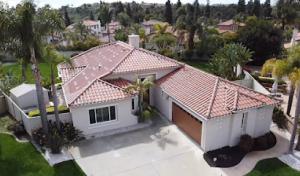
In this area, homeowners commonly choose among asphalt shingles, clay tile, concrete tile, metal roofing, wood shingles or shakes, and synthetic or composite shingles. The mix reflects a Mediterranean and Spanish-influenced roof aesthetic that remains popular with local contractors who specialize in tile work. If your neighbor's home features a clay or concrete tile setup, you can expect longer lead times for specialty tile deliveries and a focus on precise underlayment, fastener patterns, and wind-rated installation. The result is a roof that not only protects but also visually anchors the curb appeal that defines many neighborhoods around the hills and basins.
Strong sun exposure in inland North County matters a lot when you're weighing material performance. UV resistance becomes a top criterion, not a nice-to-have, because long daylight hours accelerate aging for any roof surface. Underlayment quality takes on extra weight as it backs up the durability of the visible layer; you want a high-quality, long-warranty felt or membrane that can handle heat cycling without becoming brittle. Fastening details matter just as much, since Santa Ana winds can lift edges or loosen fasteners if the roof isn't engineered for high wind speeds. In practical terms, this means choosing products and installation methods that emphasize wind resistance, with appropriate fastener types, sealant choices, and edge detailing that stay secure under seasonal gusts.
Tile roofing is particularly relevant here because it aligns with the local style and, when installed correctly, offers excellent longevity under sun exposure. Clay and concrete tiles perform well in heat, but their long-term success depends on a sturdy deck, proper flashing, and careful alignment to avoid micro-cracks that can propagate under daily heat cycles. Clay and concrete tiles also benefit from a ventilation strategy that keeps attic spaces cooler, reducing heat transfer to the tile line and helping the underlayment last longer. If you lean toward metal or synthetic options for a modern twist, ensure the system is compatible with the prevailing wind patterns and that color choices reflect heat management goals, not just aesthetics.
Asphalt shingles offer a familiar, cost-conscious option but require careful selection of UV-stable coatings and a robust underlayment to handle radiant heat. Wood shingles or shakes deliver a classic texture, yet their performance hinges on moisture management and fire-safety considerations common to older Mediterranean-style homes. Synthetic or composite shingles blend resilience with light weight, and they can mimic traditional looks while providing strong color stability under intense sun. For all materials, consider the roof's slope, the condition of the existing deck, and the expected dry-season installation windows where work can proceed without rain interruptions or city-inspection delays.
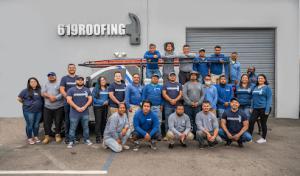
619 Roofing of San Marcos
909 Rancheros Dr, San Marcos, California
5.0 from 138 reviews
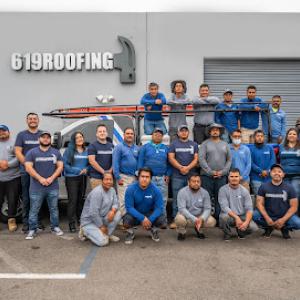
Serving San Diego, Orange, and Riverside Counties, 619 Roofing SM is a trusted, family-owned roofing company based in Escondido with over 40 years of combined experience. We’re proud to be both Owens Corning™ Preferred and GAF Factory-Certified contractors, offering expert roofing solutions delivered by a fully bilingual team committed to quality, safety, and exceptional customer care. Whether you need a full roof replacement, emergency repairs, or preventative maintenance, we provide reliable service 24/7 across San Diego County and surrounding areas. Our full-service offerings include re-roofs, roof repairs, drone inspections, roof maintenance, gutter repairs, and more. Choose 619 Roofing for unmatched professionalism and craftsmanship.
Cowboy's Roofing
(760) 747-6890 cowboysroofingconstruction.com
1185 Linda Vista Dr suite a, San Marcos, California
5.0 from 82 reviews
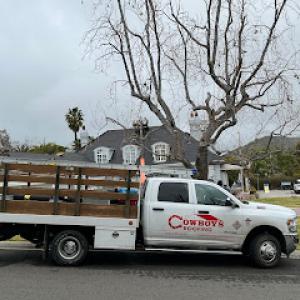
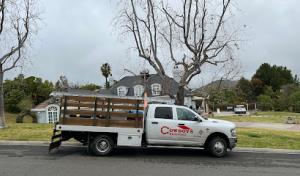
Second generation roofers, family owned & operated with over 30 years of experience! From new roofs to re-roofs and from steep roofs to flat roofs, we do it all!! Licensed and Insured C/39 1042452

Roofix
(858) 988-1015 www.roofixsd.com
San Marcos, California
5.0 from 76 reviews
At Roofix we provide premium residential and commercial roofing services throughout San Diego and Riverside counties. With a commitment to quality, Roofix specializes in roof installation, repair, maintenance, and leak prevention, using high-grade materials to ensure lasting durability and weather resistance. Fully licensed and insured, Roofix combines expert craftsmanship with dependable service, making them a trusted choice for all roofing needs, from minor repairs to complete installations. Offering free estimates and tailored solutions, Roofix is dedicated to protecting your property with reliable roofing solutions built to last.
Mark Anthony Construction & Roofing
(760) 803-7534 www.markanthonyconstructionandroofing.com
133 N Pacific St Suite A, San Marcos, California
4.9 from 175 reviews
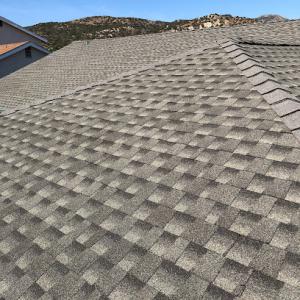
We are a family owned and operated business in San Marcos, CA specializing in complete roof replacement. Mark has been installing roofs in San Diego for over 40 years. We are recognized by GAF as Master Elite Installers, allowing us to offer the best warranties in the industry. All our installers have at a minimum of 10 years experience.
Protecta Roofing
(760) 224-2494 protectaroofingconstruction.com
145 Vallecitos De Oro Suite E, San Marcos, California
4.9 from 63 reviews
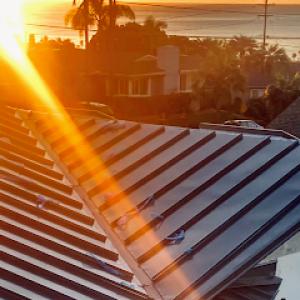
Protecta Roofing Technicians have over 25 years of roofng experience. Call Protecta Roofing today and one of our highly trained crew members will ensure your roofing system gets the proper service and repairs so that you'll never have to worry about your leaky roof again.
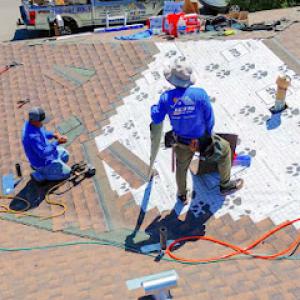
JCIS Roofing
(760) 260-9684 www.jcisroofing.com
500 Rancheros Dr #17, San Marcos, California
4.9 from 47 reviews
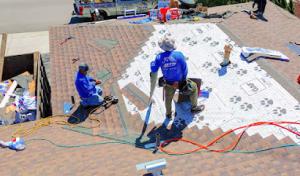
JCIS Roofing provides roofing installation, roofing repairs, roofing replacement, roof maintenance, and commercial roofing services to San Diego, CA and the surrounding areas.

Shadowcrest Roofing
(760) 593-0300 www.shadowcrestroofing.com
285 Pawnee St # C, San Marcos, California
5.0 from 24 reviews
Shadowcrest Roofing is the leading roofing expert in San Marcos, CA, trusted by homeowners and businesses throughout San Diego County. We specialize in TPO, PVC, Built-Up Roofing, Clay Tile, Concrete Tile, Slate, Fiberglass Shingles, and Custom Wood Shakes. Our metal roofing options include Standing Seam, Flat Seam Copper, and Mechanical Seam in Galvalume, Copper, and Zinc. We also offer seamless and custom gutters, moisture intrusion inspections, protective roof coatings, and reliable roof repairs, all tailored to San Diego's unique coastal climate. Choose us for quality, durability, and expertise in roofing!
Guardian Roofs
(858) 879-3383 guardianroofs.com
1101 W San Marcos Blvd, San Marcos, California
4.7 from 74 reviews
Guardian Roofs is a roofing contractor in San Marcos, CA that services San Diego County, Encinitas, San Marcos and nearby areas. Our roofing company offers residential roofing, commercial roofing, roof repair, asphalt shingle roofing, flat roofing and many more. Customers love us because of our quality craftsmanship and competitive pricing. We also have industry affiliations and certifications like Owens Corning Platinum Preferred Contractor and GAF Master Elite. If you want to experience your most trusted San Marcos roofing company’s excellent services, call us now for free estimate!
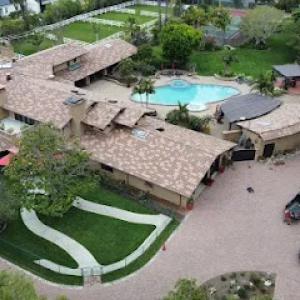
Summer Roofing
(760) 571-1040 www.summerroofinginc.com
1407 Rock Springs Rd, San Marcos, California
5.0 from 19 reviews
Summer Roofing offers top-tier residential and commercial roofing solutions, including inspections and repairs, in San Marcos, CA, and nearby regions. With over a decade of expertise, we deliver unmatched craftsmanship and reliability. Our dedicated team ensures your roof's longevity and structural integrity, providing peace of mind for homeowners and businesses alike. Trust Summer Roofing for professional service and superior results, safeguarding your property against the elements with confidence.
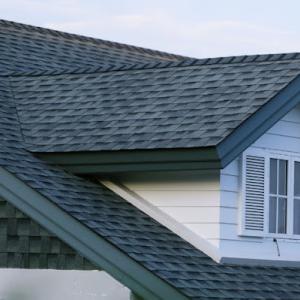
Maday Roofing
(760) 547-3692 www.madayroofingconstruction.com
2727 Casa Linda Way, San Marcos, California
4.8 from 24 reviews
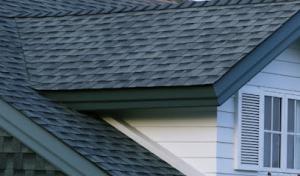
Maday Roofing is your premiere San Marcos roofing company. We offer superior quality roofing services and more importantly, quality customer service. We are the name you know, with the experience you trust. Each and every roof is installed by our expert foremen, ensuring the highest integrity and greatest value of your roofing system. We treat each home and business owner with most respect, and we are honored to serve in San Marcos California Most Trusted Roofing Company. We invite you to join our growing family of satisfied customers since 1998. We are proud to offer emergency services 365 days.
San Diego Rain Gutters
(760) 260-9041 www.sdraingutters.com
3110 S Santa Fe Ave, San Marcos, California
4.5 from 83 reviews
San Diego Rain Gutters provides aluminum gutters, copper gutters, steel gutters, downspouts, and rain chains to the San Marcos, CA area.
Acclaimed Commercial Roofing
(800) 619-7304 www.acclaimedroof.com
1025 Armorlite Dr #315, San Marcos, California
5.0 from 14 reviews
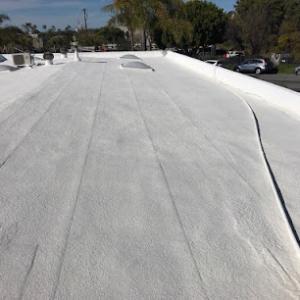
Commercial and Residential Roofing Services. Spray Polyurethane Foam (SPF), TPO, PVC, shingles, tile and much more.
For asphalt shingles, expect a cost range from about 360 to 700 USD per square. In this market, higher temps and Santa Ana winds can accelerate aging, so local homes that push a re-roof before the coating wears thin may still land in the mid-to-upper part of that range. Dry-season scheduling helps with crew productivity, but if a replacement runs through the wet spell, you'll likely see delays and potential price bumps due to tighter crew availability. In San Marcos, the simpler tear-off and disposal process keeps asphalt projects comparatively straightforward, but even here the weather window matters for on-time completion.
Metal typically runs 600 to 1100 USD per square in this area. Metal can tolerate the heat and wind better, but installers still price up tile-heavy or multi-story homes because access and material handling are more complex. If a home has a long soffit line or multiple roof planes, expect the higher end of the range. Scheduling around the dry season helps maintain a steady crew pace and avoid rain-related hold-ups, which can push labor costs up if disruptions occur.
Clay tile re-roofs span roughly 900 to 1800 USD per square. Tile-heavy homes in this market drive costs higher due to tear-off, disposal, and more labor-intensive installation. Worry less about rain, more about heat and wind stressing crews during a long tile job. Tight dry-season windows can raise pricing slightly as demand peaks, but the reliability of a dry install often reduces the risk of weather-related delays that would inflate costs.
Concrete tile ranges from about 850 to 1500 USD per square. The heavier weight and longer install time on concrete tile push crews to allocate more labor, which shows up as the upper end of the price band. In San Marcos, the dry-season and wind exposure can influence scheduling-getting a critical window of good weather helps avoid extra equipment rentals and overtime that lift the final bill.
Wood shingles and shakes run roughly 700 to 1200 USD per square. If the home has a lot of shaded or south-facing exposure, the wood can age faster under heat and sun, nudging replacement timing forward and potentially increasing material handling costs during tear-off. Tile-heavy or multi-gabled homes with wooden profiles tend to sit toward the top of this range, especially when careful underlayment and ventilation work are needed to preserve attic health in heat waves.
Synthetic or composite shingles commonly cost from 550 to 1000 USD per square. These offer faster install times and good heat resistance, which helps in dry, windy periods. In San Marcos, if the project involves re-roofing a roof with existing complex geometry or multiple flashings, costs trend toward the higher end. Scheduling during the dry season supports steady production and can help keep the project on the stated budget range.
Practical scheduling note: costs in San Marcos can rise on tile-heavy homes because tear-off, disposal, and replacement details are more labor-intensive than basic shingle re-roofs. Scheduling around the dry season can affect pricing and availability because many homeowners try to avoid winter rain delays and summer heat impacts on crew productivity. Plan as early as possible within your preferred dry-window to lock a spot and avoid premium surge pricing.
Get a clear picture of your project costs upfront - no commitment required.

Protecta Roofing
(760) 224-2494 protectaroofingconstruction.com
145 Vallecitos De Oro Suite E, San Marcos, California
4.9 from 63 reviews
Guardian Roofs
(858) 879-3383 guardianroofs.com
1101 W San Marcos Blvd, San Marcos, California
4.7 from 74 reviews
For a full re-roof, a building permit is required through the City of San Marcos Development Services department. The permit process is not a formality to rush through; it sets the timeline for inspections and ensures the work meets local code and the dry-season installation window that many crews rely on. Before tearing off existing material, you'll want to coordinate with the permit office to understand any site-specific notes, such as drainage considerations and staging space. Missing or improperly filed paperwork can stall a project mid-season, especially when the schedule is tight around Santa Ana winds and peak heat periods. Ensure your contractor has current affiliations with the city and can provide a clear permit-tracking plan, including expected inspection dates and any required plan checks for roof assemblies common to this climate.
Inspections in this area typically occur twice: after tear-off and again after underlayment and final roofing installation. The post-tear-off inspection checks that the deck is sound, that old decking has been removed where necessary, and that ventilation pathways remain adequate for hot, dry conditions. The second inspection confirms the new roof assembly is properly installed, that underlayment is continuous, and that fastening patterns align with the chosen roofing system. Because the local climate concentrates heat and wind exposure, the city may require tighter controls on attic ventilation, radiant barriers, and wind-rated flashing details. Plan for the possibility of a re-inspection if minor deltas are found; delays at this stage can push a project into the hotter part of the year or into a constrained calendar with city review cycles.
Some roof types or configurations trigger added review beyond the standard two inspections. Tile-heavy installations, multi-layer re-roofs, or systems with unusual venting arrangements tend to draw additional scrutiny to ensure performance under dry-season conditions and Santa Ana wind events. Regional amendments may apply, particularly where lightweight underlayment or metal detailing interacts with structural trims or seismic considerations. If the project includes vented eave openings, ridge vents, or complex flashing around chimneys and skylights, anticipate deeper checks and possible contractor adjustments before the city signs off. Understanding these potential review steps in advance reduces the risk of last-minute changes that delay completion and extend exposure to heat and sun during the replacement window.
Winter in this inland valley brings milder days but more frequent showers, and you can feel the difference when a long dry spell ends with a quick downpour. Leaks tend to cluster around those storms, especially after weeks of dry heat that have exposed weak flashing or aged underlayment. When roof systems have baked in the sun all summer, sealants crack and metal flashing loses its bite. The moment rain returns, a small weak spot becomes a flood path if not addressed fast. In this climate, the timing between dry periods and wet ones is the critical lever for roof health. If you've had a dry spell, expect the next heavy shower to test every seam, vent boot, and transition from ridge to eave.
Because the city has many re-roofing contractors advertising quick response and emergency work, homeowners often expect rapid tarping or temporary dry-in service when storms hit. That expectation is reasonable, but it isn't a license to skip the proper sequence. A swift tarp or dry-in buys you time, but it should be paired with a clear plan to complete the tear-off and re-seal promptly once weather cooperates. If a crew can't deliver a practical dry-in setup before the next front, you risk water tracking into attic decking and fasteners, which can compromise decking integrity and any insulation below. You want a contractor who can mobilize, tarp, and seal in hours-not days-without leaving you exposed to a new rain event.
Moisture management becomes more important during winter projects because rain interruptions can expose decking and complicate sequencing between tear-off and dry-in. If a roof needs a tear-off during a rainy spell, insist on a plan that focuses on deck protection first: tarps over exposed areas, temporary dry-in at critical seams, and a clarified schedule for completing tear-off once the forecast stabilizes. Communicate a preferred sequence with the contractor: prioritize securing vulnerable flashing, then address underlayment, then finish with the final roof covering when drying conditions are reliable. Ask for a written rain contingency that outlines how long dry-in can wait, what temporary protections stay in place, and how often inspections will occur during the winter window. In this climate, clarity on moisture control isn't extras-it's safety and long-term roof life.
When you can't wait, these contractors offer fast response times to stop leaks and prevent further damage.
619 Roofing of San Marcos
909 Rancheros Dr, San Marcos, California
5.0 from 138 reviews
JCIS Roofing
(760) 260-9684 www.jcisroofing.com
500 Rancheros Dr #17, San Marcos, California
4.9 from 47 reviews
Maday Roofing
(760) 547-3692 www.madayroofingconstruction.com
2727 Casa Linda Way, San Marcos, California
4.8 from 24 reviews
Local contractors see meaningful demand for solar roofing integration, so expect careful coordination between a roof replacement and the mounting system. In inland heat, UV exposure accelerates flashing wear around mounts and edges, so plan for reinforced flashing at rafter tails and around racking. When you schedule a reroof, confirm the solar installer's penetrations and weatherproofing details early, and use compatible sealants rated for high sun exposure. Flat or low-slope sections tied to pitched roofs require extra attention to seam integrity and edge termination where solar arrays meet the roof plane.
Skylights are common upgrades in today's San Marcos homes, but the combination of sun and seasonal rain stresses seals and curb flashings. If a skylight is being replaced or resealed during a roof job, verify the curb is integrated into the new waterproofing system with a continuous flashing collar and counter-flashing. UV-heavy plastics can become brittle in inland sun, so inspect dome or pane wear and the seal gasket condition at the flange. For larger skylight assemblies, ensure a dedicated mud bed or compatible membrane is carried up to the curb to maintain a continuous waterproof path.
Low-slope areas such as patio covers or additions behave differently from main-roof tile or shingle systems. Drainage patterns must be re-evaluated when a low-slope section is tied into a steeper roof, because debris shedding and water movement differ with sunlit afternoons and Santa Ana gusts. Use a membrane with proven sun fasteners and reinforced edges where transitions occur. Ensure the scuppers, gutters, and downspouts in these areas carry water away without ponding, and install a secondary drainage path if the main roof pitch shifts drainage direction. In all cases, expect more frequent sealant and membrane checks in the first year after installation due to the combined UV and wind exposure.
Find contractors who integrate solar panels or solar shingles into your roof for long-term energy savings.
Cowboy's Roofing
(760) 747-6890 cowboysroofingconstruction.com
1185 Linda Vista Dr suite a, San Marcos, California
5.0 from 82 reviews
Protecta Roofing
(760) 224-2494 protectaroofingconstruction.com
145 Vallecitos De Oro Suite E, San Marcos, California
4.9 from 63 reviews
JCIS Roofing
(760) 260-9684 www.jcisroofing.com
500 Rancheros Dr #17, San Marcos, California
4.9 from 47 reviews
In this inland North County climate, Santa Ana wind events can gust through neighborhoods and expose roofs to accelerated wear. Some California homeowners in this area report wind and wildfire-related claim scrutiny, with insurers requesting detailed damage photos and roof certifications. That makes having a clear, organized record of roof condition essential before and after wind events, and before filing any claim. Without solid documentation, a claim can be delayed, disputed, or narrowed just when you need funds to restore a vulnerable roof.
Certain carriers have tightened coverage or updated requirements for underlayment or asphalt shingle class standards when the risk of wildfire is higher. This means replacement choices could be influenced by what an insurer will accept as compliant, and what kind of documentation they expect to verify. San Marcos homeowners should anticipate that a standard repair path might not be sufficient if the insurer is enforcing newer wildfire resilience criteria. Being prepared with the right certifications and product specifications can prevent misalignment between contractor work and insurer expectations.
Before a wind or heat wave, take wide-angle photos of the entire roof and close-ups of all edges, penetrations, and skylights. After a Santa Ana wind event, repeat the process and note any dislodged shingles, lifted underlayment, or accelerated granule loss. Keep a dated log with weather context, including wind speeds if available, and store it in a cloud folder accessible to you and your claim representative. If a claim is filed, provide a roof certification from a qualified professional that confirms the roof's condition and any necessary reinforcements or underlayment updates aligned with current wildfire resilience practices.
Ask your contractor to photograph and document any preexisting vulnerabilities, such as loose flashing or stressed joints, and to supply a concise written summary of repairs tied to the insurer's likely standards. If a carrier requires updated underlayment or specific shingle class, having a pre-claim report and post-work confirmation helps maintain continuity between your records and the insurer's review. In these scenarios, precise, dated documentation can shorten processing timelines and reduce the risk of coverage disputes.
Connect with contractors who help homeowners navigate the claims process from damage assessment to final approval.

Shadowcrest Roofing
(760) 593-0300 www.shadowcrestroofing.com
285 Pawnee St # C, San Marcos, California
5.0 from 24 reviews

North County Premier Roofing Escondido
(760) 437-6996 www.premierroofinc.com
Serving
5.0 from 8 reviews