
Last updated: Apr 19, 2026
Wildomar homeowners typically plan full roof replacements in spring or fall to avoid the combination of winter precipitation risk and Inland Empire summer heat. The goal is to pick a window with milder temperatures, reliable drying conditions, and fewer surprises from Santa Ana wind events. This approach lines up with the local housing stock, which often features tile-heavy reroofs and wildfire-conscious material considerations. From start to finish, the timing should minimize exposure of underlayment and protect the interior from rain or wind-driven damage.
In spring, days lengthen and rains usually ease after the late-winter push. If a project starts early in the season, the crew can stage tear-off and underlayment in drier spells before the heat ramps up. Spring often provides cooler operating temperatures that reduce heat-related wear on shingles and metal components during installation. For a smooth spring run, coordinate with a dry stretch after any late-season storms and target a midweek rhythm to avoid weekend Santa Ana wind quirks that can complicate tarping and debris containment.
Fall is a practical choice because it aligns with shoulder-season weather and avoids the hottest part of the year. However, Fall Santa Ana wind events can complicate tear-off staging, underlayment exposure windows, and tarp management during active jobs. The key is to lock in a phase with forecasted calmer days and to build buffer days into the schedule for wind-related interruptions. Fall conditions still tend to be dry enough to support a reliable installation cadence, especially on concrete or clay tile, where wind can loosen exposed materials if not properly secured.
Dry summers in this area can help crews work efficiently, but high heat can limit on-site hours and create installation-condition concerns for asphalt shingles and metal roofing. If a summer project is unavoidable, plan for early start times and robust shading of exposed underlayment. Ensure crews have break plans to prevent heat-related work slowdowns, and be prepared for longer staging phases if temporary containment and tarps must be adjusted more often to cope with heat glare and radiant heat buildup on the roof deck.
Winter precipitation is a real factor that can derail a reroof project planned for the off-season. Even light winter rain can saturate underlayment, complicate tear-off, and extend drying times. When setting a winter target, build in contingencies for rain delays and ensure tarping systems are ready to deploy quickly. Winter planning should avoid short windows that leave little room for weather setbacks, especially on roofs with clay or concrete tile that respond to moisture differently than asphalt.
Coordinate with the contractor to identify two or three optimal windows in spring and fall, prioritizing calm, dry spells and minimal wind risk. Track long-range forecasts to avoid edges of heat waves or windy spells, and place the work during the least disruptive portion of Santa Ana patterns if possible. Prepare the home by clearing nearby clutter and maintaining gutter flow ahead of the tear-off to reduce debris and water intrusion risk, while ensuring access for crews and equipment during the chosen window.
In this Inland Empire setting, clay tile and concrete tile are the dominant roofing materials, shaping the daily realities of reroofs. You'll notice that broken tiles, aging underlayment, and flashing details take center stage during any tile project. The weight and fragility of these systems mean that every step-from tile removal to reinstallation-requires careful handling. A typical Wildomar reroof will spend more time on tile-specific concerns than a shingle-only swap, and that's not a cosmetic issue: it's about keeping water out and maintaining the roof's performance through hot summers, Santa Ana winds, and our winter rains.
Because tile is so prevalent, homeowners often face a critical decision at the planning stage: is the project a true tile reroof, a lift-and-lay style job, or a full system replacement beneath existing tiles? A true tile reroof typically involves removing and replacing the entire tile and flashing assembly, along with the underlying deck and underlayment as needed to restore a full, weather-tight system. A lift-and-lay approach might preserve more of the existing tile while updating underlayment and flashing, which can be faster but still requires meticulous handling to avoid broken tiles and uncovering compromised deck areas. A full system replacement beneath existing tiles is the most comprehensive route, often selected when the deck structure or insulation has degraded significantly and you want a clean, integrated layer that aligns with modern performance standards. Each option carries distinct labor dynamics in this climate, where heat and wind stress combined with winter rain demand a robust, integrated approach.
Wildomar's heat drives expansion and contraction in clay and concrete tiles, which can loosen fasteners and crack through-year joints. Broken tiles are more than cosmetic; they create vulnerable entry points for water and heat. The underlayment ages differently under tile, especially when layers were never intended to handle the same daily temperature swings you experience here. Flashing around chimneys, valleys, and vents must be inspected with an eye for wind-driven leaks, which are common after the dry Santa Ana gusts. In heavier tile systems, the weight adds leverage that can affect rafter connections and decking over time, so structural checks are not optional. If the roof is older, check for previous repair patches that may have used mismatched materials or subpar sealants, which can fail during heavier winter rains.
A reliable project starts with a clear assessment of tile condition and the state of underlayment. Expect the crew to catalog broken or chipped tiles, identify mosaic or decorative tile configurations that complicate removal and reinstallation, and verify flashing continuity around penetrations. If old tiles are to be removed, plan for careful sorting and staging-keeping usable tiles intact for reuse where possible and setting aside broken pieces for proper disposal. When tiles are being reset, ensure the installer uses appropriate underlayment insulation and a modern moisture barrier that matches the climate's demands. It's also prudent to review ventilation details-ridge and soffit vents should align with the new system to prevent heat buildup and moisture accumulation under the tiles. If a full system upgrade is chosen, insist on a cohesive installation that integrates deck, underlayment, flashing, and tile together, rather than layering disparate components.
Heavy tile systems require more on-site handling, which translates to longer labor hours and a more deliberate sequencing of tasks. Coordinating tile removal, sorting, and reset with underlayment replacement and flashing work helps minimize the risk of tile breakage and water intrusion. A well-planned schedule accounts for potential weather windows, since winter rain can pressure a project to move quickly once a rainy spell ends, yet the heat of summer pushes crews toward cooler morning work and safer tile handling. In neighborhoods where tile dominance is the norm, expect a project manager to provide a tile-specific checklist addressing breakage risk, storage of pristine pieces, and the conditional reuse of tile where feasible without compromising system integrity.
Find contractors who specialize in clay and concrete tile roofs, known for their durability and curb appeal.

Woolbright's Roofing & Construction
(951) 609-1818 woolbrightsroofing.com
20831 Silktassel Ct, Wildomar, California
5.0 from 1 review

So Cal Roof repair
33741 Great Falls Rd, Wildomar, California
5.0 from 9 reviews
SO CAL Roof, based out of temecula CA, specializes in top-notch roofing solutions for residents of Temecula, Murrieta, Wildomar, Menifee, Fallbrook, San Diego, Inland Empire, Anza, De Luz, and within a 30-mile radius from Temecula. They provide superior leak repairs backed by a minimum 10-year warranty and offer straightforward consultations for both roof repairs with a 10-year minimum warranty and new constructions. SO CAL Roof operates as a licensed, bonded, and insured company, adhering to the highest industry standards. Trust their expertise to protect your property and enhance its aesthetic appeal.
IE Stay Dry Roofing
(909) 784-5325 iestaydryroofing.com
Wildomar, CA
5.0 from 6 reviews
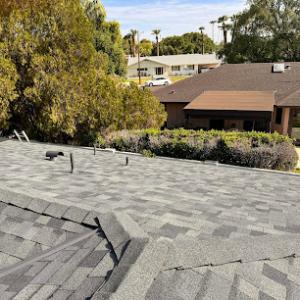
Your roof is the first protection your home has from the elements, so maintaining its integrity is vital towards preserving the structure and value of your home. At IE Stay Dry Roofing, we offer an entire range of roofing services that will meet the needs of your home and exceed your expectations in terms of quality, service and our low, competitive price. A third generation roofer, Javier Garcia is the owner of Stay Dry Roofing and he has served the Riverside, California community over the years with professionalism, top quality service and care. Javier understands that meeting the needs of Inland Empire residents and businesses means providing the best in roofing services.
Frontline Roofing
(877) 587-3978 www.frontlineroofing.com
Serving
4.7 from 98 reviews
Frontline Roofing, located at 31796 Casino Dr ste j in Lake Elsinore, CA, offers top-tier roofing services for both residential and commercial properties in California. As the leading roofing contractor, we excel in roof repair, roof replacement, and shingle and flat roofing. Our dedicated team of local roofers ensures quality craftsmanship and customer satisfaction, making us your go-to for commercial roofing and any roofing services you may need. With a focus on energy-efficient and protective solutions, we stand out among roofing companies near me, proudly being a trusted local choice for a reliable and lasting roofing contractor.

Restoration Builders of California
(844) 404-7243 restorbuilders.com
Serving
5.0 from 15 reviews
The A B C's of wisely building with multiple contractors licenses: A l B l C10 l C39 l C46 With these licenses and our diverse, meticulous and sage wisdom, there is no project too large or small for Restoration Builders of California. We love the difficult jobs, which require 30,000 foot vision, creativity, experience and a little magic. CSLB LICENSE 1007674. BONDED & INSURED.

Extreme Roofing
(951) 244-8874 www.extremeroofing.net
Serving
4.6 from 11 reviews
Tile leak specialist, We offer Residential Re Roofing, Leaks and Repairs and have been serving Southern California since 1994 with 35 years experience. Give us a call for all your roofing needs.

Fix Right Roofing
(877) 778-0067 www.fixrightroofing.com
Serving
5.0 from 7 reviews
FixRight Roofing is a locally family owned and operated business based in Murrieta, California that services the Inland Empire, San Bernardino, & San Diego Region. Preferred Contractor w/ Owens Corning. We offer Residential Re-Roofing, Tile Lift & Relay, Standing Seam Metal, New Construction, Flat Roofs, Commercial Restoration, and all types of repairs. We value honesty and integrity in all aspects of our business. Our dedicated team of professionals have over 40 years of hands-on experience to provide innovative ideas and suggestions tailored to your projects. Our services are customized to your individual needs, paying close attention to the details of each project that we are involved with.

Latchford Roofing & Construction
(951) 600-7764 latchfordroofing.com
Serving
5.0 from 144 reviews
Latchford Roofing has been providing high quality roofing services in Murrieta and Temecula CA since 1988. We are dedicated to providing superior workmanship and excellent customer service, and pride ourselves on maintaining an outstanding reputation. At Latchford Roofing, we treat every roofing project - large or small - as a priority. We are owner-operated, and our clients appreciate that the owner, Brian Latchford, is personally involved in every project. Every member of Latchford Roofing comes well equipped with many years of experience in the roofing industry. They have the training, certifications, and expertise to properly install or repair your roofing system. We look forward to adding you to our list of satisfied clients.
Valdez Construction Roofing
(951) 987-5580 www.valdezconstructionroofing.com
Serving
5.0 from 120 reviews
Having a solid roof over your head is always important, whether you’re at home or at work. Roofs protect you from the elements, keep the structures of your property intact, and can even help regulate temperature. Over time, your roof may start to show signs of wear, or you may encounter an emergency that severely damages it. Address and prevent severe structural damage with help from Valdez Construction Roofing. Our comprehensive catalog of roofing services includes reroofing, roof repair, roof installation, pressure washing services, and more. We'll inspect your roof to determine what it needs, and then we'll get to work securing your property and keeping your loved ones safe and comfortable.
TMH Roofing
Serving
4.9 from 41 reviews
TMH Roofing is a 3rd generation, family owned roofing company that specializes in residential and commercial roof applications. We are licensed, bonded, fully insured, and pride ourselves on our communication and customer service. With years of experience in composition, tile, silicone, and flat roof systems, no job is too big or too small.
TMC Roofing
(951) 840-9935 www.tmcroofing.com
Serving
5.0 from 55 reviews
TMC Roofing is the trusted local roofing contractor serving Riverside, Temecula, Perris, and surrounding Inland Empire and Southern CA communities. Family-owned and licensed, we specialize in roof inspections, leak repairs, storm damage restoration, re-roofs, and 24/7 emergency roofing. Whether you need a small roof repair in Riverside, a full replacement in Temecula, or an urgent roof inspection in Perris, our team delivers reliable workmanship, honest pricing, and warranties. We work with shingle, tile, flat roofs, and more for residential and commercial projects. Realtors, property managers, and homeowners trust TMC Roofing for quality results that keep Southern California homes safe and protected. Call today for a free roof inspection.

Rocket Roofing
(800) 720-0775 rocketroofingca.com
Serving
4.8 from 148 reviews
At Rocket Roofing Contractors our mission is to serve the community with the most qualified, uncompromising workmanship and service. We work with dedication and integrity, to bring our clients the best service possible including residential & commercial roofing, roof inspections, roof maintenance, and roof repairs.
1st Roofing Contractor Lake Elsinore CA
(951) 457-5300 1stroofingcontractorlakeelsinoreca.com
Serving
5.0 from 36 reviews
1st Roofing Contractor Lake Elsinore CA is your trusted local expert for reliable, long-lasting roofing services, available 7 days a week. We provide professional roof installation, roof repair, roof replacement, leak detection, gutter installation, gutter repair, shingle replacement, roof inspections, storm damage repair, and full roof maintenance for homes and businesses in Lake Elsinore and nearby areas. Our team focuses on quality workmanship, fast response, and durable results you can rely on. If you’re searching for dependable roofing contractors in Lake Elsinore, we’re here to keep your property protected year-round.
In the Inland Empire heat and Santa Ana season, insurers in Riverside County increasingly view roofs as a frontline risk. Exposure to wildfire and strong winds can affect underwriting, premiums, and how closely insurers review roof age and condition. When a roof is older or uses materials with perceived higher risk, coverage decisions can tighten or come with more restrictive terms. Wildomar homeowners should expect that these factors aren't abstract-they can translate into tangible consequences when renewals come due or when filing a claim after a wind event or a brush fire nearby. The weather realities here mean that a reroof isn't just about appearance or local code; it can influence whether coverage remains affordable or even available.
California's current insurance environment adds another layer of vigilance for homes in this area. Availability and pricing can shift based on recent wildfire activity, wind reports, and the material choices on your roof. In practice, that means insurers may scrutinize the roof more closely during policy reviews, particularly if the roof is approaching or has surpassed a typical lifespan, or if the roof uses materials that are commonly flagged as higher risk for ignition or wind damage. For a homeowner with a tile-heavy reroof or a lighter roof system, the decision to pursue a reroof may be driven not only by wear but by how the insurer views the risk profile of those materials in a wildfire-prone county.
Wildomar homeowners should be meticulous with records because adjusters may scrutinize whether damage warrants repair or full replacement. Keep dated photos that show the roof's condition across seasons, especially after a high-wind event or a fire near the ridge line or hillside. Preserve material records, including the exact product lines, installation dates, and any upgrades such as underlayment or venting improvements. Maintain permit paperwork and maintenance history, like regular gutter cleaning, chimney cap inspections, and evidence of timely repairs. When you can, assemble a simple chronicle: photos tied to dates, notes on any hail or debris impacts, and receipts for maintenance or previous roof work. This documentation can help an adjuster determine whether a claim should be scoped as a repair or a full replacement, potentially mitigating gaps in coverage or delays in payment after a critical weather event. In short, in this climate, proactive record-keeping isn't passive housekeeping; it's a practical shield against coverage ambiguity and timing pressures that come with wildfire and wind exposure.
When planning a reroof, think not only about the upcoming fire and Santa Ana seasons but also how an insurer's review cycle might align with your project. If age or material choice could draw extra scrutiny, a well-documented, properly scheduled reroof can reduce the likelihood of friction during a claim window. The goal is to align your roof's assessed risk with an insurance stance that supports continued coverage and reasonable terms, even after a windy season or nearby wildfire activity.
Find local contractors experienced in assessing and restoring roofs after hail, wind, and severe weather events.
Woolbright's Roofing & Construction
(951) 609-1818 woolbrightsroofing.com
20831 Silktassel Ct, Wildomar, California
5.0 from 1 review
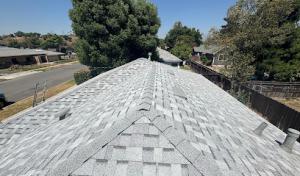
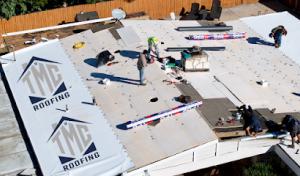
In Wildomar, cost expectations vary widely by material. Asphalt shingles typically run from 360 to 800 USD per square, while concrete tile heads toward 700 to 1500 USD per square, and clay tile sits higher at 900 to 2100 USD per square. Metal roofing often lands between 700 and 1500 USD per square, with synthetic or composite shingles generally in the 550 to 1100 USD per square range. These ranges reflect the Inland Empire climate, the need for heat-tolerant finishes, and the variety of home styles you'll see around town. The high end tends to appear on larger or more complex reroofs, especially when tile work or underlayment upgrades are required.
Wildomar's tile-heavy housing stock can push project totals upward for several reasons. Tear-off and disposal of old tile are more hands-on than typical shingle jobs, and underlayment replacement is common to ensure long-term performance against heat and Santa Ana winds. Tile handling adds labor time and risk management, particularly on steeper roofs or overhangs with multiple breaklines. If your home uses clay or concrete tiles, expect crews to quote higher per-square rates to cover careful removal, reinstallation, and potential tile repair. This is normal and part of a durable reroof strategy rather than an avoidable extra.
Pricing and availability can shift with the seasons. Winter rain can introduce scheduling delays and longer project timelines, while summer heat imposes limited daily roofing windows and higher labor fatigue costs. In practice, this means you may see tighter crews and inflated start dates during peak dry months, with a slower pace or reduced crews after heavy storms. For a reroof with tile, these seasonal constraints also influence when crews can safely handle delicate materials and trust a seamless sequence from tear-off to underlayment to tile lay.
When you compare bids, weigh not only the per-square price but also what's included: old material disposal, underlayment upgrades, and tile handling accommodations. If your home uses tiles, ask about strap-downs, trip mitigation, and crane or hoist options for safer installation-these can add to cost but reduce risk and potential tile breakage. For asphalt or metal, confirm actually included components like starter courses, ridge caps, and ventilated underlayment, which protect against heat and wind. Timing your reroof to dodge peak heat and heavy winter rains can smooth labor availability and stabilize pricing, helping you get the best overall value for a roof built to endure Inland Empire summers and Santa Ana winds.
The most popular roofing material in the US. Find pros who install, repair, and replace asphalt shingles.
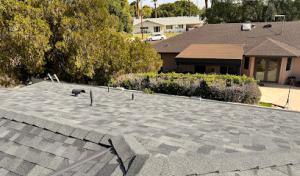
Full reroofs in Wildomar typically require a building permit through the local building department before work begins. The permitting process is a good early checkpoint to confirm roof type, underlayment, and ventilation plans with the inspector. Contractors should submit project details including roof replacement scope, materials, and any skylight changes so you can anticipate review times. Because Wildomar's mix of tile-heavy reroofs and wildfire-conscious material choices are common, plan for a plan-review step that will verify compatibility with HOA requirements, if applicable, and with local fire codes. Starting this early reduces delays once crews are ready to lift tiles or sheets.
Wildomar reroof inspections commonly focus on underlayment, flashing, ventilation, and final completion rather than only the finished roof surface. Inspectors will look at attic ventilation to prevent heat buildup, flashing around chimneys and dormers, and the integrity of hips, ridges, and valley details. Expect intermediate inspections as work progresses, not just a single touch-up at the end. Weather, especially Santa Ana wind windows and winter rain patterns, can influence scheduling. The department may push for weather-ready milestones, so you should coordinate with your contractor to align material deliveries and scaffold setup with the inspection calendar.
Homeowners should plan for possible plan-review delays and inspection scheduling variability depending on department workload and weather. In busy seasons, plan for several extra days between permit approval and the first on-site visit. Wildomar's climate and wildfire-conscious requirements can extend review times when material choices trigger fire-rated documentation or additional venting specifications. Communicate with the building department about any ember-resistant vent screens and roof-penetration details. Having a clear set of approved drawings and product data helps keep the reroof moving, even if the weather shifts and crews are on hold.
Keep copies of all permit approvals, inspection records, and approved change orders in a dedicated binder or digital folder. When inspections pass, the final documentation becomes your proof that the installation met code and safety expectations for Cal Fire and local ordinances. If issues arise during plan review or inspections, your contractor can request a quick re-check or reschedule, but staying proactive with weather forecasts and permit office hours minimizes downtime. A well-documented permit path also smooths any insurance reviews driven by wildfire-aware coverage requirements common in Inland Empire homes.
Because Meaningful precipitation in this area arrives mainly in winter after long dry spells, you'll often notice leaks first during seasonal storm periods. If you've endured a dry spell and then a heavy downpour, inspect ceilings and upper walls for brown stains, tape joints along the attic hatch line, and check around penetrations where water can follow chases down into living spaces. Time your checks to after the first big, soaking rain of the season, not just a quick sprinkle.
In a market where quick-response and emergency repair signals are common, you should plan to dry-in first and schedule full reroof work for a better weather window. A temporary dry-in can be as simple as tarping vulnerable roof sections and sealing obvious gaps with reinforced membranes. Use this as a stopgap to prevent interior damage while you line up a reroof. Coordinate weather forecasts to secure a window with several dry days in a row before committing to a full project, so you don't backslide into new leaks.
Skylight-related leak troubleshooting matters in this area because skylight service appears often enough in the local contractor mix to be a recurring homeowner need. Start with the flashing around the skylight, then the sealant bead at the base and the interior curb for signs of aging or hail impact. If condensation or moisture is creeping between glazing layers, address the flashing and curb seal first, then consider a more durable flashing system for long-term resilience.
Fall Santa Ana winds can peel underlayment and loosen edge shingles or tiles. Inspect eaves, rake boards, and chimney flashing for lifted seams after windy periods. A fast, targeted repair here buys time until a scheduled reroof, and reduces the risk of wind-driven leaks hammering through.
Keep a lightweight repair kit ready: heavy-duty plastic sheeting, reinforced tape, roofing cement, a small utility knife, and a magnetic sweep for fast debris removal. Document leaks with photos, note the exact location, and contact a trusted local pro who can prioritize your storm-window scheduling. If a leak seems concentrated around a vent stack or chimney, address that first, then plan the broader reroof with a weather window to maximize protection and minimize repeat calls.
Find contractors experienced in skylight installation, flashing, and leak repairs to bring natural light into your home.


The Inland Empire's sun means many roofs in this area pair solar with reroofs, but timing matters. If a roof replacement is planned alongside solar installation, coordinate so the roof deck is dry and sealed before solar penetrations are mounted. In Wildomar, a sunny spell can turn a routine project into a race against heat; schedule critical steps like underlayment and flashing in cooler parts of the day and avoid extending hot-season timelines. Ensure the contractor understands the existing or planned solar system layout, including inverter placement, conduit routing, and drainage impact, so mounting hardware lines up without retrofits.
Flat and low-slope roofing appears as a meaningful specialty in this market, and these surfaces behave differently than steep-slope tile or shingle roofs. Expect more attention to edge detailing, drainage planes, and sc upper transitions where solar equipment sits. A low-slope reroof should include a robust membrane system with careful seams and penetrations, since water movement and wind uplift can reveal vulnerabilities quickly if not sealed properly. When solar is added, confirm that the roof assembly beneath the panels provides compatible airflow, UV resistance, and a durable bond for the mounting hardware.
Homeowners should clarify whether penetrations, mounts, drainage details, and reroof sequencing are included when combining solar work with roof replacement. In practice, expect additional penetrations for racking, conduit, and electrical j-boxes; confirm whether the quote covers flashing around mounts and through-wall penetrations, as missteps here can lead to leaks after Santa Ana winds or winter rains. Drainage details must account for roof sumps, scuppers, and downspout alignment so solar equipment does not disrupt water clearance or create ponding on a low-slope section.
Plan sequencing so the highest-wear tasks-underlayment, flashing, and early sealants-occur before solar mounts go in, yet after the roof deck is fully prepared. Align warranty language to cover both the roof replacement and the solar attachments, including any potential penetrations and warranty exclusions tied to combined work. In this climate, a well-timed reroof with solar integration reduces the risk of wind-driven leaks and heat-related material stress over the life of the system.
Find contractors who integrate solar panels or solar shingles into your roof for long-term energy savings.
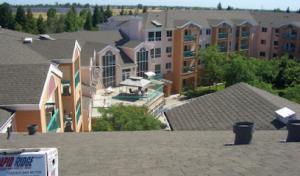

In this market, reroofing and quick response are common signals of a practical replacement-and-repair approach. Homeowners tend to favor contractors who can show up promptly after a weather event or after wind-driven damage, and who can lay out a clear plan for a complete, reliable replacement rather than chasing niche premium services. The work scope tends to emphasize solid, existing-structure-compatible materials that hold up under Inland Empire heat, Santa Ana wind bursts, and winter rain without overcomplicating maintenance or future repairs.
Residential reroofs are the norm, with many homeowners balancing durability and reasonable upkeep. Asphalt shingles remain a steady option for quick, predictable performance, while metal and concrete or clay tile are popular where wildfire exposure and heat resilience drive material choice. Contractors often propose a practical mix: strong underlayment, venting adjustments for attic temperatures, and a straightforward layout that respects existing roof lines. Cleanup is routinely included, and you'll notice a strong emphasis on leaving the site broom-clean and free of debris each day.
In this market, you'll find Wildomar contractor signals that emphasize scope clarity and site cleanup as much as headline price. Expect written summaries that spell out roof area, material type, number of layers removed, and a defined timeline with daily progress checks. While many contractors advertise commercial capability, the emphasis remains on residential work, with crews experienced in single-family roof refreshes, ensuring dependable installation without complexity that slows responsiveness.
Look for a contractor who can translate seasonal risks into practical steps: heat-aware ventilation planning, wind-driven fastener choices, and drainage-conscious tile or shingle layouts. Prioritize clear communication about what is reinstallable today versus what can be scheduled to minimize disruption during busy wildfire-season windows. A straightforward, durable solution that aligns with Inland Empire conditions tends to satisfy homeowners who want reliable protection with sensible, no-nonsense service.