Last updated: Apr 19, 2026
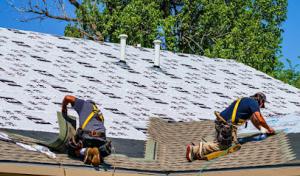
Spring and fall are the sweet spots for a re-roof in this valley-climate town. The Mediterranean pattern-hot, dry summers and wetter winters-means you'll see milder daytime temperatures and lower rain risk during these shoulder seasons. When planning, target a stretch of several dry weeks with temperatures that stay comfortable for long days on a roof. That stability helps crews manage material handling, underlayment installation, and final drying time without the interruptions that afternoon heat or surprise storms can bring.
Summer in the southern Sacramento County setting can push the workday into intense heat, especially on darker asphalt roofs that absorb sun. If a replacement must occur in late spring through early fall, align the schedule to earlier starts and finish before the hottest part of the day. Crews may implement shorter shifts, more frequent water breaks, and shade breaks where possible. Homeowners should anticipate potential delays if temperatures spike or if afternoon heat makes handling heavy bundles uncomfortable. In hot periods, plan for a couple of cooler-hour windows-early morning or late afternoon-as practical options to keep pace without risking crew health or material damage.
Winters bring regular rain and storms that can stall tear-off and dry-in work. Exposure to wet decking is a particular concern during active weather windows, so the timetable should include buffer days to absorb rain delays without compromising the building envelope. If a heavy storm occurs, expect a temporary halt to work on the roof deck and underlayment, with a plan to resume promptly once conditions dry and the decking is dry enough to accept new underlayment and shingles. In this climate, it's wise to avoid locking in a rigid, back-to-back sequence that leaves weather gaps unaccounted for; flexible scheduling helps protect interior spaces from prolonged exposure and minimizes the risk of moisture intrusion.
During a tear-off, the decking is exposed until the new underlayment and roof assembly are in place. In a city with wet winters, even small gaps can become a bottleneck if a storm moves in. A practical approach is to coordinate the dry-in window with a forecasted stretch of dry weather, allowing a predictable rhythm for workers to complete underlayment, starter courses, and the first rows of shingles before any potential rain. If a dry-in is delayed, you may see a temporary move to interior tasks such as attic venting checks or hardware inspection to keep crews productive while weather clears.
Extreme heat can complicate material handling, particularly with heavier tile varieties or dark shingles. Establish a plan that staggers deliveries to minimize on-site crowding and heat exposure. Early-morning deliveries help keep shingles, underlayment, and tools in good condition and reduce on-roof traffic during the peak heat hours. For homes with multiple roof planes, confirm the sequencing so that crews can move efficiently from one plane to the next, reducing the time spent on roof edges where temperatures rise fastest.
Because this area experiences both dry heat and rain disruptions, build a modest weather buffer into the schedule. A tight window can become fragile in spring storms or an unseasonably hot spell. Communicate clear milestone expectations with the crew: tear-off completion, drying-in, and final inspection-ready status. By aligning the project to comfortable temperatures, manageable moisture risk, and realistic weather contingencies, a re-roof in this climate proceeds with fewer surprises and steadier progress.
Roofing decisions in this area balance heat tolerance with load capacity. The dominant roof materials in Galt include asphalt shingles, metal roofing, clay tile, concrete tile, wood shingles/shakes, and slate, so homeowners are choosing among both heat-sensitive and heavy-load systems rather than a single dominant roof type. The hot Central Valley summers amplify solar gain, so reflectivity (solar reflectance) and attic ventilation become practical factors in material selection. Heavy tiles like clay and concrete carry longer lifespans but require a robust structural design and careful underlayment planning, while lighter options such as asphalt or metal respond quickly to performance tweaks like proper venting and insulation.
Tile roofing-clay and concrete-remains a common sight on suburban homes in the broader inland California style. In Galt, this style is paired with underlayment strategies that emphasize long-term water protection and moisture management. Underlayment life matters because extreme heat can accelerate wear on moisture barriers, so verify that the chosen tile system pairs with a durable synthetic or rubberized underlayment and that vents are positioned to reduce heat buildup in the attic. Broken-field-tile repairs are a practical reality with tile roofs, so ensure access to matching field tiles and a plan for routine inspection to catch cracked or displaced pieces before leaks develop.
The hot summer exposure in this region makes attic heat buildup a critical driver of performance. A roof that reflects more sun and breathes well can lower cooling loads and reduce the risk of interior heat pockets. In practice, this means considering shingles or panels with higher solar reflectance, paired with a well-designed venting strategy-soffit, ridge, and soffit-vent combinations should be coordinated with attic insulation. Metal roofs can offer strong reflectivity and durability, but installation details matter to avoid glare issues and ensure you don't trade heat for noise or condensation problems.
Heavy-load roofing such as concrete or clay tiles demands careful structural assessment before replacement. Ensure the roof deck and supporting members can handle the weight, and plan for inspection-friendly installation that includes continuous underlayment checks and reliable fasteners. For lighter systems like asphalt or some metal profiles, confirm that the roofing contractor accounts for local temperature swings during installation to prevent warping or seam issues as materials heat and cool.
Timing a roof replacement around dry summers and wet winters matters here. Schedule major work to avoid the peak heat window, allowing sufficient curing time for underlayment and sealants before the hottest weeks. If rain is anticipated, plan for project buffers to protect exposed layers and ensure flashing and sealants are completed in dry periods. A clear inspection sequence-pre-installation assessment, mid-project checks on flashing and underlayment, and a final after-installation review-helps catch issues in the context of Galt's seasonal patterns.
In this town, tile roofs often outlast the underlayment beneath them, so leaks may appear even when the visible clay or concrete tiles still look serviceable from the ground. That means a homeowner could be surprised by a wet attic or ceiling long after the job seems visually fine from the street. The subterranean layer isn't as forgiving as the surface, so a routine inspection should include careful checking of any signs of moisture near penetrations, valleys, and along eaves. If you see small staining or damp patches after a winter rain, don't assume the tiles themselves failed first-pull back a few tiles where feasible and have the underlayment examined. Delayed discovery can turn a simple patch into a larger, more disruptive repair.
Asphalt roofs in inland heat endure accelerated aging, granule loss, and thermal stress more than roofs in milder delta or coastal microclimates nearby. The heat here pushes the protective granules loose and can cause the asphalt to become brittle or soften, especially on surfaces that face the sun the most. You'll notice that shingles curl or exhibit small cracks sooner than you might expect if you're accustomed to more temperate zones. If you have a mid-life asphalt roof, pay special attention to edge rows and valley areas where heat exposure concentrates. Proactive maintenance-cleaning debris, resealing flashing, and addressing loose granules-can slow the drift toward full replacement, but you should expect shorter cycles before replacement becomes necessary than in cooler climates.
Spring wind events and winter storm fronts in the region can dislodge ridge components, shift tiles, and expose weak flashing details around penetrations and valleys. Ridge caps can lift just enough to let wind-driven rain seep in behind the tiles, and misaligned tiles can create micro-leaks that worsen over time. The combination of gusty springs and winter fronts means you should inspect ridges, step flashing at every chimney or vent, and the transition where a roof meets a wall after every heavy storm. If ridge cement or sealant looks cracked or weathered, that is a sign to address the root cause rather than wait for a leak to appear.
Because the visible condition can mask hidden failures, routine seasonal checks are wise. After the winter season, perform a roof walk only if safe, looking for displaced tiles, lifted ridge caps, and any telltale signs of moisture on ceilings or in the attic. After hot months, inspect for granule loss and surface soft spots that could indicate underlying blanket deterioration. Remember that a small, well-timed repair often saves a larger, more disruptive fix later, especially in a climate that cycles from intense heat to heavy storms.
Find contractors who specialize in clay and concrete tile roofs, known for their durability and curb appeal.
Westland Home & Roof Inspections- Roof Repairs, & Handyman Services
(209) 518-2180 www.westlandinspections.com
Serving
5.0 from 69 reviews
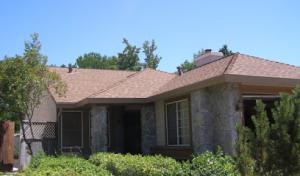
Typical Galt pricing ranges provided for planning are $400 to $800 per square for asphalt shingles, $700 to $1,200 for metal, $1,000 to $1,800 for clay tile, $900 to $1,500 for concrete tile, $600 to $1,200 for wood shingles or shakes, and $2,500 to $4,200 for slate. These figures map to the housing stock you see in the Sacramento County foothills and valley-edge suburbs: asphalt still common on many track homes, with tile and metal options popular on mid-century and newer builds. Use these numbers as a realistic starting point when you're collecting bids and prioritizing what to replace first.
Costs in Galt can rise when older tile roofs need extensive underlayment replacement, broken tile matching, or structural review because clay and concrete systems are heavier than asphalt. If your roof has failed underlayment or sagging framing, you'll probably see a noticeable jump in both material and labor. Matching broken or discontinued tile can also add days of labor to source a close visual match and fit. Factor in those potential bumps when you're comparing bids, and plan for a small contingency to cover surprises that come with heavier roof systems.
Scheduling pressure after winter storms or spring wind events in the local market can tighten labor availability and extend timelines, especially with staged inspections in play. In practical terms, you'll likely see slower start times after a wet winter and faster pace as the dry season approaches, but highly weather-sensitive crews can push operations into shoulder months. If you're balancing a long wish list of repairs, prioritize critical weatherproofing first, then slot the heavier tile upgrades for late spring or early summer when crews are more readily available and temps are favorable for safe installation.
Start with a mid-range bid for your current roof type, then build in a 10-20% cushion for heavier tile work or unexpected underlayment needs. If you're upgrading from asphalt to concrete or clay tile, prepare for higher per-square costs and potential structural adjustments. Keep a realistic window for completion-hot, dry summers are ideal, but heavy tile work may require a longer, staged process to avoid heat-related risks and ensure quality workmanship.
WC Roofing
(530) 967-8117 www.wcroofing.org
Serving
5.0 from 20 reviews
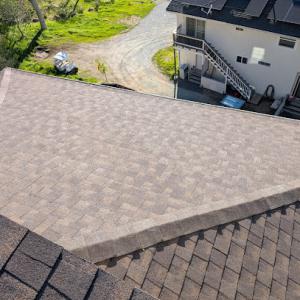
Comprehensive Roofing Services in Somerset, CA: From Installation to Repair, We’ve Got You Covered! Expert Roofing Solutions in Somerset, CA: Quality Service Guaranteed! At WC Roofing, delivering tailored roofing solutions with a personal touch forms the core of our mission. Operating as a family-owned business in Somerset, CA, we infuse every project with trust and reliability, essential qualities in the roofing industry. Our founder, William Calkins, leverages over 15 years of experience to bring high-quality workmanship and fair pricing to our community in El Dorado County.
Davis Roofing Group
(916) 900-7663 thedavisroofinggroup.com
Serving
4.8 from 58 reviews
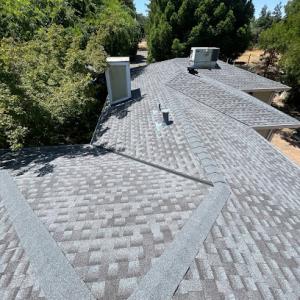
Davis Roofing Group is a locally owned and operated roofing company proudly serving Northern California from the Stockton area to Roseville / Rocklin area - Including Sacramento, Elk Grove, Lodi, El Dorado Hills and Davis. We specialize in residential and commercial roofing, roof repairs, roof replacements, and storm damage restoration. Our team is fully licensed, insured, and committed to honest inspections, clear communication, and quality craftsmanship. We treat every roof like it protects our own family — because it does. Homeowners choose Davis Roofing Group for reliable service, fair pricing, and long-lasting results. Contact us today for a free roof inspection and estimate.
Westland Home & Roof Inspections- Roof Repairs, & Handyman Services
(209) 518-2180 www.westlandinspections.com
Serving
5.0 from 69 reviews
We do full Home Inspections, Roof Inspections, and Home & Roof Inspection bundles for clients, investors and of course realtors. We also do roof repairs and handyman work ourselves. We have been in the construction industry since 1982. Give us a try, you will not be disappointed.
ACS Roofing
(916) 714-9660 www.egroofing.com
Serving
4.7 from 55 reviews
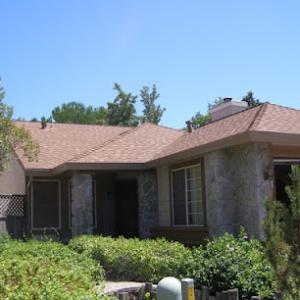
ACS is the only Roofing Contractor in Sacramento County to be HAAG certified, one of the highest qualifications in the industry. We are also an FAA licensed drone pilot and a Tile Roofing Institute certified inspector. Our services include: inspections, insurance inspections, escrow inspections, repairs, re-roofs, skylights, moss removal, roof and gutter cleaning, and leak repairs. We also help homeowners facing insurance non-renewal or cancellation notices. Our professional inspections include detailed written reports with photos of your roof. ACS offers certified inspectors, premium materials, skilled craftsmen, and responsive office support. Our BBB and CSLB records reflect our commitment to quality and customer service.
JM Roofing Solutions
(209) 263-8782 jmroofingsolutions.net
Serving
5.0 from 28 reviews
Your trusted roofing experts, providing top-quality solutions for residential and commercial properties alike.
Paramount Roofing Solutions
(916) 586-8025 elkgrovecaroofing.com
Serving
5.0 from 34 reviews
Paramount Roofing Solutions is Elk Grove's trusted roofing contractor, dedicated to delivering exceptional quality and service for all your roofing needs. Specializing in roof installation, roof replacement, and roof repair, we ensure your home or business is protected and looking its best. Our expertise includes durable metal roofing, classic asphalt shingle roofing, and energy-efficient commercial TPO roofing for businesses. Whether it’s a new construction roofing project or reliable solutions for flat roofing, our skilled team combines top-notch materials with precision craftsmanship. Paramount Roofing Solutions is committed to exceeding expectations with every project, ensuring long-lasting results that stand up to the test of time.
Innovative Roofing
(888) 677-9234 innovativeroofingco.com
Serving
4.3 from 17 reviews
Roofing Contractor
East Fork Roofing
(775) 546-0616 eastforkroofing.com
Serving
5.0 from 3 reviews
East Fork Roofing is a family-owned roofing company that provides roof replacement and repair services to Sacramento, Stockton and Modesto areas. Our legacy being one of the top roofing companies has with only the best roofing experts and contractors, continues today as the business grows with the high demand for licensed and trustworthy roofing contractors. Our company was founded by a local veteran roofer, Clay Davis. In 2011, Mike Davis joined the team and ushered in a new wave of team members. We strive to provide excellent customer service, fast and accurate quotes, and unparalleled workmanship. Quality is our primary goal throughout the process.
Valley Roofing Services
(209) 810-3456 valleyroofingservices.com
Serving
5.0 from 11 reviews
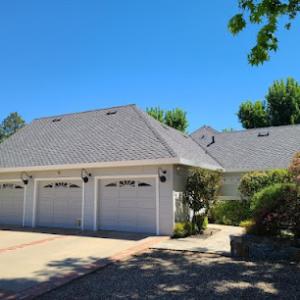
Harry Spriggs has been in the foam industry for over 2 decades and has worked on jobs ranging from residential homes to large industrial projects. In 2009, Harry decided to open Valley Foam, Inc. which allowed him to perform the level of workmanship that he felt every job deserved no matter how big or small. Valley Foam, Inc. makes it a priority to meet every customer’s needs and exceed industry standards with the quality and craftsmanship that we put into each and every job.
4 Ever Roofing
(916) 800-9962 www.4everroofinginc.com
Serving
4.8 from 60 reviews
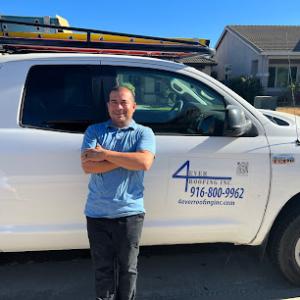
As a family owned roofing business, we empower each other to provide the best roofing services. Our values and commitment to each other strengthen the quality of work we provide to all of our clients. Ever started working in Southern California as a roofer with now over 16 years of top notch experience. Ever, his wife, and their children then moved to Sacramento to be closer to family. 4 Ever Roofing offers inspections, roof repairs, new roofing, maintenance, roof/gutter cleaning, and emergency services. We believe all families deserve to be safe and comfortable in their homes. A good honest family who cares.

Gonzalez Roofing
(209) 369-2932 www.gonzalezroofinglodi.com
Serving
3.8 from 31 reviews
Established in 2003, Gonzalez Roofing is a roofing and general contractor based in Lodi, California. We specialize in just about everything when it comes to roofing and general contracting including repairs, installations, maintenance, and gutter services for residential locations. With over 25 years of experience, we value providing quality services and high attention to detail. Contact us today for more information!
Lodi Roofing Experts
(209) 721-8257 roofinglodi.com
Serving
5.0 from 15 reviews
Lodi Roofing Experts offers roofing services for residential and commercial properties in Lodi, CA and nearby Central Valley communities. Services include roof repair, roof replacement, roof installation, commercial roofing, and roof inspections for homes, agricultural buildings, and commercial structures. With experience working on Central Valley roofing systems, the team understands seasonal heat, weather exposure, and construction styles common in the region. Lodi Roofing Experts serves property owners across Lodi, CA, supporting asphalt shingle, metal, and flat roofing systems.
The City of Galt Building Division typically requires a permit for a full roof replacement rather than treating it as minor work. If you are replacing the entire roof, expect the permit review to be the standard first checkpoint rather than a quick, informal approval. The department will want to see the proposed roofing type, venting layout, underlayment details, and any changes to flashing or penetrations. Plan on submitting drawings or notes that clearly describe the scope, materials, and any structural or electrical considerations tied to the project.
During plan review, the city will verify that your roof replacement aligns with local codes and neighborhood standards. In the process, inspectors look for proper venting strategy, appropriate underlayment for the Central Valley climate, and correct termination at eaves and ridges. If your home uses vented attic spaces, ensure the plan specifies intake and exhaust locations that won't create moisture traps or backdrafts. Any deviations from approved details, such as alternate underlayment or nonstandard flashing, can trigger questions or require revised submittals. In Galt, plan review can take additional time if the documentation doesn't match current approval expectations, so anticipate a brief delay before work begins.
Once the permit is issued and work starts, the city conducts staged inspections. The tear-off inspection typically occurs once the old roof is removed down to the deck and the roof deck is exposed for evaluation. The inspector checks that the deck is sound, any necessary repairs are completed, and the new underlayment and venting plan are in place before the new roof membranes go down. Subsequent inspections monitor the installation as it proceeds, ensuring fasteners, flashing, and penetrations meet code and the plan. A final inspection confirms all components are correctly installed, and that the project matches the approved plan.
In practice, weather windows matter a lot in this area. Hot-dry summers and wet winters can affect inspection timing, so schedule with the Building Division early and leave room for re-inspections. If venting, underlayment details, or submitted documentation don't align with current local approval expectations, expect an additional review step. Having a clean, organized submittal set and ready-to-go clarifications helps prevent multiple trips to the counter and keeps the project moving through the permit pipeline.
After the final inspection passes, the city issues permit clearance for the completed roof. Keep all record copies of the approved plans, inspection stickers, and any correspondence in a readily accessible folder on the job site. If questions arise during future remodels or insurance claims, you'll want to reference the exact approved configuration.
California's insurance market has seen carrier pullbacks in fire-prone areas and rising premiums, which affects homeowners even though the city isn't defined by coastal storm risk. In dry Central Valley heat and our winter rain windows, insurers watch roof condition closely. A roof with aging materials or brittle flashing can shift underwriting decisions, so the impact here can show up as tougher renewal terms or tighter coverage options after a long stretch of heat and a wet season.
Underwriting or renewal reviews often go beyond the policy itself. In Galt-area cases, carriers may request roof age records, permit documentation, and photos to verify the actual condition and recent work. Older roofs or high-risk materials can trigger closer scrutiny. Having clear, verifiable history helps. Photos should document the overall roof, attic conditions if accessible, and any recent repairs, while keeping records organized by material type and approximate installation year.
Roof type, age, and code-compliant replacement details can influence coverage terms and premiums, making permit closeout records especially useful after a re-roof. When a project finishes, insurers may look for a final inspection sign-off, documentation of material specifications, and proof that upgrades met current standards. In this climate, demonstrating that the roof upgrade aligns with local weather realities and meets safety expectations can prevent hiccups at renewal.
Keep a concise file with the original install date, material type, and any upgrades or repairs. Store permit closeout paperwork, inspection notes, and a current set of photographs showing the entire roof from multiple angles and elevations. If a change was made to ventilation, underlayment, or flashing, include documented details. For future renewals, you'll appreciate the clarity of a well-organized record set when discussing coverage options with your agent.
Connect with contractors who help homeowners navigate the claims process from damage assessment to final approval.
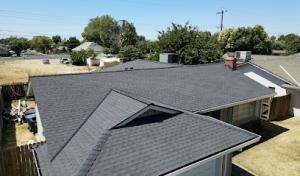
Although pitched residential roofs dominate in Galt, the local contractor signal set shows meaningful demand for flat-roof and low-slope work, indicating recurring issues on additions, patio covers, and some commercial or mixed-use structures. In everyday homes, this means you should pay closer attention to transitions where a low-slope element ties into a steeper main roof, especially where old sealants or flashing meet new materials. If your project includes an add-on or sunroom with a flat or low-slope deck, plan for extra inspection points during and after installation so the seam work remains watertight through the wet season.
Skylight-related service demand is also present in Galt, where leak diagnosis often overlaps with flashing, curb, and surrounding field-roof problems rather than the skylight unit alone. Start by inspecting the curb flashing first, then trace outward along the edge of the skylight to catch seepage that migrates through the adjacent field seams. In practice, expect that a leak around a skylight is rarely isolated to the skylight unit itself; the surrounding flashing and the close-in field roofing materials usually drive the symptom. Use a careful, methodical approach: remove interior trim only where necessary, and test for water entry with controlled rain tests or garden hose simulations on a dry day.
Wet winter conditions in the region make low-slope drainage performance and flashing integrity more important during the rainy season than during long dry summer stretches. Ensure the low-slope sections have proper pitch, adequate drip edges, and continuous flashing along wall intersections. Pay special attention to pan linings and scuppers where water can back up during heavy rains. On flat extensions, confirm that seams are fully sealed, and flashing transitions to steeper sections are continuous without gaps. The goal is to prevent even small misalignments from turning into slow leaks as storms roll through.
Find specialists in TPO, EPDM, and built-up flat roofing systems for residential and commercial properties.