Last updated: Apr 19, 2026
Rancho Cordova sits in the Sacramento area climate pattern of long, hot, dry summers followed by wet winter weather, so roofs here commonly face both UV aging and seasonal moisture stress in the same year. That means the same exposed roof experiences sun-baked shingles and tiles as well as moisture intrusion risks from rain. The heat accelerates deterioration of asphalt and underlayment, while winter storms test flashing, gutters, and valley protection. The result is a roof that ages faster than a milder climate and benefits from proactive care that targets both heat-driven wear and rain-driven vulnerabilities. This dual exposure also affects how you plan timelines for replacement, not just repairs. Expect that areas with direct sun exposure, south and west slopes, and any roof penetrations will show signs of aging earlier than shaded sections.
Winter rain in this market can interrupt tear-offs and increase the need for tarping, making late-fall and winter scheduling riskier for full replacements. If a full roof tear-off is planned, aim for a window where rain forecasts are minimal for several days and where crews can complete critical work before weather turns again. In practice, that often means scheduling windows in the shoulder seasons, with a preference for late spring or early fall when temperatures are moderate and dry spells are longer. Spring storms in the region can bring wind and occasional hail, while peak summer heat reduces crew productivity and can accelerate wear on exposed roofing materials. It is common to encounter wind-driven debris or hail impacts in spring, which can complicate re-roofing projects or lead to necessary early repairs before proceeding with a full replacement. The timing strategy should balance the risk of weather interruptions with the need to minimize UV-related aging that progresses month by month through the dry season.
Different roof types respond uniquely to Rancho Cordova's climate pattern. Asphalt shingles begin to show curling, cupping, or granule loss as heat and UV exposure accumulate, while long dry spells can stress underlains, vents, and penetrations if not well sealed. Metal roofs resist shrinkage but can develop fastener issues or paint deterioration in bright sun, especially on southern exposures. Clay and concrete tile handle heat well but may suffer from breakage during winter storms or from hail events in spring. Wood shingles and shakes age with surface checking and higher moisture absorption in wetter months, creating more opportunities for rot if ventilation isn't optimal. Slate offers durability but can suffer from brittle edges after temperature swings and heavy storm cycles. In practice, the best replacement timing aligns with observed curb appeal and performance signals: significant granule loss, curling or cracking, moisture staining, or repeated leaks from flashing zones all point to readiness for planning a replacement rather than piecemeal repairs.
A practical cadence in this climate is more frequent than once-a-year checks. Conduct a thorough fall inspection to capture any winter vulnerabilities before the first big rain events, paying attention to flashing around chimneys, skylights, vents, and roof-to-wall transitions. After winter storms, perform a quick check for displaced shingles, granule loss in gutters, and any new signs of moisture intrusion in attic spaces or ceiling corners. In spring, inspect for wind damage from seasonal storms and inspect tile integrity on slopes exposed to prevailing winds. Summer maintenance should focus on keeping the roof surface clear of debris, ensuring proper ventilation in the attic, and confirming that the underlayment remains sealed under heat stress. If a full replacement is on the horizon, you should plan a window with sustained dry weather and comfortable temperatures to maximize adhesive performance and minimize weather-driven interruptions.
When deciding replacement timing, compare the roof's current performance against expected life in this climate and the pace of aging signals observed on the surface. If numerous areas show consistent evidence of UV damage, frequent leaks, or structural concerns in the attic that point to compromised underlayment, it is prudent to start a replacement plan during a dry, mild period rather than chasing intermittent dry spells during peak heat or a rainy spell. Given the climate pattern, aligning the replacement window with late spring or early fall, avoiding the heart of summer and the depths of winter, tends to reduce disruption and improve installation quality. In short, schedule when the seasonal weather becomes predictable for a solid stretch, and respond promptly to new signs of wear that shorten the remaining lifespan of older roof systems.
In this desert-influenced valley climate, the summer sun hits roofs hard and winter rains test water resistance. The local mix of materials- asphalt shingles, metal, clay tile, concrete tile, wood shingles or shakes, and slate-means you're weighing heat performance against weight, maintenance, and upfront heft. When temperatures stay high for weeks, the top surface expands and contracts, potentially accelerating granule loss on asphalt and causing fasteners to loosen on lighter-metal profiles. In wet winters, underlayment and flashing become critical to keep that sun-dried roof from leaking once storms arrive. The best decision path considers both immediate weather resistance and how quickly components degrade under recurring heat stress and seasonal rain.
Asphalt shingles remain a common, economical choice for Rancho Cordova homes, especially on mid-century and newer ranches with standard attic ventilation. Modern laminated shingles with reflective granules offer better heat reflectivity, which helps limit attic heat buildup and reduces insulation load in peak summer. Metal roofing brings excellent solar reflectivity and water-shedding reliability during winter storms, but weight, roof pitch, and the supporting structure must be evaluated. In deeper Santa Fe shadows or homes with attic vents, metal can outperform asphalt in heat management, yet it may require more precise flashing and foundation detailing to handle heavy rainfall without ice dams. In practical terms, the decision often hinges on the existing roof footprint, the house's framing, and your willingness to upgrade or retrofit ventilation to maintain long-term performance.
Tile roofs-clay or concrete-are especially relevant in Sacramento suburbs and remain a defining feature of many Rancho Cordova homes. Clay tiles tend to excel in heat resistance due to their thermal inertia, keeping attic space cooler when properly vented. Concrete tiles offer similar benefits with added flexibility in weight and design. However, tile systems require careful installation and robust flashing to handle winter rains, and the weight demands on the structure must be confirmed before replacement. Tile roofs also tend to carry longer lifespans but come with higher upfront notes on labor and maintenance. Local contractors often specialize in tile layouts that balance the cooling advantage with the need for effective underlayment and venting details.
Wood shingles or shakes provide distinct curb appeal but respond to heat with faster drying and potential warping if attic moisture isn't controlled. In this climate, a well-vented attic and a sealed underlayment help wood roofs resist cupping and splitting during hot spells. Slate is exceptionally durable but extremely heavy; it demands structural readiness and precise flashing to survive seasonal rainfall and freeze-thaw cycles. When considering these options, assess attic ventilation, fascia and rake detailing, and the ability to manage weight loads without compromising roof deck integrity.
Across all materials, the locally emphasized emphasis is on the trio: underlayment, flashing, and attic ventilation. A high-quality synthetic underlayment paired with continuous flashing around chimneys, vents, and skylights minimizes seepage during heavy rains. Attic ventilation-combining soffit intake with ridge or gable exhaust-reduces heat buildup that accelerates shingle aging or warping in tiles and shakes. If the attic runs hot, roof color choices matter too; lighter hues reflect more sun and can slow heat-related degradation. In practice, the best path for a Rancho Cordova roof is to pair a material that matches the house style with a ventilation plan that keeps the attic cool and dry year-round.
In this valley heat and winter wetting cycles, the real trouble isn't just surface wear on tile or shingle roofs. The pattern you'll most often confront locally is weatherproofing breakdown beneath the visible layer after repeated summer heat exposure and winter rainfall. When underlayment and flashing start to lose their seal, leaks don't announce themselves with a single drip-they hide until a storm test reveals the weakness. That means a roof that still looks acceptable from the curb can be quietly failing where it matters most: the attic, corners, and transitions where moisture can travel unseen. The consequence is not just a stain on a ceiling, but the potential for framing and insulation damage that costs more to fix than a straightforward patch.
The City of Rancho Cordova's inspection process emphasizes details that matter on local re-roofs: weatherproofing, ventilation, and attic access. If your roof restoration overlooks these areas, you risk shorting the lifespan of the entire system. Ventilation is not cosmetic; it controls condensation and attic heat buildup that can accelerate shingle or tile deterioration and degrade underlayment. Attic access and the ways you can inspect from above set the stage for early detection-think of it as a homeowner's early warning system. When you plan a replacement or major repair, align your choice of underlayment, flashing, and venting with the attic layout and the way the house breathes in our dry summers and damp winters. Skipping proper detailing here often leads to repeated repairs just a few years after initial work.
Emergency leak response is a meaningful local need, reflecting the prevalence of storm damage and rapid rain events that can surprise a roof. That urgency isn't a reason to cut corners, but it underscores why you should consider how quickly a roof can be brought back to weatherproofing after damage. Choose replacements and repairs that allow swift, reliable resealing-especially at penetrations, valleys, and corner edges where heat expansion and winter contraction stress fasteners and sealants. If you're facing an unexpected leak, your best path is a contractor who can rapidly assess both surface wear and the underlying weatherproofing beneath, not just patch the surface. In the long run, the idea is to reduce repeat emergencies by investing in a system that stays sealed as seasons churn.
When you can't wait, these contractors offer fast response times to stop leaks and prevent further damage.
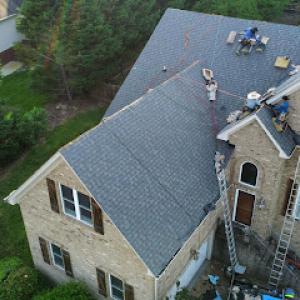
Peak Roofing Solutions
10792 Olson Dr, Rancho Cordova, California
5.0 from 26 reviews
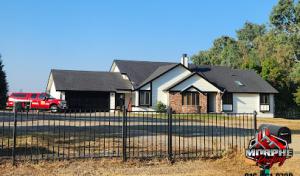
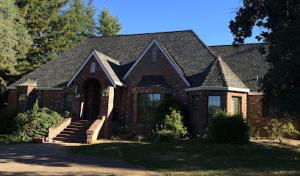
Peak Roofing Solutions is your trusted roofing contractor serving Rancho Cordova, CA, offering a comprehensive range of services to meet all your roofing needs. Whether you require roof installation for a new build, roof replacement, or reliable roof repair, we have you covered. Our team specializes in metal roofing, providing durable and long-lasting solutions, along with high-quality asphalt shingle roofing that’s both cost-effective and aesthetically appealing. For commercial properties, we offer top-notch TPO roofing systems that are energy-efficient and reliable. We also provide expert flat roofing services, ensuring your property stays safe and protected. Trust Peak Roofing Solutions for all your roofing needs.
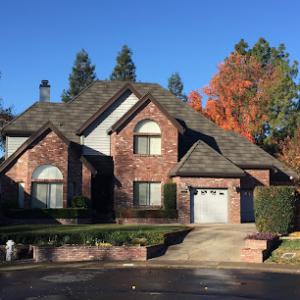
Ironstone Roofing
(916) 769-7010 www.ironstoneroofing.com
11265 Sunrise Gold Cir Ste V, Rancho Cordova, California
5.0 from 22 reviews
Are you planning on installing or replacing a roof near Rancho Cordova, CA or the surrounding areas? Then contact the experts at Ironstone Roofing. Our roofers specialize in the installation of stone coated steel roofing, a unique material that has all the durability of metal with all the visual appeal of shingles. We offer stone coated roofing tiles, as well as composition roofing tiles, from various different brands, including Tilcor, Decra, MetalSales, and ASC. Call us today and let us install your stone coated metal roof.
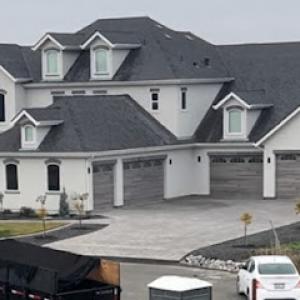
California Commercial & Residential Roofing
(916) 399-0216 www.californiacrroofing.net
Rancho Cordova, California
4.8 from 29 reviews
Established in 2001, California Commercial & Residential Roofing is a trusted leader in the greater Sacramento area. We specialize in providing comprehensive solutions for all your roofing needs, from expert installation and repair to seamless gutter services. Our dedicated team is committed to enhancing the durability and protection of your property, offering top-tier waterproofing and insulation solutions. We pride ourselves on delivering exceptional craftsmanship and reliable service to both commercial and residential clients.
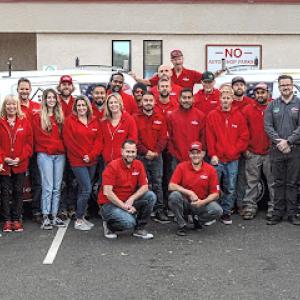
Garner Roofing
12178 Tributary Point Dr, Rancho Cordova, California
4.5 from 287 reviews
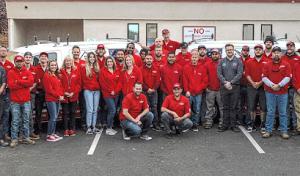
See the GARNER DIFFERENCE! We are a 3rd generation, veteran owned and operated roofing company. We have been serving residents in the community for over 3 generations! We would like to work with you on your new roofing project. Our highly skilled, drug tested, background checked, and professionally trained workers provide the highest quality service to all our customers. Not only do we offer all types of residential and light commercial roofs, but we also have the best WRITTEN warranties and guarantees in the business. Contact us for more information.
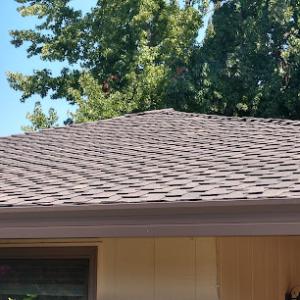
Alta Cal Roofing
(530) 306-9792 www.alta-calroofing.com
Rancho Cordova, California
5.0 from 6 reviews
Alta Cal Roofing has done 1000's of re-roofs all over the Sacramento area. We only use top grade materials that are tried and trusted.
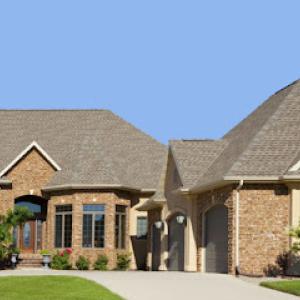
Harlan Quality Roofing
(916) 292-9548 harlanroofing.com
Serving
4.8 from 58 reviews
We specialize in residential roof replacement and new installations of asphalt composition shingles, along with asphalt composition roof repair and tile roof repair with over 25 years of roofing experience!
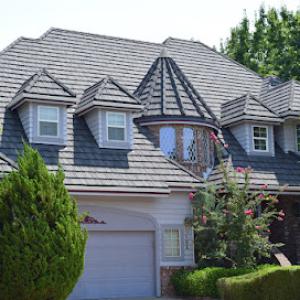
Cal-Vintage Roofing
(916) 635-8320 www.calvintageroofing.com
Serving
4.7 from 94 reviews
Cal-Vintage Roofing Inc, a premier roofing service provider in Gold River, California, proudly offers top-notch solutions to ensure the longevity and aesthetic appeal of your property. With years of expertise and a skilled team of professionals, Cal-Vintage Roofing Inc is dedicated to delivering exceptional craftsmanship, exceptional materials, and unparalleled service to protect and enhance your valuable investment.
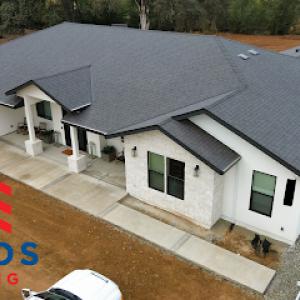
Larios Roofing
(916) 871-9558 lariosroofing.net
Serving
5.0 from 45 reviews
Welcome to Larios Roofing – Your Trusted, Local Roofing Contractor At Larios Roofing, we combine professional roofing services with a personal touch. Serving Fair Oaks, Sacramento, and surrounding areas, our experienced team is here to handle everything from quick roof repairs to full roof replacements and durable metal roofing solutions. We pride ourselves on treating every customer like family, providing free roof assessments, transparent estimates, and a workmanship warranty for your peace of mind. Using only top-grade materials, we ensure reliable, long-lasting results for both residential and commercial projects. Call us today and let us take care of your roofing needs!
NRG Pros
(916) 578-2643 www.nrg-pros.com
Serving
4.9 from 92 reviews
NRG Pros has been providing high quality roofing services for over 20 years. We're family owned and operated, so we understand that our customers have plenty of options when it comes to choosing who will work on their home. That's why we strive to provide exceptional service at an affordable rate with every job we do. Roofs are expensive, and the cost of repairing or replacing your roof can put a huge dent in your budget. Our goal is to provide you with peace of mind knowing that your home, or business, is well protected from the elements and looking great while doing it! When you choose NRG Pros for all of your Sacramento Roofing needs, rest assured that you'll get the best value around without sacrificing quality craftsmanship.
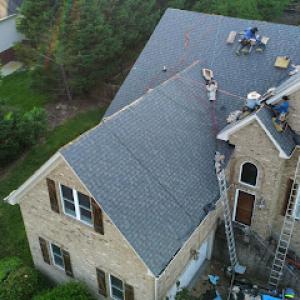
Champion Roofing Solutions
Serving
5.0 from 37 reviews
Champion Roofing Solutions is Folsom, CA’s trusted roofing contractor, dedicated to delivering top-tier roofing services for residential and commercial properties. With expertise in roof installation, replacement, and repair, they ensure your roof is durable, reliable, and built to last. Their specialties include metal roofing, asphalt shingle roofing, and advanced commercial TPO roofing, tailored to meet diverse needs. Whether you’re building a dream home or need expert solutions for a new construction roof, their team provides unmatched craftsmanship. Champion Roofing Solutions also excels in flat roofing systems, offering sleek, functional designs. Choose Champion Roofing Solutions for superior quality, exceptional customer care.
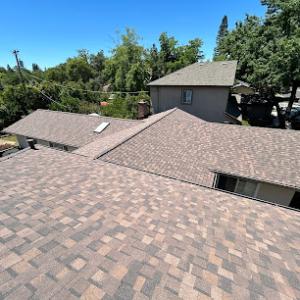
Noah's Roofing
(916) 704-2674 noahsroofing.net
Serving
4.9 from 118 reviews
Your go to family-owned roofing contractor. When it comes to quality roofing solutions, trust none other than Noah's Roofing. Our team is very concerned about your welfare as well as the future of our environment, so we strive to provide systems that are long-lasting and energy-efficient. Instead of just replacing your roof, we go the extra mile to identify and install the roofing system that best suits your needs and preferences. Noah’s Roofing is a licensed, insured, and bonded contractor to ensure we protect your home. Steve has over 20 years of roofing experience. We hire the best experienced roofers, most are certified Select Master shingle roofers with CertainTeed. Are you ready for the rain?
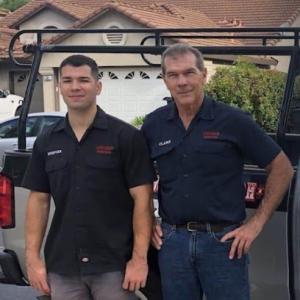
Clark's Gables Roofing
(916) 791-0121 clarksgables.com
Serving
4.9 from 85 reviews
Clark's Gables Roofing — Roofing Excellence You Can Trust With over 30 years of experience, Clark’s Gables Roofing is proud to be a trusted name in residential roofing across Roseville, CA, and surrounding areas. Fully licensed, insured, and bonded (License #C39-696491), we deliver peace of mind along with expert craftsmanship. We specialize in: *Concrete tile roof repairs. *Installation of composition shingles, concrete tiles, and stone-coated steel roofs. *Gutter and gutter screen installation. Whether you need a minor repair or a full roof replacement, our team provides a complete range of roofing services tailored to your needs. At Clark's Gables Roofing, quality work and customer satisfaction are our top priorities. Call us today!!
In this market, pricing is typically discussed per square (100 square feet). Asphalt shingles run about $350 to $700 per square, while metal roofing is closer to $700 to $1100. If clay tile is your choice, expect roughly $900 to $1700 per square, or $800 to $1500 for concrete tile. Wood shingles or shakes fall around $700 to $1100, and slate sits higher at $1200 to $2300 per square. These ranges reflect the mix of old and new homes in the area and the variety of roof shapes you'll encounter.
Typical local pricing can rise when winter rain forces extra dry-in work and tarping, or when summer heat slows production during tear-off and installation. If a project spans the wet season, crews may need to stage tarps, temporary seals, and additional waterproofing steps, all of which add days and labor. In hot months, the crew's pace can slow under long heat days, especially on steep or tile roofs, pushing labor time and materials slightly higher than the baseline ranges.
Tile-heavy re-roofing tends to be more labor-intensive than basic shingle replacement. Tile work requires careful removal and re-seating to avoid breaking pieces, careful underlayment integration, and precise flashing details. That complexity translates into higher labor costs and longer project timelines. Expect longer durations if the roof is heavily tiled or if the home has multiple levels or intricate roof geometry.
You'll want to plan for the upper end of the local ranges if your roof is mostly tile or slate, if the weather window is tight, or if extra dry-in work is needed after rain. If you're balancing a tighter budget, asphalt shingles offer the most favorable price-to-life expectancy, but ensure your attic ventilation and underlayment are upgraded to maximize longevity in hot summers and damp winters.
Don't let upfront costs delay a critical repair - these contractors offer payment plans to fit your budget.
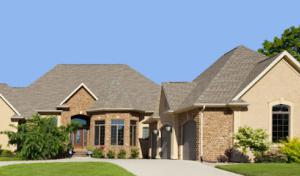
A full roof reinstallation in Rancho Cordova typically requires a building permit from the City of Rancho Cordova Building Division. Starting with a permit ensures that the plan meets local code, which is especially important given the valley's strong sun, seasonal rains, and the mix of shingle and tile roofs seen across neighborhoods. Before any removal or new installation begins, a complete submittal package should be prepared, including roof deck condition, underlayment type, flashing details, and ventilation strategy. The permit process helps verify that weatherproofing, attic access, and ventilation will perform reliably under both the hot summers and the wetter winter months.
The local process includes plan review followed by scheduled inspections during and after installation rather than only a single closeout visit. This means you'll work with a plan reviewer and then coordinate several site visits as the project progresses. In practice, expect at least an initial review of the proposed roofing system, fastener details, and roof penetrations (chimneys, vents, skylights) before any work starts. Once the crew begins, inspections happen at key milestones: after deck prep and underlayment installation, once flashing and valley protection are in place, and at various points as roofing material is applied. The final closeout inspection confirms everything is properly weatherproofed and sealed.
During the process, inspectors in this area specifically cover weatherproofing, ventilation, and attic access, and a final inspection is required to close out the project. Weatherproofing checks ensure the underlayment and waterproofing details will stand up to heavy rains and rapid temperature swings that occur after a hot Rancho Cordova summer. Ventilation review confirms that attic vents and soffit intake are adequate to manage heat buildup and humidity, which can affect roof deck longevity and attic insulation performance. Attic access verification ensures safe, code-compliant paths for future maintenance and emergency access. If any of these elements are not up to code, the project may require corrections before progress is allowed or the final permit is released.
To keep the process smooth, prepare the permit package with clear roof diagrams, ventilation calculations, and flashing details that align with the chosen roof system. Schedule inspections proactively to avoid delays caused by weather or material delivery windows. Keep a tidy jobsite with accessible attic spaces and clear pathways for inspectors to view critical areas. If adjustments are requested, address them promptly to maintain the project timeline and ensure weatherproofing is verified before winter rains resume. A properly managed permit and inspection sequence helps guarantee a durable roof that withstands Rancho Cordova's climate while remaining compliant with local standards.
California's insurance market has seen premium increases and coverage restrictions in wildfire-prone and certain wildfire-risk areas, which affects roofing decisions for homeowners in and around Rancho Cordova. Those changes mean carriers may scrutinize roof age, material, and maintenance history more closely when reviewing claims. A claim that hinges on age or pre-existing wear can be denied or paid at a reduced level if the documentation doesn't clearly establish current damage versus wear. Understanding this landscape helps you approach repairs with patience and precision, rather than hope for a blanket write-off.
Local claim handling can hinge on detailed pre-loss and post-damage photos, material specifications, and contractor bids, especially when adjusters question roof age or pre-existing wear. Before any repair begins, gather dated photos showing the roof from multiple angles, attic and interior evidence of leaks, and close-ups of flashing, valleys, and penetrations. Keep records of the exact shingles or tiles installed, plus any underlayment or ventilation upgrades. If a trusted contractor provides a bid, ensure it clearly aligns with the actual observed damage and specifies material types and installation methods. This level of detail reduces ambiguity and supports a fair settlement.
Because spring storms, wind events, and winter leaks can create disputed damage scenarios, homeowners benefit from documenting conditions before repairs begin. Note seasonal weather patterns that may contribute to damage-heavy rains, wind gusts, or heat-induced material wear. If a claim arises after a storm, record the sequence of events: when the leak appeared, what areas show active dripping, and any interior signs of water intrusion. Keeping a concise timeline helps adjusters separate acute damage from pre-existing conditions and supports a smoother resolution.
In this market, adjusters may request source material details beyond the basic roof deck and shingles. Prepare a binder with product specifications, installation date ranges if known, and any previous repairs or patchwork you've observed. Having this organized, neighbor-to-neighbor clarity not only informs the adjuster but also strengthens your position during negotiations, helping to protect the long-term performance of the roof under Rancho Cordova's hot summers and wet winters.
Connect with contractors who help homeowners navigate the claims process from damage assessment to final approval.
Garner Roofing
12178 Tributary Point Dr, Rancho Cordova, California
4.5 from 287 reviews